
Curated recipes from 193 countries  •  New seasonal Mediterranean issue out now

Overview

Banana Bread

Banana Banana Bread, Banana Loaf

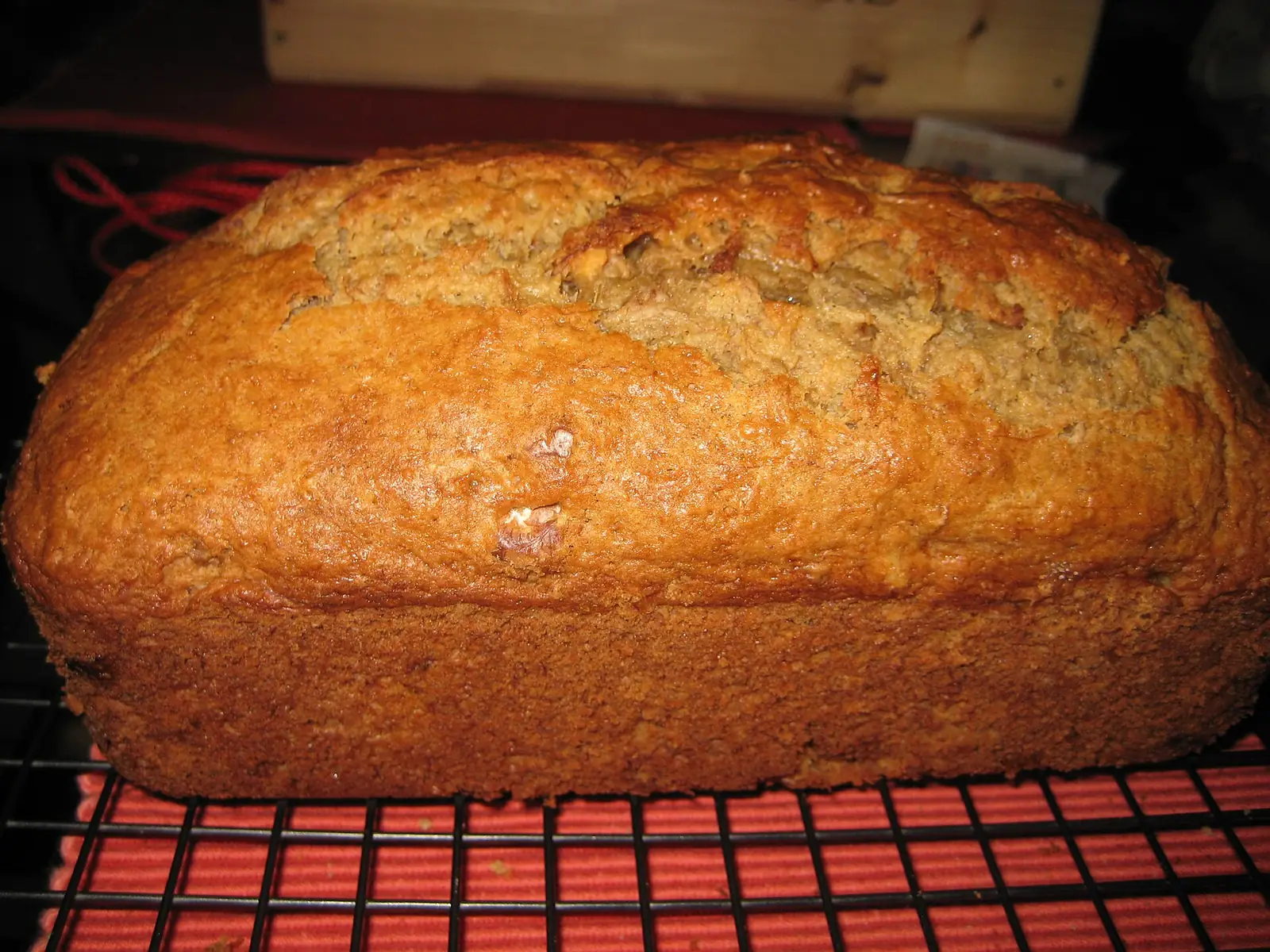
This banana bread recipe turns four very ripe bananas into a moist, golden loaf with a tender crumb, a crackled top and crunchy walnuts in every slice. It is a one-bowl quick bread: no yeast, no mixer, no fuss — just mash, stir and bake. One serving is about 107 g.

Bananas reached the United States in the 1870s, and banana bread recipes began appearing in American cookbooks in the 1930s, when baking powder and baking soda became cheap and widely available — the loaf is a quick bread, raised by chemistry rather than yeast. It surged again during the 2020 lockdowns, when home baking boomed, and February 23 is now National Banana Bread Day in the United States. Allrecipes describes its Banana Banana Bread as the most popular recipe in the site's history.

Pairs well with: Salted butter, a smear of cream cheese & hot coffee

Provenance

United States flag United States

American Heritage

North America

Time Dedication

1h 15m

15m prep • 60m cook

Batch Yield

10 Servings

346 kcal per serving

1 serving ≈ 107 g

Technical Skill

Easy

Easy (One Bowl)

Meal Timing & Digestive Fit

Breakfast

Prime Morning Fit

Lunch

Inappropriate

Dinner

Inappropriate

Snack & Tea

Inappropriate

Occasions: Weekend breakfasts, school lunchboxes, coffee mornings, using up ripe bananas Cost: Low — about $0.60–0.80 per serving at home
A whole golden-brown loaf of banana bread cooling on a wire rack

American Heritage

Photo: Whitney, CC BY 2.0, via Wikimedia Commons

The Heritage Formulary

Measured Ingredients

Estimated cost: Low — about $0.60–0.80 per serving at home (USD)

A true banana bread is a quick bread: no yeast, leavened with baking soda, and best made with bananas that are heavily speckled or black.

Execution Methodology & Culinary Technique

Step-by-Step Cooking Guide

Active 1h 15m
P

Mash, Mix and Pan

15 Mins • One Bowl

Mash the 450 g ripe bananas in a large bowl, stir in the melted butter, both sugars, the eggs and vanilla, then fold in the flour mixture and the walnuts. Scrape into a greased 23 x 13 cm (9 x 5 inch) loaf pan and smooth the top.

Maestro Tip: Do not overmix once the flour goes in — stir just until the last streak of flour disappears, or the loaf turns tough.

  1. 1

    Heat the Oven and Prepare the Pan

    5 Mins 175°C (350°F)

    Heat the oven to 175°C (350°F) with a rack in the centre. Grease a 23 x 13 cm (9 x 5 inch) loaf pan with butter and line the base and long sides with a strip of parchment paper, leaving an overhang to lift the loaf out.

    The parchment sling is the difference between a loaf that lifts out cleanly and one that tears in the pan.

    Done when: The pan is greased and lined, and the oven is at temperature.

  2. 2

    Mash the Bananas and Mix the Wet Ingredients

    5 Mins Room temperature, about 22°C (72°F)

    Mash the 450 g ripe bananas in a large bowl with a fork until mostly smooth. Stir in the 115 g melted butter, the 150 g granulated sugar, the 50 g brown sugar, the 2 beaten eggs and the 5 ml vanilla until combined.

    Bananas that are black on the outside are perfect — they are sweeter and mash to a smooth puree with almost no effort.

    Done when: A thick, sweet banana mixture with no dry sugar visible.

  3. 3

    Fold in the Dry Ingredients and Walnuts

    5 Mins Room temperature, about 22°C (72°F)

    Whisk the 250 g flour, 5 g baking soda, 3 g salt and 2 g cinnamon in a separate bowl, then tip into the banana mixture. Fold with a spatula just until the flour disappears, then fold in the 60 g chopped walnuts. Scrape the batter into the prepared pan and smooth the top.

    Stop folding the moment the flour is gone — a few lumps are fine, and overmixing is the main cause of a dense, rubbery loaf.

    Done when: A thick batter that drops slowly off the spatula, with walnuts spread through it.

  4. 4

    Bake Until the Centre Is Set

    60 Mins 175°C (350°F)

    Bake for 55 to 65 minutes, until the top is deep golden brown and cracked, and a skewer pushed into the centre comes out clean or with a few moist crumbs. If the top browns too fast after 40 minutes, lay a loose sheet of foil over it.

    The skewer test never lies: wet batter on the skewer means another 5 to 10 minutes, even if the top looks done.

    Done when: Deep golden crust, a clean skewer, and the loaf pulling slightly away from the sides of the pan.

  5. 5

    Cool Before Slicing

    20 Mins Room temperature, about 22°C (72°F)

    Leave the loaf in the pan for 10 minutes, then lift it out on the parchment and cool on a wire rack for at least 20 minutes before slicing with a serrated knife.

    Slicing a hot loaf crushes the crumb. Waiting 20 minutes gives clean slices — and the loaf actually tastes sweeter once it has cooled a little.

    Done when: The loaf is firm enough to slice cleanly without squashing.

Finishing Touches & Plating

Serve slices warm or at room temperature, plain or with a knob of salted butter. The flavour deepens overnight, so a loaf baked today is often even better tomorrow.

Nutritional Physiology & Benefits

Nutrition

Energy

346

kcal / serving

Protein

5g

Complete AA

Carbs

50g

Complex

Fats

15g

Healthy

Per serving (10 servings · 1 serving ≈ 107 g)
Energy346 kcal
Protein5 g
Carbohydrates50 g
Fat15 g
Fibre2.4 g
Sugar25.6 g
Sodium271 mg
Per 100g
Energy323 kcal
Protein5 g
Carbohydrates47.1 g
Fat13.6 g
Fibre2.2 g
Sugar23.9 g
Sodium254 mg

Nutrition values are estimated — calculated from USDA FoodData Central values for the listed ingredients.

Vitamins & minerals: Potassium and vitamin B6 from the bananas, plus magnesium and healthy fats from the walnuts. Nutrition is estimated.

Rescues Ripe Bananas

Four overripe bananas that would have been thrown away become a whole loaf — this banana bread recipe is one of the best ways to cut food waste at home.

Steady Morning Energy

One slice gives about 346 kcal with 50.4 g of carbohydrate, so it works as a quick breakfast that actually keeps you going until lunch.

Potassium and B6

The bananas bring potassium and vitamin B6, and the walnuts add magnesium and unsaturated fats — real nutrients, not just sweetness.

Food Pairings

What to Eat With

To optimize nutrient absorption and elevate the sensory depth, pair with these authentic accompaniments:

Sides

Salted Butter

A thin spread of cold salted butter melts into the warm crumb and the salt sharpens the banana flavour — the simplest and best partner.

Cream Cheese

A smear of plain cream cheese adds a cool, tangy contrast that cuts the loaf's sweetness and makes it feel like a proper breakfast.

Drinks

Hot Coffee

Black coffee's bitterness balances the loaf's sweetness, and the two have been a breakfast-table pair in America for decades.

Full Menus

Greek Yoghurt and Berries

A slice next to a bowl of plain Greek yoghurt and berries turns the loaf into a complete breakfast, with protein and freshness alongside the sweet bread.

Complete menu

Serve a warm slice with salted butter and a mug of black coffee, or make it a full breakfast with Greek yoghurt and fresh berries on the side.

Digestive Guardrails

What NOT to Combine

To prevent digestive distress, sluggishness, or palate clash, avoid pairing the dish with these elements:

Storing It Warm in a Sealed Bag

A warm loaf sealed in plastic sweats, and the trapped moisture makes the crust soggy and speeds up mould. Cool it fully on a rack first, then wrap it. This is general food-safety information, not medical advice.

Swapping Baking Soda for Baking Powder

Baking soda reacts with the acidity of the bananas to lift the loaf; baking powder works differently and a straight swap leaves a dense, pale loaf with a soapy taste. This is general cooking information, not medical advice.

General information only, not medical advice — consult a doctor for personal dietary decisions.

Who Should Eat It

Who Should Eat

  • General adultsA wholesome, satisfying slice — best as breakfast or a snack, not as an all-day grazing food.
  • ChildrenA lunchbox favourite; the sweetness is real, so one slice is a sensible portion for children.
  • ElderlySoft, easy to chew and easy to digest — a good choice with tea or coffee.
  • Pregnant womenGenerally suitable; the eggs are fully baked through, but the sugar is high, so keep the portion to one slice — ask your clinician.
  • Breastfeeding womenGenerally suitable; the potassium and energy are useful, but watch the sugar if you eat it often.
  • AthletesAbout 50.4 g of carbohydrate a slice makes it a handy pre-training snack — eat it 1 to 2 hours before exercise.
  • Weight gainA good choice — the loaf is energy-dense and easy to eat, and a slice with butter adds calories without much volume.
  • Weight lossAt 346 kcal a slice with 25.6 g of sugar, this is a treat: take one thin slice and pair it with yoghurt or fruit rather than a second slice.

Health Conditions — Adjust or Avoid

Conditions

  • DiabetesAbout 50.4 g of carbohydrate and 25.6 g of sugar a slice — take a thin slice and pair it with protein such as yoghurt; ask your clinician.
  • High blood pressureAbout 271 mg of sodium a slice is moderate, but the sugar is the bigger issue — keep the portion small; ask your clinician.
  • Kidney diseaseBananas are high in potassium, which some kidney diets limit — check your potassium allowance first; ask your clinician.
  • GoutNo purine-rich ingredients, so it is generally fine in small portions; the sugar is the main thing to watch; ask your clinician.
  • Stomach issuesSoft and easy to digest when fresh, but the walnuts and fibre can bother a sensitive stomach — try a slice without nuts; ask your clinician.
  • Cardiovascular diseaseThe butter and sugar are the concern, not the bananas — one small slice occasionally fits better than a daily habit; ask your clinician.
  • Fatty liverThe 25.6 g of sugar a slice is high for a fatty-liver diet — keep it occasional and small; ask your clinician.
  • Food allergiesContains gluten (wheat), egg, milk (butter) and tree nuts (walnuts). Omit the walnuts for a nut-free loaf and check every label.
  • Special therapeutic dietsNot suitable for gluten-free, dairy-free or low-sugar therapeutic diets without a full recipe change — ask your clinician or dietitian.

If you have a medical condition, consult your doctor before changing your diet.

Storage & Use

Storage & Use

How to store
Cool completely, then wrap tightly in cling film or store in an airtight container.
In the fridge
Up to 1 week wrapped in the fridge; bring to room temperature or toast lightly before eating.
In the freezer
Up to 3 months, sliced and wrapped individually — thaw at room temperature.
How to reheat
Toast slices lightly, or warm in an oven at 160°C (325°F) for 5 minutes until heated through.
Freezing recommended
Yes — it freezes very well, sliced, for up to 3 months.
Signs it has spoiled
Mould spots, a sour or fermented smell, or a slimy surface.

More recipes to explore

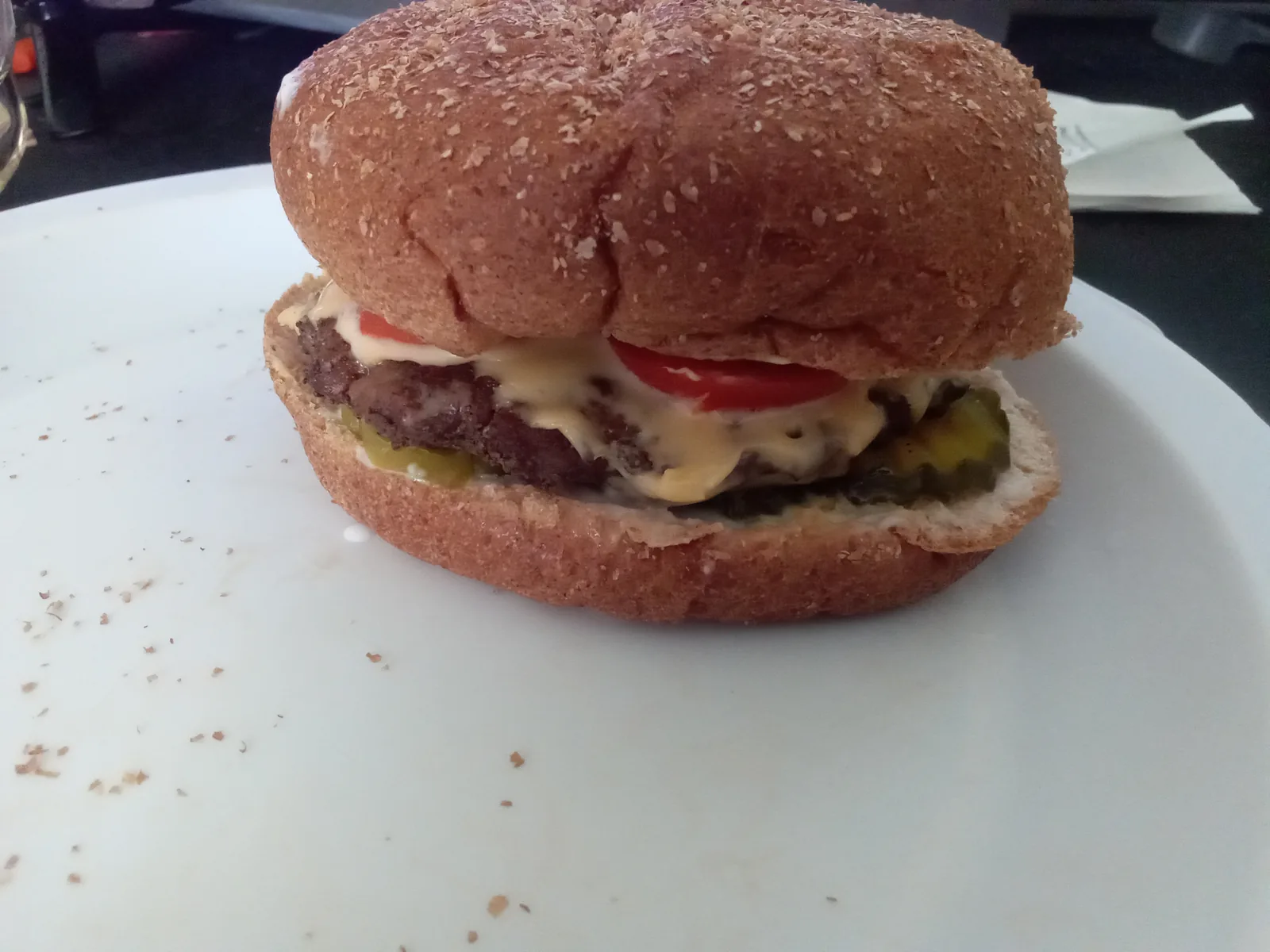
An American cheeseburger with a beef patty, melted cheese, tomato and pickles in a wholemeal bun on a white plate United States flag United States 35m
Lunch •American Heritage

American Cheeseburger

This american cheeseburger recipe turns a thick, well-seasoned beef patty, a slice of sharp cheddar and a soft toasted bun into the classic American lunch. The cheese melts over the hot patty, the pickles and tomato cut through the richness, and the whole thing comes together in about 35 minutes. One serving is about 340 g, one full burger.

Comfort & Satisfaction

A juicy grilled beef patty with melted cheddar, fresh tomato, lettuce and pickles in a soft toasted bun.

Pairs Well With
Crisp french fries or a simple coleslaw, with an ice-cold cola or lemonade.
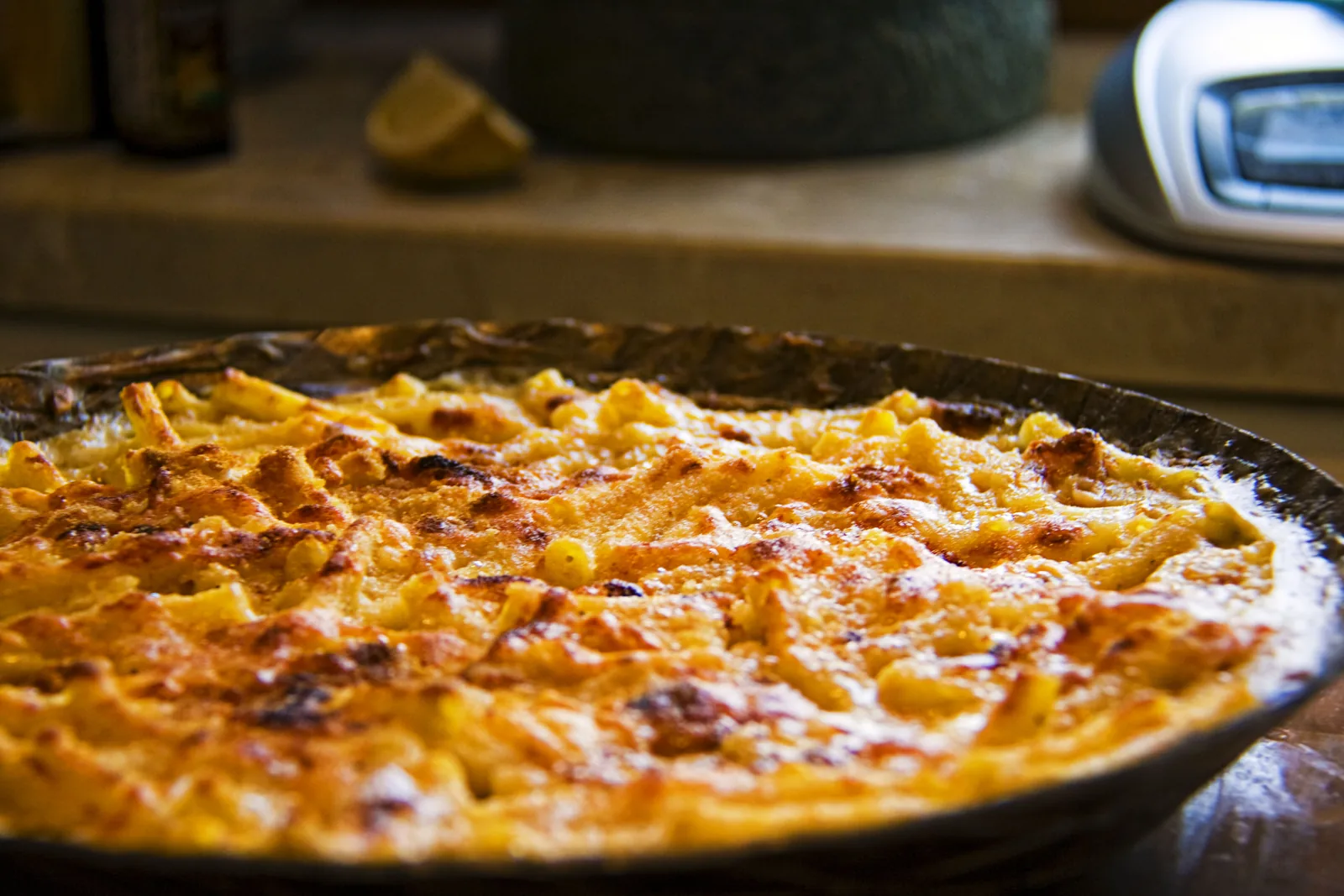
Baked mac and cheese in a baking dish with a golden-brown crust United States flag United States 1h 5m
Dinner •American Heritage

Baked Mac and Cheese

This baked mac and cheese recipe layers elbow macaroni in a smooth béchamel sauce made with sharp cheddar and Gruyère, then bakes it under a golden, buttered panko crust until the top is crisp and the sauce bubbles at the edges. It is the American comfort dish that turns up at family dinners, Thanksgiving tables and potlucks all over the country. One serving is about 290 g.

Comfort & Warmth

Elbow macaroni baked in a sharp cheddar and Gruyère béchamel under a golden panko crust — the classic American comfort casserole.

Pairs Well With
Roasted broccoli & green salad
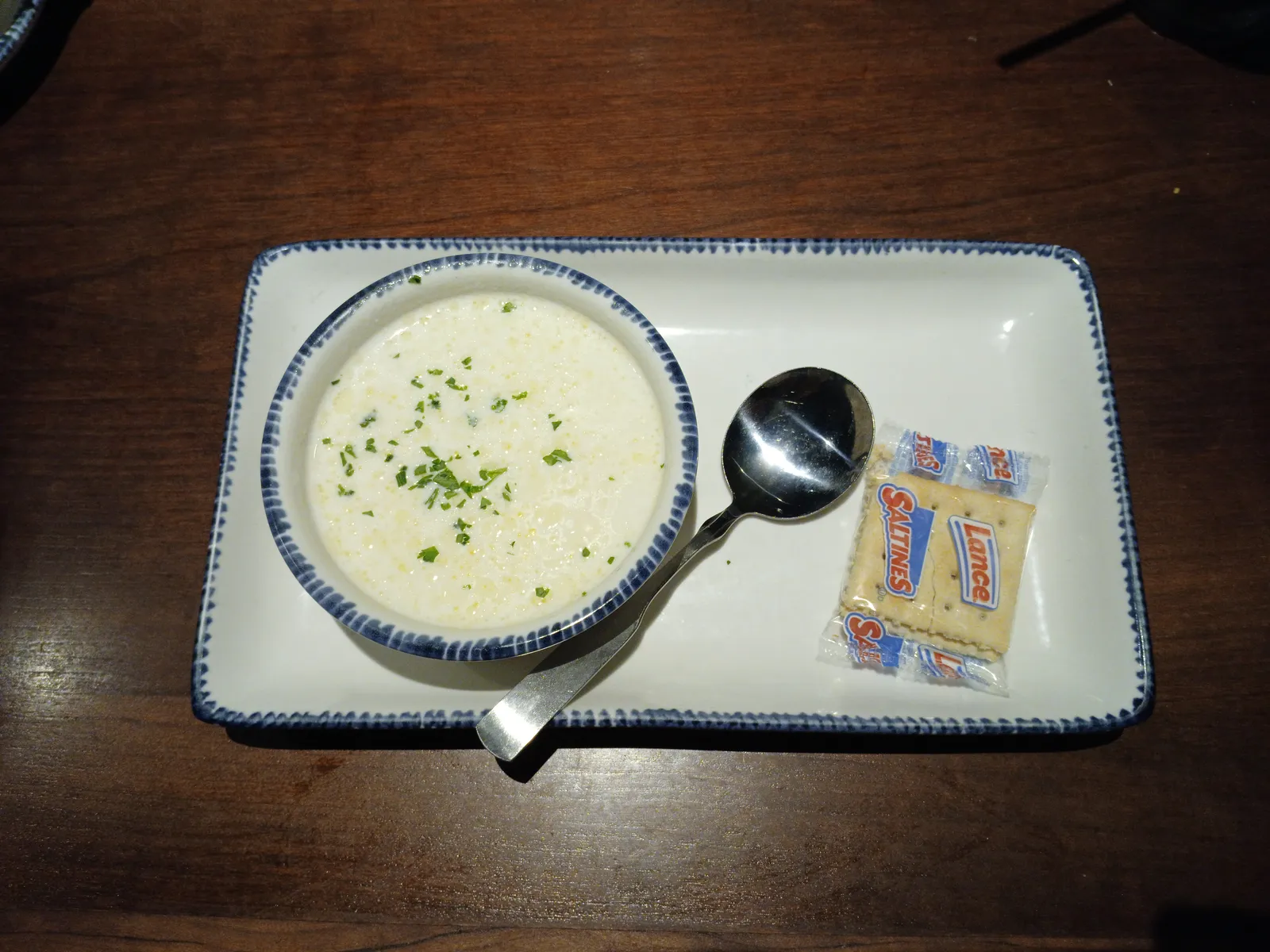
A cup of creamy white clam chowder with chopped parsley, served on a plate with saltine crackers and a spoon United States flag United States 55m
Lunch •New England Heritage

New England Clam Chowder

This new england clam chowder recipe turns fresh clam meat, potatoes, onion and celery into the creamy white soup New England is known for, with crisp bacon and a splash of cream at the end. It is a proper lunch in a bowl, best eaten with oyster crackers crumbled over the top. One serving is about 450 g.

Comfort & Warmth

A creamy white chowder of tender clams, potatoes and bacon, thickened lightly and served steaming hot with crackers.

Pairs Well With
Oyster crackers and a buttered slice of sourdough, with a cold glass of lemonade or iced tea.
Soups & Broths
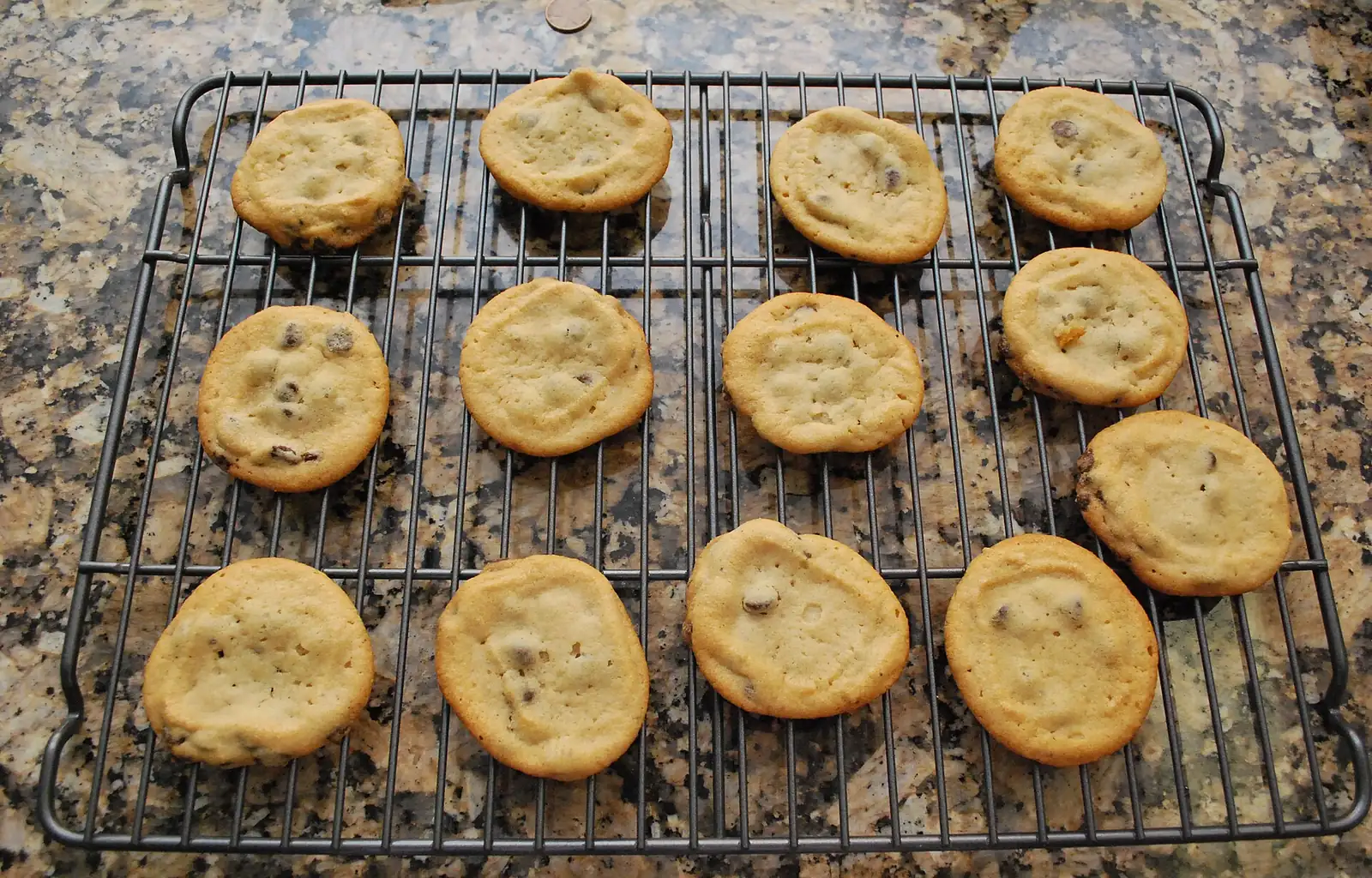
Twelve freshly baked golden chocolate chip cookies cooling on a wire rack United States flag United States 57m
Snack & Tea •American Heritage

Chocolate Chip Cookies

This chocolate chip cookies recipe bakes 24 golden cookies with crisp edges, soft chewy centres and plenty of melted chocolate chips. Brown sugar keeps them moist, a short chill stops them spreading into puddles, and a pinch of flaky salt on top makes the chocolate taste even richer. One serving is about 78 g (2 cookies).

Sweet & Chewy

Golden cookies with crisp edges, soft chewy middles and pools of melted chocolate — the cookie America reaches for first.

Pairs Well With
Cold milk, a scoop of vanilla ice cream & hot cocoa

The Dinner Gazette

Never wonder what’s for dinner again

One email a week with easy dinner ideas from around the world — ingredients, steps and nutrition, tested in our kitchen first.

Delivered every Thursday morning. Unsubscribe anytime.