
Curated recipes from 193 countries  •  New seasonal Mediterranean issue out now

Overview

New England Clam Chowder

Boston Clam Chowder, New England-Style Clam Chowder, White Clam Chowder

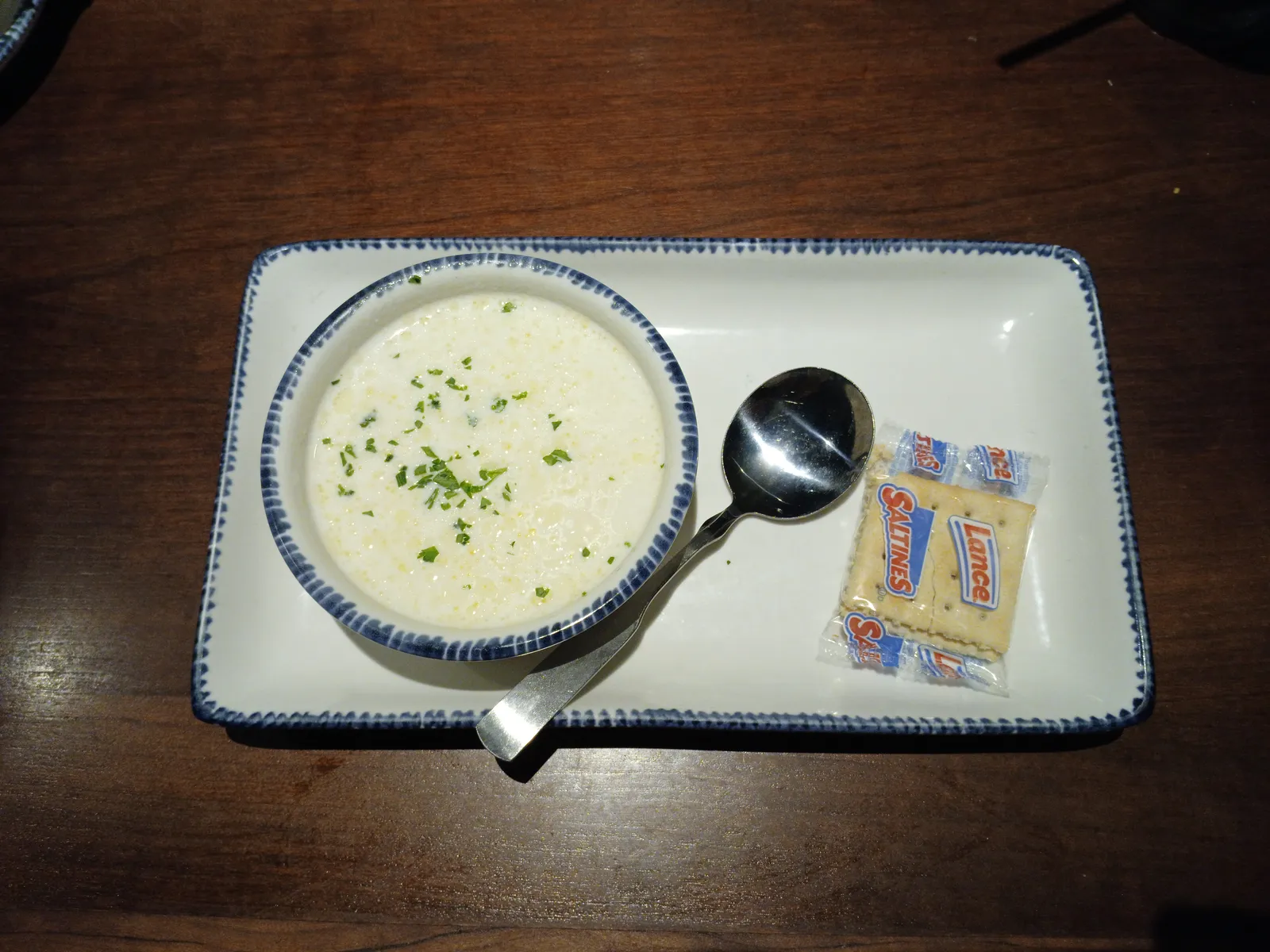
This new england clam chowder recipe turns fresh clam meat, potatoes, onion and celery into the creamy white soup New England is known for, with crisp bacon and a splash of cream at the end. It is a proper lunch in a bowl, best eaten with oyster crackers crumbled over the top. One serving is about 450 g.

Chowder takes its name from the French chaudière, the cauldron in which fishermen along the Atlantic coast cooked their catch with salt pork and ship's biscuit. In New England the pot filled with the local quahog clams, potatoes and milk, and the creamy white version became the region's signature — so much so that in 1939 a Massachusetts legislator introduced a bill that would have made adding tomatoes to clam chowder illegal in the state. The tomato version, now called Manhattan clam chowder, stayed a New York rival, while New England kept its chowder white.

Pairs well with: Oyster crackers and a buttered slice of sourdough, with a cold glass of lemonade or iced tea.

Provenance

United States flag United States

New England Heritage

North America

Time Dedication

55m

20m prep • 35m cook

Batch Yield

4 Servings

486 kcal per serving

1 serving ≈ 450 g

Technical Skill

Intermediate

Medium (One Pot)

Meal Timing & Digestive Fit

Breakfast

Not Advised

Lunch

Prime Metabolic Fit

Dinner

Ideal Hearty Main

Snack & Tea

Inappropriate

Soups & Broths Occasions: Winter lunches, coastal weekends, family meals, cold-weather comfort Cost: Medium — about $4–5 per serving at home
A cup of creamy white clam chowder with chopped parsley, served on a plate with saltine crackers and a spoon

New England Heritage

Photo: Ser Amantio di Nicolao, CC BY-SA 4.0, via Wikimedia Commons

The Heritage Formulary

Measured Ingredients

Estimated cost: Medium — about $4–5 per serving at home (USD)

Made the New England way: a white, creamy base with clam meat, potato and bacon, and no tomato anywhere near the pot.

Execution Methodology & Culinary Technique

Step-by-Step Cooking Guide

Active 55m
P

Prep Stage: Clams, Bacon & Vegetables

20 Mins • Chopping & Rinsing

Rinse the clam meat and chop any large pieces. Dice the bacon, onion, celery and potatoes, and measure out the flour, clam juice, stock, milk and cream so everything is within reach — once the pot is hot, the soup moves fast.

Maestro Tip: Dice the potatoes small and even, about 1 cm, so they cook through in the same time as the clams stay tender.

  1. 1

    Render the Bacon

    6 Mins Medium heat, ~175°C (350°F)

    Put the diced bacon in a large heavy pot over medium heat and cook for about 5 minutes, stirring now and then, until it turns crisp and golden and its fat has rendered out. Lift the bacon out with a slotted spoon and set it aside, leaving the fat in the pot.

    Do not rush this step — the bacon fat is the flavour base of the whole chowder.

    Done when: Crisp golden bacon bits and a spoonful or two of clear rendered fat in the pot.

  2. 2

    Soften the Onion & Celery

    6 Mins Medium heat, ~160°C (320°F)

    Add the butter to the bacon fat, then the onion and celery, and cook for about 5 minutes until soft and translucent but not browned. Stir in the flour and cook for 1 minute more, stirring constantly, until it smells faintly nutty.

    Keep the vegetables pale — browning them would darken the white chowder.

    Done when: Soft, glossy vegetables coated in a pale flour paste.

  3. 3

    Simmer the Potatoes

    15 Mins Simmering, ~95°C (200°F)

    Pour in the clam juice and chicken stock a little at a time, stirring to smooth out the flour. Add the diced potatoes, thyme and bay leaf, bring to a gentle simmer, then cook for about 12 minutes until the potatoes are just tender. Stir in the milk and warm through for 2 minutes without boiling.

    Add the liquid slowly and stir well — that is what keeps the chowder smooth instead of lumpy.

    Done when: Potatoes that break easily with a fork, in a soup that coats the back of a spoon.

  4. 4

    Add the Clams & Cream

    5 Mins Low heat, ~85°C (185°F)

    Turn the heat down low and stir in the clam meat and the cream. Warm through for about 3 minutes until the clams are just heated and the soup is steaming — do not let it boil, or the clams turn rubbery and the cream can split. Season with salt and white pepper, tasting as you go.

    Clams need only a couple of minutes in the hot soup; overcooking is the one mistake that ruins a chowder.

    Done when: Plump, tender clams in a steaming, creamy soup; the soup must reach at least 74°C (165°F) when reheated or served.

  5. 5

    Rest & Serve

    3 Mins No heat

    Take the pot off the heat, fish out the bay leaf, and rest the chowder for 2 minutes so the flavours settle. Ladle into warm bowls, scatter the crisp bacon and chopped parsley over the top, and serve at once with oyster crackers on the side.

    Warm bowls keep the chowder hot to the last spoonful — rinse them with hot water first.

    Done when: A thick, creamy white soup with visible potato, clam and bacon in every bowl.

Finishing Touches & Plating

Rest the chowder for 2 minutes off the heat, then ladle into warm bowls, top with the crisp bacon and parsley, and put the oyster crackers on the table for everyone to crumble in as they like.

Nutritional Physiology & Benefits

Nutrition

Energy

486

kcal / serving

Protein

26g

Complete AA

Carbs

36g

Complex

Fats

27g

Healthy

Per serving (4 servings · 1 serving ≈ 450 g)
Energy486 kcal
Protein26 g
Carbohydrates36 g
Fat27 g
Fibre3.6 g
Sugar6.4 g
Sodium1140 mg
Per 100g
Energy108 kcal
Protein5.8 g
Carbohydrates8 g
Fat5.9 g
Fibre0.8 g
Sugar1.4 g
Sodium253 mg

Nutrition values are estimated — calculated from USDA FoodData Central values for the listed ingredients.

Vitamins & minerals: Clams are rich in vitamin B12, iron, zinc and selenium, potatoes add vitamin C and potassium, and the milk and cream supply calcium and vitamin D.

Clams Bring B12 & Iron

Clams are one of the richest natural sources of vitamin B12 and iron, nutrients that support healthy blood and energy.

Solid Protein for Lunch

One serving carries about 26.2 g of protein, mostly from the clams, which makes this soup a proper main course rather than a starter.

Calcium & Potassium

The milk and cream add calcium, while the potatoes supply potassium and vitamin C, rounding out a filling bowl.

Food Pairings

What to Eat With

To optimize nutrient absorption and elevate the sensory depth, pair with these authentic accompaniments:

Sides

Oyster Crackers

Small, crisp oyster crackers are the classic New England partner — they soak up the creamy soup and add a salty crunch to every spoonful.

Buttered Sourdough

A thick slice of buttered sourdough gives you something to mop the bowl with, and its tang cuts through the richness of the cream.

Vegetables

Simple Green Salad

A sharp, lemon-dressed green salad balances the rich, creamy soup and keeps the meal from feeling too heavy.

Drinks

Iced Tea or Lemonade

A cold, unsweetened iced tea or a glass of lemonade refreshes the palate between spoonfuls of the hot, rich chowder.

Complete menu

Serve the chowder with oyster crackers and buttered sourdough, follow with a simple green salad, and finish with iced tea and a light fruit dessert.

Digestive Guardrails

What NOT to Combine

To prevent digestive distress, sluggishness, or palate clash, avoid pairing the dish with these elements:

Boiling After the Cream

Boiling the chowder once the cream and clams are in can split the cream and turn the clams rubbery, so keep the heat low and gentle. This is general food information, not medical advice.

Very Salty Sides

The bacon, clam juice and stock already make this soup salty, so cured meats, salty cheese or extra salted crackers on the side push one meal too far. This is general food information, not medical advice.

General information only, not medical advice — consult a doctor for personal dietary decisions.

Who Should Eat It

Who Should Eat

  • General adultsA satisfying main course — about 26.2 g protein and 3.6 g fibre per serving, best eaten hot and in the stated portion.
  • ChildrenSoft and easy to eat, and children usually like the creamy soup — serve a smaller bowl and check for any shellfish allergy first.
  • ElderlySoft, warm and easy to chew, so it suits older eaters well — a modest portion is the comfortable choice because the dish is rich.
  • Pregnant womenClams must be fully cooked through and from a trusted source; eat it hot and freshly made, and keep the portion modest. Ask your clinician about portions.
  • Breastfeeding womenA comforting, energy-rich meal; the protein, iron and B12 are useful, but one serving is enough because the dish is filling.
  • AthletesGood fuel for recovery, with about 26.2 g protein and plenty of carbohydrate per serving — pair it with a salad rather than extra bread.
  • Weight gainEnergy-dense and easy to eat in a good amount, so it suits weight gain when served with its usual bread and crackers.
  • Weight lossRich and filling at about 486 kcal; skip the crackers and bread, and keep to one bowl with a big salad on the side.

Health Conditions — Adjust or Avoid

Conditions

  • DiabetesThe potatoes and crackers add up to a fair amount of starch, so keep the potato and cracker portions as stated and skip second helpings. Ask your clinician about portions.
  • High blood pressureOne serving carries about 1140 mg sodium, so keep other salty foods out of the same meal and do not add extra salt at the table. Ask your clinician about portions.
  • Kidney diseasePortions should stay modest, and the salt, protein and potassium content matter for some kidney diets. Ask your clinician about portions.
  • GoutShellfish is a purine source, so keep to one modest serving and drink water with the meal. Ask your clinician about portions.
  • Stomach issuesA rich, creamy dish can be heavy on a sensitive stomach; eat slowly, take a smaller portion, and skip the fried bacon topping if it bothers you. Ask your clinician about portions.
  • Cardiovascular diseaseThe dish is rich in saturated fat from the bacon, butter and cream, so one modest serving with a big salad is a better balance than a second helping. Ask your clinician about portions.
  • Fatty liverThe dish is energy-dense, so keep portions modest and avoid eating it late at night. Ask your clinician about portions.
  • Food allergiesContains shellfish (clams), milk (butter, milk, cream) and wheat (flour, crackers). People with shellfish, milk or wheat allergy should not eat it unless a safe substitute is used. Ask your clinician about safe alternatives.
  • Special therapeutic dietsNot suitable for a low-fat or low-sodium therapeutic diet as written; any lighter version changes the dish and should be discussed with a clinician.

If you have a medical condition, consult your doctor before changing your diet.

Storage & Use

Storage & Use

How to store
Cool the chowder quickly and store in a covered container in the fridge; keep crackers separate.
In the fridge
The chowder keeps 2 days in the fridge at 4°C (40°F) or below.
In the freezer
Up to 1 month, though the texture may change — the cream can separate on thawing.
How to reheat
Reheat gently on the hob, stirring often, until steaming hot, to 74°C (165°F); do not boil.
Freezing recommended
No — the cream base separates and the potatoes turn grainy; best eaten fresh or within 2 days.
Signs it has spoiled
Sour or off smell, slimy surface, or any mould — discard the whole pot.

More recipes to explore

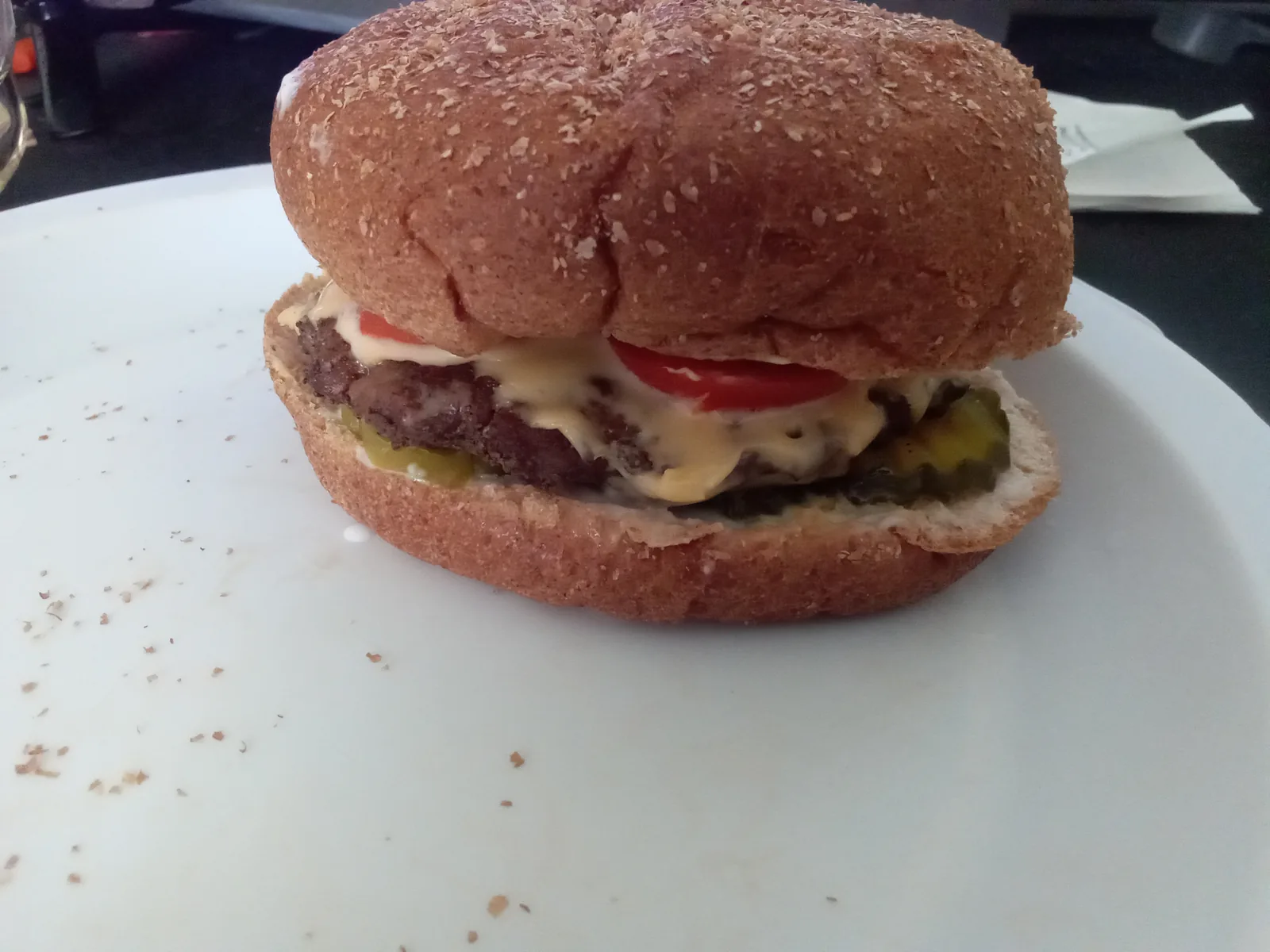
An American cheeseburger with a beef patty, melted cheese, tomato and pickles in a wholemeal bun on a white plate United States flag United States 35m
Lunch •American Heritage

American Cheeseburger

This american cheeseburger recipe turns a thick, well-seasoned beef patty, a slice of sharp cheddar and a soft toasted bun into the classic American lunch. The cheese melts over the hot patty, the pickles and tomato cut through the richness, and the whole thing comes together in about 35 minutes. One serving is about 340 g, one full burger.

Comfort & Satisfaction

A juicy grilled beef patty with melted cheddar, fresh tomato, lettuce and pickles in a soft toasted bun.

Pairs Well With
Crisp french fries or a simple coleslaw, with an ice-cold cola or lemonade.
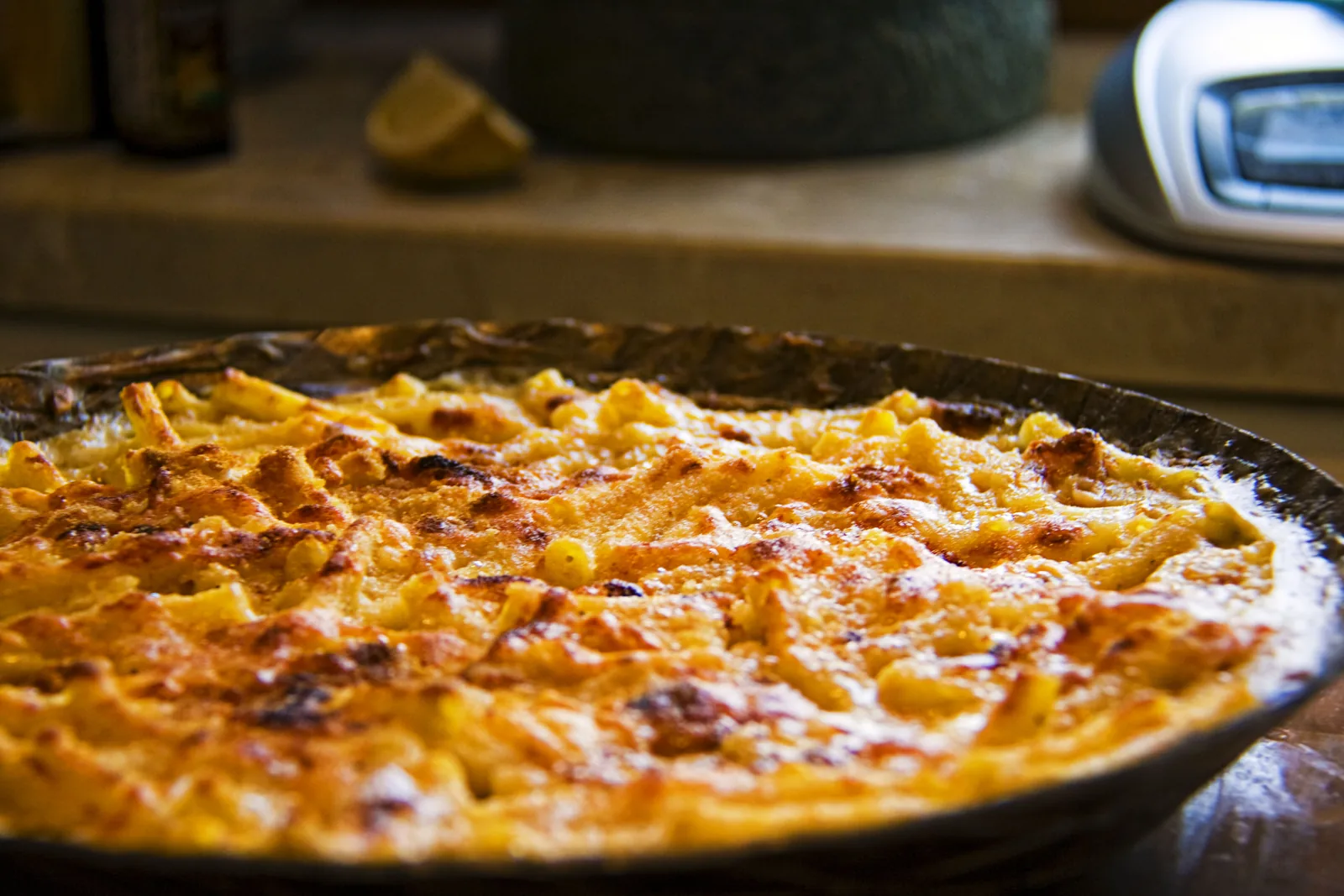
Baked mac and cheese in a baking dish with a golden-brown crust United States flag United States 1h 5m
Dinner •American Heritage

Baked Mac and Cheese

This baked mac and cheese recipe layers elbow macaroni in a smooth béchamel sauce made with sharp cheddar and Gruyère, then bakes it under a golden, buttered panko crust until the top is crisp and the sauce bubbles at the edges. It is the American comfort dish that turns up at family dinners, Thanksgiving tables and potlucks all over the country. One serving is about 290 g.

Comfort & Warmth

Elbow macaroni baked in a sharp cheddar and Gruyère béchamel under a golden panko crust — the classic American comfort casserole.

Pairs Well With
Roasted broccoli & green salad
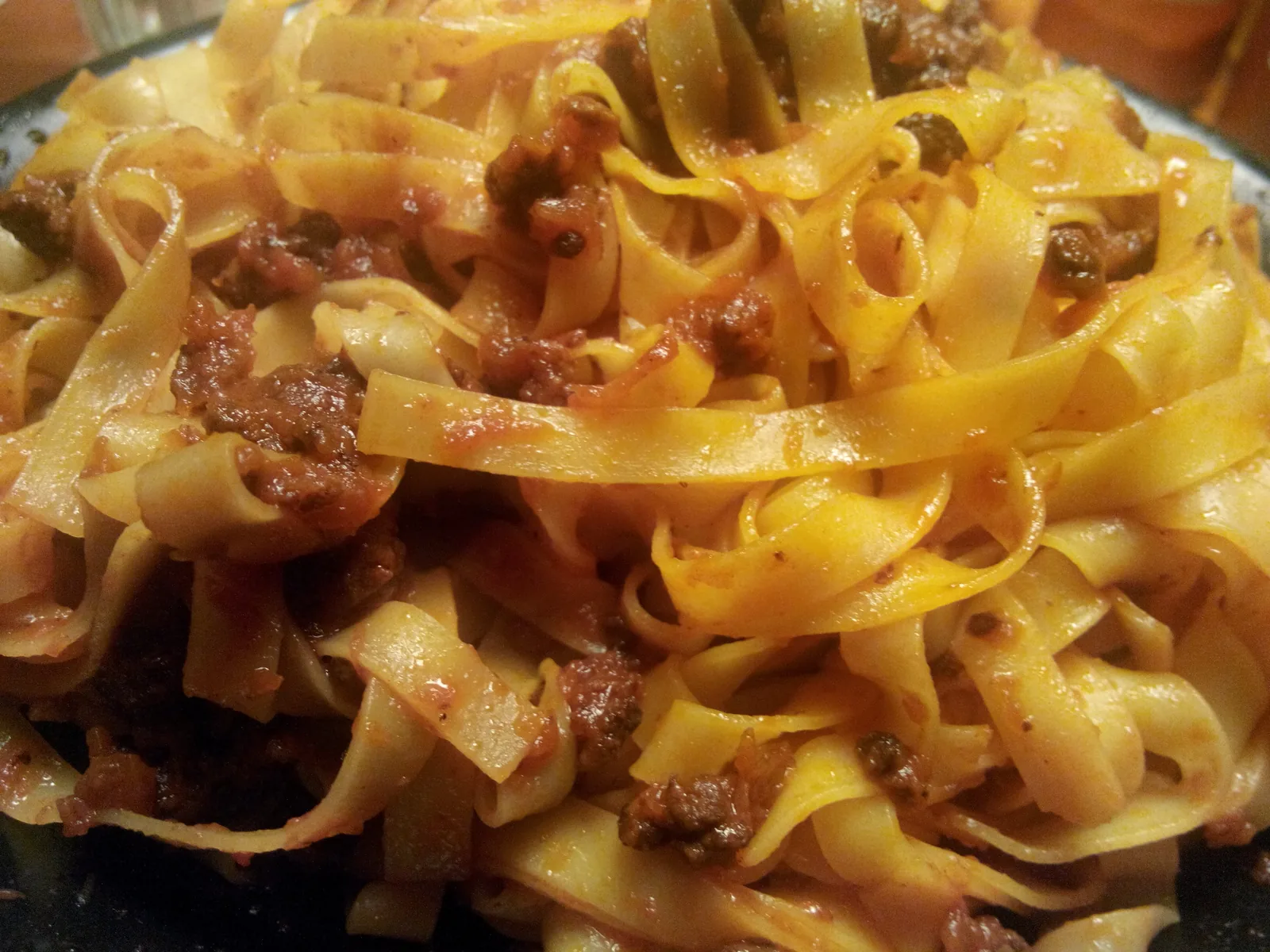
Tagliatelle al ragù Bolognese in a bowl with Parmigiano-Reggiano Italy flag Italy 4h 25m
Lunch •Emilia-Romagna

Tagliatelle al Ragù Bolognese

Slow-braised soffritto and coarse ground heritage meats layered over handmade egg yolk dough for mid-day stamina.

Lean Protein

Slow-simmered beef ragù tossed through fresh egg tagliatelle.

Pairs Well With
Bitter Radicchio & Aged Balsamico di Modena
Pasta & Noodles • High Protein
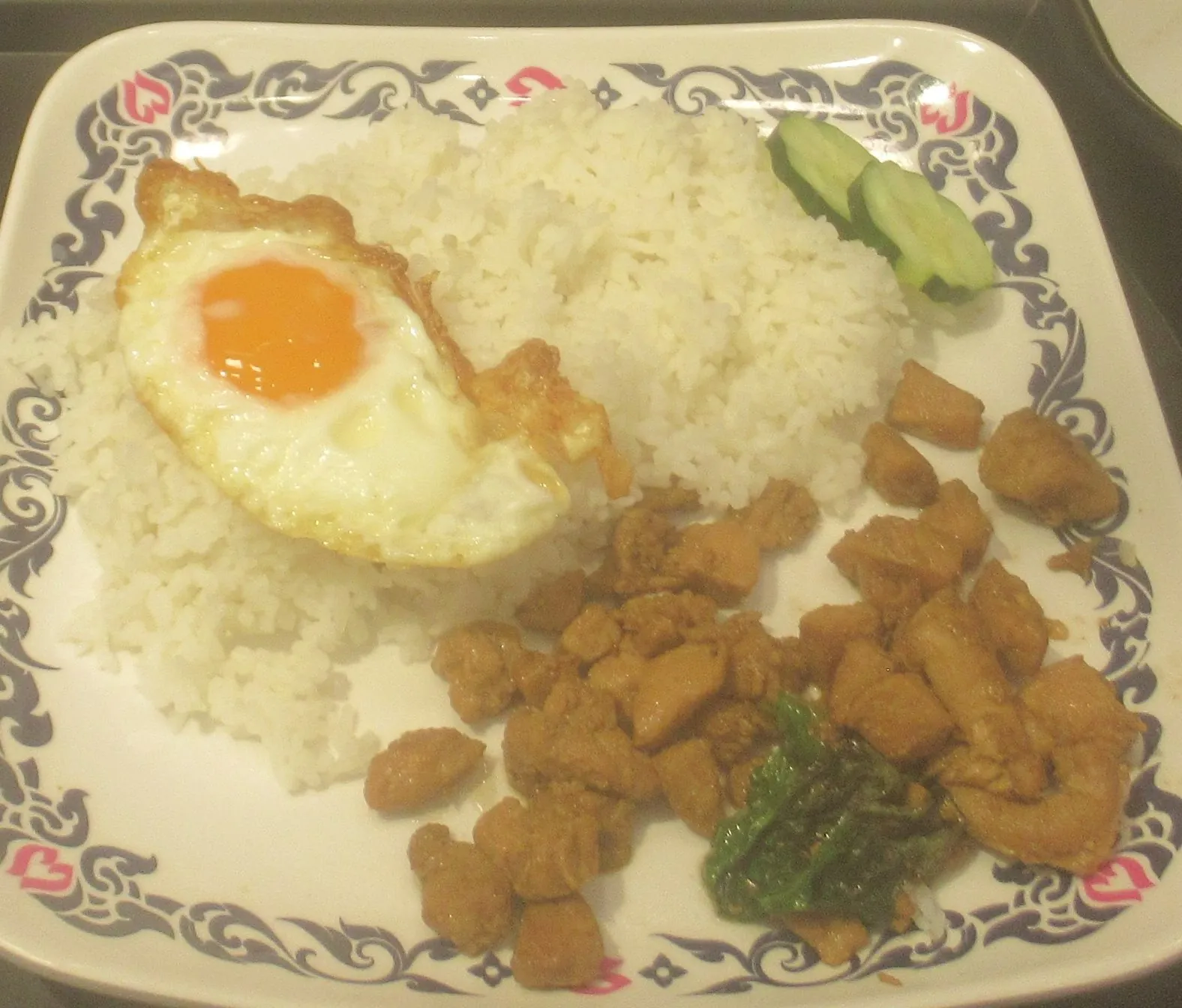
Pad kra pao gai — Thai holy basil chicken with fried egg and rice Thailand flag Thailand 30m
Lunch •Bangkok Street Flame

Pad Kra Pao Gai

High-heat wok flash of holy basil and crushed chillies over minced chicken, served over jasmine rice with a crispy-edged fried egg.

High Energy

Capsaicin brings the heat; holy basil adds a peppery, clove-like aroma.

Pairs Well With
Chilled Cucumber Salad & Fish Sauce Lime Dip
High Protein • Quick Prep (<30m)

The Dinner Gazette

Never wonder what’s for dinner again

One email a week with easy dinner ideas from around the world — ingredients, steps and nutrition, tested in our kitchen first.

Delivered every Thursday morning. Unsubscribe anytime.