
Curated recipes from 193 countries  •  New seasonal Mediterranean issue out now

Overview

Banitsa

Banica; Bulgarian Cheese Pie; Sirene Banitsa

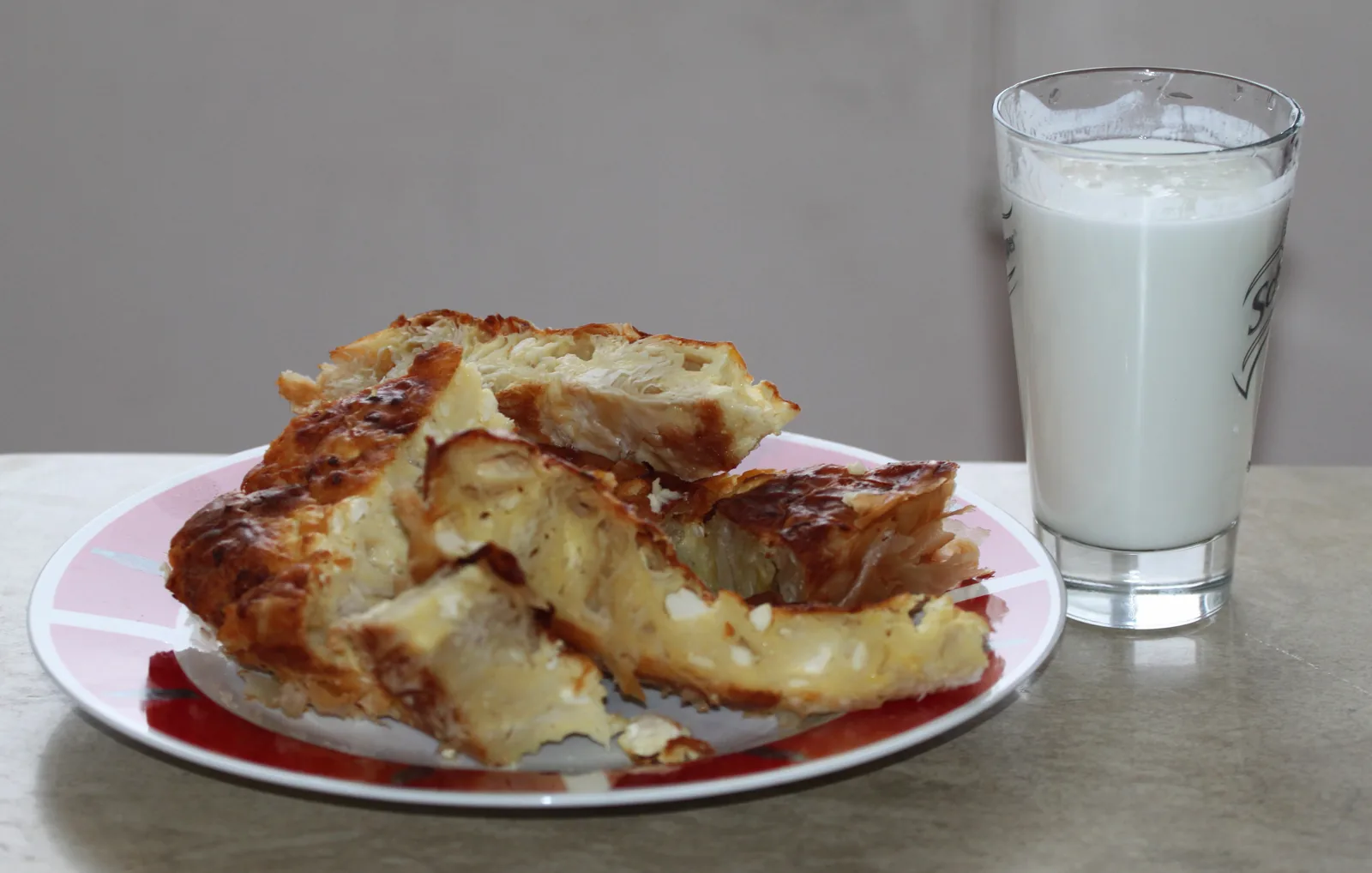
This banitsa recipe makes the pastry Bulgaria wakes up to: sheets of filo layered with a whisked mixture of eggs, crumbled sirene and yoghurt, brushed with butter and baked until the top is golden and crisp and the inside is soft and savoury. It is eaten warm, by hand, with a glass of yoghurt or ayran. One serving is about 125 g.

Banitsa is the signature pastry of Bulgaria, eaten for breakfast with plain yoghurt or ayran. On New Year's Eve, Bulgarian families traditionally bake a banitsa with lucky charms hidden inside — small objects or written wishes that are said to foretell the year ahead for whoever finds them in their piece.

Pairs well with: Plain yoghurt & ayran

Provenance

Bulgaria flag Bulgaria

Bulgarian Breakfast Classic

Nordic & European

Time Dedication

1h

25m prep • 35m cook

Batch Yield

8 Servings

358 kcal per serving

1 serving ≈ 125 g

Technical Skill

Intermediate

Intermediate (Filo Layers)

Meal Timing & Digestive Fit

Breakfast

Prime Morning Fit

Lunch

Inappropriate

Dinner

Inappropriate

Snack & Tea

Inappropriate

Occasions: Breakfast, New Year (with lucky charms), festive mornings, coffee breaks Cost: Low — about $1–2 per serving at home
Banitsa — golden Bulgarian cheese filo pastry pieces on a plate with a glass of yoghurt

Bulgarian Breakfast Classic

Photo: Biso, CC BY 3.0, via Wikimedia Commons

The Heritage Formulary

Measured Ingredients

Estimated cost: Low — about $1–2 per serving at home (USD)

The filling is eggs, sirene and yoghurt layered between buttered filo and baked until golden.

Execution Methodology & Culinary Technique

Step-by-Step Cooking Guide

Active 1h
P

Prep Stage: Filling Whisked, Filo Covered

25 Mins • Mixing

Whisk the eggs with the yoghurt and baking soda, then fold in the crumbled sirene. Keep the filo under a damp cloth the whole time; one dry minute and the sheets crack. Melt the butter and oil a baking pan so the banitsa releases cleanly.

Maestro Tip: Taste the filling before you build — if the sirene is very salty, skip the pinch of salt entirely.

  1. 1

    Whisk the Filling

    5 Mins • Mixing Room temperature, about 21°C (70°F)

    Whisk the eggs with the yoghurt, baking soda and salt until smooth, then fold in the crumbled sirene. The filling should be thick enough to spread, not runny.

    Fold, do not beat — you want visible pieces of cheese in the finished banitsa.

    Done when: Filling is thick, creamy, and studded with cheese.

  2. 2

    Layer the Filo

    12 Mins • Hands On Room temperature, about 21°C (70°F)

    Brush the pan with butter. Lay in a sheet of filo, brush lightly with melted butter, and spoon over a thin layer of filling. Repeat — filo, butter, filling — until the filling is used up, finishing with two plain buttered sheets on top.

    Keep the layers thin. Thick layers of filling stay wet; thin layers bake crisp.

    Done when: The pan is full of even layers, with a buttered top.

  3. 3

    Cut and Brush

    3 Mins • Knife Work Room temperature, about 21°C (70°F)

    Cut the layered banitsa into squares or diamonds with a sharp knife, cutting all the way through. Brush the top generously with the remaining butter and oil.

    Cut before baking — cutting a baked banitsa shatters the top.

    Done when: Banitsa is cut into even pieces with a glossy, buttered top.

  4. 4

    Bake Until Golden

    35 Mins • Baking 190°C (375°F) oven

    Bake at 190°C (375°F) for 30–35 minutes until the top is deep gold, crisp and puffed at the edges. The filling should be set, not wobbly, when you shake the pan gently.

    If the top browns too fast, cover loosely with foil for the last 10 minutes.

    Done when: Top is deep gold and crisp; the filling is set and the edges are puffed.

  5. 5

    Rest and Serve Warm

    5 Mins • Resting Serve warm, about 60°C (140°F)

    Rest for 5 minutes, then lift out the squares and serve warm with a glass of yoghurt or ayran.

    Banitsa is at its best warm, in the first half hour out of the oven.

    Done when: Squares hold their shape and the pastry is crisp outside, soft inside.

Finishing Touches & Plating

Serve it warm from the pan with yoghurt on the side — banitsa is breakfast food, and breakfast food does not wait.

Nutritional Physiology & Benefits

Nutrition

Energy

358

kcal / serving

Protein

13g

Complete AA

Carbs

29g

Complex

Fats

21g

Healthy

Per serving (8 servings · 1 serving ≈ 125 g)
Energy358 kcal
Protein13 g
Carbohydrates29 g
Fat21 g
Fibre1.0 g
Sugar3.2 g
Sodium884 mg
Per 100g
Energy286 kcal
Protein10.2 g
Carbohydrates22.8 g
Fat17 g
Fibre0.8 g
Sugar2.6 g
Sodium707 mg

Nutrition values are estimated — calculated from USDA FoodData Central values for the listed ingredients.

Vitamins & minerals: Calcium and vitamin B12 (sirene, eggs, yogurt), vitamin A (butter, eggs).

A Filling Start to the Day

Eggs, cheese and filo together make a breakfast of about 13 g of protein that keeps you going until lunch.

Calcium From Cheese and Egg

Sirene, yoghurt and eggs bring calcium and protein, supporting bone health as part of a varied diet.

Simple, Honest Ingredients

Eight ingredients you can name — filo, cheese, eggs, yoghurt and butter — with nothing hidden.

Food Pairings

What to Eat With

To optimize nutrient absorption and elevate the sensory depth, pair with these authentic accompaniments:

Drinks

Plain Yoghurt or Ayran

A cold glass of yoghurt or ayran is the classic banitsa companion — its tang cuts the pastry's richness.

Strong Coffee

Black coffee with warm banitsa is the Bulgarian morning ritual, bitter against rich and salty.

Sides

Fresh Tomato Salad

A simple tomato salad adds freshness and colour to a rich pastry breakfast.

More Pairings

Honey Drizzle

A thin drizzle of honey turns a square of banitsa into an afternoon treat with coffee.

Complete menu

Serve warm banitsa with plain yoghurt and coffee for breakfast, or with ayran and a salad for a light lunch.

Digestive Guardrails

What NOT to Combine

To prevent digestive distress, sluggishness, or palate clash, avoid pairing the dish with these elements:

Wet Fillings and Sauces

Pouring a wet sauce over banitsa, or filling it with undrained vegetables, soaks the filo and turns the crisp layers soggy. Serve sauces on the side. This is a cooking note, not medical advice.

Wrapping Hot Banitsa in Plastic

Sealing a hot pie in plastic traps steam and softens the crust within minutes. Let it cool uncovered, then cover loosely. This is general food-storage information, not medical advice.

General information only, not medical advice — consult a doctor for personal dietary decisions.

Who Should Eat It

Who Should Eat

  • General adultsA classic, filling breakfast — pair with yoghurt and fruit to lighten the plate.
  • ChildrenChildren love the crisp pastry; cut into small squares and serve warm.
  • ElderlySoft inside and easy to chew once cut; serve warm with yoghurt.
  • Pregnant womenFreshly baked and served hot; make sure the egg filling is fully set. Ask your clinician about portion size.
  • Breastfeeding womenA filling, energy-giving breakfast; pair with fruit for extra nutrients.
  • AthletesGood carbohydrate and protein after morning training; add fruit on the side.
  • Weight gainEnergy-dense and satisfying for those needing extra calories.
  • Weight lossRich and salty; keep to a small square, skip extra butter, and add salad.

Health Conditions — Adjust or Avoid

Conditions

  • DiabetesAbout 29 g of carbohydrate per serving, mostly from the filo — keep to one square and add salad. Ask your clinician about portion size.
  • High blood pressureSirene is salty — use a little less cheese and skip the added salt. Ask your clinician about portion size.
  • Kidney diseaseEggs and cheese provide protein; the fat and salt are the concern — keep portions modest. Ask your clinician about portion size.
  • GoutEggs and cheese are moderate in purines; this is an occasional breakfast in a small portion. Ask your clinician about portion size.
  • Stomach issuesA rich, buttery pastry can sit heavily — a small square with yoghurt is gentler. Ask your clinician about portion size.
  • Cardiovascular diseaseCheese and butter add saturated fat — enjoy occasionally and keep the portion small. Ask your clinician about portion size.
  • Fatty liverA rich, energy-dense pastry — an occasional treat in a modest portion. Ask your clinician about portion size.
  • Food allergiesContains wheat (gluten, filo), milk (sirene, yoghurt, butter), and egg. Check every label. Ask your clinician about portion size.
  • Special therapeutic dietsNot suitable for low-sodium or low-fat therapeutic diets without changes — use low-salt cheese and brush with oil, not butter. Ask your clinician about portion size.

If you have a medical condition, consult your doctor before changing your diet.

Storage & Use

Storage & Use

How to store
Cool uncovered, then cover loosely with foil or a tea towel — never seal hot banitsa in plastic.
In the fridge
3 days, covered loosely.
In the freezer
1 month, wrapped in foil then a freezer bag; thaw in the fridge.
How to reheat
Reheat in a 180°C (350°F) oven for 8–10 minutes until hot all the way through, to 74°C (165°F); the oven restores the crisp top — the microwave will not.
Freezing recommended
Yes — it freezes well and re-crisps in the oven.
Signs it has spoiled
Sour smell, soft slimy pastry, or mould on the filling.

More recipes to explore

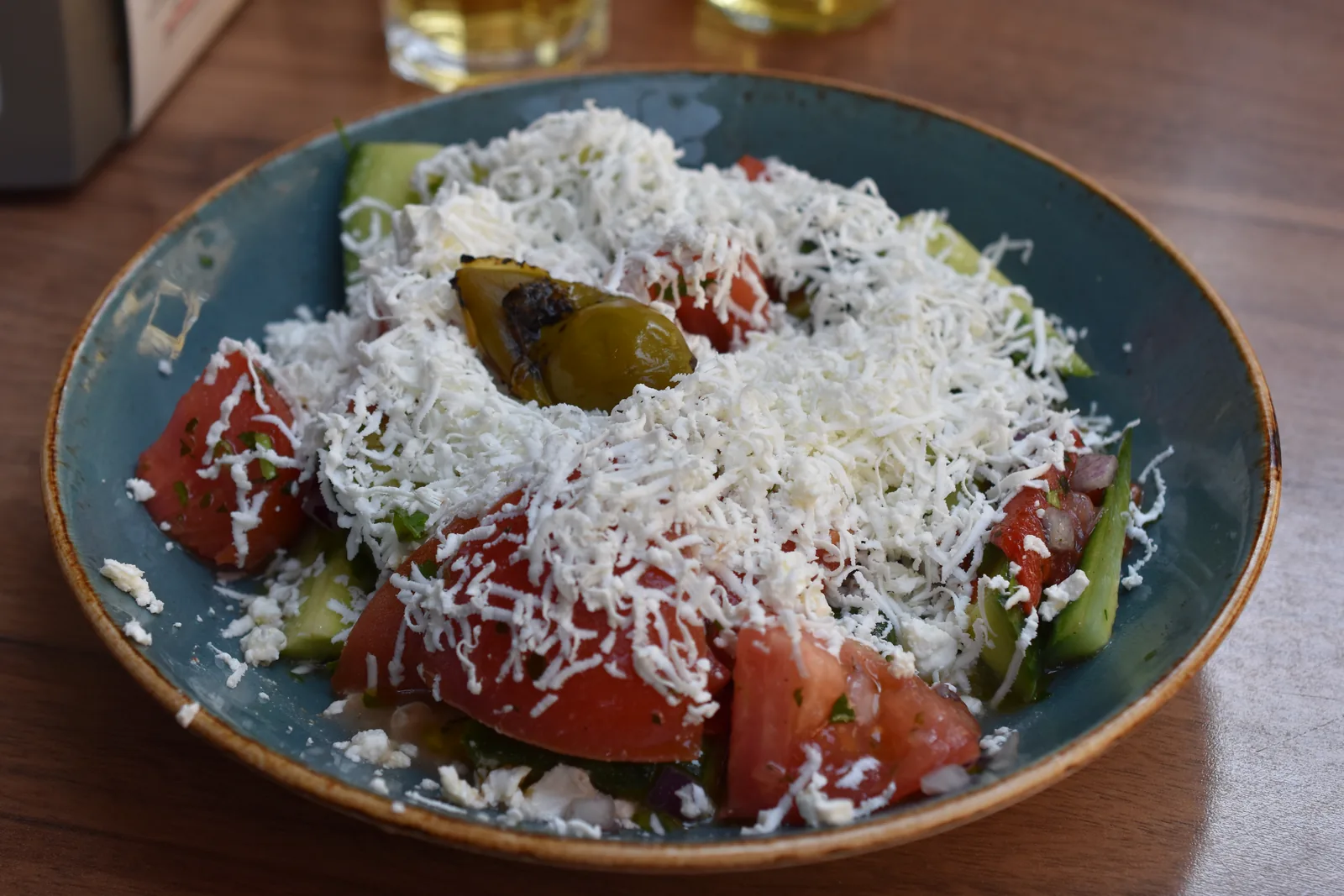
Shopska salad — diced tomatoes, cucumber and peppers covered in grated white sirene cheese in a blue bowl Bulgaria flag Bulgaria 20m
Lunch •Sofia Table Classic

Shopska Salad

This shopska salad recipe makes Bulgaria's most famous salad: ripe tomatoes, cucumber, peppers and onion, diced and lightly dressed with sunflower oil and vinegar, then buried under a thick layer of grated sirene, the white brined cheese that makes the dish. It is fresh, salty, crunchy and ready in twenty minutes. One serving is about 325 g.

Fresh Garden Lunch

Crisp tomatoes, cucumber and peppers under a snowdrift of grated sirene.

Pairs Well With
Grilled meats & rakia
Quick Prep (<30m)
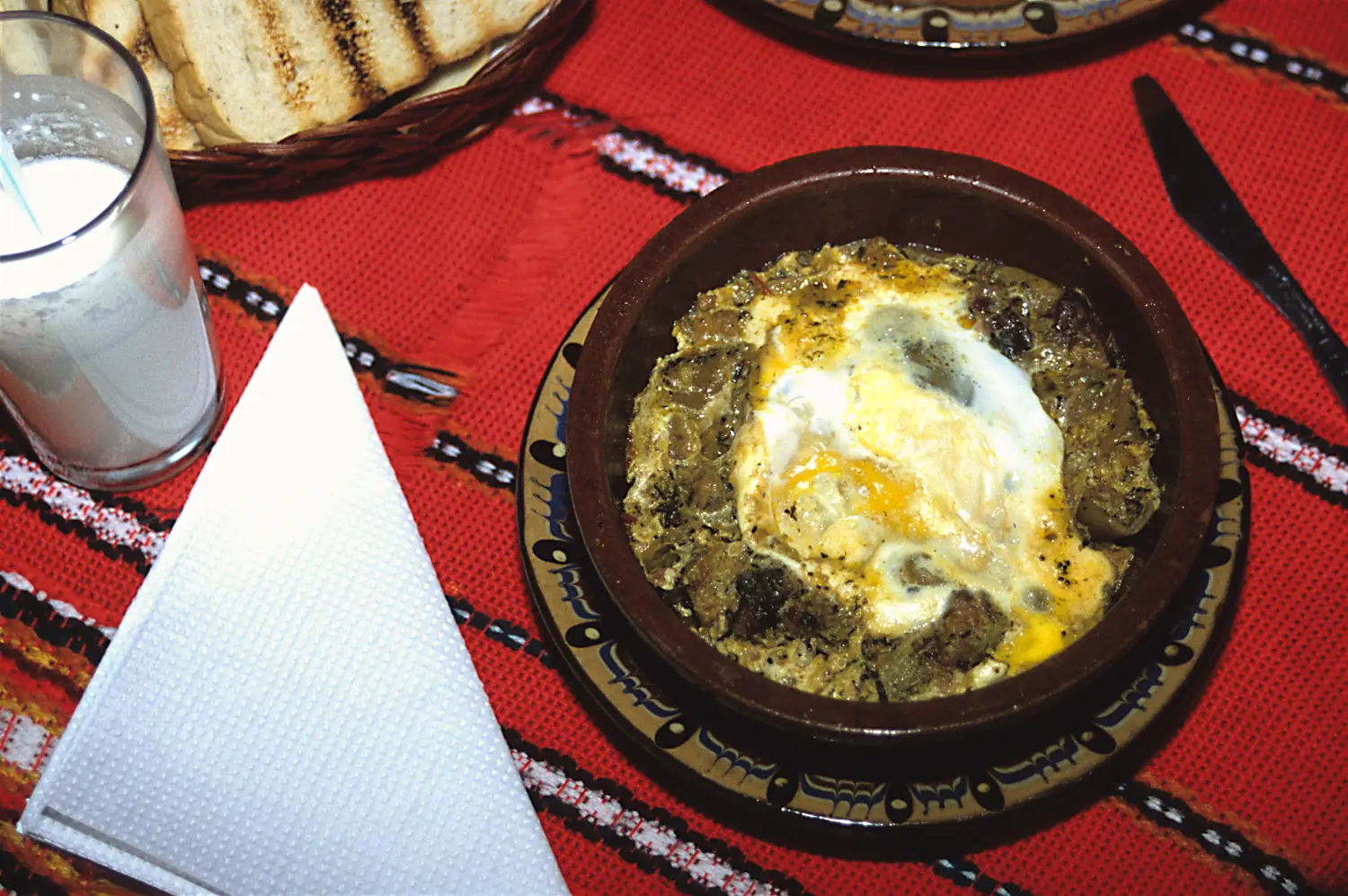
Kavarma — Bulgarian pork stew in a clay pot topped with a fried egg, with ayran and bread Bulgaria flag Bulgaria 2h 25m
Dinner •Bulgarian Clay-Pot Classic

Kavarma

This kavarma recipe makes Bulgaria's slow clay-pot stew: cubes of pork browned and then baked with onions, leeks, peppers, tomatoes, mushrooms and carrots in a lidded earthenware pot called a gyuveche, where the sealed heat turns everything tender and concentrates the flavours. An egg cracked on top at the end is the classic finish. One serving is about 275 g.

Slow-Cooked Comfort

Pork and garden vegetables slow-baked in a clay pot, finished with an egg.

Pairs Well With
Crusty bread & ayran
High Protein
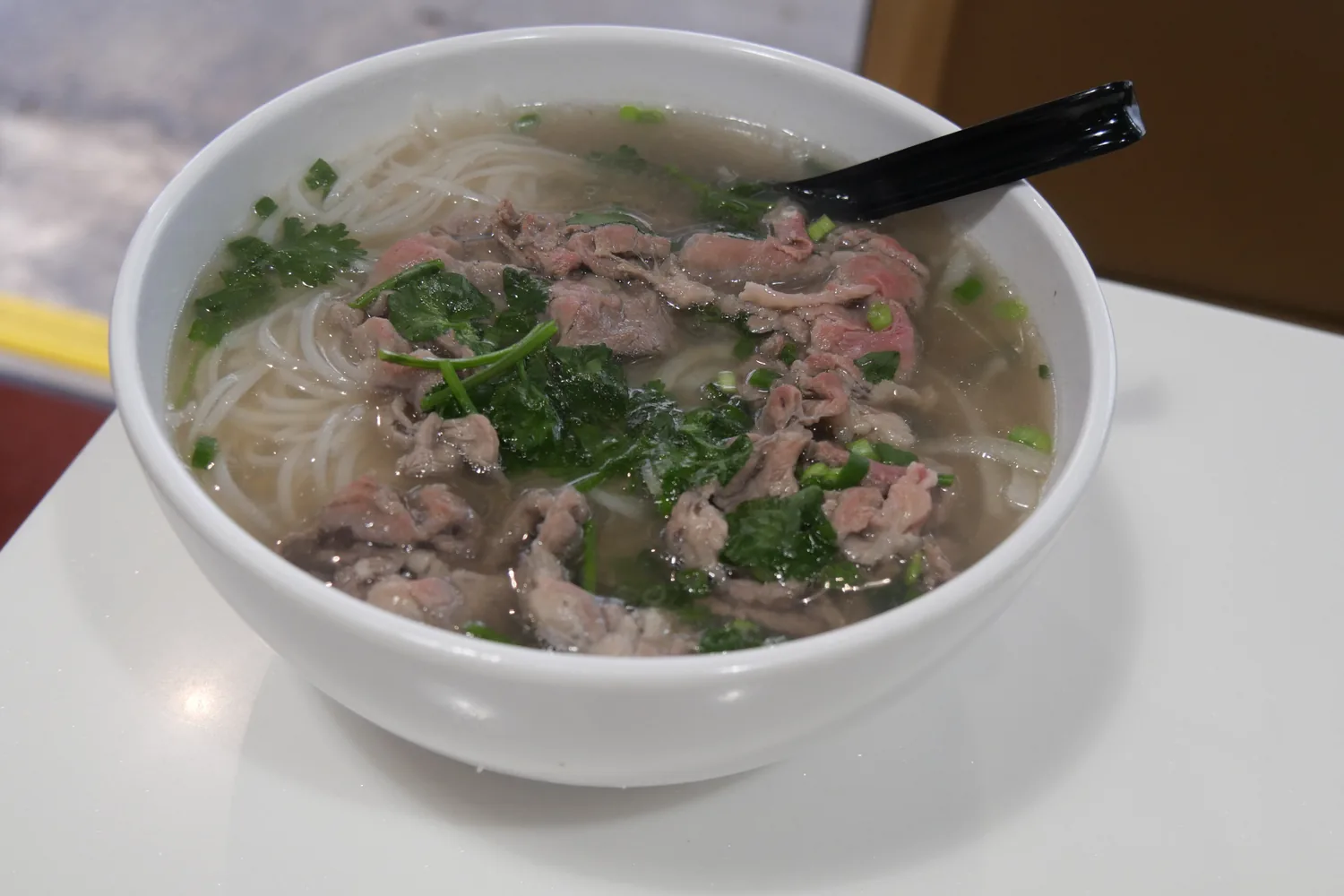
A bowl of Vietnamese phở bò with rare beef, rice noodles and fresh herbs Vietnam flag Vietnam 3h 30m
Breakfast •Hanoi Heritage

Phở Bò Tái Nạm

Slow-simmered star anise and cinnamon bone broth with hand-cut rice noodles, supplying clean restorative warmth and collagen. One serving is about 775 g.

Immunity & Warming

Slow-simmered bone broth with rice noodles, rare beef and fresh herbs.

Pairs Well With
Crispy quẩy, fresh lime & sawtooth coriander
Soups & Broths • High Protein
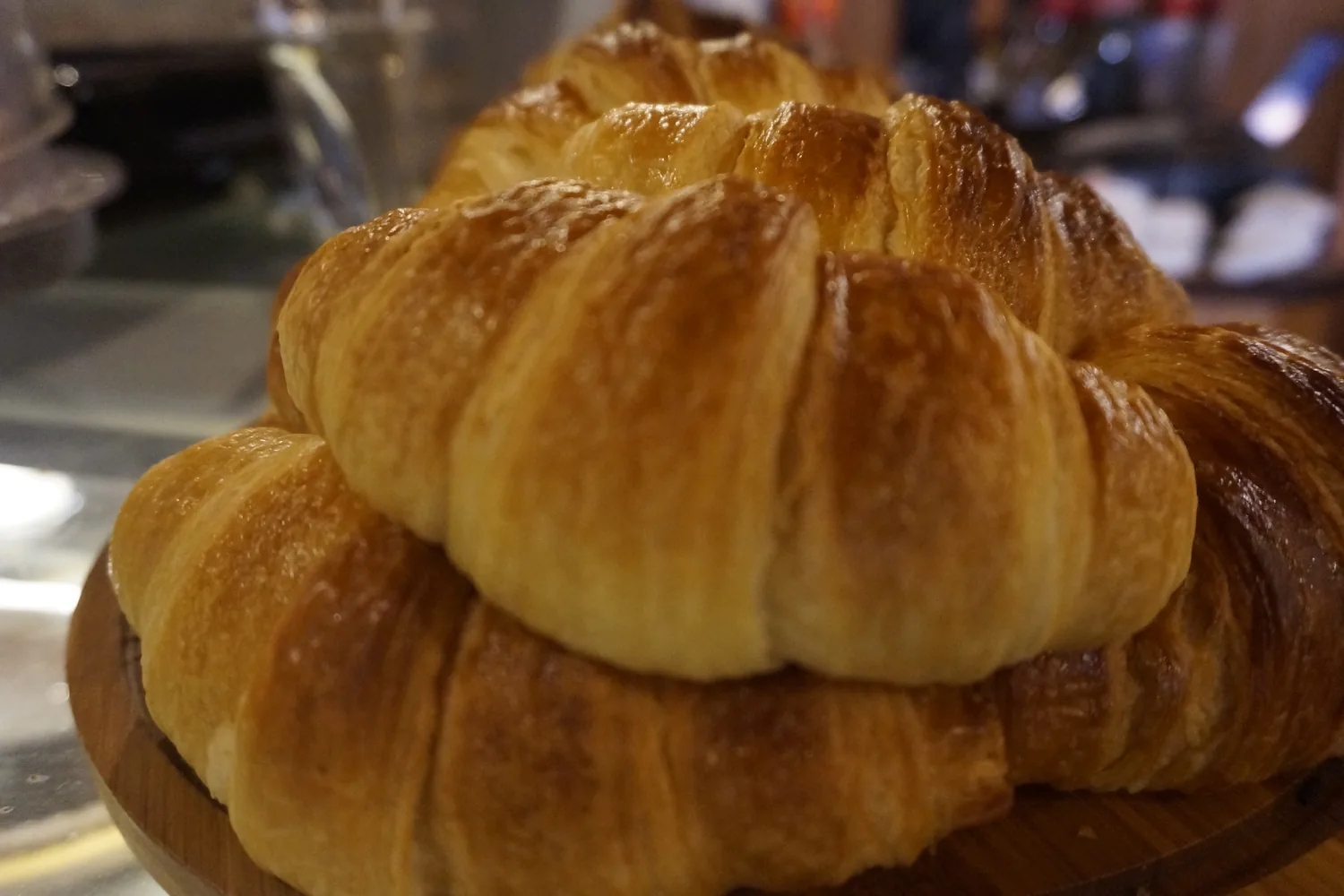
Golden butter croissants on a wooden board France flag France 20m
Breakfast •Parisian Boulangerie

Croissant au Beurre & Café

Laminated cultured butter pastry paired with washed Arabica, for a slow, pleasurable Parisian morning — best with a little protein alongside. One serving is about 390 g.

Sustained Focus

Flaky all-butter croissant with café au lait, Comté and green apple.

Pairs Well With
Comté cheese wedge & Green apple slices
Quick Prep (<30m)

The Dinner Gazette

Never wonder what’s for dinner again

One email a week with easy dinner ideas from around the world — ingredients, steps and nutrition, tested in our kitchen first.

Delivered every Thursday morning. Unsubscribe anytime.