
Curated recipes from 193 countries  •  New seasonal Mediterranean issue out now

Overview

Shopska Salad

Shopska Salata; Bulgarian Salad; Šopska Salata

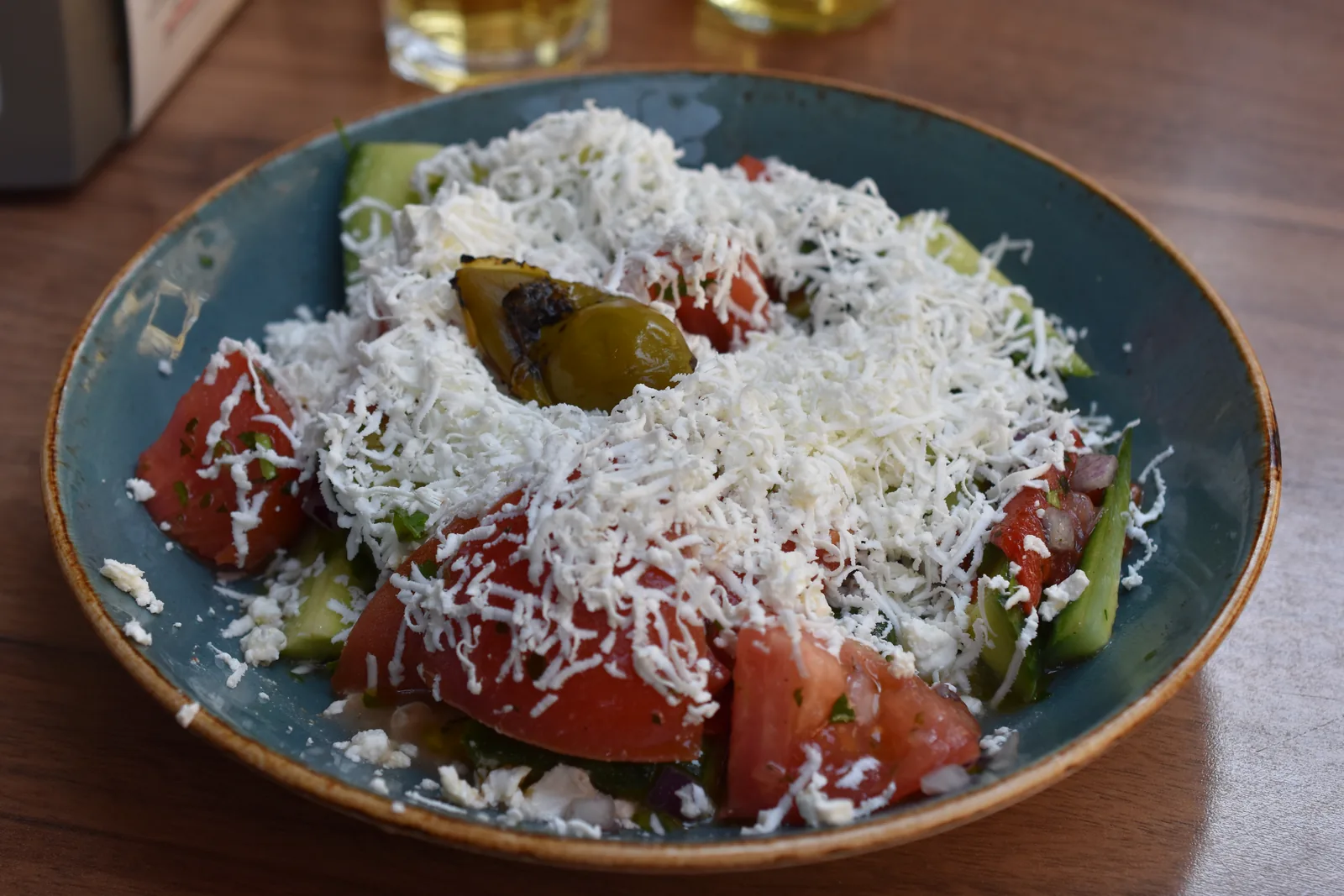
This shopska salad recipe makes Bulgaria's most famous salad: ripe tomatoes, cucumber, peppers and onion, diced and lightly dressed with sunflower oil and vinegar, then buried under a thick layer of grated sirene, the white brined cheese that makes the dish. It is fresh, salty, crunchy and ready in twenty minutes. One serving is about 325 g.

Shopska salad was created in the 1950s by Balkantourist, Bulgaria's state tourism company, and in 1956 the company named its version Shopska salad. It is named after the Shopi people of the Shopluk region around Sofia. The salad's red, green and white colours match the Bulgarian flag — a coincidence that helped make it a symbol of the country.

Pairs well with: Grilled meats & rakia

Provenance

Bulgaria flag Bulgaria

Sofia Table Classic

Nordic & European

Time Dedication

20m

20m prep • 0m cook

Batch Yield

4 Servings

251 kcal per serving

1 serving ≈ 325 g

Technical Skill

Easy

Easy (No Cooking)

Meal Timing & Digestive Fit

Breakfast

Not Advised

Lunch

Prime Metabolic Fit

Dinner

Ideal Hearty Main

Snack & Tea

Inappropriate

Quick Prep (<30m) Occasions: Summer lunch, barbecue side, mezze table, light dinner starter Cost: Low — about $2 per serving at home
Shopska salad — diced tomatoes, cucumber and peppers covered in grated white sirene cheese in a blue bowl

Sofia Table Classic

Photo: Fred Cherrygarden, CC BY-SA 4.0, via Wikimedia Commons

The Heritage Formulary

Measured Ingredients

Estimated cost: Low — about $2 per serving at home (USD)

The vegetables are diced, lightly dressed, and covered with a thick layer of grated sirene.

Execution Methodology & Culinary Technique

Step-by-Step Cooking Guide

Active 20m
P

Prep Stage: Vegetables Diced, Cheese Grated

20 Mins • Knife Work

Dice the tomatoes, cucumber, pepper and onion into even 2 cm pieces so every forkful has a bit of everything. Chop the parsley and grate the sirene coarsely, keeping it cold until the last moment so it holds its shape on top of the salad.

Maestro Tip: Cut everything the same size. Even dice is what makes a chopped salad eat well.

  1. 1

    Dice the Vegetables

    10 Mins • Knife Work Cold, about 4°C (39°F)

    Dice the tomatoes, cucumber, green pepper and red onion into even 2 cm pieces and put them in a large bowl. The pieces should be big enough to bite, small enough to scoop.

    Use your sharpest knife — a blunt knife crushes tomatoes instead of cutting them.

    Done when: Vegetables are evenly diced and the bowl smells fresh and sweet.

  2. 2

    Salt and Rest

    5 Mins • Resting Room temperature, about 21°C (70°F)

    Sprinkle the salt over the vegetables and toss gently. Leave for 5 minutes so the salt draws out a little juice and the flavours start to marry.

    Do not skip the rest — it is what turns a pile of chopped vegetables into a salad.

    Done when: Vegetables have softened slightly and a little juice has gathered.

  3. 3

    Dress Lightly

    2 Mins • Mixing Room temperature, about 21°C (70°F)

    Drizzle over the sunflower oil and vinegar and toss once or twice, gently. The dressing should coat, not pool — shopska is never swimming in oil.

    Toss with your hands or two spoons, lifting from the bottom so you do not bruise the tomatoes.

    Done when: Vegetables are lightly glossed with dressing, with no pool of oil at the bottom.

  4. 4

    Top With Sirene and Serve

    3 Mins • Plating Serve cold, about 4°C (39°F)

    Pile the salad into a wide bowl, scatter the parsley over it, and cover the whole top with a thick layer of grated sirene — the cheese should hide the vegetables underneath. Serve at once, cold, with bread on the side.

    Grate the cheese over the salad at the table if you can — the snowy top is the dish's signature.

    Done when: The salad is cold, the top is white with grated sirene, and the vegetables show at the edges.

Finishing Touches & Plating

Serve it cold with the sirene piled high — the first forkful should have tomato, cucumber, pepper and cheese all at once.

Nutritional Physiology & Benefits

Nutrition

Energy

251

kcal / serving

Protein

9g

Complete AA

Carbs

13g

Complex

Fats

19g

Healthy

Per serving (4 servings · 1 serving ≈ 325 g)
Energy251 kcal
Protein9 g
Carbohydrates13 g
Fat19 g
Fibre3.0 g
Sugar8.5 g
Sodium763 mg
Per 100g
Energy77 kcal
Protein2.9 g
Carbohydrates4 g
Fat5.7 g
Fibre0.9 g
Sugar2.6 g
Sodium235 mg

Nutrition values are estimated — calculated from USDA FoodData Central values for the listed ingredients.

Vitamins & minerals: Vitamin C (tomatoes, peppers), vitamin K (cucumber, parsley), calcium (sirene).

A Full Portion of Vegetables

A serving is mostly fresh vegetables, bringing fibre, vitamin C and hydration with very few calories.

Calcium From Sirene

The grated sirene brings calcium and protein, turning a simple salad into a satisfying light meal.

Light, Fresh and Quick

No cooking, twenty minutes, and a plate that leaves you refreshed rather than heavy — the ideal summer lunch.

Food Pairings

What to Eat With

To optimize nutrient absorption and elevate the sensory depth, pair with these authentic accompaniments:

Sides

Grilled Meats

Shopska is the classic companion to Balkan grills: its cool crunch and salty cheese balance hot, smoky meat.

Crusty White Bread

Bread is for the juices at the bottom of the bowl, which are the best part of the salad.

Drinks

Rakia (Fruit Brandy)

A small glass of rakia with shopska is the Bulgarian way to start a meal — the brandy and the salty cheese suit each other.

More Pairings

Boiled Eggs

A sliced boiled egg turns the salad into a complete light lunch, adding protein to the vegetables and cheese.

Complete menu

Serve shopska salad as a starter with grilled meats and bread, or as a light lunch on its own with a boiled egg.

Digestive Guardrails

What NOT to Combine

To prevent digestive distress, sluggishness, or palate clash, avoid pairing the dish with these elements:

Dressing Hours Ahead

Dressed too early, the vegetables go limp and the salad weeps into a puddle. Dress just before serving. This is a cooking note, not medical advice.

Skimping on the Sirene

The thick layer of grated cheese is not a garnish — it is the dish. A light sprinkle leaves a plain chopped salad. This is a cooking note, not medical advice.

General information only, not medical advice — consult a doctor for personal dietary decisions.

Who Should Eat It

Who Should Eat

  • General adultsA light, fresh lunch — one of the healthiest plates in the collection.
  • ChildrenChildren usually enjoy the crunchy vegetables and salty cheese; cut the pieces smaller.
  • ElderlySoft vegetables and cheese are easy to eat; chop finely and go light on the onion.
  • Pregnant womenFresh vegetables and cheese are nourishing; make sure everything is washed well and served cold. Ask your clinician about portion size.
  • Breastfeeding womenLight but satisfying, with protein from the cheese — a good lunch with bread.
  • AthletesA fresh, hydrating side after training; add an egg or grilled meat for protein.
  • Weight gainLight and low in calories — add bread and a boiled egg for a fuller meal.
  • Weight lossLow in calories and full of vegetables; watch the salty cheese and keep the oil light.

Health Conditions — Adjust or Avoid

Conditions

  • DiabetesAbout 13 g of carbohydrate per serving — one of the lowest in the collection. Ask your clinician about portion size.
  • High blood pressureSirene is salty — use a little less cheese and skip the added salt. Ask your clinician about portion size.
  • Kidney diseaseFresh vegetables and moderate protein; the salt is the main concern. Ask your clinician about portion size.
  • GoutVegetables and cheese are low in purines; a good choice in a modest portion. Ask your clinician about portion size.
  • Stomach issuesRaw onion and pepper can trouble a sensitive stomach — use less onion and peel the pepper. Ask your clinician about portion size.
  • Cardiovascular diseaseFresh vegetables, olive-style oil and cheese in moderation — a heart-friendly plate. Ask your clinician about portion size.
  • Fatty liverLight, fresh and low in fat — a good choice in a normal portion. Ask your clinician about portion size.
  • Food allergiesContains milk (sirene). Check every label. Ask your clinician about portion size.
  • Special therapeutic dietsSuitable for many therapeutic diets with a lighter hand on the cheese and salt. Ask your clinician about portion size.

If you have a medical condition, consult your doctor before changing your diet.

Storage & Use

Storage & Use

How to store
Store the undressed vegetables and the grated cheese separately, covered, in the fridge.
In the fridge
Undressed vegetables: 1 day. Dressed salad: eat at once — it goes soft within hours.
In the freezer
Not suitable — fresh vegetables do not freeze well.
How to reheat
No reheating — serve cold.
Freezing recommended
No.
Signs it has spoiled
Slimy vegetables, sour smell, or weeping liquid.

More recipes to explore

Banitsa — golden Bulgarian cheese filo pastry pieces on a plate with a glass of yoghurt Bulgaria flag Bulgaria 1h
Breakfast •Bulgarian Breakfast Classic

Banitsa

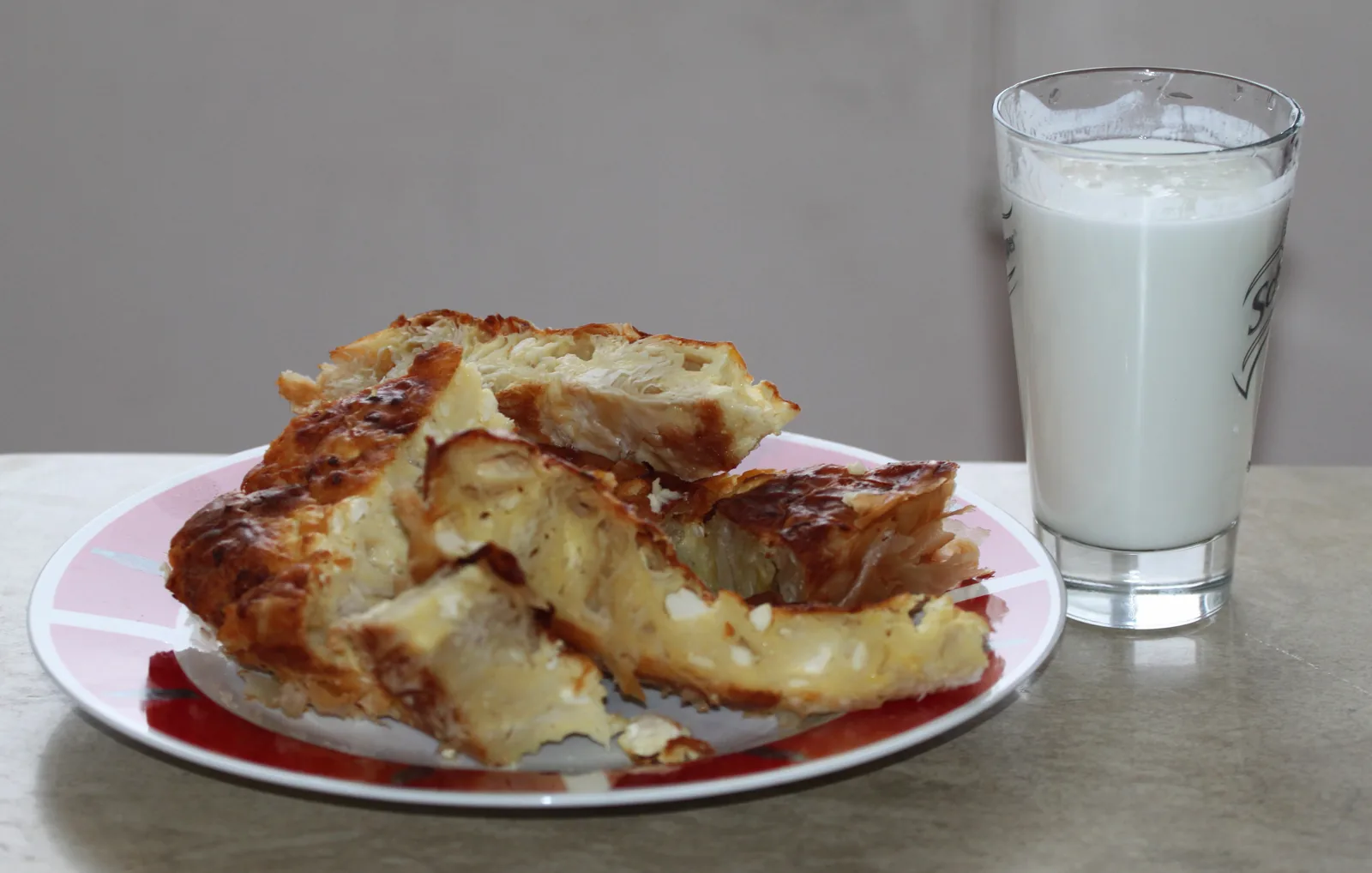
This banitsa recipe makes the pastry Bulgaria wakes up to: sheets of filo layered with a whisked mixture of eggs, crumbled sirene and yoghurt, brushed with butter and baked until the top is golden and crisp and the inside is soft and savoury. It is eaten warm, by hand, with a glass of yoghurt or ayran. One serving is about 125 g.

Morning Bakery Warmth

Crisp filo layered with eggs and tangy sirene, baked golden.

Pairs Well With
Plain yoghurt & ayran
Kavarma — Bulgarian pork stew in a clay pot topped with a fried egg, with ayran and bread Bulgaria flag Bulgaria 2h 25m
Dinner •Bulgarian Clay-Pot Classic

Kavarma

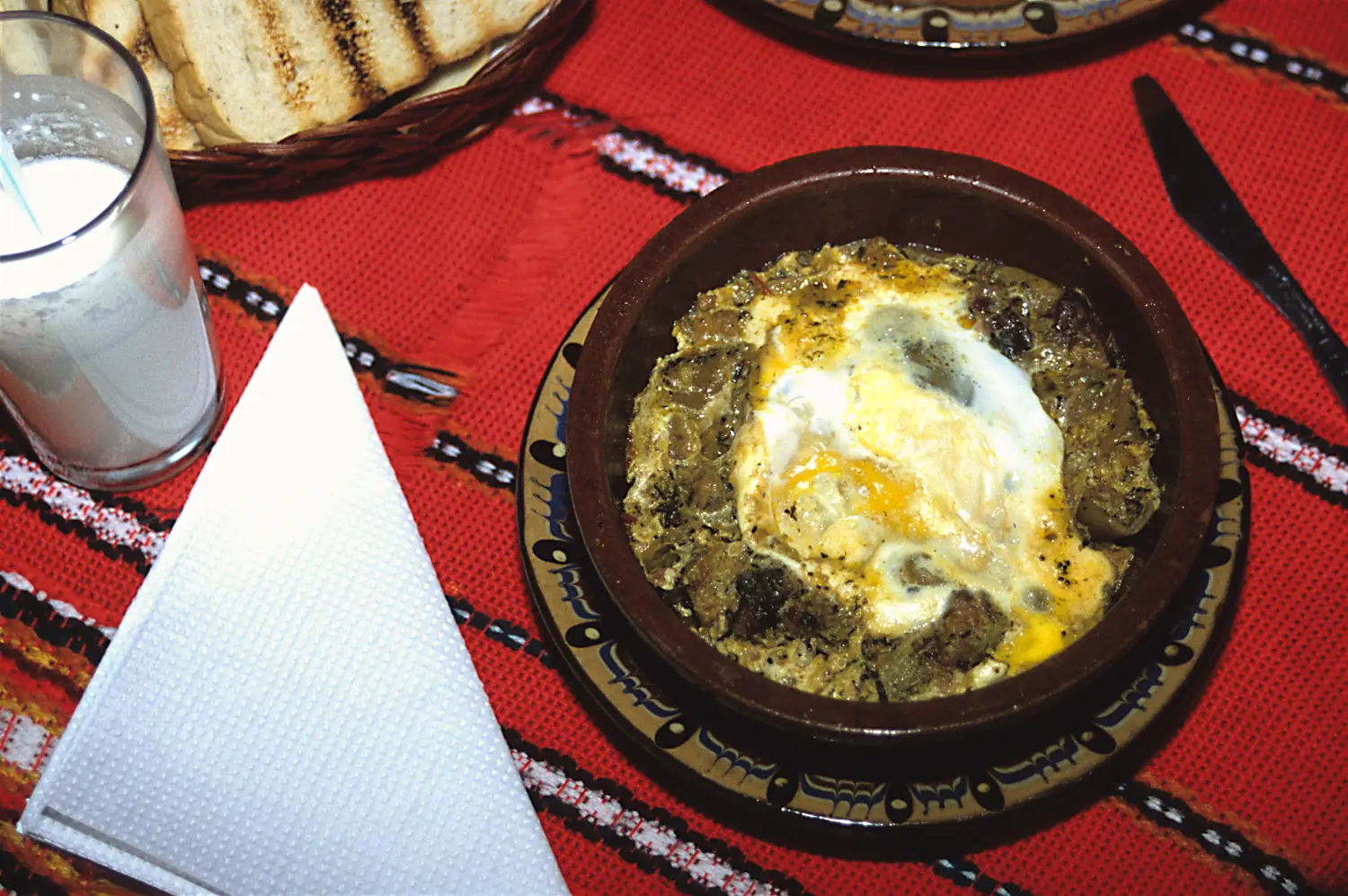
This kavarma recipe makes Bulgaria's slow clay-pot stew: cubes of pork browned and then baked with onions, leeks, peppers, tomatoes, mushrooms and carrots in a lidded earthenware pot called a gyuveche, where the sealed heat turns everything tender and concentrates the flavours. An egg cracked on top at the end is the classic finish. One serving is about 275 g.

Slow-Cooked Comfort

Pork and garden vegetables slow-baked in a clay pot, finished with an egg.

Pairs Well With
Crusty bread & ayran
High Protein
Tagliatelle al ragù Bolognese in a bowl with Parmigiano-Reggiano Italy flag Italy 4h 25m
Lunch •Emilia-Romagna

Tagliatelle al Ragù Bolognese

Slow-braised soffritto and coarse ground heritage meats layered over handmade egg yolk dough for mid-day stamina.

Lean Protein

Slow-simmered beef ragù tossed through fresh egg tagliatelle.

Pairs Well With
Bitter Radicchio & Aged Balsamico di Modena
Pasta & Noodles • High Protein
Pad kra pao gai — Thai holy basil chicken with fried egg and rice Thailand flag Thailand 30m
Lunch •Bangkok Street Flame

Pad Kra Pao Gai

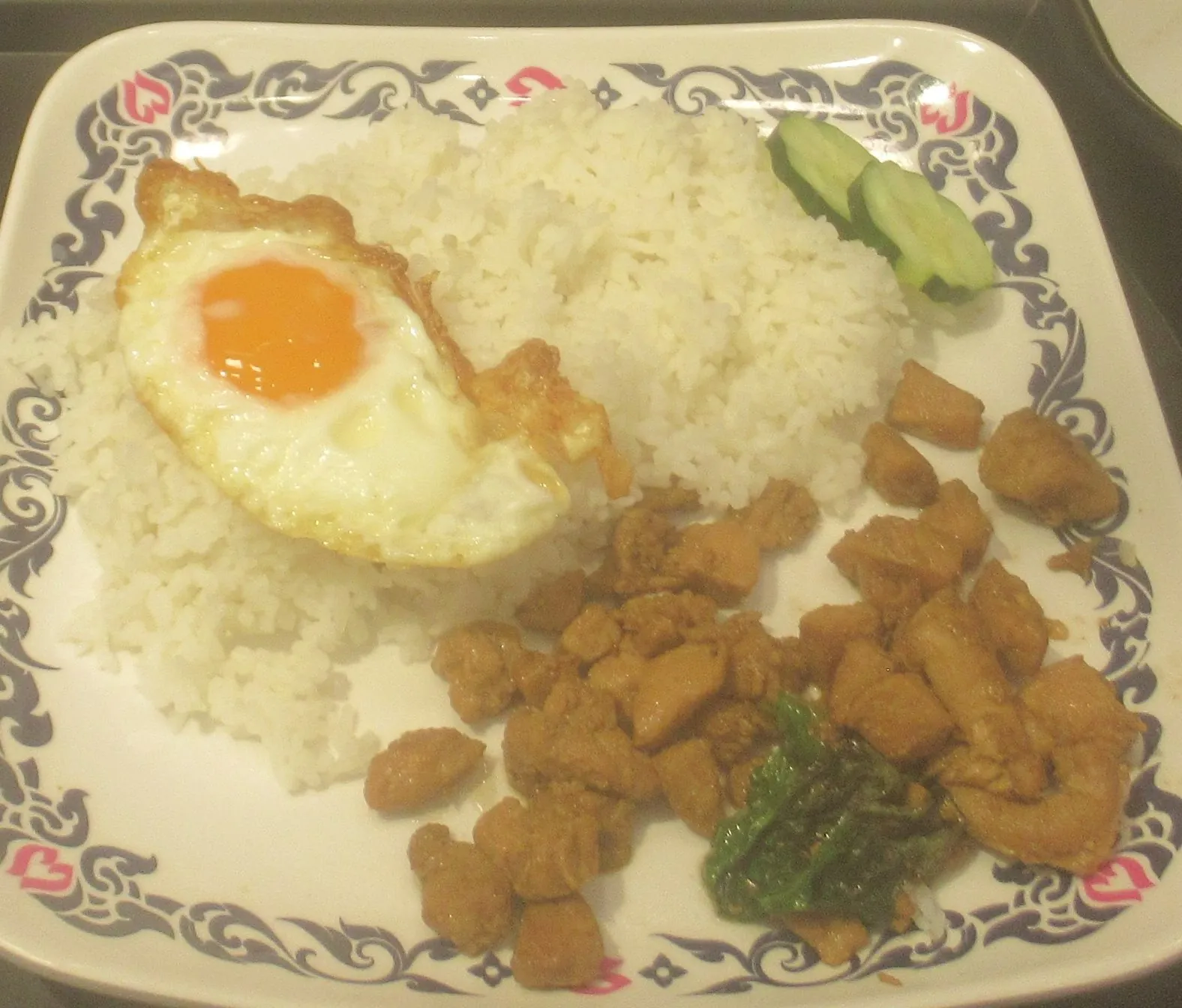
High-heat wok flash of holy basil and crushed chillies over minced chicken, served over jasmine rice with a crispy-edged fried egg.

High Energy

Capsaicin brings the heat; holy basil adds a peppery, clove-like aroma.

Pairs Well With
Chilled Cucumber Salad & Fish Sauce Lime Dip
High Protein • Quick Prep (<30m)

The Dinner Gazette

Never wonder what’s for dinner again

One email a week with easy dinner ideas from around the world — ingredients, steps and nutrition, tested in our kitchen first.

Delivered every Thursday morning. Unsubscribe anytime.