
Curated recipes from 193 countries  •  New seasonal Mediterranean issue out now

Overview

Kavarma

Kavarma Kebap; Bulgarian Clay-Pot Stew; Gyuveche Kavarma

This kavarma recipe makes Bulgaria's slow clay-pot stew: cubes of pork browned and then baked with onions, leeks, peppers, tomatoes, mushrooms and carrots in a lidded earthenware pot called a gyuveche, where the sealed heat turns everything tender and concentrates the flavours. An egg cracked on top at the end is the classic finish. One serving is about 275 g.

Kavarma is a Bulgarian slow-cooked stew, traditionally made in a lidded clay pot called a gyuveche, which concentrates the flavours and spreads the heat evenly. The name comes from the Turkish word kavurmak, meaning to fry or sauté, a reminder of the Ottoman-era cooking that shaped Bulgarian food between the 14th and 19th centuries. Regional versions vary, and many are finished with an egg cracked on top.

Pairs well with: Crusty bread & ayran

Provenance

Bulgaria flag Bulgaria

Bulgarian Clay-Pot Classic

Nordic & European

Time Dedication

2h 25m

25m prep • 120m cook

Batch Yield

6 Servings

517 kcal per serving

1 serving ≈ 275 g

Technical Skill

Intermediate

Intermediate (Slow Bake)

Meal Timing & Digestive Fit

Breakfast

Not Advised

Lunch

Hearty Midday Main

Dinner

Ideal Hearty Main

Snack & Tea

Inappropriate

High Protein Occasions: Winter dinner, family Sunday lunch, tavern supper, festive table Cost: Moderate — about $4 per serving at home
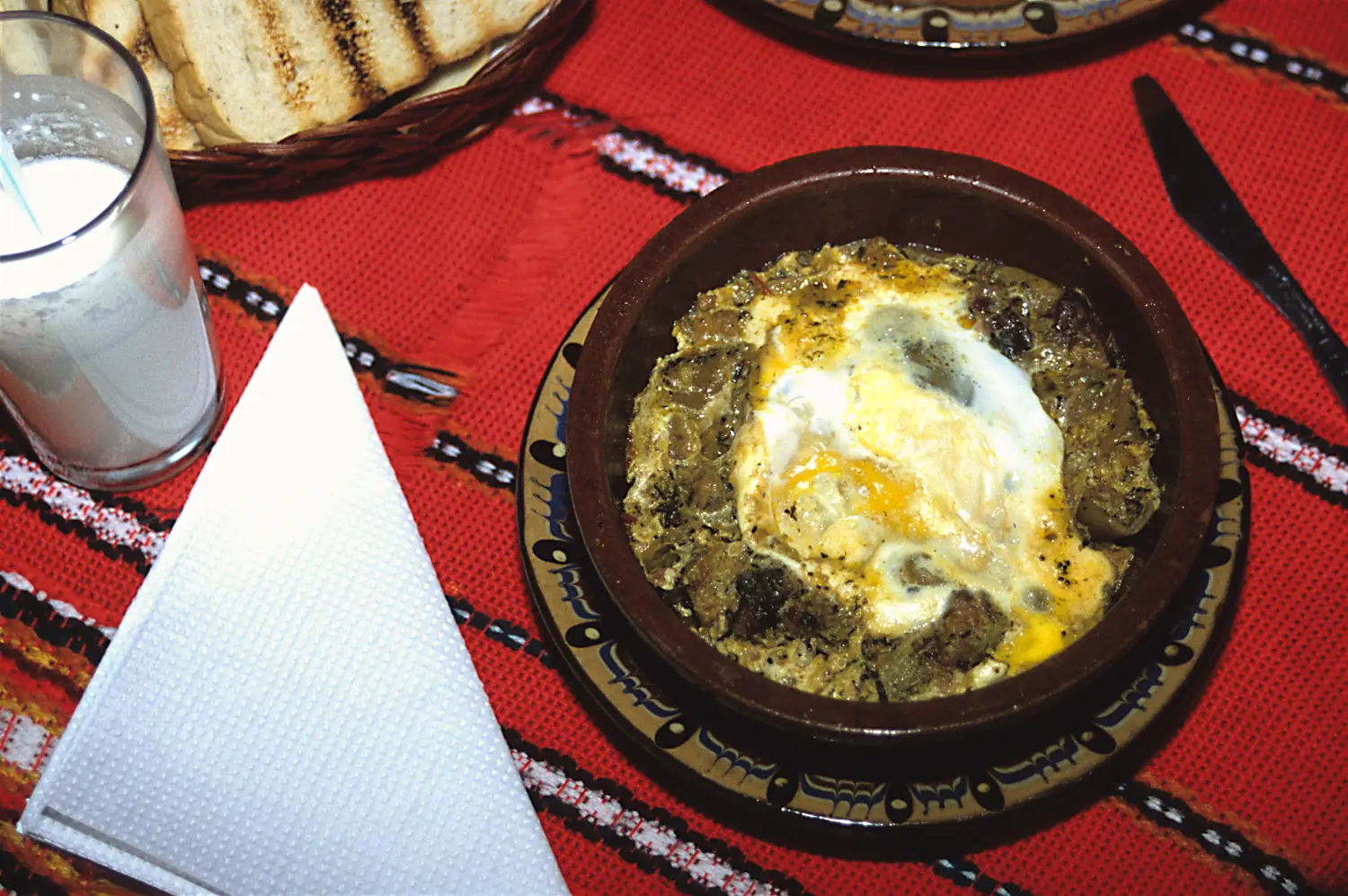
Kavarma — Bulgarian pork stew in a clay pot topped with a fried egg, with ayran and bread

Bulgarian Clay-Pot Classic

Photo: Jeroen Kransen, CC BY-SA 2.5, via Wikimedia Commons

The Heritage Formulary

Measured Ingredients

Estimated cost: Moderate — about $4 per serving at home (USD)

The stew bakes sealed in its clay pot, which is what keeps the meat tender and the sauce rich.

Execution Methodology & Culinary Technique

Step-by-Step Cooking Guide

Active 2h 25m
P

Prep Stage: Pork Cubed, Vegetables Cut

25 Mins • Knife Work

Cut the pork into 3 cm chunks and season with salt, pepper and paprika. Slice the onions and leeks, cut the peppers into strips, chop the tomatoes, slice the mushrooms thickly and the carrot into coins. Wash the leeks very well — grit hides between the layers. Measure the wine and spices.

Maestro Tip: Cut everything chunky. Kavarma is a rustic stew — fine dice turns to mush in two hours.

  1. 1

    Brown the Pork

    12 Mins • Stovetop High heat, about 200°C (400°F) in the pan

    Heat the oil in a heavy pan over high heat. Brown the pork in batches until dark on all sides, about 3 minutes a side. Lift out and set aside. Do not crowd the pan.

    Brown in batches even if it takes longer. Crowded pork steams grey instead of browning.

    Done when: Pork is dark brown on all sides.

  2. 2

    Sauté the Vegetables

    10 Mins • Stovetop Medium heat, about 180°C (350°F)

    In the same pan, cook the onions, leeks, peppers, mushrooms and carrot for 8 minutes until softened. Stir in the garlic, paprika and cumin for the last minute, then pour in the wine and scrape the brown bits off the bottom.

    Let the wine bubble for a minute — the alcohol cooks off and the flavour stays.

    Done when: Vegetables are softened and the pan smells sweet and smoky.

  3. 3

    Combine in the Clay Pot

    5 Mins • Hands On Room temperature, about 21°C (70°F)

    Put the pork and vegetables into a lidded clay pot or heavy casserole with the chopped tomatoes. Season, stir once, and put the lid on. Do not add water — the vegetables give off their own liquid.

    One stir only. The pot does the work from here.

    Done when: Everything is combined in the pot, lid on, ready for the oven.

  4. 4

    Slow-Bake Until Tender

    90 Mins • Baking 180°C (350°F) oven

    Bake at 180°C (350°F) for 90 minutes. Check once halfway; if it looks dry, add a splash of water. The pork is done when it yields to a fork and the sauce is rich and thick.

    Keep the lid on the whole time — the sealed pot is what makes kavarma, kavarma.

    Done when: Pork is fork-tender and the sauce is thick and glossy.

  5. 5

    Finish With Eggs

    15 Mins • Baking 180°C (350°F) oven

    Take the lid off, make six hollows in the stew with a spoon and crack an egg into each one. Return to the oven for 12–15 minutes until the whites are set and the yolks are still soft. Rest 5 minutes and serve in the pot.

    Crack each egg into a cup first — one bad egg or a piece of shell ruins the finish.

    Done when: Egg whites are set, yolks are soft, and the stew is bubbling at the edges.

Finishing Touches & Plating

Serve it in the clay pot at the table with crusty bread — everyone spoons out their own portion and breaks an egg yolk into the stew.

Nutritional Physiology & Benefits

Nutrition

Energy

517

kcal / serving

Protein

30g

Complete AA

Carbs

15g

Complex

Fats

36g

Healthy

Per serving (6 servings · 1 serving ≈ 275 g)
Energy517 kcal
Protein30 g
Carbohydrates15 g
Fat36 g
Fibre3.5 g
Sugar6.7 g
Sodium507 mg
Per 100g
Energy188 kcal
Protein11 g
Carbohydrates5.5 g
Fat13 g
Fibre1.3 g
Sugar2.4 g
Sodium185 mg

Nutrition values are estimated — calculated from USDA FoodData Central values for the listed ingredients.

Vitamins & minerals: B vitamins and zinc (pork), vitamin C (peppers, tomatoes), vitamin A (carrots, peppers).

Slow-Cooked Protein

A serving carries about 30 g of protein from pork and eggs, and the long bake keeps the meat tender.

A Garden of Vegetables

Onions, leeks, peppers, tomatoes, mushrooms and carrots together make a full portion of vegetables in every serving.

B Vitamins and Zinc From Pork

Pork is rich in thiamine, B6 and zinc, nutrients that support energy and the immune system.

Food Pairings

What to Eat With

To optimize nutrient absorption and elevate the sensory depth, pair with these authentic accompaniments:

Sides

Crusty Bread

Bread is essential — it soaks up the sauce and the broken egg yolk.

Vegetables

Tomato and Cucumber Salad

A sharp, fresh salad cuts the richness of the slow-baked stew.

Drinks

Ayran (Yoghurt Drink)

Cold ayran cools the rich stew and matches the egg topping.

Dry White Wine

A glass of the same dry white wine you cooked with echoes the sauce and refreshes the palate.

Complete menu

Serve kavarma in its clay pot with crusty bread and a tomato salad, and finish with yoghurt and honey.

Digestive Guardrails

What NOT to Combine

To prevent digestive distress, sluggishness, or palate clash, avoid pairing the dish with these elements:

Lifting the Lid While Baking

Every time the lid comes off, steam and heat escape and the stew dries out. Leave it alone until the check halfway. This is a cooking note, not medical advice.

Adding Too Much Water

The vegetables release plenty of liquid on their own. Extra water makes a thin, washed-out sauce. This is a cooking note, not medical advice.

General information only, not medical advice — consult a doctor for personal dietary decisions.

Who Should Eat It

Who Should Eat

  • General adultsA rich, satisfying winter dinner — balance it with salad and bread.
  • ChildrenChildren usually enjoy the tender pork and the egg on top; serve the egg well set.
  • ElderlyFork-tender pork and soft vegetables are easy to chew and rich in B vitamins.
  • Pregnant womenFreshly cooked and served hot; make sure the eggs are fully set. Ask your clinician about portion size.
  • Breastfeeding womenHigh protein and iron make it a strong recovery meal after heavy training.
  • AthletesA solid post-training dinner with protein from pork and eggs.
  • Weight gainEnergy-dense and very filling for those needing extra calories.
  • Weight lossRich and filling; keep the portion modest, skip the extra bread, and add salad.

Health Conditions — Adjust or Avoid

Conditions

  • DiabetesAbout 15 g of carbohydrate per serving — one of the lowest in the collection. Ask your clinician about portion size.
  • High blood pressureGo light on added salt and skip extra salty sauces. Ask your clinician about portion size.
  • Kidney diseasePork and eggs provide protein; the fat is the concern — trim visible fat and keep portions modest. Ask your clinician about portion size.
  • GoutPork is moderate in purines; enjoy occasionally in a modest portion. Ask your clinician about portion size.
  • Stomach issuesA rich stew can sit heavily — a small portion with salad is gentler. Ask your clinician about portion size.
  • Cardiovascular diseasePork and eggs add saturated fat — enjoy occasionally and keep the portion small. Ask your clinician about portion size.
  • Fatty liverA rich, energy-dense stew — an occasional treat in a modest portion. Ask your clinician about portion size.
  • Food allergiesContains egg. Check every label. Ask your clinician about portion size.
  • Special therapeutic dietsNot suitable for low-sodium or low-fat therapeutic diets without changes — use lean pork, skip the egg topping and trim the fat. Ask your clinician about portion size.

If you have a medical condition, consult your doctor before changing your diet.

Storage & Use

Storage & Use

How to store
Cool quickly, then store in a covered container in the fridge. Store leftover eggs separately.
In the fridge
3 days, covered — the flavour improves overnight.
In the freezer
3 months without the egg topping; thaw in the fridge.
How to reheat
Reheat gently on the stove until steaming hot all the way through, to 74°C (165°F); add a splash of water if the sauce has thickened.
Freezing recommended
Yes — freeze without the eggs and add fresh eggs when reheating.
Signs it has spoiled
Sour smell, grey surface, or mould.

More recipes to explore

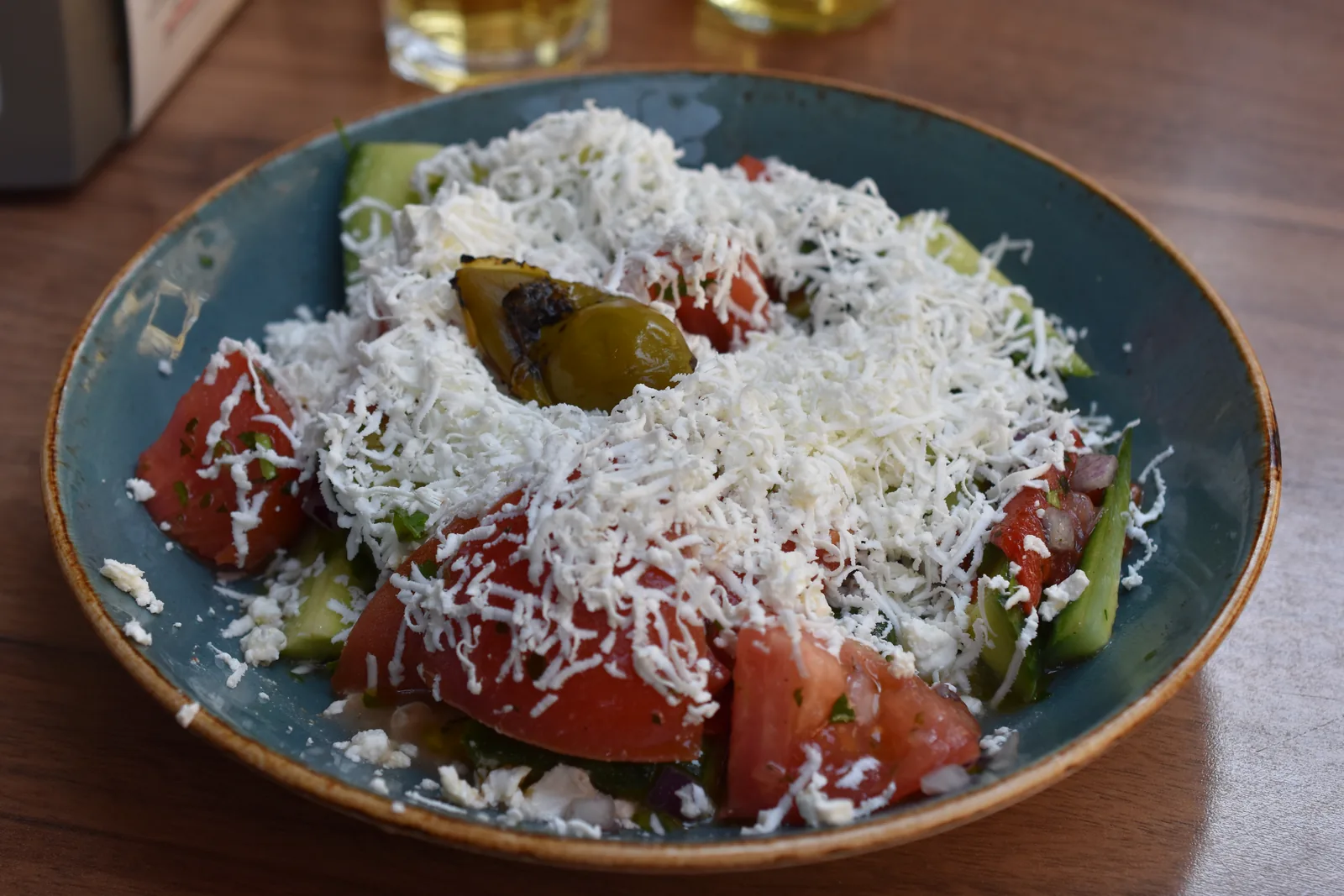
Shopska salad — diced tomatoes, cucumber and peppers covered in grated white sirene cheese in a blue bowl Bulgaria flag Bulgaria 20m
Lunch •Sofia Table Classic

Shopska Salad

This shopska salad recipe makes Bulgaria's most famous salad: ripe tomatoes, cucumber, peppers and onion, diced and lightly dressed with sunflower oil and vinegar, then buried under a thick layer of grated sirene, the white brined cheese that makes the dish. It is fresh, salty, crunchy and ready in twenty minutes. One serving is about 325 g.

Fresh Garden Lunch

Crisp tomatoes, cucumber and peppers under a snowdrift of grated sirene.

Pairs Well With
Grilled meats & rakia
Quick Prep (<30m)
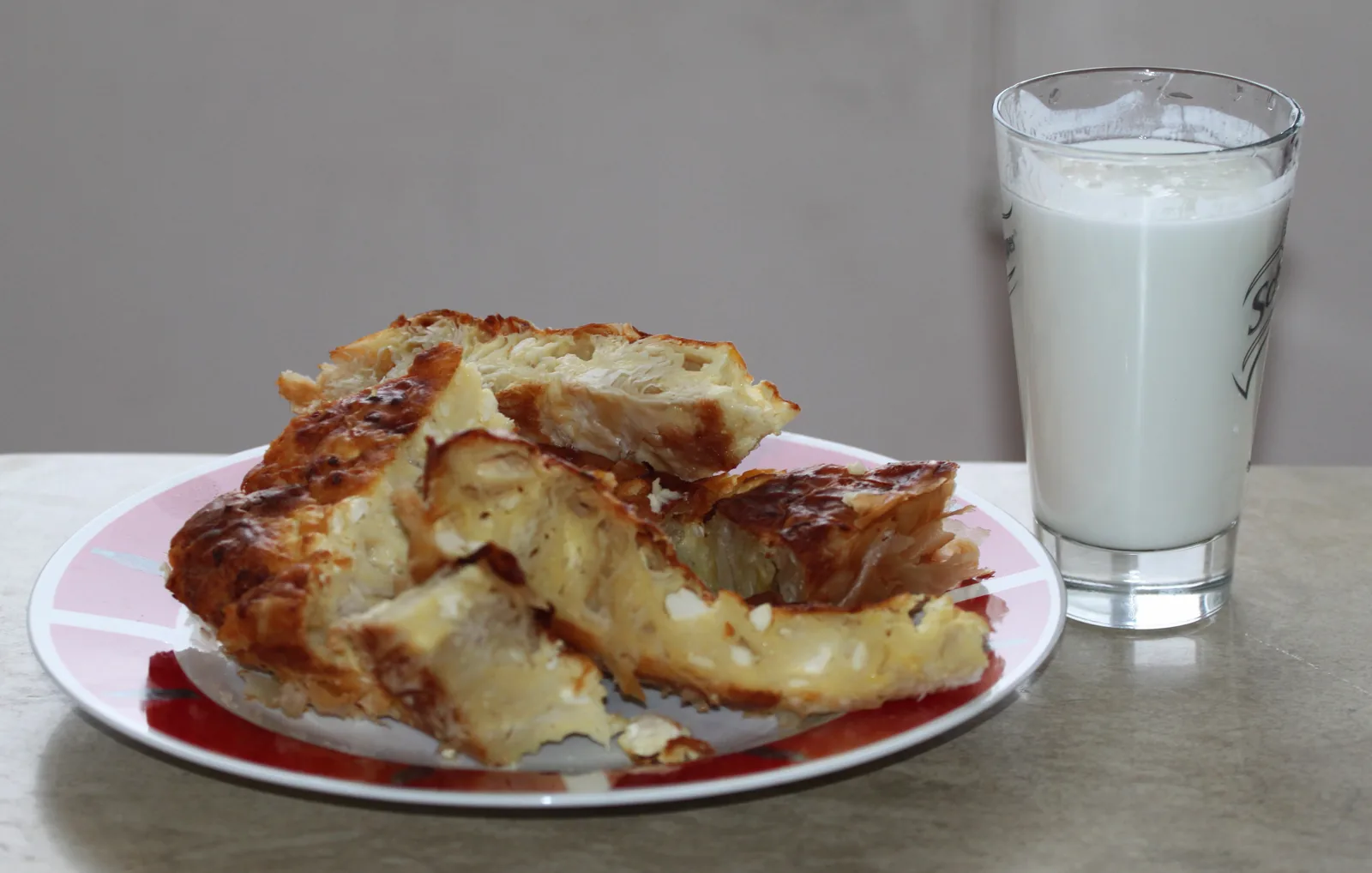
Banitsa — golden Bulgarian cheese filo pastry pieces on a plate with a glass of yoghurt Bulgaria flag Bulgaria 1h
Breakfast •Bulgarian Breakfast Classic

Banitsa

This banitsa recipe makes the pastry Bulgaria wakes up to: sheets of filo layered with a whisked mixture of eggs, crumbled sirene and yoghurt, brushed with butter and baked until the top is golden and crisp and the inside is soft and savoury. It is eaten warm, by hand, with a glass of yoghurt or ayran. One serving is about 125 g.

Morning Bakery Warmth

Crisp filo layered with eggs and tangy sirene, baked golden.

Pairs Well With
Plain yoghurt & ayran
Bœuf bourguignon — French beef braised in red wine France flag France 4h
Dinner •Burgundy Terroir

Bœuf Bourguignon

Beef braised gently in red wine until the connective tissue melts into a velvet, gelatin-rich sauce — the classic Burgundy Sunday dinner.

Cellular Repair

Beef braised in red wine until spoon-tender, with mushrooms and pearl onions.

Pairs Well With
Parsnip Purée & Steamed French Haricots Verts
High Protein
Vietnamese braised pork belly with golden eggs in caramel sauce Vietnam flag Vietnam 1h 45m
Dinner •One Pot

Vietnamese Braised Pork and Eggs

Pork belly slowly braised in coconut water and caramel until meltingly tender, with golden eggs that soak up the sweet-savoury sauce — the Vietnamese family dish that tastes better the next day.

Comfort & Sustained Energy

Slow-braised pork belly and eggs in coconut water and caramel.

Pairs Well With
Steamed rice & pickled mustard greens
High Protein

The Dinner Gazette

Never wonder what’s for dinner again

One email a week with easy dinner ideas from around the world — ingredients, steps and nutrition, tested in our kitchen first.

Delivered every Thursday morning. Unsubscribe anytime.



