Curated recipes from 193 countries  •  New seasonal Mediterranean issue out now

Overview

Bannock

Bannock bread, fry bread, campfire bannock

This bannock recipe mixes all-purpose flour, baking powder, salt and lard with warm water into a soft dough, then fries it in a lightly oiled cast-iron skillet until both sides are golden and the middle is cooked through. Unlike Irish soda bread, which is a buttermilk loaf baked in the oven, bannock is a flat round cooked on a griddle or in a pan, with no yeast and no long rise. One serving is about 100 g, one golden round.

The word bannock comes from the Gaelic bannach, and Scottish fur traders brought the bread to Canada, where Indigenous cooks adopted it and made it their own — it needed no oven, no yeast and only a handful of carried ingredients. Parks Canada preserves a campfire bannock of flour, baking powder, salt, lard and water, cooked in hot fat in a cast-iron pan, a recipe linked to the Bar U Ranch National Historic Site. It became a staple of the fur trade and of camp cooking across the country, and it is still fried over fires and on stoves from coast to coast.

Pairs well with: Butter, jam & hearty stew

Provenance

Canada flag Canada

Canadian Heritage

North America

Time Dedication

25m

10m prep • 15m cook

Batch Yield

6 Servings

282 kcal per serving

1 serving ≈ 100 g

Technical Skill

Easy

Easy (Skillet Bread)

Meal Timing & Digestive Fit

Breakfast

Not Advised

Lunch

Prime Metabolic Fit

Dinner

Ideal Hearty Main

Snack & Tea

Inappropriate

Quick Prep (<30m) Occasions: Campfire cooking, stew suppers, picnics, lunch boxes, outdoor trips Cost: Low — about $0.30 per round at home

A golden round of freshly cooked bannock bread, cut into wedges, on a white plate

Canadian Heritage

Photo: Skorp, CC0, via Wikimedia Commons

The Heritage Formulary

Measured Ingredients

Estimated cost: Low — about $0.30 per round at home (USD)
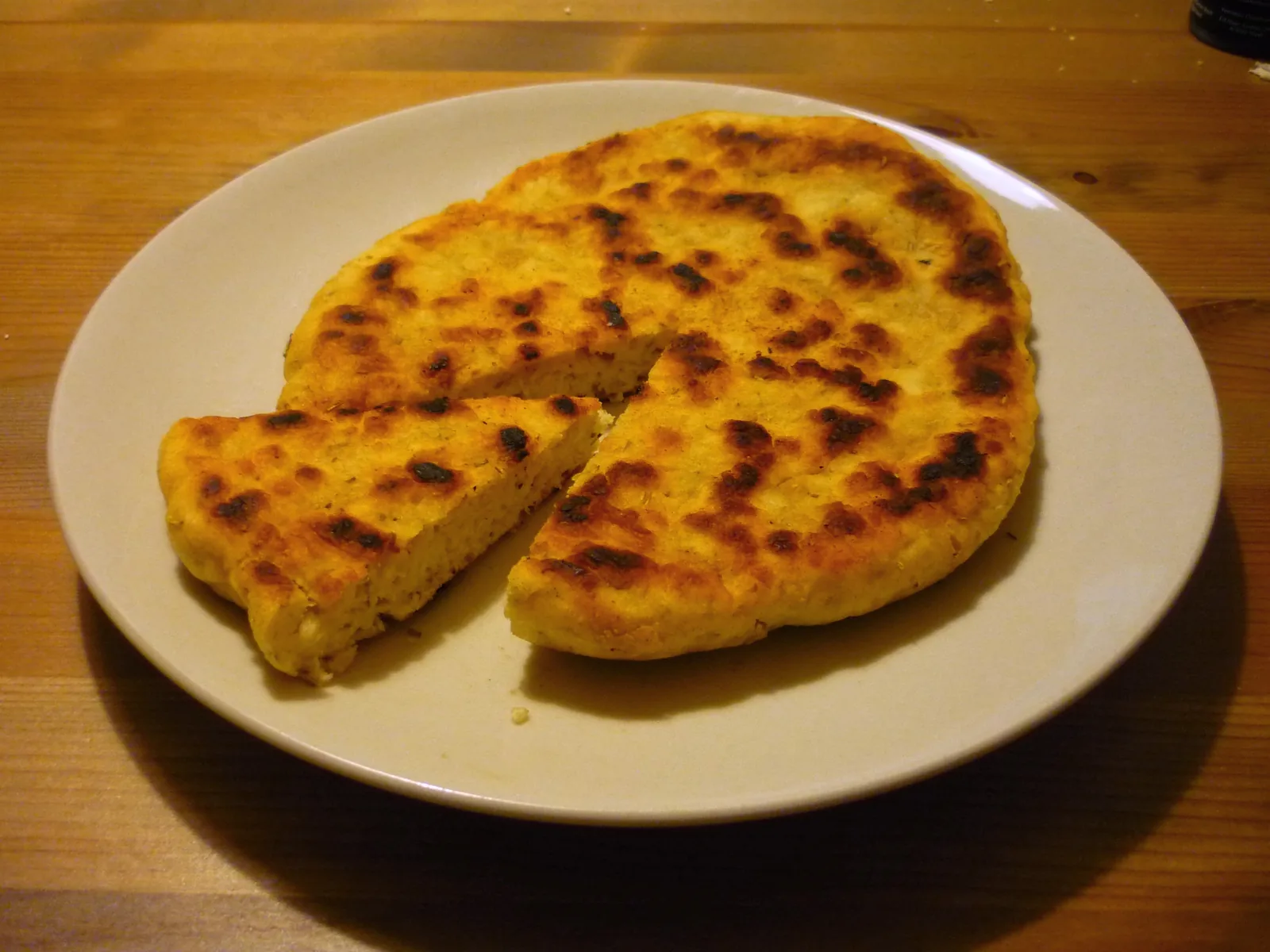
Cooked the traditional way: a soft baking-powder dough, handled as little as possible, patted into rounds and fried golden in a cast-iron skillet.

Execution Methodology & Culinary Technique

Step-by-Step Cooking Guide

Active 25m
P

Prep Stage: Mix the Dough & Shape the Rounds

10 Mins • Mixing & Shaping

Whisk the flour, baking powder and salt together. Rub the lard in with your fingertips until the mixture looks like fine crumbs, then pour in the warm water and stir until a soft, slightly sticky dough forms. Turn it onto a floured board, knead gently about 10 times, rest it 5 minutes, then divide into 6 equal pieces and pat each into a round about 12 cm across and 1 cm thick.

Maestro Tip: Handle the dough as little as possible once the water is in — the baking powder starts working at once, and overworking makes the bread tough. The dough should feel soft and a little tacky, not dry.

  1. 1

    Mix the Dry Ingredients

    3 Mins No heat

    Whisk the 360 g flour, 12 g baking powder and 4 g salt together in a large bowl until evenly combined, so no pocket of baking powder is left to taste bitter.

    Sift the baking powder through your fingers as you add it — lumps of baking powder leave yellow spots and a soapy taste.

    Done when: An even, lump-free dry mix.

  2. 2

    Rub in the Lard & Add Water

    4 Mins No heat

    Rub the 28 g lard into the flour with your fingertips until it looks like fine breadcrumbs. Pour in the 240 ml warm water and stir with a fork until a soft, slightly sticky dough comes together, adding a spoonful more water only if dry flour remains.

    Warm water wakes the baking powder up, so work steadily and do not leave the dough sitting around at this stage.

    Done when: A soft dough that holds together with no dry flour showing.

  3. 3

    Rest & Shape the Rounds

    5 Mins No heat

    Turn the dough onto a lightly floured board, knead gently about 10 times, then cover and rest for 5 minutes. Divide into 6 equal pieces and pat each into a round about 12 cm across and 1 cm thick, pricking the centre of each round a few times with a fork so it does not puff up like a balloon.

    The short rest relaxes the dough so the rounds pat out evenly instead of springing back.

    Done when: Six even rounds, about 1 cm thick, fork-pricked in the middle.

  4. 4

    Fry the First Batch

    7 Mins Medium heat, skillet about 175°C (350°F)

    Heat a cast-iron skillet over medium heat with half the oil, about 175°C (350°F) — a drop of water should sizzle and vanish. Lay in 3 rounds and fry for 3 to 4 minutes until the underside is deep golden, then flip and fry the other side for 3 minutes until golden and the centre reads at least 90°C (194°F) on a thermometer.

    If the bread browns in under 2 minutes the pan is too hot and the middle will stay raw — turn the heat down and give it time.

    Done when: Deep golden on both sides; the round sounds hollow when tapped.

  5. 5

    Fry the Second Batch

    7 Mins Medium heat, skillet about 175°C (350°F)

    Add the remaining oil to the skillet, let it heat for a minute, and fry the last 3 rounds the same way — 3 to 4 minutes on the first side, 3 minutes on the second, until golden and cooked through to at least 90°C (194°F) in the centre.

    Wipe out any dark crumbs between batches so the second batch does not pick up burnt specks.

    Done when: All six rounds golden, with a crisp outside and a soft, steamy middle.

  6. 6

    Rest & Serve Warm

    3 Mins Cool at room temperature

    Move the rounds to a wire rack or a clean cloth and rest for 2 to 3 minutes so the crumb sets. Tear or cut into wedges and serve warm with butter, jam, or beside a stew.

    Bannock is at its best warm from the pan — the crust softens as it cools, so do not wait long.

    Done when: Warm rounds that tear open soft and steamy inside.

Finishing Touches & Plating

Serve warm with good butter and jam, or tear wedges into a bowl of stew. Wrap any leftovers in a clean cloth once cool — they toast beautifully the next day.

Nutritional Physiology & Benefits

Nutrition

Energy

282

kcal / serving

Protein

6g

Complete AA

Carbs

46g

Complex

Fats

8g

Healthy

Per serving (6 servings · 1 serving ≈ 100 g)
Energy282 kcal
Protein6 g
Carbohydrates46 g
Fat8 g
Fibre1.6 g
Sugar0.2 g
Sodium475 mg
Per 100g
Energy282 kcal
Protein6.2 g
Carbohydrates46.3 g
Fat7.6 g
Fibre1.6 g
Sugar0.2 g
Sodium475 mg

Nutrition values are estimated — calculated from USDA FoodData Central values for the listed ingredients.

Vitamins & minerals: Enriched flour supplies B vitamins and iron, and the lard adds a small amount of vitamin D. All nutrition values are estimated.

Quick, Steady Energy

One round gives about 46.3 g of carbohydrate, mostly starch from the flour — plain, filling fuel for an active afternoon.

Simple, Short Ingredient List

Six everyday ingredients and no yeast, eggs or dairy in the dough itself, so it suits a plain pantry and a tight budget.

B Vitamins & Iron

Enriched flour is a useful source of B vitamins and iron, and the lard adds a small amount of vitamin D.

Food Pairings

What to Eat With

To optimize nutrient absorption and elevate the sensory depth, pair with these authentic accompaniments:

Sides

Butter & Jam

Warm bannock melts butter into its crumb, and a spoonful of jam turns it into a simple camp lunch — the sweet spread balances the plain, salty bread.

Smoked Fish

Smoked trout or salmon on warm bannock is a northern Canadian plate: the salty, smoky fish needs only plain bread underneath it.

Honey

A drizzle of honey over a hot round soaks into the crumb and makes a quick sweet snack with no extra cooking.

Full Menus

Hearty Stew

Bannock was made to travel with stews: torn wedges mop up gravy and stretch a pot of meat and vegetables into a full meal, which is why it fed fur-trade crews for generations.

Drinks

Strong Tea or Coffee

A hot, strong cup of tea or black coffee is the classic partner — the bitter drink cuts through the rich, fried crust.

Complete menu

Serve warm bannock wedges beside a hearty beef or moose stew with a mug of strong tea — the bread mops up the gravy and the tea cuts the rich fried crust.

Digestive Guardrails

What NOT to Combine

To prevent digestive distress, sluggishness, or palate clash, avoid pairing the dish with these elements:

Very Sweet Spreads in Large Amounts

Bannock is already a starchy bread, so loading every round with jam, honey and chocolate spread adds a lot of sugar to one meal. This is general food information, not medical advice.

Leaving It Unwrapped

Bannock dries out fast in the open air and turns hard within hours; leaving it unwrapped wastes the soft crumb. Wrap it in a clean cloth or bag once cool. This is general food information, not medical advice.

General information only, not medical advice — consult a doctor for personal dietary decisions.

Who Should Eat It

Who Should Eat

  • General adultsA filling, plain bread — about 282 kcal and 46.3 g carbohydrate per round, best as one round beside a main dish rather than several on their own.
  • ChildrenChildren usually love the mild, buttery flavour; tear rounds into fingers and serve with butter and jam, and watch the hot pan — the bread is fried.
  • ElderlySoft and easy to chew when fresh and warm, but it firms up as it cools — serve it warm with butter or dunked in soup.
  • Pregnant womenFine as an everyday bread; it is cooked through in the pan, but keep portions modest because it is starchy and fairly salty.
  • Breastfeeding womenA handy, filling snack between meals; pair it with protein such as cheese or stew rather than eating plain rounds alone.
  • AthletesUseful quick carbohydrate after training — one or two rounds with jam or honey replace energy fast, and the salt helps replace what sweat loses.
  • Weight gainAn easy way to add energy: rounds with butter, jam or honey add calories without much bulk, and they are cheap to make in batches.
  • Weight lossOne 100 g round is about 282 kcal, so keep to a single round and fill the rest of the plate with vegetables or lean stew rather than seconds of bread.

Health Conditions — Adjust or Avoid

Conditions

  • DiabetesBannock is starchy, so keep to one 100 g round and skip jam or honey on top. Ask your clinician about portions.
  • High blood pressureOne round carries about 475 mg sodium from the baking powder and salt, so keep other salty foods out of the same meal. Ask your clinician about portions.
  • Kidney diseaseThe salt and baking powder make this a high-sodium bread, so it may not fit a low-sodium plan. Ask your clinician before eating it regularly.
  • GoutBannock itself is low in purines, but rich spreads such as butter add fat — keep portions modest and favour jam over butter. Ask your clinician about portions.
  • Stomach issuesPlain bannock is usually gentle, but the fried crust can be heavy for a sensitive stomach — eat it warm and plain, and skip rich spreads. Ask your clinician if symptoms persist.
  • Cardiovascular diseaseThe lard and frying fat add saturated fat, so keep to one round and choose a vegetable oil version with jam rather than butter. Ask your clinician about portions.
  • Fatty liverA starchy fried bread adds energy quickly, so one round with a light topping is wiser than several with butter. Ask your clinician about portions.
  • Food allergiesContains wheat (gluten). The dough itself has no egg, milk or nuts, but the lard version is not suitable for people avoiding pork — use butter or vegetable shortening instead, and check the baking powder label. Ask your clinician if you are unsure.
  • Special therapeutic dietsNot suitable for a gluten-free diet as written; a gluten-free flour blend changes the texture and the recipe would need testing. Ask your clinician or dietitian before adapting it.

If you have a medical condition, consult your doctor before changing your diet.

Storage & Use

Storage & Use

How to store
Cool completely, then wrap in a clean cloth, then a bag.
In the fridge
Keeps 2 days in the fridge at 4°C (40°F) or below, wrapped.
In the freezer
Up to 3 months; wrap rounds individually so you can take out what you need.
How to reheat
Warm in a dry skillet over medium heat for 1 to 2 minutes per side, or toast wedges until hot; reheat to at least 74°C (165°F) if it has been refrigerated.
Freezing recommended
Yes — rounds freeze well and reheat straight from frozen in the skillet.
Signs it has spoiled
Sour smell, mould spots, or a slimy surface.

More recipes to explore

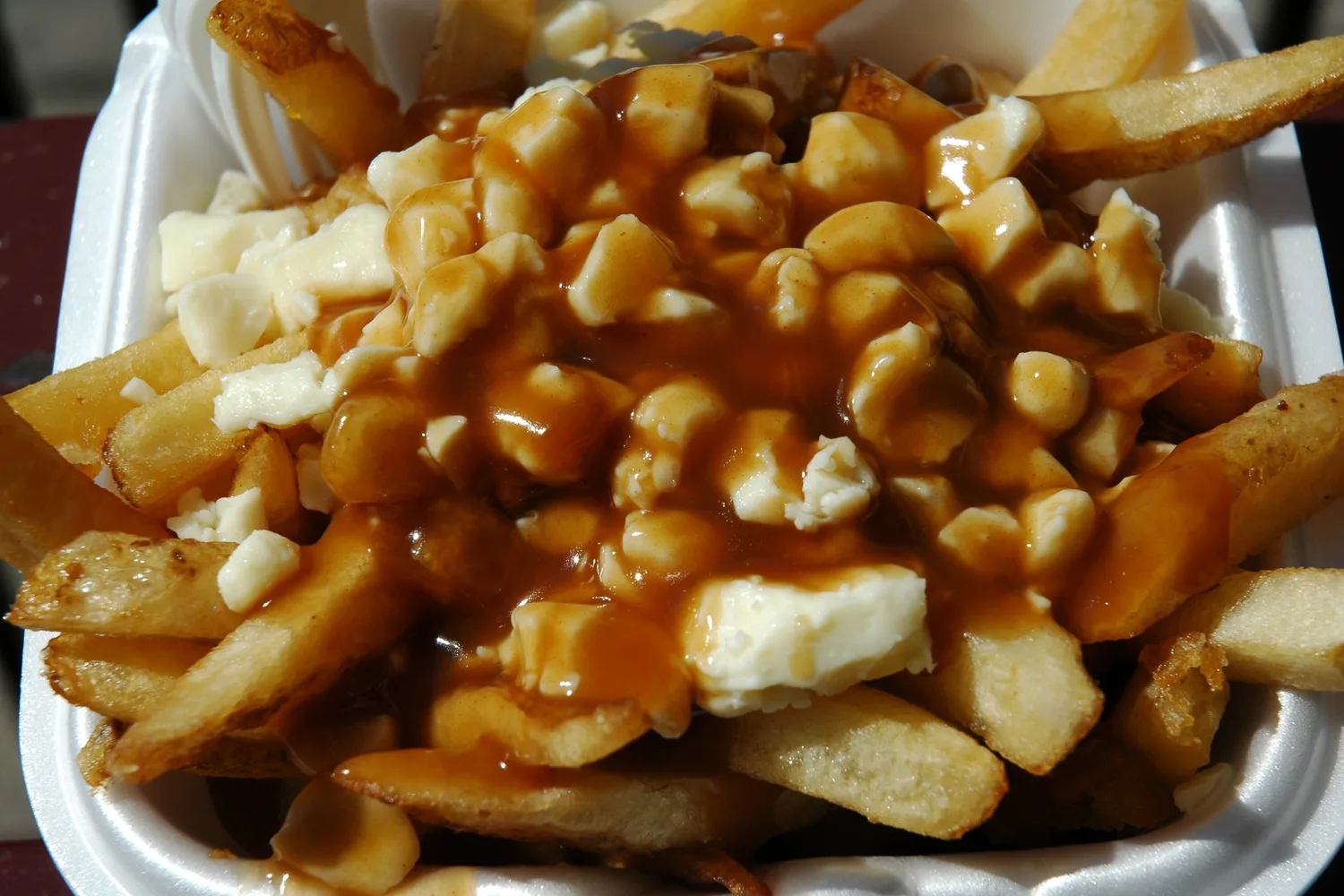
A close-up of classic poutine: golden french fries topped with white cheese curds and glossy brown gravy Canada flag Canada 55m
Lunch •Quebec Classic

Poutine

Poutine is Quebec's most famous dish: hot, crispy french fries topped with fresh cheese curds and a ladle of steaming beef gravy, served the moment the curds start to soften. This poutine recipe uses real cheese curds — never shredded cheese — and fries the potatoes twice so they stay crisp under the gravy. One serving is about 348 g.

Hearty Comfort Food

Crispy double-fried potatoes, squeaky fresh cheese curds and hot beef gravy — Quebec's most famous comfort dish.

Pairs Well With
Green salad & pickles
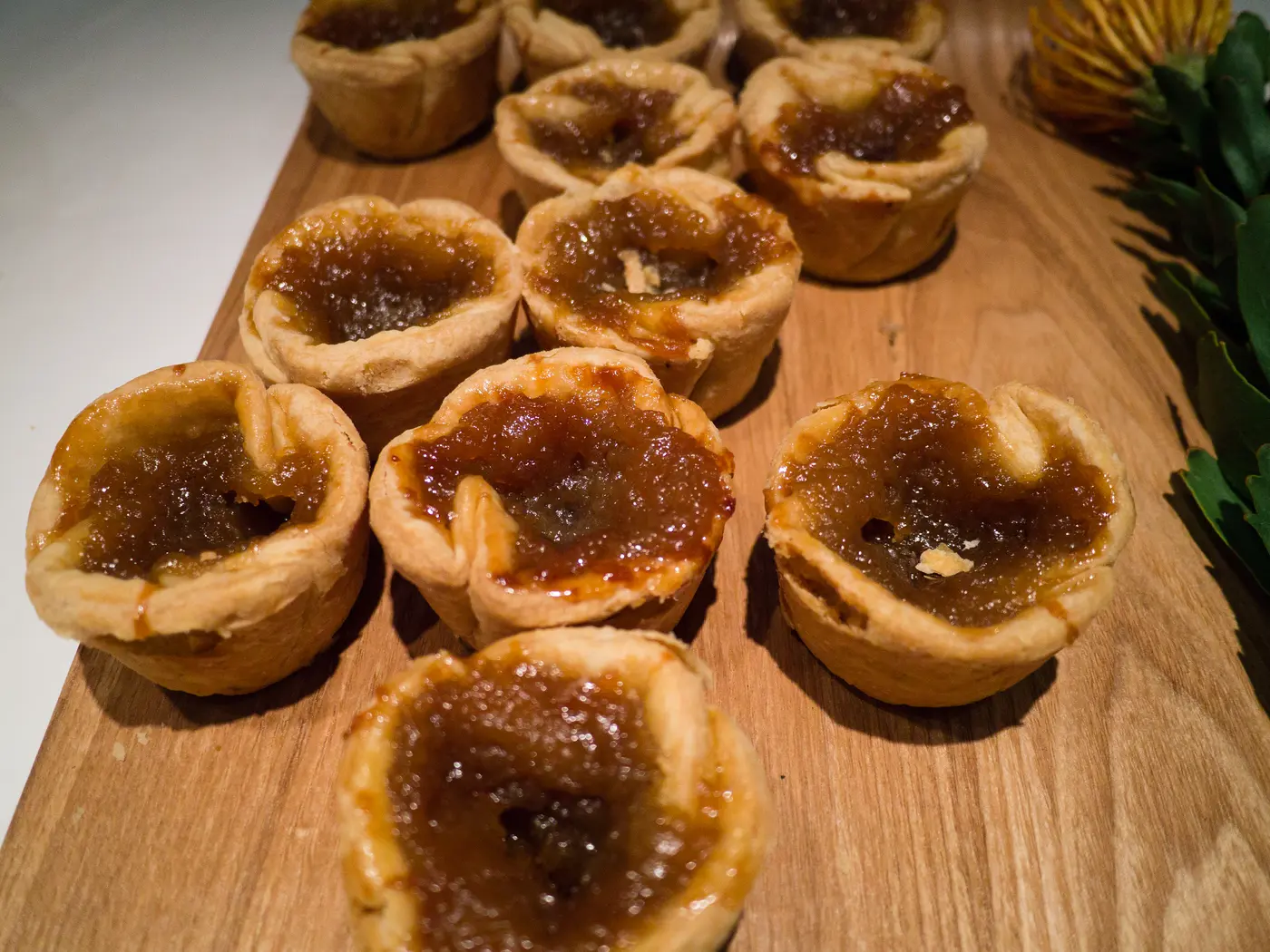
Golden butter tarts with glossy brown-sugar filling arranged on a wooden board Canada flag Canada 1h 5m
Snack & Tea •Ontario Classic

Butter Tarts

Butter tarts are Canada's most loved small pastry: flaky pastry cups filled with a gooey mixture of butter, brown sugar and egg, sometimes with raisins, baked until the filling bubbles and just sets. This butter tarts recipe makes 12 golden tarts with crisp shells and a soft, caramel centre — the classic Ontario version, firm enough to hold and soft enough to run. One tart is about 75 g.

Sweet & Comforting

Flaky pastry cups filled with a gooey butter, brown sugar and egg filling — Canada's most loved small pastry.

Pairs Well With
Tea & coffee
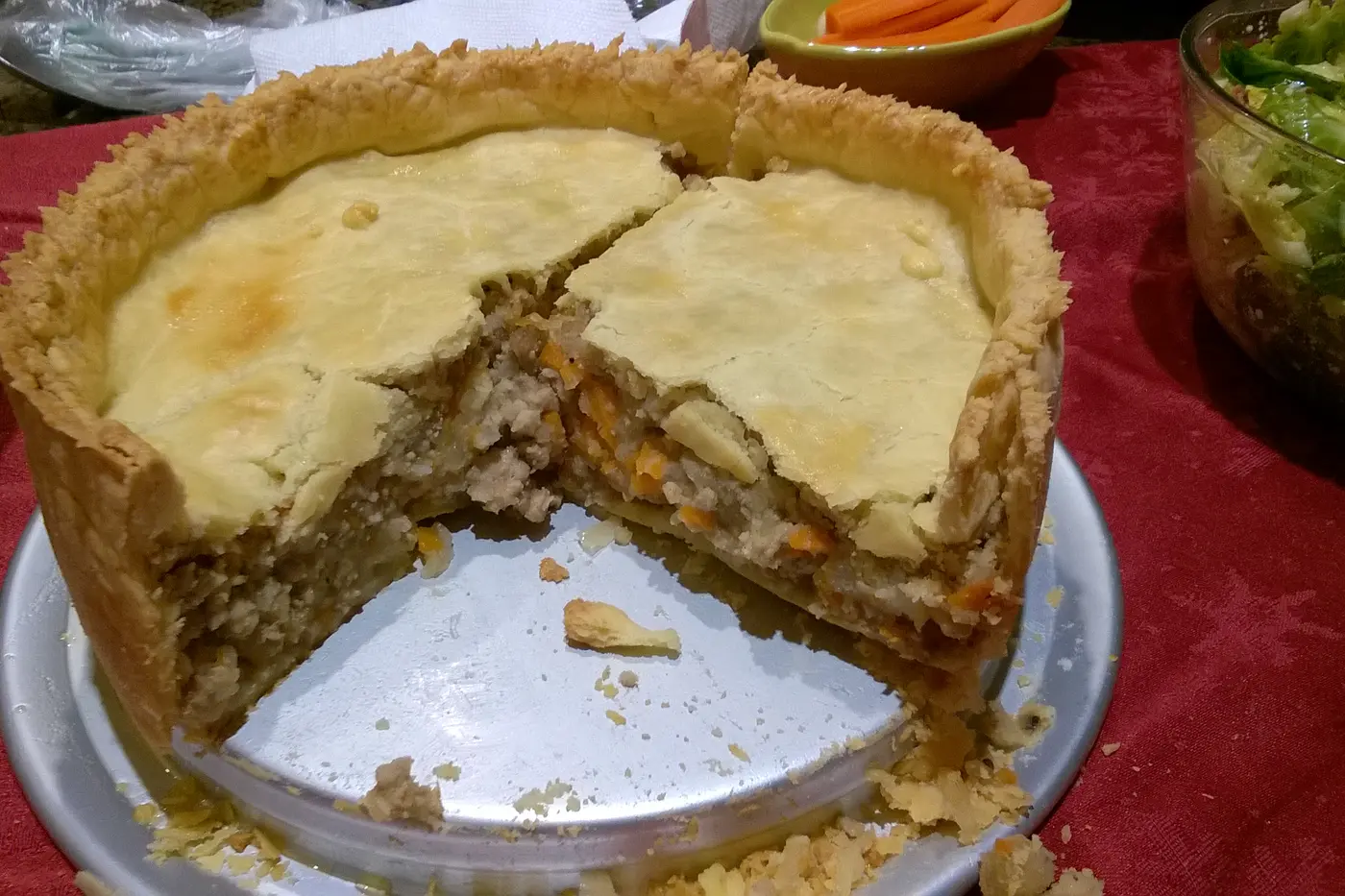
A deep-dish tourtière with a slice cut, showing the spiced ground-meat filling in golden pastry Canada flag Canada 2h
Dinner •Quebec Christmas Classic

Tourtière

Tourtière is the French-Canadian spiced pork pie: a deep-dish pie with a buttery double crust and a filling of ground pork, a little beef, mashed potato and onion, scented with cinnamon, cloves and savoury. It is the centrepiece of Quebec's Christmas Eve réveillon, served after midnight Mass. Unlike the Australian meat pie, which is a hand-held beef pie with tomato sauce, tourtière is a large, sliceable pie built for sharing, and its warm spices — not gravy — are what make it. This tourtiere recipe makes one deep-dish pie for eight. One slice is about 255 g.

Hearty & Festive

A deep-dish pie of spiced ground pork and potato in buttery pastry — the centrepiece of Quebec's Christmas Eve réveillon.

Pairs Well With
Green salad & pickles
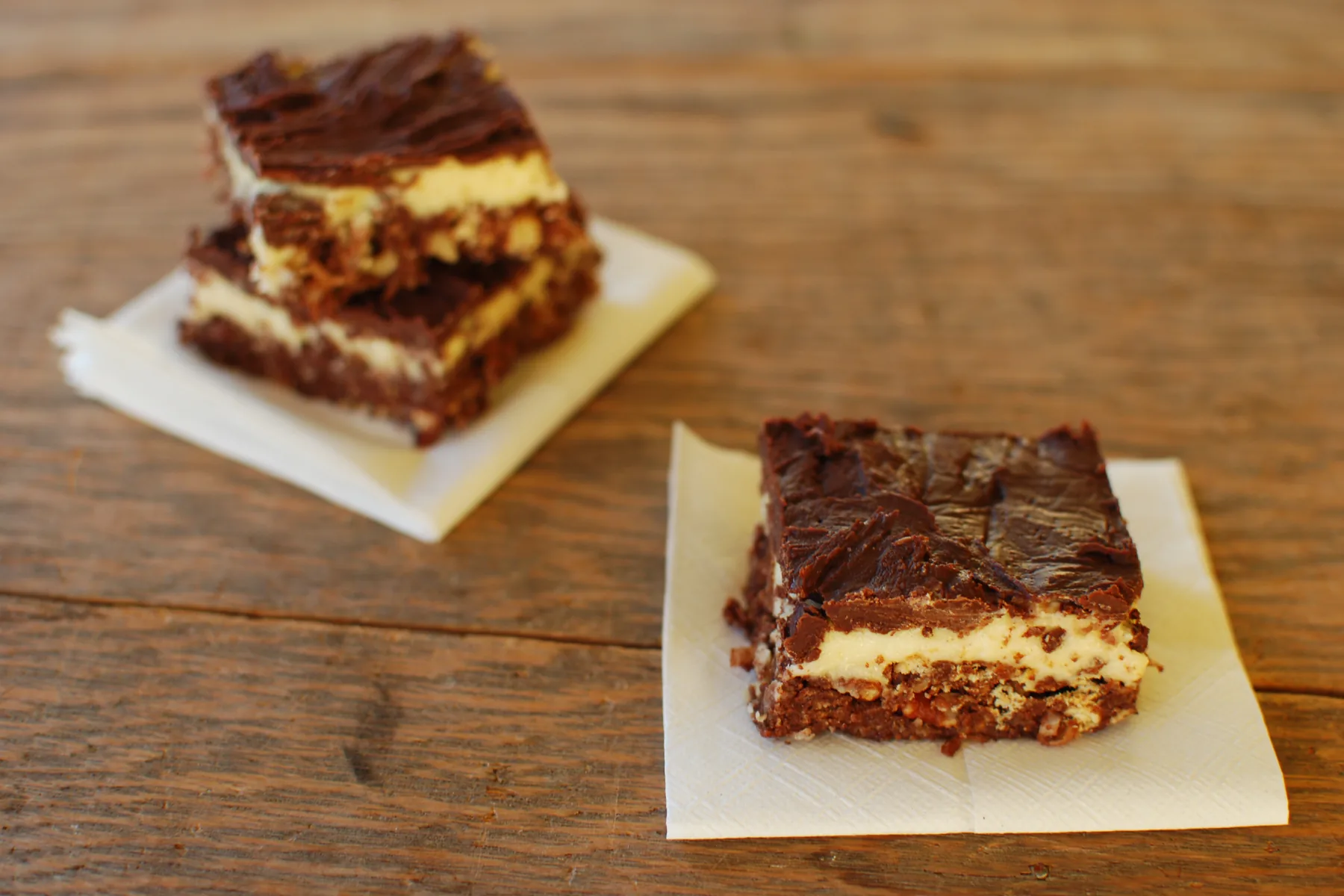
Three-layer Nanaimo bars with chocolate tops and pale custard filling on white napkins Canada flag Canada 40m
Snack & Tea •British Columbia Classic

Nanaimo Bars

Nanaimo bars are Canada's most famous no-bake square: a chewy cocoa, graham crumb, coconut and walnut base, a thick vanilla custard buttercream in the middle, and a thin, snappy layer of chocolate on top. This nanaimo bars recipe makes 16 bars in a 20 cm square pan, with no oven needed at all — the fridge does the work. One bar is about 66 g.

Sweet & Indulgent

Three no-bake layers — a cocoa-coconut crumb base, a custard buttercream middle and a chocolate top — in one small, rich square.

Pairs Well With
Coffee or black tea

The Dinner Gazette

Never wonder what’s for dinner again

One email a week with easy dinner ideas from around the world — ingredients, steps and nutrition, tested in our kitchen first.

Delivered every Thursday morning. Unsubscribe anytime.