
Curated recipes from 193 countries  •  New seasonal Mediterranean issue out now

Overview

Batata con Coco

Dominican sweet potato with coconut; Dulce de batata con coco

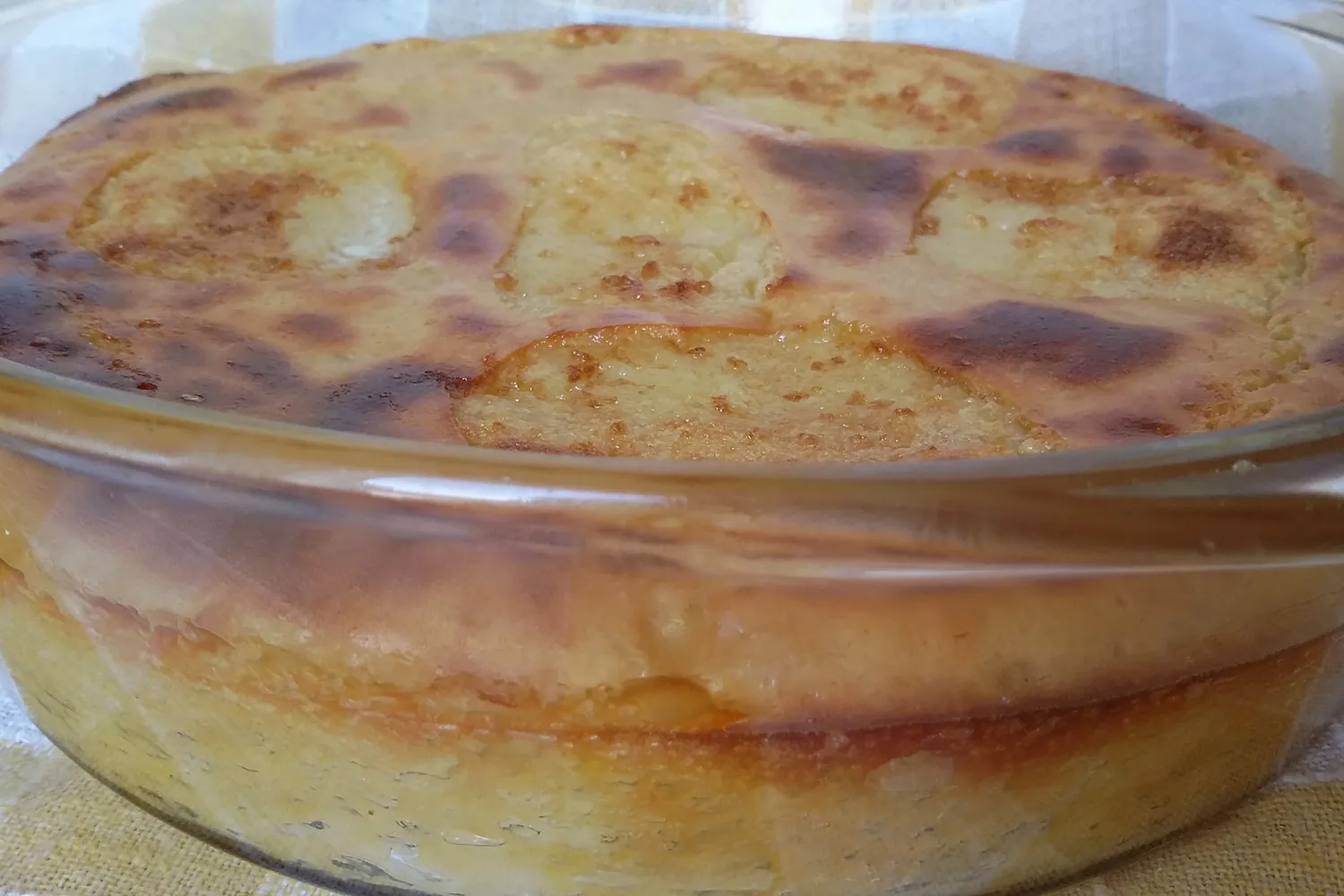
Batata con coco is a Dominican sweet of white sweet potato (batata) boiled, blended with coconut milk and evaporated milk, then simmered with sugar, cinnamon and vanilla until thick and creamy. It is served warm or chilled, spooned into bowls and scattered with toasted coconut. One serving is about 250 g.

Batata is what Dominicans call the white sweet potato that grows all over the island, and simmering it in coconut milk is one of the oldest Dominican ways to turn a humble root into a sweet. The same pair of ingredients shows up across Dominican desserts — blended and frozen as helado de batata y coco, the sweet potato and coconut pops sold in summer, and cooked down as dulce de batata, the thick spoonable sweet served at family gatherings.

Pairs well with: Strong Dominican coffee & toasted coconut

Provenance

Dominican Republic flag Dominican Republic

Dominican Heritage

Latin America & Caribbean

Time Dedication

1h

15m prep • 45m cook

Batch Yield

6 Servings

390 kcal per serving

1 serving ≈ 250 g

Technical Skill

Easy

Easy (One Pot)

Meal Timing & Digestive Fit

Breakfast

Not Advised

Lunch

Inappropriate

Dinner

Inappropriate

Snack & Tea

Ideal Light Bite

Occasions: Afternoon snack, Family dessert, Holidays Cost: Low — about $1–2 per serving at home
A golden sweet potato and coconut pudding in a clear glass dish, its top lightly caramelised

Dominican Heritage

Photo: KaMan, CC BY-SA 4.0, via Wikimedia Commons

The Heritage Formulary

Measured Ingredients

Estimated cost: Low — about $1–2 per serving at home (USD)

Made with real batata, full-fat coconut milk and cinnamon, simmered slowly until thick and creamy.

Execution Methodology & Culinary Technique

Step-by-Step Cooking Guide

Active 1h
P

Prep Stage: Batata Peeled, Milks Measured

15 Mins • Peeling, Measuring

Peel the batata and cut it into even chunks so it cooks at the same speed, then measure out the coconut milk, evaporated milk, sugar, cinnamon and vanilla. Everything goes into the pot in one smooth sequence, so have it all within reach before you start.

Maestro Tip: Cut the chunks the same size — uneven pieces mean some mash soft while others stay hard in the middle.

  1. 1

    Boil the batata

    20 mins Boiling water, 100°C (212°F)

    Put the batata chunks in a large pot, cover with 1 litre of cold salted water and bring to a boil over high heat. Reduce to a steady simmer and cook for about 20 minutes until a knife slides through a chunk with no resistance. Drain well and return the hot batata to the dry pot for a minute so the steam dries it out.

    Do not overcook to mush: the batata should be tender, not waterlogged, or the pudding turns thin.

    Done when: Chunks tender all the way through, draining dry and steaming.

  2. 2

    Blend with the milks

    5 mins Hot, about 80°C (175°F)

    Tip the hot batata into a blender with the coconut milk and evaporated milk, and blend until completely smooth and creamy, stopping to scrape down the sides. The mix should pour like thick cream, with no lumps at all — a silky base is what makes the finished pudding spoonable rather than grainy.

    Blend in two batches if your blender is small; a half-full blender blends far smoother than an overfull one.

    Done when: A perfectly smooth, thick cream with no lumps.

  3. 3

    Simmer with sugar and spice

    25 mins Gentle simmer, about 95°C (200°F)

    Pour the blended mix back into the pot, stir in the sugar, cinnamon, vanilla and pinch of salt, and bring to the barest simmer over medium-low heat. Cook for about 25 minutes, stirring often with a wooden spoon and scraping the bottom, until the pudding thickens enough to coat the spoon and a trail drawn through it holds for a second before closing.

    Stir the bottom constantly in the last 10 minutes: coconut milk scorches easily and a burnt taste cannot be fixed.

    Done when: Thick, glossy pudding that coats the spoon and holds a trail.

  4. 4

    Toast the coconut

    5 mins Dry pan, medium heat, about 160°C (320°F)

    While the pudding simmers, toast the desiccated coconut in a dry pan over medium heat, shaking the pan often, for 3–5 minutes until it turns pale gold and smells nutty. Tip it straight onto a plate — it keeps browning in the hot pan and burns in seconds if you leave it.

    Watch it like milk on the stove: coconut goes from golden to burnt in under a minute.

    Done when: Evenly pale gold, fragrant, with no dark or black flecks.

  5. 5

    Rest and serve

    5 mins Warm, about 60°C (140°F)

    Take the pudding off the heat and let it rest for 5 minutes — it thickens a little more as it cools. Spoon into bowls or a glass serving dish, scatter the toasted coconut over the top, and serve warm, or chill it for at least 2 hours and serve cold. It keeps its creamy texture either way.

    A glass dish shows off the golden colour, and the toasted coconut stays crisp on top.

    Done when: Thick and creamy, warm or chilled, topped with golden toasted coconut.

Finishing Touches & Plating

Serve batata con coco warm from the pot or well chilled, spooned into bowls with a generous scatter of toasted coconut — the warm cinnamon, the creamy coconut and the soft sweet potato are a quiet, comforting Dominican sweet.

Nutritional Physiology & Benefits

Nutrition

Energy

390

kcal / serving

Protein

8g

Complete AA

Carbs

46g

Complex

Fats

21g

Healthy

Per serving (6 servings · 1 serving ≈ 250 g)
Energy390 kcal
Protein8 g
Carbohydrates46 g
Fat21 g
Fibre4.6 g
Sugar25.0 g
Sodium179 mg
Per 100g
Energy156 kcal
Protein3.1 g
Carbohydrates18.3 g
Fat8.5 g
Fibre1.8 g
Sugar10 g
Sodium72 mg

Nutrition values are estimated — calculated from USDA FoodData Central values for the listed ingredients.

Vitamins & minerals: Vitamin A (sweet potato), potassium (sweet potato, coconut milk), calcium (evaporated milk), vitamin C (sweet potato).

Rich in vitamin A

Sweet potato is a strong source of beta-carotene, which the body turns into vitamin A, a vitamin that supports normal vision and skin.

Potassium for everyday energy

Sweet potato and coconut milk both supply potassium, a mineral that helps muscles and nerves work normally.

Fibre from real food

One serving gives about 4.6 g of fibre from the sweet potato and coconut, which helps the pudding feel satisfying.

Food Pairings

What to Eat With

To optimize nutrient absorption and elevate the sensory depth, pair with these authentic accompaniments:

Drinks

Strong Dominican coffee

Bitter, strong coffee is the classic foil: it cuts the sweetness and makes the coconut taste richer.

Sides

Toasted coconut

The toasted coconut on top adds crunch and a nutty note against the soft, creamy pudding.

Fresh mango or pineapple

Bright, acidic fruit lifts the rich pudding and keeps a sweet snack from feeling heavy.

More Pairings

A scoop of vanilla ice cream

Cold vanilla ice cream melting into the warm pudding turns a simple sweet into a proper dessert.

Complete menu

A bowl of batata con coco with strong Dominican coffee and fresh mango, after a light lunch of grilled fish and salad.

Digestive Guardrails

What NOT to Combine

To prevent digestive distress, sluggishness, or palate clash, avoid pairing the dish with these elements:

Large portions when watching sugar

One serving carries about 25 g of sugar, so a second helping adds up quickly; enjoy a modest bowl and keep sugary drinks out of the same meal. This is general information, not medical advice.

Eating it with other rich sweets

The pudding is already rich in coconut fat and sugar, so pairing it with cake or fried sweets makes the meal very heavy; fresh fruit is the lighter partner. This is general information, not medical advice.

General information only, not medical advice — consult a doctor for personal dietary decisions.

Who Should Eat It

Who Should Eat

  • General adultsA comforting sweet snack for most adults; one bowl with coffee is a satisfying afternoon treat.
  • ChildrenChildren usually love it — soft, sweet and mild — but keep the portion small because of the sugar.
  • ElderlySoft, easy to eat and gentle, so it suits older adults well; serve a small bowl, warm or chilled.
  • Pregnant womenFine in a small portion as an occasional sweet; it is pasteurised milk and fully cooked, but keep the sugar in mind and ask your clinician about sweets during pregnancy.
  • Breastfeeding womenFine as an occasional treat in a small bowl; the coconut fat and sugar make it energy-dense, so one serving is enough.
  • AthletesEnergy-dense with quick carbohydrate, so it can follow hard training, but the sugar and saturated fat make it a treat, not a recovery food.
  • Weight gainA bowl with coffee covers a good share of daily energy, and the sweet potato fibre helps it feel filling.
  • Weight lossSweet and energy-dense at 390 kcal a bowl, so keep it occasional and small — half a serving with fresh fruit is the lighter choice.

Health Conditions — Adjust or Avoid

Conditions

  • DiabetesOne serving has about 45.7 g of carbohydrate and 25 g of sugar, so portions matter a lot; a small bowl, or half a serving, fits a meal plan better — ask your clinician.
  • High blood pressureSodium is low at about 179 mg per serving, but the sugar and saturated fat still call for a modest portion; ask your clinician if you are on a restricted diet.
  • Kidney diseaseModerate in potassium, so people on a kidney diet should keep portions small and ask their clinician before eating it.
  • GoutSweet potato is low in purines, so gout is not a concern with this dish; the sugar is the thing to watch instead.
  • Stomach issuesSoft, smooth and easy to digest for most people, but the coconut fat can feel heavy on a sensitive stomach; eat a small portion slowly.
  • Cardiovascular diseaseHigh in sugar and saturated fat from the coconut milk, so it is best as an occasional small treat; ask your clinician about your overall pattern.
  • Fatty liverSweet and rich in saturated fat, so people with fatty liver should keep it rare and small and favour unsweetened foods most days; ask your clinician for guidance.
  • Food allergiesContains milk (evaporated milk) and coconut; people with a milk allergy should avoid it, and anyone with a tree-nut allergy should check with their clinician, as coconut is classed as a tree nut in some guidance.
  • Special therapeutic dietsNot suitable for low-sugar or low-saturated-fat therapeutic diets except in very small occasional portions; ask your clinician or dietitian first.

If you have a medical condition, consult your doctor before changing your diet.

Storage & Use

Storage & Use

How to store
Cool completely, then cover and refrigerate; stir well before serving, as the pudding firms up when cold.
In the fridge
3–4 days in a covered container.
In the freezer
Up to 1 month; freeze in portions and thaw overnight in the fridge — the texture softens slightly.
How to reheat
Warm gently over low heat, stirring often, until hot all the way through, to 74°C (165°F); add a splash of milk if it has thickened too much.
Freezing recommended
Yes — in portions, though the texture is best fresh.
Signs it has spoiled
Sour smell, mould on the surface, or a slimy texture — discard, do not taste to check.

More recipes to explore

A bowl of Dominican sancocho stew with meat and a round of corn, served with white rice and a lime wedge Dominican Republic flag Dominican Republic 3h 15m
Dinner •Dominican Heritage

Sancocho Dominicano

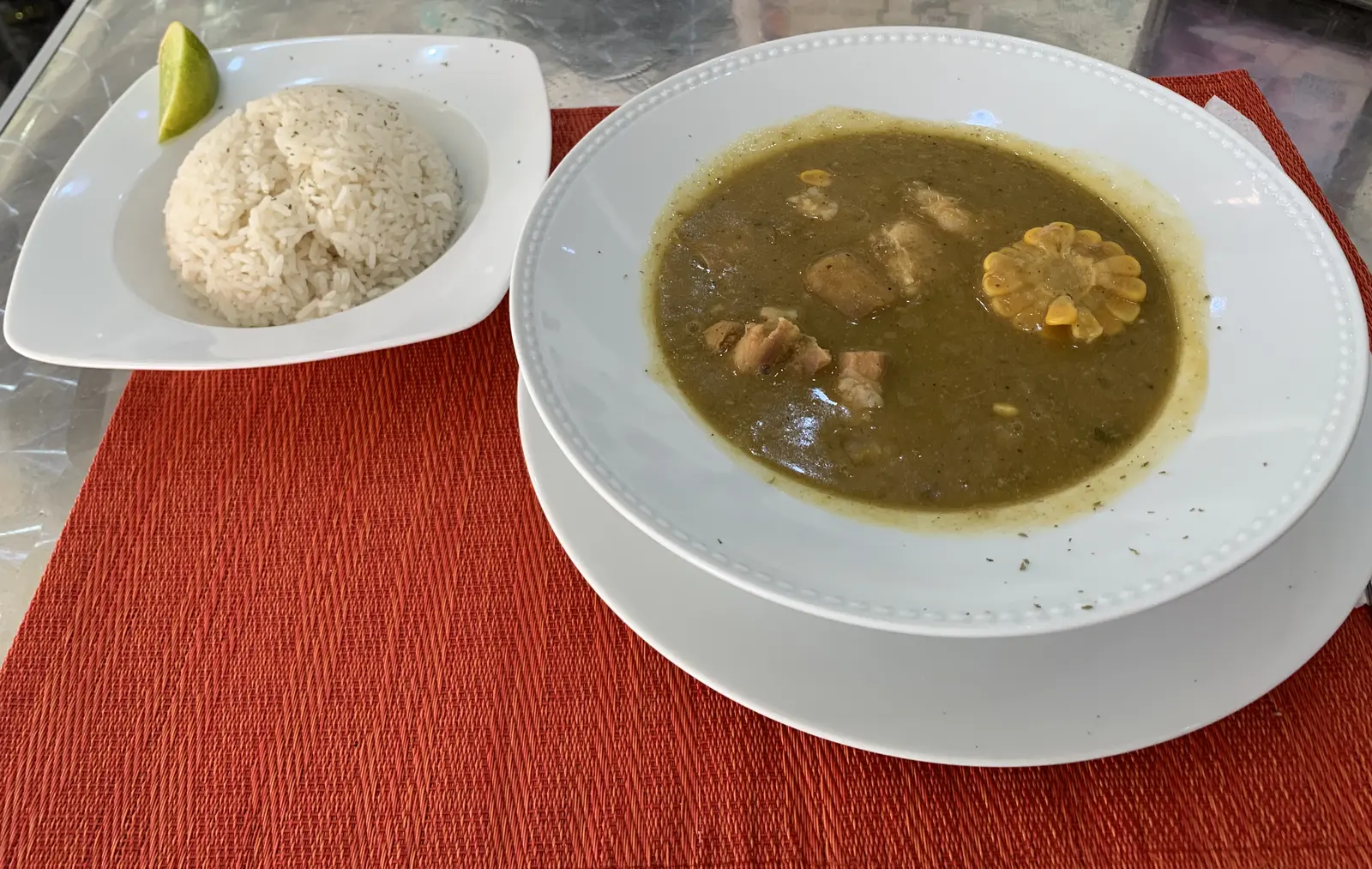
This sancocho dominicano recipe simmers beef, pork ribs, chicken and longaniza sausage together with yuca, yautía, ñame, green plantain, pumpkin and corn until the broth turns thick and golden. The yautía slowly melts into the pot and gives the soup its signature body, while a squeeze of lime at the table brightens every spoonful. One serving is about 560 g.

Comfort & Warmth

A thick, slow-simmered celebration stew of mixed meats and starchy root vegetables, served hot in deep bowls with white rice on the side.

Pairs Well With
White rice, ripe avocado & lime wedges
Soups & Broths
A La Bandera Dominicana plate with white rice, braised meat topped with pickled red onions, tomato and lettuce salad, with a cup of bean stew and tostones beside it Dominican Republic flag Dominican Republic 1h 30m
Lunch •Dominican Republic's National Lunch Plate

La Bandera Dominicana

This la bandera dominicana recipe makes the Dominican Republic's national lunch: a mound of white rice (arroz blanco) next to red beans stewed with squash (habichuelas guisadas) and chicken braised in sofrito and tomato (pollo guisado), with crisp twice-fried green plantains (tostones) and a fresh tomato and lettuce salad. The name means 'the flag', because the white rice, red beans and meat echo the colours of the Dominican flag. One serving is about 695 g.

Hearty & Satisfying

White rice, stewed red beans, braised chicken, tostones and salad on one plate — the lunch the Dominican Republic eats every day.

Pairs Well With
A tall glass of morir soñando, the Dominican orange-and-milk drink
A bowl of smooth mashed green plantain (mangú) in a white bowl Dominican Republic flag Dominican Republic 40m
Breakfast •Dominican Breakfast Classic

Mangú Dominicano

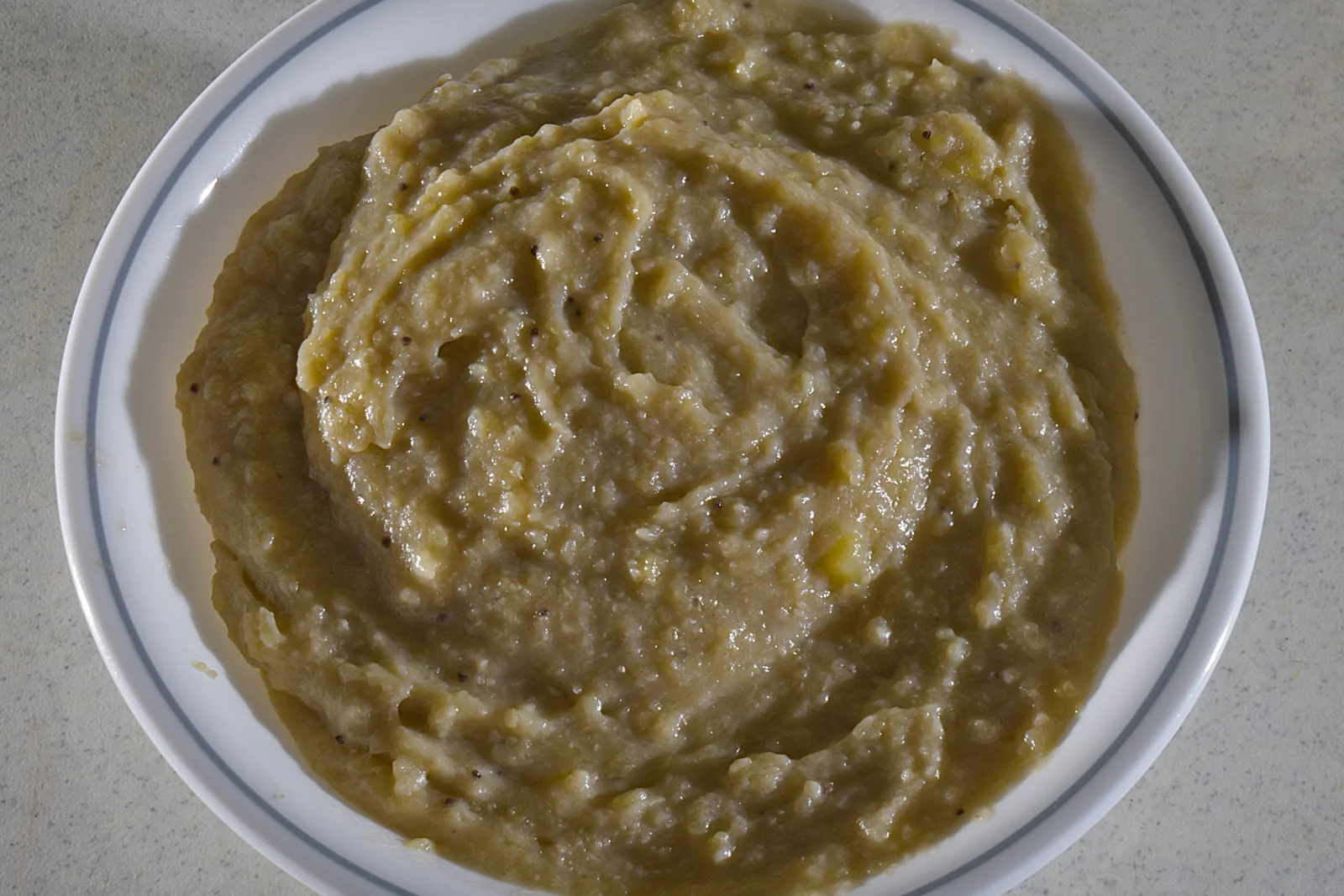
Green plantains are boiled until tender, then mashed silky-smooth with butter and a little of their own cooking water, and finished with a tangle of red onions softened in vinegar and oil. It is the Dominican Republic's national breakfast dish, mild, starchy and comforting, with the sharp onions doing all the talking. One serving is about 280 g.

Hearty Breakfast Energy

Boiled green plantains mashed with butter and topped with tangy sautéed onions for a filling, slow-burning start to the day.

Pairs Well With
Sautéed red onions, fried eggs, fried cheese and fried Dominican salami (Los Tres Golpes)
A white bowl of orange-red locrio de pollo with browned chicken pieces and a green olive on a white tablecloth Dominican Republic flag Dominican Republic 1h 20m
Dinner •Dominican One-Pot Classic

Locrio de Pollo

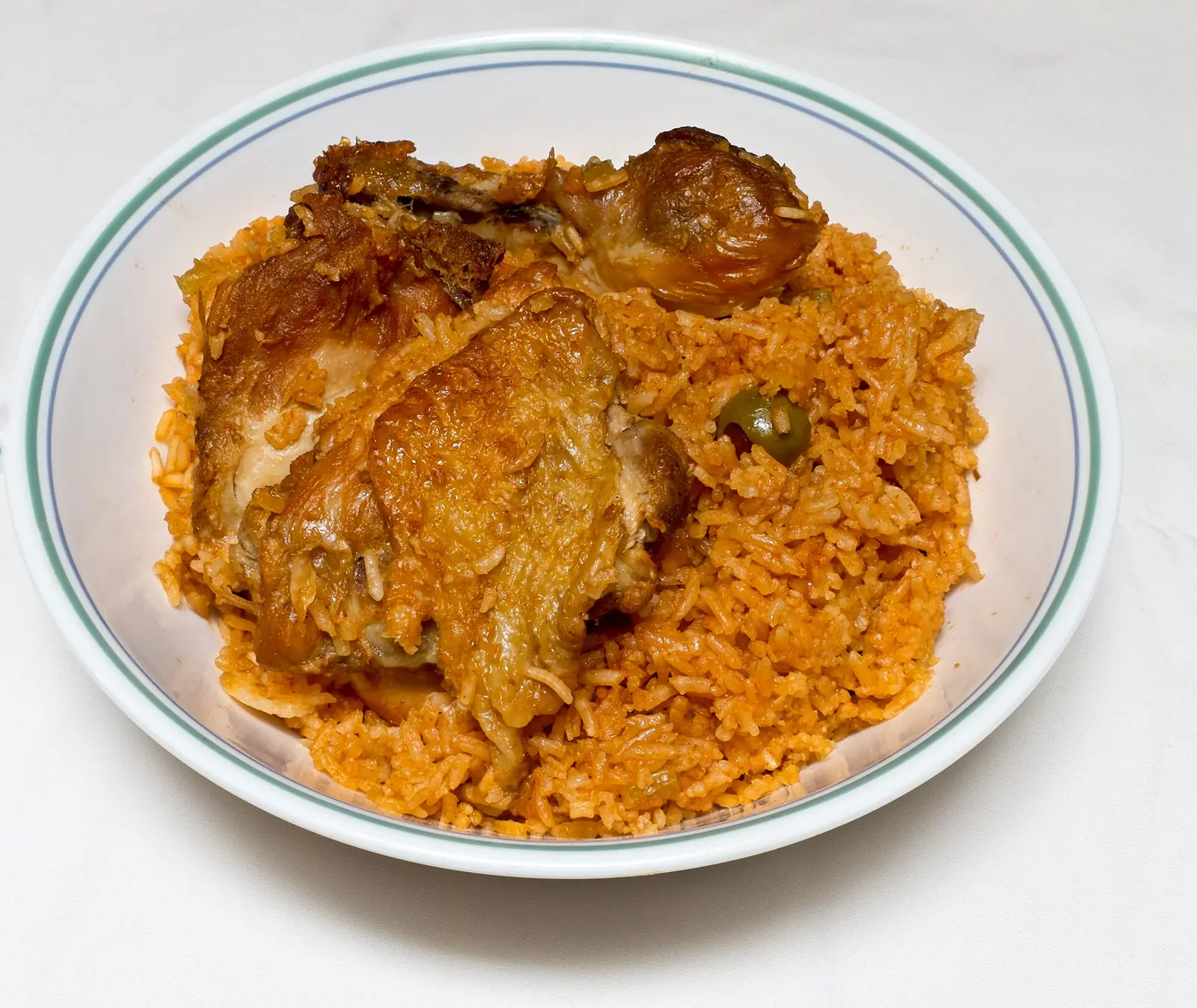
This locrio de pollo recipe starts with bone-in chicken thighs browned in a dark caramel — the quemado that gives the dish its deep colour — then simmers long-grain rice in the same pot with sofrito, tomato paste, pumpkin and green olives until every grain is orange-red and fragrant. It is a true one-pot dinner, and the crispy toasted rice at the bottom, the concón, is the prize everyone fights over. One serving is about 400 g.

Family Comfort

Bone-in chicken browned in caramelised sugar, then simmered with rice, sofrito, tomato, pumpkin and olives in one pot — the Dominican family dinner.

Pairs Well With
Fried plantains, avocado & green salad
High Protein

The Dinner Gazette

Never wonder what’s for dinner again

One email a week with easy dinner ideas from around the world — ingredients, steps and nutrition, tested in our kitchen first.

Delivered every Thursday morning. Unsubscribe anytime.