
Curated recipes from 193 countries  •  New seasonal Mediterranean issue out now

Overview

Bearnaise Sauce

Sauce Béarnaise, French Tarragon Butter Sauce

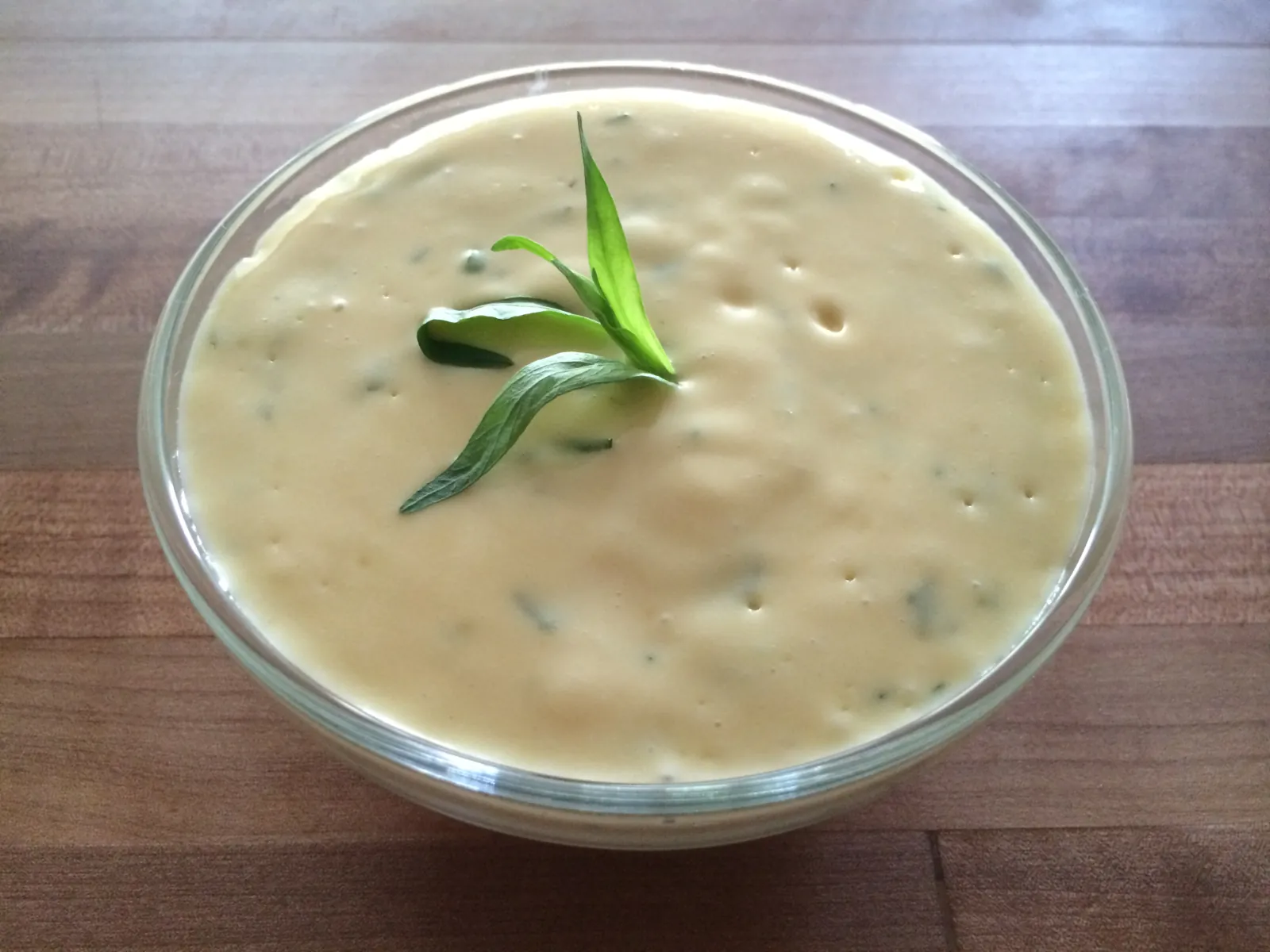
This bearnaise sauce recipe whisks egg yolks over gentle heat with a tarragon and shallot reduction, then pours in warm butter until it turns thick, glossy and pale gold. One serving is about 75 g.

Béarnaise sauce was created in 1836 at Le Pavillon Henri IV, a restaurant in Saint-Germain-en-Laye outside Paris, by the chef Jean-Louis-François Collinet. He named it for Béarn, the region in south-west France where King Henri IV was born — the restaurant stood in the king's former hunting lodge. It is a child of hollandaise: the same warm butter-and-yolk emulsion, but sharpened with a reduction of white wine vinegar, shallots and tarragon instead of lemon. It became the classic partner for grilled steak, and it has stayed on bistro menus ever since.

Pairs well with: Grilled ribeye, pommes frites and a glass of red Burgundy

Provenance

France flag France

French Mother-Sauce Classic

Nordic & European

Time Dedication

25m

10m prep • 15m cook

Batch Yield

4 Servings

411 kcal per serving

1 serving ≈ 75 g

Technical Skill

Advanced

Hard (Emulsion)

Meal Timing & Digestive Fit

Breakfast

Not Advised

Lunch

Hearty Midday Main

Dinner

Ideal Hearty Main

Snack & Tea

Inappropriate

Occasions: Steak nights, French bistro dinners, celebrations, grilled fish suppers Cost: Medium — about $2–3 per serving at home
Bearnaise Sauce — a bowl of pale yellow creamy sauce garnished with tarragon

French Mother-Sauce Classic

Photo: Alexander Guy, CC BY-SA 4.0, via Wikimedia Commons

The Heritage Formulary

Measured Ingredients

Estimated cost: Medium — about $2–3 per serving at home (USD)

A real béarnaise is thick enough to coat a spoon and pale gold — if it is runny, the yolks were not whisked long enough. Nutrition is estimated from USDA values.

Execution Methodology & Culinary Technique

Step-by-Step Cooking Guide

Active 25m
P

Prep Stage: Butter, Yolks and Herbs

10 Mins • Mise en Place

Melt the butter gently in a small pan until just liquid, then keep it warm — not hot. Separate the yolks into a heatproof bowl, mince the shallot, strip and chop the tarragon and chervil, and set a pan of barely simmering water ready for the bain-marie.

Maestro Tip: The butter must be warm enough to pour, about 50°C (120°F) — if it sizzles when it hits the yolks, it is too hot.

  1. 1

    Make the Reduction

    4 Mins Medium heat, about 175°C (350°F)

    Put the vinegar, wine, minced shallot and half the chopped tarragon in a small pan. Simmer over medium heat for 3–4 minutes until reduced to about 1 tablespoon of liquid, then strain it into the bowl with the yolks, pressing the shallot to get all the flavour out.

    The reduction is where the flavour lives — do not skip it or the sauce will taste flat.

    Done when: About 1 tablespoon of fragrant, amber liquid left in the pan.

  2. 2

    Whisk the Yolks

    3 Mins Gentle heat, about 60°C (140°F)

    Set the bowl over the pan of barely simmering water, making sure the bowl does not touch the water. Whisk the yolks and reduction together for 2–3 minutes until the mixture turns pale, thick and ribbons off the whisk.

    If the bowl gets too hot to touch, lift it off the steam for a few seconds — scrambled yolks cannot be saved.

    Done when: Pale, thick and ribboning — the whisk leaves a trail that holds for a second.

  3. 3

    Pour in the Butter

    5 Mins Off the heat

    Take the bowl off the heat. Pour the warm melted butter in a thin, steady stream, whisking constantly, until the sauce turns thick, glossy and pale gold. If it gets too thick, whisk in a teaspoon of warm water.

    Pour slowly and keep whisking — the butter must go in drop by drop at first, or the emulsion breaks.

    Done when: Thick enough to coat the back of a spoon, glossy and pale gold.

  4. 4

    Finish with Herbs

    2 Mins Warm

    Stir in the rest of the chopped tarragon, the chervil, the salt and the white pepper. Taste and add a squeeze of lemon only if the sauce needs sharpening.

    Taste before adding lemon — the vinegar in the reduction usually gives enough sharpness on its own.

    Done when: Herbs flecked through, seasoned and balanced.

  5. 5

    Serve Immediately

    1 Min Serve warm

    Spoon the sauce over grilled steak or fish straight away, or keep it warm in the bowl over the turned-off pan for up to 20 minutes. Never refrigerate and reheat it.

    Béarnaise waits for the steak, not the other way round — time the steak so the sauce is made last.

    Done when: Warm, thick and glossy, ready to spoon.

Finishing Touches & Plating

Taste for salt and a squeeze of lemon, stir in the chopped tarragon and chervil, and serve the sauce warm over grilled steak or fish.

Nutritional Physiology & Benefits

Nutrition

Energy

411

kcal / serving

Protein

3g

Complete AA

Carbs

2g

Complex

Fats

44g

Healthy

Per serving (4 servings · 1 serving ≈ 75 g)
Energy411 kcal
Protein3 g
Carbohydrates2 g
Fat44 g
Fibre0.1 g
Sugar0.1 g
Sodium109 mg
Per 100g
Energy548 kcal
Protein3.5 g
Carbohydrates2.1 g
Fat58.5 g
Fibre0.1 g
Sugar0.1 g
Sodium145 mg

Nutrition values are estimated — calculated from USDA FoodData Central values for the listed ingredients.

Vitamins & minerals: Provides choline and vitamin D from the egg yolks, and a little vitamin A and iron from the tarragon. Nutrition is estimated.

Energy-Dense Accompaniment

About 44 g of fat per serving from butter and yolks makes this a genuinely energy-dense sauce for a lean piece of meat.

Tarragon Flavour and Herbs

Fresh tarragon gives the sauce its signature aniseed note and a little vitamin A and iron from the herb.

Choline from the Yolks

Egg yolks are a natural source of choline and vitamin D, which the body uses in everyday cell and bone function.

Food Pairings

What to Eat With

To optimize nutrient absorption and elevate the sensory depth, pair with these authentic accompaniments:

Sides

Pommes Frites

Crisp, salty frites are made for scooping up the sauce that runs off the steak.

Drinks

Red Burgundy

A light red Burgundy has the acidity to cut through the butter without overpowering the tarragon.

Vegetables

Green Salad

A sharp green salad with a mustard vinaigrette resets the palate between rich bites.

Full Menus

A French Bistro Dinner

Serve bearnaise with a grilled ribeye, frites and salad, and finish with crème brûlée — the classic bistro dinner.

Complete menu

Serve bearnaise sauce with a grilled ribeye, pommes frites and a green salad, and finish with a crème brûlée for a classic French bistro dinner.

Digestive Guardrails

What NOT to Combine

To prevent digestive distress, sluggishness, or palate clash, avoid pairing the dish with these elements:

Adding the Butter Too Hot

Butter hotter than about 60°C (140°F) cooks the yolks and splits the sauce into greasy lumps, so pour it in warm, not sizzling. This is general food information, not medical advice.

Boiling or Reheating the Sauce

Béarnaise is an emulsion that breaks if it cools and is reheated, so make it just before serving and keep it warm — never boil it. This is general food information, not medical advice.

General information only, not medical advice — consult a doctor for personal dietary decisions.

Who Should Eat It

Who Should Eat

  • General adultsA rich, buttery sauce — a little goes a long way, about 75 g per person.
  • ChildrenThe sauce is mild and buttery, but it is very rich; serve a small spoonful and keep the tarragon light.
  • ElderlyRich and easy to eat; serve a small portion and keep the sauce warm, not hot.
  • Pregnant womenUse pasteurised egg yolks, since the yolks are only gently warmed and not fully cooked through.
  • Breastfeeding womenFine in a small portion; the sauce is rich, so a little is enough.
  • AthletesA calorie-dense sauce — useful for adding energy to a lean steak or fish after training.
  • Weight gainEasy to enrich: the sauce adds about 411 kcal per serving to any grilled meat.
  • Weight lossAt 411 kcal a serving this is a rich sauce — enjoy a single spoonful and favour salad on the side.

Health Conditions — Adjust or Avoid

Conditions

  • DiabetesThe sauce is very low in carbohydrate — about 2 g per serving — so it suits a low-carb plate, but watch the portion. Ask your clinician about portion size.
  • High blood pressureThe sauce carries about 109 mg of sodium per serving. Use unsalted butter and less salt in the reduction; ask your clinician about your sodium target.
  • Kidney diseaseThe sauce is high in fat and rich in protein from the yolks, so it may not suit a restricted diet. Ask your clinician before making it a regular meal.
  • GoutButter and egg yolks are low in purines, so the sauce itself is usually fine in a small portion; ask your clinician if flare-ups are frequent.
  • Stomach issuesA very rich butter sauce can bother reflux or a sensitive stomach; serve a small spoonful only. Ask your clinician if symptoms persist.
  • Cardiovascular diseaseButter is high in saturated fat, so keep to a small portion and favour grilled fish or vegetables on the side. Ask your clinician about fitting it into your eating plan.
  • Fatty liverA rich butter sauce — enjoy it occasionally and in a small portion. Ask your clinician for personal guidance.
  • Food allergiesContains milk (butter) and egg. There is no good dairy-free version of a true béarnaise.
  • Special therapeutic dietsNot suitable for vegan or dairy-free diets as written. It is naturally gluten-free and low-carb.

If you have a medical condition, consult your doctor before changing your diet.

Storage & Use

Storage & Use

How to store
Make just before serving. Keep warm for up to 20 minutes in the bowl over the turned-off bain-marie.
In the fridge
Do not refrigerate; the sauce is made to be eaten fresh.
In the freezer
Do not freeze béarnaise — the emulsion breaks on thawing.
How to reheat
Do not reheat — if the sauce cools and thickens, whisk in a teaspoon of warm water, but never put it back over heat.
Freezing recommended
No — the sauce cannot be frozen or reheated.
Signs it has spoiled
Split or oily surface, sour smell, or a grainy texture.

More recipes to explore

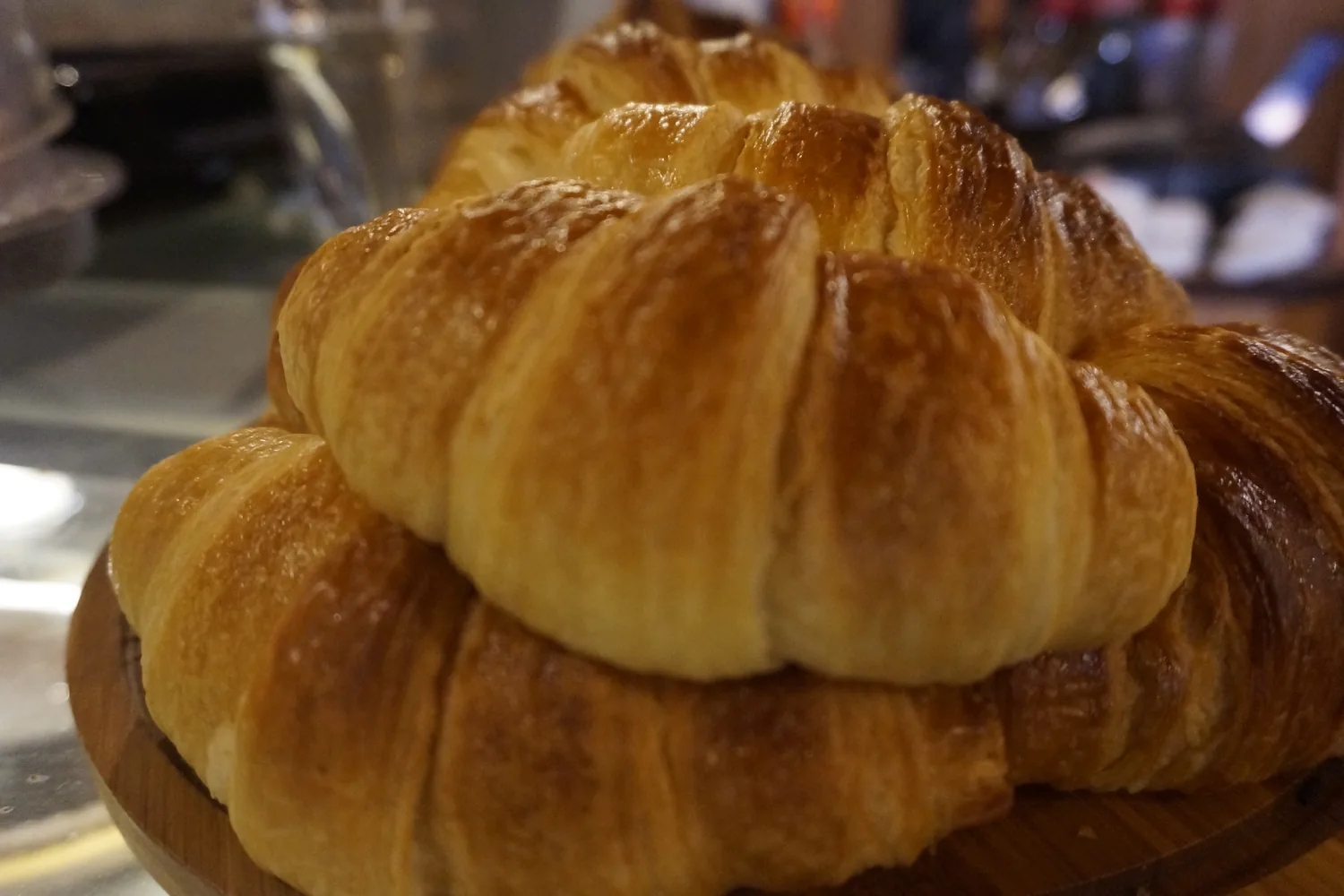
Golden butter croissants on a wooden board France flag France 20m
Breakfast •Parisian Boulangerie

Croissant au Beurre & Café

Laminated cultured butter pastry paired with washed Arabica, for a slow, pleasurable Parisian morning — best with a little protein alongside. One serving is about 390 g.

Sustained Focus

Flaky all-butter croissant with café au lait, Comté and green apple.

Pairs Well With
Comté cheese wedge & Green apple slices
Quick Prep (<30m)

Bœuf bourguignon — French beef braised in red wine France flag France 4h
Dinner •Burgundy Terroir

Bœuf Bourguignon

Beef braised gently in red wine until the connective tissue melts into a velvet, gelatin-rich sauce — the classic Burgundy Sunday dinner.

Cellular Repair

Beef braised in red wine until spoon-tender, with mushrooms and pearl onions.

Pairs Well With
Parsnip Purée & Steamed French Haricots Verts
High Protein
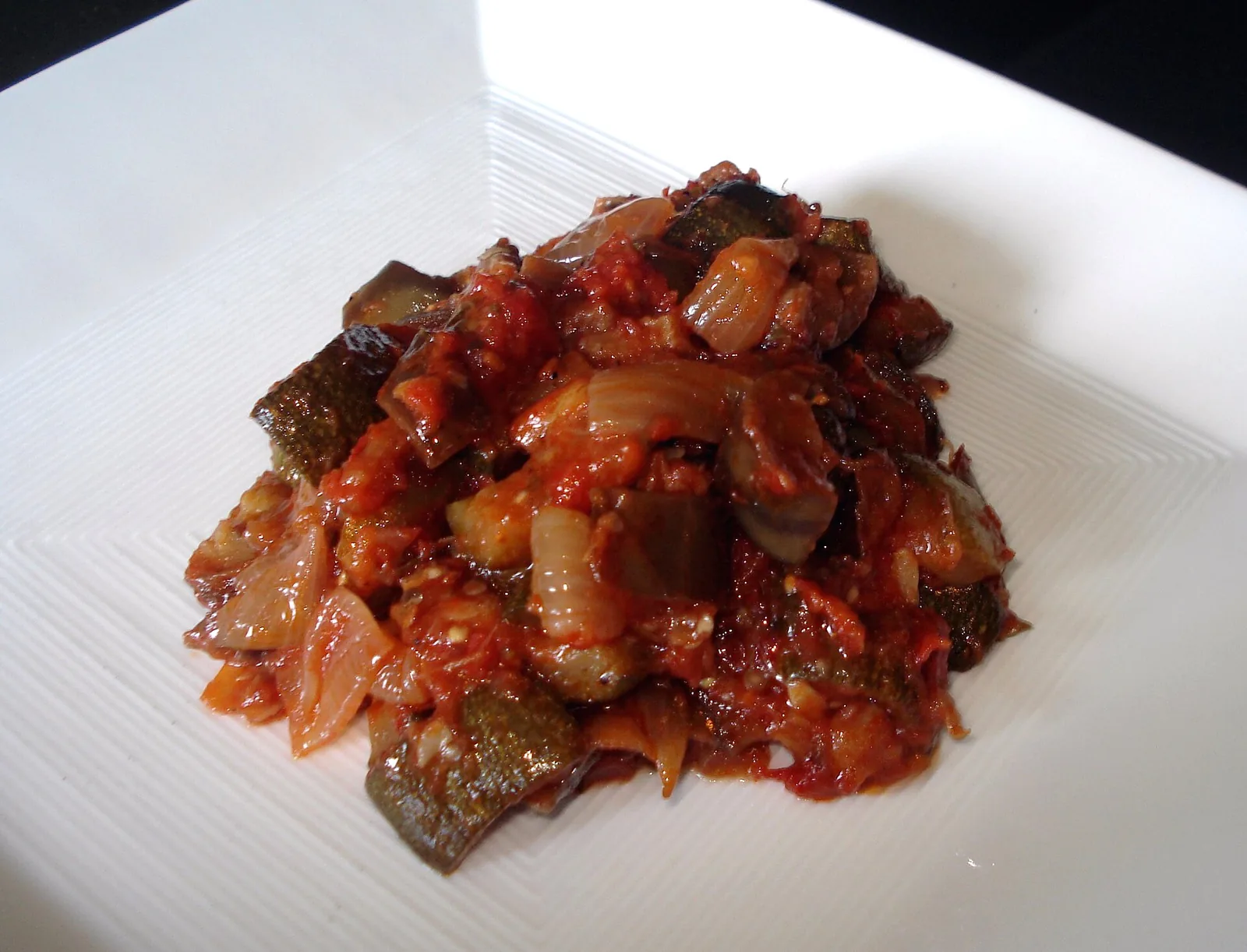
A mound of classic ratatouille with eggplant, zucchini, tomato and onion on a white plate France flag France 1h 15m
Dinner •Nice Provençal

Ratatouille

This ratatouille recipe cooks eggplant, zucchini, peppers and tomatoes separately first, so each vegetable keeps its own texture, then brings them together for a slow, fragrant simmer. One serving is about 400 g.

Light & Vegetable-Rich

Slow-simmered summer vegetables in olive oil — light, fragrant and full of fibre.

Pairs Well With
Crusty sourdough bread, grilled fish or a fried egg
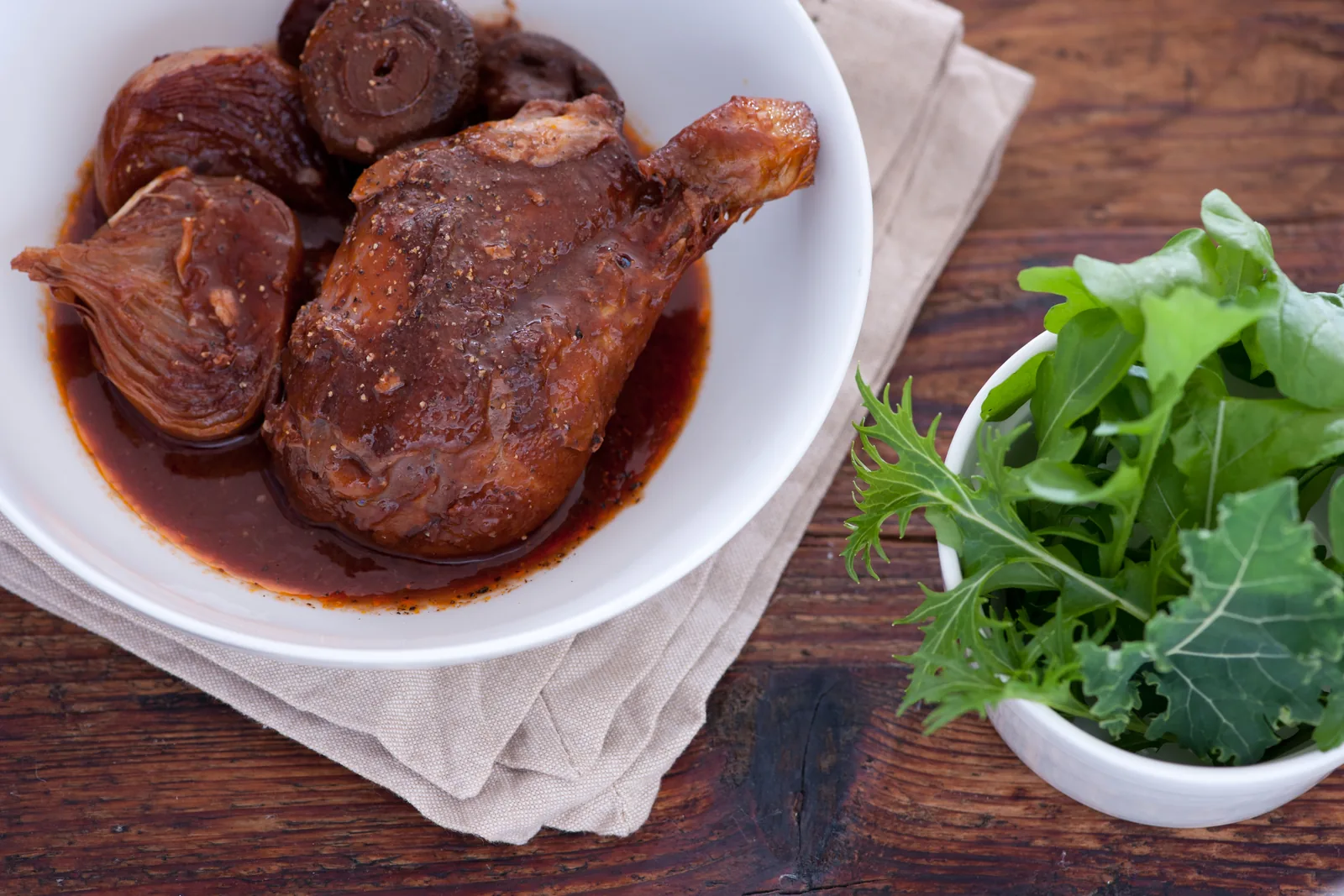
A bowl of coq au vin with a braised chicken leg in dark red wine sauce with mushrooms and onions, greens on the side France flag France 1h 40m
Dinner •Burgundy Classic

Coq au Vin

This coq au vin recipe is the Burgundy classic: chicken thighs browned with bacon, then braised in red wine with mushrooms, pearl onions and carrots until the meat is tender and the sauce is dark and glossy. One serving is about 375 g. It takes 1 hour 40 minutes, most of it hands-off while the pot simmers.

Comfort & Warmth

Chicken braised slowly in red wine with mushrooms, pearl onions and bacon until it falls off the bone.

Pairs Well With
Mashed potatoes, crusty bread & Burgundy wine

The Dinner Gazette

Never wonder what’s for dinner again

One email a week with easy dinner ideas from around the world — ingredients, steps and nutrition, tested in our kitchen first.

Delivered every Thursday morning. Unsubscribe anytime.