Curated recipes from 193 countries  •  New seasonal Mediterranean issue out now

Overview

Bhuna Khichuri

Bhuna Kichuri, Bhuna Khichdi, Bangladeshi Bhuna Khichuri

This bhuna khichuri recipe makes Bangladesh's beloved rainy-day comfort food: rice and moong dal first fried in ghee with bay, cardamom and cinnamon — the bhuna step that gives the dish its name — then simmered with potato, cauliflower, carrot and peas until soft, golden and fragrant. It is a one-pot lunch, rich and gently spiced. One serving is about 480 g.

Khichuri — rice and lentils cooked together — is one of the oldest dishes of the Indian subcontinent: the Greek king Seleucus noted rice with pulses as a popular food in the 4th century BC, and the traveller Ibn Battuta described a khichdi of rice and mung beans in the 1300s. The Bengali bhuna version is what sets it apart: instead of boiling everything plain, the rice and dal are first fried in ghee with whole spices, which gives the dish its deep golden colour and toasty flavour. In Bangladesh it is the food of rainy days, when families stay in and eat it hot with fried eggplant, and it is also served at festivals and family gatherings.

Pairs well with: Fried eggplant, a fried egg, or a simple cucumber salad, with green chilli and lemon on the side.

Provenance

Bangladesh flag Bangladesh

Bangladeshi Heritage

East & South Asia

Time Dedication

1h

20m prep • 40m cook

Batch Yield

4 Servings

620 kcal per serving

1 serving ≈ 480 g

Technical Skill

Intermediate

Medium (One Pot)

Meal Timing & Digestive Fit

Breakfast

Not Advised

Lunch

Prime Metabolic Fit

Dinner

Ideal Hearty Main

Snack & Tea

Inappropriate

Occasions: Rainy-day lunches, family weekends, festival meals, feeding a crowd cheaply Cost: Low — about $2–3 per serving at home
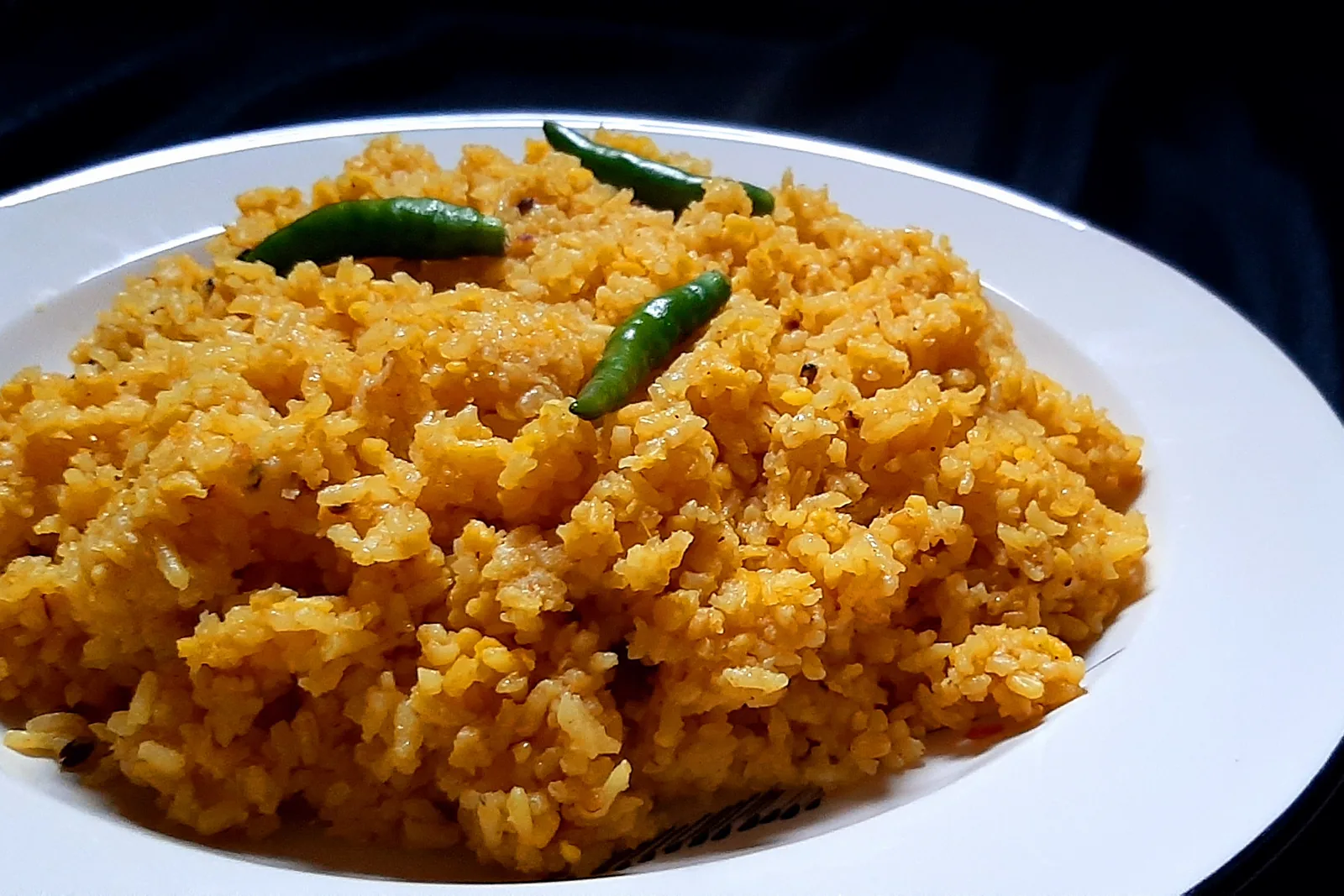
Golden bhuna khichuri, a mound of spiced rice and lentils with whole green chillies, on a white plate

Bangladeshi Heritage

Photo: Amana Hossain, CC BY-SA 4.0, via Wikimedia Commons

The Heritage Formulary

Measured Ingredients

Estimated cost: Low — about $2–3 per serving at home (USD)

Made the Bangladeshi way: rice and dal soaked first, fried in ghee with whole spices, then simmered covered without lifting the lid.

Execution Methodology & Culinary Technique

Step-by-Step Cooking Guide

Active 1h
P

Prep Stage: Soak the Rice & Dal, Chop the Vegetables

20 Mins • Soaking & Chopping

Rinse the rice and moong dal together, soak for 20 minutes and drain. While they soak, peel and cube the potato, cut the cauliflower into florets, dice the carrot, and chop the onion, tomato, ginger and garlic. Measure the ground spices into one small bowl.

Maestro Tip: Soaking is not optional — soaked rice and dal cook evenly and finish soft instead of chalky in the middle.

  1. 1

    Fry the Whole Spices in Ghee

    5 Mins Medium heat, ~175°C (350°F)

    Heat the ghee and oil in a heavy pot. Add the bay leaf, cardamom, cinnamon and cloves and fry for about 30 seconds until they smell fragrant, then add the onion, garlic, ginger and green chilli and fry for about 3 minutes until the onion is soft and golden.

    Keep the heat at medium — whole spices burn fast in ghee, and burnt spices turn the whole pot bitter.

    Done when: Onion soft and golden, spices fragrant, ghee shimmering.

  2. 2

    Bhuna the Vegetables & Ground Spices

    5 Mins Medium heat, ~175°C (350°F)

    Add the potato, cauliflower and carrot and fry for 2 minutes so the edges take on a little colour. Stir in the tomato, turmeric, cumin, coriander and half the salt, and fry for about 3 minutes until the tomato softens and the oil starts to separate at the edges — this frying step is the bhuna the dish is named for.

    Fry until you see little pools of golden oil at the edges of the pan; that is the sign the spices are cooked, not raw.

    Done when: Vegetables lightly coloured, tomato melted into the spices, oil glistening at the edges.

  3. 3

    Add Rice, Dal & Water

    5 Mins Boiling, 100°C (212°F)

    Add the drained rice and moong dal and stir gently for 1 minute so every grain is coated in the spiced ghee. Pour in the water, add the sugar and the rest of the salt, and bring to a boil, scraping the bottom once so nothing sticks.

    Stir gently and only once or twice — rough stirring breaks the rice grains and turns the khichuri gluey.

    Done when: Water at a rolling boil, rice and dal evenly mixed through the vegetables.

  4. 4

    Simmer Covered Until Soft

    25 Mins Low heat, ~95°C (200°F)

    Turn the heat to low, put the lid on tight and simmer for about 25 minutes without lifting the lid. Stir in the peas and garam masala in the last 5 minutes, then take the pot off the heat.

    Do not lift the lid to check — the trapped steam is what cooks the rice and dal evenly.

    Done when: Rice and dal completely soft, grains holding their shape but yielding to the spoon, no loose water left.

  5. 5

    Rest & Fluff

    10 Mins No heat — resting, ~60°C (140°F)

    Leave the pot covered for 10 minutes so the grains settle and the steam finishes the cooking. Fish out the bay leaf and cinnamon stick, fluff gently with a fork, and serve hot with green chilli and lemon wedges on the side.

    Fluff with a fork, never a spoon — a spoon mashes the soft grains together.

    Done when: Soft, separate grains in a golden, fragrant mound that holds together on the plate.

Finishing Touches & Plating

Serve hot in deep plates with a fried egg or fried eggplant on the side, and let everyone squeeze lemon over their own portion.

Nutritional Physiology & Benefits

Nutrition

Energy

620

kcal / serving

Protein

19g

Complete AA

Carbs

108g

Complex

Fats

13g

Healthy

Per serving (4 servings · 1 serving ≈ 480 g)
Energy620 kcal
Protein19 g
Carbohydrates108 g
Fat13 g
Fibre13.2 g
Sugar6.8 g
Sodium531 mg
Per 100g
Energy129 kcal
Protein3.9 g
Carbohydrates22.4 g
Fat2.7 g
Fibre2.7 g
Sugar1.4 g
Sodium111 mg

Nutrition values are estimated — calculated from USDA FoodData Central values for the listed ingredients.

Vitamins & minerals: Moong dal supplies iron, folate and B vitamins, potato and carrot add vitamin C and vitamin A, and the peas add vitamin K and folate.

Protein from Moong Dal

One serving carries about 18.8 g of protein from the moong dal, which makes this rice dish a real lunch, not a side.

Fibre from Lentils & Vegetables

With about 13.2 g of fibre per serving, the dal and vegetables digest slowly and keep you full for longer.

A Full Plate of Vegetables

Potato, cauliflower, carrot and peas bring vitamin C, vitamin A and folate to a dish that is mostly rice and dal.

Food Pairings

What to Eat With

To optimize nutrient absorption and elevate the sensory depth, pair with these authentic accompaniments:

Sides

Fried Eggplant

Crisp fried eggplant slices are the classic partner — their soft, oily richness matches the spiced rice perfectly.

Vegetables

Cucumber Salad

Cool cucumber with onion and lemon cuts through the ghee and spices and keeps the rich plate feeling fresh.

Sauces

Green Chilli & Lemon

A whole green chilli and a lemon wedge on the side let each eater add heat and brightness to their own portion.

Drinks

Sweet Lassi

A cold, sweet lassi cools the palate and pairs well with the warm spices and ghee.

Complete menu

Serve the khichuri with fried eggplant and cucumber salad, follow with fresh fruit, and finish with a sweet lassi.

Digestive Guardrails

What NOT to Combine

To prevent digestive distress, sluggishness, or palate clash, avoid pairing the dish with these elements:

Stirring Too Much While It Cooks

Stirring the rice and dal hard while they simmer breaks the grains and turns the khichuri into a sticky paste — stir gently and rarely. This is general food information, not medical advice.

Very Salty Sides

The khichuri is already salted, so very salty pickles or soy sauce in the same meal push the salt too far. This is general food information, not medical advice.

General information only, not medical advice — consult a doctor for personal dietary decisions.

Who Should Eat It

Who Should Eat

  • General adultsA comforting one-pot lunch — about 18.8 g protein and 620 kcal per serving, best eaten hot in a sensible portion.
  • ChildrenA mild, soft rice dish children usually love — take the green chilli out of their portion before serving.
  • ElderlySoft rice and tender vegetables make this an easy, warming meal for older eaters; serve it well seasoned but not too hot.
  • Pregnant womenFine as an occasional lunch when the rice and dal are cooked right through; keep the portion modest. Ask your clinician about portions.
  • Breastfeeding womenA warm, nourishing meal with protein and carbohydrate for recovery; one serving is enough because the plate is large.
  • AthletesGood fuel for recovery, with about 18.8 g protein and plenty of carbohydrate per serving — add a fried egg for more protein.
  • Weight gainEnergy-rich and easy to eat in a good amount, so it suits weight gain when served with ghee and a fried egg.
  • Weight lossHearty at about 620 kcal a serving; take a smaller portion with more cucumber salad for a lighter meal.

Health Conditions — Adjust or Avoid

Conditions

  • DiabetesAbout 107.7 g carbohydrate per serving, mostly from the rice and dal, so keep the portion as stated and load up on cucumber salad. Ask your clinician about portions.
  • High blood pressureOne serving carries about 531 mg sodium, so keep other salty foods out of the same meal. Ask your clinician about portions.
  • Kidney diseasePortions should stay modest, and the protein and potassium content matter for some kidney diets. Ask your clinician about portions.
  • GoutMoong dal is a moderate purine source, so keep to one modest serving and drink water with the meal. Ask your clinician about portions.
  • Stomach issuesA gentle, mild dish that is usually kind to the stomach; skip the green chilli if it bothers you. Ask your clinician about portions.
  • Cardiovascular diseaseThe fat is mostly from ghee at about 13.1 g per serving, so keep portions modest and load the plate with vegetables. Ask your clinician about portions.
  • Fatty liverA moderate-energy meal, so keep portions modest and avoid eating it late at night. Ask your clinician about portions.
  • Food allergiesContains milk (ghee). People with milk allergy should not eat it unless a safe substitute is used. Ask your clinician about safe alternatives.
  • Special therapeutic dietsNot suitable for a low-fat therapeutic diet as written; any lighter version changes the dish and should be discussed with a clinician.

If you have a medical condition, consult your doctor before changing your diet.

Storage & Use

Storage & Use

How to store
Cool quickly and store in a covered container.
In the fridge
Keeps 3 days in the fridge at 4°C (40°F) or below.
In the freezer
Freezes well for up to 1 month; the vegetables soften a little on thawing.
How to reheat
Reheat gently in a covered pan with a splash of water, stirring now and then, until steaming hot throughout, to 74°C (165°F).
Freezing recommended
Yes.
Signs it has spoiled
Sour smell, grey colour, or a slimy surface.

More recipes to explore

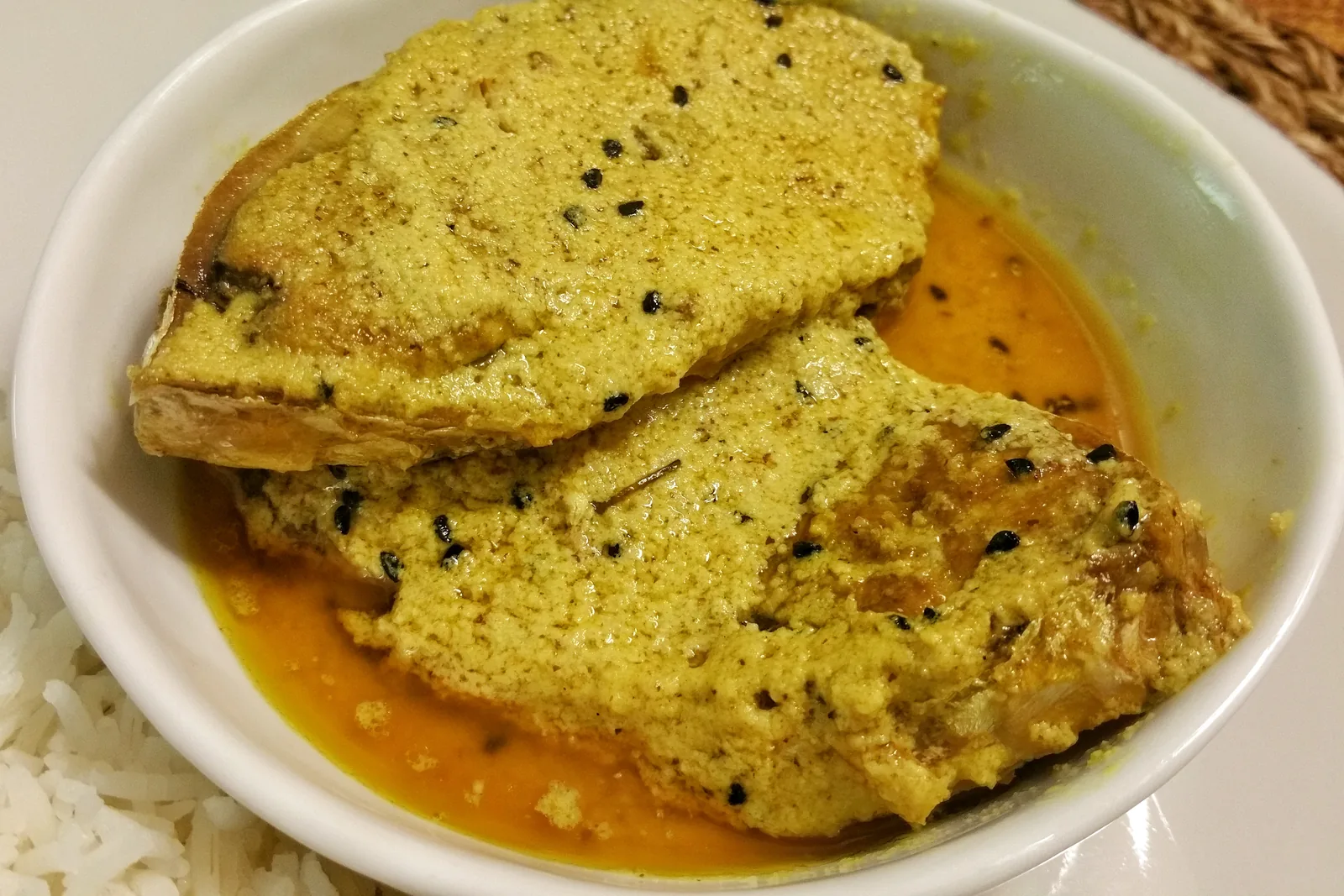
Shorshe ilish — hilsa fish steaks in a golden mustard sauce with green chillies, served in a bowl Bangladesh flag Bangladesh 45m
Dinner •Dhaka Heritage

Shorshe Ilish

This shorshe ilish recipe is the Bengali classic: steaks of hilsa, the national fish of Bangladesh, gently simmered in a pungent sauce of ground yellow and black mustard seeds, mustard oil, turmeric and slit green chillies. The mustard is sharp and warm rather than simply hot, and it balances the rich, oily fish perfectly. One serving is about 200 g, not counting rice.

National Fish, Bold Flavour

Hilsa, the national fish of Bangladesh, simmered in a sharp mustard-seed sauce with green chillies and mustard oil — the Bengali dish that defines a celebration meal.

Pairs Well With
Plain steamed rice & a squeeze of lime
High Protein
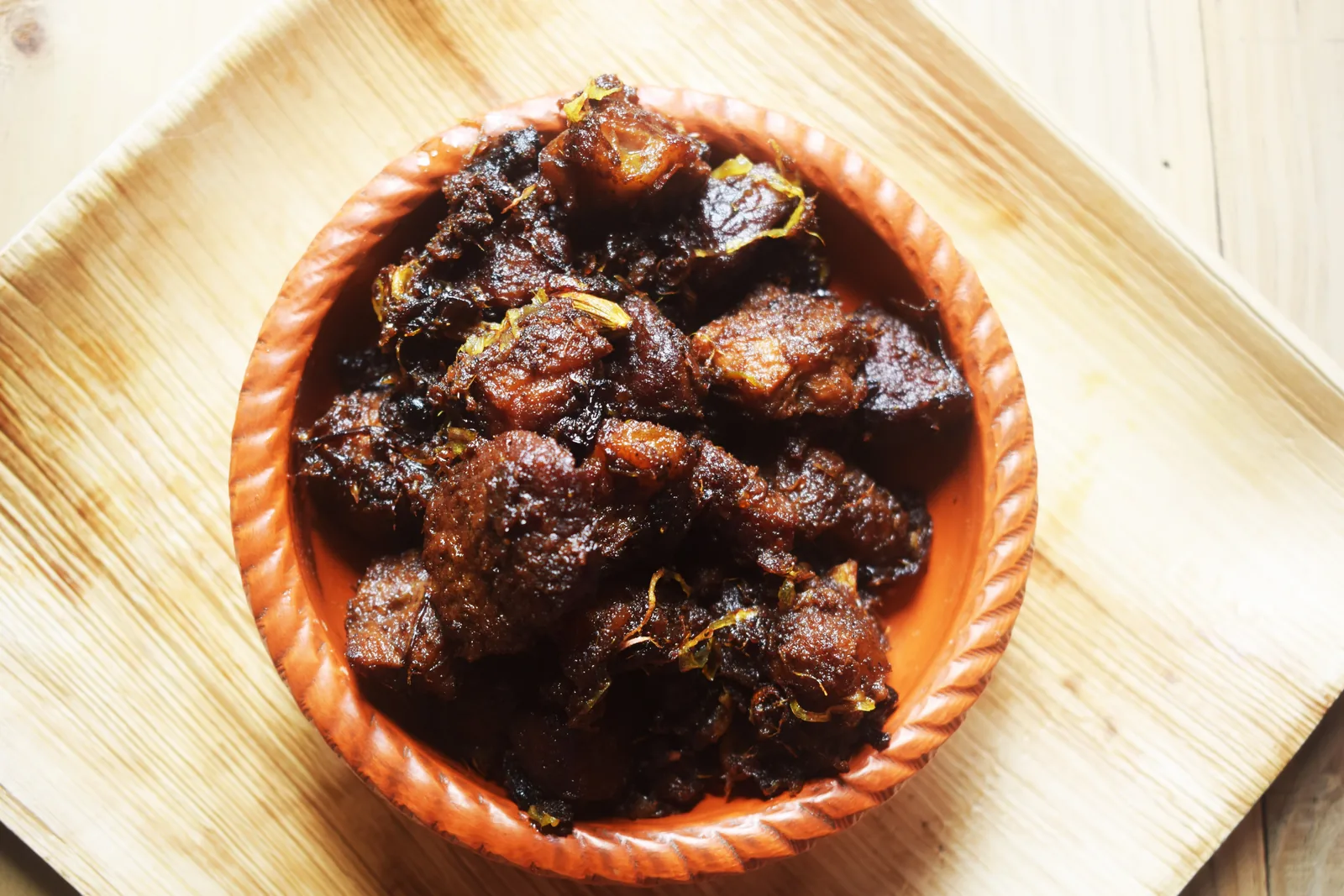
Bangladeshi beef bhuna — dark, dry beef chunks in a thick clinging spice sauce, served in a clay bowl Bangladesh flag Bangladesh 2h 25m
Dinner •Chittagong Heritage

Bangladeshi Beef Bhuna

This bangladeshi beef bhuna recipe is a slow-cooked dry curry from Bengal: beef chuck fried hard with onions, ginger, garlic and whole spices, then braised low and slow until the sauce has almost disappeared and the meat is dark, glossy and coated in a thick, clinging masala. It is not a wet curry — the sauce is the point, and there is barely any of it. One serving is about 260 g, not counting rice or bread.

Slow, Dark & Deeply Spiced

Beef chuck slow-fried with onions and Bangladeshi spices until the sauce is thick, dark and clinging — a dry bhuna, not a wet curry.

Pairs Well With
Plain rice or paratha & cucumber salad
High Protein
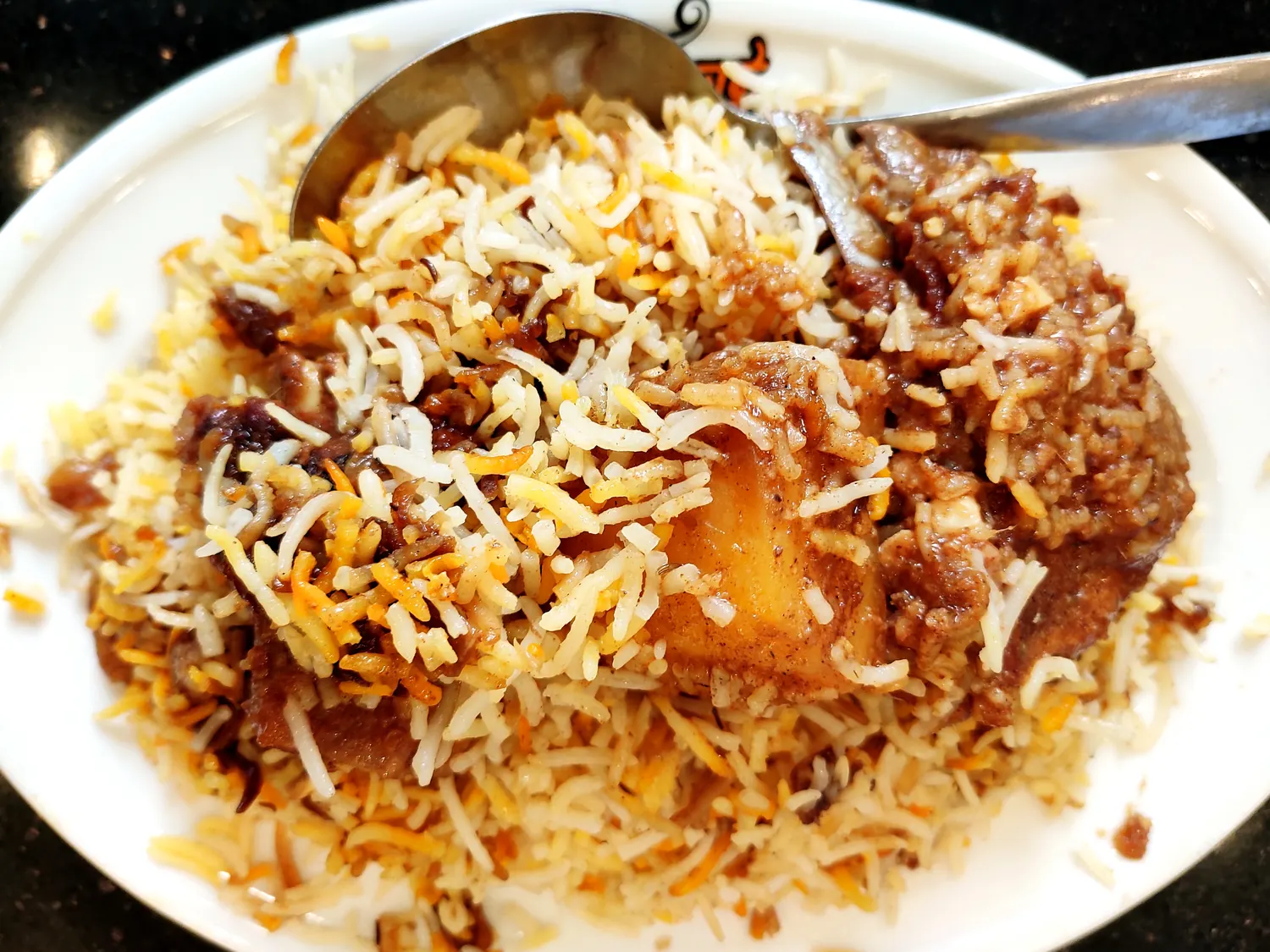
Kacchi biryani — fragrant layered rice with tender mutton, potatoes, boiled egg and salad, served on a plate Bangladesh flag Bangladesh 2h 30m
Dinner •Old Dhaka Heritage

Kacchi Biryani

This kacchi biryani recipe is Dhaka's own biryani, and the one that makes it different is right there in the name: kacchi means raw. Yoghurt-marinated raw mutton is layered with parboiled basmati rice and potatoes in a heavy pot, the lid is sealed with dough, and the whole thing slow-cooks on its own steam — dum — until the meat is spoon-tender and the rice is fragrant with saffron, rose and kewra. One serving is about 435 g.

Dhaka's Wedding Feast

Raw yoghurt-marinated mutton layered with parboiled rice and potatoes, sealed with dough and slow-cooked on its own steam — Dhaka's kacchi biryani.

Pairs Well With
Borhani & cucumber-onion salad
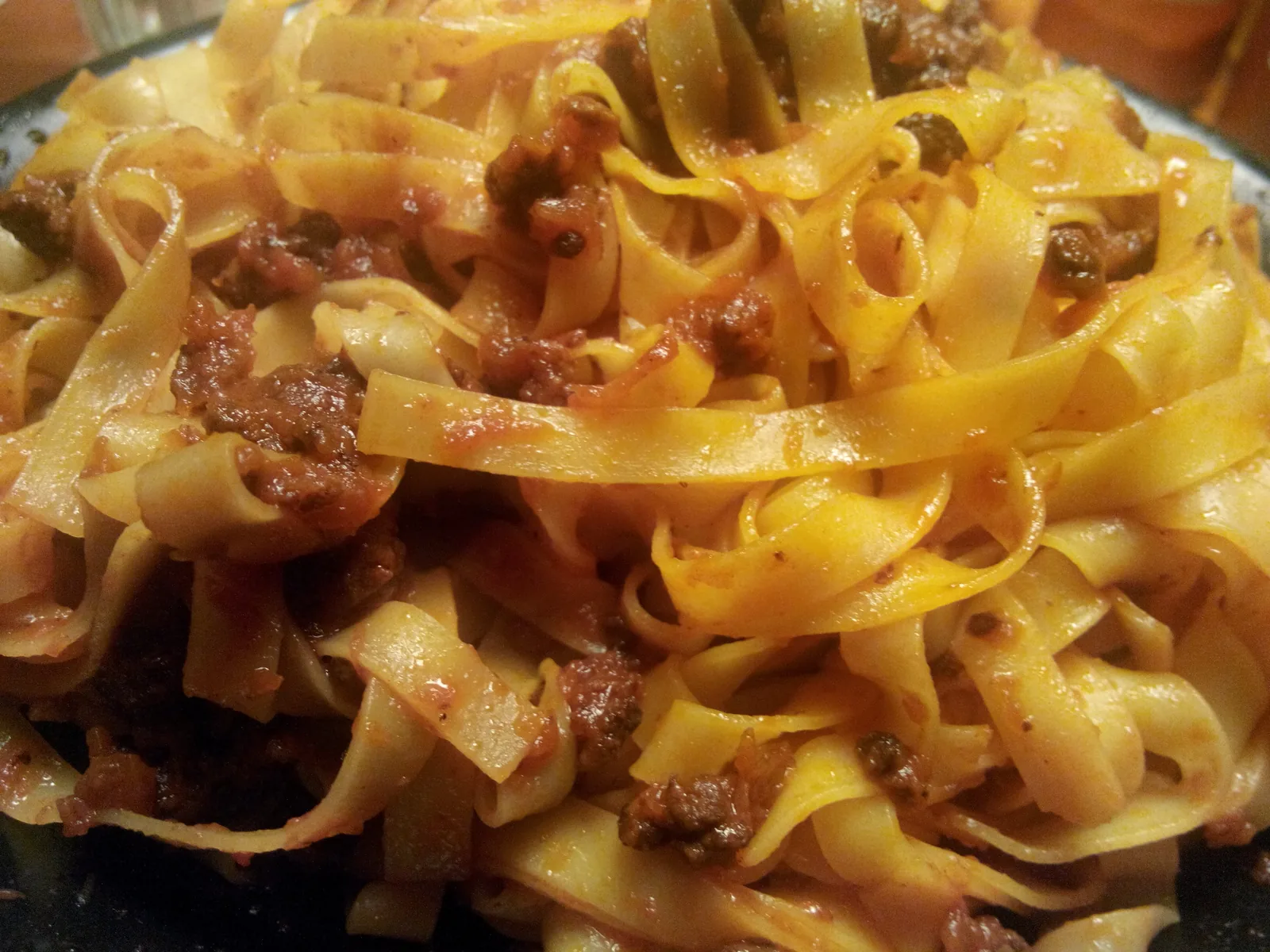
Tagliatelle al ragù Bolognese in a bowl with Parmigiano-Reggiano Italy flag Italy 4h 25m
Lunch •Emilia-Romagna

Tagliatelle al Ragù Bolognese

Slow-braised soffritto and coarse ground heritage meats layered over handmade egg yolk dough for mid-day stamina.

Lean Protein

Slow-simmered beef ragù tossed through fresh egg tagliatelle.

Pairs Well With
Bitter Radicchio & Aged Balsamico di Modena
Pasta & Noodles • High Protein

The Dinner Gazette

Never wonder what’s for dinner again

One email a week with easy dinner ideas from around the world — ingredients, steps and nutrition, tested in our kitchen first.

Delivered every Thursday morning. Unsubscribe anytime.