
Curated recipes from 193 countries  •  New seasonal Mediterranean issue out now

Overview

Bingsu

Patbingsu, Korean Shaved Ice

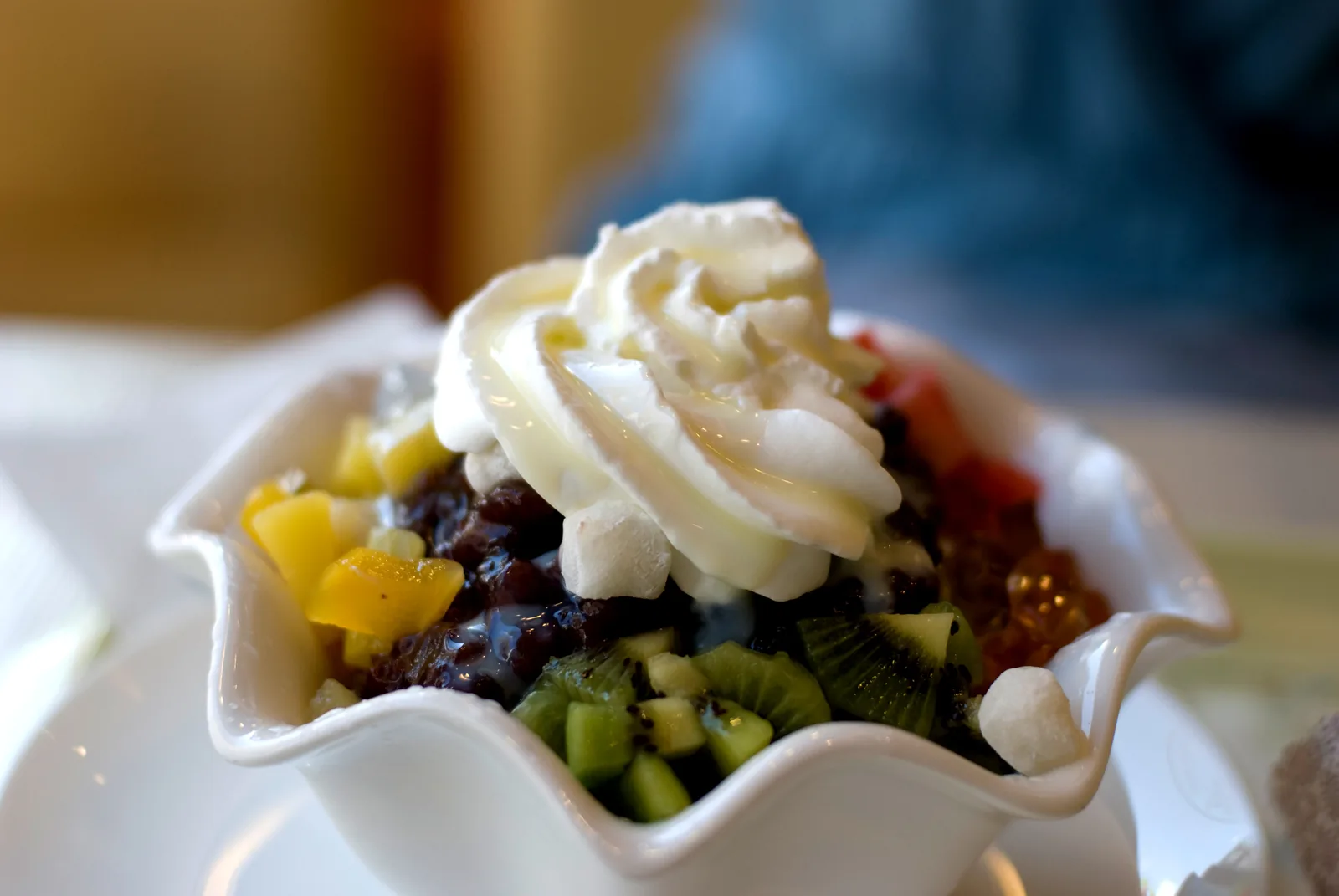
This bingsu recipe turns frozen milk into soft, snow-like shavings and piles them with sweet red bean paste, kiwi, mango, chewy rice cakes and a swirl of cream. One serving is about 338 g. It is the classic patbingsu of Korean summer cafés, built to be shared and eaten fast before it melts.

Bingsu goes back to the Joseon dynasty (1392-1910), when ice cut from frozen rivers in winter was stored in stone ice houses called seokbinggo and shaved for the court in summer. The red-bean version, patbingsu, became a street-stall favourite in the 20th century, and in 2013 the chain Sulbing popularised shaved frozen milk — snowflake bingsu — turning it into a café craze across Korea.

Pairs well with: Iced barley tea (boricha) or a cold green tea

Provenance

South Korea flag South Korea

Korean Summer Dessert

East & South Asia

Time Dedication

20m

15m prep • 5m cook

Batch Yield

4 Servings

432 kcal per serving

1 serving ≈ 338 g

Technical Skill

Easy

Easy (Freeze & Shave)

Meal Timing & Digestive Fit

Breakfast

Not Advised

Lunch

Inappropriate

Dinner

Inappropriate

Snack & Tea

Ideal Light Bite

Occasions: Hot summer afternoons, after a spicy meal, café-style dessert with friends Cost: Low — about $2–3 per serving at home
A bowl of patbingsu — shaved ice topped with sweet red beans, kiwi, mango, rice cakes and whipped cream

Korean Summer Dessert

Photo: Manji, CC BY-SA 2.0, via Wikimedia Commons

The Heritage Formulary

Measured Ingredients

Estimated cost: Low — about $2–3 per serving at home (USD)

A good bingsu is judged by its texture: fine, snow-like shavings that melt on the tongue, not crunchy ice chips.

Execution Methodology & Culinary Technique

Step-by-Step Cooking Guide

Active 20m
P

Prep Stage: Freeze the Milk Solid

15 Mins • Freeze Ahead, Then Dice

The night before, pour the milk into a shallow tray and freeze it until completely solid — at least 6 hours. On the day, chill the serving bowls in the freezer for 15 minutes, dice the kiwi and mango, and keep the red bean paste, condensed milk and cream cold. Everything must be cold, because bingsu starts melting the moment it is built.

Maestro Tip: A shallow tray freezes faster and shaves more evenly than a deep container — thin blocks make finer snow.

  1. 1

    Warm the Rice Cakes

    5 Mins Simmering water, 95°C (203°F)

    Drop the mini rice cakes into a small pan of simmering water and cook for 2-3 minutes until soft and chewy all the way through. Drain well and toss with a teaspoon of the condensed milk so they do not stick together.

    Do not boil the rice cakes hard — a gentle simmer keeps them chewy instead of mushy.

    Done when: The cakes are soft with no hard centre, and spring back when pressed.

  2. 2

    Shave the Frozen Milk

    5 Mins Serve frozen, -18°C (0°F)

    Work quickly while the milk is still rock-hard. Break the frozen milk into chunks and blitz in a powerful blender in short pulses, or run it through a shaved-ice machine, until it turns into fine, snow-like flakes with no large chunks. Scoop it straight into the chilled bowls.

    Pulse, do not blend continuously — a running blender melts the snow into slush.

    Done when: The shavings look like fine snow and hold a soft mound when scooped.

  3. 3

    Build the Base

    3 Mins Serve frozen, -18°C (0°F)

    Mound the shaved milk high in each chilled bowl, pressing it very lightly so it holds its shape but stays fluffy. Keep the bowls in the freezer for a minute if you need time for the toppings.

    Chilled bowls buy you a few extra minutes before the bingsu starts to melt.

    Done when: Each bowl holds a tall, soft mound of snow-like milk.

  4. 4

    Add Red Beans and Fruit

    4 Mins Serve frozen, -18°C (0°F)

    Spoon the sweet red bean paste around the mound, then arrange the kiwi, mango and warm rice cakes on top so every spoonful gets a little of each. Leave the very top of the mound clear for the cream.

    Put the red beans on the ice, not under it — they show better and stay cold.

    Done when: The bowl is colourful all over: dark red beans, green kiwi, golden mango and pale rice cakes.

  5. 5

    Finish with Cream and Condensed Milk

    3 Mins Serve frozen, -18°C (0°F)

    Swirl the whipped cream over the top of each mound and drizzle with the condensed milk. Serve immediately, with long spoons — bingsu waits for no one.

    Add the cream last, at the table if you can, so it sits on top instead of sinking in.

    Done when: The cream holds a soft swirl and the condensed milk runs in thin ribbons over the ice.

Finishing Touches & Plating

Serve the moment it is built — bingsu melts fast, so the spoons should already be on the table and everyone should dig in together.

Nutritional Physiology & Benefits

Nutrition

Energy

432

kcal / serving

Protein

11g

Complete AA

Carbs

68g

Complex

Fats

13g

Healthy

Per serving (4 servings · 1 serving ≈ 338 g)
Energy432 kcal
Protein11 g
Carbohydrates68 g
Fat13 g
Fibre4.3 g
Sugar47.2 g
Sodium103 mg
Per 100g
Energy128 kcal
Protein3.1 g
Carbohydrates20.1 g
Fat3.8 g
Fibre1.3 g
Sugar14 g
Sodium31 mg

Nutrition values are estimated — calculated from USDA FoodData Central values for the listed ingredients.

Vitamins & minerals: Vitamin C (kiwi, mango), calcium (milk, cream), vitamin A (mango), iron and folate (red beans). Nutrition is estimated.

Cooling Relief

A bowl of shaved ice is the fastest way to cool down on a hot day, and the milk base makes it gentler on the stomach than plain ice.

Calcium from Milk

The frozen-milk base gives about 10.6 g of protein and a good share of calcium per serving — more nourishing than a plain ice dessert.

Fresh Fruit on Top

Kiwi and mango add vitamin C and fibre, so the sweetness comes with real fruit, not just syrup.

Food Pairings

What to Eat With

To optimize nutrient absorption and elevate the sensory depth, pair with these authentic accompaniments:

Drinks

Iced Barley Tea (Boricha)

Nutty, unsweetened barley tea is the classic Korean café partner — it refreshes the palate between sweet, creamy spoonfuls.

Green Tea

Cold green tea is light and slightly bitter, which cuts through the cream and red bean paste without adding more sugar.

Sides

Extra Fresh Fruit

A small plate of extra berries or melon lets everyone add more fruit to their bowl, and the tartness balances the condensed milk.

Full Menus

As Part of a Summer Snack Table

Serve bingsu as the cold finish to a summer spread — after something spicy, the ice and fruit reset the palate.

Complete menu

Serve bingsu as the cold finish to a summer meal, with iced barley tea on the side and extra fresh fruit for the table.

Digestive Guardrails

What NOT to Combine

To prevent digestive distress, sluggishness, or palate clash, avoid pairing the dish with these elements:

Very Hot Drinks Straight After

A scalding drink right after a bowl of shaved ice can sting sensitive teeth; wait a few minutes or choose something lukewarm. This is general guidance, not medical advice.

A Second Large Sweet Dessert

One bowl already carries about 47 g of sugar per serving, so a second sweet dessert straight after is a lot of sugar in one sitting — save it for another day.

General information only, not medical advice — consult a doctor for personal dietary decisions.

Who Should Eat It

Who Should Eat

  • General adultsA refreshing summer snack at about 432 kcal a bowl — best shared, since one bowl is generous.
  • ChildrenChildren love bingsu, but the rice cakes are chewy and the bowl is large — serve a small portion and cut the rice cakes smaller for young children.
  • ElderlySoft, cold and easy to eat; the rice cakes can be chewy, so serve fewer of them if chewing is difficult.
  • Pregnant womenThe milk, cream and pasteurised ingredients are fine in pregnancy; the sugar is high, so keep the portion modest.
  • Breastfeeding womenA cooling snack with calcium and protein; the sugar is high, so one small bowl is enough at a time.
  • AthletesA quick source of energy and fluids after training in the heat, with about 10.6 g of protein a bowl.
  • Weight gainEnergy-dense and easy to eat — a good way to add calories on a hot day when appetite is low.
  • Weight lossSweet and calorie-dense, so keep it to a small bowl and balance the rest of the day.

Health Conditions — Adjust or Avoid

Conditions

  • DiabetesHigh in sugar (about 47 g a serving) and starchy carbs — keep the portion small and occasional; ask your clinician about a suitable serving.
  • High blood pressureVery low in sodium (about 103 mg a serving), which is helpful — the sugar is the main concern. Ask your clinician.
  • Kidney diseaseLow in protein and potassium for a dessert; a small bowl is usually fine — ask your clinician about your limits.
  • GoutRed beans and fruit are low in purines; the sugar is the main concern — ask your clinician.
  • Stomach issuesCold and milky, which most people find gentle, but the sugar and cold can bother a sensitive stomach — eat slowly. Ask your clinician about your triggers.
  • Cardiovascular diseaseThe saturated fat from cream and condensed milk is the watch point — keep it an occasional small bowl. Ask your clinician.
  • Fatty liverHigh in sugar, so keep portions small and occasional. Ask your clinician.
  • Food allergiesContains milk (milk, cream, condensed milk). Rice cakes are usually gluten-free, but check the label. Free from egg, peanut, tree nut, fish and soy.
  • Special therapeutic dietsFits a vegetarian diet; ask your clinician or dietitian before adapting it for a low-sugar plan.

If you have a medical condition, consult your doctor before changing your diet.

Storage & Use

Storage & Use

How to store
Bingsu does not keep once built — assemble and eat it at once. Store the components separately.
In the fridge
Toppings (red bean paste, fruit, cream) keep 2 days chilled; the shaved milk melts within minutes.
In the freezer
Frozen milk blocks (unshaved) keep 1 month, wrapped well.
How to reheat
Do not reheat — serve frozen, straight from the freezer.
Freezing recommended
Freeze the milk base only, in a shallow tray, for up to 1 month.
Signs it has spoiled
Freezer burn, ice crystals or a stale smell in stored milk blocks — discard.

More recipes to explore

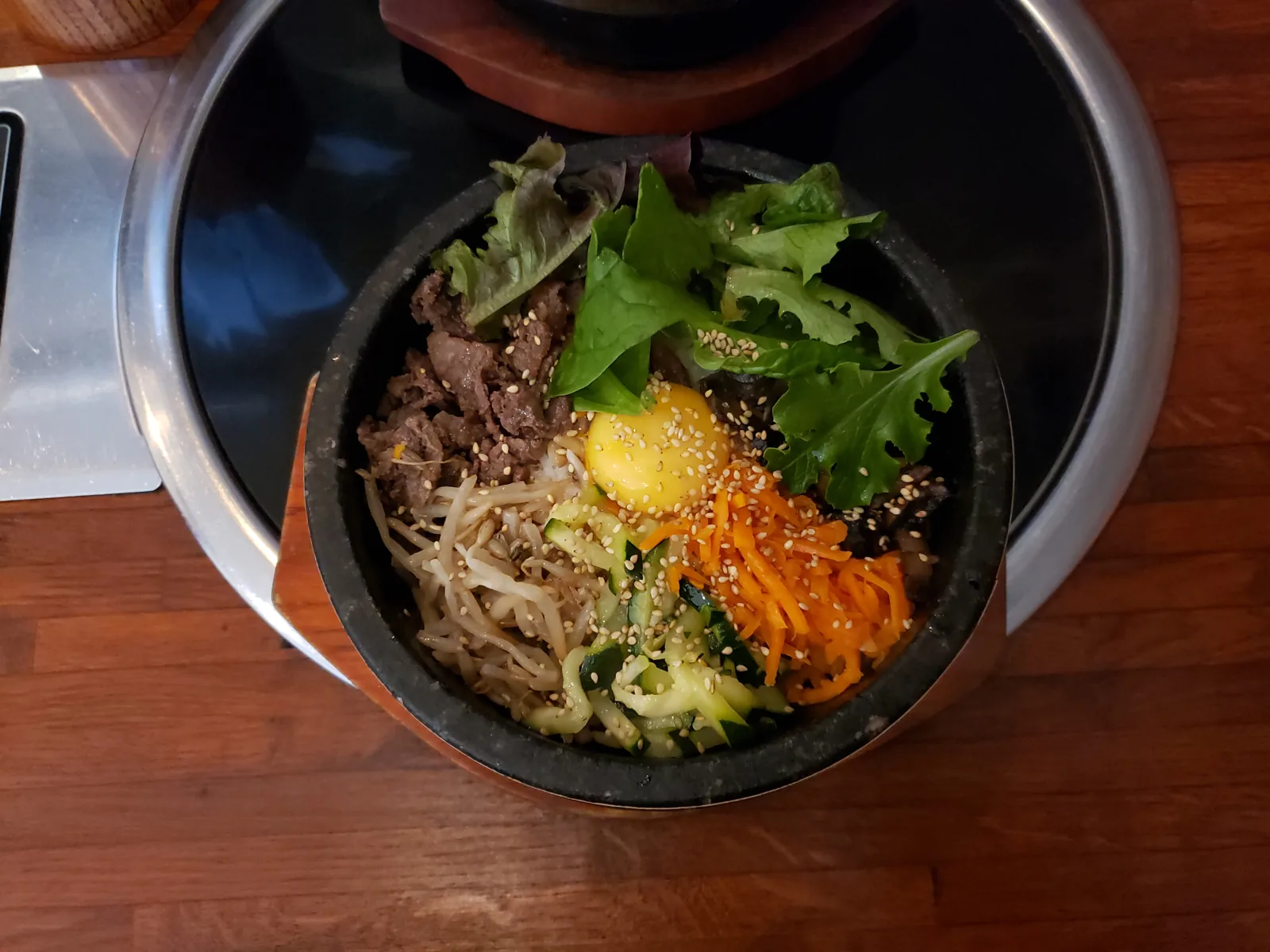
Dolsot bibimbap in a hot black stone bowl — bulgogi beef, egg yolk, carrots, zucchini, bean sprouts and sesame seeds over rice South Korea flag South Korea 1h 5m
Dinner •Korean Heritage

Bibimbap

This bibimbap recipe builds Korea's most famous rice bowl the dolsot way: hot rice in a sizzling stone pot, ringed with five separately seasoned namul vegetables, bulgogi beef and a fried egg, with gochujang to stir through at the table. The stone bowl crisps the bottom layer of rice into golden nurungji while you eat. One serving is about 510 g.

Colourful & Satisfying

Warm rice, five seasoned vegetables, bulgogi beef and a fried egg, mixed at the table with gochujang.

Pairs Well With
Kimchi, kongnamul-guk (bean sprout soup) & barley tea
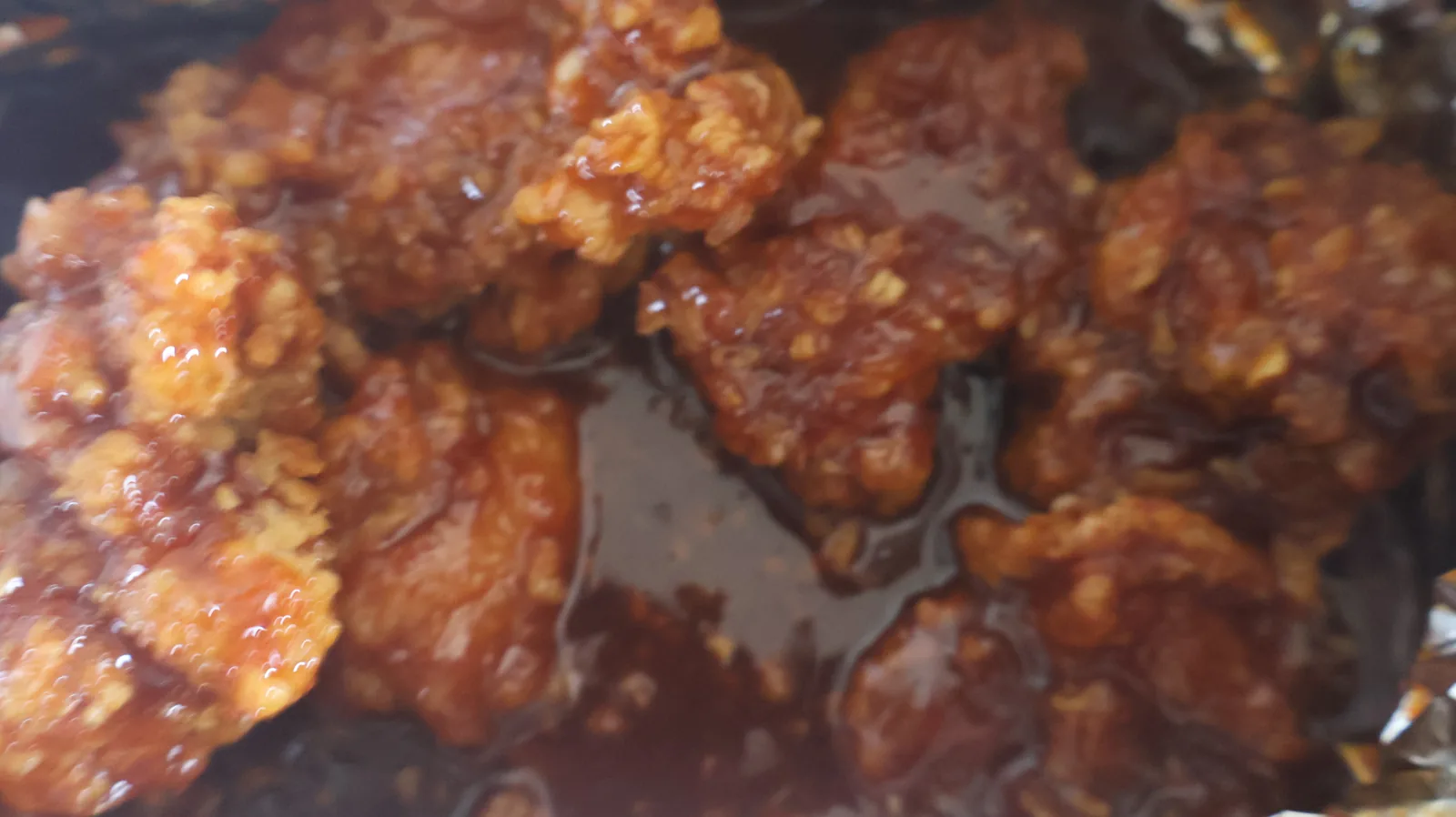
Korean fried chicken pieces coated in a glossy red yangnyeom glaze South Korea flag South Korea 45m
Dinner •Korean Heritage

Korean Fried Chicken

This Korean fried chicken recipe is the real thing: boneless chicken in a thin potato-starch batter, fried twice — once to cook it through, once at higher heat to drive out moisture and shatter the crust — then tossed in a glossy yangnyeom glaze of gochujang, honey and garlic. The double fry is what keeps the skin crisp under the sauce. One serving is about 250 g.

Crispy & Bold

Double-fried chicken in a thin potato-starch crust, tossed in a sticky sweet-spicy yangnyeom glaze.

Pairs Well With
Pickled radish (chikin-mu), cold beer & steamed rice
High Protein • Quick Prep (<30m)
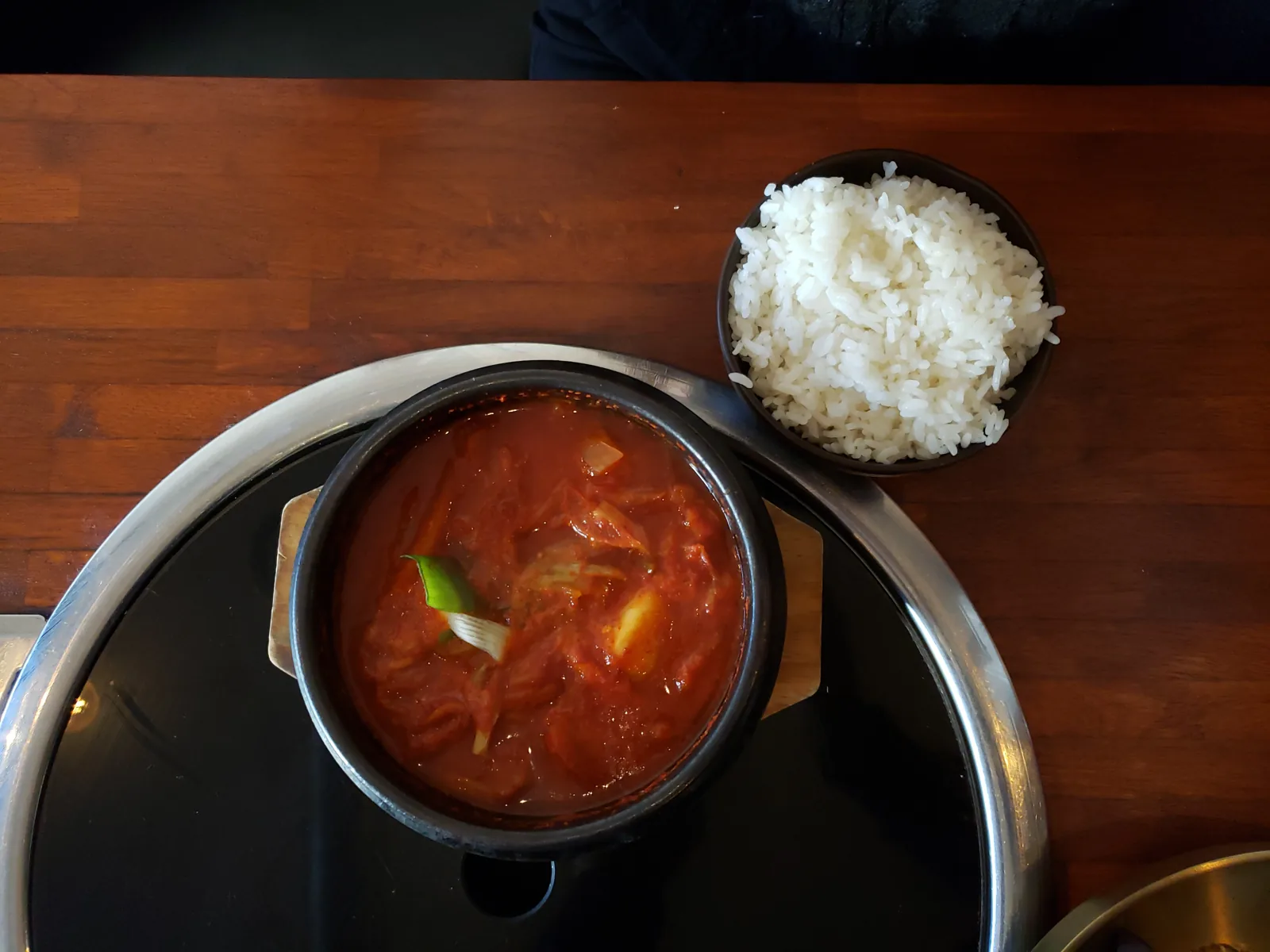
Kimchi jjigae — a red kimchi stew with tofu and spring onions in a black stone pot, served with a bowl of rice South Korea flag South Korea 45m
Dinner •Korean Heritage

Kimchi Jjigae

This kimchi jjigae recipe is the Korean comfort stew: aged, well-fermented kimchi fried with pork belly, then simmered in its own brine with tofu until the broth turns brick-red and rich. It is a stew, not the kimchi itself — the North Korean white kimchi published earlier is the pickled cabbage, while this is what you cook with it. One serving is about 425 g.

Comfort & Warmth

Aged kimchi and pork belly simmered in kimchi brine with tofu — sour, spicy and deeply savoury.

Pairs Well With
Steamed rice, fried egg & banchan
Soups & Broths • Fermented / Gut Health
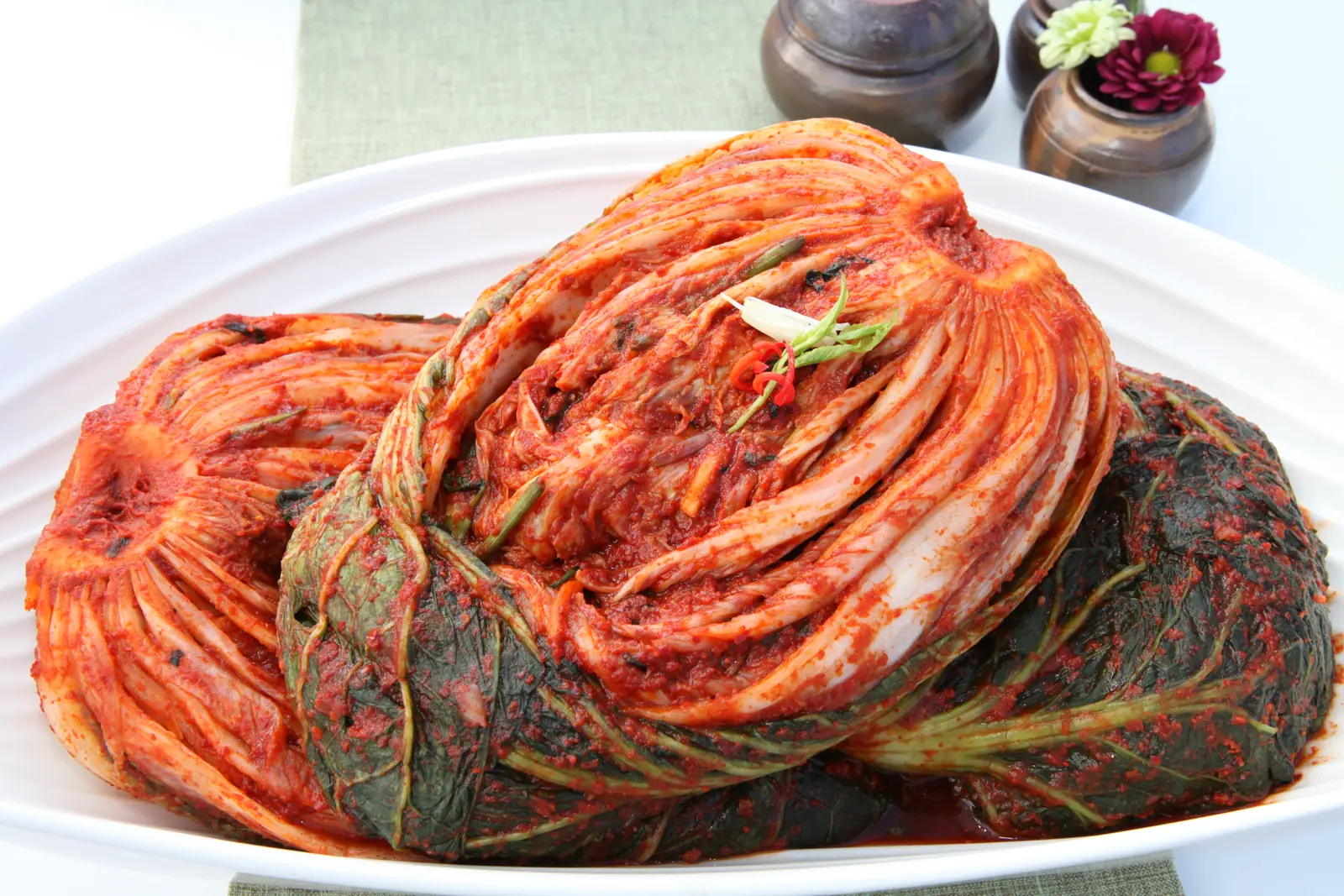
Whole heads of baechu kimchi coated in red gochugaru paste on a white platter South Korea flag South Korea 2h 35m
Dinner •Korean Kimjang Heritage

Baechu Kimchi

This kimchi recipe turns one head of napa cabbage into classic baechu kimchi: salted leaves packed with a bright red gochugaru paste, then left to ferment until tangy and fizzy. It is the spicy southern-style kimchi most people picture when they hear the word kimchi, and it keeps for weeks in the fridge. One serving is about 165 g.

Fermented & Fiery

Crisp, spicy, sour napa cabbage kimchi — Korea's everyday banchan, fermented at home in a jar.

Pairs Well With
Serve a small bowl with steamed rice, grilled meat or a fried egg.
Fermented / Gut Health

The Dinner Gazette

Never wonder what’s for dinner again

One email a week with easy dinner ideas from around the world — ingredients, steps and nutrition, tested in our kitchen first.

Delivered every Thursday morning. Unsubscribe anytime.