
Curated recipes from 193 countries  •  New seasonal Mediterranean issue out now

Overview

Bolo de Bolacha

Portuguese Biscuit Cake, Bolo de Bolacha Maria, Maria Biscuit Cake

This bolo de bolacha recipe layers coffee-dipped Maria biscuits with a silky butter and condensed-milk cream, then chills the cake until it slices like a baked sponge. One serving is about 111 g and carries 415 calories. Serve cold, topped with crushed biscuits, with a small cup of espresso.

The Maria biscuit was first baked in London in 1874, and Portugal adopted it so completely that most Portuguese cooks treat it as their own. Bolo de bolacha — biscuit cake — is built from those biscuits: each one dipped for a second in strong coffee, stacked with buttercream, and left in the fridge until the biscuits soften into cake. It never sees an oven, which is why it is the birthday cake of Portuguese childhoods and the dessert that appears at every family party. Cook test: this is not bolo de rolo, which is a baked sponge rolled around guava paste; not bolo de cenoura, a baked carrot cake; and not tiramisu, which uses ladyfingers, mascarpone and raw egg — bolo de bolacha uses Maria biscuits and a butter cream, and this version has no raw egg at all.

Pairs well with: A small espresso and fresh berries.

Provenance

Portugal flag Portugal

Portuguese Celebration Classic

Mediterranean & Italy

Time Dedication

35m

35m prep • 0m cook

Batch Yield

8 Servings

415 kcal per serving

1 serving ≈ 111 g

Technical Skill

Easy

Easy (No-Bake)

Meal Timing & Digestive Fit

Breakfast

Not Advised

Lunch

Inappropriate

Dinner

Inappropriate

Snack & Tea

Ideal Light Bite

Occasions: Birthdays, family parties, Christmas, Sunday lunches Cost: Low — about $2–3 per serving at home
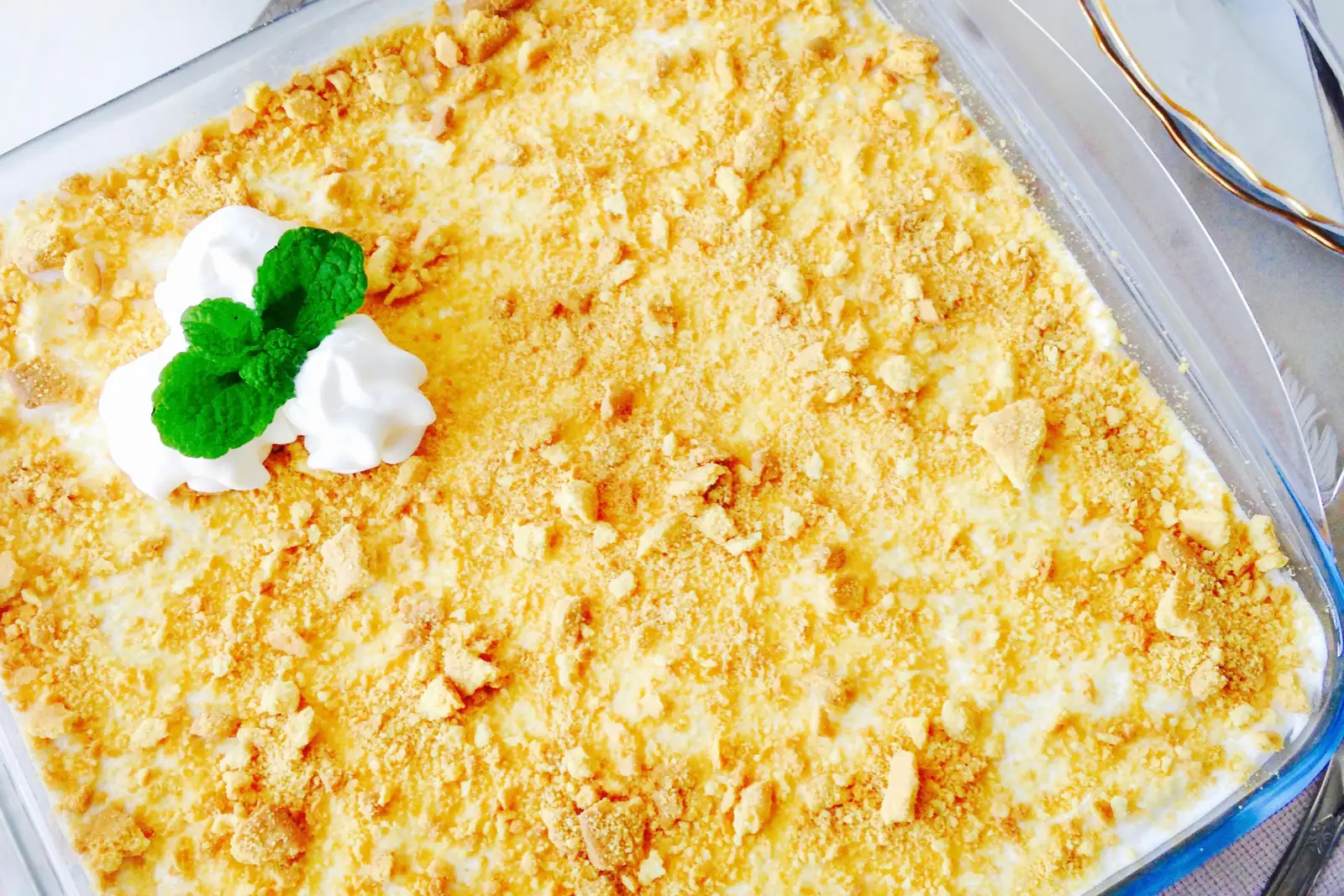
A glass dish of bolo de bolacha, Portugal's biscuit layer cake with biscuit crumbs, cream and mint

Portuguese Celebration Classic

Photo: KaryPT, CC BY-SA 4.0, via Wikimedia Commons

The Heritage Formulary

Measured Ingredients

Estimated cost: Low — about $2–3 per serving at home (USD)

This version beats softened butter with sweetened condensed milk, coffee and vanilla into a smooth cream — no raw egg — and chills the layered cake for at least 4 hours so the biscuits soften into cake.

Execution Methodology & Culinary Technique

Step-by-Step Cooking Guide

Active 35m
P

Prep Stage: Coffee, Cream and Biscuits

35 Mins • Coffee, Cream and Biscuits

Brew 310 ml of strong black coffee and leave it to cool completely — hot coffee breaks the biscuits. Set the butter out an hour ahead so it is soft enough to beat. Choose a glass serving dish about 20 cm square or a round plate, and crush nothing yet: the topping biscuits stay whole until the end.

Maestro Tip: Cold coffee and soft butter are the two things that decide whether this cake works — get both right before you start layering.

  1. 1

    Brew and cool the coffee

    5 Mins Hot water, about 95°C (200°F), then cooled

    Brew 310 ml of strong black coffee — espresso or moka pot coffee is best — and pour it into a shallow dish. Leave it until it is completely cool to room temperature, about 20 minutes. Stir 60 ml of the cooled coffee into a small jug for the cream and keep the rest for dipping.

    Sweeten the dipping coffee the way you sweeten your morning coffee; the cake takes its sweetness from the cream, so the coffee can stay unsweetened.

    Done when: Coffee cool to the touch, not warm at all.

  2. 2

    Beat the buttercream

    10 Mins No heat

    Put the softened butter in a large bowl and beat with an electric mixer for 2 minutes until pale and fluffy. Add the condensed milk, the 60 ml of coffee and the vanilla extract, and beat for 3 more minutes until the cream is smooth, glossy and spreadable.

    If the cream looks split, keep beating — cold butter is the usual cause, and a minute of beating brings it back together.

    Done when: A smooth, pale cream that holds soft peaks and spreads easily.

  3. 3

    Layer biscuits and cream

    10 Mins No heat

    Dip each Maria biscuit into the cooled coffee for 1 to 2 seconds — in and out — and lay it in the serving dish. Cover the base with a single layer of dipped biscuits, breaking pieces to fill gaps. Spread a thin layer of cream over the biscuits. Repeat, building 5 to 6 layers, and finish with a layer of cream on top and around the sides.

    One second is enough: a two-second biscuit turns to mush and the layers slide. Keep the cream layers thin — the biscuits are the cake.

    Done when: Five to six even layers, ending with cream, the sides neatly covered.

  4. 4

    Chill until set

    5 Mins Cold — refrigerate at 4°C (39°F) or below

    Cover the dish loosely with cling film and refrigerate for at least 4 hours, or overnight if you can. The biscuits slowly absorb the moisture from the cream and turn soft, so the whole stack slices like a baked cake.

    Do not rush this: a cake sliced after one hour falls apart, while an overnight cake cuts in clean slices.

    Done when: Cake firm to the touch, biscuits soft right through when tested with a knife.

  5. 5

    Finish and slice

    5 Mins No heat

    Crush the 6 reserved biscuits in a bag with a rolling pin, leaving some chunks, and scatter the crumbs over the top. Dust with cocoa powder if you like. Slice with a long, sharp knife dipped in hot water and wiped dry between cuts.

    A hot, dry knife is what gives clean layers — wipe it after every cut.

    Done when: Clean slices showing the biscuit and cream layers, crumbs scattered on top.

Finishing Touches & Plating

Scatter the crushed biscuits over the top, dust with cocoa if you like, and slice with a hot, dry knife. Serve cold with a small espresso.

Nutritional Physiology & Benefits

Nutrition

Energy

415

kcal / serving

Protein

5g

Complete AA

Carbs

41g

Complex

Fats

27g

Healthy

Per serving (8 servings · 1 serving ≈ 111 g)
Energy415 kcal
Protein5 g
Carbohydrates41 g
Fat27 g
Fibre1.5 g
Sugar21.2 g
Sodium174 mg
Per 100g
Energy373 kcal
Protein4.5 g
Carbohydrates36.4 g
Fat23.8 g
Fibre1.3 g
Sugar19.1 g
Sodium156 mg

Nutrition values are estimated — calculated from USDA FoodData Central values for the listed ingredients.

Vitamins & minerals: Calcium and vitamin A (butter, condensed milk), B vitamins (Maria biscuits), small amounts of potassium (coffee).

Calcium From the Cream

Butter and condensed milk give each serving calcium for bones and teeth, in a dessert that needs no oven at all.

Energy for Celebrations

At 415 calories a slice, this is a proper party dessert — rich enough that one slice satisfies.

No Oven, No Fuss

The fridge does the cooking: the biscuits soften in the cream, so there is no baking, no gelatin and nothing to set.

Food Pairings

What to Eat With

To optimize nutrient absorption and elevate the sensory depth, pair with these authentic accompaniments:

Drinks

Espresso

A small, strong espresso is the classic partner — its bitterness balances the sweet buttercream and echoes the coffee in the cake.

Mint Tea

Unsweetened mint tea cleans the palate after the sweet cream and suits an afternoon slice.

Sides

Fresh Berries

Sharp raspberries or strawberries cut through the rich cream and add colour and freshness to the plate.

More Pairings

Vanilla Ice Cream

A small scoop of vanilla ice cream turns the cake into a fuller dessert and melts into the coffee flavours.

Complete menu

Serve bolo de bolacha after a light Portuguese meal of grilled fish and salad, with espresso and fresh berries.

Digestive Guardrails

What NOT to Combine

To prevent digestive distress, sluggishness, or palate clash, avoid pairing the dish with these elements:

Coffee Late at Night

The cake carries real coffee in every layer, so a slice in the evening can keep light sleepers awake; serve it at lunch or in the afternoon instead. This is general nutrition information, not medical advice.

Very Sweet Drinks Alongside

Each slice already carries about 21 g of sugar, so a sweet soft drink or liqueur on the same plate doubles the sugar load; serve it with unsweetened espresso or tea. This is general nutrition information, not medical advice.

General information only, not medical advice — consult a doctor for personal dietary decisions.

Who Should Eat It

Who Should Eat

  • General adultsA rich party dessert — one slice with espresso is plenty after a meal.
  • ChildrenChildren love it, but the coffee makes it unsuitable for very young children; offer a small slice and keep it to daytime.
  • ElderlySoft, easy to chew and easy to digest; serve a small slice with berries.
  • Pregnant womenFine in a small portion; the coffee is spread through the cake, so keep the slice small and ask a clinician about caffeine.
  • Breastfeeding womenA satisfying, energy-rich dessert; keep the portion to one slice and pair it with fruit.
  • AthletesAbout 40 g of carbohydrate per slice makes it a quick energy top-up after training, best eaten with berries.
  • Weight gainServe a generous slice with ice cream to raise the energy of the dessert.
  • Weight lossTake a thin slice with fresh berries and skip the ice cream — the flavour is all in the cake itself.

Health Conditions — Adjust or Avoid

Conditions

  • DiabetesAbout 40.5 g of carbohydrate and 21.2 g of sugar per slice — take a thin slice, skip the ice cream, and ask a clinician about portion size.
  • High blood pressureSodium is low at about 174 mg per slice; the concern is sugar, so keep the portion small and ask a clinician.
  • Kidney diseaseButter and condensed milk add phosphorus and saturated fat; keep the portion small and ask a clinician about what fits your plan.
  • GoutNo purine-rich ingredients, but the sugar is high; keep the portion small and ask a clinician.
  • Stomach issuesCoffee and rich cream can irritate a sensitive stomach; eat a small portion and ask a clinician if symptoms flare.
  • Cardiovascular diseaseButter and condensed milk are high in saturated fat, so keep the slice small and occasional, and ask a clinician.
  • Fatty liverHigh in sugar and saturated fat; take a thin slice with berries and ask a clinician about sugar intake.
  • Food allergiesContains milk and wheat (gluten) from the Maria biscuits. Ask a clinician about any allergy.
  • Special therapeutic dietsA soft, easy-to-chew dessert that suits many therapeutic diets; ask a clinician or dietitian before changing your diet.

If you have a medical condition, consult your doctor before changing your diet.

Storage & Use

Storage & Use

How to store
Cover the dish tightly with cling film or a lid.
In the fridge
3 days in the fridge at 4°C (39°F) or below.
In the freezer
Up to 1 month; thaw overnight in the fridge — the texture softens further after freezing.
How to reheat
Do not reheat; serve cold, straight from the fridge.
Freezing recommended
Yes — the cake freezes well for up to 1 month.
Signs it has spoiled
Sour or off smell, cream weeping liquid, slimy biscuits or mould — discard it.

More recipes to explore

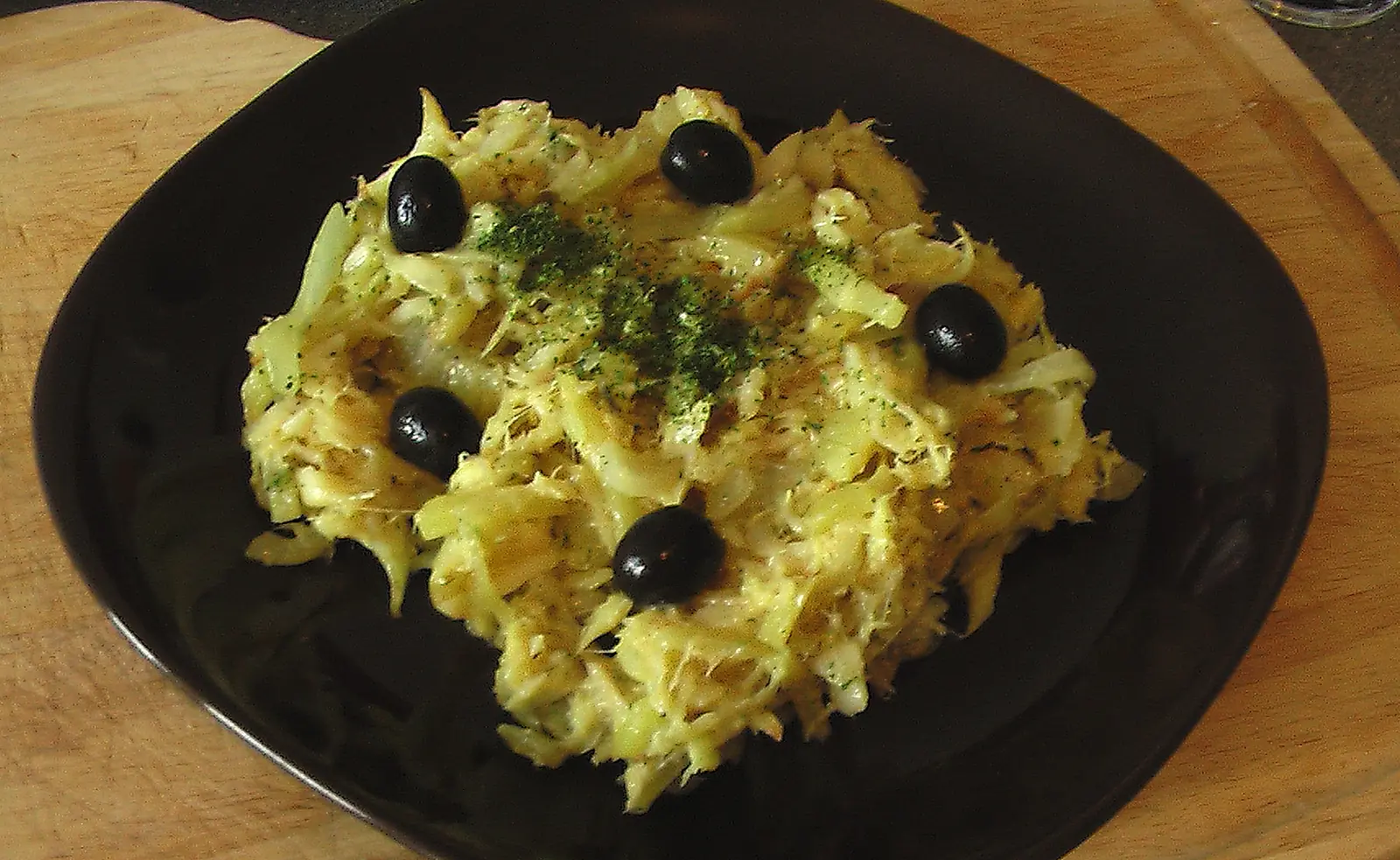
A plate of bacalhau à brás — shredded salt cod with egg and matchstick potatoes, black olives and parsley Portugal flag Portugal 50m
Dinner •Lisbon Tavern Classic

Bacalhau à Brás

Bacalhau à brás recipe: desalted shredded cod, golden matchstick potatoes and softly scrambled egg, finished with black olives and parsley. One serving is about 350 g.

Comfort & Protein

Shredded salt cod folded with egg and crisp matchstick potatoes — a filling, protein-rich Lisbon supper.

Pairs Well With
A simple green salad and a glass of vinho verde
High Protein
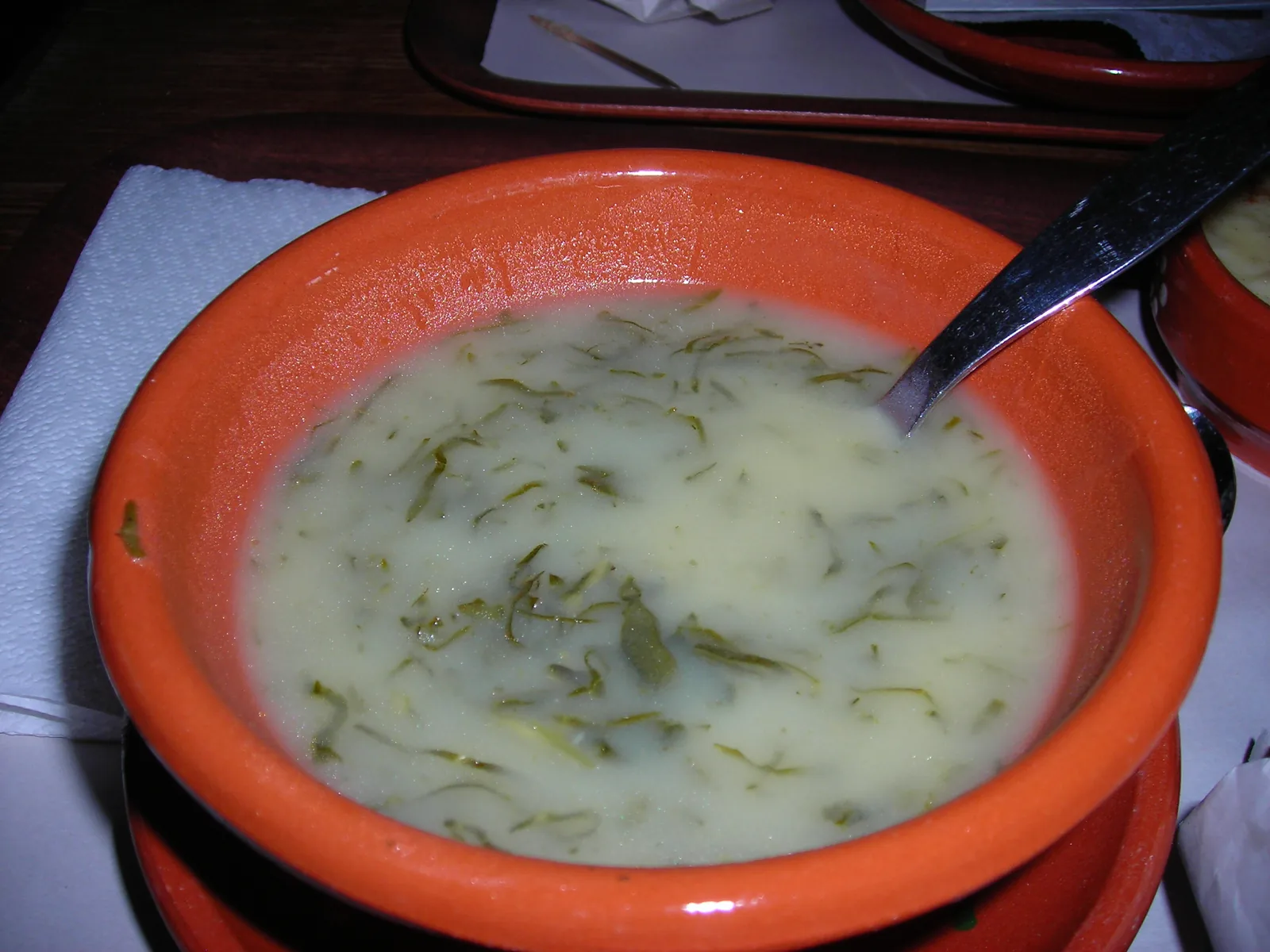
A terracotta bowl of caldo verde — pale potato soup with shredded green kale and a spoon Portugal flag Portugal 50m
Dinner •Minho National Soup

Caldo Verde

Caldo verde recipe: creamy potato soup blended smooth, with ribbons of kale and slices of chouriço, finished with a thread of olive oil. One serving is about 590 g.

Comfort & Warmth

Silky potato soup with finely shredded kale and smoky chouriço — Portugal's best-loved bowl.

Pairs Well With
Crusty broa bread and a glass of vinho verde
Soups & Broths
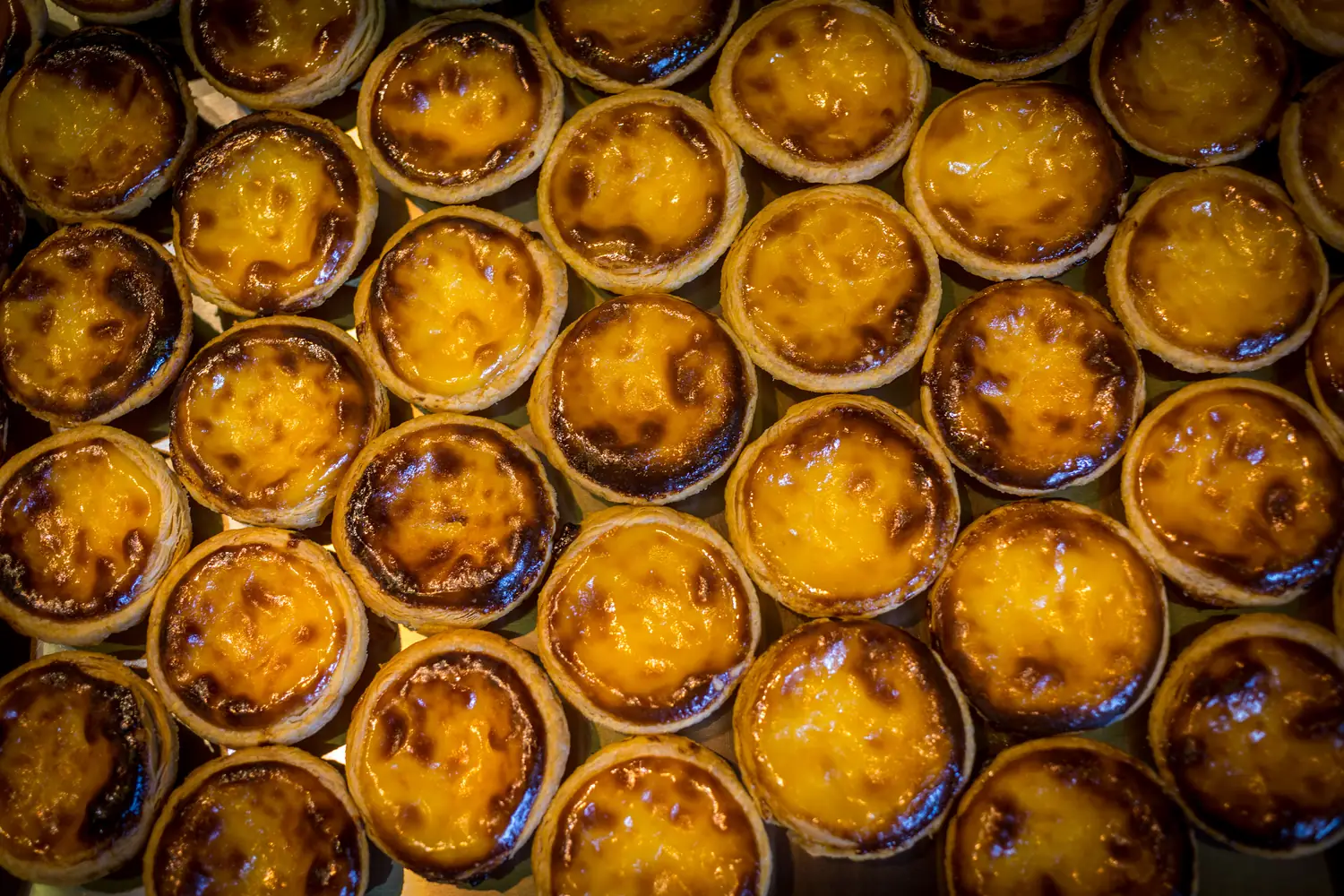
A tray of pastel de nata — golden custard tarts with blistered, caramelised tops in flaky pastry Portugal flag Portugal 50m
Snack & Tea •Belém Monastery Tart

Pastel de Nata

Pastel de nata recipe: shatteringly crisp puff pastry shells filled with warm, vanilla-cinnamon egg custard, baked until blistered on top. One serving is about 187 g (2 tarts).

Sweet Treat

Crisp, flaky pastry cups filled with cinnamon-scented egg custard, blistered in a very hot oven.

Pairs Well With
A small strong coffee (bica) and a dusting of cinnamon
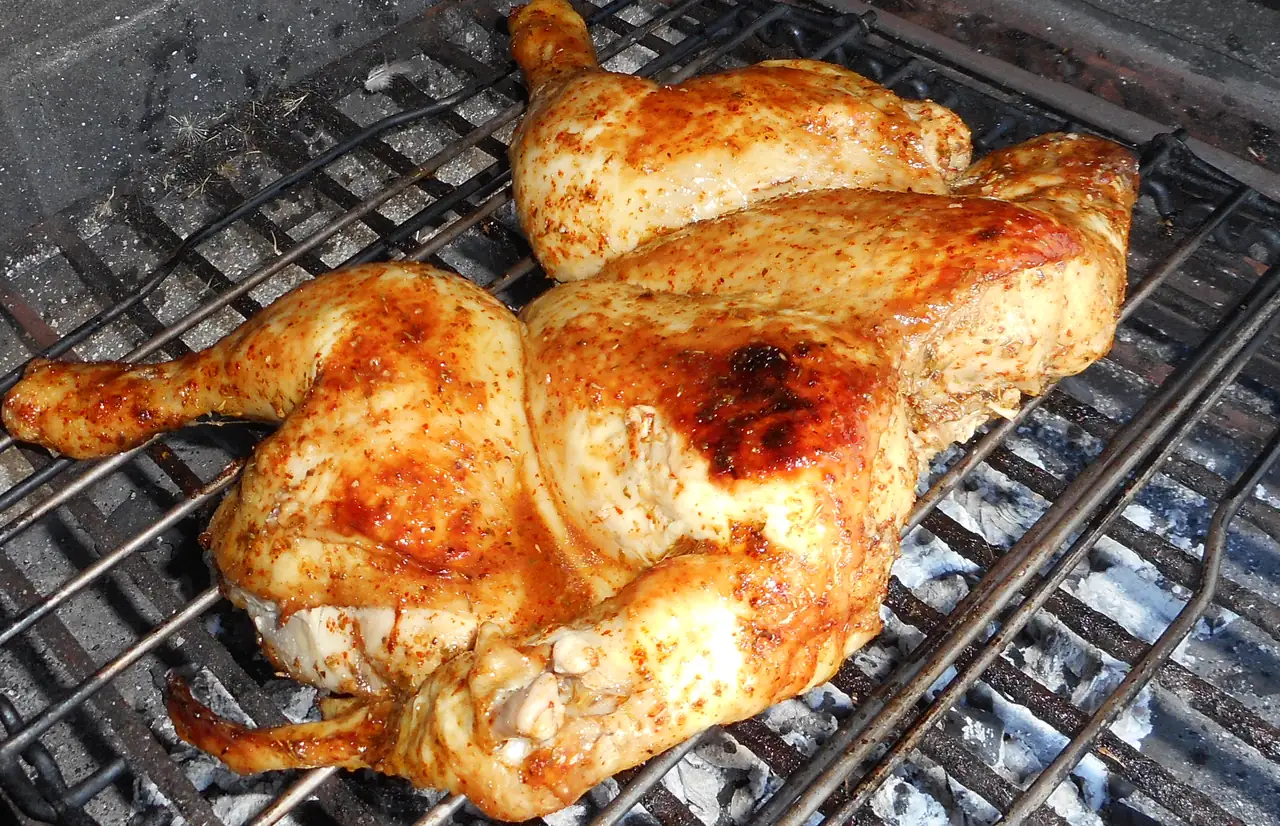
Butterflied piri piri chicken grilling over charcoal, golden-red with chilli spice Portugal flag Portugal 55m
Dinner •Algarve Heritage

Frango Piri Piri

Frango piri piri is Portugal's most famous chicken: a whole bird butterflied flat, rubbed with a fiery paste of piri piri chillies, garlic, lemon and paprika, then grilled over charcoal until the skin turns crisp and red-gold. This piri piri chicken recipe is the Algarve way — an overnight marinade, a hot grill, and a warm butter baste at the end. One serving is about 210 g.

Spicy Char-Grill

A butterflied chicken marinated in piri piri chilli, garlic and lemon, grilled over charcoal until the skin is crisp and reddened.

Pairs Well With
Chips, tomato-onion salad and a cold beer.
High Protein

The Dinner Gazette

Never wonder what’s for dinner again

One email a week with easy dinner ideas from around the world — ingredients, steps and nutrition, tested in our kitchen first.

Delivered every Thursday morning. Unsubscribe anytime.