Curated recipes from 193 countries  •  New seasonal Mediterranean issue out now

Overview

Bori Bori

Vori Vori, Vori Vori de Pollo, Paraguayan Chicken Dumpling Soup

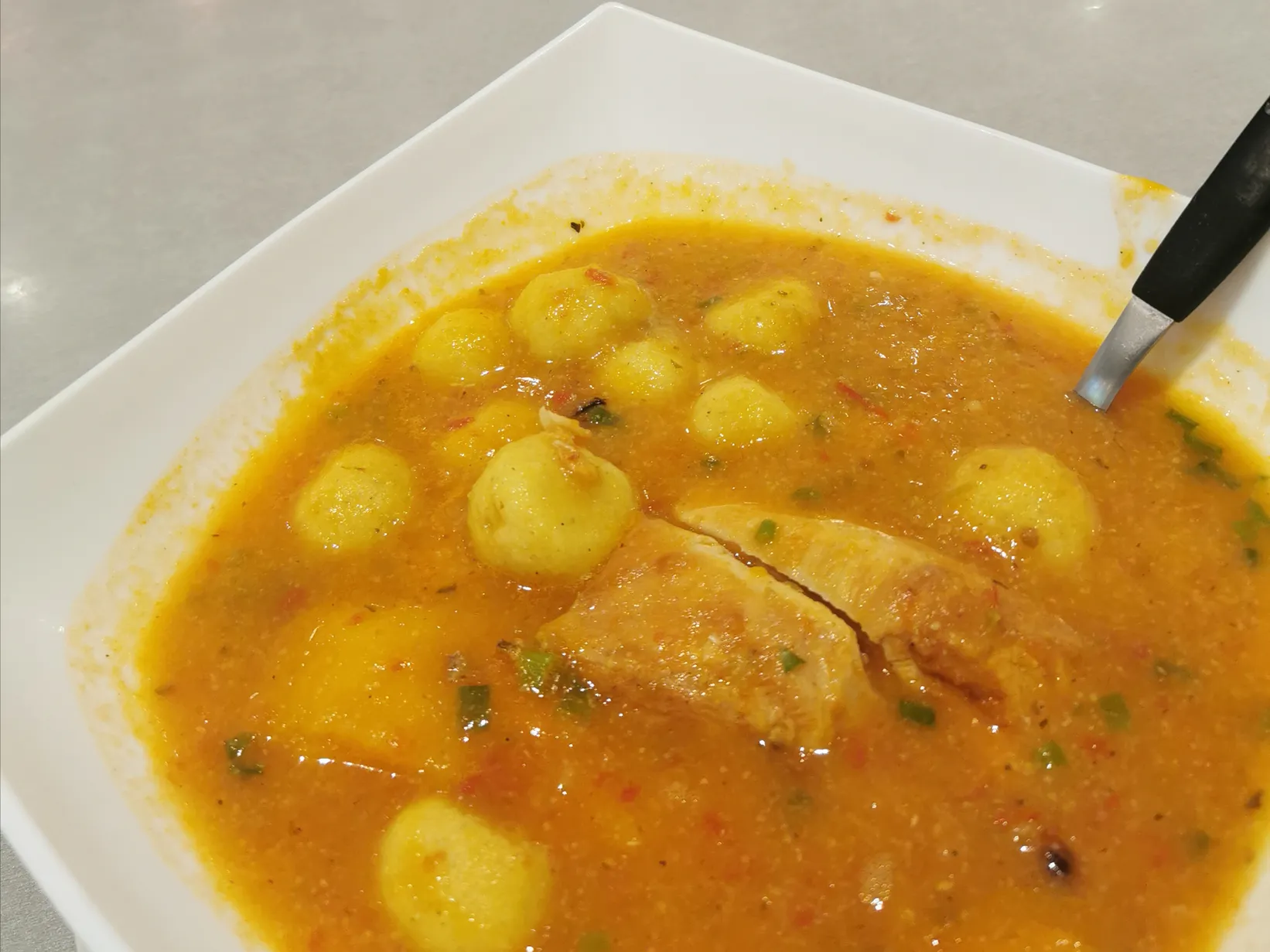
This bori bori recipe simmers chicken with onion, tomato, carrot and celery into a rich broth, then drops in small hand-rolled dumplings of cornmeal and cheese that puff up as they cook. One serving is about 483 g. It is Paraguay's beloved comfort soup, also spelled vori vori, named for the little balls at its heart.

Bori bori takes its name from the Guarani word bori, meaning little ball — the small cornmeal-and-cheese dumplings rolled by hand and dropped into the soup. The dish became a staple of Paraguayan cooking in the years after the War of the Triple Alliance, when filling, high-energy food was badly needed, and it is still the soup Paraguayans make when someone needs cheering up.

Pairs well with: Boiled yuca and chipa cheese bread, with tereré to drink

Provenance

Paraguay flag Paraguay

Paraguayan Comfort Classic

Latin America & Caribbean

Time Dedication

1h 15m

20m prep • 55m cook

Batch Yield

6 Servings

514 kcal per serving

1 serving ≈ 483 g

Technical Skill

Intermediate

Intermediate (Dumpling Soup)

Meal Timing & Digestive Fit

Breakfast

Not Advised

Lunch

Hearty Midday Main

Dinner

Ideal Hearty Main

Snack & Tea

Inappropriate

Soups & Broths Occasions: Family dinner, cold-weather comfort food, when someone needs cheering up Cost: Low — about $3–4 per serving at home
Bori bori — Paraguayan chicken soup with round cornmeal-and-cheese dumplings

Paraguayan Comfort Classic

Photo: Marce.af, CC BY-SA 4.0, via Wikimedia Commons

The Heritage Formulary

Measured Ingredients

Estimated cost: Low — about $3–4 per serving at home (USD)

A true bori bori is a chicken soup whose dumplings are cornmeal and cheese, rolled by hand — that is what sets it apart from the fried plantain-cheese balls of Ecuador's bolon de verde.

Execution Methodology & Culinary Technique

Step-by-Step Cooking Guide

Active 1h 15m
P

Prep Stage: Dice the Vegetables, Grate the Cheese

20 Mins • Knife Work

Cut the chicken into bite-size pieces and season with half the salt. Dice the onion, tomato, carrot, celery and green pepper, and mince the garlic. Grate the mozzarella and measure the cornmeal into a large bowl with the oregano. Have the stock hot and ready — the dumpling dough is mixed with hot broth straight from the pot, so everything should be within reach.

Maestro Tip: Dice the vegetables small and even, so they cook through in the same time as the chicken.

  1. 1

    Sear the Chicken

    8 Mins Medium-high heat, pot about 190°C (375°F)

    Heat the oil in a large pot over medium-high heat. Sear the chicken pieces in a single layer for 3-4 minutes a side until golden. Lift out and set aside — the chicken does not need to be cooked through yet.

    Brown in one layer without crowding, so the chicken sears instead of steaming.

    Done when: The pieces are golden on the outside and still pink inside.

  2. 2

    Build the Soup Base

    7 Mins Medium heat, pot about 175°C (350°F)

    Lower the heat to medium. Add the onion to the same pot and cook for 3 minutes until soft, then add the garlic and cook for 30 seconds. Stir in the green pepper, tomato, carrot and celery and cook for 3 minutes until the vegetables start to soften.

    Scrape the browned bits off the pot bottom as the onion cooks — that is where the broth flavour lives.

    Done when: The onion is soft and golden and the vegetables are starting to give.

  3. 3

    Simmer the Broth

    30 Mins Gentle simmer, about 95°C (203°F)

    Return the chicken to the pot and pour in the hot stock. Bring to a gentle simmer, skim any foam, then cover and cook for about 25-30 minutes until the chicken is tender and reaches at least 74°C (165°F) in the thickest piece. Taste and add the remaining salt and the black pepper.

    Keep the simmer gentle — a hard boil makes the chicken tough and the broth cloudy.

    Done when: The chicken is tender and the broth tastes rich and well seasoned.

  4. 4

    Mix the Bori Dough

    10 Mins Room temperature, hot broth from the pot

    While the broth simmers, mix the cornmeal, grated mozzarella and oregano in the large bowl. Ladle about 150 ml of hot broth from the pot into the bowl a little at a time, stirring with a wooden spoon, until a soft, moist dough forms that holds its shape. Roll the dough with damp hands into small balls the size of large grapes — about 24 balls.

    Add the broth slowly — too much makes sticky dough that falls apart, too little makes dry, crumbly balls.

    Done when: The dough is soft and pliable, and the balls hold their shape without cracking.

  5. 5

    Cook the Dumplings

    10 Mins Gentle simmer, about 95°C (203°F)

    Drop the balls gently into the simmering soup one by one, without stacking them. Cook for 8-10 minutes, without stirring hard, until the dumplings float to the surface and are puffed and tender all the way through.

    Do not stir hard once the dumplings are in — a gentle nudge is enough, or they break apart.

    Done when: The dumplings have risen to the surface, puffed up, and feel springy when pressed.

  6. 6

    Rest and Serve

    3 Mins Serve hot, about 65°C (149°F)

    Take the pot off the heat and rest for 2-3 minutes. Ladle into deep bowls, making sure each bowl gets chicken, vegetables and dumplings, and scatter parsley over the top. Serve at once.

    Serve straight away — the dumplings are at their best soft and hot from the broth.

    Done when: Each bowl is steaming, with golden broth, tender chicken and round dumplings on top.

Finishing Touches & Plating

Serve steaming hot in deep bowls, with the dumplings floating on top — and boiled yuca on the side for the full Paraguayan table.

Nutritional Physiology & Benefits

Nutrition

Energy

514

kcal / serving

Protein

35g

Complete AA

Carbs

42g

Complex

Fats

23g

Healthy

Per serving (6 servings · 1 serving ≈ 483 g)
Energy514 kcal
Protein35 g
Carbohydrates42 g
Fat23 g
Fibre5.3 g
Sugar3.8 g
Sodium1187 mg
Per 100g
Energy106 kcal
Protein7.3 g
Carbohydrates8.6 g
Fat4.7 g
Fibre1.1 g
Sugar0.8 g
Sodium246 mg

Nutrition values are estimated — calculated from USDA FoodData Central values for the listed ingredients.

Vitamins & minerals: Vitamin B6 and niacin, iron (chicken), vitamin A (carrot), calcium (cheese), vitamin C (pepper, tomato). Nutrition is estimated.

High Protein

About 35.4 g of protein per serving, from chicken and cheese — a genuinely filling soup.

Iron and B Vitamins from Chicken

Chicken is a good source of iron, niacin and vitamin B6, and the carrot adds vitamin A.

Fibre from Cornmeal and Vegetables

About 5.3 g of fibre per serving, mostly from the cornmeal dumplings, carrot and celery.

Food Pairings

What to Eat With

To optimize nutrient absorption and elevate the sensory depth, pair with these authentic accompaniments:

Sides

Boiled Yuca

Boiled cassava is the traditional Paraguayan accompaniment — its mild, starchy flesh soaks up the broth and makes the meal complete.

Chipa Cheese Bread

Warm chipa, Paraguay's cheese bread, is made for dunking — it echoes the cheese in the dumplings and is the classic soup partner.

Vegetables

Simple Green Salad

A lightly dressed green salad brings fresh crunch and acidity that balances the rich, starchy soup.

Drinks

Tereré

Paraguay's cold mate tea is the everyday drink with this soup — cool and herbal against the hot broth.

Complete menu

Serve bori bori as the main bowl with boiled yuca and chipa on the side, then fresh fruit to finish — the classic Paraguayan family dinner.

Digestive Guardrails

What NOT to Combine

To prevent digestive distress, sluggishness, or palate clash, avoid pairing the dish with these elements:

Extra Salt at the Table

The stock, cheese and seasoning already give the soup about 1187 mg of sodium a serving — taste before reaching for more salt. This is general guidance, not medical advice.

Heavy Fried Sides Straight After

At about 514 kcal a serving, bori bori is already a substantial bowl — heavy fried food straight after can leave the stomach feeling overloaded; fresh fruit is a lighter finish.

General information only, not medical advice — consult a doctor for personal dietary decisions.

Who Should Eat It

Who Should Eat

  • General adultsA warming, filling bowl at about 514 kcal a serving — one bowl is a full dinner.
  • ChildrenChildren love the little dumplings — serve a small bowl and check the dumplings are not too hot inside.
  • ElderlySoft chicken, vegetables and dumplings are easy to eat; serve a modest bowl and cut the chicken small.
  • Pregnant womenThe chicken is simmered past 74°C (165°F), so it is fully cooked; the cheese is cooked through in the dumplings.
  • Breastfeeding womenA protein-rich soup while breastfeeding; the portion is generous, so share or save half for the next day.
  • AthletesAbout 35.4 g of protein a serving makes this a strong recovery meal after heavy training.
  • Weight gainEnergy- and protein-dense, with yuca on the side — a good way to add calories.
  • Weight lossFilling at about 514 kcal a serving — take a smaller bowl and go easy on the yuca.

Health Conditions — Adjust or Avoid

Conditions

  • DiabetesModerate in starchy carbs from the cornmeal dumplings — keep the dumplings to a few per bowl; ask your clinician about a suitable serving.
  • High blood pressureAbout 1187 mg of sodium a serving — skip extra salt and keep the cheese modest. Ask your clinician.
  • Kidney diseaseHigh in protein and potassium from the chicken and cheese; a smaller portion is usually wise — ask your clinician about your limits.
  • GoutChicken and cheese are moderately high in purines — eat occasionally and in smaller portions. Ask your clinician.
  • Stomach issuesWarm and gentle, but the dumplings are starchy and filling — eat a modest portion slowly. Ask your clinician about your triggers.
  • Cardiovascular diseaseCheese and chicken thighs add saturated fat — keep it an occasional meal and favour the vegetables. Ask your clinician.
  • Fatty liverFilling in calories and fat for one bowl — keep portions modest. Ask your clinician.
  • Food allergiesContains milk (cheese). Free from egg, wheat, peanut, tree nut, fish, soy and shellfish. Cornmeal is naturally gluten-free, but check the label.
  • Special therapeutic dietsFits a high-protein plan; ask your clinician or dietitian before adapting it for a low-sodium or low-fat plan.

If you have a medical condition, consult your doctor before changing your diet.

Storage & Use

Storage & Use

How to store
Cool quickly and store the soup and dumplings together in an airtight container.
In the fridge
3 days.
In the freezer
2 months (the dumplings soften a little on thawing).
How to reheat
Reheat gently in a pot until steaming throughout, to 74°C (165°F); add a splash of stock if the broth has thickened.
Freezing recommended
Yes — up to 2 months.
Signs it has spoiled
Sour smell, slimy chicken or dumplings, or a dull grey broth — discard.

More recipes to explore

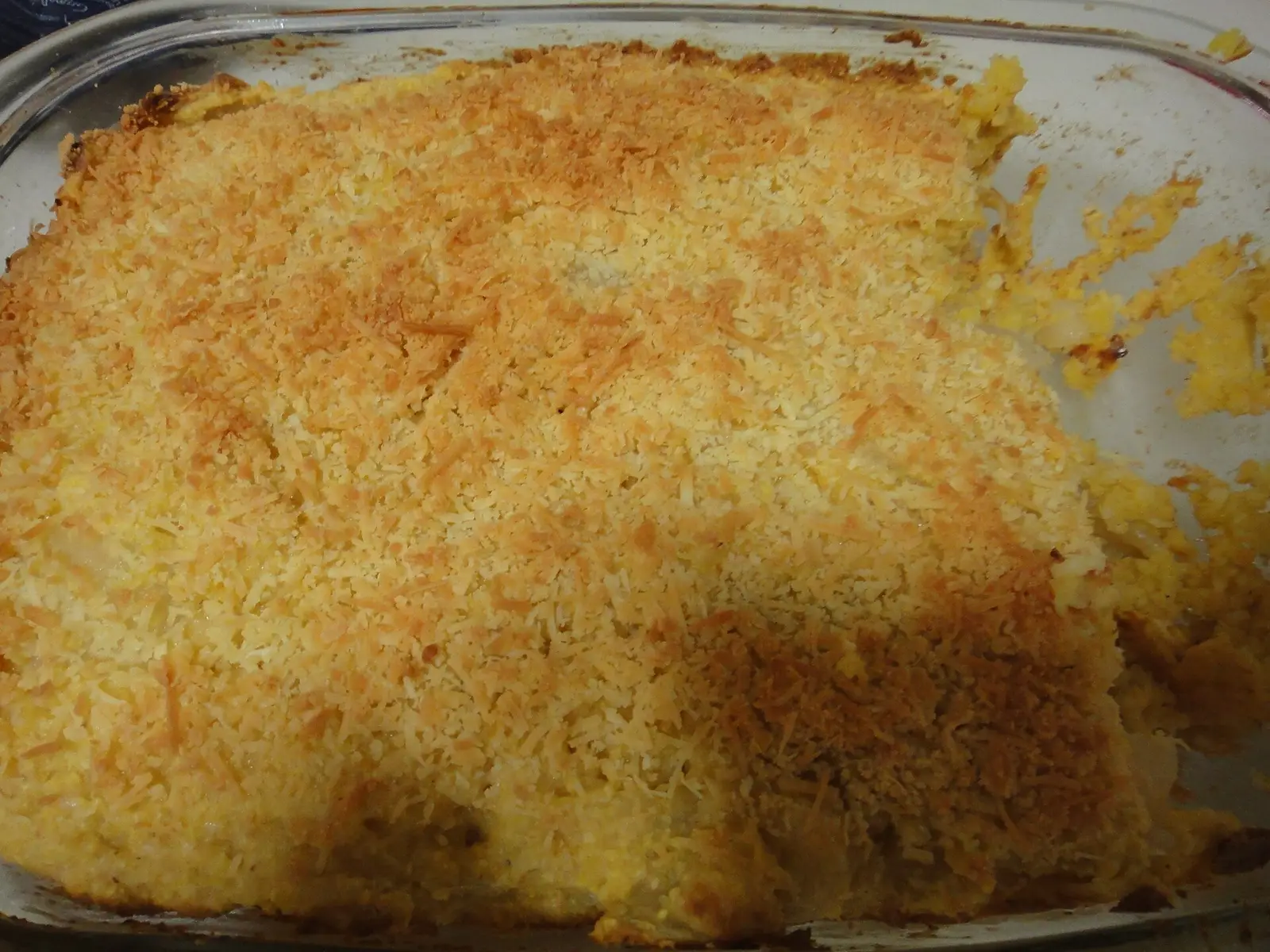
A golden baked sopa paraguaya cornmeal and cheese cake in a glass baking dish with one square cut out Paraguay flag Paraguay 1h 5m
Lunch •Asunción Heritage

Sopa Paraguaya

This sopa paraguaya recipe turns cornmeal, salty Paraguay cheese, onion, milk and eggs into a golden, spongy cake that slices like bread. Despite the name — sopa means soup — there is no broth here: the dish is solid, rich and meant to be cut into squares. One serving is about 180 g.

Comfort & Warmth

A golden, spongy cornmeal and cheese cake — Paraguay’s national dish, baked until the top is crisp and the inside stays soft.

Pairs Well With
Warm squares with grilled meat or a bowl of soup
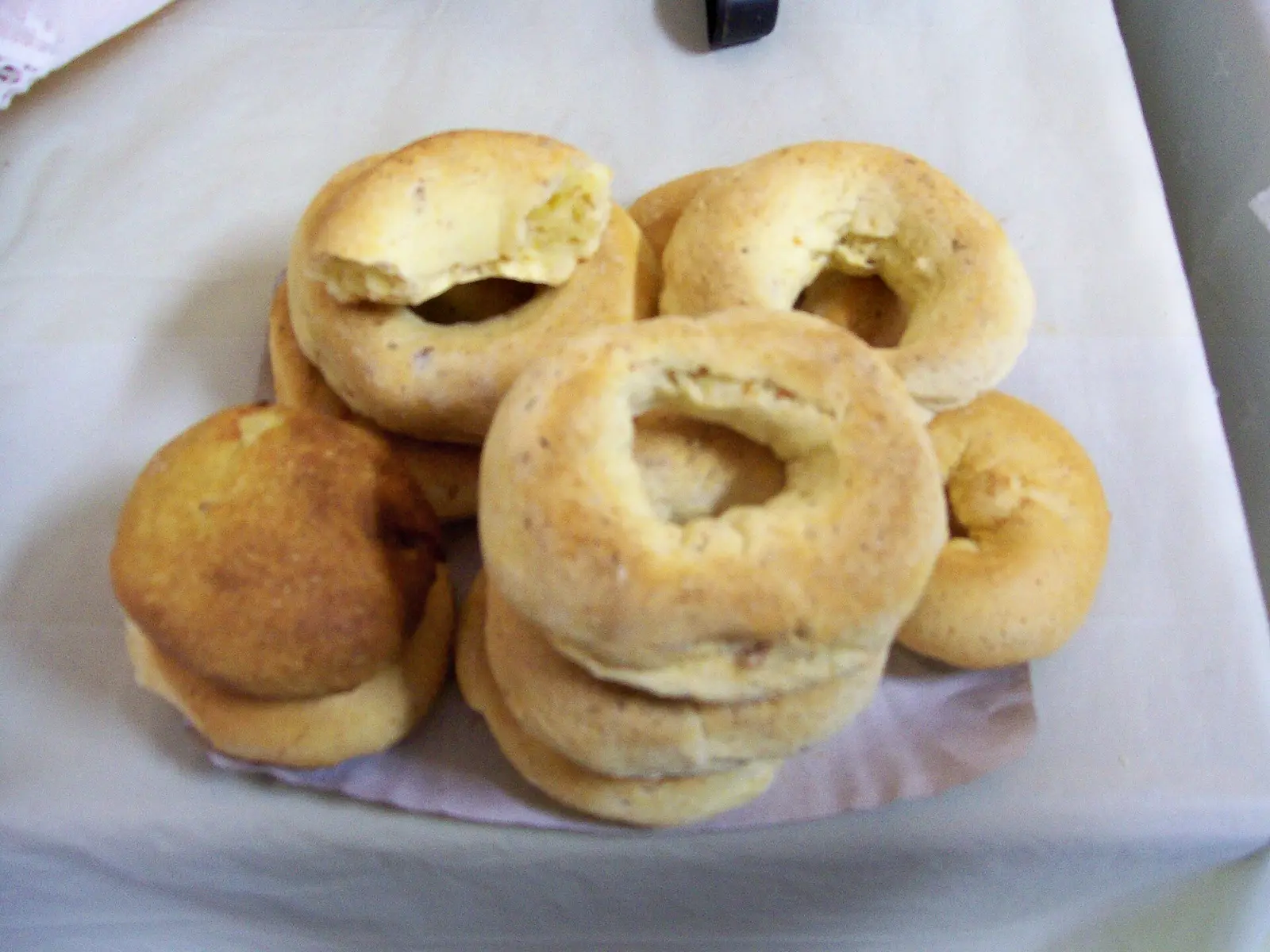
A pile of golden baked chipa cheese bread rings, one broken open to show the soft crumb Paraguay flag Paraguay 50m
Snack & Tea •Paraguayan Heritage

Chipa

This chipa recipe makes 12 golden Paraguayan cheese bread rings from cassava starch, salty cheese, eggs and a pinch of anise. The dough is rolled into ropes, closed into rings and baked until puffed and lightly cracked — crisp on the outside, soft and chewy inside. One serving is about 185 g (two rings).

Snack & Sharing

Small baked cheese bread rings made from cassava starch — crisp outside, chewy inside, best eaten warm.

Pairs Well With
Warm rings with a cup of cocido (mate cocido)
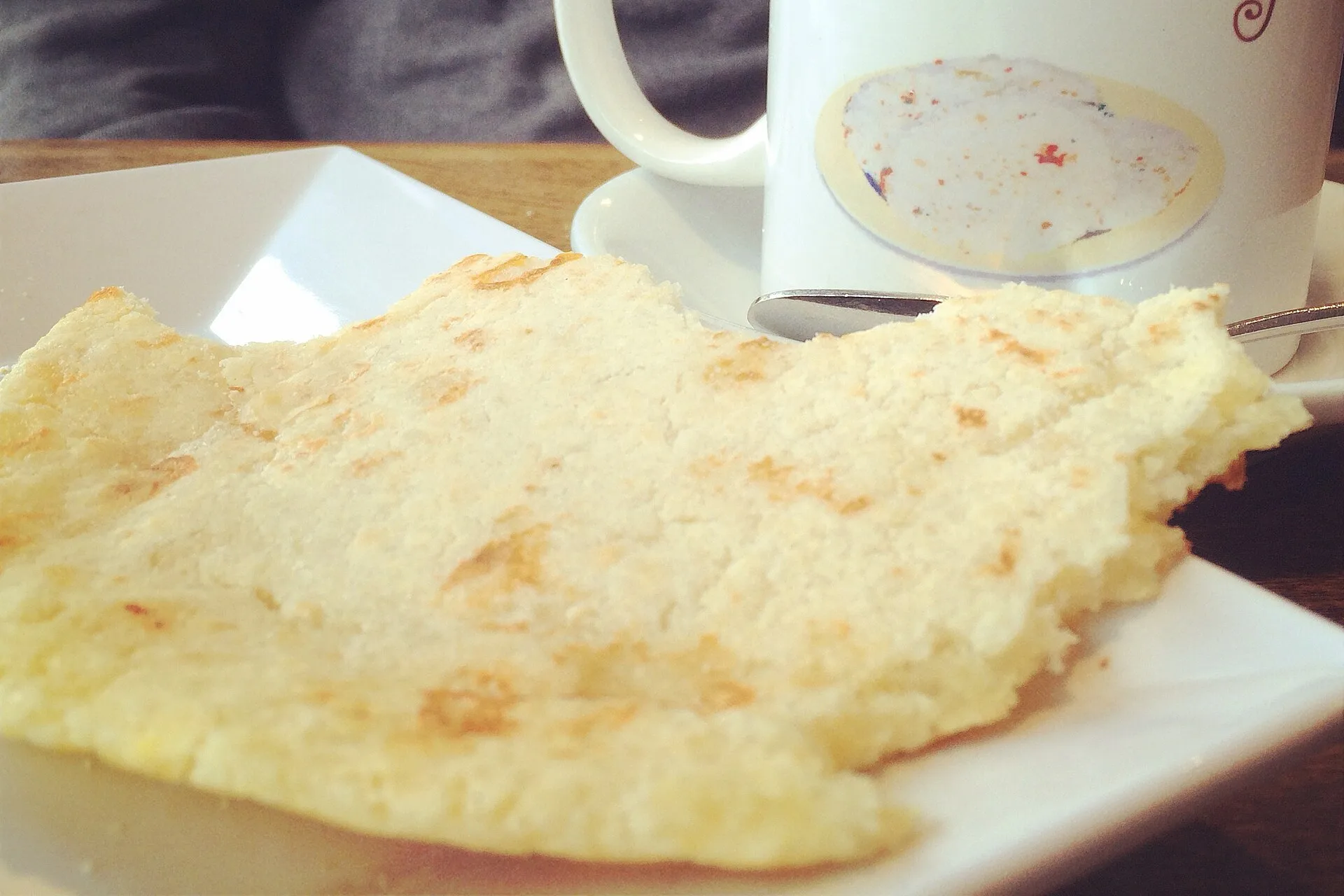
A golden mbejú cassava cheese pancake on a white plate beside a mug of cocido Paraguay flag Paraguay 30m
Snack & Tea •Guaraní Heritage

Mbejú

This mbeju recipe presses cassava starch and cheese into a golden griddled pancake — Paraguay’s classic snack, cooked in a dry pan and flipped once. It shares its two main ingredients with chipa, but the form is entirely different: chipa is kneaded and baked into bread rings, while mbejú stays a crumbly, sandy mixture that is pressed flat in the pan and never sees an oven. One serving is about 215 g (one pancake).

Snack & Sharing

A flat, griddled cassava-starch and cheese pancake — crisp at the edges, soft inside, cooked in a pan, never baked.

Pairs Well With
A warm pancake with a cup of mate cocido
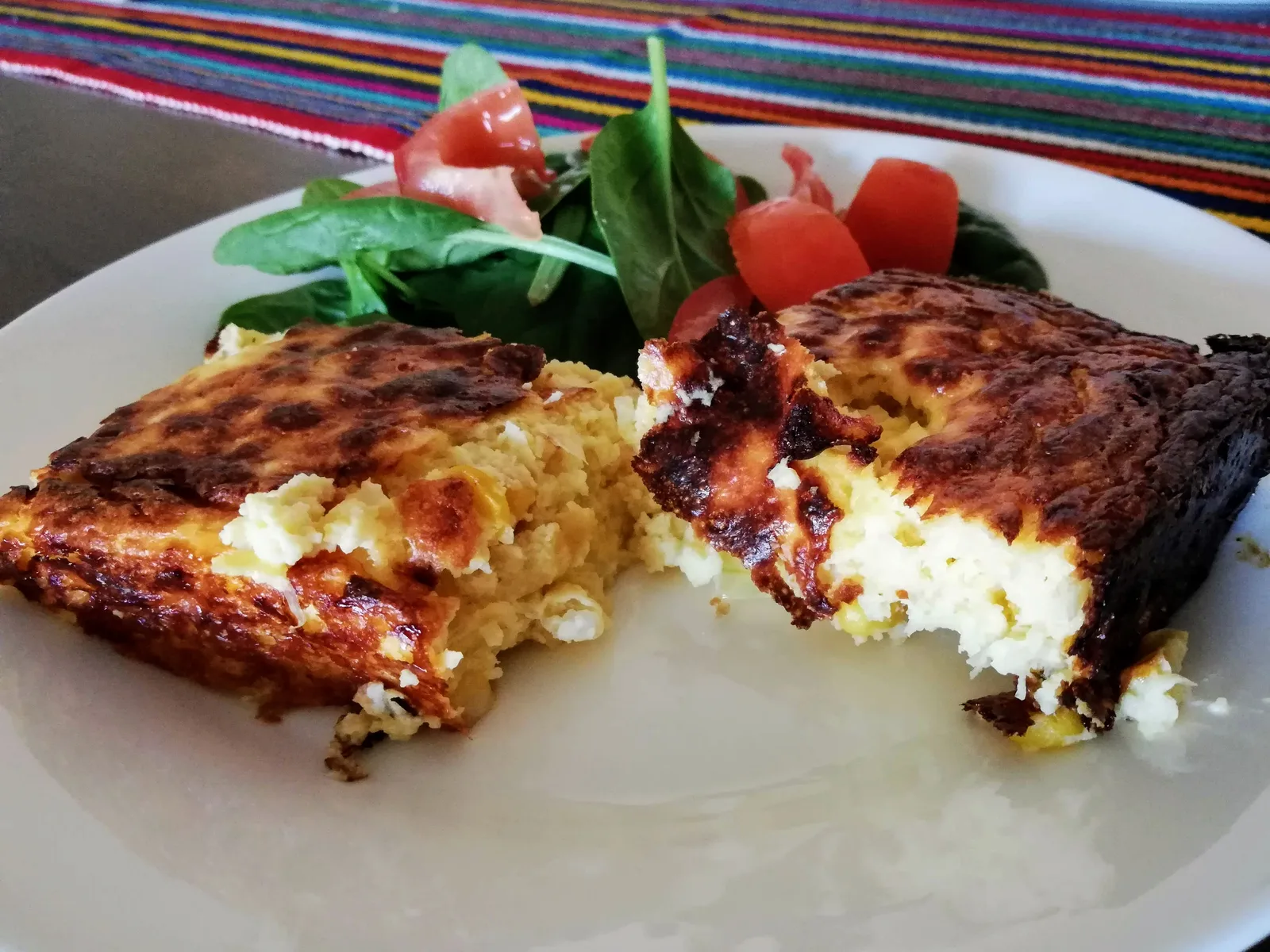
Two golden squares of chipa guasu with a fresh corn and cheese crumb, served with tomato and spinach salad Paraguay flag Paraguay 1h 5m
Lunch •Guaraní Heritage

Chipa Guasu

This chipa guasu recipe blends fresh corn kernels with eggs, milk, onion and salty Paraguay cheese, then bakes the mixture into a golden, moist cake that is cut into squares. It is not sopa paraguaya: chipa guasu is made with whole fresh corn kernels, while sopa paraguaya is made with cornmeal — the two dishes look alike but taste quite different. One serving is about 222 g.

Comfort & Warmth

A golden, moist bake of fresh corn kernels, Paraguay cheese, eggs and milk — the national side dish, served warm in squares.

Pairs Well With
Warm squares of chipa guasu with grilled meat and salad

The Dinner Gazette

Never wonder what’s for dinner again

One email a week with easy dinner ideas from around the world — ingredients, steps and nutrition, tested in our kitchen first.

Delivered every Thursday morning. Unsubscribe anytime.