Curated recipes from 193 countries  •  New seasonal Mediterranean issue out now

Overview

Bunuelos Salvadorenos

Buñuelos con Miel, Salvadoran Fried Dough Balls, Bunuelos with Panela Syrup

This bunuelos salvadorenos recipe turns a simple wheat dough of flour, egg and baking powder into small golden balls, fried crisp and served warm under a cinnamon panela syrup. They are the sweet fritters Salvadoran families fry for Holy Week, Christmas and market afternoons, eaten with coffee or hot chocolate. One serving (two bunuelos with syrup) is about 105 g.

Bunuelos are fried dough with roots in the fritters that Arab cooks brought to Spain, and the recipe travelled with Spanish settlers to the Americas, where each country made it its own. In El Salvador the bunuelo became a small wheat-dough ball, raised with baking powder rather than yeast, fried golden and drowned in miel de panela — a syrup of unrefined cane sugar and cinnamon. They are the sweet fritters of Holy Week and Christmas, fried in big batches for the family table and sold at market stalls with coffee or chilate. They are not the same as nuegados, the Salvadoran yuca fritters: bunuelos are wheat dough, nuegados are grated yuca — two different fritters that share only the syrup.

Pairs well with: Coffee, hot chocolate, or chilate

Provenance

El Salvador flag El Salvador

Salvadoran Heritage

Latin America & Caribbean

Time Dedication

1h

30m prep • 30m cook

Batch Yield

8 Servings

327 kcal per serving

1 serving ≈ 105 g

Technical Skill

Intermediate

Medium (Fried Dough)

Meal Timing & Digestive Fit

Breakfast

Not Advised

Lunch

Inappropriate

Dinner

Inappropriate

Snack & Tea

Ideal Light Bite

Occasions: Holy Week, Christmas, market afternoons, afternoon coffee Cost: Low — about $1–2 per serving at home
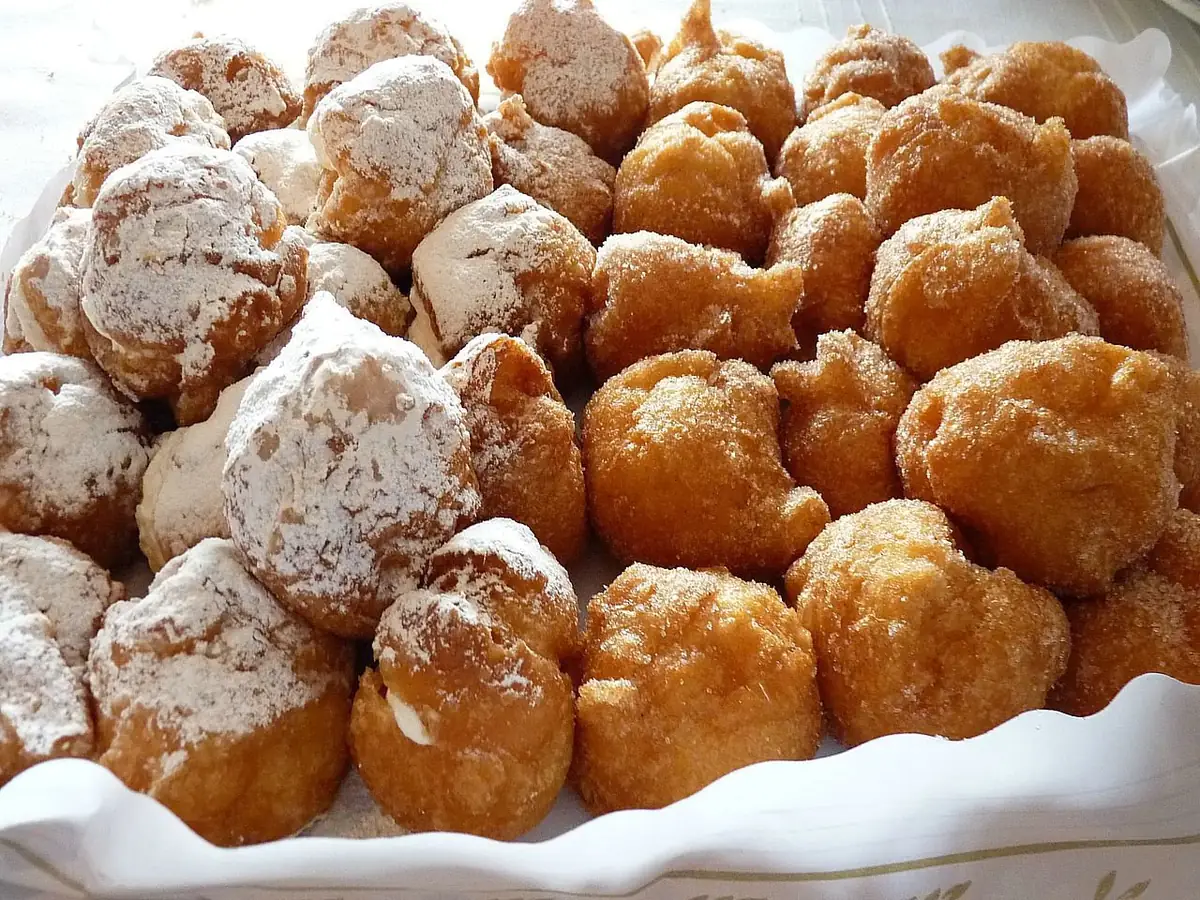
A dish of golden fried bunuelo balls dusted with sugar

Salvadoran Heritage

Photo: Juan Mejuto, CC BY-SA 2.0, via Wikimedia Commons

The Heritage Formulary

Measured Ingredients

Estimated cost: Low — about $1–2 per serving at home (USD)

A true Salvadoran bunuelo is a small, soft wheat-dough ball, fried golden and crisp outside and served warm under a cinnamon panela syrup; nutrition is estimated from USDA values.

Execution Methodology & Culinary Technique

Step-by-Step Cooking Guide

Active 1h
P

Prep Stage: Mix and Rest the Dough

20 Mins • Mixing, Kneading, Resting

Whisk the flour, sugar, baking powder and salt in a large bowl. Beat the eggs with the melted butter, the vanilla and the water, then pour into the flour and stir with a wooden spoon until a soft, slightly sticky dough forms. Knead briefly on a floured surface for 2 to 3 minutes until smooth, cover, and rest for 10 minutes so the dough relaxes and the baking powder starts to work.

Maestro Tip: The dough should be soft and a little sticky, not firm — a stiff dough fries up hard and dense. Add water a spoonful at a time if it feels dry.

  1. 1

    Mix the Dough

    10 Mins Room temperature, about 20–22°C (68–72°F)

    In a large bowl, whisk together the flour, sugar, baking powder and salt. In a separate bowl, beat the eggs with the melted butter, the vanilla and the water. Pour the wet mixture into the flour and stir with a wooden spoon until a soft, slightly sticky dough forms. Knead briefly on a lightly floured surface for 2 to 3 minutes until smooth.

    Mix just until the dough comes together — over-kneading makes tough bunuelos.

    Done when: A soft, smooth dough that holds together without cracking.

  2. 2

    Rest the Dough

    10 Mins Room temperature, about 20–22°C (68–72°F)

    Cover the dough with a clean cloth and rest for 10 minutes. While it rests, grate the panela if you have not already, so the syrup comes together quickly later.

    The rest relaxes the gluten, so the balls roll smoothly instead of springing back.

    Done when: Dough rested and relaxed, easy to roll.

  3. 3

    Make the Panela Syrup

    15 Mins Simmering, about 100°C (212°F)

    Combine the grated panela, the syrup water and the cinnamon stick in a small saucepan. Bring to a gentle boil over medium heat, stirring to dissolve the panela, then lower the heat and simmer for 12 to 15 minutes until it thickens enough to coat the back of a spoon. Strain out the cinnamon stick and set the syrup aside; it thickens more as it cools.

    Do not let the syrup boil hard — it can catch and turn bitter. A lazy simmer is enough.

    Done when: Syrup coats the back of a spoon and drips in a slow ribbon.

  4. 4

    Shape the Balls

    10 Mins Room temperature, about 20–22°C (68–72°F)

    Turn the rested dough onto a lightly floured surface and divide it into 16 equal pieces. Roll each piece between floured hands into a smooth ball about 4 cm across. Keep the balls covered with a cloth as you work so they do not dry out.

    Flour your hands lightly — sticky dough tears, and torn balls soak up oil.

    Done when: 16 smooth, even balls, all roughly the same size.

  5. 5

    Fry Until Golden

    15 Mins Oil at 175–190°C (350–375°F)

    Heat the oil in a deep pot to 175–190°C (350–375°F). Fry 4 or 5 balls at a time for 2 to 3 minutes per side, turning once, until deep golden brown and puffed. Lift out with a slotted spoon and drain on paper towels. Let the oil come back to temperature between batches.

    Oil that is too cool makes greasy bunuelos; oil that is too hot burns them before the inside cooks. A thermometer takes the guesswork out.

    Done when: Deep golden, puffed balls, crisp outside and cooked through inside.

  6. 6

    Serve with Syrup

    5 Mins Serve warm, above 60°C (140°F)

    Pile the warm bunuelos in a bowl and drizzle generously with the cinnamon panela syrup, or serve the syrup in a small jug at the table so everyone pours their own. Eat them warm, while the outside is still crisp and the syrup is still runny.

    Bunuelos go soft as they cool, so fry the last batch just as everyone sits down.

    Done when: Warm, crisp fritters, glossy with syrup.

Finishing Touches & Plating

Serve the bunuelos salvadorenos warm and crisp, piled in a bowl and glossed with the cinnamon panela syrup — soft, golden dough balls with a crackling edge, made for coffee, Holy Week and festive afternoons.

Nutritional Physiology & Benefits

Nutrition

Energy

327

kcal / serving

Protein

6g

Complete AA

Carbs

52g

Complex

Fats

11g

Healthy

Per serving (8 servings · 1 serving ≈ 105 g)
Energy327 kcal
Protein6 g
Carbohydrates52 g
Fat11 g
Fibre1.0 g
Sugar23.4 g
Sodium276 mg
Per 100g
Energy311 kcal
Protein5.2 g
Carbohydrates49.9 g
Fat10.1 g
Fibre1 g
Sugar22.3 g
Sodium263 mg

Nutrition values are estimated — calculated from USDA FoodData Central values for the listed ingredients.

Vitamins & minerals: B vitamins and a little iron from the flour and egg, and small amounts of calcium from the butter. Nutrition is estimated.

Quick Energy from Carbohydrates

About 52.4 g of carbohydrate per serving from the flour, sugar and panela syrup — a quick, satisfying sweet snack.

Made from Scratch

Made from scratch with flour, egg, butter and baking powder, fried fresh at home, with a syrup you make from panela and cinnamon.

Traditional Panela Sweetener

The cinnamon panela syrup is the traditional Salvadoran sweetener — unrefined cane sugar with the warm spice of cinnamon.

Food Pairings

What to Eat With

To optimize nutrient absorption and elevate the sensory depth, pair with these authentic accompaniments:

Drinks

Black Coffee

A strong black coffee cuts the sweetness of the panela syrup and makes the fritters work as an afternoon snack all year round.

Hot Chocolate

Thick hot chocolate is the festive partner at Christmas — sweet drink against sweet fritter, with the cinnamon cutting through both.

Chilate

Chilate, the Salvadoran toasted-corn drink, is the traditional partner for nuegados and bunuelos at market stalls — its earthy warmth balances the syrup.

Full Menus

As a Festive Snack

Put the bunuelos at the centre of a festive afternoon table with coffee, hot chocolate and fruit — the classic Salvadoran Holy Week and Christmas spread.

Complete menu

Serve the bunuelos warm as a festive afternoon snack with black coffee and fresh fruit, after a light lunch and before the evening meal.

Digestive Guardrails

What NOT to Combine

To prevent digestive distress, sluggishness, or palate clash, avoid pairing the dish with these elements:

Do Not Fry in Oil That Is Too Cool

Oil below about 170°C (340°F) soaks into the dough and leaves greasy, heavy bunuelos. Keep the oil at 175–190°C (350–375°F) and let it come back to temperature between batches. This is general food information, not medical advice.

Do Not Crowd the Pot

Dropping too many balls at once drops the oil temperature and the bunuelos stick together and cook unevenly. Fry 4 or 5 at a time and give them room to float. This is general food information, not medical advice.

General information only, not medical advice — consult a doctor for personal dietary decisions.

Who Should Eat It

Who Should Eat

  • General adultsA sweet festive snack — two bunuelos with syrup is a generous portion, so enjoy them warm as a treat.
  • ChildrenChildren love them, but the syrup is hot and the centres are steamy — cut one open first and let them cool for a minute.
  • ElderlySoft inside and easy to chew; serve warm and watch the sugar if blood sugar is a concern.
  • Pregnant womenFine as an occasional snack — the egg is cooked through in the hot oil and the dough is fully set. Ask your clinician if you are watching sugar.
  • Breastfeeding womenFine as an occasional snack; the egg and butter make it filling and satisfying.
  • AthletesA handy sweet, energy-rich snack with about 52.4 g of carbohydrate per serving, best eaten with fruit or a drink for balance.
  • Weight gainEasy to enrich: take three bunuelos and add a glass of hot chocolate.
  • Weight lossAt about 327 kcal a serving it is a heavy snack; take one bunuelo and skip the second helping.

Health Conditions — Adjust or Avoid

Conditions

  • DiabetesAbout 52.4 g of carbs and 23.4 g of sugar per serving from the flour, sugar and panela syrup. Keep to one bunuelo with less syrup. Ask your clinician about portion size.
  • High blood pressureAbout 276 mg of sodium per serving, mostly from the baking powder and salt. Keep the portion small. Ask your clinician about your sodium target.
  • Kidney diseaseModerate in protein and potassium from the egg and panela, so it may not suit a restricted diet. Ask your clinician before making it a regular food.
  • GoutLow in purines, but fried sweet food eaten often can still be a problem. Keep it an occasional treat and ask your clinician if flare-ups are frequent.
  • Stomach issuesFried sweet dough is rich and can bother a sensitive stomach; eat a small portion and avoid eating them late at night. Ask your clinician if symptoms persist.
  • Cardiovascular diseaseFried dough with butter and syrup is high in saturated fat and sugar. Keep the portion small and balance the rest of the day. Ask your clinician about fitting it into your eating plan.
  • Fatty liverA fried, sugary snack — best kept for special occasions, with one bunuelo instead of two. Ask your clinician for personal guidance.
  • Food allergiesContains gluten (wheat flour), milk (butter) and egg. The syrup contains no nuts, but check your panela label.
  • Special therapeutic dietsNot suitable for a gluten-free, dairy-free or egg-free diet as written; the egg and the wheat dough are the whole point. Ask your clinician or dietitian about your specific plan.

If you have a medical condition, consult your doctor before changing your diet.

Storage & Use

Storage & Use

How to store
Cool completely, then store in an airtight container lined with paper towel; store the syrup separately in a jar.
In the fridge
2 days in an airtight container; the syrup keeps 2 weeks in the fridge.
In the freezer
Up to 1 month, fried and cooled, without syrup; reheat from frozen in the oven.
How to reheat
Reheat in a 180°C (350°F) oven for 8 to 10 minutes until crisp and hot through, at least 74°C (165°F) in the centre. Warm the syrup gently in a small pan. Do not microwave — they go soggy.
Freezing recommended
Yes, fried and cooled, without syrup.
Signs it has spoiled
Sour smell, a slimy surface, or mould — discard, do not taste to check.

More recipes to explore

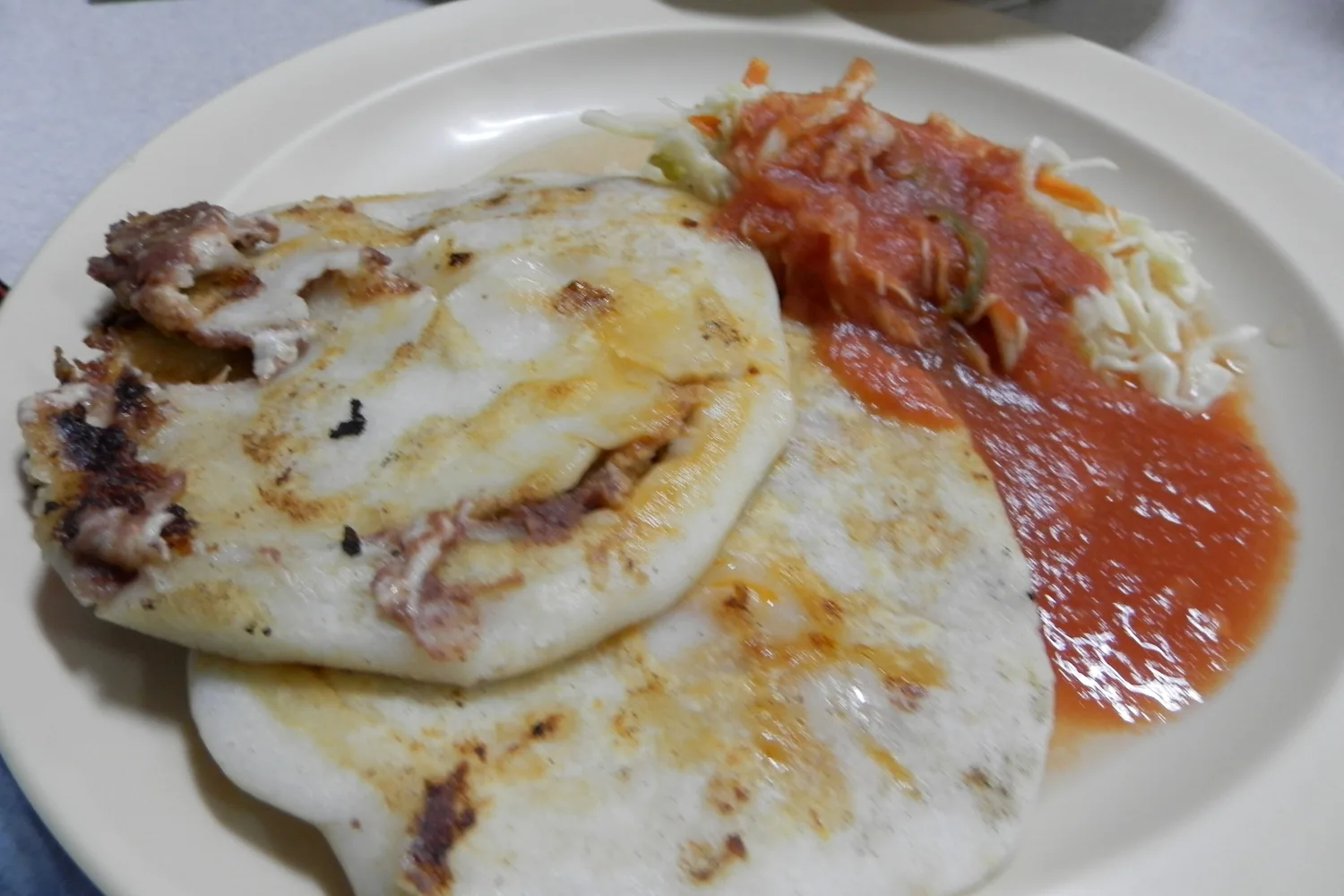
Two golden griddled pupusas on a plate with curtido cabbage slaw and red tomato salsa, melted cheese showing at the edge El Salvador flag El Salvador 1h 15m
Lunch •San Salvador Heritage

Pupusas

This pupusas recipe makes the stuffed corn cakes El Salvador is known for: soft nixtamalized masa wrapped around a molten filling of seasoned pork, refried beans and quesillo-style cheese, then griddled until the outside is golden and speckled and the cheese runs when you bite in. They are eaten hot, straight off the comal, with a pile of tangy curtido cabbage slaw and tomato salsa on the side. One serving is two pupusas, about 330 g.

Comfort & Warmth

El Salvador's national dish: thick corn masa cakes stuffed with pork, beans and melted cheese, griddled on a hot comal and served with curtido.

Pairs Well With
Curtido (pickled cabbage slaw) and salsa roja, with a cold horchata or tamarind drink on the side.
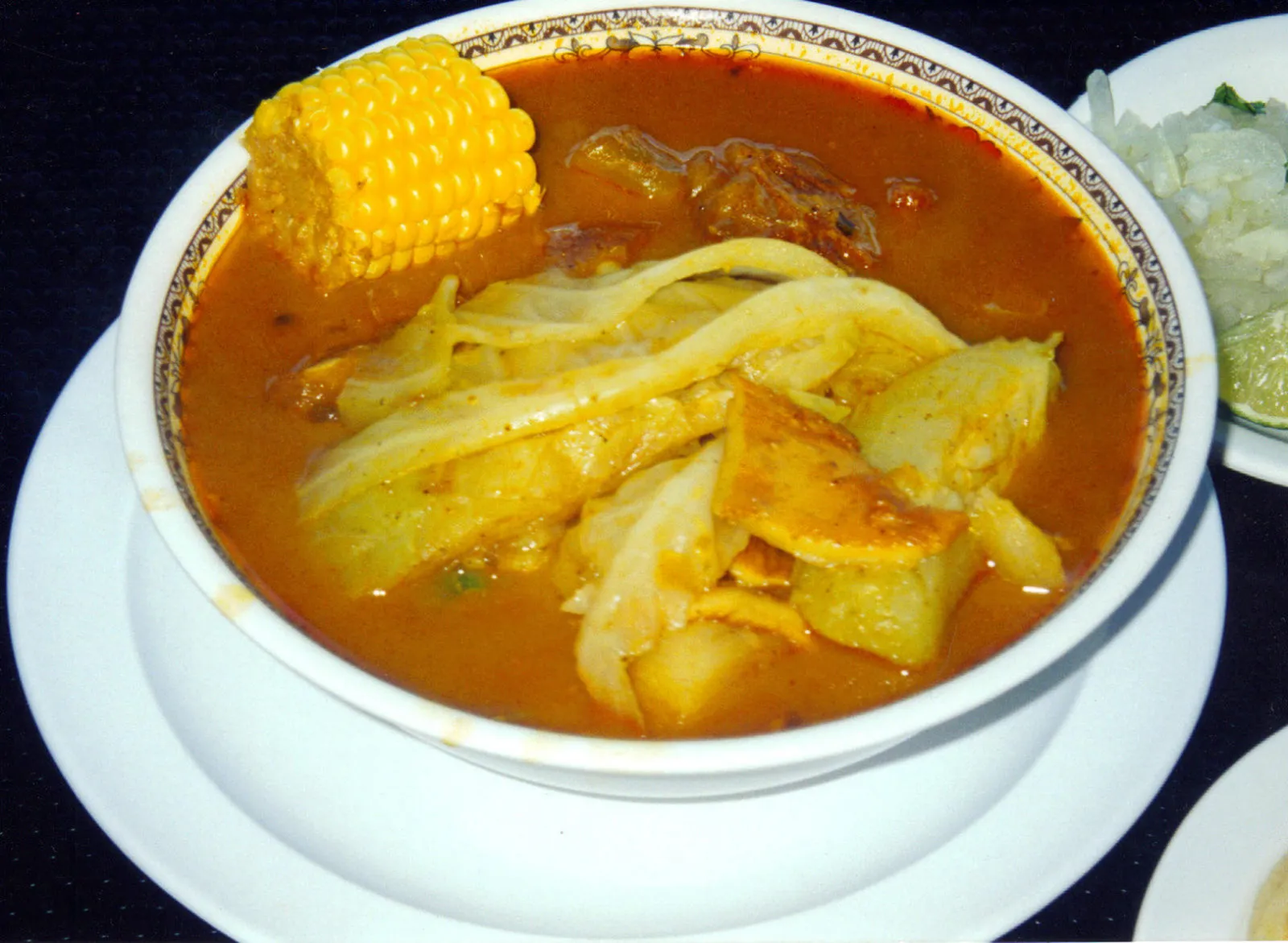
A bowl of sopa de pata, orange-red achiote broth with corn on the cob, cabbage and chunks of yuca El Salvador flag El Salvador 4h 5m
Lunch •Salvadoran Heritage

Sopa de Pata

This sopa de pata recipe is El Salvador's most famous soup: cow's feet and tripe simmered for hours until the broth turns rich and gelatinous, then loaded with yuca, chayote, corn, green plantain and cabbage, and coloured a warm orange-red with achiote. It is a weekend lunch in Salvadoran homes, served steaming hot with lime wedges and warm tortillas for squeezing and scooping. One serving is about 640 g, soup and vegetables together.

Comfort & Warmth

El Salvador's slow-simmered cow's foot and tripe soup, thick with yuca, corn and chayote in a red achiote broth.

Pairs Well With
Warm corn tortillas and lime wedges, with a little chopped onion and cilantro on the side.
Soups & Broths
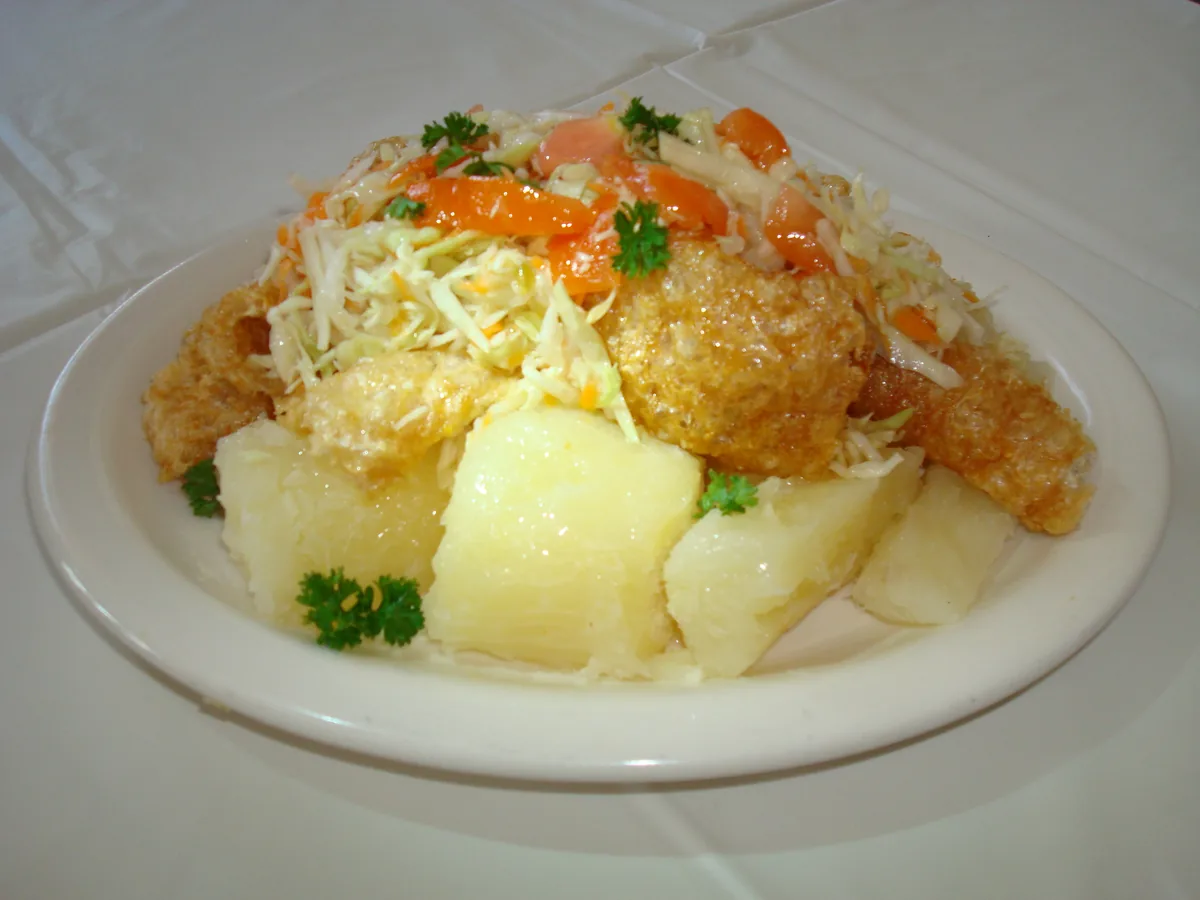
A plate of yuca con chicharron — boiled cassava chunks topped with golden crispy pork cracklings and shredded cabbage, carrot and tomato slaw El Salvador flag El Salvador 1h 35m
Lunch •Salvadoran Street-Food Classic

Yuca con Chicharrón

This yuca con chicharron recipe is the Salvadoran street-food plate: cassava boiled until soft and fluffy, topped with pork belly simmered until tender and then fried crisp in its own fat, with tangy curtido cabbage slaw and fresh tomato salsa on the side. It is the same trio of yuca, chicharron and cabbage slaw that is sold from market stalls across El Salvador. One serving is about 590 g.

Comfort & Energy

Tender boiled cassava with crisp fried pork, tangy curtido and fresh tomato salsa — a filling Salvadoran street-food plate.

Pairs Well With
Warm corn tortillas, fried plantains and a cold horchata or limeade
Two Salvadoran chicken tamales on a plate, one unwrapped from its banana leaf showing soft golden masa El Salvador flag El Salvador 3h 30m
Dinner •Salvadoran Heritage

Tamales de Gallina

This tamales de gallina recipe makes soft Salvadoran chicken tamales the traditional way: a pre-cooked corn masa spread on banana leaves, wrapped around shredded chicken, potato, chickpeas, olives and capers, then steamed until tender. One serving (two tamales) is about 458 g. The banana leaf gives the masa a gentle, grassy scent that corn husks never quite match.

Hearty & Festive

A filling, protein-rich festive main built around corn masa, chicken and vegetables.

Pairs Well With
Serve warm with curtido, the Salvadoran pickled cabbage slaw, and a mild tomato salsa.

The Dinner Gazette

Never wonder what’s for dinner again

One email a week with easy dinner ideas from around the world — ingredients, steps and nutrition, tested in our kitchen first.

Delivered every Thursday morning. Unsubscribe anytime.