Curated recipes from 193 countries  •  New seasonal Mediterranean issue out now

Overview

Butter Naan

Naan, Buttered Naan

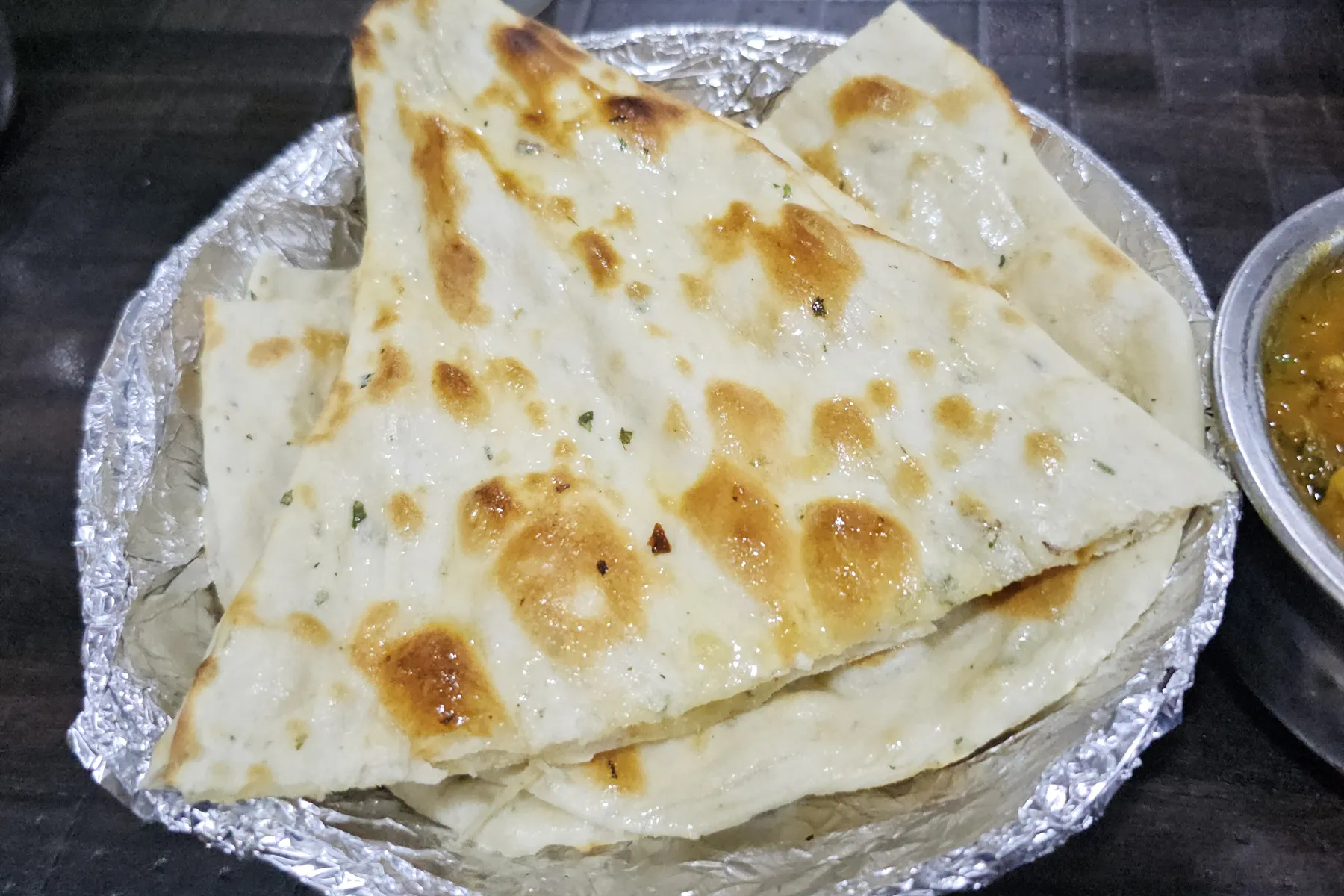
This butter naan recipe makes eight soft, puffed flatbreads with golden-brown blisters and a glossy butter finish. Unlike unleavened chapati, which is rolled flat and griddled, naan is a leavened bread: yeast and yoghurt lift the dough, and fierce oven heat — the home stand-in for a clay tandoor — makes it puff and blister in minutes. Brush it with melted butter the moment it comes out, and tear it open while it is still steaming. One serving is about 220 g (two naans).

The word naan comes from Persian nan, meaning bread. Leavened bread slapped onto the walls of a clay tandoor travelled into North India with Persian and Central Asian cooks and became a fixture of Mughal Delhi's kitchens, where the tandoor's fierce heat gave the bread its puff and blistered spots. Today it is the bread most diners order with a curry, in India and in Indian restaurants around the world.

Pairs well with: Serve hot with butter chicken, dal makhani or any saucy curry, plus cucumber raita and a mango lassi.

Provenance

India flag India

North India Heritage

East & South Asia

Time Dedication

2h 15m

115m prep • 20m cook

Batch Yield

4 Servings

627 kcal per serving

1 serving ≈ 220 g

Technical Skill

Intermediate

Medium (Yeast Dough & Hot Oven)

Meal Timing & Digestive Fit

Breakfast

Not Advised

Lunch

Hearty Midday Main

Dinner

Ideal Hearty Main

Snack & Tea

Inappropriate

Occasions: Family dinners, weekend cooking, curry nights, celebrations, everyday meals with curry or dal Cost: Low — about $1 per serving at home
Folded butter naan with golden-brown blisters and a glossy butter sheen, served in a foil-lined basket

North India Heritage

Photo: Ganesh Mohan T, CC BY-SA 4.0, via Wikimedia Commons

The Heritage Formulary

Measured Ingredients

Estimated cost: Low — about $1 per serving at home (USD)

A true butter naan puffs up in fierce heat, blisters golden-brown, and stays soft and chewy inside — brushed with butter the moment it leaves the oven.

Execution Methodology & Culinary Technique

Step-by-Step Cooking Guide

Active 2h 15m
P

Prep Stage: Wake the Yeast, Knead and Rise the Dough

115 Mins • Mixing, Kneading & Rising

Stir the yeast and sugar into the warm water and wait until it foams, then mix it with the flour, salt, yoghurt and oil and knead into a soft, smooth dough. Cover and leave it in a warm place for 90 minutes until doubled in size — that rise is what makes naan a leavened bread, puffed and airy, instead of a flat unleavened chapati.

Maestro Tip: The dough should feel soft and slightly tacky, like an earlobe. If it sticks to your hands, dust with a little flour; if it cracks, add water a teaspoon at a time. Water hotter than 45°C (113°F) kills the yeast, so keep it warm, not hot.

  1. 1

    Wake the Yeast

    10 Mins Warm water, ~40°C (104°F)

    Pour 240 ml of warm water into a jug, stir in the sugar, then sprinkle the yeast over the top. Leave it for 10 minutes until it turns foamy and smells yeasty. This is the leavening that will make the naan puff in the oven — if nothing foams, the yeast is dead and the dough will stay flat, so start again with a fresh packet.

    Foam is the proof the yeast is alive. No foam after 10 minutes means the water was too hot or the yeast too old.

    Done when: A thick layer of foam covers the surface of the water.

  2. 2

    Mix and Knead the Leavened Dough

    15 Mins Room temperature, ~22°C (72°F)

    Sift 500 g of flour with the salt into a large bowl. Add the yoghurt, the oil and the foamy yeast water, and mix with your hand until a shaggy dough forms. Turn it onto a clean surface and knead for 8–10 minutes until it is soft, smooth and elastic and springs back slowly when pressed.

    Knead until the dough stops tearing when you stretch it — that stretch is the gluten that will trap the yeast gas and puff the naan.

    Done when: The dough is smooth, soft and springs back slowly when pressed.

  3. 3

    Let the Dough Rise

    90 Mins Warm spot, ~28°C (82°F)

    Shape the dough into a ball, brush it lightly with oil, cover the bowl with a clean cloth or cling film and leave it in a warm place for 90 minutes until it has doubled in size. This long, slow rise is the heart of naan: the yeast and the yoghurt work together to fill the dough with gas, so that in the fierce heat of the oven it balloons and blisters. An unleavened chapati never rises like this, and a pan-fried paratha never puffs like this — the rise is what makes naan naan.

    A switched-off oven with the light on is a perfect warm spot. In a cold kitchen the rise can take 2 hours — judge by size, not by the clock.

    Done when: The dough has doubled and a pressed finger leaves a dent that fills back slowly.

  4. 4

    Shape the Teardrops

    10 Mins Room temperature, ~22°C (72°F)

    Knock the risen dough back gently and divide it into 8 equal pieces. Roll each piece into a ball, then roll or stretch it by hand into a teardrop about 25 cm long and 3–4 mm thick, thinner in the middle and slightly thicker at the edges. Sprinkle with nigella seeds and press them in lightly. Keep the rest covered while you work so the dough does not dry out.

    Stretch by hand rather than forcing the rolling pin — hand-stretching keeps the air in the dough, and that air is what puffs in the oven.

    Done when: Eight thin teardrops, even and supple, with seeds pressed in.

  5. 5

    Bake Blistered-Hot Like a Tandoor

    20 Mins 250°C (480°F)

    Put a baking stone, a baking steel or an upturned heavy baking tray in the oven and heat it to 250°C (480°F) for at least 30 minutes — the stone stands in for the blazing wall of a clay tandoor, and it must be fiercely hot before the naan touches it. Lay two naans on the hot stone and bake for 3–4 minutes until they puff up like balloons and blister golden-brown. No tandoor, no stone? Use a cast-iron skillet on high heat instead: cook each naan for 2 minutes per side until puffed and blistered. Either way, this is baking in fierce dry heat, not griddle-frying in oil — that is the line between naan and chapati or paratha.

    Do not open the oven to peek in the first 2 minutes — the puff collapses if the heat escapes. Work in batches and keep the oven door shut.

    Done when: Each naan is puffed, blistered and golden-brown in patches, with a soft chewy crumb inside.

  6. 6

    Brush with Butter and Serve

    5 Mins Serve hot, ~60°C (140°F)

    The moment a naan leaves the oven, brush it generously all over with the melted butter — the hot bread drinks it in and turns glossy, and that butter sheen is what makes it butter naan. Stack the finished naans under a clean cloth so they stay soft and warm, and serve straight away, two per person, torn open while they are still steaming.

    Butter the naans while they are hot, not after they cool — cold bread will not absorb the butter and the shine never comes.

    Done when: The naans are glossy with butter, warm, soft and pliable.

Finishing Touches & Plating

Serve the naans hot from the cloth-covered stack, two per person, with a saucy curry to tear and scoop with. Brush on any butter left in the bowl before the basket reaches the table.

Nutritional Physiology & Benefits

Nutrition

Energy

627

kcal / serving

Protein

15g

Complete AA

Carbs

100g

Complex

Fats

18g

Healthy

Per serving (4 servings · 1 serving ≈ 220 g)
Energy627 kcal
Protein15 g
Carbohydrates100 g
Fat18 g
Fibre3.8 g
Sugar4.2 g
Sodium890 mg
Per 100g
Energy285 kcal
Protein6.7 g
Carbohydrates45.5 g
Fat8.2 g
Fibre1.7 g
Sugar1.9 g
Sodium405 mg

Nutrition values are estimated — calculated from USDA FoodData Central values for the listed ingredients.

Vitamins & minerals: Enriched white flour supplies iron, thiamin, riboflavin, niacin and folate; yoghurt adds calcium and vitamin B12; butter adds vitamin A. Nutrition is estimated.

Steady Energy for Dinner

Two naans give about 100 g of carbohydrate per serving — the slow, steady fuel that makes a curry dinner feel complete.

Vegetarian and Simple

Flour, water, yoghurt, yeast and butter make a plain vegetarian bread that turns any curry or dal into a full meal.

Yoghurt and Yeast in the Dough

The yoghurt adds a gentle tang and calcium, and the yeast fermentation is what lifts the dough so the naan bakes soft and airy instead of flat.

Food Pairings

What to Eat With

To optimize nutrient absorption and elevate the sensory depth, pair with these authentic accompaniments:

Sides

Butter Chicken

The classic partner: soft, butter-brushed naan is made for scooping up the creamy tomato sauce, and its mild yeasty flavour lets the butter and tomato shine.

Dal Makhani

Slow-cooked black lentils and warm naan are the North Indian restaurant pairing — the bread soaks up the rich dal and the two together make a complete vegetarian dinner.

Vegetables

Cucumber Raita

Cool yoghurt, cucumber and a pinch of salt cut through the warm, buttery bread and refresh the palate between bites of curry.

Drinks

Mango Lassi

A cold, sweet mango lassi cools the mouth after hot, buttery naan and rounds off the meal the way Indian restaurants have served it for decades.

Complete menu

Two warm butter naans with butter chicken or dal makhani, a spoonful of cucumber raita and a mango lassi — the classic North Indian restaurant dinner plate.

Digestive Guardrails

What NOT to Combine

To prevent digestive distress, sluggishness, or palate clash, avoid pairing the dish with these elements:

A Second Starchy Staple in the Same Meal

Naan with rice or with a second bread in the same sitting doubles the starch on the plate and can leave the meal heavy and hard to finish. Choose one staple per meal. This is general guidance, not medical advice.

Baking in an Oven That Is Not Hot Enough

A lukewarm oven will not puff the dough — the naan stays flat, pale and dry instead of blistered and soft. The stone or tray must be at 250°C (480°F) before the first naan goes in, so the yeast gas expands fast and the surface blisters.

General information only, not medical advice — consult a doctor for personal dietary decisions.

Who Should Eat It

Who Should Eat

  • General adultsA satisfying dinner bread — two naans with a curry make a complete meal.
  • ChildrenVery suitable — soft, mild and easy to tear and chew. Serve with a mild curry and keep the butter light.
  • ElderlyVery suitable — soft and easy to chew, especially served warm and fresh from the oven.
  • Pregnant womenGenerally suitable; the carbohydrate and iron from enriched flour support energy needs. Keep portions moderate.
  • Breastfeeding womenGenerally suitable; the carbs help meet the extra energy needs of breastfeeding — eat a satisfying portion with dal or curry.
  • AthletesA good pre-training carbohydrate base: eat two naans with dal 2–3 hours before exercise.
  • Weight gainA good choice — take an extra naan and brush it well with butter.
  • Weight lossEnergy-dense, so keep to one naan and load the plate with salad and vegetables instead of a second one.

Health Conditions — Adjust or Avoid

Conditions

  • DiabetesWhite flour has a high glycaemic index — keep to one naan and pair it with dal or vegetables rather than a second one, and ask your clinician about portion size.
  • High blood pressureMost of the sodium comes from the added salt and the salted butter; season the dough lightly and ask your clinician about a suitable portion.
  • Kidney diseaseKeep the portion modest — the bread is low in potassium, but the salty curries it is usually eaten with may not be; ask your clinician about portion size.
  • GoutUsually fine in a modest portion — white flour and yoghurt are low in purines.
  • Stomach issuesUsually gentle when fresh and soft, but the butter can trouble a sensitive stomach — eat it warm with a mild dal and keep the butter light.
  • Cardiovascular diseaseA reasonable choice in moderation — it is vegetarian, but the butter is high in saturated fat, so brush it lightly and ask your clinician if unsure.
  • Fatty liverKeep the portion to one naan, brush the butter lightly, and favour vegetable sides over extra bread.
  • Food allergiesContains wheat (gluten) and milk (yoghurt and butter). Not suitable for coeliac disease, wheat allergy or milk allergy. The recipe contains no egg or nuts.
  • Special therapeutic dietsIf you follow a prescribed low-sodium or low-carbohydrate diet, use less salt and unsalted butter and a smaller portion, and check with your clinician.

If you have a medical condition, consult your doctor before changing your diet.

Storage & Use

Storage & Use

How to store
Cool completely, then stack with paper between layers in an airtight container or sealed bag.
In the fridge
3 days.
In the freezer
2 months (cooked, wrapped well in foil and a sealed bag).
How to reheat
Reheat in a hot oven at 200°C (400°F) for 2–3 minutes, or in a dry pan over medium heat, until hot through; reheat to 74°C (165°F). Brush with a little melted butter after reheating. Avoid the microwave — it makes them tough.
Freezing recommended
Yes — cooked naans freeze well for up to 2 months.
Signs it has spoiled
Sour smell, stiff or slimy texture, or mould.

More recipes to explore

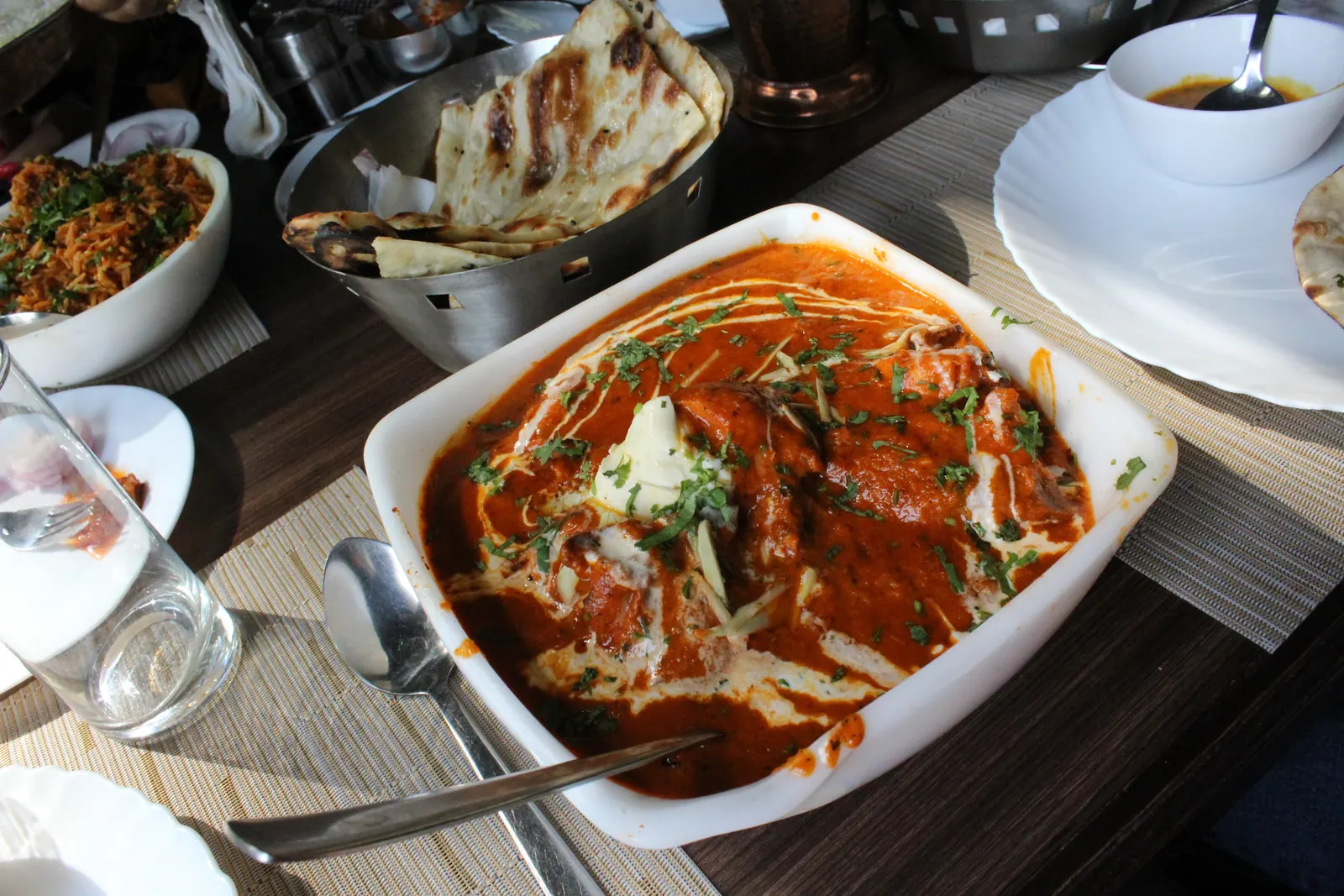
A bowl of creamy orange-red butter chicken with a swirl of cream, a pat of butter and fresh cilantro, with garlic naan behind it India flag India 1h 5m
Dinner •Delhi Heritage

Butter Chicken

Charred, yogurt-marinated chicken simmers in a velvety sauce of tomatoes, butter, cashews and cream, finished with dried fenugreek and a swirl of cream. This butter chicken recipe is mild rather than fiery, so the sweetness of the tomatoes and the richness of the butter come through in every spoonful. One serving is about 370 g.

Comfort & Warmth

Tandoori-style chicken folded into a silky tomato, butter and cream sauce — rich, mild and deeply satisfying.

Pairs Well With
Butter naan, basmati rice & cucumber raita
High Protein
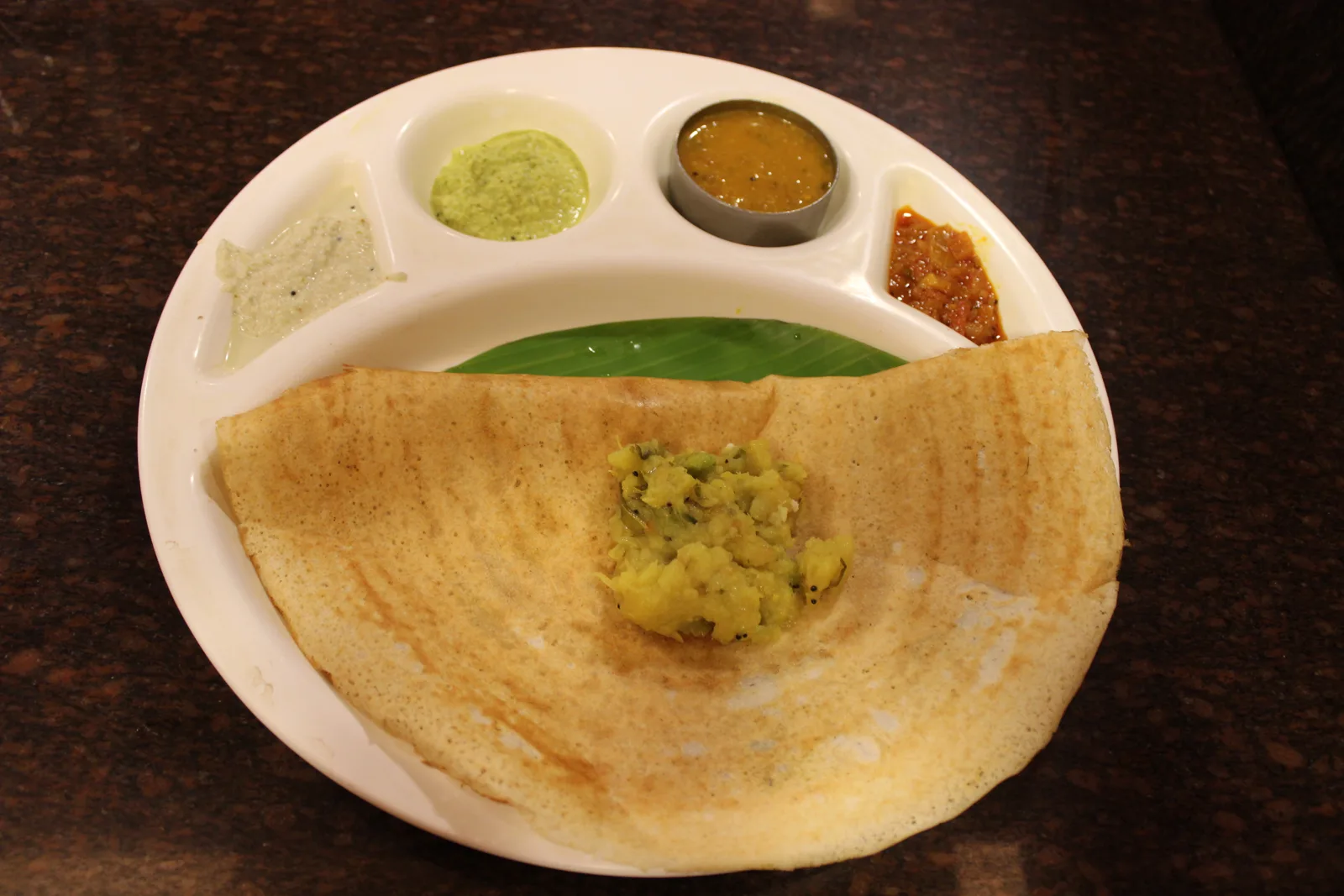
A golden folded masala dosa with spiced potato filling, served with coconut chutney, sambar and tomato chutney on a plate India flag India 1h 10m
Breakfast •South Indian Heritage

Masala Dosa

A masala dosa recipe for a golden, shatteringly crisp crepe made from a fermented rice and urad dal batter, folded around a soft, turmeric-yellow potato masala. One serving is about 285 g. The batter ferments for 8-12 hours overnight, so start the day before; the hands-on cooking takes about 70 minutes.

Hearty Breakfast

A filling breakfast built on a fermented rice and lentil batter with a warmly spiced potato centre.

Pairs Well With
Serve hot with coconut chutney and sambar for dipping.
Fermented / Gut Health
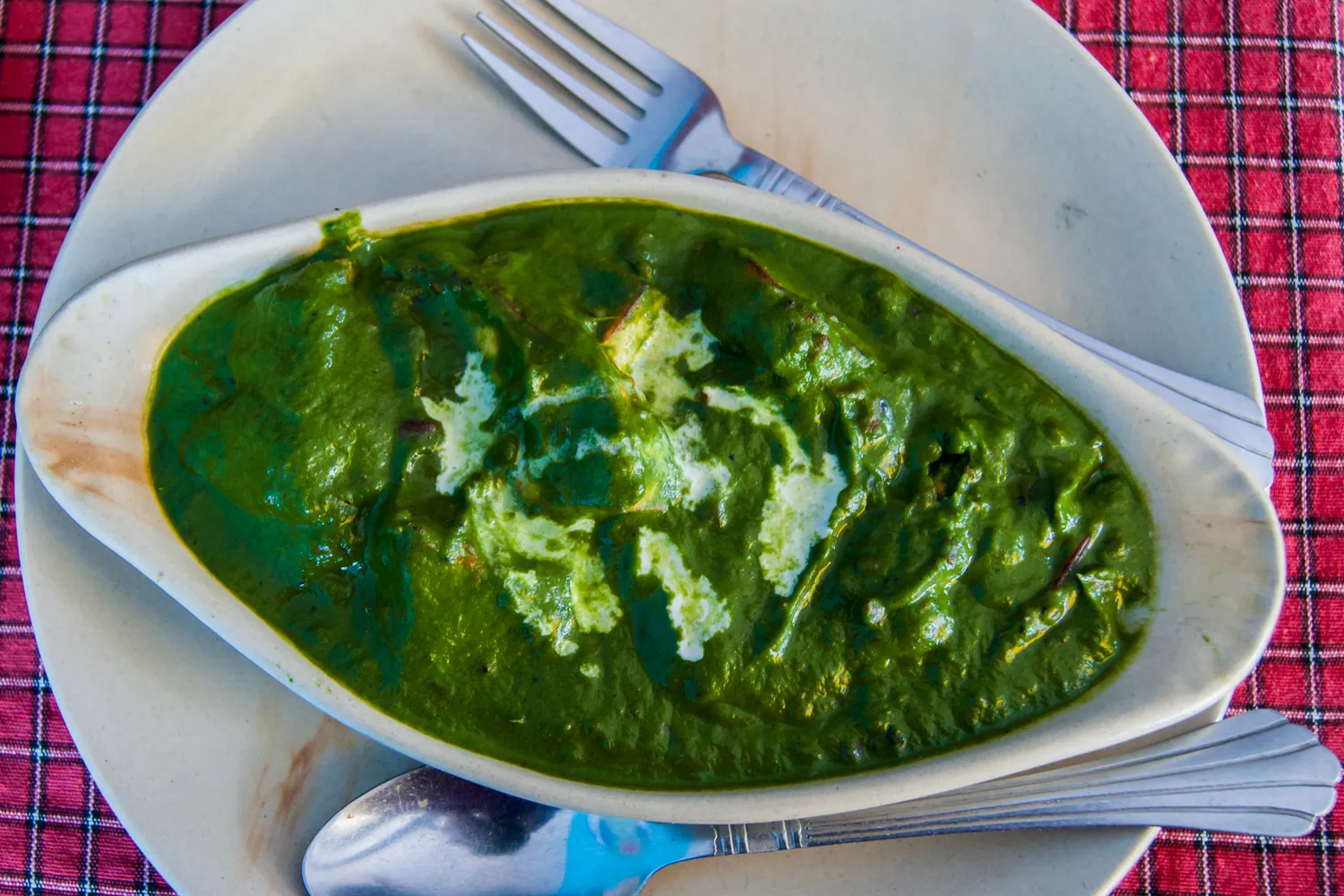
A bowl of palak paneer — vivid green spinach curry with soft paneer cubes and a swirl of cream India flag India 45m
Dinner •Punjabi Heritage

Palak Paneer

Palak paneer is a mild North Indian curry of fresh spinach blended silky-smooth, simmered with onion, tomato, ginger and garam masala, then finished with soft cubes of paneer and a swirl of cream. One serving is about 295 g. It is gentle, savoury and filling, and it comes together in one pot in about 45 minutes.

Comfort & Warmth

A mild, creamy spinach curry with soft paneer cubes that makes a satisfying vegetarian dinner.

Pairs Well With
Serve hot with butter naan or steamed basmati rice and a spoonful of cucumber raita.
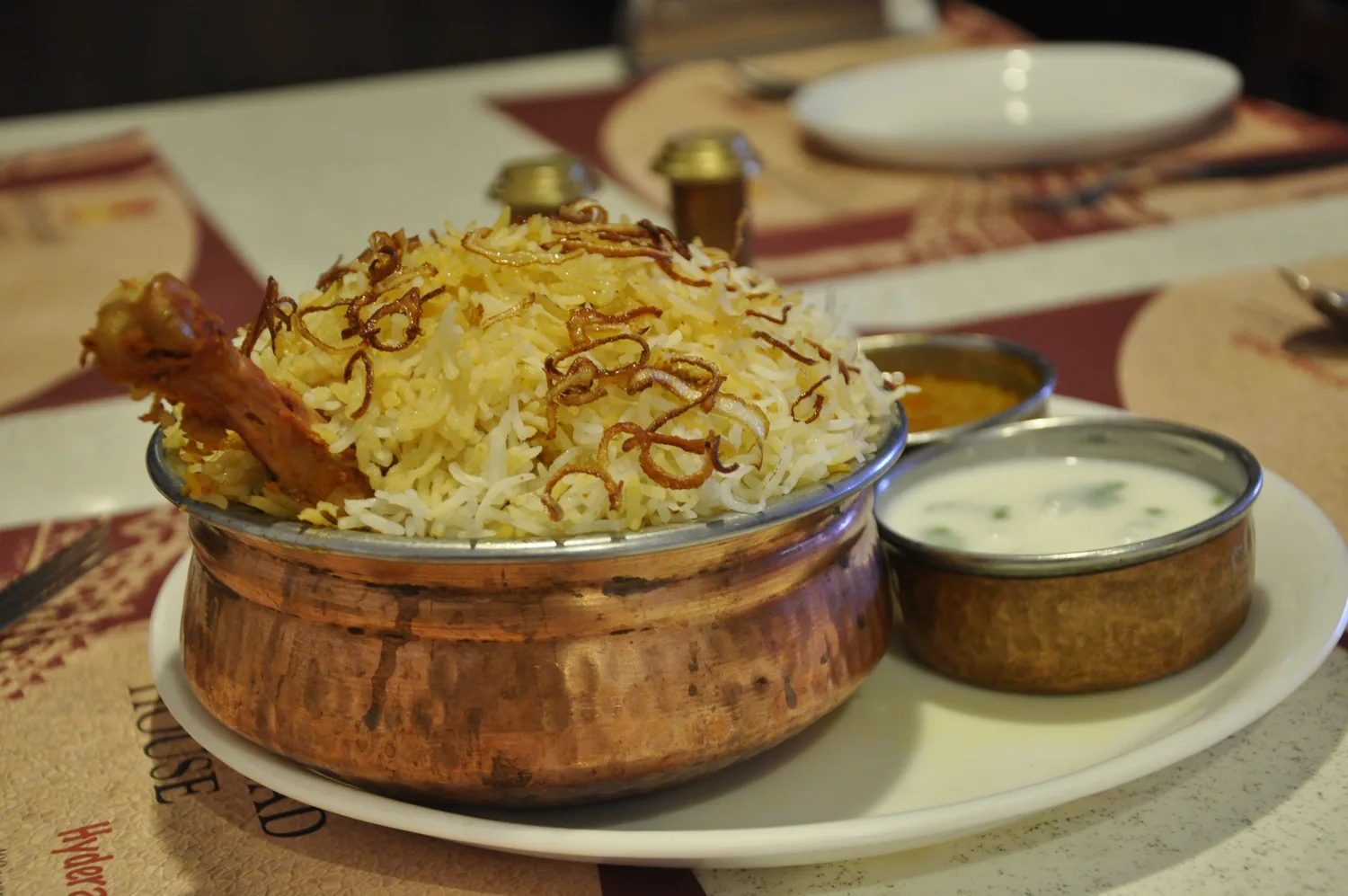
Hyderabadi chicken biryani — saffron rice topped with crisp fried onions and a chicken drumstick, served in a copper handi with raita India flag India 1h 55m
Dinner •Hyderabadi Heritage

Chicken Biryani

This chicken biryani recipe is the Hyderabadi classic: fragrant basmati rice layered with yogurt-marinated chicken, saffron, crisp fried onions (birista) and fresh mint, sealed tight and slow-cooked on dum until the steam has married every flavour. It is the most-searched Indian dish in the world, and the one every biryani is measured against. One serving is about 433 g.

Hyderabad's Celebration Feast

Layered saffron rice and spiced chicken sealed and slow-cooked on dum — Hyderabad's classic biryani.

Pairs Well With
Cucumber raita & mirchi ka salan
High Protein

The Dinner Gazette

Never wonder what’s for dinner again

One email a week with easy dinner ideas from around the world — ingredients, steps and nutrition, tested in our kitchen first.

Delivered every Thursday morning. Unsubscribe anytime.