
Curated recipes from 193 countries  •  New seasonal Mediterranean issue out now

Overview

Cacio e Pepe

Spaghetti Cacio e Pepe, Roman Cheese and Pepper Pasta

This cacio e pepe recipe tosses hot spaghetti with a creamy Pecorino Romano sauce and plenty of cracked black pepper — no cream, no butter, just cheese, pepper and starchy pasta water. One serving is about 272 g.

Cacio e pepe means cheese and pepper in the Roman dialect, and the dish comes from the shepherds of Lazio, who carried dried pasta, aged Pecorino and black peppercorns on long trips because all three kept without refrigeration. Tossed together with the starchy water the pasta cooked in, they made a hot, filling meal from almost nothing. It is one of Rome's four great pasta dishes, alongside carbonara, amatriciana and gricia.

Pairs well with: A crisp green salad and a glass of dry white wine

Provenance

Italy flag Italy

Roman Classic

Mediterranean & Italy

Time Dedication

30m

10m prep • 20m cook

Batch Yield

4 Servings

491 kcal per serving

1 serving ≈ 272 g

Technical Skill

Easy

Easy (Three Ingredients)

Meal Timing & Digestive Fit

Breakfast

Not Advised

Lunch

Hearty Midday Main

Dinner

Ideal Hearty Main

Snack & Tea

Inappropriate

Pasta & NoodlesQuick Prep (<30m) Occasions: Quick weeknight dinner, Roman-themed supper, lunch with friends Cost: Low — about $3–4 per serving at home
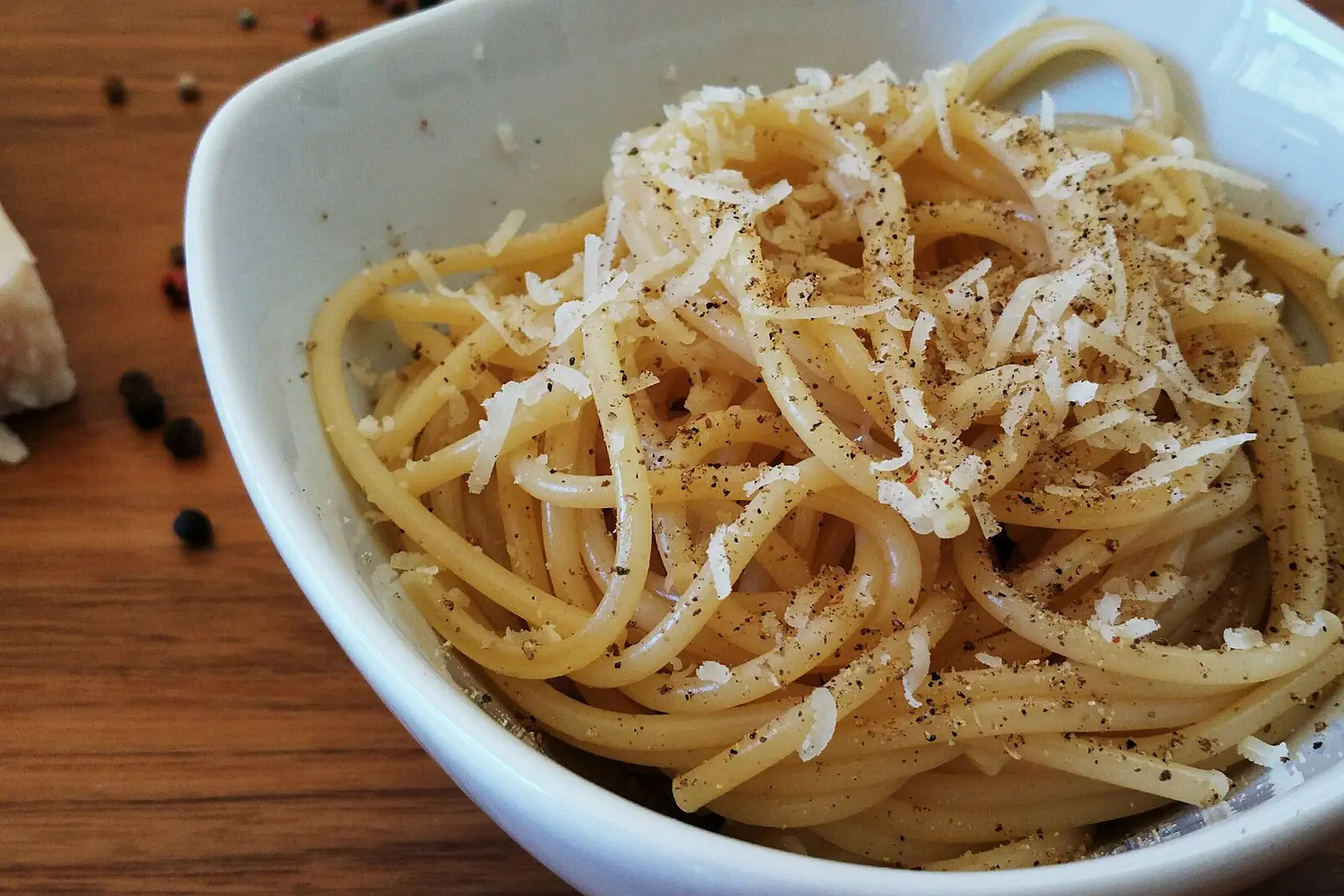
A bowl of spaghetti cacio e pepe topped with grated Pecorino Romano and cracked black pepper, with a wedge of cheese beside it

Roman Classic

Photo: Popo le Chien, CC BY-SA 3.0, via Wikimedia Commons

The Heritage Formulary

Measured Ingredients

Estimated cost: Low — about $3–4 per serving at home (USD)

Made the Roman way with Pecorino Romano, toasted black pepper and starchy pasta water — no cream and no butter; nutrition is estimated from USDA values.

Execution Methodology & Culinary Technique

Step-by-Step Cooking Guide

Active 30m
P

Prep Stage: Grate the Cheese and Crack the Pepper

10 Mins • Grating & Cracking

Grate the Pecorino as finely as you can — almost a powder — and put it in a wide bowl. Toast the peppercorns in a dry pan for a minute, crack them coarsely, and set a ladle and a jug by the stove: you will need the hot pasta water the moment the spaghetti is ready.

Maestro Tip: Fine grating is the whole trick. Coarse shreds of Pecorino melt into stringy clumps; a fine powder melts into a smooth cream.

  1. 1

    Toast and crack the pepper

    2 Mins Medium heat, about 175°C (350°F)

    Warm the peppercorns in a dry pan for 1–2 minutes until they smell warm and spicy, then tip them into a mortar or a bag and crack them coarsely — you want visible black specks, not dust.

    Toasted pepper tastes rounder and warmer than raw ground pepper; skip this step and the dish tastes flat.

    Done when: The peppercorns smell fragrant and crack into coarse, uneven pieces.

  2. 2

    Boil the pasta

    9 Mins Boiling water, 100°C (212°F)

    Bring 2 litres of water to a rolling boil, add the salt and the spaghetti, and cook for 2 minutes less than the packet says. Before draining, scoop out at least 300 ml of the starchy pasta water into a jug — it is the sauce.

    Less water than usual makes starchier pasta water, and starchy water is what makes the sauce cling.

    Done when: The spaghetti is still firm in the middle when you drain it; the water looks cloudy and pale.

  3. 3

    Make the Pecorino cream

    3 Mins Warm pasta water, about 60°C (140°F)

    Put the grated Pecorino in a wide bowl with half the toasted pepper. Add the hot pasta water a ladleful at a time, stirring hard, until you have a thick, smooth cream about the texture of double cream. Let the water cool for a minute first if it is boiling — water that is too hot makes the cheese seize into lumps.

    Patience here saves the dish: add the water slowly and stir constantly, and the cream stays smooth.

    Done when: A glossy, lump-free cream that coats the back of a spoon.

  4. 4

    Toss the pasta in the sauce

    4 Mins No direct heat

    Tip the drained spaghetti into the bowl with the Pecorino cream, off the heat, and toss hard with tongs for 2–3 minutes, adding splashes of pasta water until every strand is coated in a glossy, clinging sauce. Fold in the rest of the pepper as you toss.

    Keep the pan off the heat while you toss — direct heat is what turns Pecorino into rubbery clumps.

    Done when: Every strand is coated in a pale, glossy sauce that clings instead of pooling in the bowl.

  5. 5

    Serve at once

    2 Mins No heat

    Divide between warm bowls, scatter over a little extra grated Pecorino and a final crack of pepper, and serve immediately.

    Warm bowls keep the sauce fluid for a few precious extra minutes.

    Done when: Steaming bowls with a creamy, pepper-flecked coating on the pasta.

Finishing Touches & Plating

Serve immediately in warm bowls with an extra snowfall of Pecorino and a final crack of pepper — the sauce sets fast, so do not let it sit.

Nutritional Physiology & Benefits

Nutrition

Energy

491

kcal / serving

Protein

23g

Complete AA

Carbs

77g

Complex

Fats

10g

Healthy

Per serving (4 servings · 1 serving ≈ 272 g)
Energy491 kcal
Protein23 g
Carbohydrates77 g
Fat10 g
Fibre3.6 g
Sugar3.0 g
Sodium434 mg
Per 100g
Energy181 kcal
Protein8.3 g
Carbohydrates28.2 g
Fat3.6 g
Fibre1.3 g
Sugar1.1 g
Sodium160 mg

Nutrition values are estimated — calculated from USDA FoodData Central values for the listed ingredients.

Vitamins & minerals: Provides calcium and phosphorus from the Pecorino Romano, and B vitamins from the pasta. Nutrition is estimated.

Simple Ingredients, Big Flavour

Three ingredients and no cream or butter — proof that a good sauce needs technique, not a long shopping list.

Calcium from Pecorino

About 491 kcal per serving with calcium and phosphorus from the Pecorino Romano, which supports normal bones and teeth.

Quick Weeknight Dinner

On the table in 30 minutes from a nearly empty cupboard — pasta, cheese and pepper are all most kitchens already have.

Food Pairings

What to Eat With

To optimize nutrient absorption and elevate the sensory depth, pair with these authentic accompaniments:

Vegetables

Green Salad

A sharp, lemony green salad cuts the richness of the cheese and resets the palate between bites.

Sides

Burrata and Tomatoes

Cool, creamy burrata with ripe tomatoes is the gentle opposite of the hot, peppery pasta.

Drinks

Dry White Wine

A crisp Vermentino or Pinot Grigio lifts the salty Pecorino and stands up to the black pepper.

Complete menu

Start with a green salad, serve the cacio e pepe as the main with burrata and tomatoes, and finish with fresh fruit.

Digestive Guardrails

What NOT to Combine

To prevent digestive distress, sluggishness, or palate clash, avoid pairing the dish with these elements:

Go Easy on Extra Cheese

Pecorino Romano is very salty and rich in saturated fat, so a second helping of cheese on top adds a lot of sodium and fat to an already rich plate. One measured portion is the dish. This is general food information, not medical advice.

Skip Extra Salt

The cheese seasons the sauce on its own, so extra salt in the pasta water or at the table pushes the sodium up fast — about 434 mg per serving already. Taste before you reach for the salt. This is general food information, not medical advice.

General information only, not medical advice — consult a doctor for personal dietary decisions.

Who Should Eat It

Who Should Eat

  • General adultsA quick, satisfying dinner — add a green salad and it is a complete meal.
  • ChildrenChildren usually like the mild, cheesy pasta; use half the pepper for young children and cut the spaghetti shorter for small hands.
  • ElderlySoft, easy to chew and easy to digest in a modest portion; the pepper can be reduced to taste.
  • Pregnant womenPecorino is a hard aged cheese, so it is generally considered low risk in pregnancy when the pasta is served hot; keep the portion moderate because it is salty.
  • Breastfeeding womenA filling, calcium-rich meal; the salt is the only thing to watch, so keep portions moderate.
  • AthletesA fast source of energy after training, with about 22.7 g of protein per serving; add a salad for balance.
  • Weight gainEnergy-dense and easy to eat in quantity — a second helping adds calories quickly.
  • Weight lossOne modest bowl with a large green salad keeps the meal satisfying at about 491 kcal.

Health Conditions — Adjust or Avoid

Conditions

  • DiabetesAbout 76.7 g of carbs per serving, almost all from the pasta. A smaller bowl with a big salad lowers the carb load. Ask your clinician about portion size.
  • High blood pressureAbout 434 mg of sodium per serving, mostly from the Pecorino. Do not add extra salt or cheese. Ask your clinician about portion size.
  • Kidney diseasePasta and cheese are high in protein and phosphorus, so keep the portion small and the cheese measured. Ask your clinician about portion size.
  • GoutCheese and wheat are low in purines, so this is a gentler choice than meat dishes; keep the portion moderate. Ask your clinician about portion size.
  • Stomach issuesBlack pepper and rich cheese can trouble a sensitive stomach. Use less pepper and eat slowly. Ask your clinician about portion size.
  • Cardiovascular diseasePecorino is rich in saturated fat, so this is an occasional treat rather than a daily meal; a smaller portion with salad is the better way to enjoy it. Ask your clinician about portion size.
  • Fatty liverA rich, salty pasta is heavy on the liver. Keep the portion small and skip creamy or fried sides. Ask your clinician about portion size.
  • Food allergiesContains wheat (pasta) and milk (Pecorino Romano, a sheep's milk cheese). Traditional Pecorino Romano is made with lamb rennet, so strict vegetarians should choose a vegetarian-rennet Pecorino. Ask your clinician about portion size.
  • Special therapeutic dietsFor a low-sodium therapeutic diet, use less Pecorino and no extra salt; for a gluten-free diet, use gluten-free spaghetti and the same method. Ask your clinician about portion size.

If you have a medical condition, consult your doctor before changing your diet.

Storage & Use

Storage & Use

How to store
Store in a sealed container; the sauce thickens as it cools.
In the fridge
2 days, covered.
In the freezer
Not recommended — the cheese sauce turns grainy on thawing.
How to reheat
Reheat gently in a pan over low heat with a splash of water until steaming and 74°C (165°F) through; toss constantly so the sauce loosens instead of clumping.
Freezing recommended
No — the sauce does not survive freezing.
Signs it has spoiled
Sour smell, dry or slimy pasta, or any mould.

More recipes to explore

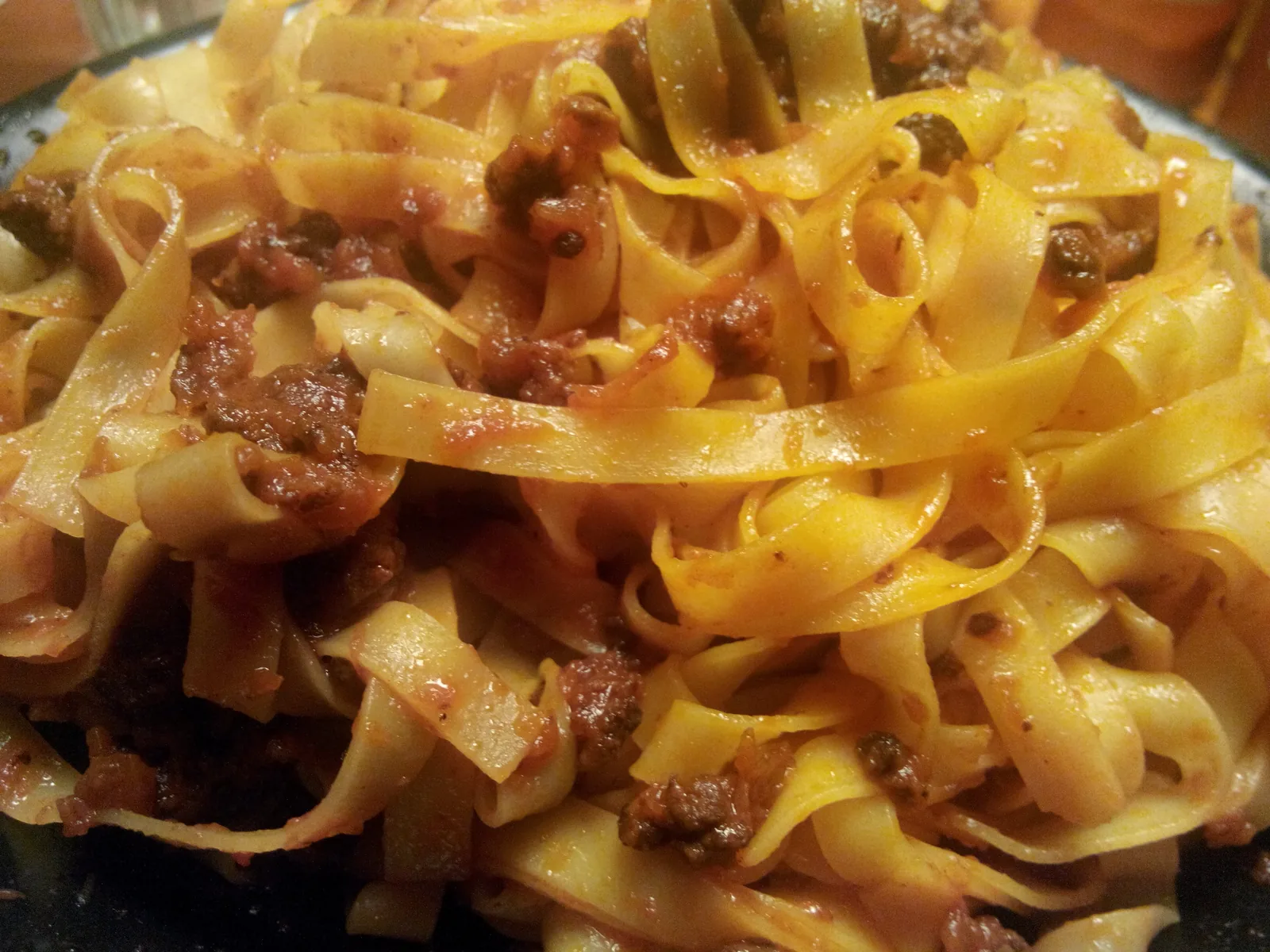
Tagliatelle al ragù Bolognese in a bowl with Parmigiano-Reggiano Italy flag Italy 4h 25m
Lunch •Emilia-Romagna

Tagliatelle al Ragù Bolognese

Slow-braised soffritto and coarse ground heritage meats layered over handmade egg yolk dough for mid-day stamina.

Lean Protein

Slow-simmered beef ragù tossed through fresh egg tagliatelle.

Pairs Well With
Bitter Radicchio & Aged Balsamico di Modena
Pasta & Noodles • High Protein
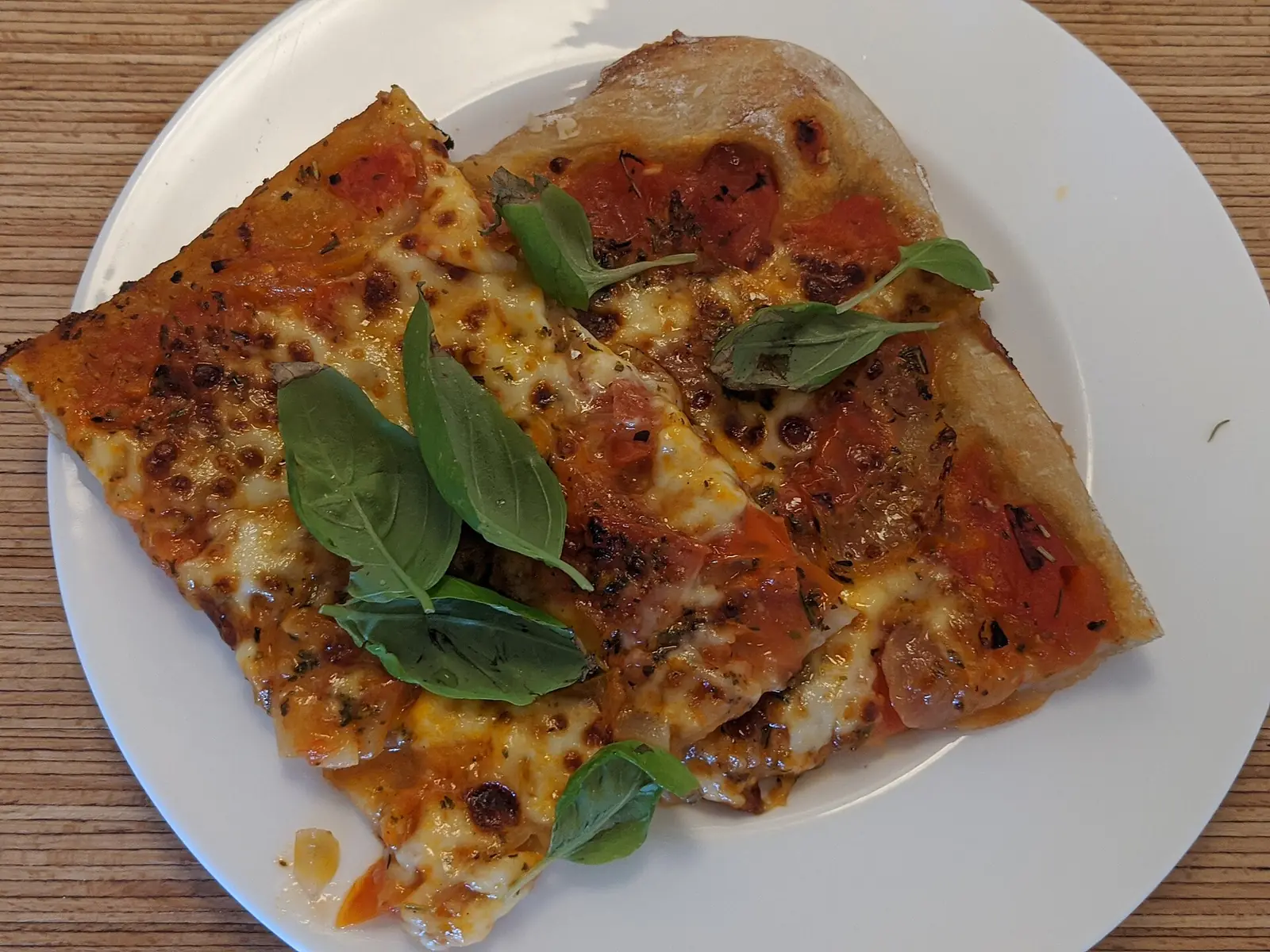
Two slices of pizza margherita with tomato, melted mozzarella and fresh basil on a white plate Italy flag Italy 45m
Dinner •Naples Classic

Pizza Margherita

This pizza margherita recipe makes a proper Neapolitan-style pizza at home: a soft, airy dough, San Marzano tomato sauce, fior di latte mozzarella and fresh basil. One serving is about 325 g — two slices.

Simple & Satisfying

Wood-fired-style pizza with tomato, fior di latte mozzarella and basil — three ingredients, done properly.

Pairs Well With
A simple green salad and a glass of Chianti or sparkling water
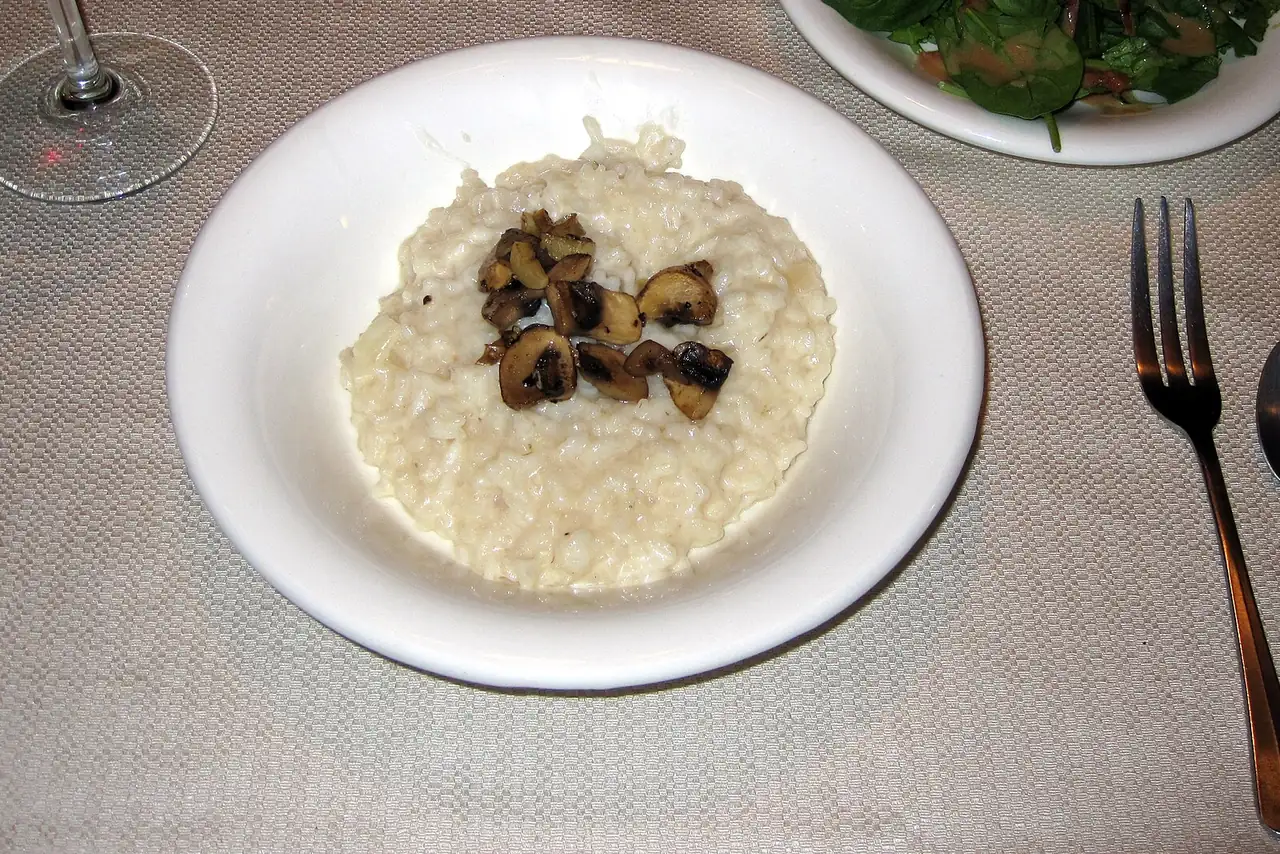
A bowl of creamy mushroom risotto topped with sautéed mushrooms, with a spinach salad beside it Italy flag Italy 50m
Dinner •Milanese Classic

Mushroom Risotto

This mushroom risotto recipe stirs Arborio rice slowly with hot stock, white wine and two kinds of mushrooms, then finishes it the Milanese way with cold butter and Parmesan. One serving is about 500 g.

Comfort & Warmth

Creamy Arborio rice, slowly stirred with mushrooms, white wine and Parmesan.

Pairs Well With
A rocket and Parmesan salad and a glass of dry white wine
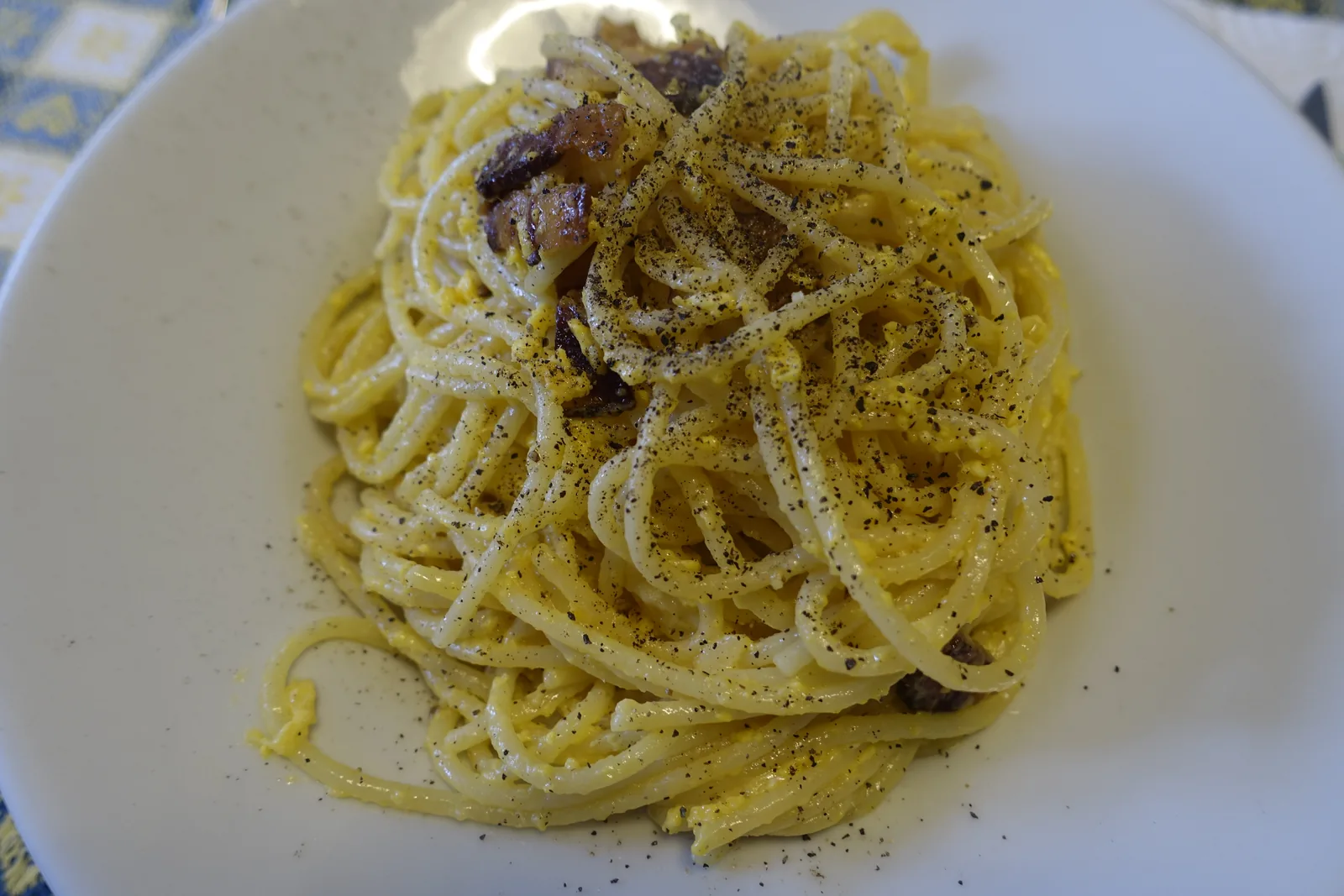
A plate of spaghetti carbonara with golden egg sauce, crisp guanciale and black pepper Italy flag Italy 30m
Dinner •Roman Classic

Spaghetti Carbonara

This spaghetti carbonara recipe is the Roman classic as it should be: spaghetti tossed with crisp guanciale, egg yolks, Pecorino Romano and black pepper — no cream, no bacon, no garlic. One serving is about 275 g. It takes 30 minutes, and the sauce comes together in the time the pasta cooks.

Comfort & Rich

Silky egg-and-cheese sauce over spaghetti with crisp guanciale and black pepper, ready in 30 minutes.

Pairs Well With
Pecorino Romano, black pepper & a crisp white wine
Pasta & Noodles • Quick Prep (<30m)

The Dinner Gazette

Never wonder what’s for dinner again

One email a week with easy dinner ideas from around the world — ingredients, steps and nutrition, tested in our kitchen first.

Delivered every Thursday morning. Unsubscribe anytime.