
Curated recipes from 193 countries  •  New seasonal Mediterranean issue out now

Overview

Caldo Ava

Caldo Avá, Caldo Ava de Maíz, Paraguayan Beef and Corn Soup

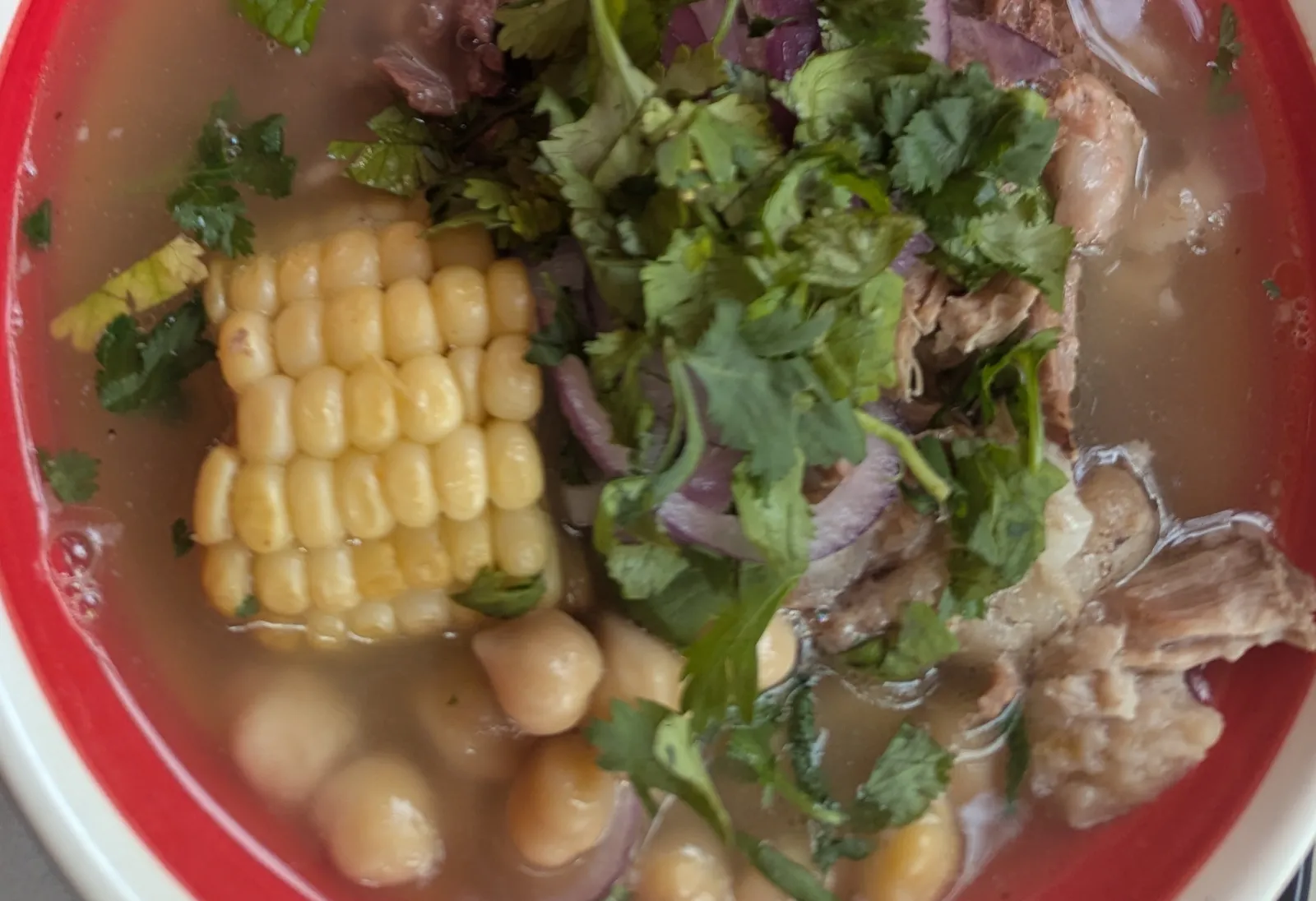
This caldo ava recipe makes Paraguay's traditional beef and corn soup — beef shank simmered low and slow with corn on the cob, potato and squash until the meat falls tender and the broth turns rich. One serving is about 746 g, a generous bowl of soup.

Caldo ava takes its name from the Ava Guarani people of Paraguay, and the soup belongs to the country's tradition of long-simmered caldos built on beef, corn and squash. White corn and beef are the heart of the Paraguayan countryside kitchen, where a single pot simmers for hours and feeds the whole family — the same slow-cooking tradition behind the better-known puchero and soyo.

Pairs well with: Crusty bread or boiled mandioca, with lime wedges and chopped cilantro on top.

Provenance

Paraguay flag Paraguay

Paraguayan Heritage

Latin America & Caribbean

Time Dedication

2h

20m prep • 100m cook

Batch Yield

4 Servings

455 kcal per serving

1 serving ≈ 746 g

Technical Skill

Intermediate

Simple (Slow Simmer)

Meal Timing & Digestive Fit

Breakfast

Not Advised

Lunch

Hearty Midday Main

Dinner

Ideal Hearty Main

Snack & Tea

Inappropriate

Soups & Broths Occasions: Family dinner, cold-weather dinner, Sunday dinner, hearty dinner Cost: Low — about $3–4 per serving at home
Tags: Beef Savory Soup
A red-rimmed bowl of beef soup with a round of corn on the cob, chickpeas, shredded beef, red onion and chopped cilantro in a clear broth

Paraguayan Heritage

Photo: Wotancito, CC BY-SA 4.0, via Wikimedia Commons

The Heritage Formulary

Measured Ingredients

Estimated cost: Low — about $3–4 per serving at home (USD)

A classic Paraguayan country soup: beef shank simmered with corn on the cob, potato and squash until tender.

Execution Methodology & Culinary Technique

Step-by-Step Cooking Guide

Active 2h
P

Prep Stage: Beef, Corn and Vegetables

20 Mins • Prep

Cut the beef shank into 4 large pieces and pat dry. Husk the corn and cut each ear into thick rounds. Peel and quarter the potatoes, cut the squash into large chunks, dice the onion and tomatoes, and mince the garlic. Measure the water and cut the lime into wedges.

Maestro Tip: Cut everything large — this is a chunky country soup, and small pieces would fall apart in the long simmer.

  1. 1

    Brown the Beef Shank

    10 Mins Medium-high heat, about 200°C (400°F)

    Warm the oil in a large stockpot over medium-high heat. Brown the beef pieces on all sides, about 2 minutes a side, until well coloured. Lift out and set aside.

    Do not crowd the pot — brown in two batches if needed, so the meat sears instead of steaming.

    Done when: The beef is browned all over with a deep golden crust.

  2. 2

    Build the Sofrito

    8 Mins Medium heat, about 180°C (350°F)

    Lower the heat to medium. Add the onion to the same pot and cook for 4 minutes until soft, scraping up the browned bits from the base. Add the garlic and cook for 1 minute more, then add the tomatoes, cumin and oregano and cook for 3 minutes until the tomatoes soften.

    The browned bits on the pot base are pure flavour — the onion and tomato juice will lift them into the broth.

    Done when: The onion is translucent and the tomatoes have collapsed into a soft sauce.

  3. 3

    Simmer the Beef Tender

    70 Mins Low simmer, about 95°C (200°F)

    Return the beef to the pot, pour in the cold water and bring to a gentle boil. Skim off any foam that rises, then lower the heat, cover loosely and simmer for 70 minutes until the meat is almost tender.

    Keep the simmer gentle — a rolling boil makes the meat tough and the broth cloudy.

    Done when: A fork slides into the meat with only a little resistance.

  4. 4

    Add Corn, Potato and Squash

    30 Mins Low simmer, about 95°C (200°F)

    Add the corn rounds, potatoes and squash to the pot. Simmer for 30 minutes more until the vegetables are tender and the beef is falling apart. Season with the salt, then stir in half the lime juice.

    Salt goes in late — salting early can slow the beef from turning tender.

    Done when: The potato breaks easily with a spoon, the corn kernels are plump, and the beef shreds with a fork.

  5. 5

    Serve with Lime and Cilantro

    3 Mins Serving temperature, about 70°C (158°F)

    Ladle the soup into warm bowls, making sure each bowl gets beef, corn, potato and squash. Scatter the cilantro over the top and serve with lime wedges on the side.

    Warm the bowls with hot water first so the soup stays hot to the last spoonful.

    Done when: Each bowl is steaming, with a piece of beef, corn and potato visible in the clear broth.

Finishing Touches & Plating

Serve the caldo ava hot, straight from the pot, in deep bowls. The broth should be clear and rich, not cloudy — skim it well during the long simmer, and add a splash of hot water if it has reduced too far.

Nutritional Physiology & Benefits

Nutrition

Energy

455

kcal / serving

Protein

37g

Complete AA

Carbs

39g

Complex

Fats

18g

Healthy

Per serving (4 servings · 1 serving ≈ 746 g)
Energy455 kcal
Protein37 g
Carbohydrates39 g
Fat18 g
Fibre5.2 g
Sugar9.2 g
Sodium613 mg
Per 100g
Energy61 kcal
Protein5 g
Carbohydrates5.2 g
Fat2.3 g
Fibre0.7 g
Sugar1.2 g
Sodium82 mg

Nutrition values are estimated — calculated from USDA FoodData Central values for the listed ingredients.

Vitamins & minerals: Beef shank supplies iron, zinc and B12, the corn and potato add B vitamins and potassium, and the tomato and lime add vitamin C.

Slow-Cooked and Satisfying

About 455 kcal per serving with 37.0 g of protein from the beef shank — a dinner that genuinely fills you up.

Iron and B12 from Beef

Beef shank is a strong source of iron, zinc and vitamin B12, with corn and potato adding potassium and B vitamins.

One-Pot Family Dinner

A single pot, a long gentle simmer and almost no hands-on work — the pot does the cooking while you get on with the evening.

Food Pairings

What to Eat With

To optimize nutrient absorption and elevate the sensory depth, pair with these authentic accompaniments:

Sides

Boiled Mandioca

Soft boiled cassava is the classic Paraguayan partner — its mild starch soaks up the rich beef broth.

Vegetables

Simple Green Salad

Crisp lettuce and tomato with lime cut through the rich beef and freshen the plate.

Drinks

Tereré

Paraguay's cold yerba mate is the traditional drink with a hot dinner, and its herbal edge balances the beef.

Full Menus

Paraguayan Family Dinner

Serve as the main course with mandioca and salad, then dulce de batata to finish — a full Paraguayan evening meal.

Complete menu

Serve as the main course of a Paraguayan dinner with boiled mandioca or crusty bread and a simple green salad, then dulce de batata to finish — the beef and corn soup is the heart of the meal.

Digestive Guardrails

What NOT to Combine

To prevent digestive distress, sluggishness, or palate clash, avoid pairing the dish with these elements:

Do Not Boil Hard After Adding Lime

A rolling boil after the lime juice goes in can turn the soup sharp and dull the fresh flavour. Add lime off the boil and serve at once. This is general food information, not medical advice.

Do Not Salt the Beef Early

Salt added at the start of a long simmer can slow the meat from turning tender. Season once the beef is nearly done. This is general food information, not medical advice.

General information only, not medical advice — consult a doctor for personal dietary decisions.

Who Should Eat It

Who Should Eat

  • General adultsA hearty, filling dinner — one big bowl with mandioca is a complete evening meal.
  • ChildrenTender meat and soft vegetables; cut the beef and corn into small pieces for young children.
  • ElderlySoft, tender textures and a rich broth; serve warm, not piping hot, and cut the meat small if chewing is difficult.
  • Pregnant womenA nourishing beef soup; the lime and tomato are mild, but keep portions modest if heartburn is an issue.
  • Breastfeeding womenA nourishing, iron-rich soup; the beef adds protein and B12 for nursing mothers.
  • AthletesA strong recovery dinner with about 37.0 g of protein per serving plus carbohydrate from corn and potato.
  • Weight gainAt about 455 kcal a bowl with mandioca on the side, it is an easy way to add energy to the day.
  • Weight lossAt about 455 kcal a bowl, it fits a lighter dinner if the bowl is paired with salad instead of mandioca and the fattier pieces of beef are skipped.

Health Conditions — Adjust or Avoid

Conditions

  • DiabetesAbout 38.6 g of carbohydrate per serving, mostly from the corn and potato. Keep to one bowl and favour the beef and broth. Ask your clinician about portion size.
  • High blood pressureAbout 613 mg of sodium per serving from the salt and the beef itself. Skip extra salt at the table. Ask your clinician about portion size.
  • Kidney diseaseBeef is fairly high in potassium and phosphorus; keep portions modest and avoid extra salt. Ask your clinician about portion size.
  • GoutBeef and its broth are moderately high in purines; keep portions modest and drink water with the meal. Ask your clinician about portion size.
  • Stomach issuesA gentle, brothy soup, though the corn and tomato can bother a sensitive stomach; eat slowly. Ask your clinician about portion size.
  • Cardiovascular diseaseBeef shank is a leaner cut, but the soup still carries saturated fat; favour the leanest pieces and the broth. Ask your clinician about portion size.
  • Fatty liverA filling soup that suits a lighter meal if the fattier pieces are skipped and the bowl is kept to one serving. Ask your clinician about portion size.
  • Food allergiesContains beef. It is naturally gluten-free and dairy-free as written. Ask your clinician about portion size.
  • Special therapeutic dietsA soft, easy-to-digest soup; omit the lime and cilantro if a bland diet is required. Ask your clinician about portion size.

If you have a medical condition, consult your doctor before changing your diet.

Storage & Use

Storage & Use

How to store
Cool quickly and store in an airtight container in the fridge.
In the fridge
3 days in an airtight container. The flavour deepens overnight.
In the freezer
Up to 3 months — freeze the soup with the beef and vegetables in portions.
How to reheat
Reheat on the stove until steaming and the soup reaches 74°C (165°F) through; add a splash of hot water if it has thickened.
Freezing recommended
Yes — this soup freezes very well.
Signs it has spoiled
Sour smell, a slimy surface, or grey, dull meat.

More recipes to explore

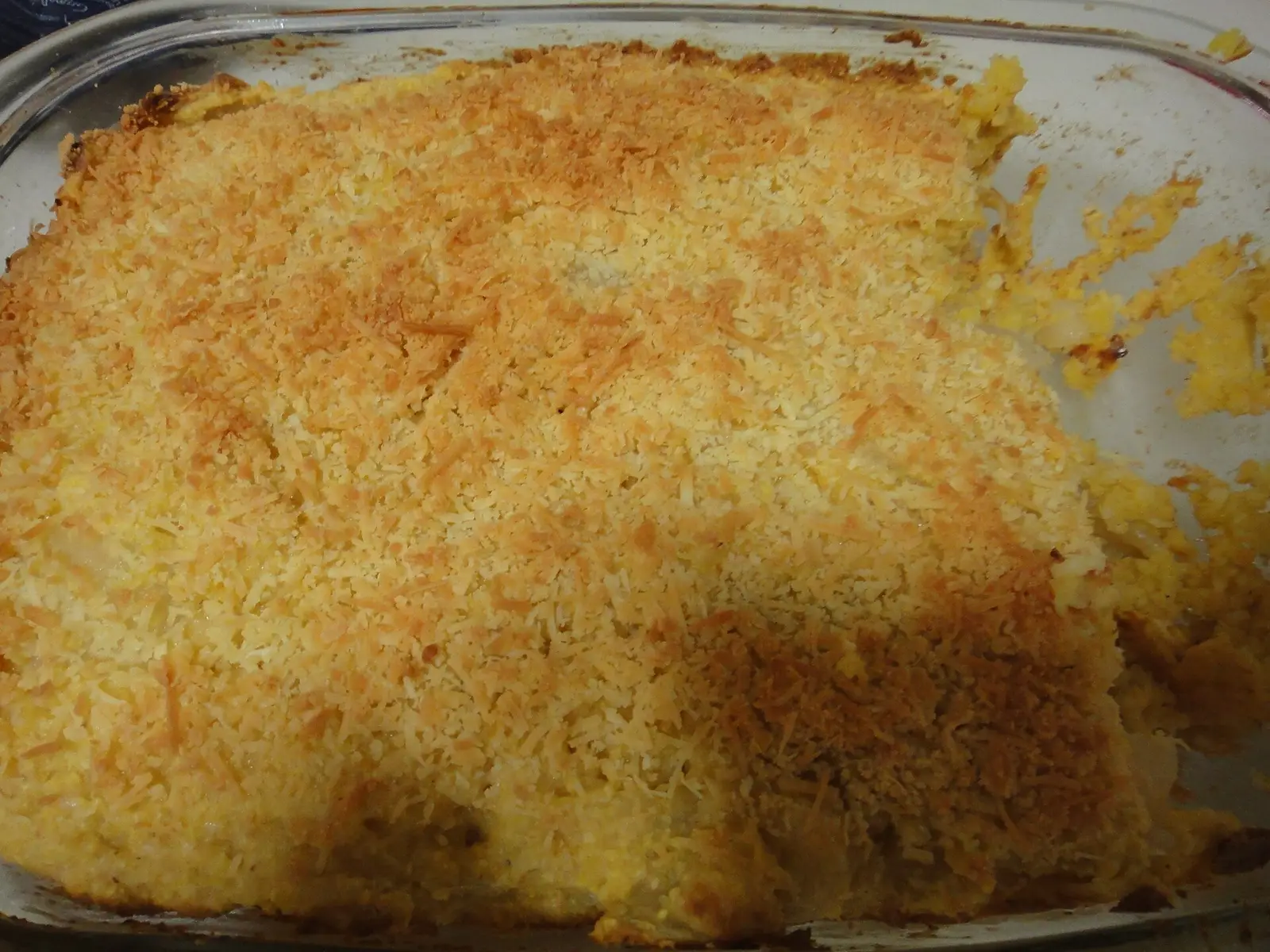
A golden baked sopa paraguaya cornmeal and cheese cake in a glass baking dish with one square cut out Paraguay flag Paraguay 1h 5m
Lunch •Asunción Heritage

Sopa Paraguaya

This sopa paraguaya recipe turns cornmeal, salty Paraguay cheese, onion, milk and eggs into a golden, spongy cake that slices like bread. Despite the name — sopa means soup — there is no broth here: the dish is solid, rich and meant to be cut into squares. One serving is about 180 g.

Comfort & Warmth

A golden, spongy cornmeal and cheese cake — Paraguay’s national dish, baked until the top is crisp and the inside stays soft.

Pairs Well With
Warm squares with grilled meat or a bowl of soup
A pile of golden baked chipa cheese bread rings, one broken open to show the soft crumb Paraguay flag Paraguay 50m
Snack & Tea •Paraguayan Heritage

Chipa

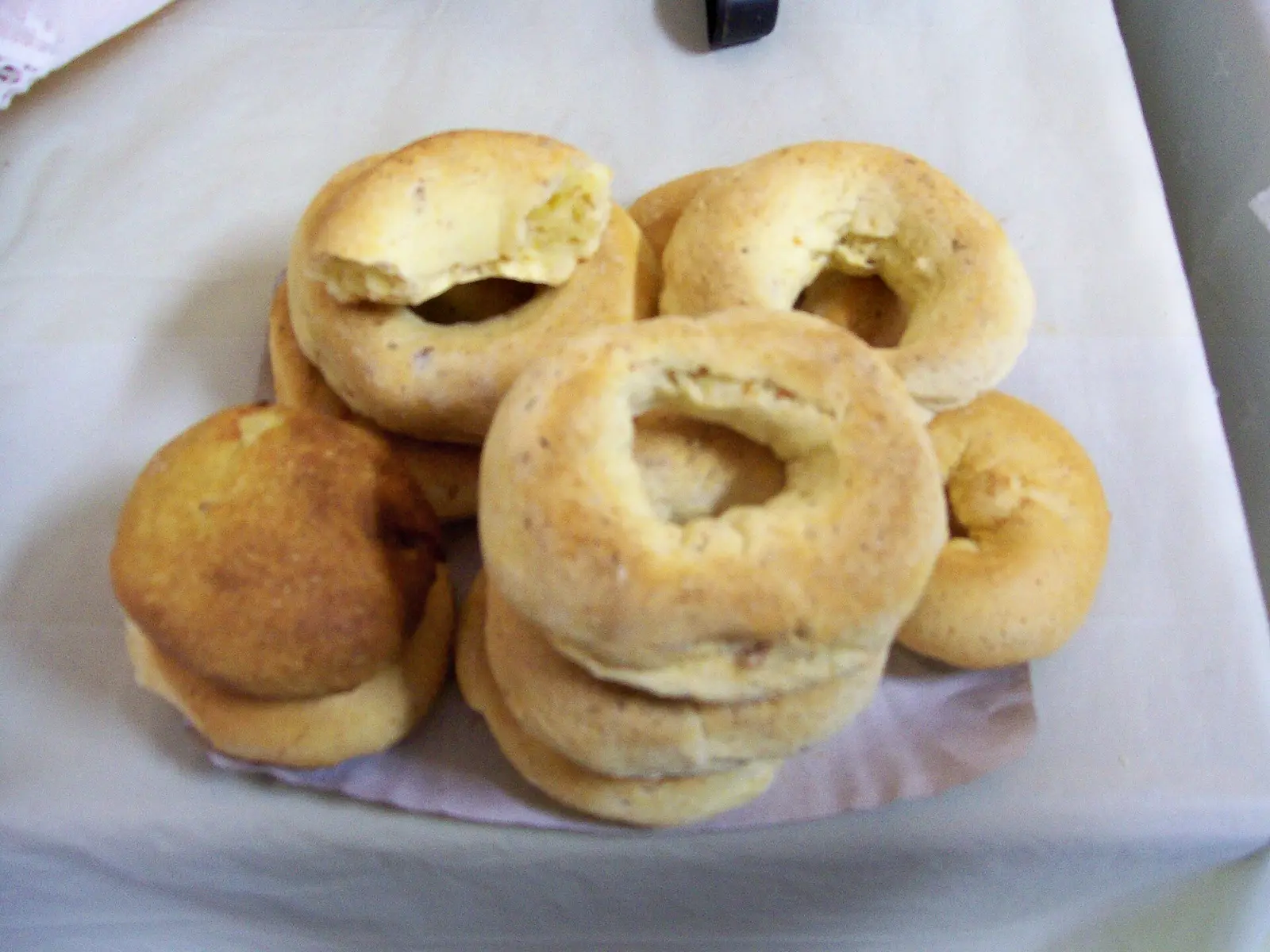
This chipa recipe makes 12 golden Paraguayan cheese bread rings from cassava starch, salty cheese, eggs and a pinch of anise. The dough is rolled into ropes, closed into rings and baked until puffed and lightly cracked — crisp on the outside, soft and chewy inside. One serving is about 185 g (two rings).

Snack & Sharing

Small baked cheese bread rings made from cassava starch — crisp outside, chewy inside, best eaten warm.

Pairs Well With
Warm rings with a cup of cocido (mate cocido)
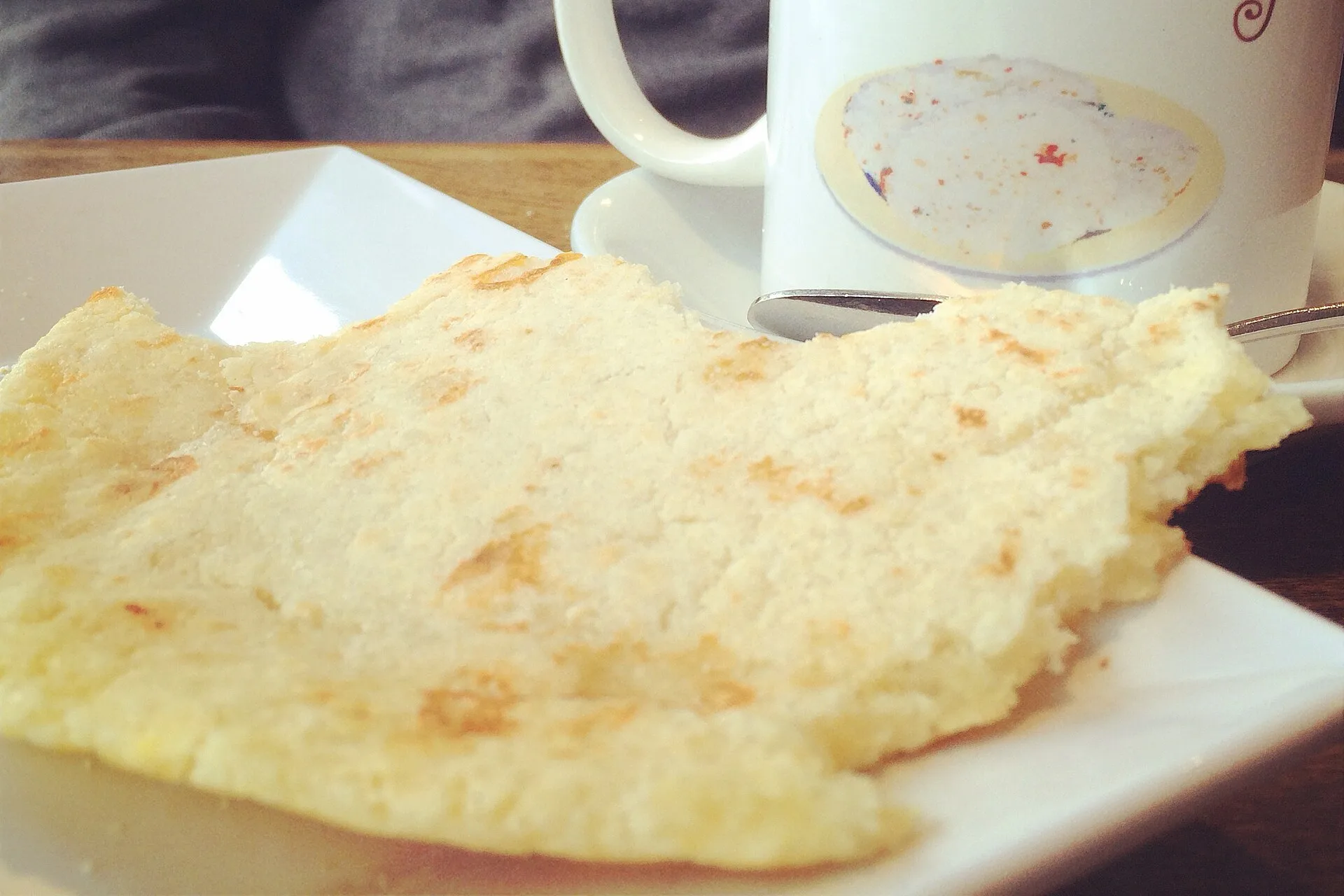
A golden mbejú cassava cheese pancake on a white plate beside a mug of cocido Paraguay flag Paraguay 30m
Snack & Tea •Guaraní Heritage

Mbejú

This mbeju recipe presses cassava starch and cheese into a golden griddled pancake — Paraguay’s classic snack, cooked in a dry pan and flipped once. It shares its two main ingredients with chipa, but the form is entirely different: chipa is kneaded and baked into bread rings, while mbejú stays a crumbly, sandy mixture that is pressed flat in the pan and never sees an oven. One serving is about 215 g (one pancake).

Snack & Sharing

A flat, griddled cassava-starch and cheese pancake — crisp at the edges, soft inside, cooked in a pan, never baked.

Pairs Well With
A warm pancake with a cup of mate cocido
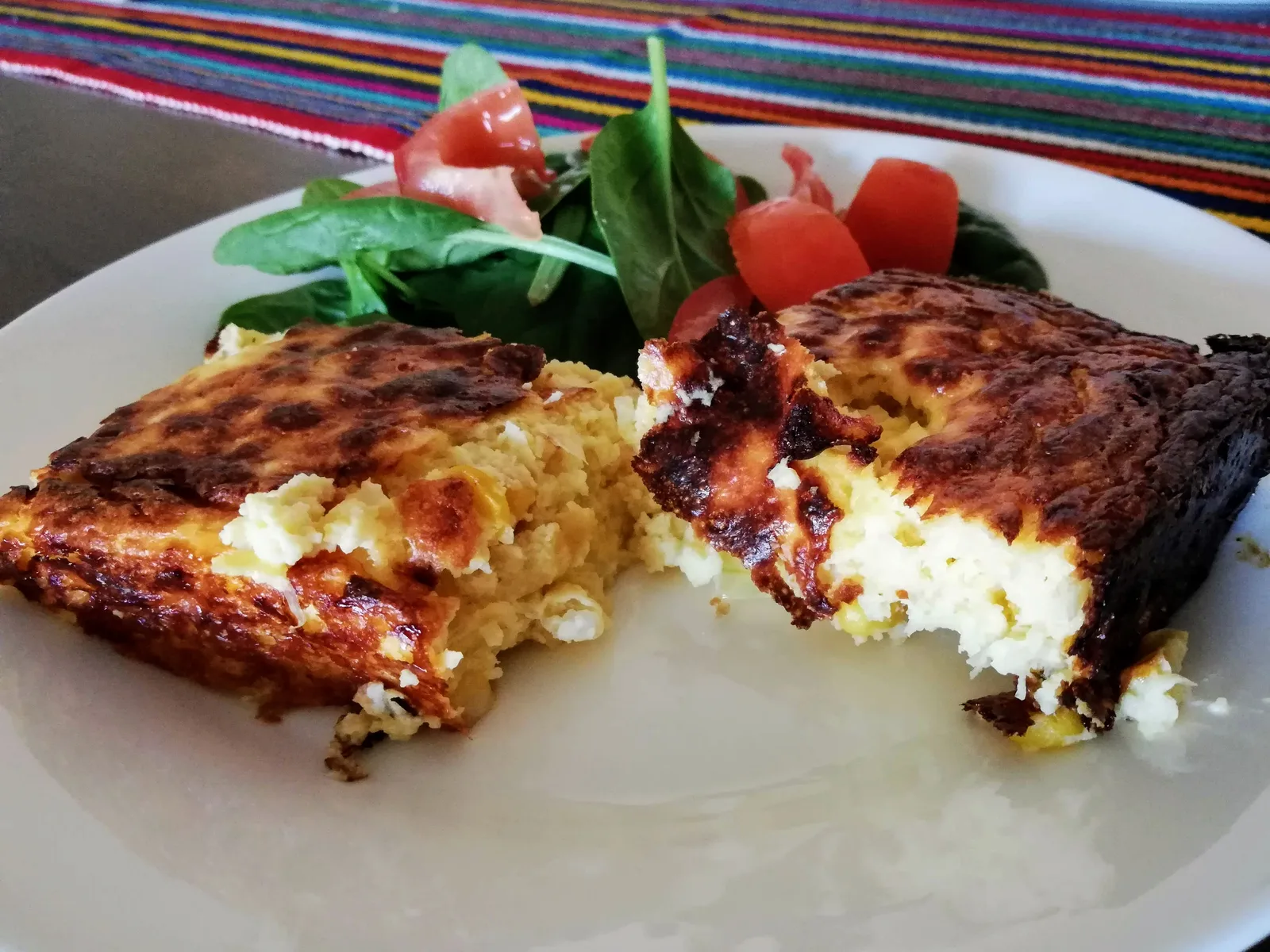
Two golden squares of chipa guasu with a fresh corn and cheese crumb, served with tomato and spinach salad Paraguay flag Paraguay 1h 5m
Lunch •Guaraní Heritage

Chipa Guasu

This chipa guasu recipe blends fresh corn kernels with eggs, milk, onion and salty Paraguay cheese, then bakes the mixture into a golden, moist cake that is cut into squares. It is not sopa paraguaya: chipa guasu is made with whole fresh corn kernels, while sopa paraguaya is made with cornmeal — the two dishes look alike but taste quite different. One serving is about 222 g.

Comfort & Warmth

A golden, moist bake of fresh corn kernels, Paraguay cheese, eggs and milk — the national side dish, served warm in squares.

Pairs Well With
Warm squares of chipa guasu with grilled meat and salad

The Dinner Gazette

Never wonder what’s for dinner again

One email a week with easy dinner ideas from around the world — ingredients, steps and nutrition, tested in our kitchen first.

Delivered every Thursday morning. Unsubscribe anytime.