Curated recipes from 193 countries  •  New seasonal Mediterranean issue out now

Overview

Chana Masala

Chole Masala, Chickpea Curry

Chana masala is North India's beloved chickpea curry: tender chickpeas simmered in a thick tomato-onion gravy scented with garam masala, ginger and a sour note of amchur. It is hearty, warming and entirely plant-based. One serving is about 450 g.

Chole, as chana masala is called in Punjab, grew out of the roadside dhabas of northern India, where chickpeas — grown on the subcontinent for thousands of years — were simmered in spiced tomato gravy and served with puffed bhatura to travellers and truck drivers. The dish's signature is its sour finish: amchur, dried mango powder, gives the gravy a brightness that sets it apart from other Indian curries.

Pairs well with: Steamed basmati rice, bhatura or roti, with cooling yoghurt raita

Provenance

India flag India

Punjabi Heritage

East & South Asia

Time Dedication

50m

15m prep • 35m cook

Batch Yield

4 Servings

463 kcal per serving

1 serving ≈ 450 g

Technical Skill

Intermediate

Intermediate (One-Pot Curry)

Meal Timing & Digestive Fit

Breakfast

Not Advised

Lunch

Hearty Midday Main

Dinner

Ideal Hearty Main

Snack & Tea

Inappropriate

Occasions: Family dinners, weeknight curries, batch cooking, vegetarian gatherings Cost: Low — about $2–3 per serving at home
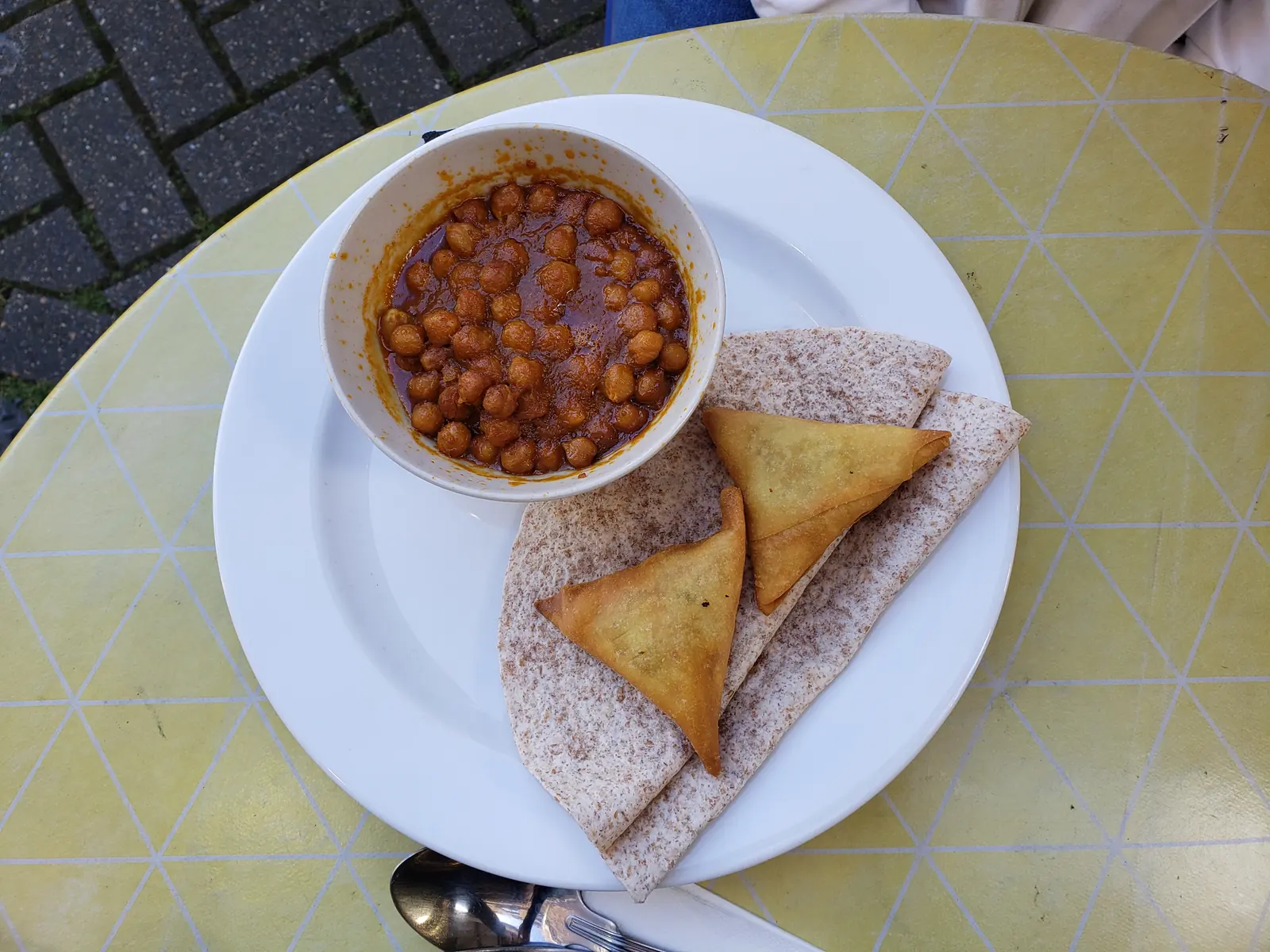
A bowl of chana masala — chickpeas in a rich red-brown tomato gravy — served with flatbread and samosas

Punjabi Heritage

Photo: Andy Li, CC0, via Wikimedia Commons

The Heritage Formulary

Measured Ingredients

Estimated cost: Low — about $2–3 per serving at home (USD)

A good chana masala is judged by its gravy: thick enough to coat the chickpeas, deep red, and finished with a clear sour note.

Execution Methodology & Culinary Technique

Step-by-Step Cooking Guide

Active 50m
P

Prep Stage: Rinse, Chop, Measure

15 Mins • Knife Work

Rinse and drain the chickpeas. Finely chop the onions and tomatoes, grate the ginger and garlic, and measure all the ground spices into one small bowl so they can go in together. This is a fast-moving curry once the pan is hot, and having everything ready is what keeps the spices from burning.

Maestro Tip: Chop the onions really fine — they are the body of the gravy, and coarse pieces never quite disappear.

  1. 1

    Soften the Onions

    8 Mins • Medium Heat Medium heat, pan about 160°C (320°F)

    Heat the oil in a heavy pot over medium heat. Add the onions with a pinch of the salt and cook, stirring often, for about 8 minutes until they turn soft, golden and sweet-smelling. Do not rush this — pale, undercooked onion makes a raw-tasting gravy.

    If the onions start to catch, add a splash of water and keep stirring; the water steams them soft without burning.

    Done when: Onions are evenly golden, soft and reduced to about half their volume.

  2. 2

    Fry Ginger, Garlic and Spices

    3 Mins • Medium Heat Medium heat, pan about 160°C (320°F)

    Add the ginger, garlic and slit green chilli and fry for 1 minute until fragrant. Then add the cumin, coriander, turmeric, Kashmiri chilli powder and half the garam masala. Stir constantly for 30–60 seconds until the spices darken a shade and smell toasted.

    Have the tomatoes ready beside the pan — if the spices catch, the tomatoes go in at once and stop the cooking.

    Done when: The spice mix is dark, glossy with oil and smells warm and toasted, not raw.

  3. 3

    Build the Tomato Masala

    10 Mins • Medium Heat Medium heat, pan about 160°C (320°F)

    Add the chopped tomatoes and tomato paste. Cook, stirring and scraping the bottom, for about 10 minutes until the tomatoes break down completely, the oil starts to separate at the edges and the masala turns a deep brick red. This is the flavour base of the whole dish — it should look like a thick paste, not a watery sauce.

    Press the tomatoes against the side of the pot with the spoon to help them collapse.

    Done when: The masala is thick, dark red, and a thin sheen of oil appears around the edges.

  4. 4

    Simmer the Chickpeas

    20 Mins • Gentle Simmer Gentle simmer, about 95°C (203°F)

    Add the chickpeas, the water and the remaining salt. Bring to a gentle simmer, then cover with the lid slightly ajar and cook for 20 minutes. Halfway through, crush a spoonful of chickpeas against the side of the pot and stir them back in — this thickens the gravy naturally.

    Keep it at a lazy bubble, not a rolling boil, or the chickpeas turn to mush.

    Done when: The gravy coats a spoon, the chickpeas are tender all the way through, and the sauce clings to them.

  5. 5

    Finish with Amchur and Lemon

    5 Mins • Low Heat Low heat, about 90°C (195°F)

    Take the pot off the boil. Stir in the amchur, the remaining garam masala and the lemon juice, then taste. Adjust the salt, and add a little more amchur or lemon if the gravy tastes flat — it should finish tangy, not just hot. Scatter the chopped cilantro over the top and rest for 5 minutes before serving.

    Amchur goes in last because its sourness fades with long cooking; the final spoonful is what wakes the whole dish up.

    Done when: The gravy tastes balanced — rich, warmly spiced and bright with a sour edge.

Finishing Touches & Plating

Rest the curry for 5 minutes off the heat so the flavours settle, then serve hot in deep bowls with a scatter of cilantro. A squeeze of lemon at the table lets each person tune the sourness to taste.

Nutritional Physiology & Benefits

Nutrition

Energy

463

kcal / serving

Protein

21g

Complete AA

Carbs

65g

Complex

Fats

17g

Healthy

Per serving (4 servings · 1 serving ≈ 450 g)
Energy463 kcal
Protein21 g
Carbohydrates65 g
Fat17 g
Fibre17.9 g
Sugar7.7 g
Sodium963 mg
Per 100g
Energy103 kcal
Protein4.7 g
Carbohydrates14.5 g
Fat3.7 g
Fibre4 g
Sugar1.7 g
Sodium214 mg

Nutrition values are estimated — calculated from USDA FoodData Central values for the listed ingredients.

Vitamins & minerals: Folate and iron (chickpeas), vitamin C (tomatoes, lemon), vitamin A (chilli, tomato), potassium and magnesium (chickpeas, tomatoes).

Steady Plant Protein

Chickpeas supply about 21 g of protein per serving, with all the fibre needed to keep that energy steady rather than spiky.

High in Fibre

With about 17 g of fibre per serving, this curry supports digestion and keeps you full long after the meal.

Naturally Plant-Based

No meat, no dairy and no eggs — the protein and iron come from legumes, tomatoes and spices, with only a little oil.

Food Pairings

What to Eat With

To optimize nutrient absorption and elevate the sensory depth, pair with these authentic accompaniments:

Sides

Steamed Basmati Rice

Fluffy, fragrant rice soaks up the thick gravy and turns the curry into a complete meal with complementary amino acids from grain and legume.

Bhatura or Roti

Soft, puffy bhatura or warm roti are made for scooping — the classic Punjabi way to eat chole, and they catch every last bit of masala.

Vegetables

Cucumber Raita

Cool yoghurt with cucumber calms the chilli heat and the acidity of the tomato, and its fat helps the body absorb the fat-soluble vitamins from the spices.

Drinks

Sweet Lassi or Masala Chai

A sweet lassi cools the palate between spoonfuls; a milky masala chai after the meal echoes the same warm spices and rounds the meal off.

Full Menus

Pickled Onion and Green Chilli

Sharp, vinegary onion and raw chilli cut through the richness of the gravy and add crunch — a dhaba-table staple with chole.

Complete menu

Serve the chana masala hot with steamed basmati rice or bhatura, cucumber raita and pickled onion on the side; finish with a sweet lassi or a cup of masala chai.

Digestive Guardrails

What NOT to Combine

To prevent digestive distress, sluggishness, or palate clash, avoid pairing the dish with these elements:

Very Sugary Drinks With the Meal

Sweet soft drinks add a large sugar load on top of a starchy, filling meal and can leave you feeling heavy; water, lassi or unsweetened chai are gentler companions. This is general information, not medical advice.

Heavy Cream or Butter on Top

Adding cream or a large knob of butter turns a light, plant-based curry into a much fattier dish and dulls the bright sour finish the amchur gives; if you want richness, a spoonful of yoghurt does the job better. This is general information, not medical advice.

General information only, not medical advice — consult a doctor for personal dietary decisions.

Who Should Eat It

Who Should Eat

  • General adultsA complete, satisfying dinner — protein, fibre and vegetables in one pot.
  • ChildrenSuitable from age 2+; leave out the green chilli and halve the chilli powder for young children, and mash the chickpeas a little.
  • ElderlyExcellent — soft chickpeas, warm spices and easy chewing; keep the salt moderate.
  • Pregnant womenGenerally suitable; the folate and iron from chickpeas are useful in pregnancy. Keep the chilli mild and make sure canned chickpeas are well rinsed.
  • Breastfeeding womenGenerally suitable; the protein, iron and folate support recovery — go easy on the chilli if the baby seems sensitive to spicy food.
  • AthletesA strong recovery meal: about 21 g of protein per serving with slow carbs; pair with rice to top up glycogen after training.
  • Weight gainA good choice — add a second helping of rice or a bhatura, and eat the full serving of gravy.
  • Weight lossChoose a smaller rice portion, load up on raita and salad, and keep the oil to the recipe amount — the fibre keeps you full on fewer calories.

Health Conditions — Adjust or Avoid

Conditions

  • DiabetesChickpeas are high in fibre and slow to digest, but keep the rice portion modest and favour raita and salad alongside. Ask your clinician about portion sizes for your plan.
  • High blood pressureRinse canned chickpeas thoroughly and use no more than the stated salt — most of the sodium here comes from the cans and the added salt. Ask your clinician about your sodium limit.
  • Kidney diseaseChickpeas are fairly high in potassium and phosphorus, so portions matter; ask your clinician whether this dish fits your diet.
  • GoutChickpeas contain moderate purines, less than meat but not negligible — eat occasionally and in modest portions, and ask your clinician if you have frequent flares.
  • Stomach issuesThe tomato and chilli can irritate a sensitive stomach; skip the green chilli and chilli powder and keep the amchur light if you have reflux or gastritis. Ask your clinician if symptoms persist.
  • Cardiovascular diseaseA plant-based, low-saturated-fat dish that fits a heart-friendly pattern; keep the oil to the recipe amount and favour whole-grain bread or brown rice. Ask your clinician about your overall diet.
  • Fatty liverLow in saturated fat and high in fibre, which suits a liver-friendly diet; keep portions moderate and skip fried bhatura in favour of roti or rice. Ask your clinician about your diet plan.
  • Food allergiesContains legumes (chickpeas) — people with peanut or legume allergy should check with their clinician before eating. Naturally gluten-free and vegan as written; check that the garam masala and tomato paste are certified gluten-free if you have coeliac disease. Bread served alongside usually contains wheat gluten.
  • Special therapeutic dietsIf you follow a prescribed low-sodium, low-potassium or low-purine diet, use no-salt-added chickpeas and a smaller portion, and check with your clinician.

If you have a medical condition, consult your doctor before changing your diet.

Storage & Use

Storage & Use

How to store
Cool the curry quickly and store in a clean airtight container.
In the fridge
Keeps 4 days in the fridge at 4°C (40°F) or below; the flavour improves overnight.
In the freezer
Freezes well for up to 3 months in portion-sized containers.
How to reheat
Reheat gently on the stove or in the microwave until steaming hot throughout, to 74°C (165°F); add a splash of water if the gravy has thickened.
Freezing recommended
Yes — chana masala freezes very well and is a classic batch-cook curry.
Signs it has spoiled
Sour or off smell, slimy surface, or mould.

More recipes to explore

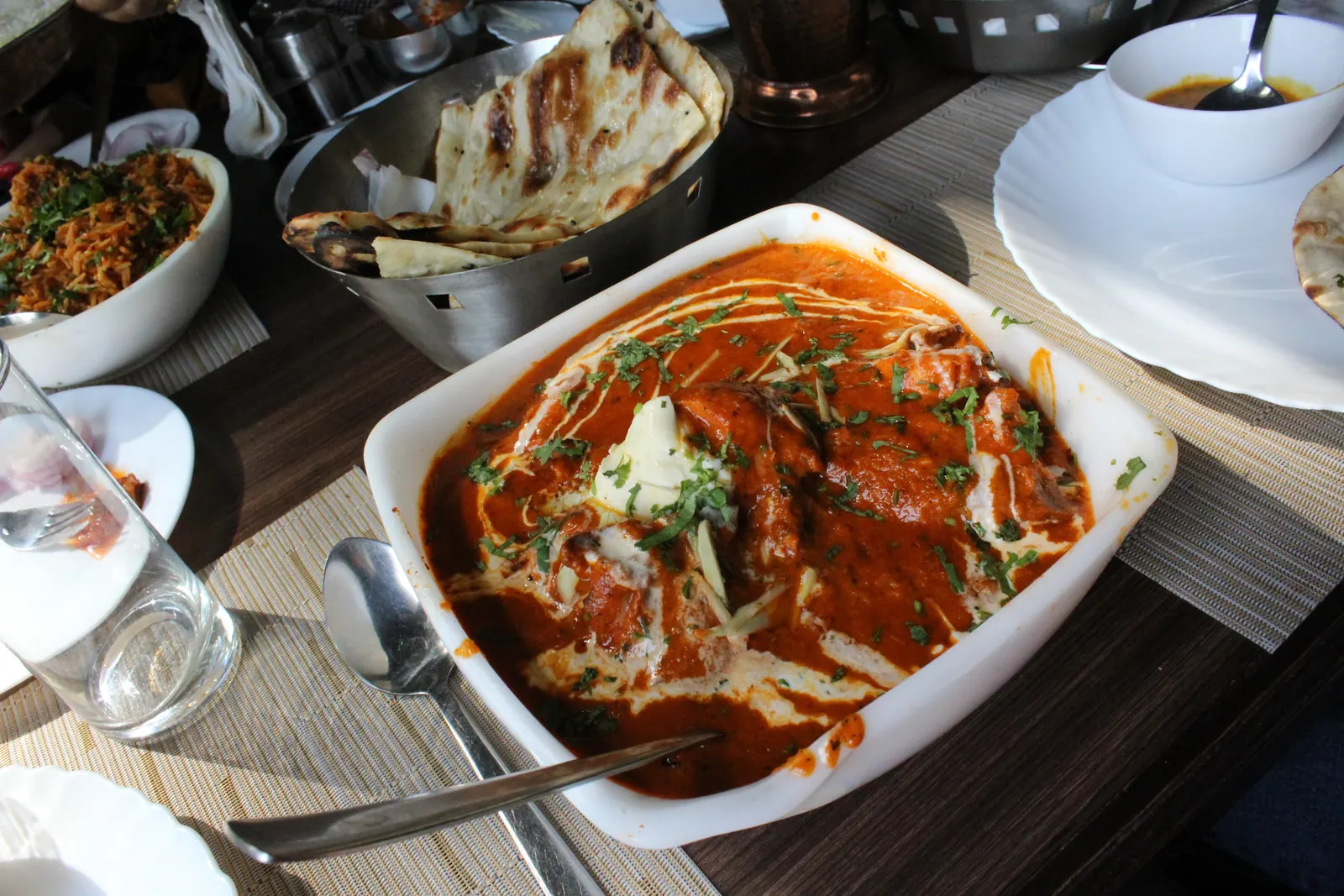
A bowl of creamy orange-red butter chicken with a swirl of cream, a pat of butter and fresh cilantro, with garlic naan behind it India flag India 1h 5m
Dinner •Delhi Heritage

Butter Chicken

Charred, yogurt-marinated chicken simmers in a velvety sauce of tomatoes, butter, cashews and cream, finished with dried fenugreek and a swirl of cream. This butter chicken recipe is mild rather than fiery, so the sweetness of the tomatoes and the richness of the butter come through in every spoonful. One serving is about 370 g.

Comfort & Warmth

Tandoori-style chicken folded into a silky tomato, butter and cream sauce — rich, mild and deeply satisfying.

Pairs Well With
Butter naan, basmati rice & cucumber raita
High Protein
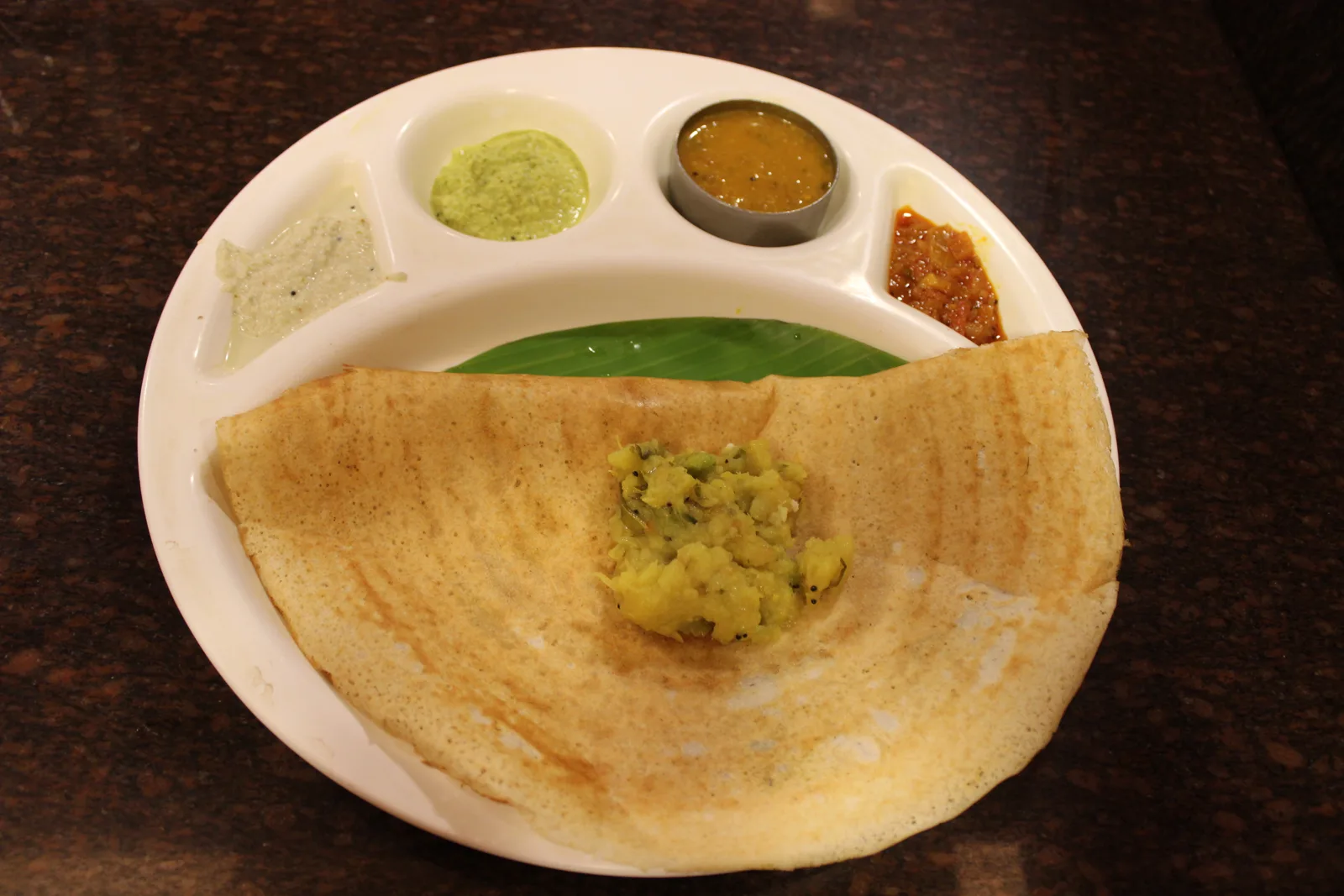
A golden folded masala dosa with spiced potato filling, served with coconut chutney, sambar and tomato chutney on a plate India flag India 1h 10m
Breakfast •South Indian Heritage

Masala Dosa

A masala dosa recipe for a golden, shatteringly crisp crepe made from a fermented rice and urad dal batter, folded around a soft, turmeric-yellow potato masala. One serving is about 285 g. The batter ferments for 8-12 hours overnight, so start the day before; the hands-on cooking takes about 70 minutes.

Hearty Breakfast

A filling breakfast built on a fermented rice and lentil batter with a warmly spiced potato centre.

Pairs Well With
Serve hot with coconut chutney and sambar for dipping.
Fermented / Gut Health
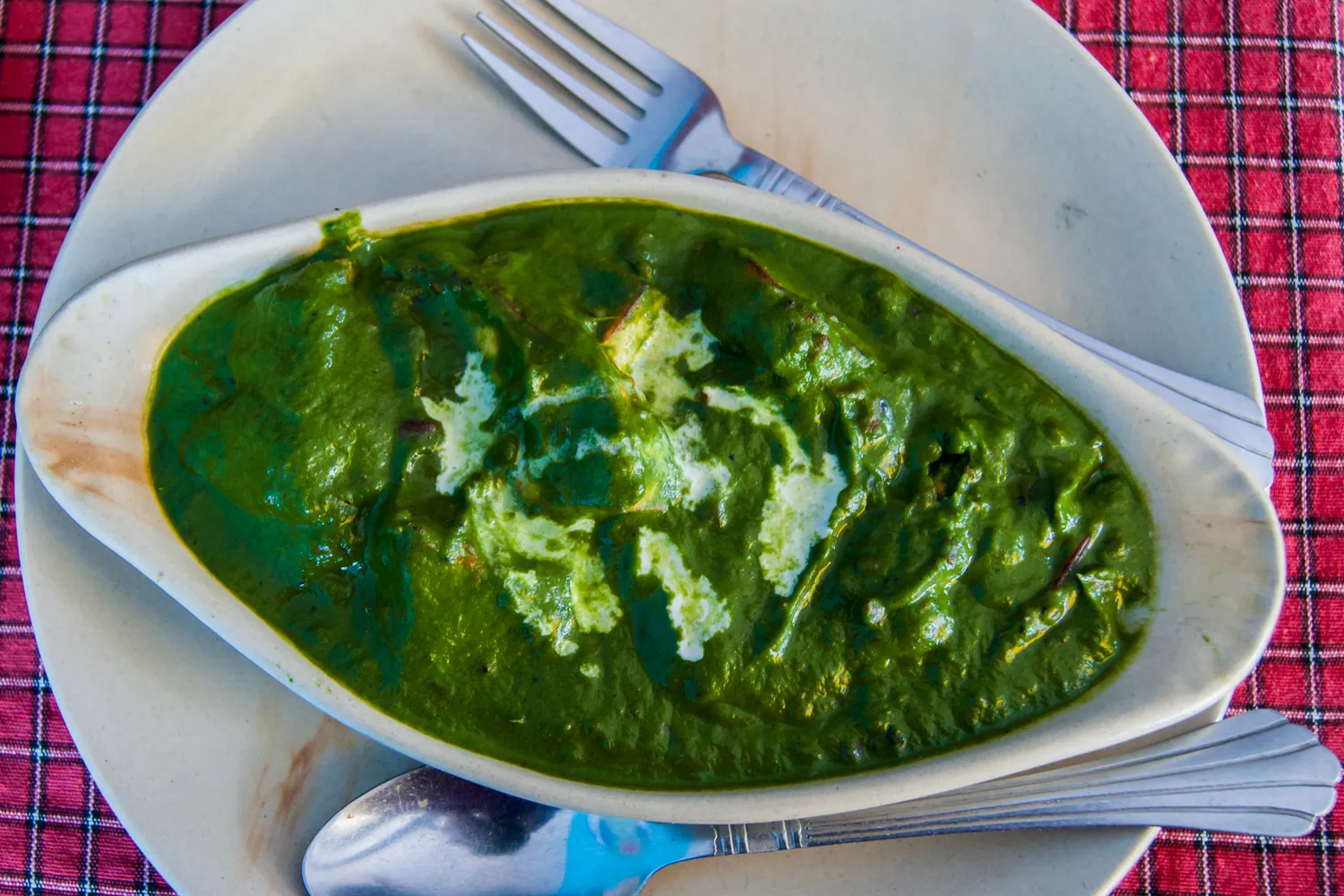
A bowl of palak paneer — vivid green spinach curry with soft paneer cubes and a swirl of cream India flag India 45m
Dinner •Punjabi Heritage

Palak Paneer

Palak paneer is a mild North Indian curry of fresh spinach blended silky-smooth, simmered with onion, tomato, ginger and garam masala, then finished with soft cubes of paneer and a swirl of cream. One serving is about 295 g. It is gentle, savoury and filling, and it comes together in one pot in about 45 minutes.

Comfort & Warmth

A mild, creamy spinach curry with soft paneer cubes that makes a satisfying vegetarian dinner.

Pairs Well With
Serve hot with butter naan or steamed basmati rice and a spoonful of cucumber raita.
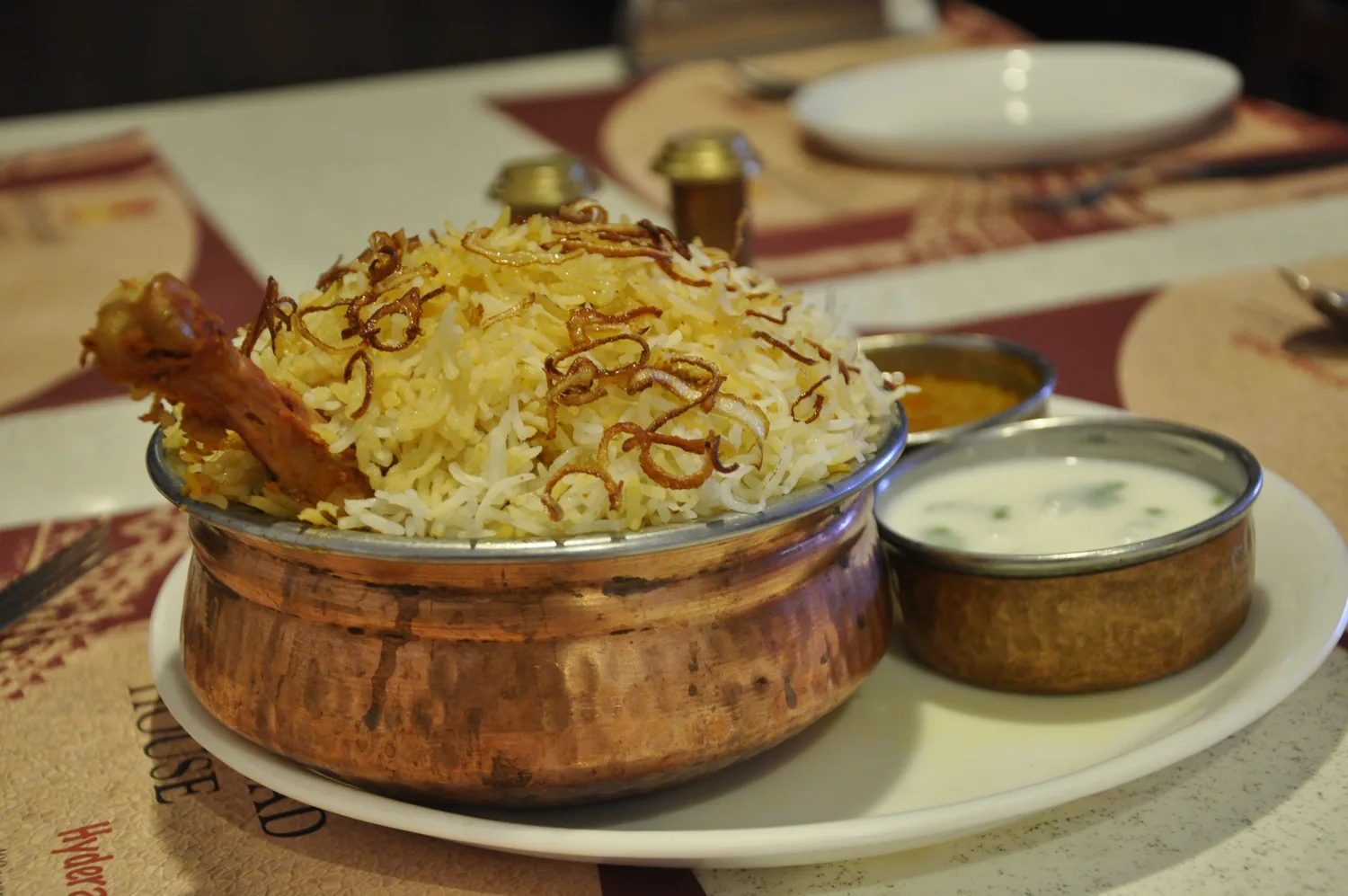
Hyderabadi chicken biryani — saffron rice topped with crisp fried onions and a chicken drumstick, served in a copper handi with raita India flag India 1h 55m
Dinner •Hyderabadi Heritage

Chicken Biryani

This chicken biryani recipe is the Hyderabadi classic: fragrant basmati rice layered with yogurt-marinated chicken, saffron, crisp fried onions (birista) and fresh mint, sealed tight and slow-cooked on dum until the steam has married every flavour. It is the most-searched Indian dish in the world, and the one every biryani is measured against. One serving is about 433 g.

Hyderabad's Celebration Feast

Layered saffron rice and spiced chicken sealed and slow-cooked on dum — Hyderabad's classic biryani.

Pairs Well With
Cucumber raita & mirchi ka salan
High Protein

The Dinner Gazette

Never wonder what’s for dinner again

One email a week with easy dinner ideas from around the world — ingredients, steps and nutrition, tested in our kitchen first.

Delivered every Thursday morning. Unsubscribe anytime.