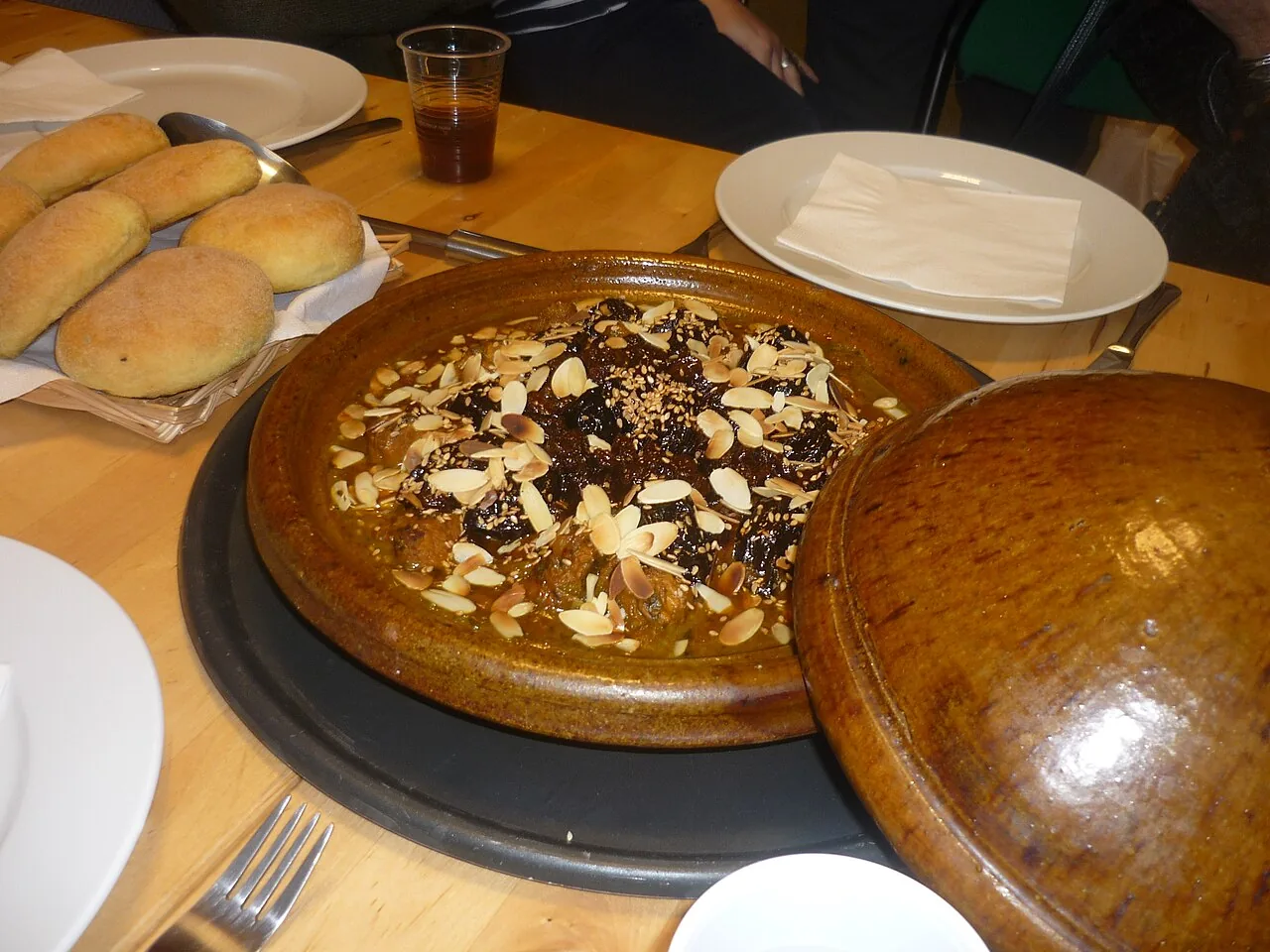

Lamb & Prune Tagine
Clay vessel braised lamb shoulder infused with Ras el Hanout, saffron stamens, and natural sun-dried fruit pectins.
Immunity & Warming
Slow-braised lamb with prunes, almonds and couscous.
Spiced Couscous & Preserved Lemon Salad
Shebakia, Mkharka, Griwech, Moroccan honey sesame cookies
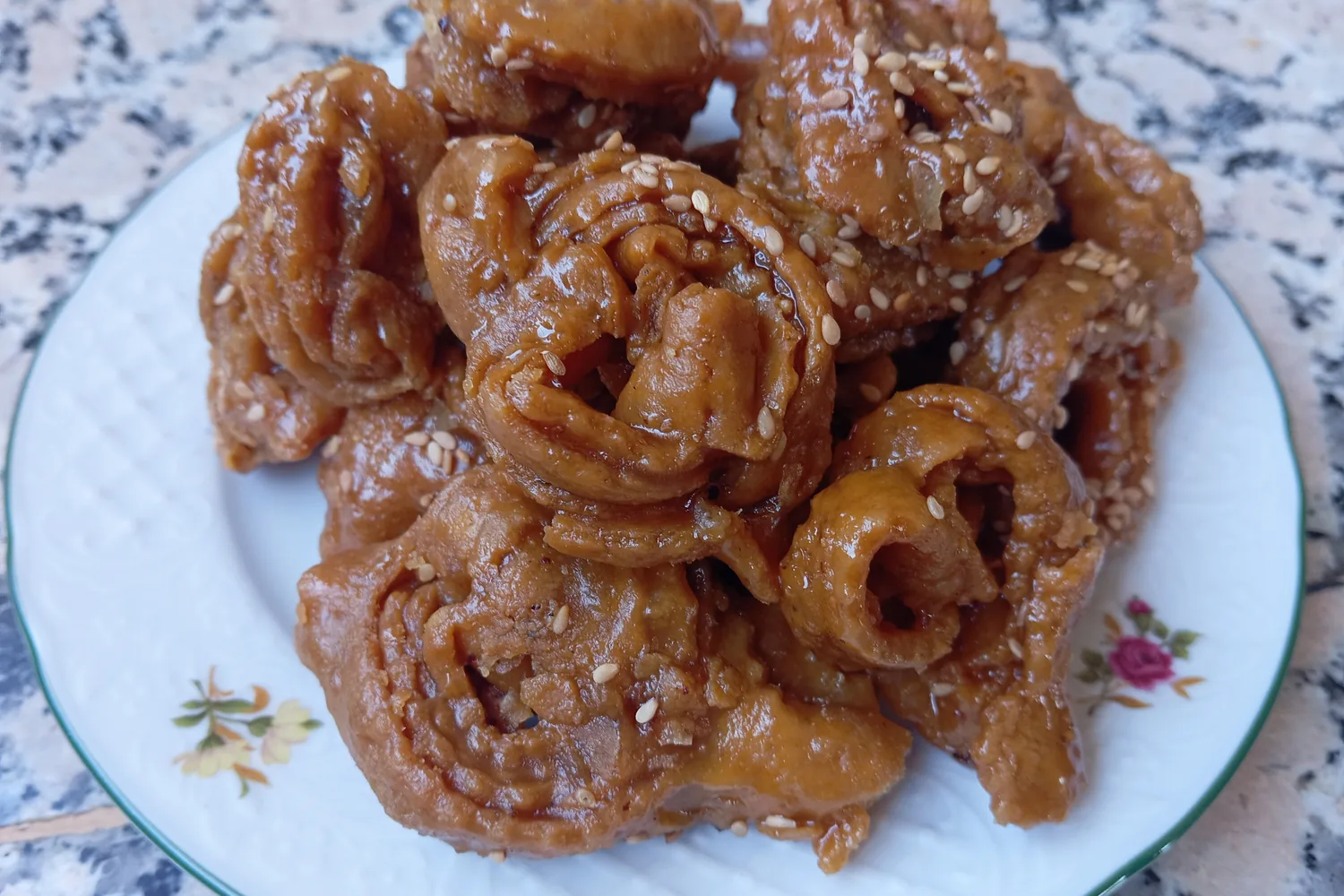
This chebakia recipe makes Morocco's flower-shaped honey cookies: a spiced dough of flour, ground toasted sesame and almonds, cut into strips and folded into roses, fried until golden and crisp, then soaked in warm honey with orange blossom water and sprinkled with sesame seeds. They are the sweet that breaks the Ramadan fast beside a bowl of harira. One serving is about 136 g.
Chebakia, also called shebakia or mkharka, is a Maghrebi sweet pastry of strips of dough rolled to resemble a rose, deep-fried until golden, then coated with a syrup of honey and orange blossom water and sprinkled with sesame. It is made in large batches at the start of Ramadan in Moroccan households, where women gather to fold the flowers together, and it is eaten at iftar beside a bowl of harira soup after the fast is broken with dates. The pastry is also served at weddings and celebrations, and its name is linked to the Arabic word for intertwined — a nod to the woven strips of the flower.
Pairs well with: Serve with mint tea and a bowl of harira soup at iftar, or with coffee as an afternoon sweet.
Provenance
Morocco
Moroccan Ramadan Sweet
Middle Eastern
Time Dedication
1h 30m
60m prep • 30m cook
Batch Yield
8 Servings
617 kcal per serving
1 serving ≈ 136 g
Technical Skill
Advanced
Advanced (Folding & Frying)
Meal Timing & Digestive Fit
Breakfast
Not Advised
Lunch
Inappropriate
Dinner
Inappropriate
Snack & Tea
Ideal Light Bite
Moroccan Ramadan Sweet
Photo: مصطفى ملو, CC BY-SA 4.0, via Wikimedia Commons
The Heritage Formulary
Estimated cost: Low — about $1–2 per serving at home (USD)
A true chebakia is judged by its flower: crisp, open petals that hold the honey in every fold, never greasy or soggy.
Execution Methodology & Culinary Technique
Prep Stage: Toast, Mix & Rest the Dough
60 Mins
Toast the sesame seeds in a dry pan until golden and nutty, cool them, then grind to a fine powder. Mix the flour, ground sesame, ground almonds, anise, cinnamon and salt, then rub in the melted butter and olive oil. Dissolve the yeast in the warm orange blossom water with the vinegar and saffron water, knead everything into a firm, smooth dough, and rest it covered for 30 minutes.
Maestro Tip: The dough should be firm and smooth, not soft: a soft dough loses the flower shape in the oil.
20 Mins 20°C (68°F)
Toast the 150 g of sesame seeds in a dry pan over medium heat for 3-4 minutes until golden, shaking the pan often. Cool, then grind to a fine powder. Sift the flour into a bowl, stir in the ground sesame, ground almonds, anise, cinnamon and salt, then rub in the melted butter and olive oil until the mix looks like coarse crumbs.
Grind the sesame only until it is a powder: grinding too long turns it into a paste.
Done when: A crumbly, fragrant mix with no dry flour showing.
35 Mins 20°C (68°F)
Dissolve the yeast in the warm orange blossom water, add the vinegar and the saffron water, and pour into the flour. Knead for 5 minutes until the dough is firm, smooth and no longer sticky. Cover with a cloth and rest for 30 minutes.
If the dough feels dry, add orange blossom water a teaspoon at a time — never pour in water all at once.
Done when: A firm, smooth ball of dough that holds its shape.
25 Mins 20°C (68°F)
Roll the dough out 3 mm thick on a lightly floured surface and cut it into rectangles about 8 cm by 5 cm with a pastry wheel. Make 4 lengthways cuts in each rectangle, stopping short of both ends, so you have 5 attached strips. Thread your middle finger through alternate strips, pinch the far corners together, then let the strips slide off your finger while turning them inside out around the pinch, and pinch the other corners closed. You should have about 24 flower shapes.
Work on a cool surface and keep the shaped flowers covered: warm, dry dough cracks when you fold it.
Done when: About 24 open flower shapes, all the same size, with the ends pinched shut.
20 Mins 170°C (340°F)
Heat the vegetable oil in a deep, heavy pan to 170°C (340°F). Fry the flowers in batches of 5-6 for 2-3 minutes, turning once, until deep golden and crisp. Lift them out with a slotted spoon and drain on a rack for 1 minute.
Do not crowd the pan: too many flowers at once cools the oil and makes them greasy instead of crisp.
Done when: Deep golden all over, crisp at the edges, and holding their flower shape.
10 Mins Warm honey, about 50°C (120°F)
Warm the honey with the orange blossom water until it is runny and warm, about 50°C (120°F), but do not let it boil. Drop the hot fried flowers into the honey, turn them to coat every fold, and leave them for 2-3 minutes. Lift them out, set them on a rack, and sprinkle with the toasted sesame seeds while the honey is still sticky.
The flowers must go into the honey while they are still hot: cold flowers do not absorb the honey and turn sticky on the outside only.
Done when: Flowers glossy with honey in every fold, sprinkled with sesame.
Finishing Touches & Plating
Let the chebakia cool on a rack until the honey sets, then pile them on a plate and serve with mint tea — they keep their crispness for days if stored airtight.
Nutritional Physiology & Benefits
Energy
617
kcal / serving
Protein
11g
Complete AA
Carbs
71g
Complex
Fats
34g
Healthy
| Energy | 617 kcal |
| Protein | 11 g |
| Carbohydrates | 71 g |
| Fat | 34 g |
| Fibre | 5.2 g |
| Sugar | 26.1 g |
| Sodium | 152 mg |
| Energy | 454 kcal |
| Protein | 7.9 g |
| Carbohydrates | 52.3 g |
| Fat | 25.1 g |
| Fibre | 3.8 g |
| Sugar | 19.2 g |
| Sodium | 112 mg |
Nutrition values are estimated — calculated from USDA FoodData Central values for the listed ingredients.
Vitamins & minerals: Vitamin E and calcium (sesame seeds), magnesium (almonds and sesame), vitamin B2 (almonds). Nutrition values are estimated.
Sesame for Calcium
Sesame seeds are a good source of calcium and magnesium, and they give chebakia its nutty flavour and short, crumbly texture.
Quick Energy
Honey and sesame make chebakia an energy-rich snack — three cookies give about 617 kcal, which is why it is eaten in small pieces at iftar.
Real Spices, No Packet Mix
The flavour comes from anise, cinnamon, saffron and orange blossom water — the classic Moroccan spice set, with no ready-made mix.
Food Pairings
To optimize nutrient absorption and elevate the sensory depth, pair with these authentic accompaniments:
Drinks
Mint Tea
Hot, sweet mint tea is the classic partner: its fresh, herbal note cuts through the honey and cleans the palate between cookies.
Coffee
A small cup of strong coffee balances the honey's sweetness and makes an afternoon plate of chebakia feel complete.
Soups
Harira Soup
Chebakia is eaten with harira at iftar for a reason: the warm, savoury soup first, then the sweet, crisp cookie — the two belong together.
Sides
Dates
Dates are the first food at the iftar table, and their soft, caramel sweetness sits well beside the crisp, honeyed chebakia.
Complete menu
Break the fast with dates and harira soup, then serve chebakia with hot mint tea to finish.
Digestive Guardrails
To prevent digestive distress, sluggishness, or palate clash, avoid pairing the dish with these elements:
Frying in Cool Oil
Oil below 160°C (320°F) soaks into the dough instead of crisping it, so the cookies turn greasy and heavy. Keep the oil at 170°C (340°F) and fry in small batches. This is general cooking advice, not medical advice.
Soaking Cold Cookies
Cold fried flowers do not absorb honey into their folds — the honey just sits on the surface and turns sticky. Drop them into the warm honey while they are still hot from the pan. This is general information, not medical advice.
General information only, not medical advice — consult a doctor for personal dietary decisions.
Who Should Eat It
Health Conditions — Adjust or Avoid
If you have a medical condition, consult your doctor before changing your diet.
Storage & Use
Clay vessel braised lamb shoulder infused with Ras el Hanout, saffron stamens, and natural sun-dried fruit pectins.
Immunity & Warming
Slow-braised lamb with prunes, almonds and couscous.
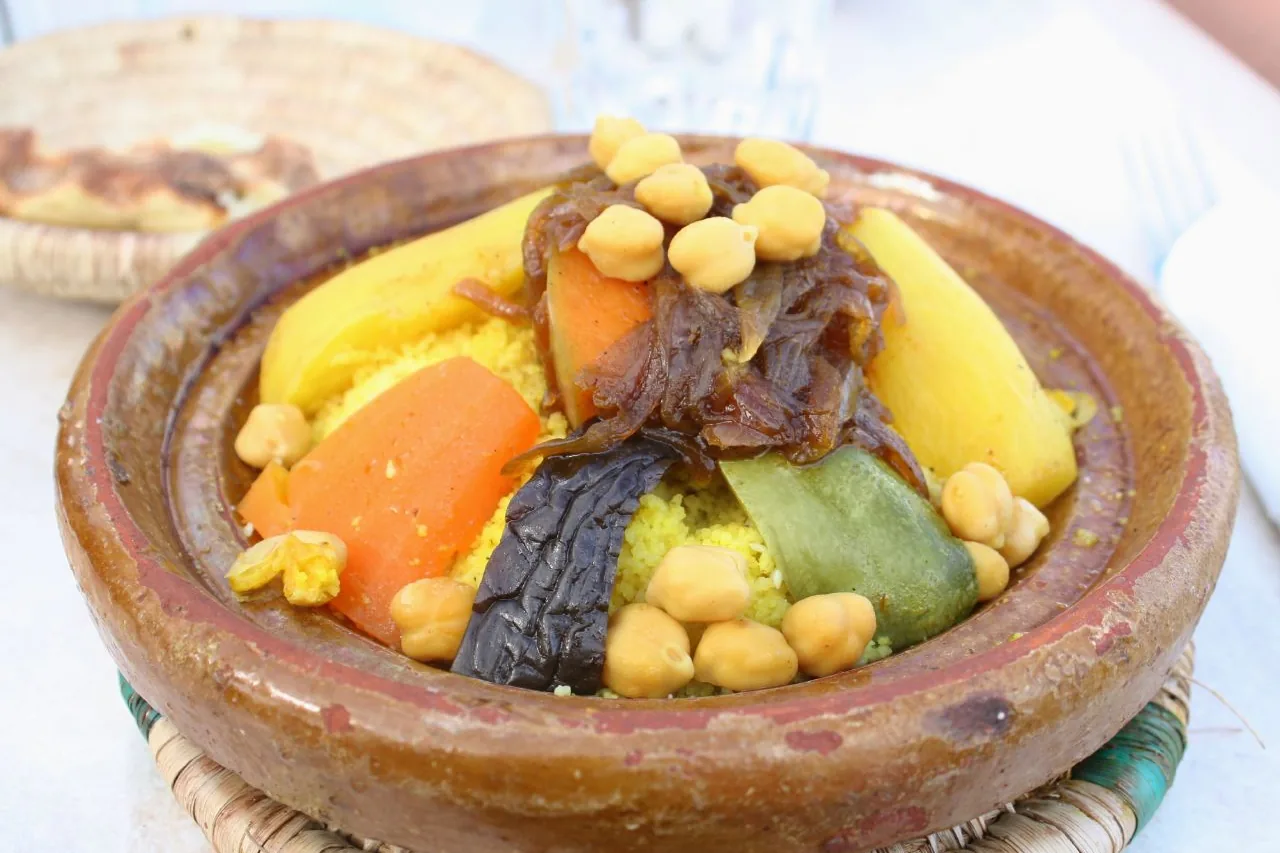
This moroccan couscous recipe steams fine semolina until fluffy, then ladles over a slow-cooked stew of seven vegetables, chickpeas and warm spices. One serving is about 475 g.
Comfort & Warmth
Fluffy steamed semolina with a slow vegetable stew and chickpeas.
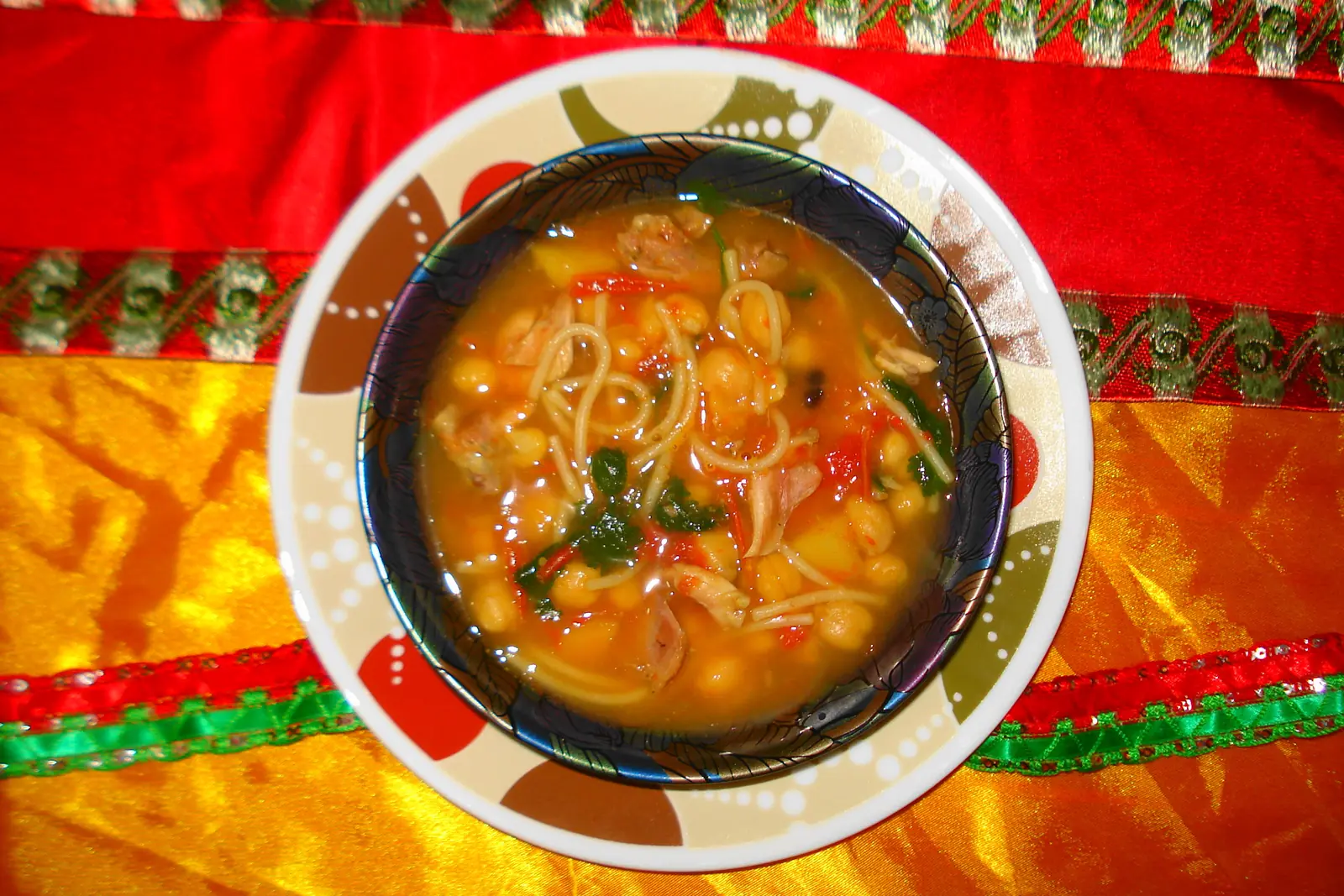
This harira soup recipe simmers lentils, chickpeas, tomatoes and lamb with ginger, cinnamon and fresh herbs, then thickens it the traditional way with a flour slurry. One serving is about 450 g.
Comfort & Warmth
A thick, warming tomato and lentil soup, the soup Moroccans break their fast with.
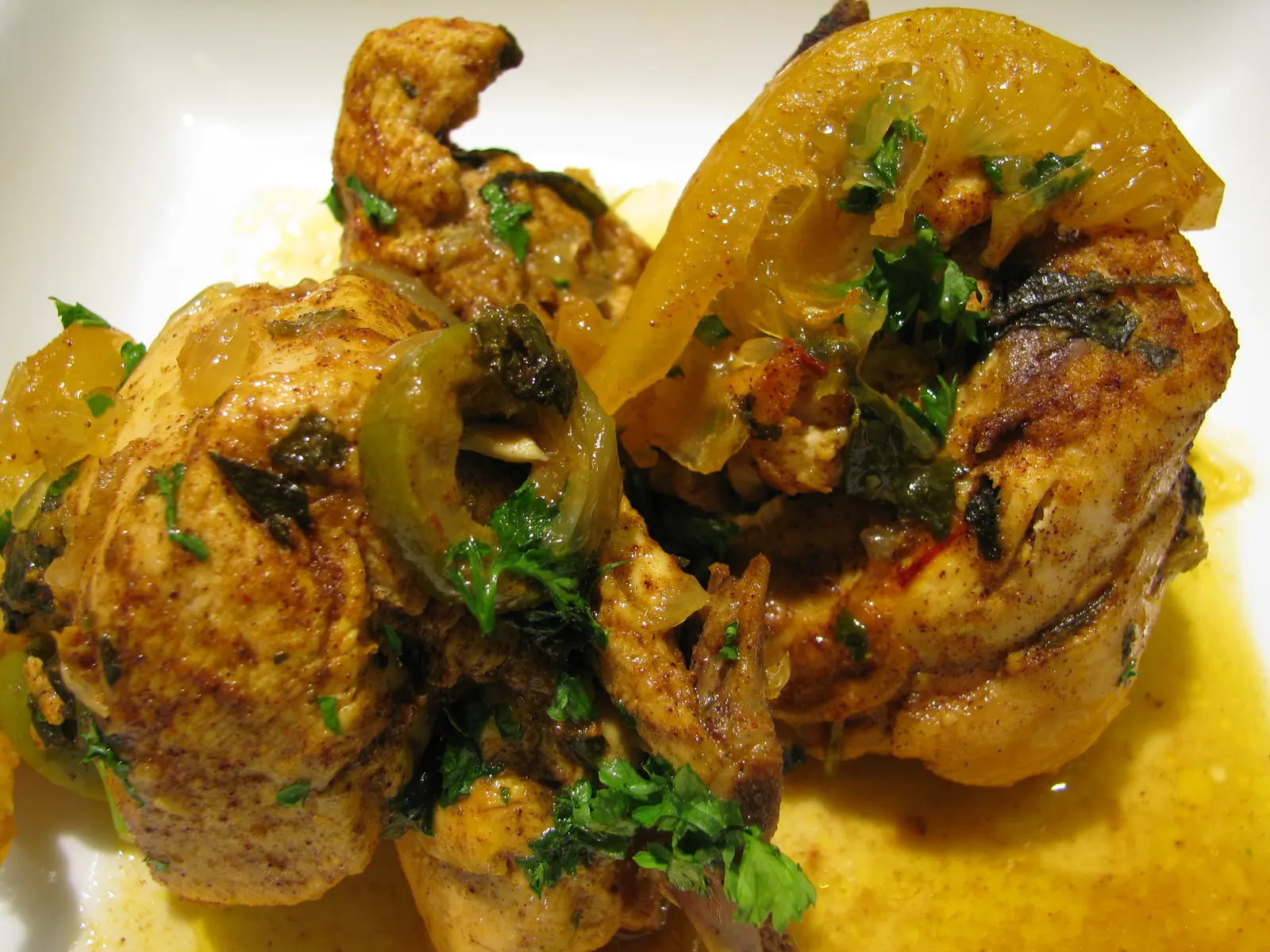
Moroccan chicken tagine is the dish Morocco is best known for: chicken braised slowly with onions, ginger and saffron, then finished with salty preserved lemon and green olives. This moroccan chicken tagine recipe uses a heavy pot instead of a clay tagine, so anyone can make it — the conical lid's job is done by a tight-fitting lid and a gentle flame. One serving is about 315 g.
Slow-Cooked Comfort
Chicken braised slowly with ginger, saffron, preserved lemon and green olives until the meat falls from the bone.