
Curated recipes from 193 countries  •  New seasonal Mediterranean issue out now

Overview

Chicha Salvadorena

Chicha de Maiz, Salvadoran Corn Chicha

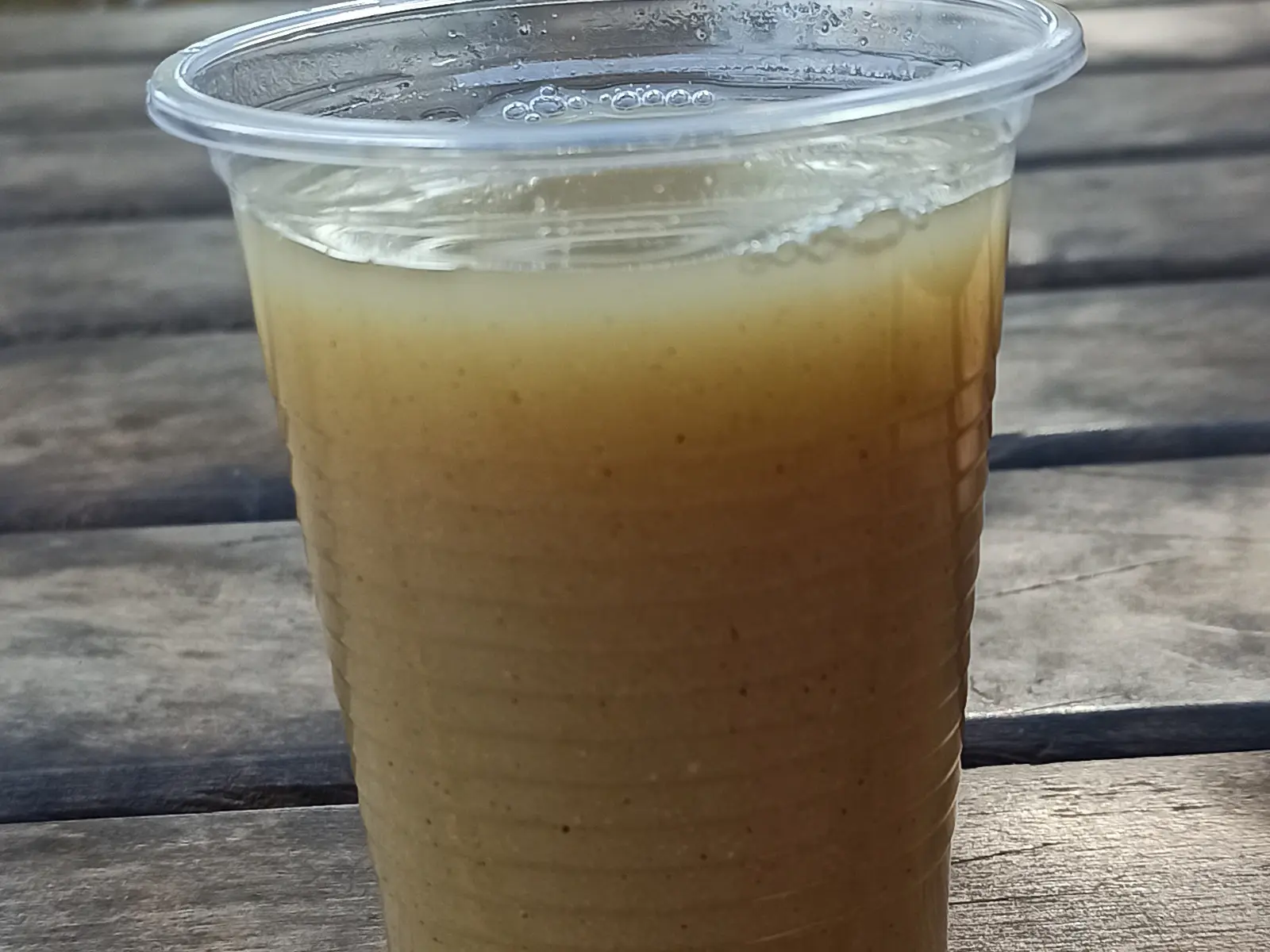
This chicha salvadorena recipe makes the gently sparkling fermented corn drink of El Salvador, sweetened with panela and fresh pineapple and scented with cinnamon and cloves. It is the same drink that flavours gallo en chicha, served here on its own, ice-cold in a tall glass. One serving is about 240 g (250 ml).

Chicha is one of the oldest drinks of the Americas, made from fermented maize long before the Spanish arrived, and every country in the region has its own version. The Salvadoran chicha is made with white corn, fresh pineapple and panela, and it is the drink that gives gallo en chicha — the rooster stewed in chicha that is El Salvador's great celebration dish — its sweet-tart sauce. Families still make it at home in large jars, tasting it daily until the balance of sweet and sour is just right.

Pairs well with: Serve ice-cold with salty snacks such as yuca con chicharron or toasted corn nuts.

Provenance

El Salvador flag El Salvador

Salvadoran Heritage

Latin America & Caribbean

Time Dedication

1h 15m

30m prep • 45m cook

Batch Yield

8 Servings

216 kcal per serving

1 serving ≈ 240 g

Technical Skill

Intermediate

Moderate (Fermentation)

Meal Timing & Digestive Fit

Breakfast

Not Advised

Lunch

Inappropriate

Dinner

Inappropriate

Snack & Tea

Ideal Light Bite

Occasions: Family gatherings, Fiestas patronales, Everyday refreshment Cost: Low — about $0.50–0.75 per serving at home
A clear plastic cup of cloudy pale-golden chicha, a fermented corn drink, on a weathered wooden table

Salvadoran Heritage

Photo: Carlillasa, CC BY-SA 4.0, via Wikimedia Commons

The Heritage Formulary

Measured Ingredients

Estimated cost: Low — about $0.50–0.75 per serving at home (USD)

This recipe follows the traditional Salvadoran home method — white corn, pineapple, panela and a slow 3–5 day ferment.

Execution Methodology & Culinary Technique

Step-by-Step Cooking Guide

Active 1h 15m
P

Soak and soften the corn

Overnight soak + 10 minutes

Rinse the dried corn, cover with cold water and soak overnight, then drain. The kernels should have swollen and softened; this is what lets the starches cook out into the drink.

Maestro Tip: Start the soak the evening before you plan to cook — the corn needs a full 8–12 hours.

  1. 1

    Simmer the corn until soft

    40 minutes 95°C (200°F)

    Put the soaked corn in a large pot with 1.5 L of water and bring to a gentle simmer. Cook for about 40 minutes, until the kernels are completely soft and split easily when pressed. Do not boil hard — a rolling boil clouds the drink with broken starch and can turn it gummy.

    Skim off any foam in the first 10 minutes for a cleaner-tasting chicha.

    Done when: Kernels crush easily between your fingers and the cooking water looks milky.

  2. 2

    Make the panela and pineapple syrup

    15 minutes 100°C (212°F)

    While the corn cooks, dissolve the panela in 1 L of water over medium heat with the cinnamon stick and cloves. Add the pineapple chunks and the well-scrubbed peel, simmer for 10 minutes, then take off the heat and let it cool completely to room temperature, about 20–25°C (68–77°F).

    Never add yeast to warm liquid — above 30°C (86°F) it dies and the drink will not ferment.

    Done when: The panela has fully dissolved and the syrup smells of pineapple and spice.

  3. 3

    Blend, combine and start the ferment

    10 minutes + 3–5 days fermenting Room temperature, 20–25°C (68–77°F)

    Blend the soft corn with a little of its cooking water until smooth, then stir it into the cooled panela-pineapple syrup in a large clean glass jar or ceramic crock. Sprinkle the pinch of yeast over the top, cover with cheesecloth secured with string, and leave in a dark, cool place for 3–5 days. Stir once a day and loosen the cloth briefly to let gas escape.

    Taste daily from day 3: it should be gently tart and lightly sparkling. Longer fermenting means more sour and more alcoholic.

    Done when: Fine bubbles rise when stirred and the drink tastes tangy-sweet, not flat or vinegary.

  4. 4

    Strain and chill

    10 minutes + 4 hours chilling 4°C (39°F)

    Strain the chicha through cheesecloth into clean bottles, pressing the pulp gently — do not squeeze it dry or the drink turns cloudy and gritty. Seal the bottles and refrigerate for at least 4 hours until ice-cold. The cold slows the ferment so the drink keeps its sweetness.

    Leave a little headspace in each bottle; a live ferment keeps making gas.

    Done when: The strained drink is cloudy pale gold with a light sparkle and no pulp.

  5. 5

    Serve over ice with lime

    5 minutes 4°C (39°F)

    Pour into tall glasses over ice cubes and add a lime wedge. Serve at once, while it is still cold and lightly sparkling. Drink within 3–4 days, kept refrigerated — after that it keeps fermenting and turns sour.

    Open bottles slowly over the sink; the natural sparkle can fizz up.

    Done when: Cold, gently fizzy, sweet-tart and smelling faintly of pineapple and cinnamon.

Finishing Touches & Plating

Chicha is at its best on day 3 or 4 of fermenting — sweet, lightly tart and gently sparkling. Taste it daily and bottle it the moment the balance tastes right to you.

Nutritional Physiology & Benefits

Nutrition

Energy

216

kcal / serving

Protein

2g

Complete AA

Carbs

44g

Complex

Fats

1g

Healthy

Per serving (8 servings · 1 serving ≈ 240 g)
Energy216 kcal
Protein2 g
Carbohydrates44 g
Fat1 g
Fibre2.1 g
Sugar27.6 g
Sodium6 mg
Per 100g
Energy90 kcal
Protein0.7 g
Carbohydrates18.2 g
Fat0.3 g
Fibre0.9 g
Sugar11.5 g
Sodium3 mg

Nutrition values are estimated — calculated from USDA FoodData Central values for the listed ingredients.

Vitamins & minerals: Provides small amounts of vitamin C and manganese from the pineapple and corn, plus potassium from the panela.

Natural energy from corn and panela

With about 43.6 g of carbohydrates per serving, a glass gives quick, easily digested energy — the reason it has long been a working-day drink in El Salvador.

Fermented, with live cultures

The slow ferment produces lactic-acid bacteria and a light natural sparkle, the same kind of traditional fermentation behind many foods eaten for gut health.

Light and hydrating

Served ice-cold over ice, it is mostly water with a little fruit and grain — a refreshing drink that is far lighter than a soft drink of the same sweetness.

Food Pairings

What to Eat With

To optimize nutrient absorption and elevate the sensory depth, pair with these authentic accompaniments:

Sides

Yuca con chicharron

The salty, crunchy pork cracklings and soft yuca are the classic street-food partner — salt and crunch against the drink's sweet-tart fizz.

Toasted corn nuts

Salty toasted corn echoes the corn in the glass and gives you something to nibble while the chicha cools you down.

Full Menus

Gallo en chicha

This is the very drink that goes into El Salvador's celebration chicken stew, so serving the two together tells the whole story of the dish.

Drinks

Agua fresca or iced tea (for non-drinkers)

Because chicha is mildly alcoholic, always offer a non-alcoholic drink alongside it so everyone at the table has something cold to drink.

Complete menu

Serve a glass of ice-cold chicha with yuca con chicharron and curtido as a Salvadoran street-food snack, or pour it alongside gallo en chicha at a family celebration.

Digestive Guardrails

What NOT to Combine

To prevent digestive distress, sluggishness, or palate clash, avoid pairing the dish with these elements:

Serving it to children or during pregnancy

Chicha is a fermented, mildly alcoholic drink (about 2.5% ABV), so it is not suitable for children, for pregnant or breastfeeding women, or for anyone avoiding alcohol. Offer them horchata or a fruit fresco instead. This is general information, not medical advice.

Sealing the ferment airtight

A fermenting drink makes carbon dioxide, and a sealed jar or bottle can build up pressure and burst. Always cover the ferment with cloth and leave headspace in bottles. This is general cooking advice, not medical advice.

General information only, not medical advice — consult a doctor for personal dietary decisions.

Who Should Eat It

Who Should Eat

  • General adultsA refreshing traditional drink in a normal 250 ml glass. Remember it contains alcohol — about 2.5% ABV — so treat it like a light beer, not a soft drink.
  • ChildrenNot suitable for children: chicha is fermented and mildly alcoholic, even though it tastes sweet.
  • ElderlyA small glass is fine for most older adults, but the alcohol and the sugar mean it is best kept occasional; ask your clinician if you take medicines that interact with alcohol.
  • Pregnant womenAvoid completely: no amount of alcohol is considered safe during pregnancy, and chicha is a live ferment with an unpredictable alcohol level.
  • Breastfeeding womenAvoid while breastfeeding, as alcohol passes into breast milk; choose a non-alcoholic fresco instead.
  • AthletesNot a recovery drink: the alcohol slows rehydration after training. Save it for a rest day and drink water first.
  • Weight gainA useful extra source of energy — about 216 kcal per glass from corn sugars and panela — but the alcohol adds calories without nutrients.
  • Weight lossBest skipped: the glass is sweet and alcoholic, so it adds about 216 kcal without filling you up.

Health Conditions — Adjust or Avoid

Conditions

  • DiabetesOne glass has about 43.6 g of carbohydrates and 27.6 g of sugar, so it raises blood sugar quickly; alcohol can also mask low blood sugar later. People with diabetes should avoid it or ask their clinician first.
  • High blood pressureSodium is very low, but alcohol raises blood pressure, so keep it to an occasional small glass and ask your clinician about your alcohol limits.
  • Kidney diseaseThe drink is low in protein and potassium, but alcohol is extra work for the body; ask your clinician before drinking it regularly.
  • GoutAlcohol is a known gout trigger, and this drink also carries a lot of sugar; people with gout should avoid it, especially during a flare. Ask your clinician.
  • Stomach issuesThe live ferment and the acidity can irritate a sensitive stomach and cause bloating; drink a small amount or skip it if you have gastritis or reflux.
  • Cardiovascular diseaseAlcohol affects heart rhythm and blood pressure, so people with heart disease should ask their clinician whether even a light fermented drink is safe for them.
  • Fatty liverAlcohol is the main thing to avoid with fatty liver, and chicha is alcoholic; choose a non-alcoholic drink instead and ask your clinician.
  • Food allergiesContains corn and pineapple; the panela may be processed where nuts are handled. Skip it if you are allergic to corn or pineapple.
  • Special therapeutic dietsBecause it is alcoholic and sweet, chicha does not fit alcohol-free, low-sugar or diabetic meal plans; ask your clinician or dietitian for a suitable alternative.

If you have a medical condition, consult your doctor before changing your diet.

Storage & Use

Storage & Use

How to store
Keep refrigerated in sealed bottles with a little headspace.
In the fridge
3–4 days in the refrigerator; it keeps fermenting slowly, so it gets more sour each day.
In the freezer
Not recommended — freezing kills the live cultures and the drink goes flat.
How to reheat
Do not heat; serve ice-cold. Heating destroys the sparkle and the fresh flavour.
Freezing recommended
No — the live ferment does not survive freezing.
Signs it has spoiled
Vinegar smell, slimy texture, mould on the surface, or a sharp sourness that stings the throat.

More recipes to explore

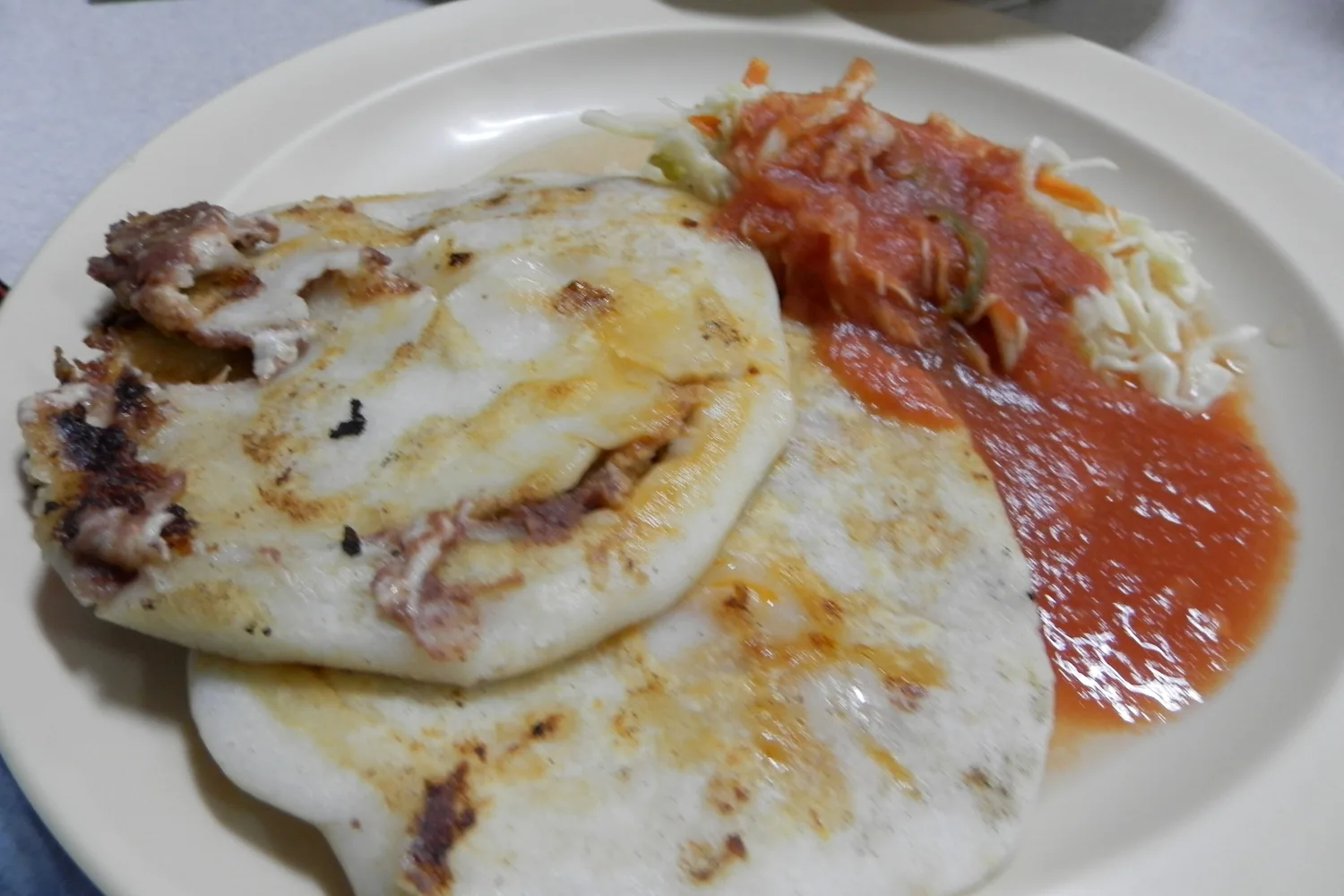
Two golden griddled pupusas on a plate with curtido cabbage slaw and red tomato salsa, melted cheese showing at the edge El Salvador flag El Salvador 1h 15m
Lunch •San Salvador Heritage

Pupusas

This pupusas recipe makes the stuffed corn cakes El Salvador is known for: soft nixtamalized masa wrapped around a molten filling of seasoned pork, refried beans and quesillo-style cheese, then griddled until the outside is golden and speckled and the cheese runs when you bite in. They are eaten hot, straight off the comal, with a pile of tangy curtido cabbage slaw and tomato salsa on the side. One serving is two pupusas, about 330 g.

Comfort & Warmth

El Salvador's national dish: thick corn masa cakes stuffed with pork, beans and melted cheese, griddled on a hot comal and served with curtido.

Pairs Well With
Curtido (pickled cabbage slaw) and salsa roja, with a cold horchata or tamarind drink on the side.
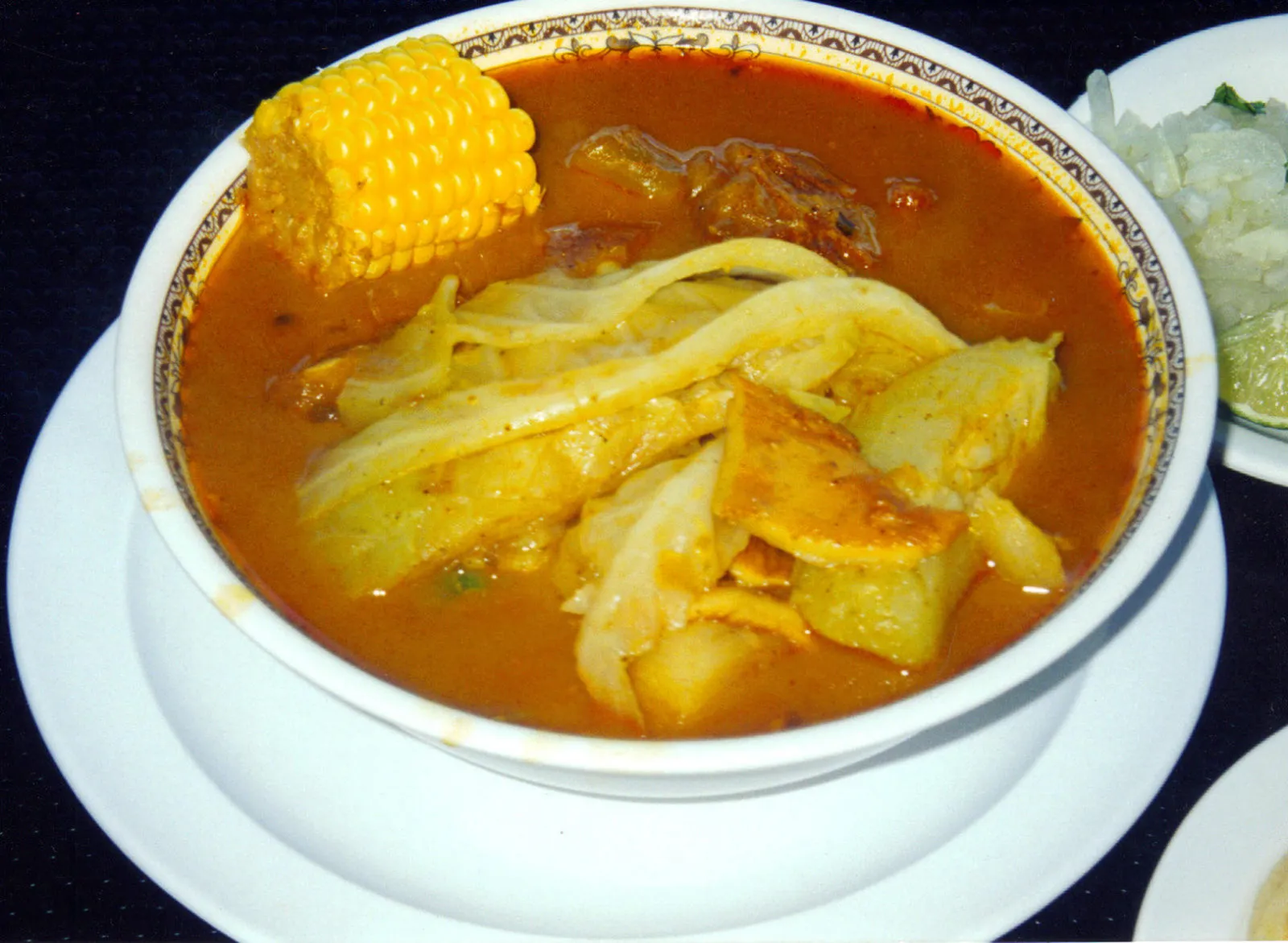
A bowl of sopa de pata, orange-red achiote broth with corn on the cob, cabbage and chunks of yuca El Salvador flag El Salvador 4h 5m
Lunch •Salvadoran Heritage

Sopa de Pata

This sopa de pata recipe is El Salvador's most famous soup: cow's feet and tripe simmered for hours until the broth turns rich and gelatinous, then loaded with yuca, chayote, corn, green plantain and cabbage, and coloured a warm orange-red with achiote. It is a weekend lunch in Salvadoran homes, served steaming hot with lime wedges and warm tortillas for squeezing and scooping. One serving is about 640 g, soup and vegetables together.

Comfort & Warmth

El Salvador's slow-simmered cow's foot and tripe soup, thick with yuca, corn and chayote in a red achiote broth.

Pairs Well With
Warm corn tortillas and lime wedges, with a little chopped onion and cilantro on the side.
Soups & Broths
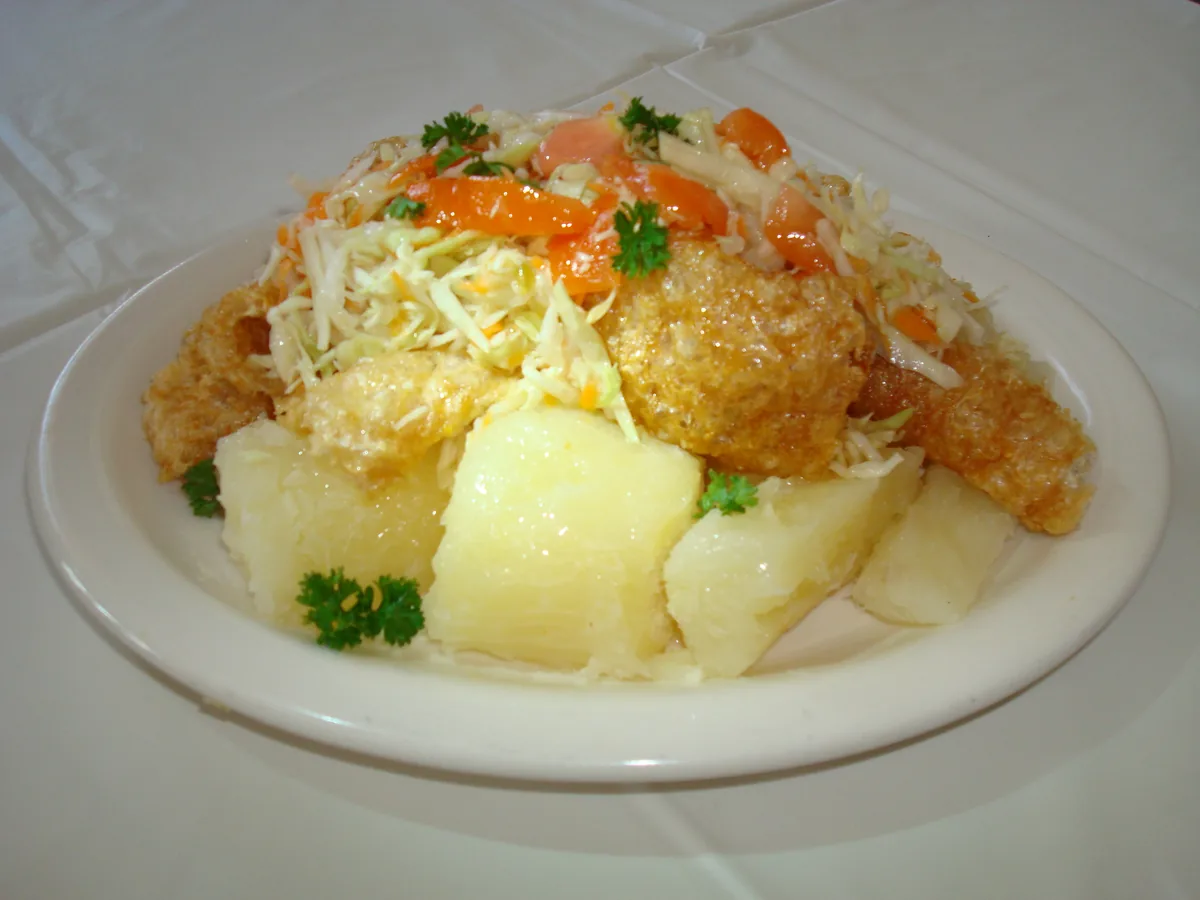
A plate of yuca con chicharron — boiled cassava chunks topped with golden crispy pork cracklings and shredded cabbage, carrot and tomato slaw El Salvador flag El Salvador 1h 35m
Lunch •Salvadoran Street-Food Classic

Yuca con Chicharrón

This yuca con chicharron recipe is the Salvadoran street-food plate: cassava boiled until soft and fluffy, topped with pork belly simmered until tender and then fried crisp in its own fat, with tangy curtido cabbage slaw and fresh tomato salsa on the side. It is the same trio of yuca, chicharron and cabbage slaw that is sold from market stalls across El Salvador. One serving is about 590 g.

Comfort & Energy

Tender boiled cassava with crisp fried pork, tangy curtido and fresh tomato salsa — a filling Salvadoran street-food plate.

Pairs Well With
Warm corn tortillas, fried plantains and a cold horchata or limeade
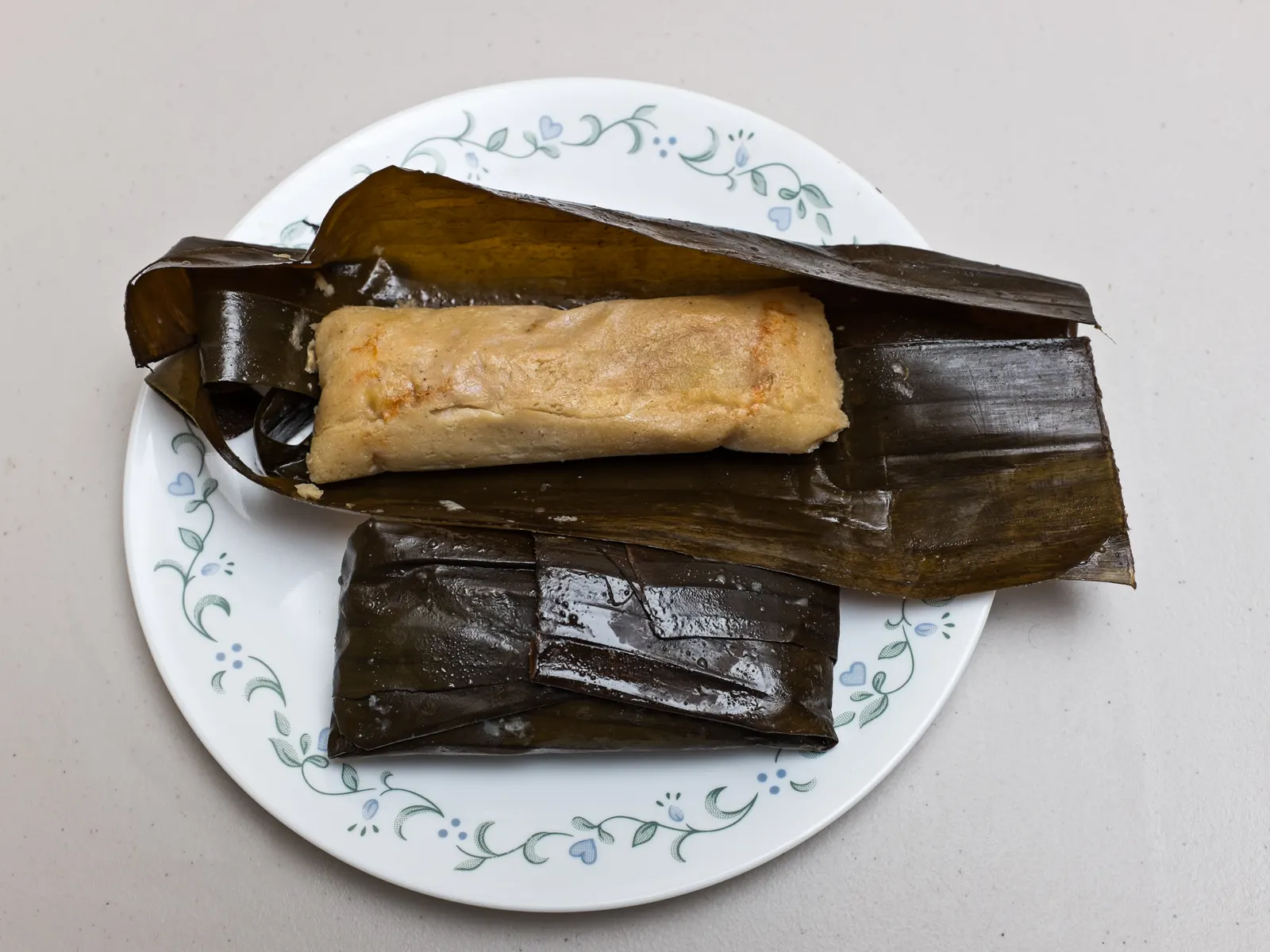
Two Salvadoran chicken tamales on a plate, one unwrapped from its banana leaf showing soft golden masa El Salvador flag El Salvador 3h 30m
Dinner •Salvadoran Heritage

Tamales de Gallina

This tamales de gallina recipe makes soft Salvadoran chicken tamales the traditional way: a pre-cooked corn masa spread on banana leaves, wrapped around shredded chicken, potato, chickpeas, olives and capers, then steamed until tender. One serving (two tamales) is about 458 g. The banana leaf gives the masa a gentle, grassy scent that corn husks never quite match.

Hearty & Festive

A filling, protein-rich festive main built around corn masa, chicken and vegetables.

Pairs Well With
Serve warm with curtido, the Salvadoran pickled cabbage slaw, and a mild tomato salsa.

The Dinner Gazette

Never wonder what’s for dinner again

One email a week with easy dinner ideas from around the world — ingredients, steps and nutrition, tested in our kitchen first.

Delivered every Thursday morning. Unsubscribe anytime.