Curated recipes from 193 countries  •  New seasonal Mediterranean issue out now

Overview

Chuleta con Tajadas

Honduran Fried Pork Chops with Plantains, Chuletas con Tajadas

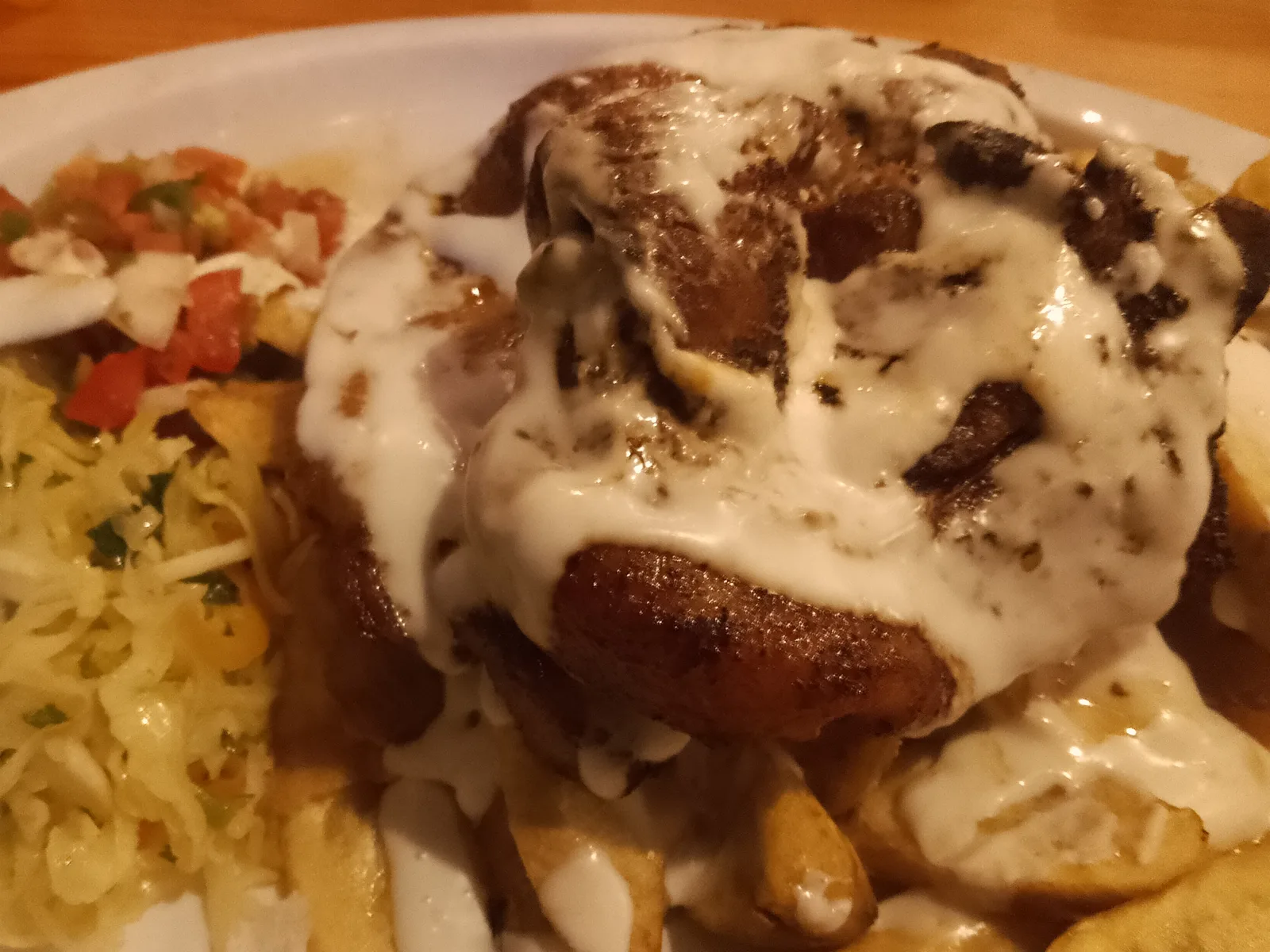
This chuleta con tajadas recipe is the Honduran plate everyone orders: bone-in pork chops marinated in garlic, sour orange and Worcestershire sauce, fried golden, then piled onto crisp fried plantain slices with pickled cabbage curtido and fresh tomato chimol. One serving is about 488 g. It is loud, generous food — build it in layers and eat it while the chops are still crackling.

Chuleta con tajadas is the plate of La Ceiba, on Honduras's Caribbean coast, where cooks build it in layers: a mountain of fried plantain slices, the golden marinated pork chop on top, then curtido, chimol and a drizzle of crema. In La Ceiba some people call the same stack a sandwich de chuleta, because the layers are piled up like a sandwich without the bread. The marinade — garlic, sour orange, Worcestershire sauce, cumin and oregano — is the same seasoning Honduran cooks use for chuletas of every kind, and the tajadas, curtido and chimol are the sides that turn a fried chop into a full Honduran meal.

Pairs well with: Serve with white rice and red beans, and an ice-cold lager or a glass of horchata.

Provenance

Honduras flag Honduras

Honduran Street-Food Classic

Latin America & Caribbean

Time Dedication

1h

30m prep • 30m cook

Batch Yield

4 Servings

728 kcal per serving

1 serving ≈ 488 g

Technical Skill

Intermediate

Medium (Frying)

Meal Timing & Digestive Fit

Breakfast

Not Advised

Lunch

Hearty Midday Main

Dinner

Ideal Hearty Main

Snack & Tea

Inappropriate

High Protein Occasions: Weekend family lunch, street food night, casual dinner with friends Cost: Low — about $3–4 per serving at home
A plate of chuleta con tajadas — a golden fried pork chop under white crema with fried plantain slices, curtido and chimol

Honduran Street-Food Classic

Photo: Senchin11, CC BY-SA 4.0, via Wikimedia Commons

The Heritage Formulary

Measured Ingredients

Estimated cost: Low — about $3–4 per serving at home (USD)

Made the Honduran way: chops marinated in garlic and sour orange, fried golden, and layered over tajadas with curtido and chimol.

Execution Methodology & Culinary Technique

Step-by-Step Cooking Guide

Active 1h
P

Prep Stage: Marinate the Chops & Shred the Curtido

30 Mins • Marinating & Slicing

Mix the garlic, Worcestershire sauce, sour orange juice, cumin, oregano and most of the salt, rub it over the pork chops and leave them to marinate for at least 30 minutes while you work. Meanwhile, shred the cabbage, grate the carrot and slice the onion for the curtido, toss them with the vinegar and the rest of the salt, and dice the tomato, onion and pepper for the chimol with the lime juice and cilantro. Slice the plantains on a long diagonal so they fry into wide golden ovals.

Maestro Tip: Make the curtido first and let it sit while the chops marinate — the vinegar needs that time to soften the cabbage and bring the flavours together.

  1. 1

    Marinate the Pork Chops

    30 Mins Room temperature, ~20°C (68°F)

    Mix the minced garlic, Worcestershire sauce, sour orange juice, cumin, oregano and most of the salt in a shallow dish. Lay the pork chops in the marinade, turning them so both sides are coated, and leave for at least 30 minutes — 2 hours in the fridge is even better.

    Score the fat edge of each chop in two places so it does not curl up in the pan.

    Done when: Every chop is coated in marinade and the surface looks glossy, not dry.

  2. 2

    Make the Curtido

    10 Mins Room temperature, ~20°C (68°F)

    Toss the shredded cabbage, grated carrot and sliced onion with the white vinegar, the rest of the salt and a pinch of oregano. Squeeze it gently with your hands a few times, then leave it to pickle while you cook.

    A gentle squeeze — not a hard wringing — is what softens the cabbage without turning it to mush.

    Done when: The cabbage has softened and the vinegar tastes lightly of onion and oregano.

  3. 3

    Make the Chimol

    10 Mins Room temperature, ~20°C (68°F)

    Mix the diced tomato, diced onion and diced green pepper with the lime juice and chopped cilantro. Season lightly and leave it to sit so the juices run together.

    Dice everything small and even — chimol is a spoonable relish, not a chunky salad.

    Done when: A bright, juicy relish with tomato, onion and pepper in every spoonful.

  4. 4

    Fry the Tajadas Golden

    15 Mins Hot oil, 175°C (350°F)

    Heat the oil in a deep pan to 175°C (350°F). Fry the plantain slices in batches for 3 to 4 minutes per side until deep golden and crisp at the edges. Lift them out onto a wire rack and sprinkle with a little salt while they are hot.

    Fry in batches — a crowded pan drops the oil temperature and the tajadas go soggy.

    Done when: Deep golden slices, crisp at the edges and tender inside.

  5. 5

    Fry the Chops Until Golden

    12 Mins Medium-high heat, ~190°C (375°F); pork to 63°C (145°F)

    Shake the excess marinade off the chops and fry two at a time in the hot oil for 4 to 5 minutes per side, until deep golden outside and the centre reads 63°C (145°F) on a thermometer. Rest the chops for 3 minutes before serving.

    Do not press the chops down while they fry — that squeezes the juices out.

    Done when: Golden-brown crust, juicy inside, and a thermometer reading of at least 63°C (145°F).

  6. 6

    Build the Plates

    5 Mins Serve hot, above 60°C (140°F)

    Lay a bed of hot tajadas on each plate, set a pork chop on top, spoon over a pile of curtido and a spoonful of chimol, and finish with a drizzle of crema. Serve at once, while the chops are still crackling.

    Build it in layers — tajadas, chop, curtido, chimol, crema — so every forkful gets a bit of everything.

    Done when: A full plate with the chop on top of the plantains and the bright curtido and chimol alongside.

Finishing Touches & Plating

Serve the chuleta con tajadas the moment the chops leave the pan, with the curtido and chimol piled high and extra crema on the side.

Nutritional Physiology & Benefits

Nutrition

Energy

728

kcal / serving

Protein

49g

Complete AA

Carbs

63g

Complex

Fats

33g

Healthy

Per serving (4 servings · 1 serving ≈ 488 g)
Energy728 kcal
Protein49 g
Carbohydrates63 g
Fat33 g
Fibre7.1 g
Sugar29.6 g
Sodium685 mg
Per 100g
Energy149 kcal
Protein9.9 g
Carbohydrates12.9 g
Fat6.8 g
Fibre1.5 g
Sugar6.1 g
Sodium140 mg

Nutrition values are estimated — calculated from USDA FoodData Central values for the listed ingredients.

Vitamins & minerals: Provides thiamin and vitamin B6 from the pork, vitamin C from the peppers and tomato, and potassium from the plantains.

Protein for a Filling Dinner

One serving gives about 48.5 g of protein from the pork chop, which makes this a genuinely satisfying plate.

Thiamin and Vitamin B6

Pork is one of the best natural sources of thiamin and vitamin B6, which the body uses to turn food into energy.

Fresh Vegetables on the Side

Cabbage, carrot, tomato, pepper and onion come with the plate as curtido and chimol, so the meal carries fresh vegetables as well as fried food.

Food Pairings

What to Eat With

To optimize nutrient absorption and elevate the sensory depth, pair with these authentic accompaniments:

Sides

White Rice and Red Beans

Rice and beans are the Honduran table's foundation: they stretch the plate and soak up the chimol juices.

Drinks

Ice-Cold Lager

A cold lager cuts through the fried chop and the crema and keeps the rich plate feeling light.

Horchata

Sweet, cinnamon-scented horchata is the classic non-alcoholic cooler with fried Honduran food.

Vegetables

Sliced Avocado

Creamy avocado adds richness of a different kind and cools the plate down against the hot, salty chop.

Complete menu

Serve the chuleta con tajadas with white rice and red beans, a cold lager, and fresh fruit for a complete Honduran dinner.

Digestive Guardrails

What NOT to Combine

To prevent digestive distress, sluggishness, or palate clash, avoid pairing the dish with these elements:

Do Not Hold Fried Food for Hours

Tajadas go soft and the chops lose their crust as the plate cools, and warm meat should not sit out for more than 2 hours. Eat it hot or reheat it properly. This is general food-safety guidance, not medical advice.

Do Not Eat It Every Day

Fried pork, plantains and crema make this a rich, salty plate, so it works best as a weekend treat rather than a daily dinner. This is general nutrition guidance, not medical advice.

General information only, not medical advice — consult a doctor for personal dietary decisions.

Who Should Eat It

Who Should Eat

  • General adultsA big, rich dinner — about 728 kcal and 48.5 g of protein per serving.
  • ChildrenChildren love the sweet plantains; serve a small chop with extra tajadas and go light on the vinegar curtido.
  • ElderlySuitable in a small portion; the chop is tender, but the salt and fat are high.
  • Pregnant womenGenerally suitable if the pork is cooked through to 63°C (145°F) and rested. Ask your clinician about portions.
  • Breastfeeding womenGenerally suitable; the protein is useful, but keep the portion moderate because the plate is rich.
  • AthletesA strong post-training meal for energy, with about 48.5 g of protein and plenty of carbohydrate from the plantains.
  • Weight gainA strong choice — a full serving with rice and beans is an easy way to add energy.
  • Weight lossKeep to about half a serving with extra curtido and chimol, and skip the crema. Ask your clinician about portions.

Health Conditions — Adjust or Avoid

Conditions

  • DiabetesOne serving carries about 63.0 g of carbohydrate from the plantains — keep to half a serving and ask your clinician about portions.
  • High blood pressureOne serving carries about 685 mg of sodium from the salt, Worcestershire sauce and crema — do not add extra salt. Ask your clinician about your daily sodium limit.
  • Kidney diseaseThe dish is high in protein, potassium and sodium; keep to a small portion and ask your clinician whether it fits your plan.
  • GoutPork is moderate in purines; a small portion is usually fine, but ask your clinician if gout flares are frequent.
  • Stomach issuesFried food and vinegar can feel heavy on a sensitive stomach — eat slowly and keep the portion small. Ask your clinician if symptoms persist.
  • Cardiovascular diseaseThe dish is high in saturated fat from the pork and crema, so keep it an occasional treat and fill half the plate with curtido. Ask your clinician about how often it fits your diet.
  • Fatty liverKeep the portion small and favour the chop and curtido over extra tajadas and crema. Ask your clinician about portions.
  • Food allergiesContains milk (crema). Naturally gluten-free — just check the Worcestershire sauce and crema labels.
  • Special therapeutic dietsIf you follow a prescribed low-sodium diet, use low-sodium crema, halve the added salt and go light on the curtido brine, and check with your clinician before eating a full serving.

If you have a medical condition, consult your doctor before changing your diet.

Storage & Use

Storage & Use

How to store
Cool quickly and store the chops, tajadas, curtido and chimol in separate airtight containers.
In the fridge
Cooked chops 3 to 4 days; curtido and chimol 2 to 3 days.
In the freezer
The chops freeze well for up to 2 months; the tajadas and salads do not.
How to reheat
Reheat the chops in a hot oven at 200°C (400°F) for 8 minutes until steaming hot, to 74°C (165°F), and crisp the tajadas in the same oven for 5 minutes.
Freezing recommended
Only the chops; make fresh tajadas and salads.
Signs it has spoiled
Sour smell, slimy pork, or curtido that has turned soft and grey.

More recipes to explore

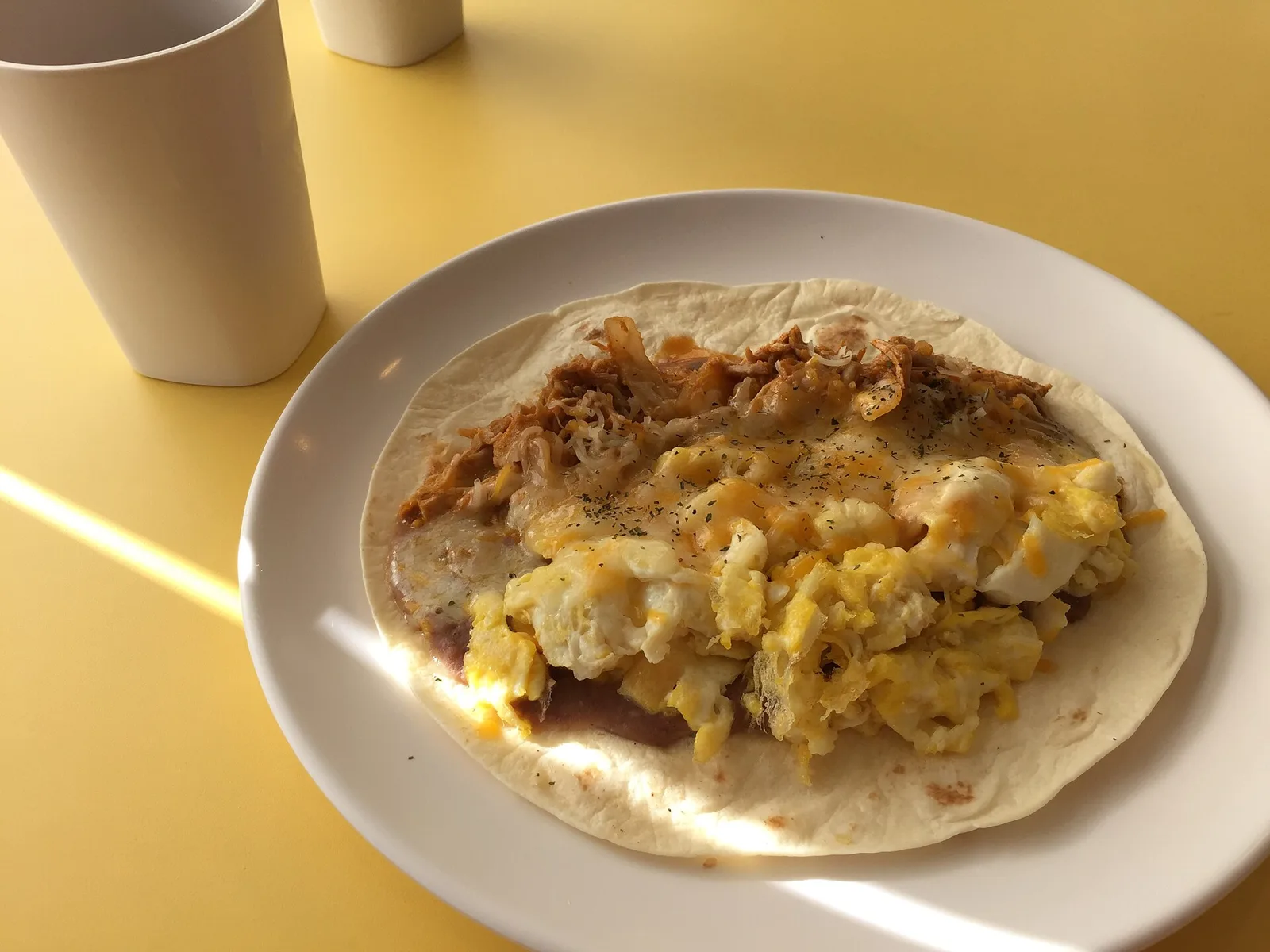
An open baleada on a white plate: a flour tortilla topped with refried beans, scrambled egg and melted cheese Honduras flag Honduras 45m
Breakfast •La Ceiba Heritage

Baleadas

This baleadas recipe makes Honduras's favourite breakfast the way it is sold from street stalls and home kitchens along the north coast: thick, soft flour tortillas, cooked on a dry griddle until golden and speckled, then spread with warm mashed red beans, piled with soft scrambled egg and crumbled salty cheese, and finished with a spoonful of crema. Each baleada is folded in half and eaten hot, by hand, while the cheese is still melting into the beans. One serving is one baleada, about 335 g.

Hearty & Filling

Honduras's best-known breakfast: a thick, soft flour tortilla folded around mashed red beans, scrambled egg and crumbled salty cheese.

Pairs Well With
Sliced avocado and a hot sauce on the side, with a cup of sweet Honduran coffee or a glass of fresh orange juice.
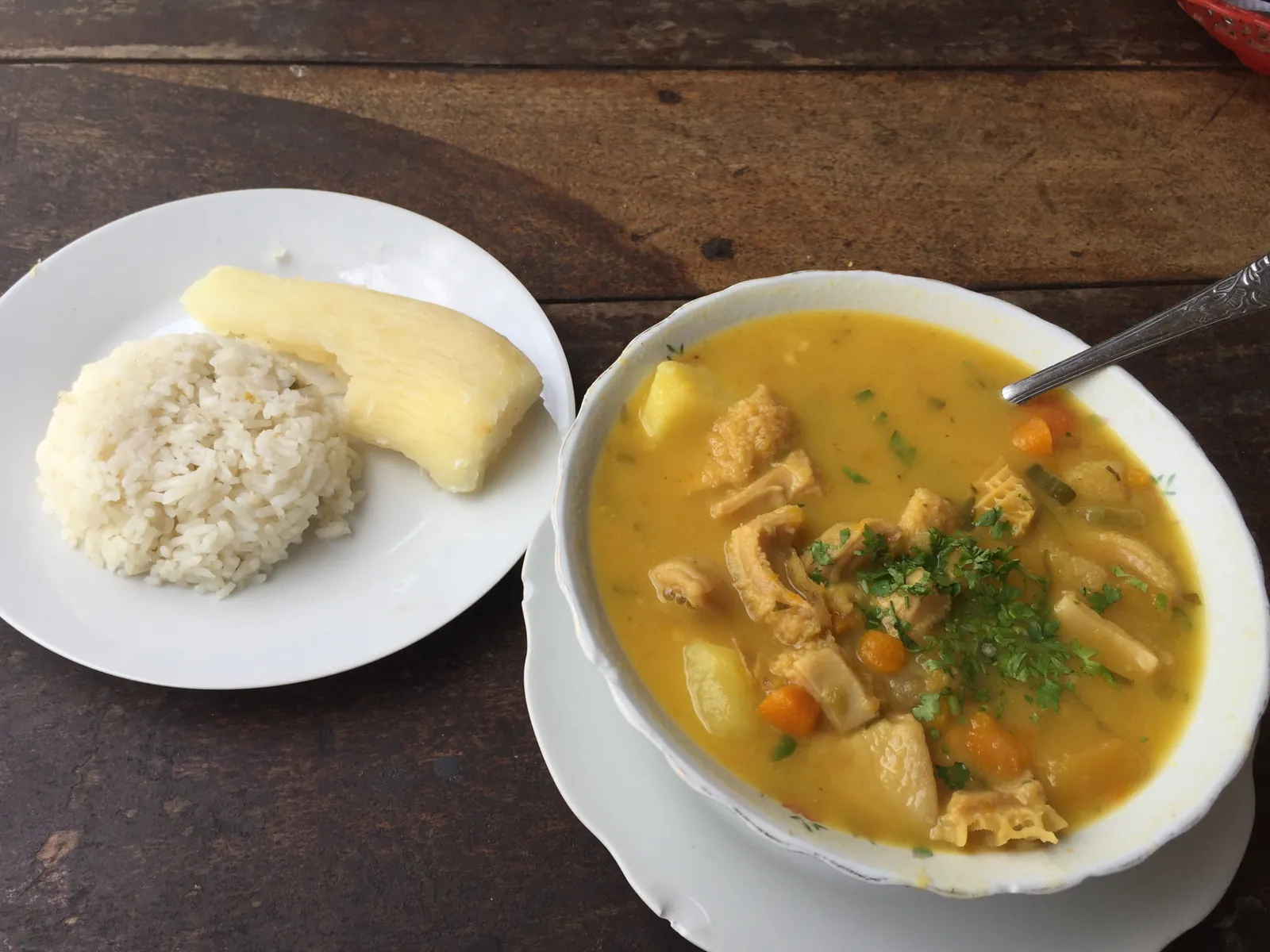
A bowl of sopa de mondongo with strips of tripe, carrots and potatoes, garnished with cilantro, served with white rice and boiled yuca on the side Honduras flag Honduras 3h 45m
Lunch •Honduran Heritage

Honduran Sopa de Mondongo

This honduran sopa de mondongo recipe is Honduras's slow-cooked tripe soup: beef tripe simmered for hours until tender, then loaded with yuca, green plantain, corn, carrots and potatoes in a tomato, cumin and cilantro broth. It is a weekend lunch in Honduran homes, served steaming hot with lime wedges, white rice and warm tortillas for squeezing and scooping. One serving is about 600 g, soup and vegetables together.

Comfort & Warmth

Slow-simmered beef tripe with yuca, plantain and corn in a tomato, cumin and cilantro broth.

Pairs Well With
White rice and warm corn tortillas, with lime wedges and chopped cilantro on the side.
Soups & Broths
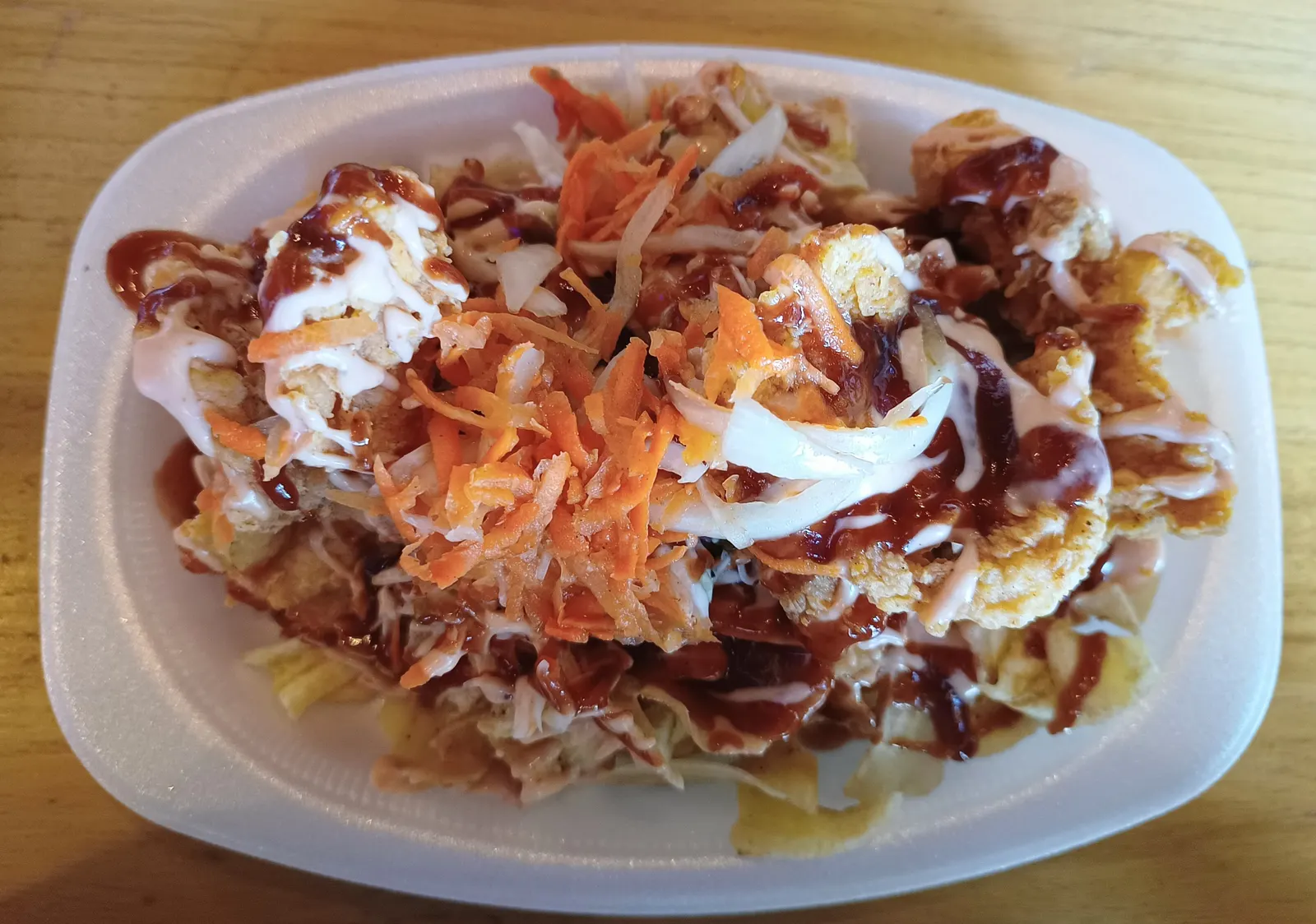
Pollo chuco on a plate: crispy fried chicken over fried plantain tajadas with shredded cabbage, carrot, pickled onion and sauces Honduras flag Honduras 1h 5m
Dinner •San Pedro Sula Heritage

Pollo Chuco

Pollo chuco is the beloved street-food plate of San Pedro Sula, Honduras: flour-dredged chicken fried until crisp and golden, piled over crunchy fried green-plantain slices called tajadas, then finished with lime-dressed cabbage, pickled red onion, fresh chimol salsa and a drizzle of tomato and pink sauces. Every bite mixes crunch, tang, heat and creaminess. One serving is about 480 g.

Hearty Street-Food Comfort

A filling plate of fried chicken, crisp plantains and fresh toppings that works as a satisfying dinner.

Pairs Well With
Serve with an ice-cold agua fresca or a light lager, and lime wedges on the side.
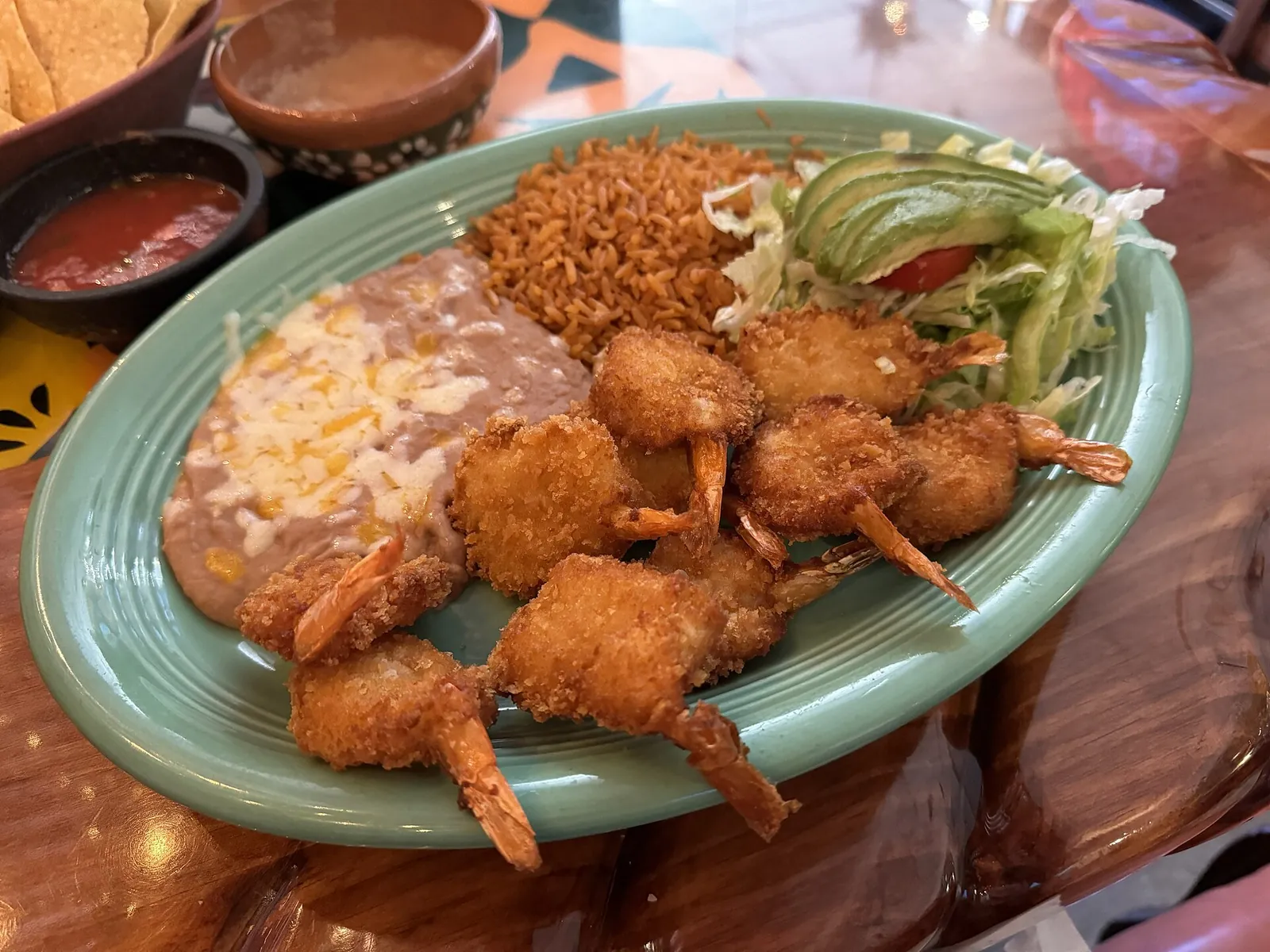
A plate of golden breaded shrimp with refried beans, red rice and avocado salad Honduras flag Honduras 40m
Dinner •Honduran Coastal Favourite

Camarones Empanizados Hondureños

This camarones empanizados recipe starts with large shrimp tossed in lime, garlic and paprika, then runs each one through flour, beaten egg and panko breadcrumbs before a quick fry in hot oil. The crumb turns deep golden and shatteringly crisp while the shrimp inside stays sweet and juicy. It is the coastal favourite of Honduras, served with rice, beans and avocado. One serving is about 185 g.

Coastal Comfort

Large shrimp dredged in flour, dipped in beaten egg and rolled in panko, fried golden and crisp — the Honduran coast's favourite way to eat shrimp.

Pairs Well With
Red rice, refried beans & avocado

The Dinner Gazette

Never wonder what’s for dinner again

One email a week with easy dinner ideas from around the world — ingredients, steps and nutrition, tested in our kitchen first.

Delivered every Thursday morning. Unsubscribe anytime.