
Curated recipes from 193 countries  •  New seasonal Mediterranean issue out now

Overview

Clerico

Clericó, Uruguayan white sangria, white wine fruit punch

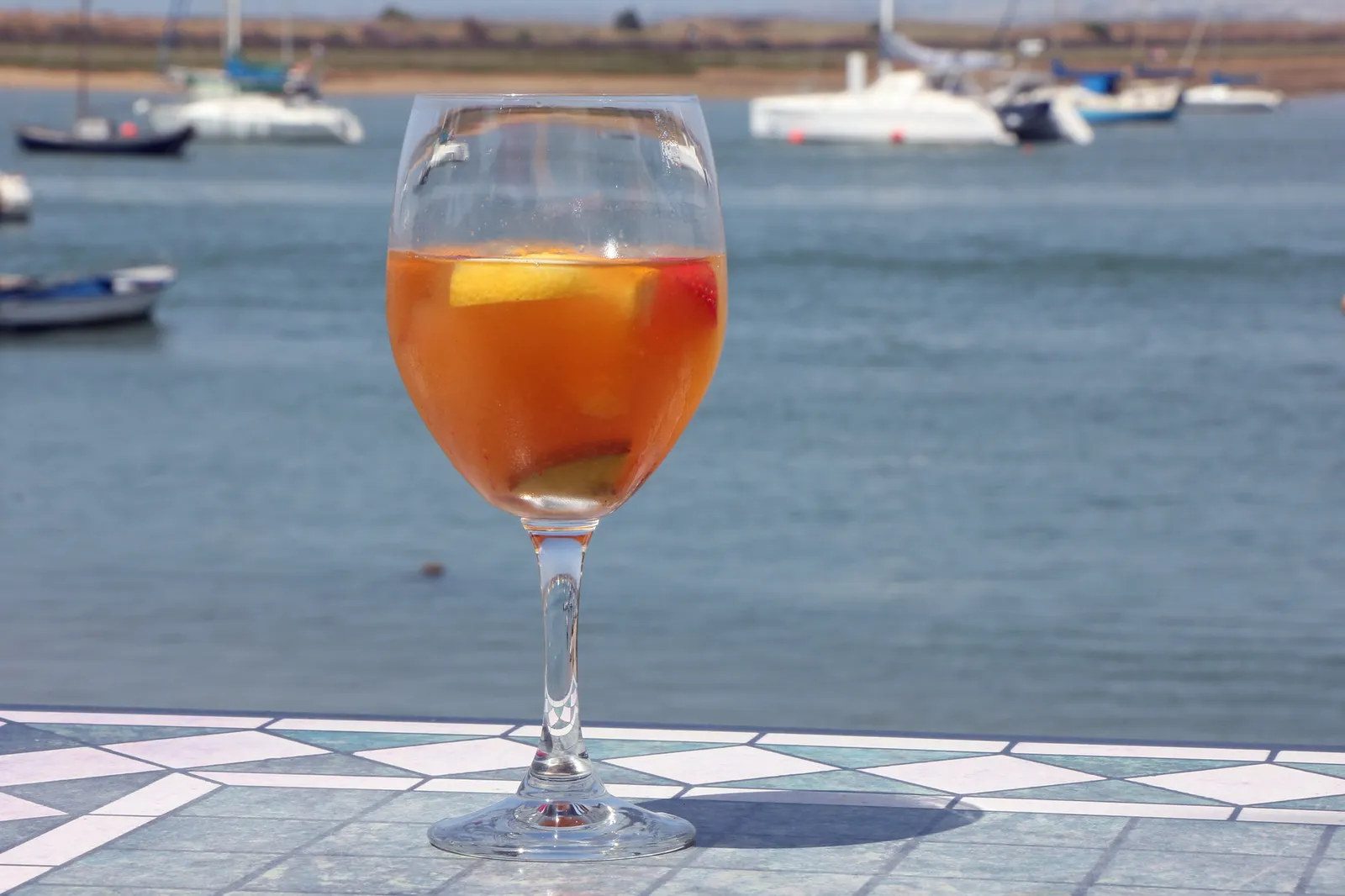
Clerico is Uruguay's white-wine answer to sangria: dry white wine poured over chopped orange, apple, peach, strawberries and lemon, sweetened lightly and finished with sparkling water. This clerico recipe makes 8 glasses in about 20 minutes of hands-on work, plus 2 hours of chilling. One serving is about 222 g, a small glass with fruit, at about 129 calories.

Clerico is the Río de la Plata's summer punch, poured at asados and family lunches across Uruguay and Argentina. Its name is commonly traced to the English 'claret cup', a wine punch that travelled to the region with British trade and was remade with local white wine and fruit. Uruguayans make it with white wine rather than red, which is what sets it apart from Spanish sangria.

Pairs well with: Serve ice-cold in wine glasses with a little of the soaked fruit in each glass, next to grilled food.

Provenance

Uruguay flag Uruguay

Uruguayan Heritage

Latin America & Caribbean

Time Dedication

20m

20m prep • 0m cook

Batch Yield

8 Servings

129 kcal per serving

1 serving ≈ 222 g

Technical Skill

Easy

Easy (No Cooking)

Meal Timing & Digestive Fit

Breakfast

Not Advised

Lunch

Inappropriate

Dinner

Inappropriate

Snack & Tea

Ideal Light Bite

Occasions: Summer asados, long lunches, garden parties, New Year's Eve, weekend gatherings Cost: Moderate — about $2–3 per serving at home
A glass of orange-amber white-wine fruit punch with lemon and strawberry pieces, on a tiled table by the water

Uruguayan Heritage

Photo: EduardMarmet, CC BY-SA 2.0, via Flickr

The Heritage Formulary

Measured Ingredients

Estimated cost: Moderate — about $2–3 per serving at home (USD)

Made with real chopped fruit, dry white wine and plain sparkling water, chilled for at least 2 hours.

Execution Methodology & Culinary Technique

Step-by-Step Cooking Guide

Active 20m
P

Prep Stage: Fruit and the Jug

20 Mins • Fruit and the Jug

Chill the wine, the sparkling water and a large jug in the fridge. Squeeze the orange juice and stir in the sugar until it disappears. Chop the orange, apple, peach and strawberries into small, spoonable pieces and slice the lemon thinly.

Maestro Tip: Cut the fruit small enough to eat with a spoon — big chunks stay in the jug and the glass ends up with wine only.

  1. 1

    Dissolve the sugar

    5 Mins Room temperature, about 20°C (68°F)

    Pour the orange juice into a small bowl and stir in the sugar until it has completely dissolved. Taste it: it should be gently sweet, not syrupy.

    Warm the juice for 20 seconds if the sugar is slow to dissolve, then let it cool again before it meets the wine.

    Done when: No sugar grains are visible and the juice tastes lightly sweet.

  2. 2

    Chop the fruit

    10 Mins Cold, about 4°C (39°F)

    Peel and chop the orange into small chunks. Core and dice the apple with the skin on. Peel and dice the peach, hull and halve the strawberries, and slice the lemon into thin rounds.

    Keep the pieces small and even so every glass gets a good mix of fruit.

    Done when: All the fruit is in small, even, spoonable pieces.

  3. 3

    Combine and chill

    5 Mins + 2 Hours chill Chilled, about 4°C (39°F)

    Put all the fruit into a large jug, pour over the sweetened orange juice and the chilled white wine, and stir once. Cover and chill in the fridge for at least 2 hours so the fruit soaks up the wine and flavours the drink.

    Two hours is the minimum — four hours is even better, but do not leave it overnight or the fruit turns soft and dull.

    Done when: The wine has taken on a light golden colour and the fruit looks glossy and soaked.

  4. 4

    Add sparkle and serve

    5 Mins Chilled, about 4°C (39°F)

    Stir the sparkling water gently into the jug, tear in the mint leaves, and pour into wine glasses over ice, making sure each glass gets some of the soaked fruit.

    Add the sparkling water at the last moment or the fizz will be gone before the glasses reach the table.

    Done when: The drink is cold, lightly sparkling, and every glass holds fruit.

Finishing Touches & Plating

Serve at once, while the sparkling water is still lively and the glasses are cold. Hand out small spoons so everyone can eat the wine-soaked fruit at the bottom of the glass.

Nutritional Physiology & Benefits

Nutrition

Energy

129

kcal / serving

Protein

1g

Complete AA

Carbs

16g

Complex

Fats

0g

Healthy

Per serving (8 servings · 1 serving ≈ 222 g)
Energy129 kcal
Protein1 g
Carbohydrates16 g
Fat0 g
Fibre1.8 g
Sugar11.1 g
Sodium6 mg
Per 100g
Energy58 kcal
Protein0.4 g
Carbohydrates7 g
Fat0.1 g
Fibre0.8 g
Sugar5 g
Sodium3 mg

Nutrition values are estimated — calculated from USDA FoodData Central values for the listed ingredients.

Vitamins & minerals: Provides vitamin C from the orange, lemon and strawberries, plus small amounts of potassium from the fruit.

Real Fruit in Every Glass

Orange, apple, peach, strawberries and lemon give each glass vitamin C and fibre from real fruit, not flavouring.

Lighter Than Many Cocktails

At about 129 calories a glass, with the wine stretched by fruit, juice and sparkling water, it is lighter than most spirit-based drinks.

No Cooking, No Fuss

The whole recipe is chopping and chilling, so it comes together in 20 minutes of hands-on work.

Food Pairings

What to Eat With

To optimize nutrient absorption and elevate the sensory depth, pair with these authentic accompaniments:

Sides

Asado and Grilled Meats

Clerico is the classic drink of the Uruguayan asado: the cold, fruity wine cuts through smoky, fatty grilled meat and refreshes the palate between bites.

Empanadas

A cold glass of clerico balances the warm, savoury filling of empanadas, and the fruit in the glass echoes the sweet-savoury flavours of the pastry.

More Pairings

Fresh Fruit Salad

A bowl of the same fruit served alongside lets guests eat the fruit fresh as well as wine-soaked, and it keeps the table light.

Full Menus

A Long Summer Lunch Menu

Start with empanadas and clerico, follow with asado and salad, and finish with fresh fruit — the drink carries the whole meal without getting in the way.

Complete menu

Serve clerico with empanadas to start, asado with a green salad as the main course, and fresh fruit to finish — the cold, fruity wine carries the whole summer lunch.

Digestive Guardrails

What NOT to Combine

To prevent digestive distress, sluggishness, or palate clash, avoid pairing the dish with these elements:

Alcohol With Sedative Medication

Alcohol adds to the drowsiness caused by sleeping pills, anxiety medication and some painkillers, and it can slow breathing and reaction time. Do not mix them. This is general food information, not medical advice.

Drinking on an Empty Stomach

Wine on an empty stomach is absorbed faster, so the alcohol hits harder and sooner. Eat something first — the empanadas exist for a reason. This is general food information, not medical advice.

Sugary Soda Instead of Sparkling Water

Swapping the sparkling water for sweet soda roughly doubles the sugar in each glass and turns a light drink into a very sweet one. Keep the fizz plain and let the fruit do the sweetening. This is general food information, not medical advice.

General information only, not medical advice — consult a doctor for personal dietary decisions.

Who Should Eat It

Who Should Eat

  • General adultsAn easy summer drink for adults — one or two small glasses with food is the usual way to enjoy it.
  • ChildrenNot for children: this drink contains alcohol. Make them a separate jug with white grape juice and sparkling water instead.
  • ElderlyTake care: alcohol can affect balance and can interact with medication. One small glass with food is the safer choice.
  • Pregnant womenAvoid this drink: there is no known safe amount of alcohol in pregnancy.
  • Breastfeeding womenAvoid this drink while breastfeeding, or follow your clinician's guidance on timing and pumping.
  • AthletesNot a training-day drink: alcohol slows rehydration and recovery, so save it for after the session, with food.
  • Weight gainAbout 129 calories a glass, mostly from the wine and the sugar — easy to enjoy as part of a meal.
  • Weight lossAbout 129 calories a glass with real fruit, but alcohol can stall fat loss, so keep it to one glass and skip the extra sugar.

Health Conditions — Adjust or Avoid

Conditions

  • DiabetesAbout 11 g of sugar per glass, and alcohol can lower blood sugar hours later — count the glass and ask a clinician about drinking with your medication.
  • High blood pressureAlcohol can raise blood pressure, so keep the portion small and do not drink it every day — ask a clinician what is safe for you.
  • Kidney diseaseAlcohol and the fluid load can strain the kidneys, and the fruit adds potassium — ask a clinician before drinking.
  • GoutAlcohol raises uric acid and can trigger a gout flare, even in small amounts — ask a clinician whether any alcohol is safe for you.
  • Stomach issuesThe citrus, the wine's acidity and the alcohol can all irritate a sensitive stomach — skip it during a flare-up and ask a clinician.
  • Cardiovascular diseaseAlcohol affects heart rhythm and blood pressure, so a small glass with food is the limit for most people — ask a clinician about your own limit.
  • Fatty liverAlcohol is processed by the liver and adds fat to it, so people with fatty liver are usually advised to avoid alcohol altogether — ask a clinician.
  • Food allergiesWine may contain sulfites, and the drink holds orange, apple, peach, strawberry and lemon — avoid it if you are allergic to any of them, and check the wine label for sulfites.
  • Special therapeutic dietsThis drink contains alcohol and sugar and does not fit alcohol-free or low-sugar therapeutic diets — ask a clinician or dietitian before drinking.

If you have a medical condition, consult your doctor before changing your diet.

Storage & Use

Storage & Use

How to store
Keep the jug covered in the fridge and stir in the sparkling water only when serving.
In the fridge
2 days in the fridge at 4°C (39°F) or below; the fruit will soften but the drink stays pleasant.
In the freezer
Not recommended — freezing ruins the fruit and the fizz.
How to reheat
Do not reheat — serve chilled, over fresh ice.
Freezing recommended
No — the fizz and the fruit texture are lost.
Signs it has spoiled
A vinegary smell, cloudy wine, or slimy fruit — discard it.

More recipes to explore

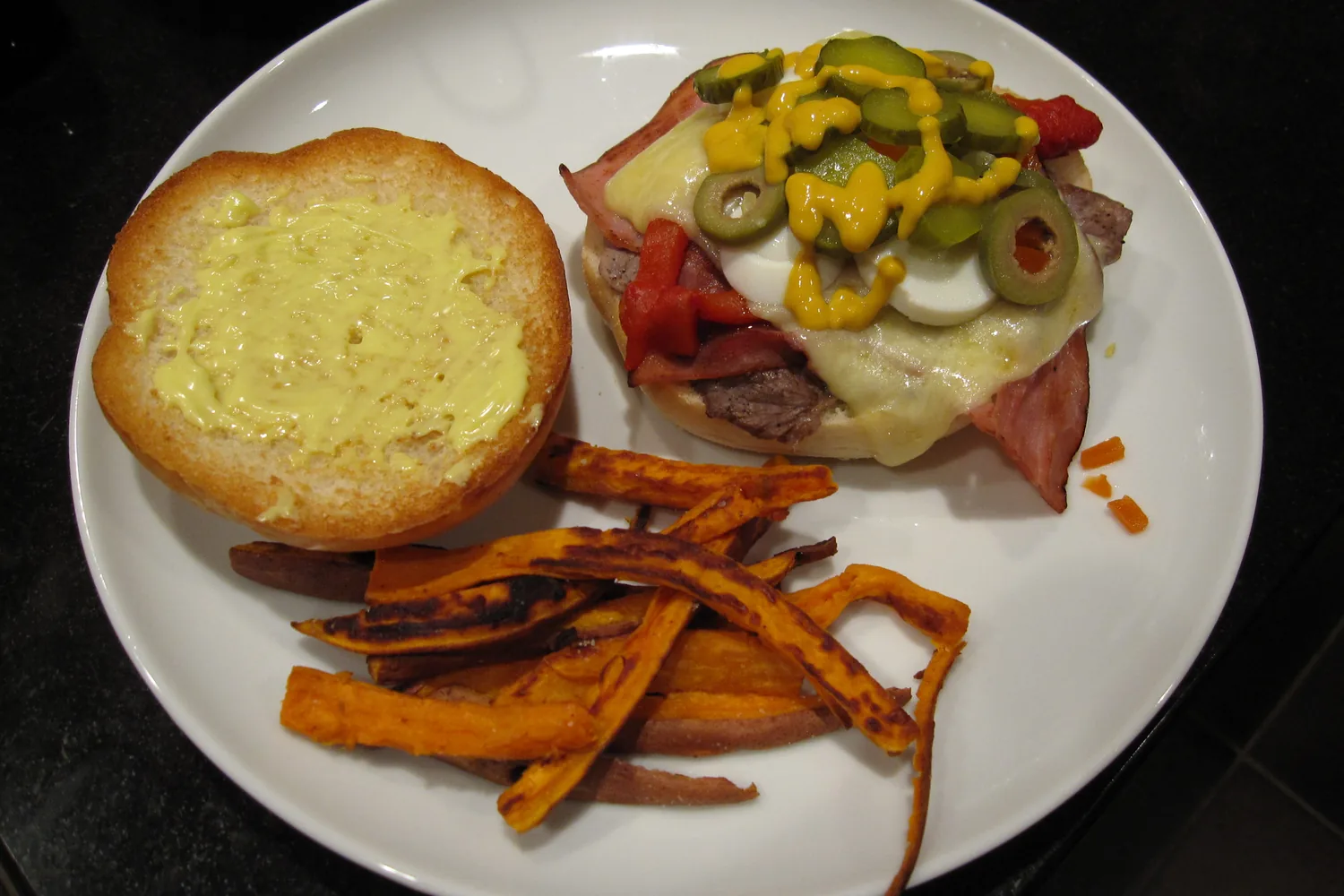
An open chivito sandwich on a white plate: a bun topped with grilled steak, ham, melted mozzarella, sliced hard-boiled egg, green olives, pickles and mustard, with sweet potato fries beside it Uruguay flag Uruguay 35m
Lunch •Punta del Este Classic

Chivito

This chivito recipe builds Uruguay's national sandwich: a thin grilled steak layered with ham, crisp bacon, melted mozzarella and a fried egg, finished with tomato, lettuce, green olives, mayonnaise and mustard in a soft toasted roll. One serving is about 445 g. It is a big, messy, deeply satisfying lunch that comes together in about 35 minutes.

Comfort & Warmth

A towering Uruguayan sandwich of grilled steak, ham, bacon, melted mozzarella and a fried egg in a soft roll.

Pairs Well With
French fries and a cold lager or a glass of Uruguayan tannat
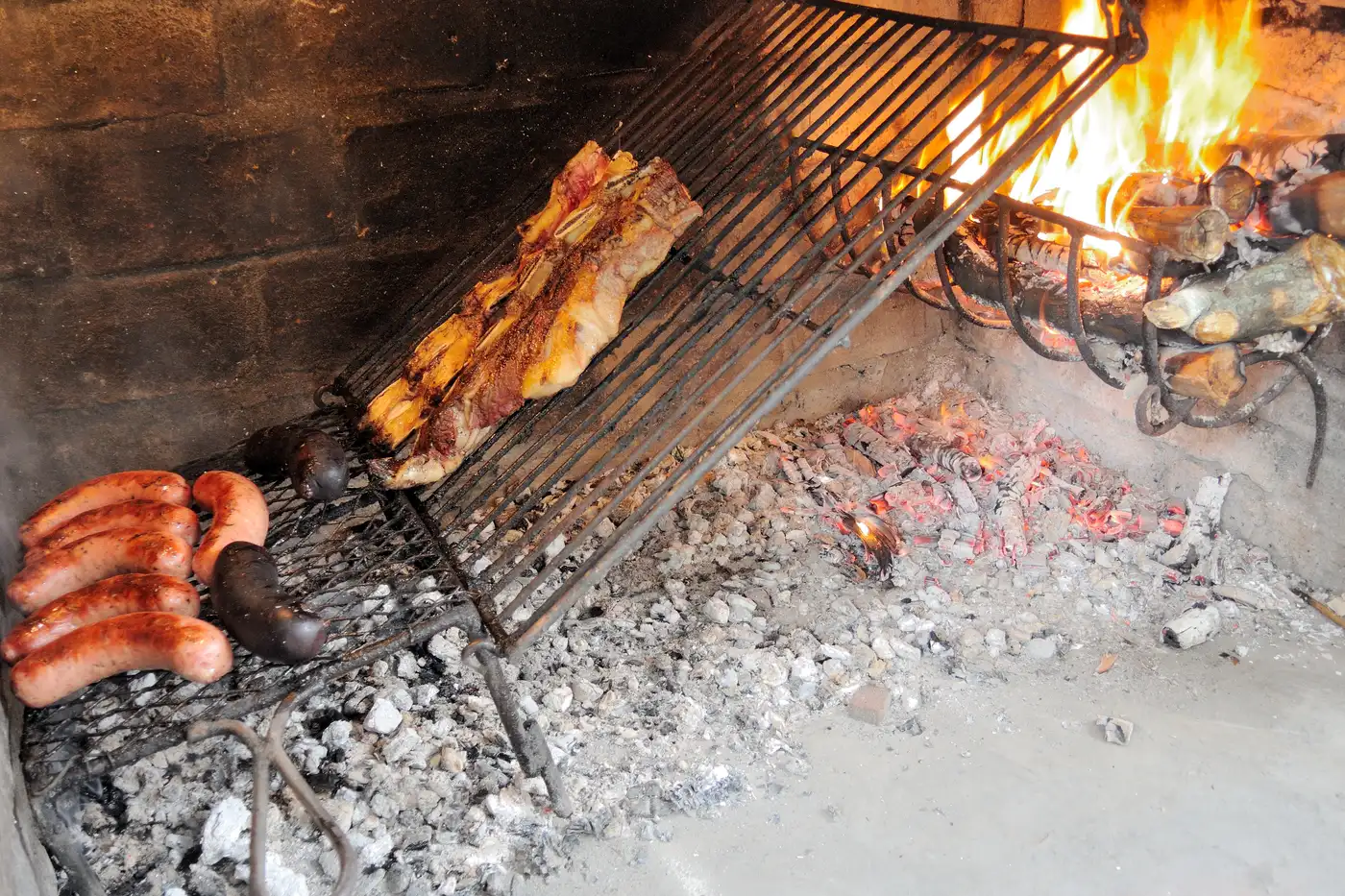
Beef short ribs, chorizo and morcilla grilling over wood embers on a Uruguayan parrilla Uruguay flag Uruguay 2h
Dinner •Montevideo Parrilla Heritage

Uruguayan Asado

Uruguayan asado is a mixed grill cooked slowly over wood embers on the parrilla, the iron grill that stands at the centre of Uruguayan family life. Beef short ribs, flank and skirt steak go on first, followed by chorizo and morcilla, all seasoned with nothing but coarse salt, and the meal is served piece by piece as each cut is ready, with chimichurri and salsa criolla on the table. One serving is about 425 g.

High-Protein & Satisfying

A slow mixed grill of beef cuts, chorizo and morcilla over wood embers, served with chimichurri and salsa criolla — the heart of the Uruguayan Sunday asado.

Pairs Well With
Salsa criolla & ensalada rusa
High Protein
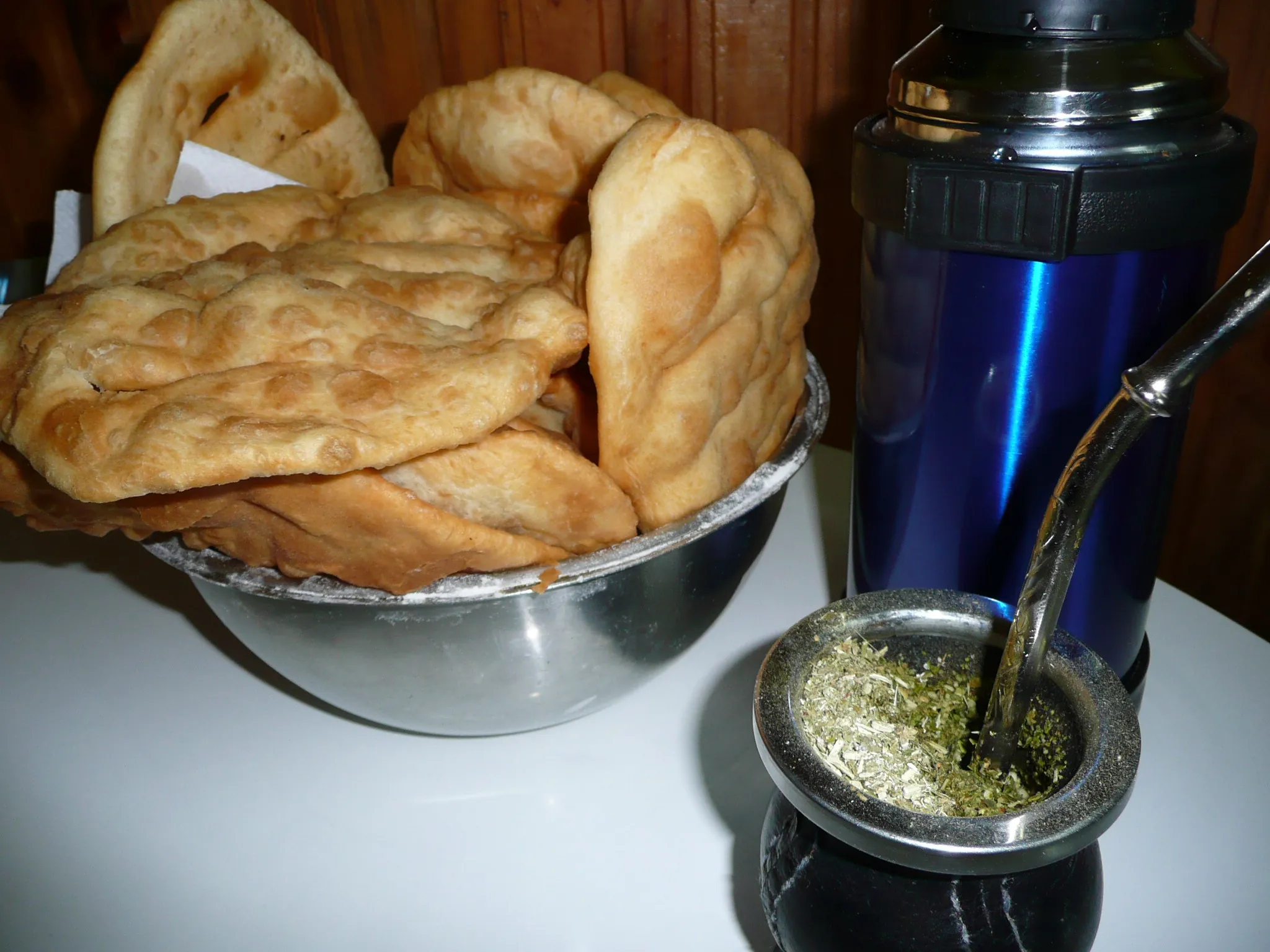
A bowl of golden torta fritas beside a mate gourd with a metal straw and a blue thermos Uruguay flag Uruguay 40m
Snack & Tea •Uruguay's Rainy-Day Snack

Torta Fritas

Torta fritas are Uruguay's beloved rainy-day snack: thin rounds of wheat-flour dough, fried until puffed and golden, then eaten plain, dusted with sugar or spread with dulce de leche. When the clouds roll in over Montevideo, home kitchens and street stalls start frying, and the smell of hot dough means it is time for mate. One serving is about 170 g.

Comfort & Warmth

Golden discs of fried wheat dough, crisp outside and soft inside, made for grey rainy afternoons with a hot mate.

Pairs Well With
Hot mate, dulce de leche and a dusting of sugar
A slice of chaja cake with sponge, whipped cream, dulce de leche and peach layers, with the whole meringue-topped cake behind it Uruguay flag Uruguay 2h 45m
Snack & Tea •Paysandú Heritage

Chaja

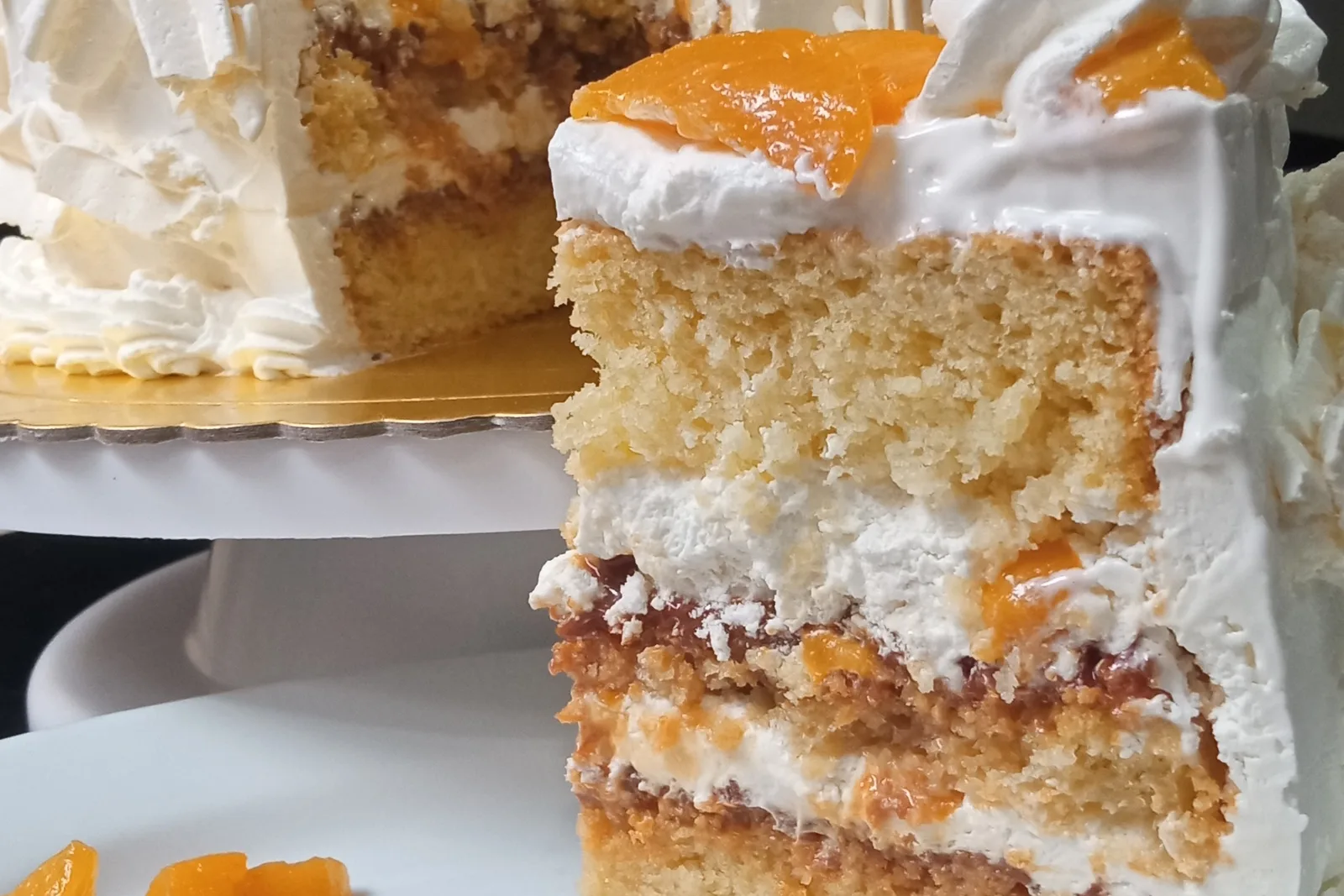
This chaja recipe builds Uruguay's most original dessert layer by layer: a soft sponge cake soaked in peach syrup, crisp meringue, sweet whipped cream, peaches in syrup and dulce de leche, finished with crushed meringue all over the outside. It was created in Paysandú in 1927 and named after the chaja bird, whose soft white plumage the cake is said to resemble. One serving is about 195 g.

Celebration & Sharing

A cloud-light Uruguayan layer cake of sponge, crisp meringue, whipped cream, peaches and dulce de leche — Paysandú's most original dessert.

Pairs Well With
A slice of chaja with coffee or mate, at a birthday or Sunday table

The Dinner Gazette

Never wonder what’s for dinner again

One email a week with easy dinner ideas from around the world — ingredients, steps and nutrition, tested in our kitchen first.

Delivered every Thursday morning. Unsubscribe anytime.