Curated recipes from 193 countries  •  New seasonal Mediterranean issue out now

Overview

Colombian Sopa de Mondongo

Mondongo Antioqueno, Antioquian Tripe Soup, Colombian Tripe Soup

This colombian sopa de mondongo recipe is Antioquia's answer to tripe soup: beef tripe and pork shoulder simmered with Colombian chorizo, two kinds of potato, peas and green beans in a golden broth coloured with achiote and built on a scallion hogao. Unlike the Honduran sopa de mondongo, which is a tomato, cumin and cilantro broth loaded with yuca, green plantain and corn and served with tortillas, the Antioquian bowl has no yuca, plantain or corn at all — it is potato-forward, richer from the pork, and served the Antioquian way, with white rice, sliced avocado and a warm arepa. One serving is about 600 g of soup.

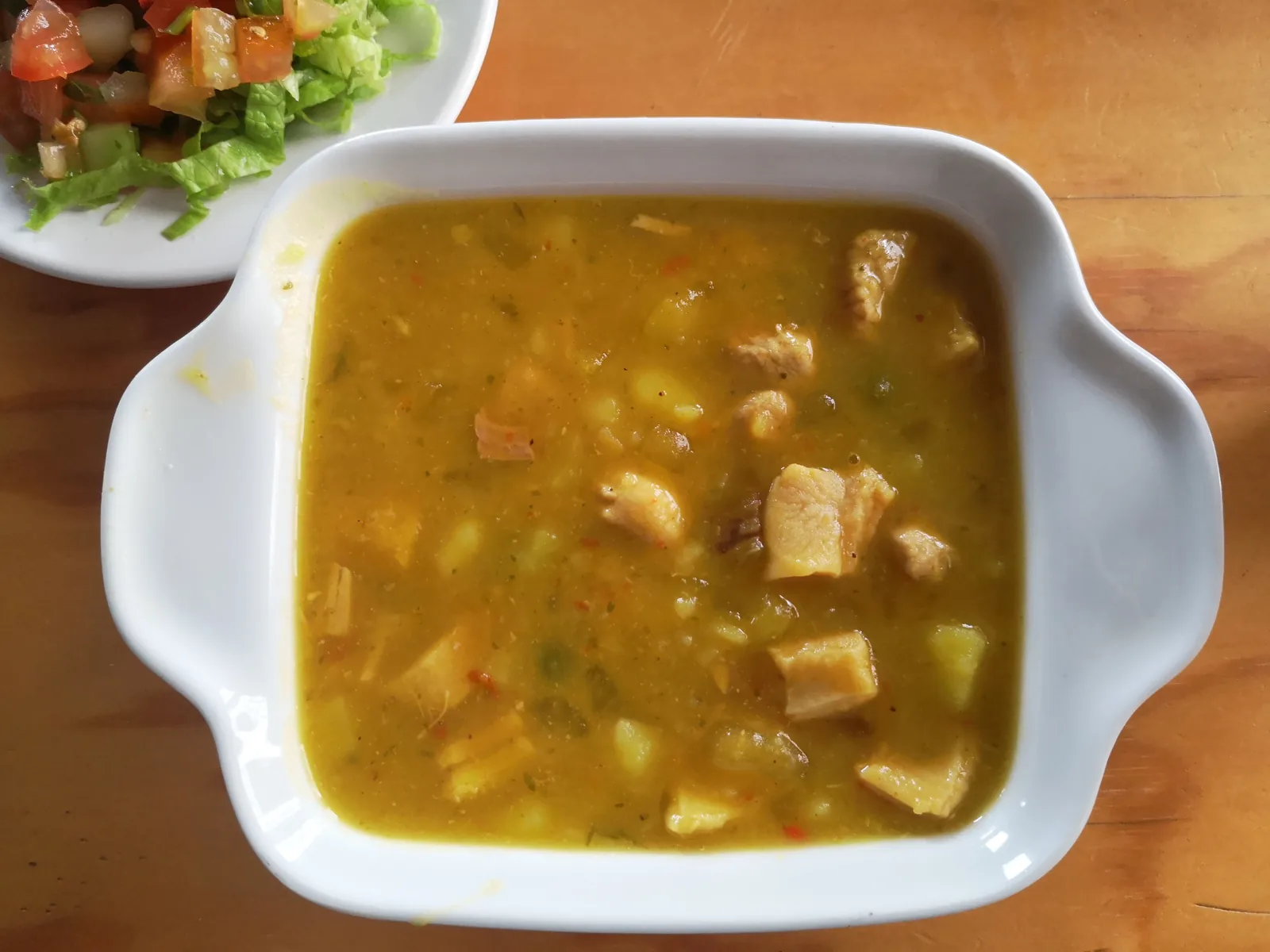
Sopa de mondongo is the tripe soup of Latin America and the Caribbean, a dish with roots in the tripe stews of Spain that travelled to the Americas and took on local vegetables in every country that adopted it. In Antioquia, in the Colombian Andes, it became weekend food: tripe and pork simmered in a big pot with potato, peas and green beans, coloured gold with achiote and served with rice, avocado and arepa. The photograph shows the soup as it is served in Sopetran, a town in Antioquia, in a square white dish with a small salad on the side.

Pairs well with: White rice, a warm arepa and sliced avocado, with lime wedges and Colombian aji on the side.

Provenance

Colombia flag Colombia

Antioquian Heritage

Latin America & Caribbean

Time Dedication

3h 10m

40m prep • 150m cook

Batch Yield

8 Servings

420 kcal per serving

1 serving ≈ 600 g

Technical Skill

Advanced

Hard (Long Simmer)

Meal Timing & Digestive Fit

Breakfast

Not Advised

Lunch

Hearty Midday Main

Dinner

Ideal Hearty Main

Snack & Tea

Inappropriate

Soups & Broths Occasions: Weekend family dinners, festive gatherings, cold-weather comfort food Cost: Low — about $3–4 per serving at home
A square white dish of golden Colombian sopa de mondongo with chunks of tripe, pork and potato in an achiote broth, with a small tomato and lettuce salad on a wooden table

Antioquian Heritage

Photo: XalD, CC BY-SA 4.0, via Wikimedia Commons

The Heritage Formulary

Measured Ingredients

Estimated cost: Low — about $3–4 per serving at home (USD)

Made the Antioquian way: tripe scrubbed with lime and salt, blanched first, pressure-cooked until tender, hogao bloomed in achiote oil until golden, pork and chorizo simmered in, potatoes added in two waves, rice stirred into the bowl at the table.

Execution Methodology & Culinary Technique

Step-by-Step Cooking Guide

Active 3h 10m
P

Prep Stage: Scrub the Tripe & Cut the Vegetables

40 Mins • Cleaning & Knife Work

Scrub the tripe with lime juice and salt until it smells clean, rinse it well, and cut it into bite-sized pieces; cut the pork shoulder into chunks and slice the chorizo. Meanwhile peel the white and yellow potatoes, top and tail the green beans, shell the peas, and dice the tomato, scallions, onion and garlic for the hogao. Cut every vegetable large on purpose — nothing smaller than 3 cm, or it will fall apart in the long simmer.

Maestro Tip: If the tripe still smells strong after one scrub, repeat the lime-and-salt rub once more — a clean tripe is the whole secret of a good mondongo.

  1. 1

    Clean & Blanch the Tripe

    20 Mins Rolling boil, 100°C (212°F)

    Put the tripe pieces in a large pot with cold water to cover, add the baking soda, and bring to a rolling boil. Boil hard for 10 minutes, then drain and rinse the tripe under cold water. This first boil is not wasted effort — it carries away the strong smell and any impurities, and it is what makes the final broth taste clean rather than gamey.

    Always start the tripe in cold water and change the water after blanching; boiling it in the same water it was cleaned in leaves the off-flavours in the soup.

    Done when: The tripe smells mild and clean, and the blanching water runs clear when drained.

  2. 2

    Pressure-Cook the Tripe Tender

    45 Mins Pressure cooker, about 115°C (239°F)

    Return the blanched tripe to a clean pressure cooker with the 3 litres of fresh cold water. Lock the lid and cook under pressure for about 45 minutes, then let the pressure release naturally. Lift out the tripe and set it aside; keep the cooking liquid — it is already a light, gelatinous broth and it becomes the base of the soup.

    A pressure cooker is the Antioquian shortcut: on the hob the same tripe needs 2 to 2.5 hours of gentle simmering. Either way, test a piece — it should cut easily with a spoon.

    Done when: A piece of tripe yields to a spoon and chews soft, with just a little spring left.

  3. 3

    Build the Golden Hogao

    15 Mins Medium heat, about 175°C (350°F)

    While the tripe cooks, warm the oil in a wide pan over medium heat and stir in the ground annatto until the oil turns deep gold. Cook the scallions, onion and garlic for 5 minutes until soft and fragrant, then add the diced tomatoes and cook 8 more minutes until they break down into a thick paste. Stir in the cumin and black pepper. The hogao should be golden, not red — the tomato is there for body, the achiote is there for colour.

    Let the hogao cook until the oil separates at the edges of the pan — that is the sign it is done and the broth will take on its golden colour and depth.

    Done when: The hogao is thick, dark gold and fragrant, with the tomatoes fully broken down.

  4. 4

    Simmer Tripe, Pork & Chorizo

    45 Mins Gentle simmer, about 95°C (203°F)

    Put the tender tripe back into its cooking liquid in a large pot, add the pork chunks and the sliced chorizo, and scrape in the whole hogao. Add half the salt, bring to a gentle simmer — never a hard boil — and cook 45 minutes, topping up with hot water if the level drops below the meat. The pork should be spoon-tender and the broth a clear, shining gold.

    Keep the simmer gentle: tripe and pork rushed at a boil turn rubbery, while a low simmer keeps them meltingly soft.

    Done when: The pork cuts easily with a spoon, the chorizo is plump, and the broth is golden and savoury.

  5. 5

    Add Potatoes, Peas & Beans

    30 Mins Gentle simmer, about 95°C (203°F)

    Stir the white potatoes and carrots into the pot first — they need the longest — and simmer 10 minutes. Then add the yellow potatoes, green beans and peas and simmer 20 minutes more, until the white potatoes are tender and the yellow potatoes are just starting to break at the edges and thicken the broth. Stir in half the chopped cilantro in the last 5 minutes. Taste and add the remaining salt a pinch at a time; the broth should be savoury and warmly spiced, with the cumin in the background.

    Adding the vegetables in two waves is what keeps the soup chunky: everything finishes at the same time, and the yellow potatoes melt just enough to give the broth body without turning it to mush.

    Done when: A fork slides into the white potato and carrot with no resistance, and the broth has thickened slightly.

  6. 6

    Rest & Serve the Antioquian Way

    10 Mins Serve steaming hot, above 74°C (165°F)

    Take the pot off the heat and let it rest 10 minutes so the flavours settle and the broth clears slightly. Ladle the soup into deep bowls, making sure each serving gets tripe, pork, chorizo and potato. Scatter the remaining cilantro over each bowl and serve with lime wedges, white rice, sliced avocado and a warm arepa on the side — a spoonful of rice stirred into the soup is the Antioquian way to eat it.

    The rest matters: a soup served the second it leaves the boil tastes flat, while ten quiet minutes lets the salt, cumin and achiote bloom into the broth.

    Done when: Each bowl is steaming hot, generously filled with tripe, pork and potato, and bright with fresh cilantro.

Finishing Touches & Plating

Serve steaming hot with white rice, sliced avocado and a warm arepa on the side, plus lime wedges and a little Colombian aji for those who want heat — spoon some rice into the soup, squeeze the lime over the bowl, and eat the arepa alongside to soak up the golden broth.

Nutritional Physiology & Benefits

Nutrition

Energy

420

kcal / serving

Protein

29g

Complete AA

Carbs

31g

Complex

Fats

20g

Healthy

Per serving (8 servings · 1 serving ≈ 600 g)
Energy420 kcal
Protein29 g
Carbohydrates31 g
Fat20 g
Fibre5.9 g
Sugar5.2 g
Sodium643 mg
Per 100g
Energy70 kcal
Protein4.9 g
Carbohydrates5.2 g
Fat3.3 g
Fibre1 g
Sugar0.9 g
Sodium107 mg

Nutrition values are estimated — calculated from USDA FoodData Central values for the listed ingredients.

Vitamins & minerals: Beef tripe supplies iron, zinc and vitamin B12, the pork and chorizo add thiamin and selenium, and the potatoes, peas and carrots add vitamin C, vitamin A and potassium.

Protein & Collagen for Recovery

Beef tripe and pork are rich in protein, and the connective tissue in the tripe breaks down into gelatin during the long simmer, giving the broth its body and supporting normal tissue repair — about 29.3 g of protein in each serving.

Steady Energy From Potato & Peas

Two kinds of potato with peas and green beans supply slow-release starch that keeps you full for hours, with about 31.3 g of carbohydrate and 5.9 g of fibre in each serving.

Hydrating & Warming

A hot, water-based soup with vegetables rehydrates as it feeds you, and the carrots, tomato and cilantro add vitamin A, vitamin C and potassium to the bowl.

Food Pairings

What to Eat With

To optimize nutrient absorption and elevate the sensory depth, pair with these authentic accompaniments:

Sides

White Rice

A mound of plain white rice on the side is the Antioquian habit — a spoonful stirred into the soup soaks up the golden broth and stretches the soup into a full meal.

Warm Arepa

A warm, griddled arepa is the Antioquian bread for this soup: tear off pieces to scoop up the tripe and potato, and to mop up the last of the broth.

Vegetables

Sliced Avocado

Cool, creamy avocado on the side contrasts with the hot, savoury soup, and its monounsaturated fat rounds out a broth-based meal.

Sauces

Colombian Aji

A spoonful of fresh, herby aji picante at the table adds brightness and a gentle heat that lifts the rich pork broth without overpowering it.

Drinks

Aguapanela or Fresh Fruit Juice

A cold aguapanela with lime, or a fresh lulo or mora juice, cools the palate between spoonfuls of hot soup and is the traditional drink alongside an Antioquian lunch.

Complete menu

Serve the sopa de mondongo as the main bowl with white rice, a warm arepa and sliced avocado, lime wedges and Colombian aji on the side, and finish with a cold aguapanela or fresh fruit juice.

Digestive Guardrails

What NOT to Combine

To prevent digestive distress, sluggishness, or palate clash, avoid pairing the dish with these elements:

Very Hot Aji on Top

A little aji is fine, but drowning the bowl in very hot sauce can irritate a sensitive stomach — capsaicin stimulates stomach acid, and the soup is already rich. Add heat a spoonful at a time, and skip it entirely if you have gastritis or reflux. This is general information, not medical advice.

Extra Salt, Soy Sauce or Bouillon Cubes

The soup is seasoned as it cooks, and most of its sodium sits in the broth — about 643 mg per serving already. Adding extra salt, soy sauce or bouillon at the table pushes the sodium well above that, which matters if you watch your blood pressure. Taste first, then decide. This is general information, not medical advice.

Alcohol With a Rich Offal Soup

Tripe and offal are naturally high in purines, and alcohol slows the body's clearance of uric acid, so the combination can raise uric acid levels more than either on its own. If you have gout, keep the meal alcohol-free. This is general information, not medical advice — ask your clinician if you are unsure.

General information only, not medical advice — consult a doctor for personal dietary decisions.

Who Should Eat It

Who Should Eat

  • General adultsA complete, hearty dinner — protein, potato and broth in one bowl, with rice, avocado and arepa alongside.
  • ChildrenSuitable from about age 3 with the tripe, pork and vegetables cut small; skip the aji and keep the lime light.
  • ElderlyVery good — soft, warm and easy to chew once the tripe and pork are fully tender; keep the salt moderate.
  • Pregnant womenGenerally suitable when the tripe and pork are simmered until fully tender and the soup is served steaming hot; use moderate salt.
  • Breastfeeding womenGenerally suitable; the iron, zinc and protein support recovery — keep the salt moderate.
  • AthletesA strong post-workout meal: about 29.3 g of protein per serving with potato and rice for glycogen.
  • Weight gainA good choice — add a second helping of rice and arepa, and eat the full bowl of broth and vegetables.
  • Weight lossChoose mostly broth, tripe and green beans, go lighter on the potato, rice and arepa, and skip the chorizo.

Health Conditions — Adjust or Avoid

Conditions

  • DiabetesThe potatoes and peas are starchy — take a smaller share of those and more tripe, pork and green beans, and check with your clinician about portion size.
  • High blood pressureHalve the salt, skip the chorizo, skip added salt at the table, and drink less of the broth — most of the sodium sits in the liquid. Ask your clinician about portion size.
  • Kidney diseaseLimit the broth and the salt (sodium, potassium); ask your clinician about portion size.
  • GoutEat occasionally and in smaller portions — tripe and offal are high in purines. Ask your clinician if you are unsure.
  • Stomach issuesThe soup is usually gentle, but skip the fresh aji and go easy on raw onion and lime if your stomach is sensitive. Ask your clinician if symptoms persist.
  • Cardiovascular diseaseThe chorizo and pork add saturated fat, so keep the portion modest, favour tripe and vegetables, and keep the salt moderate. Ask your clinician about portion size.
  • Fatty liverKeep the portion modest, favour tripe and vegetables over the potato and chorizo, and skip the arepa. Ask your clinician about portion size.
  • Food allergiesNaturally gluten-free and dairy-free when the arepa is made with pure cornmeal. Contains no common allergens, but check the chorizo you buy — some contain wheat, soy or celery.
  • Special therapeutic dietsIf you follow a prescribed low-sodium or low-purine diet, use less salt, skip the chorizo and take a smaller tripe portion, and check with your clinician.

If you have a medical condition, consult your doctor before changing your diet.

Storage & Use

Storage & Use

How to store
Cool the soup quickly and store it in a covered container in the fridge; the broth will set lightly like jelly — that is the gelatin from the tripe, and it melts again on heating.
In the fridge
The soup keeps 3 days in the fridge at 4°C (40°F) or below.
In the freezer
Up to 2 months; freeze the broth, tripe and pork together, but the potatoes soften a little on thawing.
How to reheat
Reheat gently on the hob until steaming hot, to 74°C (165°F); add a splash of water if the broth has thickened too much.
Freezing recommended
Yes — the broth, tripe and pork freeze well.
Signs it has spoiled
Sour or off smell, slimy surface, or mould.

More recipes to explore

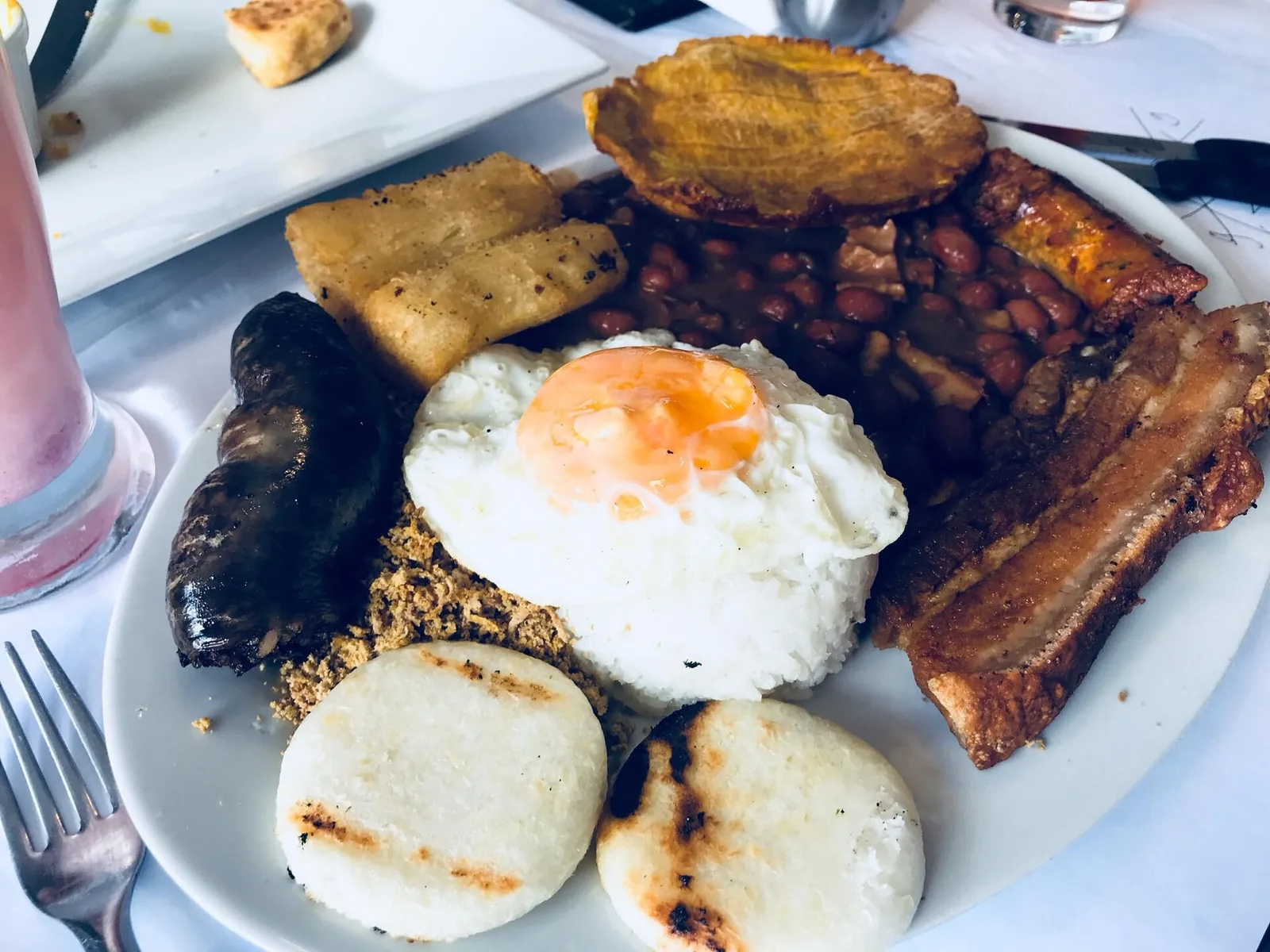
Bandeja paisa on a white plate with red beans, white rice, a fried egg, chicharrón, morcilla, chorizo, fried plantain and two small arepas Colombia flag Colombia 2h
Lunch •Antioquia Heritage

Bandeja Paisa

This bandeja paisa recipe builds the famous platter from Antioquia: red beans simmered with pork, white rice, crisp chicharrón, seasoned ground beef, chorizo and morcilla, a fried egg, sweet fried plantain, avocado, hogao sauce and a small grilled arepa. Every part is cooked separately, then piled onto one wide plate so each bite can mix a little of everything. One serving is about 894 g.

Hearty & Filling

A generous Antioquia platter of beans, rice, meats, egg, plantain and avocado, built to fuel a long working day.

Pairs Well With
A cold glass of panela lemonade or a light lager, with a small green salad on the side.
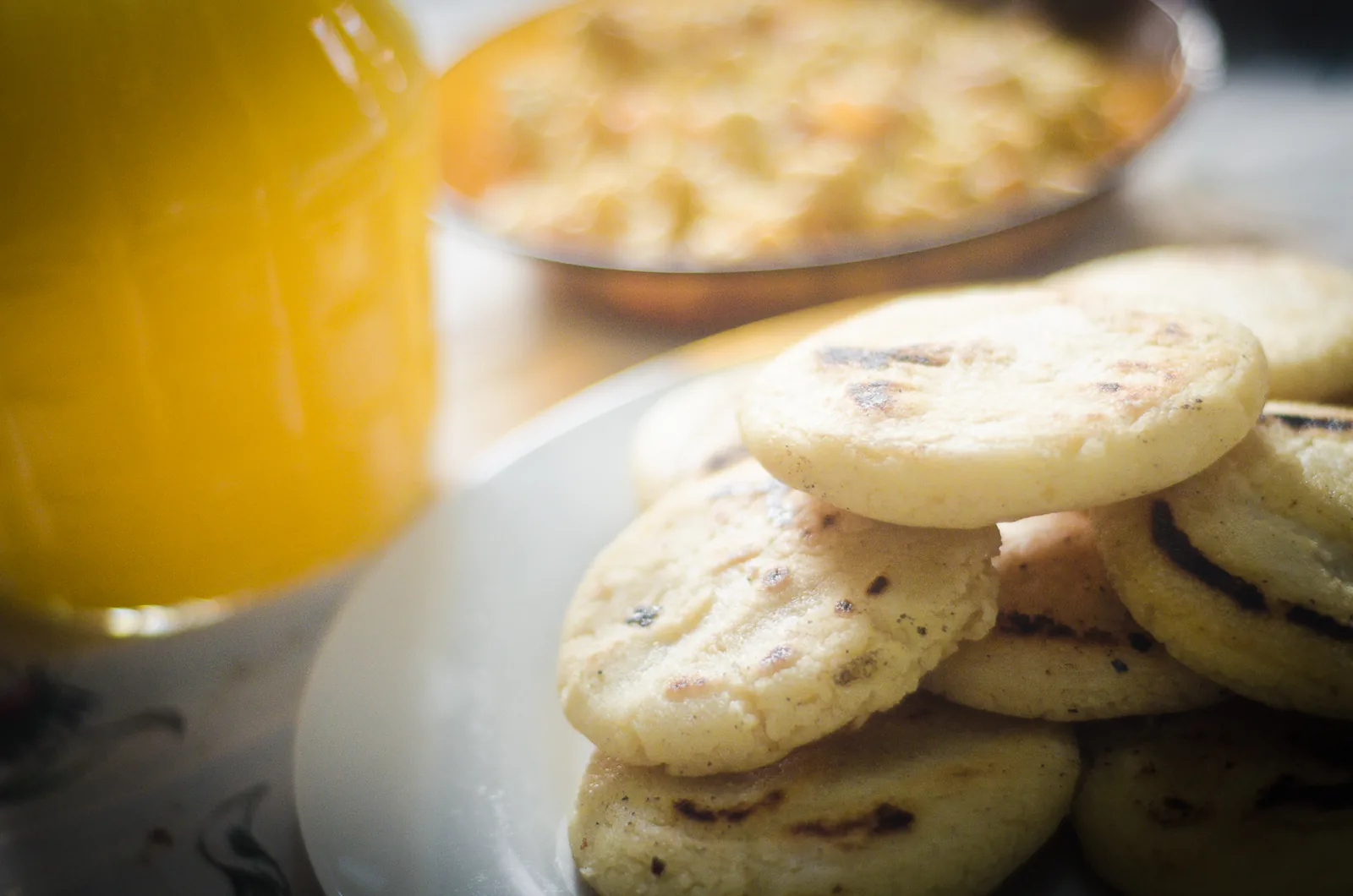
A stack of golden grilled Colombian arepas on a white plate, with a glass of orange juice beside them Colombia flag Colombia 35m
Breakfast •Andean Heritage

Colombian Arepas

This Colombian arepas recipe turns pre-cooked white cornmeal, warm water, butter and cheese into round corn cakes that are grilled until crisp outside and soft inside. The cheese is kneaded right into the dough, so every bite is savoury and gently melty. Colombian arepas are thinner and plainer than the stuffed Venezuelan kind: they are a breakfast bread, split open and filled at the table. One serving is about 220 g, two arepas.

Comfort & Warmth

Golden grilled corn cakes made from white masarepa, with melting cheese kneaded into the dough.

Pairs Well With
Hot chocolate or coffee, with butter and a slice of fresh cheese on the side.
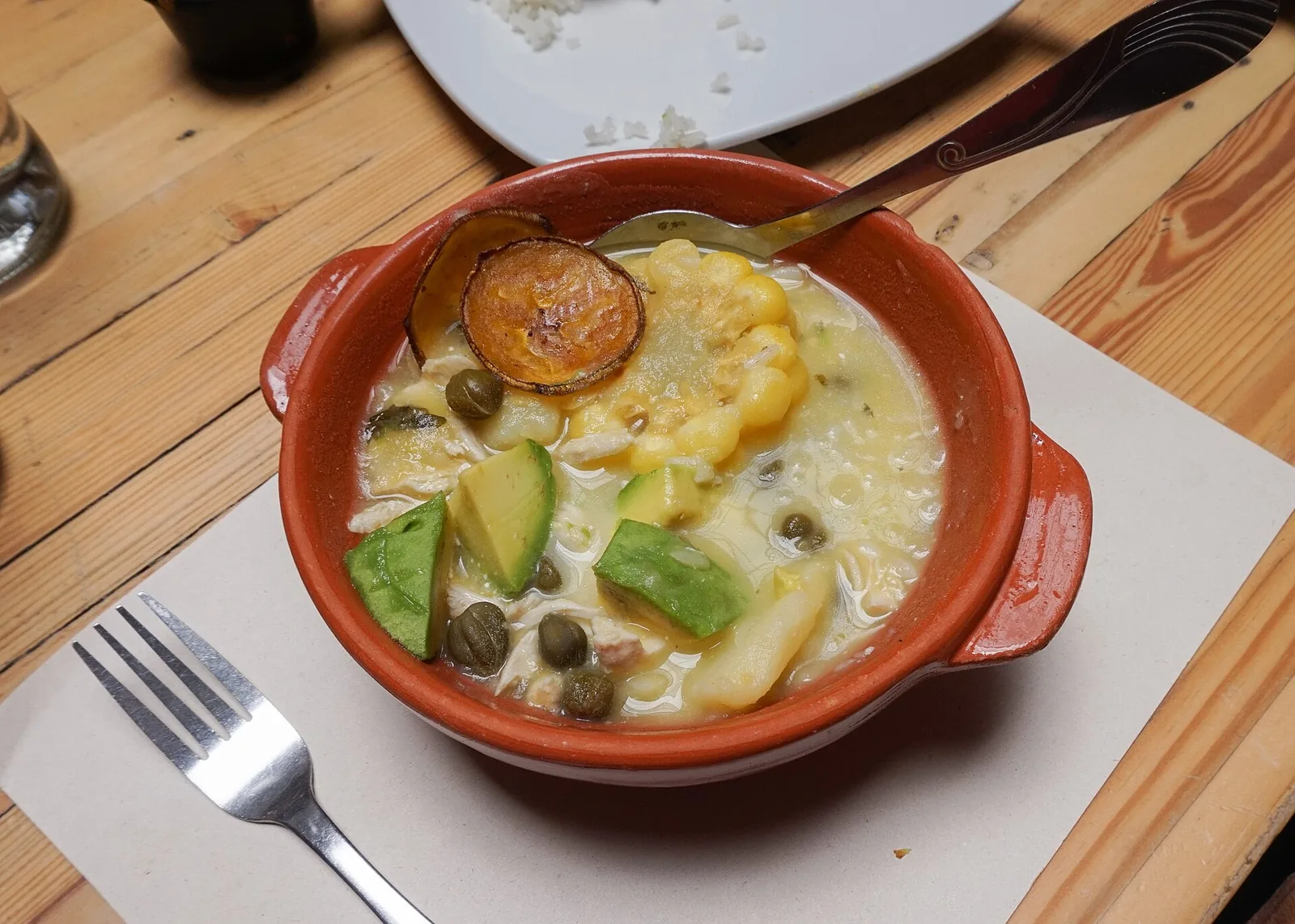
A bowl of ajiaco in a clay bowl, thick golden soup with corn, avocado, capers and shredded chicken Colombia flag Colombia 1h 30m
Lunch •Bogotá Heritage

Ajiaco

This ajiaco recipe is Bogotá's signature soup: chicken simmered with corn on the cob and three kinds of potato — pastusa, sabanera and criolla — until the criolla melts and thickens the broth golden. The herb guascas gives it its unmistakable earthy flavour, and every bowl is finished at the table with heavy cream, briny capers and sliced avocado. One serving is about 750 g, soup and toppings together.

Comfort & Warmth

Bogotá's thick chicken and potato soup, flavoured with guascas and served with cream, capers and avocado.

Pairs Well With
White rice and a small side salad, with the cream, capers and avocado passed around the table.
Soups & Broths
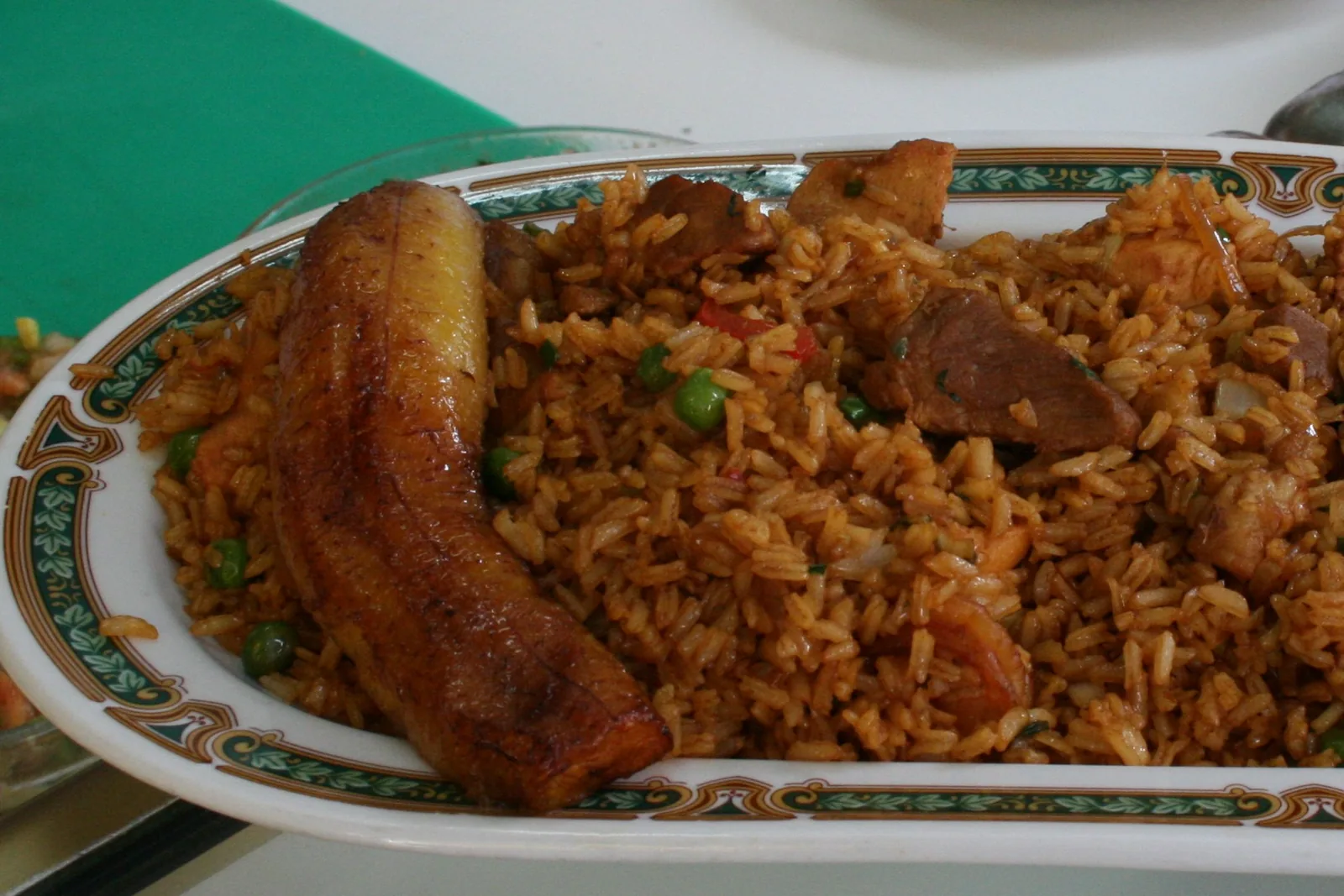
A platter of lechona with golden rice, roast pork pieces, green peas and a fried plantain Colombia flag Colombia 6h
Dinner •Tolima Heritage

Lechona

Lechona is Tolima's great festive roast: a deboned pig — here a pork shoulder with its skin — stuffed with rice and peas, sewn shut and roasted for hours until the meat is spoon-tender and the skin crackles. It is served chopped, a spoon of golden rice with every piece of pork, with arepas and fried plantain on the side. One serving is about 444 g.

Festive & Filling

Pork shoulder stuffed with rice and peas, roasted for hours until the meat is tender and the skin crackles.

Pairs Well With
White arepas, fried plantain and a cold beer
High Protein

The Dinner Gazette

Never wonder what’s for dinner again

One email a week with easy dinner ideas from around the world — ingredients, steps and nutrition, tested in our kitchen first.

Delivered every Thursday morning. Unsubscribe anytime.