

Curated recipes from 193 countries  •  New seasonal Mediterranean issue out now

Overview

Confit de Canard

Duck Legs Confit in Their Own Fat

This duck confit recipe cures duck legs in salt, garlic and thyme, then cooks them slowly in their own fat until the meat falls off the bone and the skin turns crisp. It is a different dish from roast duck or Peking duck — the slow fat bath is what makes it confit. One serving is about 200 g.

Confit is one of the oldest preservation methods of Gascony, in south-west France: before refrigeration, duck legs were salt-cured and then cooked slowly in their own fat, which sealed them from the air and kept them for months. The word confit comes from the French confire, to preserve. What began as a farmhouse necessity became one of the great dishes of French cooking — the test of a good confit is still the contrast between melting meat and shattering skin.

Pairs well with: Potatoes cooked in duck fat and a bitter salad

Provenance

France flag France

Gascony Heritage

Nordic & European

Time Dedication

3h

30m prep • 150m cook

Batch Yield

4 Servings

682 kcal per serving

1 serving ≈ 200 g

Technical Skill

Intermediate

Medium (Slow Cook)

Meal Timing & Digestive Fit

Breakfast

Not Advised

Lunch

Hearty Midday Main

Dinner

Ideal Hearty Main

Snack & Tea

Inappropriate

High Protein Occasions: Special dinner, Sunday lunch, a celebration meal Cost: High — about $7–8 per serving at home
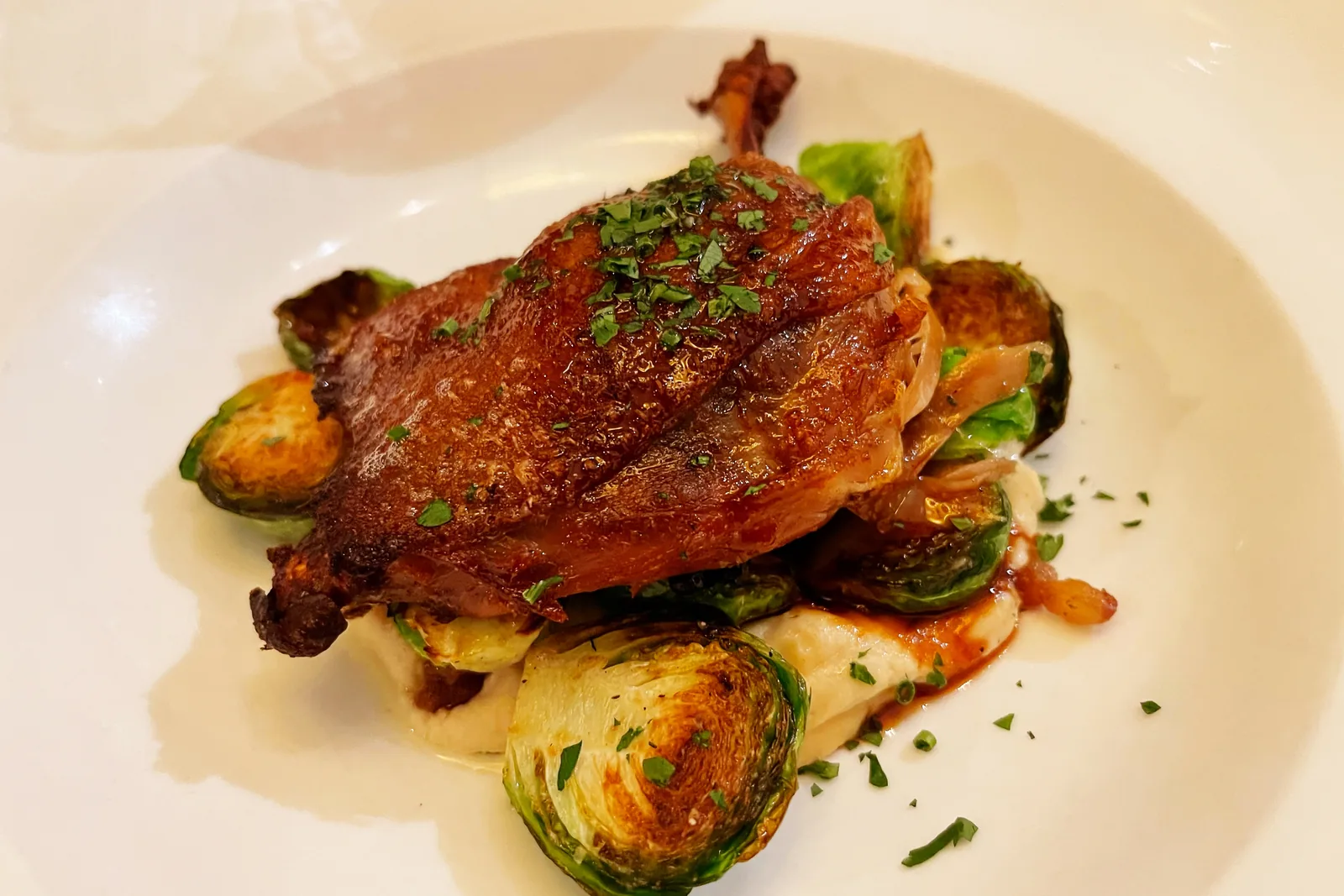
A crisp duck confit leg with roasted Brussels sprouts on a white plate

Gascony Heritage

Photo: Sarah Stierch, CC BY 4.0, via Wikimedia Commons

The Heritage Formulary

Measured Ingredients

Estimated cost: High — about $7–8 per serving at home (USD)

A good confit is judged by the contrast: meat that slides off the bone against skin that shatters when you bite it.

Execution Methodology & Culinary Technique

Step-by-Step Cooking Guide

Active 3h
P

Prep Stage: Cure the Legs

30 Mins • Cure

Rub the duck legs with salt, crushed garlic, thyme, bay and pepper, then leave them to cure in the fridge overnight. The salt draws out moisture and seasons the meat right through — this step is what makes confit keep and taste the way it does.

Maestro Tip: Use the full 20 g of salt for the cure and rinse it off well afterwards — under-salted confit tastes flat, and over-salted confit cannot be fixed.

  1. 1

    Cure the Legs

    12 Hours (Overnight) Fridge, 4°C (39°F)

    Rub the duck legs all over with the salt, crushed garlic, thyme leaves, torn bay and peppercorns. Lay them in a dish, cover, and refrigerate for 12 hours or overnight.

    Do not shorten the cure below 8 hours — the salt needs time to season the meat through.

    Done when: The legs are evenly coated in the cure and feel firm to the touch.

  2. 2

    Rinse and Dry

    15 Mins Room temperature, ~20°C (68°F)

    Scrape off the cure, rinse the legs briefly under cold water, and pat them completely dry with paper towels. Dry skin is essential for a crisp finish later.

    Take your time drying the legs — any water left on the skin will steam instead of crisping.

    Done when: The legs are clean, dry, and smell faintly of garlic and thyme.

  3. 3

    Confit in Duck Fat

    2 Hours Oven, 90°C (195°F)

    Pack the legs snugly into a heavy pot, skin-side up, and pour over the melted duck fat until they are fully covered. Cook in a low oven at 90°C (195°F) for 2 hours, until the meat is completely tender. The fat should barely shiver, never bubble hard.

    If the fat starts to bubble, turn the oven down — confit is a gentle poach, not a fry.

    Done when: The meat reaches 74°C (165°F) inside and pulls easily from the bone.

  4. 4

    Rest and Save the Fat

    10 Mins Resting, ~70°C (158°F)

    Lift the legs out of the fat and rest them for 10 minutes. Strain the fat through a fine sieve into a clean jar and keep it in the fridge — it is liquid gold for roast potatoes.

    Let the fat cool a little before straining, and never pour hot fat into a plastic container.

    Done when: The legs are tender and the fat is clear and golden.

  5. 5

    Crisp the Skin and Serve

    5 Mins Pan, 200°C (400°F)

    Heat a dry pan over medium-high heat and lay the legs in skin-side down. Cook for 4–5 minutes until the skin is deep golden and crackling, then turn and warm the other side for 1 minute. Serve skin-side up.

    No oil is needed in the pan — the skin renders its own fat as it crisps.

    Done when: The skin is crisp, golden and crackles when pressed; the meat is hot through.

Finishing Touches & Plating

Crisp the skin in a hot pan, skin-side down, and serve the leg with its crackling skin up, over potatoes or salad.

Nutritional Physiology & Benefits

Nutrition

Energy

682

kcal / serving

Protein

38g

Complete AA

Carbs

2g

Complex

Fats

57g

Healthy

Per serving (4 servings · 1 serving ≈ 200 g)
Energy682 kcal
Protein38 g
Carbohydrates2 g
Fat57 g
Fibre0.3 g
Sugar0.1 g
Sodium626 mg
Per 100g
Energy341 kcal
Protein19.2 g
Carbohydrates0.9 g
Fat28.4 g
Fibre0.2 g
Sugar0 g
Sodium313 mg

Nutrition values are estimated — calculated from USDA FoodData Central values for the listed ingredients.

Vitamins & minerals: Vitamin B6 and niacin (duck), iron and zinc (duck), vitamin A (duck fat and skin).

Rich in Protein and Iron

About 38 g of protein per serving, with iron and B vitamins from the duck — a meal that genuinely satisfies.

Simple Seasoning

Salt, garlic, thyme and bay do the seasoning — no sauces or additives are needed for deep flavour.

Slow and Hands-Off

Once the legs are in the fat, the oven does the work for two hours — this is a dish of patience, not effort.

Food Pairings

What to Eat With

To optimize nutrient absorption and elevate the sensory depth, pair with these authentic accompaniments:

Sides

Potatoes in Duck Fat

Potatoes fried in the strained duck fat are the classic partner — they soak up the flavour and turn golden and crisp.

Vegetables

Bitter Green Salad

A bitter salad of frisée or rocket cuts through the richness of the duck and cleans the palate.

Drinks

A Red Wine from South-West France

A glass of red wine from the south-west of France suits the rich, salty duck without fighting it.

Full Menus

A Slow French Dinner

Serve one leg per person with the potatoes and salad, and keep dessert light — fruit or a sorbet after such a rich main.

Complete menu

Serve one leg with potatoes cooked in duck fat and a bitter green salad, and finish with a simple fruit dessert.

Digestive Guardrails

What NOT to Combine

To prevent digestive distress, sluggishness, or palate clash, avoid pairing the dish with these elements:

Do Not Fry the Legs

Cooking the legs in hot oil instead of gentle fat fries the outside before the inside turns tender — confit must stay below a simmer, around 90°C (195°F). This is general guidance, not medical advice.

Save the Duck Fat

Do not throw the cooking fat away — strained duck fat keeps for months in the fridge and is the best fat you own for roast potatoes. Keep it in a clean jar.

General information only, not medical advice — consult a doctor for personal dietary decisions.

Who Should Eat It

Who Should Eat

  • General adultsA rich, special dinner — one leg with potatoes and salad is a full meal.
  • ChildrenSuitable from age 6+; the meat is soft and falls off the bone, but the dish is very rich, so serve a small portion.
  • ElderlySuitable in a modest portion — the meat is tender and easy to chew, but the dish is high in fat and salt.
  • Pregnant womenGenerally suitable if the duck is cooked right through to 74°C (165°F); keep the portion modest.
  • Breastfeeding womenGenerally suitable; the protein and iron support recovery — keep portions satisfying but modest.
  • AthletesA strong meal after a heavy training day: about 38 g of protein per serving, plus potatoes for glycogen.
  • Weight gainA good choice — the legs are energy-dense, and potatoes cooked in duck fat add more.
  • Weight lossNot the best choice — keep it to an occasional treat, one leg, with a big salad instead of potatoes.

Health Conditions — Adjust or Avoid

Conditions

  • DiabetesThe duck itself is very low in carbs — watch the potatoes and bread served with it. Ask your clinician about portion size.
  • High blood pressureMost of the sodium comes from the salt cure; rinse the legs well and keep the portion modest. Ask your clinician about a suitable portion.
  • Kidney diseaseLimit the portion — duck is high in protein and the cure adds sodium. Ask your clinician about portion size.
  • GoutEat occasionally and in smaller portions — duck is moderately high in purines.
  • Stomach issuesThe dish is usually gentle, but the high fat can be heavy for a sensitive stomach — keep the portion small.
  • Cardiovascular diseaseThe dish is very high in saturated fat; keep it to an occasional treat in a small portion. Ask your clinician about a suitable portion.
  • Fatty liverKeep the portion modest and favour the salad over potatoes cooked in duck fat.
  • Food allergiesContains no common allergens. Check that the duck fat has not been used to cook anything else.
  • Special therapeutic dietsIf you follow a prescribed low-sodium diet, shorten the cure and rinse thoroughly, and check with your clinician.

If you have a medical condition, consult your doctor before changing your diet.

Storage & Use

Storage & Use

How to store
Cool the legs in their fat, then store fully submerged in the strained fat in a sealed container.
In the fridge
2 weeks, fully covered in fat in a sealed container.
In the freezer
3 months, covered in their fat.
How to reheat
Reheat in a 200°C (400°F) oven until the skin is crisp and the meat is steaming; reheat to 74°C (165°F).
Freezing recommended
Yes — confit was invented as a way to keep meat, and it freezes beautifully in its fat.
Signs it has spoiled
Sour or rancid smell, slimy skin, or mould on the fat.

More recipes to explore

Golden butter croissants on a wooden board France flag France 20m
Breakfast •Parisian Boulangerie

Croissant au Beurre & Café

Laminated cultured butter pastry paired with washed Arabica, for a slow, pleasurable Parisian morning — best with a little protein alongside. One serving is about 390 g.

Sustained Focus

Flaky all-butter croissant with café au lait, Comté and green apple.

Pairs Well With
Comté cheese wedge & Green apple slices
Quick Prep (<30m)

Bœuf bourguignon — French beef braised in red wine France flag France 4h
Dinner •Burgundy Terroir

Bœuf Bourguignon

Beef braised gently in red wine until the connective tissue melts into a velvet, gelatin-rich sauce — the classic Burgundy Sunday dinner.

Cellular Repair

Beef braised in red wine until spoon-tender, with mushrooms and pearl onions.

Pairs Well With
Parsnip Purée & Steamed French Haricots Verts
High Protein
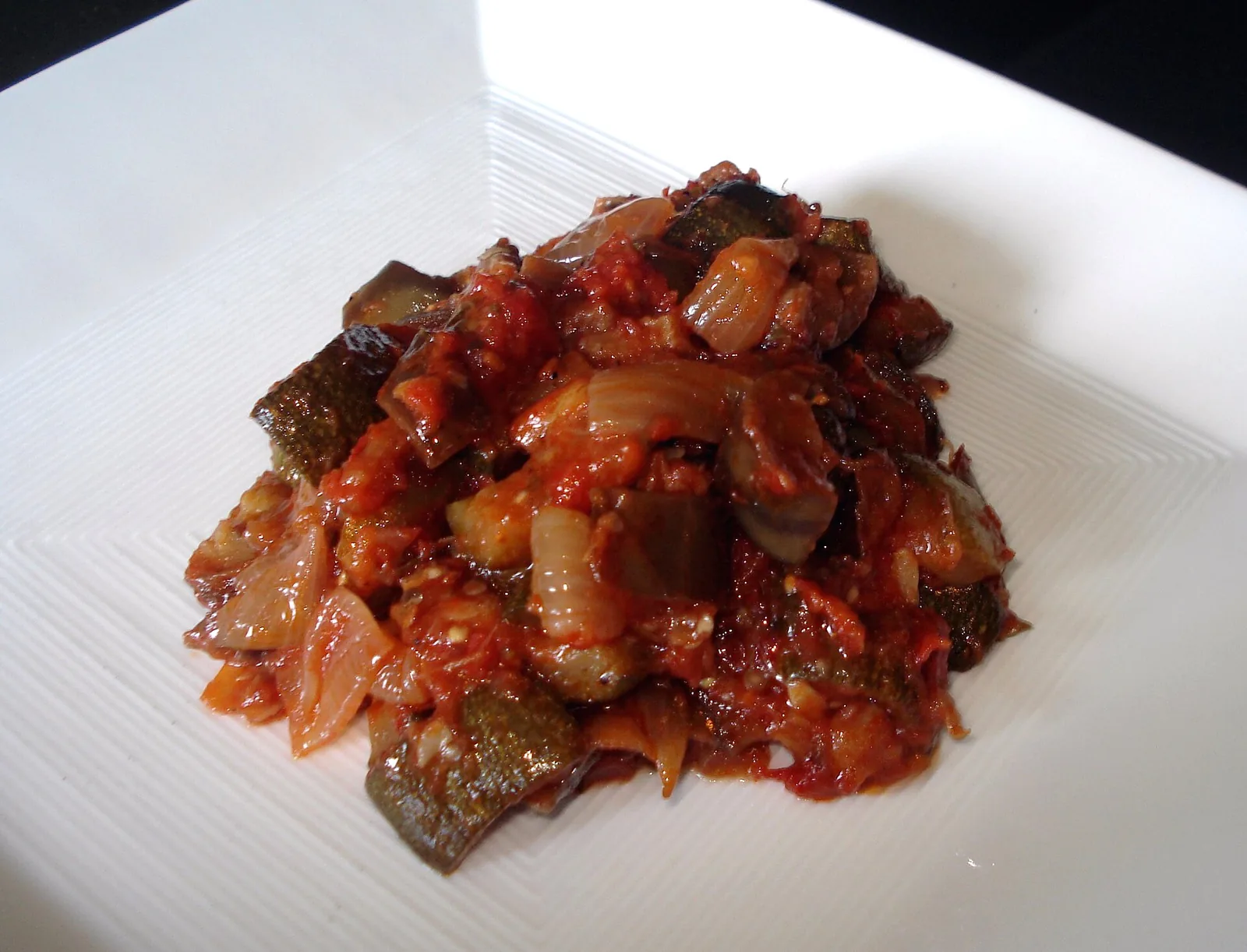
A mound of classic ratatouille with eggplant, zucchini, tomato and onion on a white plate France flag France 1h 15m
Dinner •Nice Provençal

Ratatouille

This ratatouille recipe cooks eggplant, zucchini, peppers and tomatoes separately first, so each vegetable keeps its own texture, then brings them together for a slow, fragrant simmer. One serving is about 400 g.

Light & Vegetable-Rich

Slow-simmered summer vegetables in olive oil — light, fragrant and full of fibre.

Pairs Well With
Crusty sourdough bread, grilled fish or a fried egg
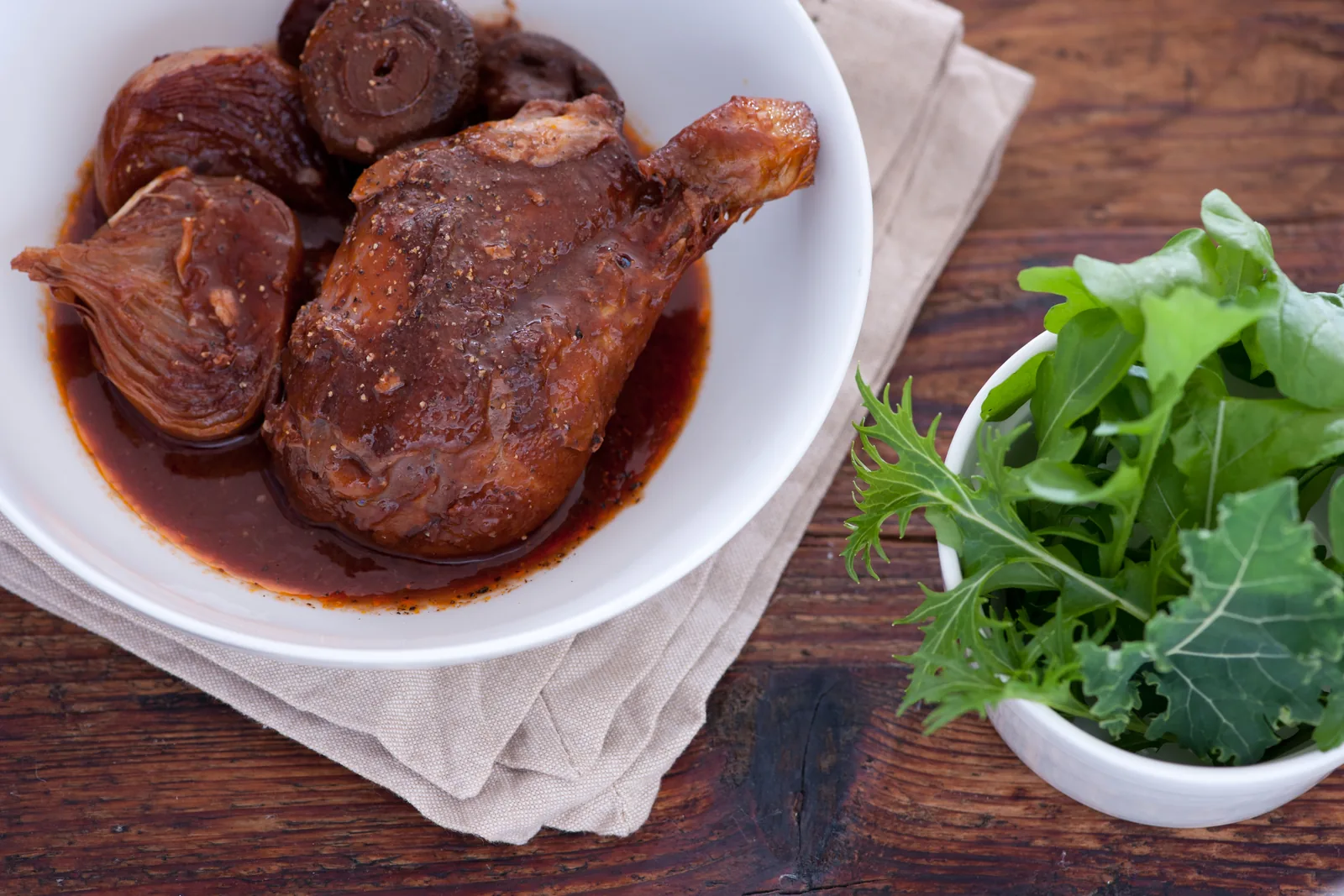
A bowl of coq au vin with a braised chicken leg in dark red wine sauce with mushrooms and onions, greens on the side France flag France 1h 40m
Dinner •Burgundy Classic

Coq au Vin

This coq au vin recipe is the Burgundy classic: chicken thighs browned with bacon, then braised in red wine with mushrooms, pearl onions and carrots until the meat is tender and the sauce is dark and glossy. One serving is about 375 g. It takes 1 hour 40 minutes, most of it hands-off while the pot simmers.

Comfort & Warmth

Chicken braised slowly in red wine with mushrooms, pearl onions and bacon until it falls off the bone.

Pairs Well With
Mashed potatoes, crusty bread & Burgundy wine

The Dinner Gazette

Never wonder what’s for dinner again

One email a week with easy dinner ideas from around the world — ingredients, steps and nutrition, tested in our kitchen first.

Delivered every Thursday morning. Unsubscribe anytime.