
Curated recipes from 193 countries  •  New seasonal Mediterranean issue out now

Overview

Congolese Kwanga

Kwanga — Chikwangue, Fermented Cassava Loaf

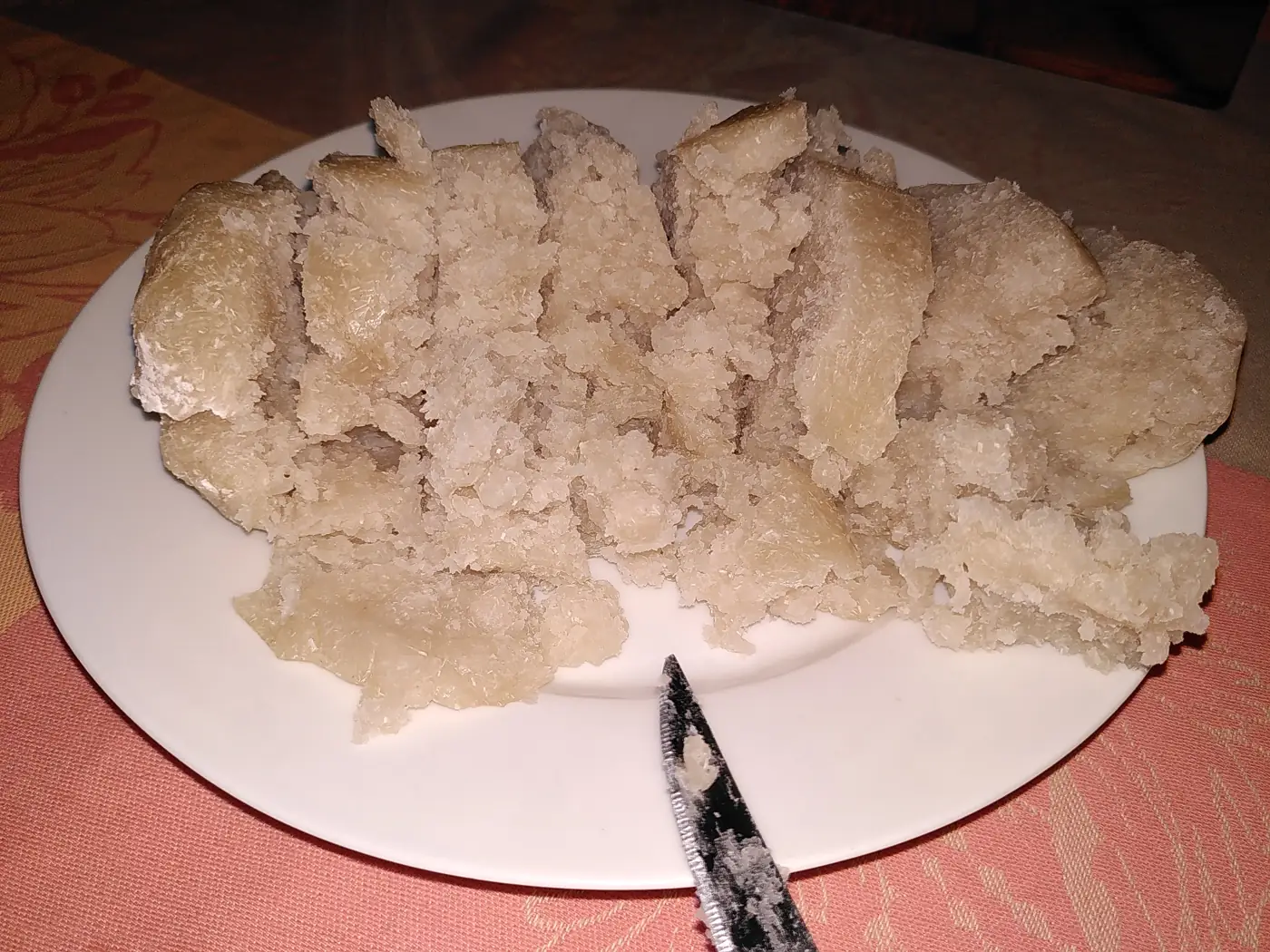
Congolese kwanga, also called chikwangue, is a fermented cassava loaf — the Congo Basin's daily bread. Fresh cassava is soaked for days until it ferments and softens, pounded to a smooth dough, wrapped in banana leaves and steamed into a firm, sliceable loaf with a gentle sour tang. This kwanga recipe is a slow, mostly hands-off process, and the loaf it makes is the base under almost every Congolese stew. One serving is about 270 g.

Kwanga — chikwangue in the wider Congo Basin — is the fermented cassava bread of the Congo River region, made the same way for generations: roots peeled and left to soak in water for days until they ferment and soften, then pounded, wrapped in leaves and steamed into a firm loaf. The fermentation is what makes it kwanga rather than fufu: it gives the loaf its sour tang, its springy bite, and it is the step that makes the cassava safe to eat. In Congo-Brazzaville it is the daily bread, sliced at the table and eaten with whatever stew the day brings.

Pairs well with: Any Congolese stew — ntaba, makayabu, or a leafy green sauce

Provenance

Republic of the Congo flag Republic of the Congo

Congo Basin Staple

African Heritage

Time Dedication

2h 45m

45m prep • 120m cook

Batch Yield

6 Servings

480 kcal per serving

1 serving ≈ 270 g

Technical Skill

Advanced

Advanced (Multi-Day Ferment)

Meal Timing & Digestive Fit

Breakfast

Not Advised

Lunch

Prime Metabolic Fit

Dinner

Ideal Hearty Main

Snack & Tea

Inappropriate

Fermented / Gut Health Occasions: Daily lunches, family meals, any Congolese stew Cost: Low — about $1–2 per serving at home
Sliced pale fermented cassava loaf served on a white plate with a knife

Congo Basin Staple

Photo: Lyokoï, CC BY-SA 4.0, via Wikimedia Commons

The Heritage Formulary

Measured Ingredients

Estimated cost: Low — about $1–2 per serving at home (USD)

Good kwanga is firm and sliceable, smooth inside, with a gentle sour tang — never mushy, never raw in the middle.

Execution Methodology & Culinary Technique

Step-by-Step Cooking Guide

Active 2h 45m
P

Prep Stage: Soak & Ferment the Cassava

45 Mins Active • Plus 3 Days Soaking

Peel the cassava completely and cut it into chunks. Submerge the chunks in a large, non-reactive bowl or bucket of fresh water, cover so it is airtight, and leave it at room temperature for 3 days, changing the water once a day. This long soak is the whole process: the fermentation softens the cassava, gives it its sour tang, and is a safety step that must not be shortened. The cassava is ready when it is very soft to the touch and smells faintly sour, like sourdough — never rotten.

Maestro Tip: Keep the cassava fully submerged — use a plate as a weight. Any piece poking out of the water can spoil instead of fermenting.

  1. 1

    Drain, De-fibre and Pound

    25 Mins • Hands-On No heat

    Drain the fermented cassava and rinse it well. Break each piece open and pull out the tough central fibre that runs through the root — it would ruin the smooth texture. Pound the soft cassava in a large mortar, or work it in a food processor with a little fresh water, until it is a completely smooth, thick paste with no lumps.

    Work in small batches: a half-full mortar pounds smooth far faster than an overflowing one.

    Done when: A smooth, lump-free paste that holds its shape on a spoon.

  2. 2

    Drain and Pre-Cook the Dough

    15 Mins • Cooking Medium heat, about 160°C (320°F)

    Pour the paste into a clean cloth-lined sieve over a bowl and press out as much liquid as you can, then tip the dough into a pot with the salt. Cook on medium heat, stirring constantly, for 8–10 minutes, until the dough thickens, pulls away from the sides of the pot, and turns slightly translucent. This first cooking sets the texture of the finished loaf.

    Keep stirring without stopping — cassava dough catches and burns fast once it thickens.

    Done when: Thick dough that pulls away from the pot in one mass.

  3. 3

    Knead and Shape the Loaves

    15 Mins • Hands-On Warm dough, off the heat

    Turn the hot dough onto a clean surface and knead it hard while it is still warm, for about 5 minutes, until it is smooth and elastic. Divide it into 3 equal portions and roll each into a firm cylinder about 20 cm (8 inches) long. Wrap each loaf tightly in 2 layers of softened banana leaf, folding the ends in, and tie with kitchen string.

    Knead while the dough is hot — once it cools it stiffens and will not smooth out.

    Done when: Smooth, springy loaves, tightly wrapped with no gaps in the leaves.

  4. 4

    Steam the Kwanga

    120 Mins • Steaming Gentle boil, 100°C (212°F)

    Pack the wrapped loaves into a large pot, add water to come a third of the way up the parcels, and bring to a gentle boil. Cover and steam for 2 hours, topping up the water if it runs low — the pot must never boil dry. The kwanga is done when the loaf inside is firm, opaque and pale, and slices cleanly without crumbling.

    Put a small plate at the bottom of the pot under the parcels: it stops the leaves scorching if the water runs low.

    Done when: Firm, opaque loaf that slices cleanly; a knife comes out clean.

  5. 5

    Cool and Slice

    20 Mins • Cooling Off the heat

    Lift the loaves out and let them cool for at least 20 minutes before unwrapping — hot kwanga is soft and will tear. Unwrap, then slice each loaf into thick rounds or strips with a sharp, wet knife. Serve warm with a stew, or let it cool completely and slice it cold.

    Wet the knife between cuts: the dough is sticky and a dry blade drags.

    Done when: Cool enough to slice cleanly; slices hold their shape.

Finishing Touches & Plating

Serve the kwanga warm, sliced thick, alongside a stew — ntaba, makayabu or a leafy green sauce — so the loaf can soak up the sauce. It is the plate and the bread in one.

Nutritional Physiology & Benefits

Nutrition

Energy

480

kcal / serving

Protein

4g

Complete AA

Carbs

114g

Complex

Fats

1g

Healthy

Per serving (6 servings · 1 serving ≈ 270 g)
Energy480 kcal
Protein4 g
Carbohydrates114 g
Fat1 g
Fibre5.4 g
Sugar5.1 g
Sodium365 mg
Per 100g
Energy178 kcal
Protein1.6 g
Carbohydrates42.3 g
Fat0.3 g
Fibre2 g
Sugar1.9 g
Sodium135 mg

Nutrition values are estimated — calculated from USDA FoodData Central values for the listed ingredients.

Vitamins & minerals: Vitamin C (cassava), potassium and magnesium (cassava), small amounts of B vitamins from fermentation. Nutrition values are estimated.

Naturally Gluten-Free

Kwanga is made from cassava alone, so it is naturally free of gluten and grains — a staple for anyone who avoids wheat.

Fermented Food

The days-long soak is a real fermentation, which gives kwanga its gentle sour tang and makes the cassava easier to digest.

Slow, Steady Energy

Cassava is a dense, starchy staple: one serving gives long-lasting energy, which is why it anchors a working lunch.

Food Pairings

What to Eat With

To optimize nutrient absorption and elevate the sensory depth, pair with these authentic accompaniments:

Sides

Ntaba (Grilled Goat)

Smoky grilled goat and sour kwanga are the classic Brazzaville pairing — the loaf's tang cuts the richness of the meat.

Makayabu (Salted Cod)

Salty cod with vegetables over mild kwanga is the Congolese home-cooking combination — the loaf soaks up the fish juices.

Vegetables

Leafy Green Sauce

A cooked leafy-green sauce spooned over kwanga is the everyday Congo plate — the greens bring colour and freshness to the plain loaf.

Soups

Peanut or Vegetable Soup

A spoonable soup is the easiest partner for kwanga: tear off a piece of loaf and use it to scoop, the way it is eaten in Congo.

Drinks

Water or Ginger Drink

A dense cassava loaf is thirsty work — plain water or a homemade ginger drink is the usual table companion.

Complete menu

Serve sliced kwanga warm with a stew — ntaba or makayabu — plus a leafy green sauce on the side, and water or a ginger drink to finish.

Digestive Guardrails

What NOT to Combine

To prevent digestive distress, sluggishness, or palate clash, avoid pairing the dish with these elements:

Shortening the Soak

Raw cassava contains natural compounds that the long soak and thorough cooking reduce. Never shorten the 3-day soak, never eat raw or undercooked cassava, and always discard the soaking water. If the cassava smells rotten at any point, throw it away and start again. This is general food-safety information, not medical advice.

Eating Kwanga Alone as a Full Meal

Kwanga is almost entirely starch, with very little protein. Eaten alone it is not a balanced meal — always serve it with a protein-rich stew or sauce. This is general nutrition information, not medical advice.

General information only, not medical advice — consult a doctor for personal dietary decisions.

Who Should Eat It

Who Should Eat

  • General adultsA filling staple food; always eat it with a protein-rich stew, not on its own.
  • ChildrenSuitable from age 2+ in small pieces with a stew; make sure the loaf is fully cooked through and soft.
  • ElderlySuitable if sliced thin and served soft with a sauce; the loaf is dense, so chew well.
  • Pregnant womenGenerally suitable when the cassava is fully fermented and cooked through; eat it with a protein-rich stew.
  • Breastfeeding womenGenerally suitable as an energy-rich staple alongside a stew; keep portions moderate.
  • AthletesUseful for carbohydrate loading before a long session — pair it with a high-protein stew.
  • Weight gainA good choice — energy-dense and easy to eat in larger amounts with a stew.
  • Weight lossKeep the portion small, about one thick slice, and fill the rest of the plate with stew and vegetables.

Health Conditions — Adjust or Avoid

Conditions

  • DiabetesKwanga is very high in starch and raises blood sugar; keep the portion small and ask your clinician.
  • High blood pressureThe loaf itself is low in sodium; watch the saltiness of the stew served with it.
  • Kidney diseaseCassava is moderately high in potassium; keep portions modest and ask your clinician.
  • GoutKwanga itself is low in purines; the stew served with it matters more — ask your clinician.
  • Stomach issuesThe fermented loaf is usually well tolerated; eat slowly and chew well, as it is very dense.
  • Cardiovascular diseaseThe loaf is naturally fat-free; keep the portion modest and pair it with vegetables and lean protein.
  • Fatty liverKeep the portion small — it is a dense starch — and fill the plate with vegetables and lean stew.
  • Food allergiesContains no common allergen — no gluten, no nuts, no egg, no dairy. People with a cassava allergy must avoid it — check with your clinician.
  • Special therapeutic dietsIf you follow a prescribed low-carbohydrate or low-potassium diet, keep the portion small and check with your clinician.

If you have a medical condition, consult your doctor before changing your diet.

Storage & Use

Storage & Use

How to store
Cool completely, then wrap the sliced loaf tightly in cling film or keep it in its leaves in an airtight container.
In the fridge
Wrapped kwanga 4 days.
In the freezer
Up to 3 months, sliced.
How to reheat
Steam slices for 5 minutes, or microwave with a splash of water, until hot through, to 74°C (165°F).
Freezing recommended
Yes, sliced and wrapped, up to 3 months; steam to revive.
Signs it has spoiled
Sour smell beyond its normal tang, slimy surface, or mould.

More recipes to explore

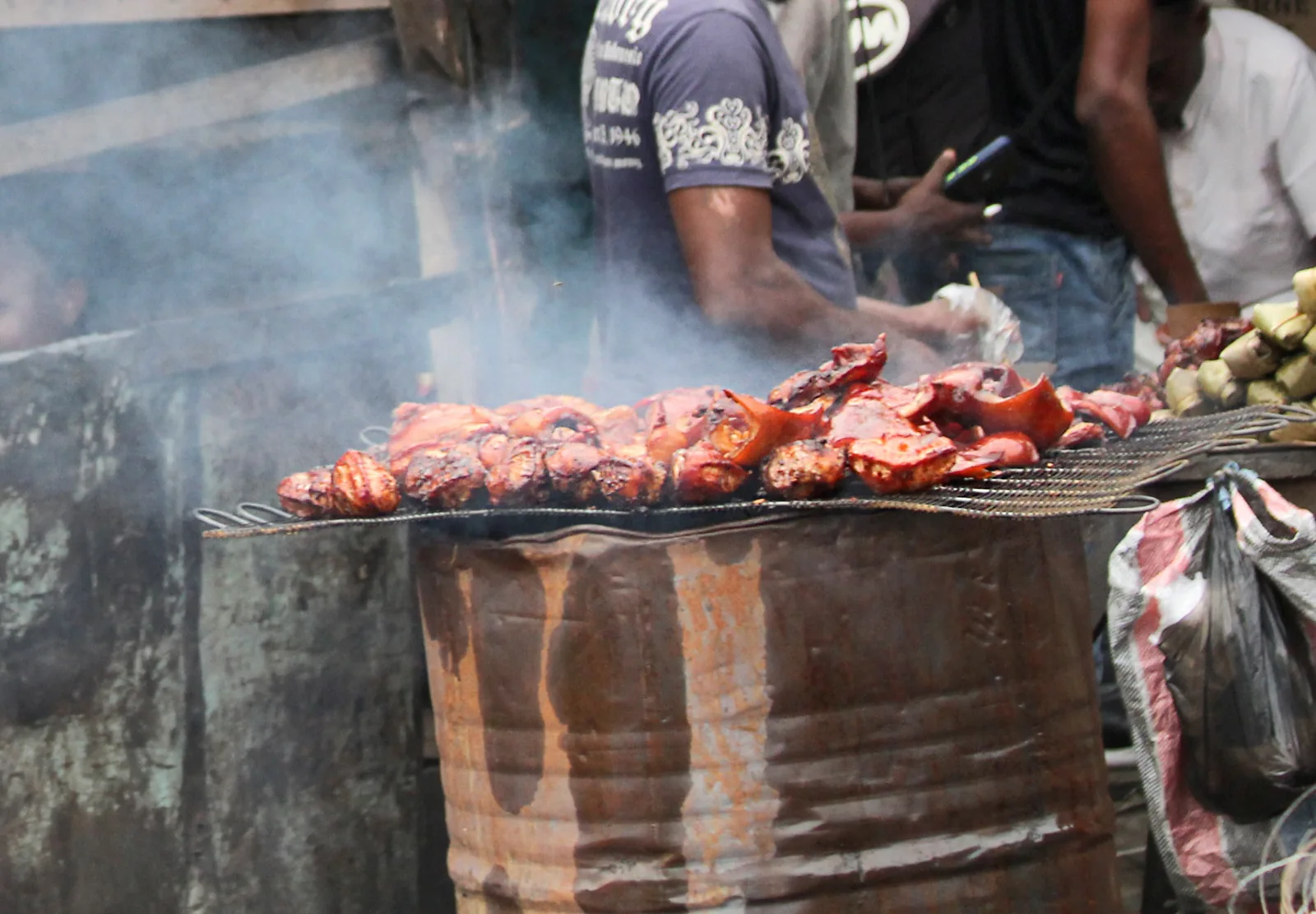
Pieces of grilled goat meat smoking on a charcoal barrel grill at a Brazzaville street stall Republic of the Congo flag Republic of the Congo 1h 45m
Dinner •Brazzaville Street Food

Congolese Ntaba

Congolese ntaba is grilled goat, marinated with garlic, ginger, onion and scotch bonnet, then cooked over charcoal the way Brazzaville street vendors do it — smoky outside, juicy inside. This ntaba recipe is the food of the nganda, the open-air taverns where grilled meat is eaten standing up with friends. One serving is about 195 g.

High-Protein Charcoal Grill

Bone-in goat pieces marinated with garlic, ginger and chilli, then grilled over charcoal until smoky and charred at the edges.

Pairs Well With
Sliced kwanga or fried plantains, raw onion and a hot chilli sauce
High Protein
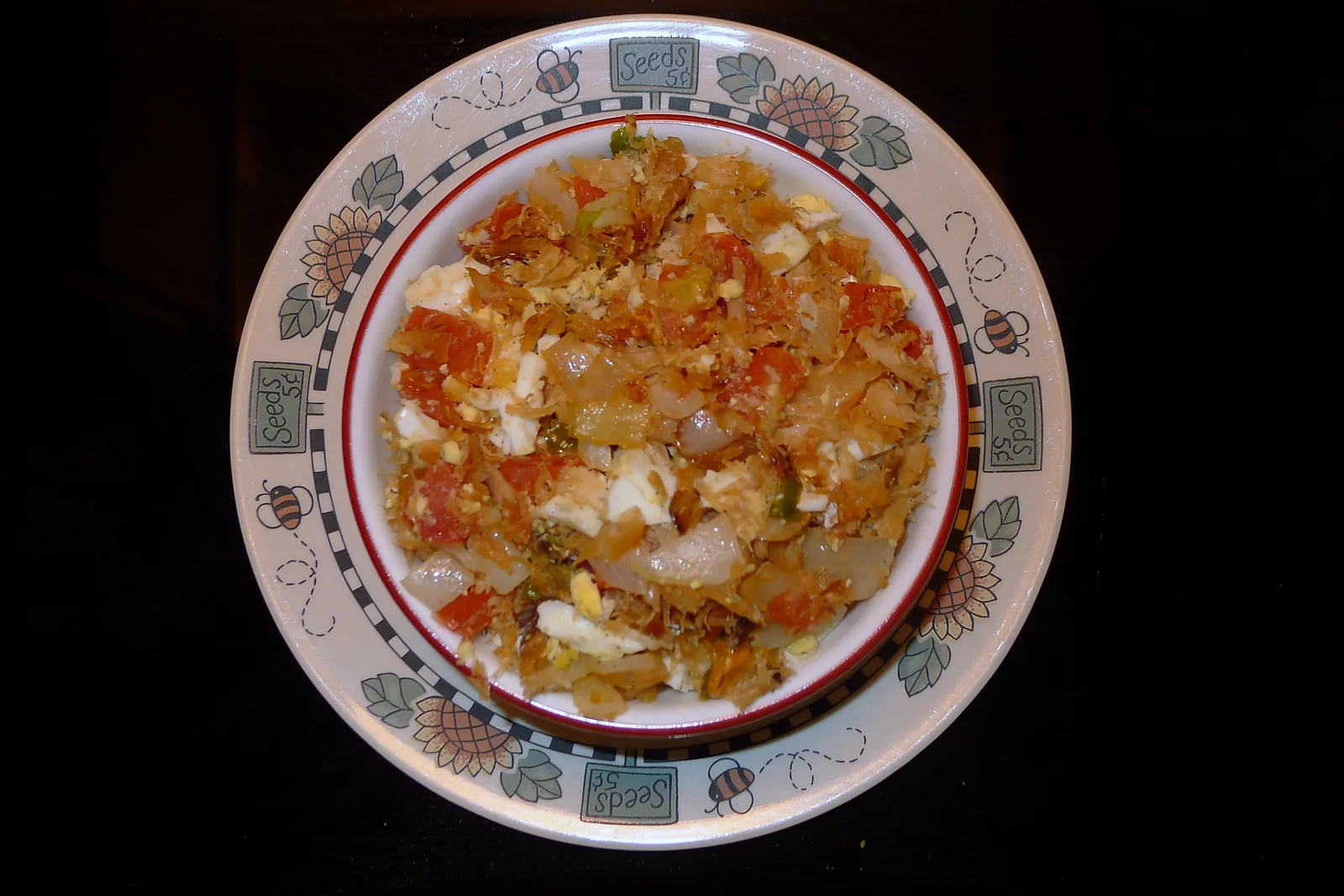
Flaked salted cod with tomato, onion and peppers served in a bowl Republic of the Congo flag Republic of the Congo 55m
Dinner •Congo River Classic

Congolese Makayabu

Congolese makayabu is salted cod — the Lingala name for dried, salted fish — soaked overnight, fried until golden, then cooked with cabbage, courgette, peppers, onion and tomato. This makayabu recipe is a fixture of Congolese home cooking: the fish keeps without refrigeration, and the vegetables turn it into a full, satisfying dinner. One serving is about 440 g.

High-Protein Salted Fish

Salted cod soaked overnight, fried golden, then folded through cabbage, courgette, peppers and tomato.

Pairs Well With
Boiled cassava or steamed rice, with fried plantains on the side
High Protein
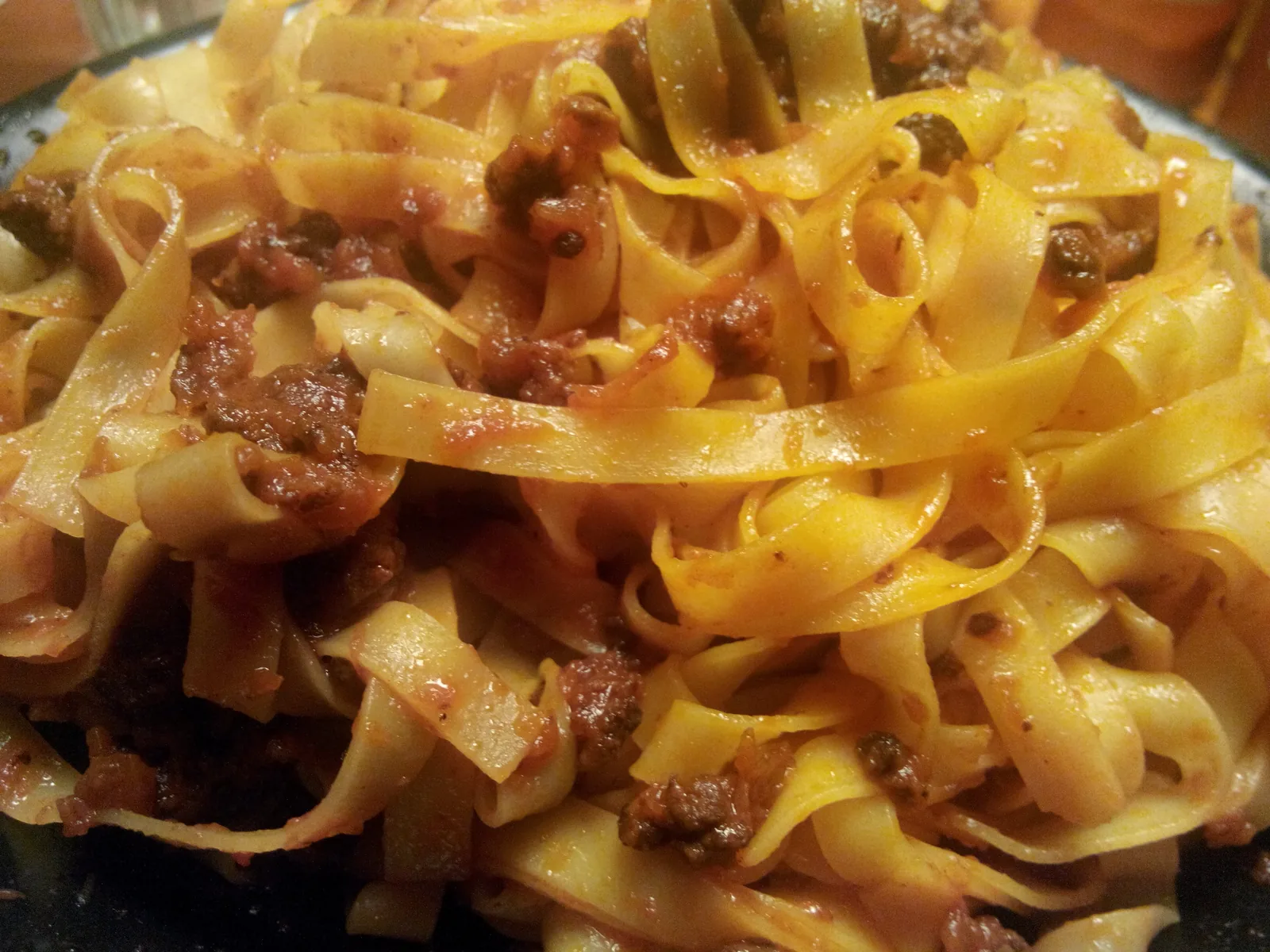
Tagliatelle al ragù Bolognese in a bowl with Parmigiano-Reggiano Italy flag Italy 4h 25m
Lunch •Emilia-Romagna

Tagliatelle al Ragù Bolognese

Slow-braised soffritto and coarse ground heritage meats layered over handmade egg yolk dough for mid-day stamina.

Lean Protein

Slow-simmered beef ragù tossed through fresh egg tagliatelle.

Pairs Well With
Bitter Radicchio & Aged Balsamico di Modena
Pasta & Noodles • High Protein
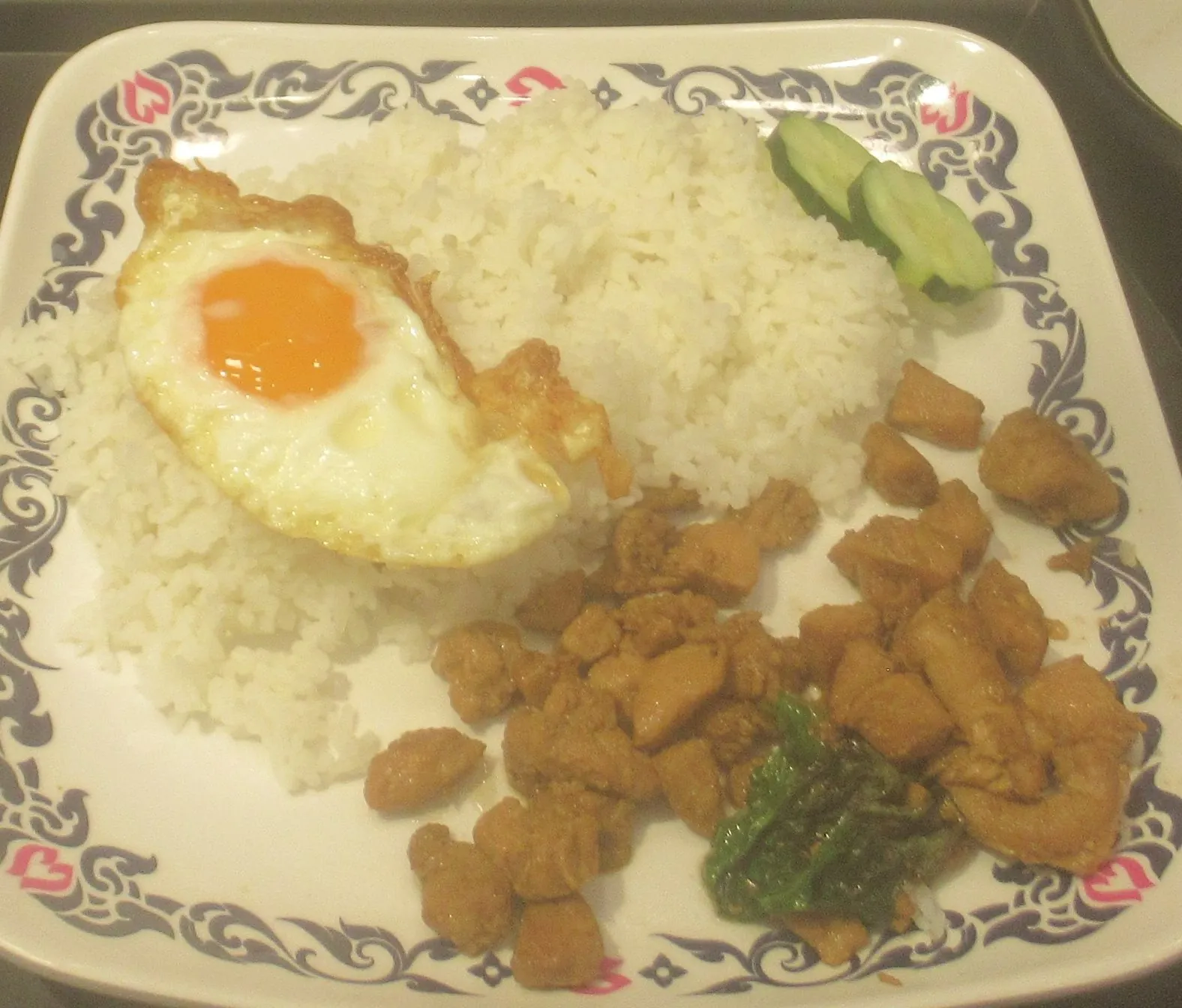
Pad kra pao gai — Thai holy basil chicken with fried egg and rice Thailand flag Thailand 30m
Lunch •Bangkok Street Flame

Pad Kra Pao Gai

High-heat wok flash of holy basil and crushed chillies over minced chicken, served over jasmine rice with a crispy-edged fried egg.

High Energy

Capsaicin brings the heat; holy basil adds a peppery, clove-like aroma.

Pairs Well With
Chilled Cucumber Salad & Fish Sauce Lime Dip
High Protein • Quick Prep (<30m)

The Dinner Gazette

Never wonder what’s for dinner again

One email a week with easy dinner ideas from around the world — ingredients, steps and nutrition, tested in our kitchen first.

Delivered every Thursday morning. Unsubscribe anytime.