
Curated recipes from 193 countries  •  New seasonal Mediterranean issue out now

Overview

Cuscuz Paulista

Sao Paulo Cuscuz, Brazilian Cornmeal Mold

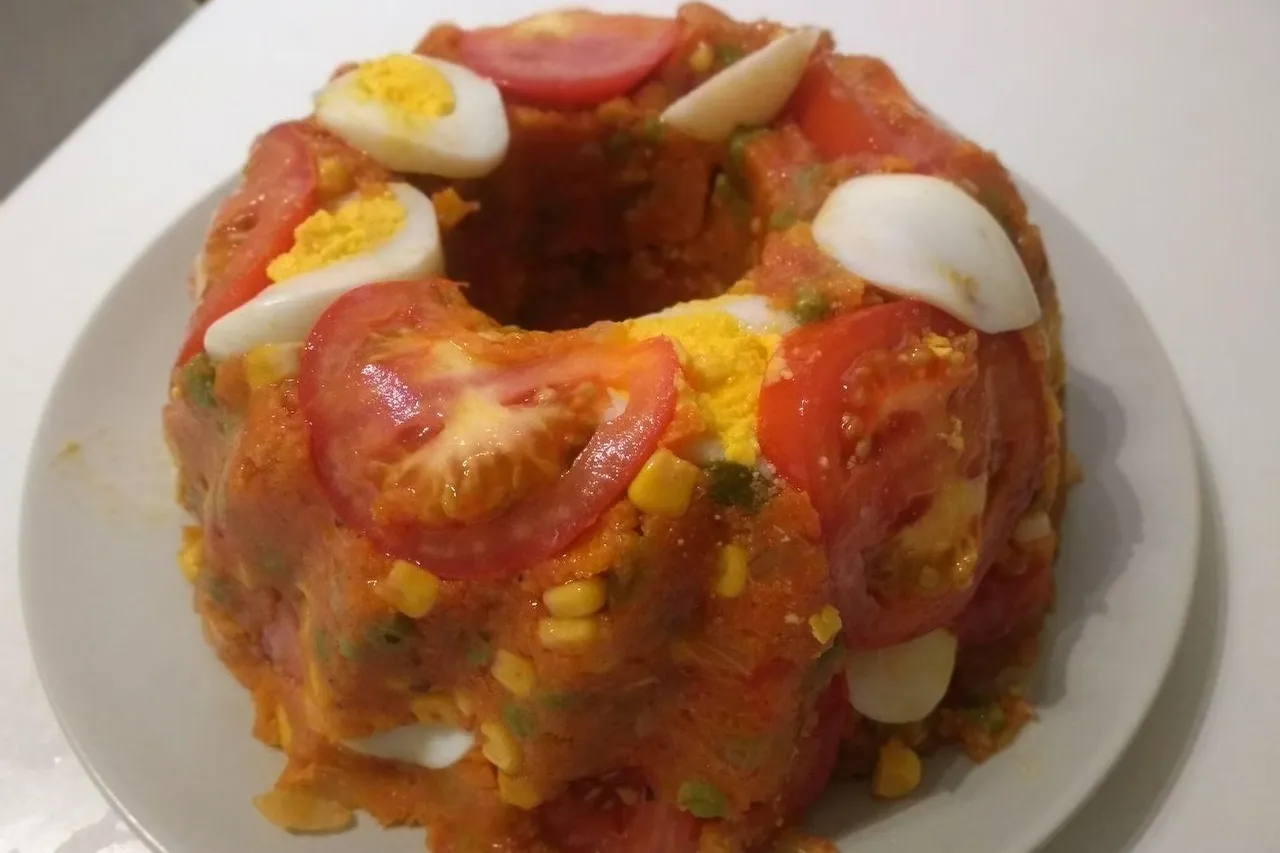
This cuscuz paulista recipe steams cornmeal with sardines, shrimp, hard-boiled egg, tomato, peas and olives into a firm ring mold. One serving is about 280 g. It is a Sao Paulo classic — not semolina couscous, but a savoury cornmeal cake that slices like a terrine.

Cuscuz paulista is the steamed cornmeal mold of Sao Paulo, built by the city's mix of Portuguese, African and Indigenous cooks from cornmeal, sardines, shrimp, egg and vegetables. Unlike Moroccan couscous, which is steamed semolina served loose, the Paulista version is packed into a ring mold, steamed until firm, and turned out to be sliced — a centrepiece of family lunches and June festivals across the state.

Pairs well with: A green salad and a cold beer or fresh lime juice.

Provenance

Brazil flag Brazil

Sao Paulo Classic

Latin America & Caribbean

Time Dedication

1h 10m

30m prep • 40m cook

Batch Yield

8 Servings

327 kcal per serving

1 serving ≈ 280 g

Technical Skill

Intermediate

Medium (Steamed Mold)

Meal Timing & Digestive Fit

Breakfast

Not Advised

Lunch

Prime Metabolic Fit

Dinner

Ideal Hearty Main

Snack & Tea

Inappropriate

Occasions: Family lunch, June festival (Festa Junina), picnic, Sao Paulo dinner Cost: Low — about $2–3 per serving at home
A ring mold of cuscuz paulista, a Brazilian steamed cornmeal mold decorated with tomato slices and hard-boiled egg

Sao Paulo Classic

Photo: Everton137, CC BY 3.0, via Wikimedia Commons

The Heritage Formulary

Measured Ingredients

Estimated cost: Low — about $2–3 per serving at home (USD)

Made with coarse cornmeal flakes moistened with hot water, a sardine and shrimp filling, and steamed in a ring mold for 25 minutes.

Execution Methodology & Culinary Technique

Step-by-Step Cooking Guide

Active 1h 10m
P

Prep Stage: Boil Eggs, Chop & Line the Mold

30 Mins • Boiling & Chopping

The eggs are boiled and sliced, the sardines flaked, the shrimp chopped, and the vegetables diced, while a ring mold is oiled and lined with tomato and egg slices.

Maestro Tip: Line the mold first — the decoration goes in before the filling, so it shows when the mold is turned out.

  1. 1

    Make the Savoury Filling

    15 Mins Medium heat, about 90°C (195°F)

    Heat the olive oil in a large pan, soften the onion for 3 minutes, then stir in the tomato paste and the diced tomatoes and cook for 5 minutes. Add the flaked sardines, chopped shrimp, peas, corn, olives and hearts of palm, season with the salt, and cook for 5 minutes more.

    Keep the heat medium — the filling should be moist, not watery.

    Done when: Filling fragrant and moist, vegetables just tender.

  2. 2

    Moisten the Cornmeal

    10 Mins Simmering water, about 95°C (200°F)

    Put the cornmeal in a large bowl and pour over the 600 ml of hot water a little at a time, stirring until it is evenly damp like wet sand. Rest for 5 minutes so the flakes swell.

    Add the water slowly — too much makes a soggy mold that will not hold its shape.

    Done when: Cornmeal evenly damp, holding together when squeezed.

  3. 3

    Mix & Fill the Mold

    10 Mins No heat

    Fold the hot filling into the damp cornmeal until it is evenly mixed, then fold in the chopped egg. Oil a ring mold, arrange tomato slices, egg slices and a few whole shrimp over the base and sides, and press the mixture in firmly, layer by layer.

    Press hard — air pockets make the mold crumble when it is turned out.

    Done when: Mold packed firm, surface level.

  4. 4

    Steam the Mold

    25 Mins Steaming, about 100°C (212°F)

    Cover the mold with foil, set it in a steamer or a large pot with 3 cm of boiling water, and steam for 25 minutes until the cornmeal is cooked through and the mold feels firm.

    Keep the water at a steady simmer so steam, not boiling water, does the cooking.

    Done when: Mold firm to the touch, cornmeal cooked through.

  5. 5

    Rest, Turn Out & Serve

    10 Mins Serving temperature, about 60°C (140°F)

    Rest the mold for 10 minutes, then run a knife around the edge, place a plate on top and flip it over. Lift the mold off gently and slice the cuscuz into wedges.

    The rest is essential — a hot mold collapses if it is turned out too soon.

    Done when: Ring mold standing proud, tomato and egg decoration on top.

Finishing Touches & Plating

Serve the cuscuz paulista warm or at room temperature, cut into wedges, with a green salad on the side.

Nutritional Physiology & Benefits

Nutrition

Energy

327

kcal / serving

Protein

17g

Complete AA

Carbs

43g

Complex

Fats

11g

Healthy

Per serving (8 servings · 1 serving ≈ 280 g)
Energy327 kcal
Protein17 g
Carbohydrates43 g
Fat11 g
Fibre5.7 g
Sugar3.8 g
Sodium452 mg
Per 100g
Energy117 kcal
Protein6.1 g
Carbohydrates15.4 g
Fat3.8 g
Fibre2 g
Sugar1.4 g
Sodium161 mg

Nutrition values are estimated — calculated from USDA FoodData Central values for the listed ingredients.

Vitamins & minerals: Provides vitamin D and B12 from the sardines, selenium from the shrimp, and vitamin A from the tomato and corn. Nutrition is estimated.

High in Protein

About 17.2 g of protein per serving from the sardines, shrimp and egg.

Omega-3 from Sardines

Sardines are a rich source of long-chain omega-3 fats, which support heart health.

Fibre from Cornmeal

About 5.7 g of fibre per serving from the cornmeal, peas and vegetables.

Food Pairings

What to Eat With

To optimize nutrient absorption and elevate the sensory depth, pair with these authentic accompaniments:

Vegetables

Green Salad

A crisp, acidic salad cuts through the rich, oily mold.

Drinks

Cold Beer or Lime Juice

A cold drink refreshes the palate after the dense, savoury cornmeal.

Sides

Farofa

Toasted cassava flour adds crunch alongside the soft mold.

Full Menus

As a Sao Paulo Lunch

Serve the cuscuz with salad and farofa for a full Paulista lunch.

Complete menu

Serve cuscuz paulista with a green salad and farofa, follow with fresh fruit, and finish with coffee.

Digestive Guardrails

What NOT to Combine

To prevent digestive distress, sluggishness, or palate clash, avoid pairing the dish with these elements:

Very Salty Accompaniments

The sardines, olives and salt already make this dish salty, so salty cured meats or salty cheese on the side can push sodium very high. This is general information, not medical advice.

Eating It Straight from the Steamer

The mold is scorching when it comes out; rest it for 10 minutes before turning it out, or it will collapse.

General information only, not medical advice — consult a doctor for personal dietary decisions.

Who Should Eat It

Who Should Eat

  • General adultsA filling lunch — one or two wedges with salad is a complete meal.
  • ChildrenMild and colourful; remove any small sardine bones and serve a small wedge.
  • ElderlySoft and easy to eat, but the salt means a modest portion is wiser.
  • Pregnant womenAll the seafood is fully cooked, but sardines and shrimp are best in normal portions. Ask your clinician if unsure.
  • Breastfeeding womenFine in normal portions; the protein and omega-3 fats are useful.
  • AthletesGood protein and carbohydrate for recovery; the cornmeal replenishes energy after training.
  • Weight gainEnergy-dense and filling, so it can help add calories — a full wedge with farofa works well.
  • Weight lossFilling from the fibre and protein, so one wedge with plenty of salad goes a long way.

Health Conditions — Adjust or Avoid

Conditions

  • DiabetesAbout 43 g of carbohydrate per serving from the cornmeal; count the wedge and ask your clinician about portion size.
  • High blood pressureAbout 452 mg of sodium per serving; take a modest wedge and skip extra salty sides. Ask your clinician for personal advice.
  • Kidney diseaseHigh in sodium and phosphorus from the sardines and cornmeal; usually not suitable in large portions — ask your clinician.
  • GoutSardines and shrimp are high in purines, so people with gout should take a small portion or skip it; ask your clinician if you are unsure.
  • Stomach issuesRich and oily, which can bother sensitive stomachs; a small wedge with salad is gentler. Ask your clinician if symptoms persist.
  • Cardiovascular diseaseThe sardines bring omega-3 fats, but the sodium is high; a modest wedge fits a heart-friendly pattern. Ask your clinician.
  • Fatty liverModerate in fat and high in fibre, but the salt calls for a modest portion. Ask your clinician.
  • Food allergiesContains fish (sardines), shellfish (shrimp) and egg. It is gluten-free as written. Ask your clinician about any allergy concern.
  • Special therapeutic dietsNot suitable for low-sodium or low-purine therapeutic diets; ask your clinician or dietitian before including it.

If you have a medical condition, consult your doctor before changing your diet.

Storage & Use

Storage & Use

How to store
Cool quickly and store in a covered container; do not leave out for more than 2 hours.
In the fridge
Keeps 3 days in the fridge at 4°C (40°F) or below.
In the freezer
Freezes for up to 1 month, though the texture softens; thaw overnight in the fridge.
How to reheat
Reheat slices gently in a steamer or microwave until hot through, to 74°C (165°F).
Freezing recommended
Only if needed — the texture is best fresh.
Signs it has spoiled
Sour smell, slimy surface, or mould.

More recipes to explore

A black clay pot of golden-orange bobó de camarão, a thick cassava cream with shrimp, with a serving spoon Brazil flag Brazil 1h 5m
Dinner •Bahian Cassava Cream

Bobó de Camarão

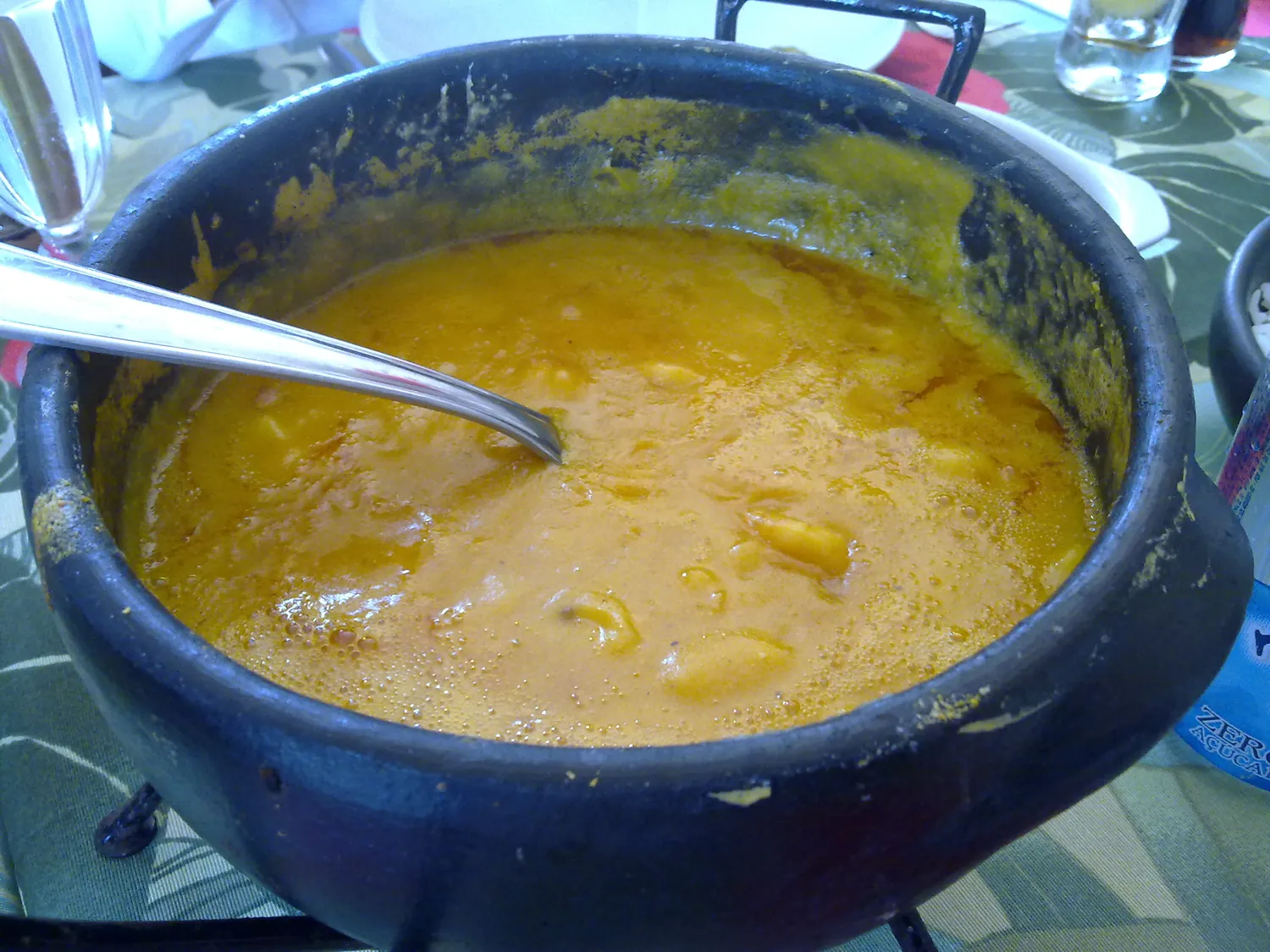
This bobo de camarao recipe is Bahia's creamy shrimp dish: fresh shrimp folded into a thick purée of boiled cassava blended with coconut milk, coloured golden-orange with dendê oil and finished with lime and cilantro. Unlike a stew, the cassava is blended smooth, so the whole dish eats like a rich, spoonable cream. One serving is about 470 g.

Rich & Comforting

Shrimp folded into a thick, smooth cassava cream made with coconut milk and red palm oil, served hot with rice.

Pairs Well With
Steamed white rice, farofa and a crisp green salad

A basket of golden, round pão de queijo, Brazilian cheese bread rolls Brazil flag Brazil 45m
Snack & Tea •Minas Gerais Cheese Bread

Pão de Queijo

This pao de queijo recipe makes Brazil's famous cheese bread: small, golden rolls with a crisp shell and a soft, stretchy, chewy centre, made from tapioca starch, milk, oil, eggs and cheese. There is no wheat flour and no yeast — the rolls puff up on steam in a hot oven. One serving is 4 rolls, about 134 g.

Warm & Chewy Snack

Golden tapioca cheese rolls with a crisp shell and a soft, stretchy centre, baked in under half an hour.

Pairs Well With
Black coffee, fresh fruit, or a light soup
A black clay pot of moqueca baiana, fish chunks in a golden-orange coconut sauce with fresh herbs, beside rice and pirão Brazil flag Brazil 55m
Dinner •Bahian Fish Stew

Moqueca Baiana

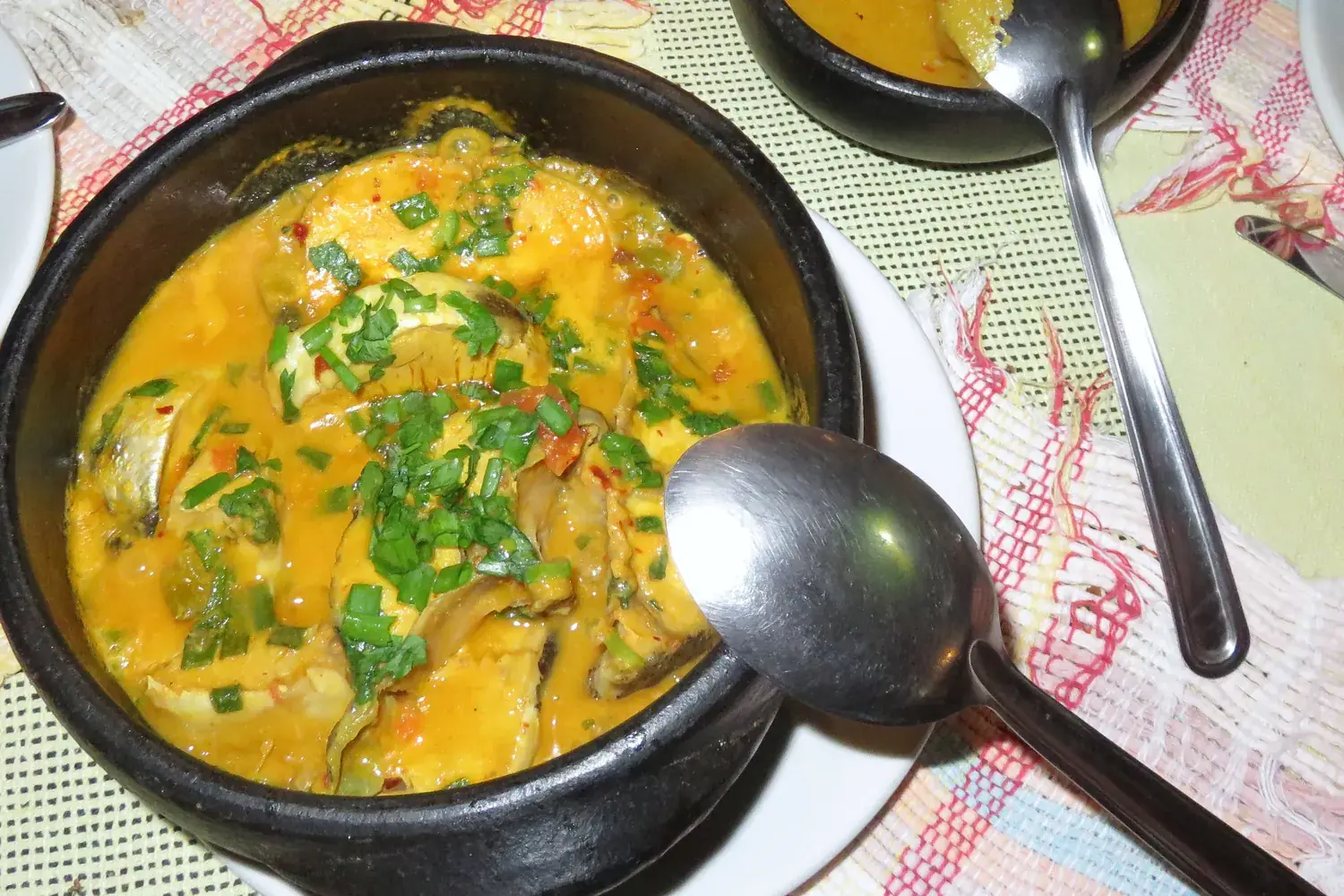
This moqueca baiana recipe is Bahia's famous fish stew: thick fillets of white fish layered with onion, peppers and tomato, then simmered gently in coconut milk with dendê oil until the sauce turns golden-orange. The fish stays in whole, flaky pieces in a fragrant broth — a stew, not a purée. One serving is about 450 g.

Coastal & Aromatic

Firm white fish simmered in coconut milk and red palm oil with peppers and tomato, served hot in its clay pot.

Pairs Well With
Steamed white rice, pirão and farofa
A bowl of Brazilian feijoada — black beans with rounds of sausage and pieces of pork Brazil flag Brazil 3h 30m
Dinner •Brazilian National Dish

Brazilian Feijoada

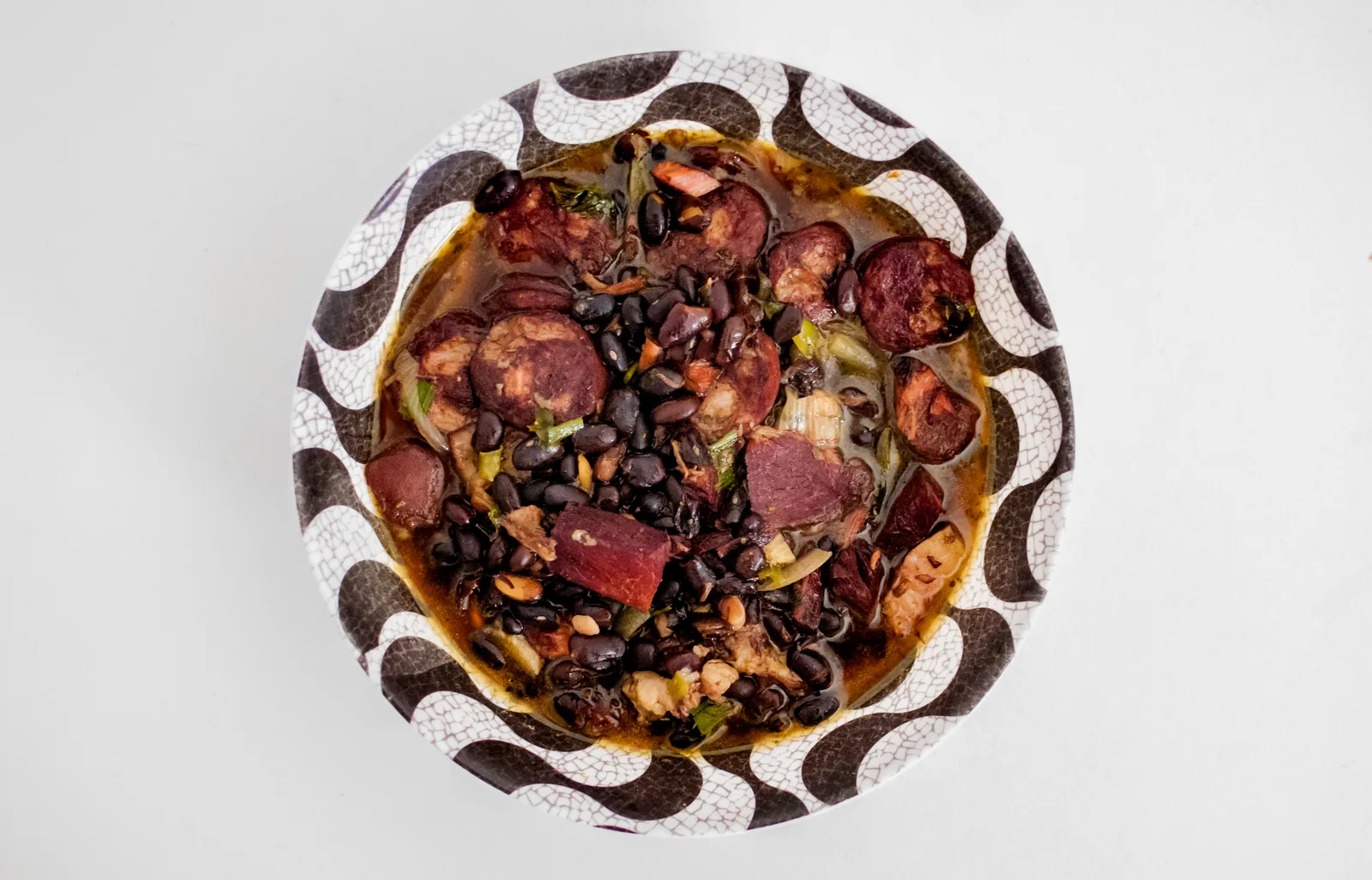
This Brazilian feijoada recipe is the real Saturday lunch: black beans simmered for hours with pork shoulder, smoky linguiça, bacon and beef until the broth turns thick and dark, then served with white rice, garlicky collard greens, orange slices and farofa. It is a slow, generous pot built for sharing. One serving is about 450 g.

Rich & Hearty

Brazil's national dish — black beans slow-cooked with pork, sausage and beef, served with rice, greens and orange.

Pairs Well With
Serve with white rice, sautéed collard greens, orange slices and farofa.

The Dinner Gazette

Never wonder what’s for dinner again

One email a week with easy dinner ideas from around the world — ingredients, steps and nutrition, tested in our kitchen first.

Delivered every Thursday morning. Unsubscribe anytime.