Curated recipes from 193 countries  •  New seasonal Mediterranean issue out now

Overview

Daiquiri

Classic Daiquiri, Daiquiri Natural

This daiquiri recipe shakes white rum, fresh lime juice and sugar with ice, then strains it into a chilled coupe — no mint, no soda, no blender. One serving is one glass, about 107 g, and carries about 177 calories. It is the classic Cuban rum sour, born near Santiago de Cuba and made famous in the bars of Havana.

The daiquiri takes its name from Playa Daiquiri, a beach near Santiago de Cuba, and is usually credited to Jennings Cox, an American mining engineer working there around 1898, who mixed the local rum with lime and sugar. The drink travelled to Havana, where bartenders at El Floridita made it famous in the early 1900s, and Ernest Hemingway later made the bar's daiquiri world-renowned. The International Bartenders Association lists the daiquiri among its Unforgettable cocktails, with 60 ml of white rum, 20 ml of lime juice and two bar spoons of sugar.

Pairs well with: Tostones with a little salt, Cuban sandwich bites, and a glass of water

Provenance

Cuba flag Cuba

Cuban Heritage

Latin America & Caribbean

Time Dedication

5m

5m prep • 0m cook

Batch Yield

1 Servings

177 kcal per serving

1 serving ≈ 107 g

Technical Skill

Easy

Easy (Shaken)

Meal Timing & Digestive Fit

Breakfast

Not Advised

Lunch

Inappropriate

Dinner

Inappropriate

Snack & Tea

Ideal Light Bite

Occasions: Summer evenings, aperitif hour, parties, barbecues — adults only Cost: Low — about $2–3 per serving at home

A classic daiquiri in a coupe glass, pale and frothy

Cuban Heritage

Photo: Cocktailmarler, CC BY-SA 3.0, via Wikimedia Commons

The Heritage Formulary

Measured Ingredients

Estimated cost: Low — about $2–3 per serving at home (USD)
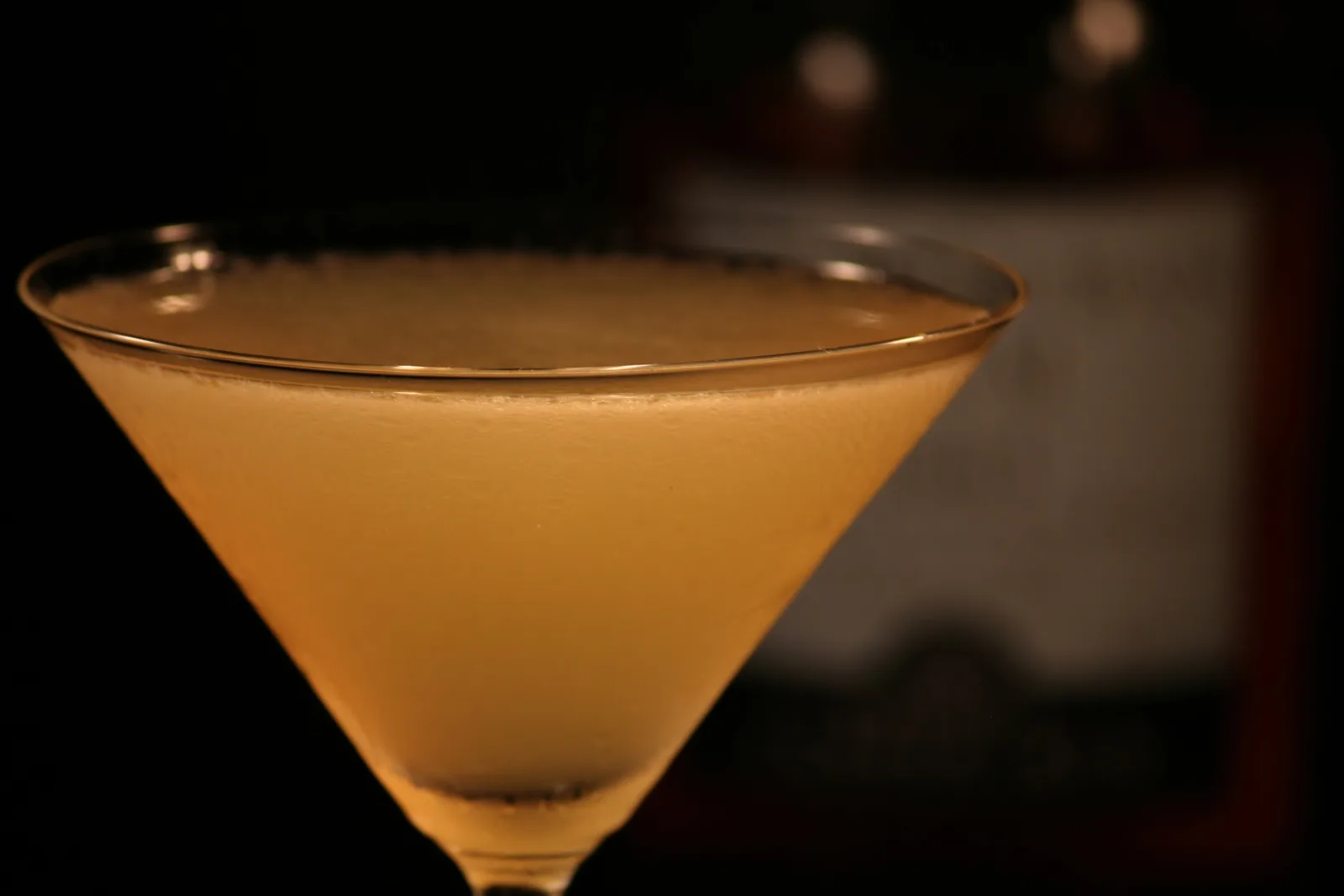
A true daiquiri is white rum, fresh lime and sugar shaken with ice and strained into a chilled coupe — no mint, no soda, no blender.

Execution Methodology & Culinary Technique

Step-by-Step Cooking Guide

Active 5m
P

Prep Stage: Chill the Glass and Squeeze the Lime

5 Mins • Chilling & Measuring

Put a coupe glass in the freezer to chill while you work. Squeeze the lime and measure the rum and sugar — with only three ingredients, the balance depends on measuring, not guessing. Cut a thin lime wheel for the rim.

Maestro Tip: A cold glass matters: a warm coupe melts the chill out of the drink before the first sip.

  1. 1

    Chill the Coupe

    1 Min Freezer, about -18°C (0°F)

    Put the coupe glass in the freezer for a few minutes, or fill it with ice water while you mix and empty it just before pouring. A daiquiri is served up with no ice in the glass, so the cold glass is what keeps it chilled.

    If you are short on time, ice water in the glass for 2 minutes does the job.

    Done when: The glass feels cold to the touch and has a light frost.

  2. 2

    Add Rum, Lime and Sugar to the Shaker

    1 Min No heat

    Pour the white rum and fresh lime juice into a cocktail shaker and add the superfine sugar. Stir for about 20 seconds until the sugar has dissolved — you should not feel grains at the bottom of the shaker.

    Dissolving the sugar before adding ice keeps the drink from turning gritty.

    Done when: The sugar is dissolved and the mix smells of fresh lime.

  3. 3

    Shake Hard with Ice

    1 Min Ice-cold, about 0°C (32°F)

    Fill the shaker with the ice cubes, seal it, and shake hard for 10–15 seconds until the outside of the shaker is painfully cold and frosted. The shaking chills the drink and adds a little water, which softens the rum and opens up the lime.

    Shake hard enough to hear the ice cracking — a gentle shake leaves the drink warm and too strong.

    Done when: The shaker is frosted and too cold to hold comfortably.

  4. 4

    Strain into the Coupe

    1 Min Serve ice-cold, about 4°C (39°F)

    Empty the chilled coupe and strain the drink into it through a fine strainer, so no ice shards or lime pulp cloud the glass. The daiquiri should be pale, clear and lightly frothy on top.

    A fine strainer gives the smooth, silky texture that marks a well-made daiquiri.

    Done when: A pale, clear drink with a light froth, no ice in the glass.

  5. 5

    Garnish and Serve

    1 Min Serve ice-cold, about 4°C (39°F)

    Set the lime wheel on the rim of the glass and serve at once, while the drink is still ice-cold. A daiquiri waits for no one — it warms fast in a stemmed glass.

    Serve it straight away; after a few minutes the chill fades and the balance turns sharp.

    Done when: A cold coupe with a lime wheel on the rim, ready to drink.

Finishing Touches & Plating

Serve ice-cold in a chilled coupe, straight after shaking — the daiquiri is at its best in the first minutes, while the froth is still on top.

Nutritional Physiology & Benefits

Nutrition

Energy

177

kcal / serving

Protein

0g

Complete AA

Carbs

12g

Complex

Fats

0g

Healthy

Per serving (1 servings · 1 serving ≈ 107 g)
Energy177 kcal
Protein0 g
Carbohydrates12 g
Fat0 g
Fibre0.2 g
Sugar10.4 g
Sodium0 mg
Per 100g
Energy165 kcal
Protein0.1 g
Carbohydrates11.4 g
Fat0 g
Fibre0.2 g
Sugar9.7 g
Sodium0 mg

Nutrition values are estimated — calculated from USDA FoodData Central values for the listed ingredients.

Vitamins & minerals: Vitamin C from the fresh lime juice, with small amounts of potassium. Nutrition is estimated.

Fresh Lime for Vitamin C

The fresh lime juice adds vitamin C and a bright, sharp flavour with no syrup needed.

Only Three Ingredients

Rum, lime and sugar — nothing artificial, nothing hidden, and every ingredient doing real work.

Lighter Than Creamy Cocktails

At about 177 kcal a glass, a daiquiri is lighter than creamy cocktails such as a piña colada, which can carry twice the energy.

Food Pairings

What to Eat With

To optimize nutrient absorption and elevate the sensory depth, pair with these authentic accompaniments:

Sides

Tostones

Crisp twice-fried plantains with a little salt are made for sipping alongside — crunchy, salty and easy to share.

Cuban Sandwich Bites

Small pressed Cuban sandwich bites give the drink something salty and rich to play against — the classic Havana bar pairing.

Ceviche

Cold, lime-cured fish with onion echoes the lime in the glass and keeps the whole table light and fresh.

Drinks

A Glass of Water Between Drinks

Water between cocktails keeps the evening lighter and the next glass tasting fresh — a simple habit that makes a real difference.

Complete menu

Serve a daiquiri with tostones and Cuban sandwich bites, then fresh fruit — a Havana aperitif, with water on the table between drinks.

Digestive Guardrails

What NOT to Combine

To prevent digestive distress, sluggishness, or palate clash, avoid pairing the dish with these elements:

Driving After Drinking

This drink contains about 19 g of alcohol, which impairs driving — never drive after drinking, even after one glass. This is general information, not medical advice.

Drinking on an Empty Stomach

Alcohol is absorbed faster on an empty stomach, so the drink hits harder — eat something first, such as tostones or a sandwich. This is general information, not medical advice.

Blending It into a Slush

A frozen, blended daiquiri is a different drink — sweet, diluted and far from the sharp classic. Shake it, serve it up, and keep the balance. This is general information, not medical advice.

General information only, not medical advice — consult a doctor for personal dietary decisions.

Who Should Eat It

Who Should Eat

  • General adultsFor adults of legal drinking age only — one glass is about 177 kcal and contains about 19 g of alcohol, so one glass is enough for most evenings.
  • ChildrenNot suitable for children — this drink contains alcohol.
  • ElderlyAlcohol affects older adults more strongly — keep to one small glass and ask your clinician.
  • Pregnant womenNot suitable during pregnancy — alcohol can harm the baby; ask your clinician.
  • Breastfeeding womenNot suitable while breastfeeding — alcohol passes into breast milk; ask your clinician.
  • AthletesAlcohol slows recovery and disturbs sleep — skip it on training days.
  • Weight gainAbout 177 kcal a glass, mostly from alcohol and sugar — it adds energy without filling you up.
  • Weight lossAlcohol calories add up fast — one glass is enough, and water between drinks helps.

Health Conditions — Adjust or Avoid

Conditions

  • DiabetesSugar and alcohol can both affect blood sugar — keep to one glass and ask your clinician about your portion.
  • High blood pressureAlcohol can raise blood pressure — keep to one glass or skip it, and ask your clinician.
  • Kidney diseaseAlcohol adds fluid and strain for the kidneys — ask your clinician whether any alcohol fits your plan.
  • GoutAlcohol can trigger gout flares — ask your clinician before drinking.
  • Stomach issuesAlcohol and lime acidity can irritate a sensitive stomach — drink with food, and ask your clinician if it keeps bothering you.
  • Cardiovascular diseaseAlcohol affects the heart — keep to one glass or skip it, and ask your clinician.
  • Fatty liverAlcohol is a leading cause of fatty liver — avoid this drink and ask your clinician.
  • Food allergiesContains no major allergens. Free from milk, egg, wheat, peanut, tree nut, fish, soy and shellfish. The rum is distilled from sugar cane.
  • Special therapeutic dietsAsk your clinician or dietitian before drinking — most therapeutic diets exclude alcohol.

If you have a medical condition, consult your doctor before changing your diet.

Storage & Use

Storage & Use

How to store
Drink at once — a daiquiri is shaken to order and served immediately.
In the fridge
Without ice, the mixed drink keeps 1 day in a sealed jar in the fridge, but it loses its fresh lime brightness.
In the freezer
Not recommended — freezing dulls the lime and the texture.
How to reheat
Do not heat — serve ice-cold.
Freezing recommended
No — the flavour and texture do not survive freezing.
Signs it has spoiled
A stale lime smell or a flat, dull taste — shake a fresh one.

More recipes to explore

A plate of ropa vieja, shredded beef in tomato sauce, with yellow rice, black beans and fried plantains Cuba flag Cuba 3h
Dinner •Cuba's National Dish

Ropa Vieja

This ropa vieja recipe braises flank steak low and slow until it falls into long shreds, then simmers it in a tomato, pepper and olive sauce. One serving is about 310 g. Serve it over white rice with black beans and fried plantains, the way Cuban families do.

Comfort & Warmth

Slow-braised shredded beef in a tomato and pepper sauce, served with rice and black beans.

Pairs Well With
White rice, black beans and fried plantains
High Protein
A pressed Cuban sandwich cut in half, with melted Swiss cheese and layers of ham and pork, served with pickle spears Cuba flag Cuba 25m
Lunch •Havana Classic

Cuban Sandwich

This cuban sandwich recipe layers mojo roast pork, ham, Swiss cheese, pickles and mustard on Cuban bread, then presses it flat until the crust crackles and the cheese melts. One serving is about 345 g. It is a great use for leftover roast pork and comes together in 25 minutes.

Comfort & Warmth

A pressed sandwich of roast pork, ham, Swiss cheese, pickles and mustard on Cuban bread.

Pairs Well With
Plantain chips and a cold lager or lime soda
A plate of dark moros y cristianos rice cooked with black beans, served with slices of roast pork and golden fried plantains Cuba flag Cuba 1h 30m
Lunch •Cuban Heritage

Moros y Cristianos

This moros y cristianos recipe cooks Cuban black beans and rice together in one pot: dried black beans simmered until tender, then long-grain rice cooked in the dark bean liquid with a sofrito of onion, green pepper and garlic, cumin, oregano and bay leaf. The grains come out dark, fragrant and fluffy, never pale or plain. One serving is about 272 g.

Comfort & Warmth

Cuban black beans and white rice cooked together in one pot with sofrito, cumin, oregano and bay leaf, until the grains turn dark.

Pairs Well With
Roast pork or ropa vieja with fried sweet plantains and a crisp cabbage salad, the classic Cuban plate.
A plate of Cuban lechon asado with shredded mojo pork, onions and lime, yellow rice with black beans and fried plantains Cuba flag Cuba 5h 30m
Dinner •Havana Heritage

Cuban Lechon Asado

This cuban lechon asado recipe marinates a pork shoulder overnight in mojo — sour orange juice, a whole head of garlic, oregano and cumin — then roasts it low and slow until the meat is so tender it pulls apart with a fork. It is the centrepiece of Nochebuena, the Cuban Christmas Eve feast, and it is nothing like Filipino lechon: there is no whole crispy-skinned pig here, just a mojo-soaked shoulder roast. One serving is about 250 g.

Celebration & Sharing

A whole pork shoulder marinated overnight in sour-orange mojo, then roasted low and slow until it pulls apart — the centrepiece of Nochebuena.

Pairs Well With
Shredded mojo pork with black beans, yellow rice and fried plantains
High Protein

The Dinner Gazette

Never wonder what’s for dinner again

One email a week with easy dinner ideas from around the world — ingredients, steps and nutrition, tested in our kitchen first.

Delivered every Thursday morning. Unsubscribe anytime.