
Curated recipes from 193 countries  •  New seasonal Mediterranean issue out now

Overview

Egyptian Basbousa

Basbousa, Namoura, Harissa, Revani

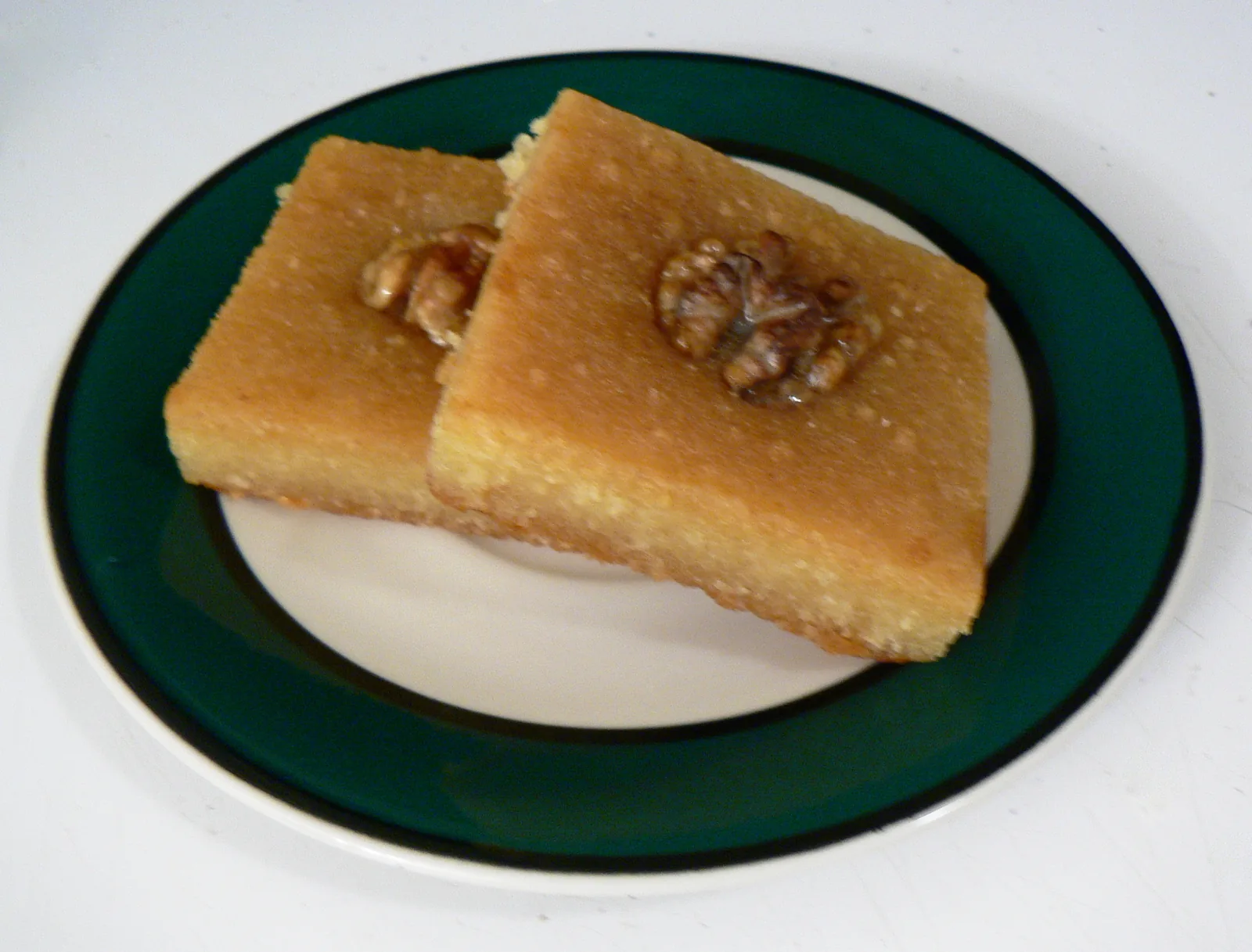
This Egyptian basbousa recipe bakes coarse semolina with yogurt, butter and coconut into a dense golden cake, then soaks it in a cool lemon syrup until every square is moist and fragrant. One serving is about 125 g.

Basbousa belongs to a family of semolina sweets that food historians trace back to the medieval Arab world: the 10th-century Baghdad cookbook Kitab al-Tabikh describes semolina desserts cooked in fat with sugar water and honey, and 13th- and 14th-century cookbooks record a thick semolina pudding called smeed, made with sugar syrup. A baked semolina cake like the modern one is first mentioned in a 14th-century Egyptian cookbook, as foostukia Nabulseyeh. The name basbousa is linked to the Arabic root bas, the rubbing of semolina with fat between the hands — the first step of the recipe. Across the region it travels under other names: namoura in Lebanon and Syria, harissa in Palestine and Jordan, and revani in Turkey.

Pairs well with: Mint tea, strong Arabic coffee and a glass of cold milk

Provenance

Egypt flag Egypt

Egypt's Semolina Syrup Cake

Middle Eastern

Time Dedication

1h

20m prep • 40m cook

Batch Yield

12 Servings

401 kcal per serving

1 serving ≈ 125 g

Technical Skill

Intermediate

Medium (Baked Cake)

Meal Timing & Digestive Fit

Breakfast

Not Advised

Lunch

Inappropriate

Dinner

Inappropriate

Snack & Tea

Ideal Light Bite

Occasions: Ramadan tables, Eid, family gatherings, afternoon tea Cost: Low — about $1–2 per serving at home
Two golden squares of basbousa topped with walnut halves on a green-rimmed plate

Egypt's Semolina Syrup Cake

Photo: stu_spivack, CC BY-SA 2.0, via Wikimedia Commons

The Heritage Formulary

Measured Ingredients

Estimated cost: Low — about $1–2 per serving at home (USD)

A real basbousa is moist through to the middle, never swimming in syrup — cool syrup on a hot cake is the rule. Nutrition is estimated from USDA values.

Execution Methodology & Culinary Technique

Step-by-Step Cooking Guide

Active 1h
P

Prep Stage: Butter the Pan and Start the Syrup

20 Mins • Measuring & Syrup

Butter a 20 x 30 cm (8 x 12 inch) baking pan and heat the oven to 180°C (350°F). Melt the butter, measure out the semolina, sugar, coconut and yogurt, and start the syrup first so it has time to cool completely.

Maestro Tip: Coarse semolina is the point of basbousa — fine semolina makes a cake that is closer to revani, not the sandy crumb you want here.

  1. 1

    Make the Lemon Syrup

    10 Mins Simmering, about 100°C (212°F)

    Put the 300 g syrup sugar, water and lemon juice in a pan and stir over medium heat until the sugar dissolves. Simmer gently for 8 minutes, take off the heat, and stir in the orange blossom water. Leave to cool completely.

    The syrup must be cool when it meets the hot cake — that temperature gap is what pulls it in evenly.

    Done when: Syrup thin and clear, slightly thickened, no longer steaming.

  2. 2

    Mix the Semolina Batter

    10 Mins Room temperature

    Stir the semolina, the 150 g cake sugar, coconut and baking powder in a large bowl. Add the yogurt, melted butter and vanilla, and mix with a spoon until just combined into a thick, wet batter. Do not beat or knead it.

    Mix only until the dry bits disappear — overworking semolina makes the cake tough.

    Done when: Thick, wet batter with no dry pockets, still soft and spoonable.

  3. 3

    Rest, Score and Top

    10 Mins Room temperature

    Spread the batter into the buttered pan and smooth the top. Leave it to rest for 10 minutes so the semolina drinks up the moisture, then score the surface into 12 squares with a knife and press a walnut half into the centre of each square.

    Scoring before baking means the syrup finds its way into every cut and the squares lift out cleanly.

    Done when: Surface scored into 12 even squares, each with a walnut half.

  4. 4

    Bake Until Deep Gold

    35 Mins 180°C (350°F)

    Bake for 30–35 minutes until deep gold on top and the edges are just pulling away from the pan. A skewer pushed into the centre should come out with moist crumbs, not wet batter.

    Deep gold is the sign — a pale basbousa is an underbaked one, and it will taste of raw semolina.

    Done when: Deep gold on top, skewer with moist crumbs, edges pulling away.

  5. 5

    Soak and Cool

    5 Mins Cake hot, syrup cool

    As soon as the cake comes out of the oven, cut along the scored lines and slowly pour the cool syrup over the hot cake in two or three rounds. Leave it to cool for at least 30 minutes so the syrup settles through the crumb.

    Pour slowly so the syrup soaks in instead of pooling — a flooded pan makes a soggy bottom.

    Done when: Cake moist right through, no syrup pooling at the bottom of the pan.

Finishing Touches & Plating

Rest the cake for at least 30 minutes so the syrup settles, then lift out the squares and serve at room temperature with tea.

Nutritional Physiology & Benefits

Nutrition

Energy

401

kcal / serving

Protein

6g

Complete AA

Carbs

65g

Complex

Fats

14g

Healthy

Per serving (12 servings · 1 serving ≈ 125 g)
Energy401 kcal
Protein6 g
Carbohydrates65 g
Fat14 g
Fibre2.6 g
Sugar38.9 g
Sodium79 mg
Per 100g
Energy321 kcal
Protein4.7 g
Carbohydrates51.9 g
Fat11.2 g
Fibre2.1 g
Sugar31.1 g
Sodium63 mg

Nutrition values are estimated — calculated from USDA FoodData Central values for the listed ingredients.

Vitamins & minerals: Provides calcium from the yogurt and butter, B vitamins from the semolina, vitamin E from the walnuts, and vitamin C from the lemon syrup. Nutrition is estimated.

Slow-Release Energy

Semolina digests more slowly than white flour, so a square of basbousa keeps you going longer than a plain sponge cake.

Calcium from Yogurt

The yogurt in the batter adds calcium that a water-based syrup cake does not have.

Walnuts for Healthy Fats

The walnut topping brings plant omega-3 fats and vitamin E to a sweet dessert.

Food Pairings

What to Eat With

To optimize nutrient absorption and elevate the sensory depth, pair with these authentic accompaniments:

Drinks

Mint Tea

Fresh mint tea is the classic partner — its cool, herbal notes cut the syrup's sweetness.

Strong Arabic Coffee

A small cup of strong, unsweetened coffee balances the cake's sweetness and suits the coconut.

Cold Milk

A glass of cold milk is the gentlest partner for children — it softens the sweetness and suits the nutty crumb.

Full Menus

An Egyptian Dessert Table

Serve basbousa with mint tea and a bowl of fresh fruit for a classic Egyptian dessert table, or with strong coffee after dinner.

Complete menu

Serve basbousa with mint tea and fresh fruit for a classic Egyptian dessert table, or with strong coffee after a dinner of koshari or fattah.

Digestive Guardrails

What NOT to Combine

To prevent digestive distress, sluggishness, or palate clash, avoid pairing the dish with these elements:

Pouring Hot Syrup on a Hot Cake

Hot syrup on a hot cake turns the crumb soggy and heavy — the syrup must be cool and the cake hot. This is general food information, not medical advice.

Skipping the Rest

Cutting into basbousa straight after pouring the syrup leaves dry patches in the middle; the 30-minute rest is what spreads the syrup evenly. This is general food information, not medical advice.

General information only, not medical advice — consult a doctor for personal dietary decisions.

Who Should Eat It

Who Should Eat

  • General adultsA sweet, syrupy square with tea — one piece is plenty, and the syrup makes it rich.
  • ChildrenSoft, sweet and nutty — children usually love it; serve a small square and take the walnut off for very young children.
  • ElderlySoft and easy to chew; serve at room temperature and keep the portion small.
  • Pregnant womenFine when the cake is fully baked through; there are no eggs in this recipe at all.
  • Breastfeeding womenA comforting, energy-rich snack; the sugar is high, so one square is enough.
  • AthletesGood quick energy — about 65 g of carbohydrate per square; eat it after training, not before.
  • Weight gainEasy to enrich: take a larger square with a glass of milk.
  • Weight lossAt 401 kcal a square this is a rich treat — enjoy half a square with unsweetened mint tea.

Health Conditions — Adjust or Avoid

Conditions

  • DiabetesThe cake is high in sugar and carbs — about 65 g of carbohydrate and 39 g of sugar per square. Keep to a small piece and ask your clinician about portion size.
  • High blood pressureThe dish is very low in sodium at about 79 mg per serving. Enjoy in moderation and ask your clinician about your sugar target instead.
  • Kidney diseaseThis dish is high in sugar, so it may not suit a restricted diet. Ask your clinician before making it a regular treat.
  • GoutLow in purines, so it is not a usual trigger food. Ask your clinician if flare-ups are frequent.
  • Stomach issuesSyrup and lemon can bother reflux or a sensitive stomach; eat a small piece and avoid eating it on an empty stomach. Ask your clinician if symptoms persist.
  • Cardiovascular diseaseButter and coconut add saturated fat, so keep portions small and favour tea without sugar on the side. Ask your clinician about fitting it into your eating plan.
  • Fatty liverA very sweet dish — enjoy it occasionally and in a small portion. Ask your clinician for personal guidance.
  • Food allergiesContains wheat (semolina), milk (yogurt, butter), tree nuts (walnuts) and coconut (a tree nut). Gluten-free flour blends do not work here — semolina is the dish. Ask your clinician about safe substitutes.
  • Special therapeutic dietsNot suitable for vegan or gluten-free diets as written. A dairy-free version can use plant yogurt and oil instead of butter. Ask your clinician about a version that fits your diet.

If you have a medical condition, consult your doctor before changing your diet.

Storage & Use

Storage & Use

How to store
Cover the pan tightly once the cake is cool; keep it in the pan so the syrup stays in the crumb.
In the fridge
5 days at 4°C (40°F) or below; bring to room temperature before serving.
In the freezer
Up to 1 month, wrapped well; the syrup makes it freeze better than a dry cake.
How to reheat
Warm gently in an oven at 150°C (300°F) for 10 minutes, or serve at room temperature; do not microwave it hot.
Freezing recommended
Yes — up to 1 month; thaw in the fridge overnight.
Signs it has spoiled
Sour smell, mould on the surface, or a sticky, weeping syrup that smells fermented.

More recipes to explore

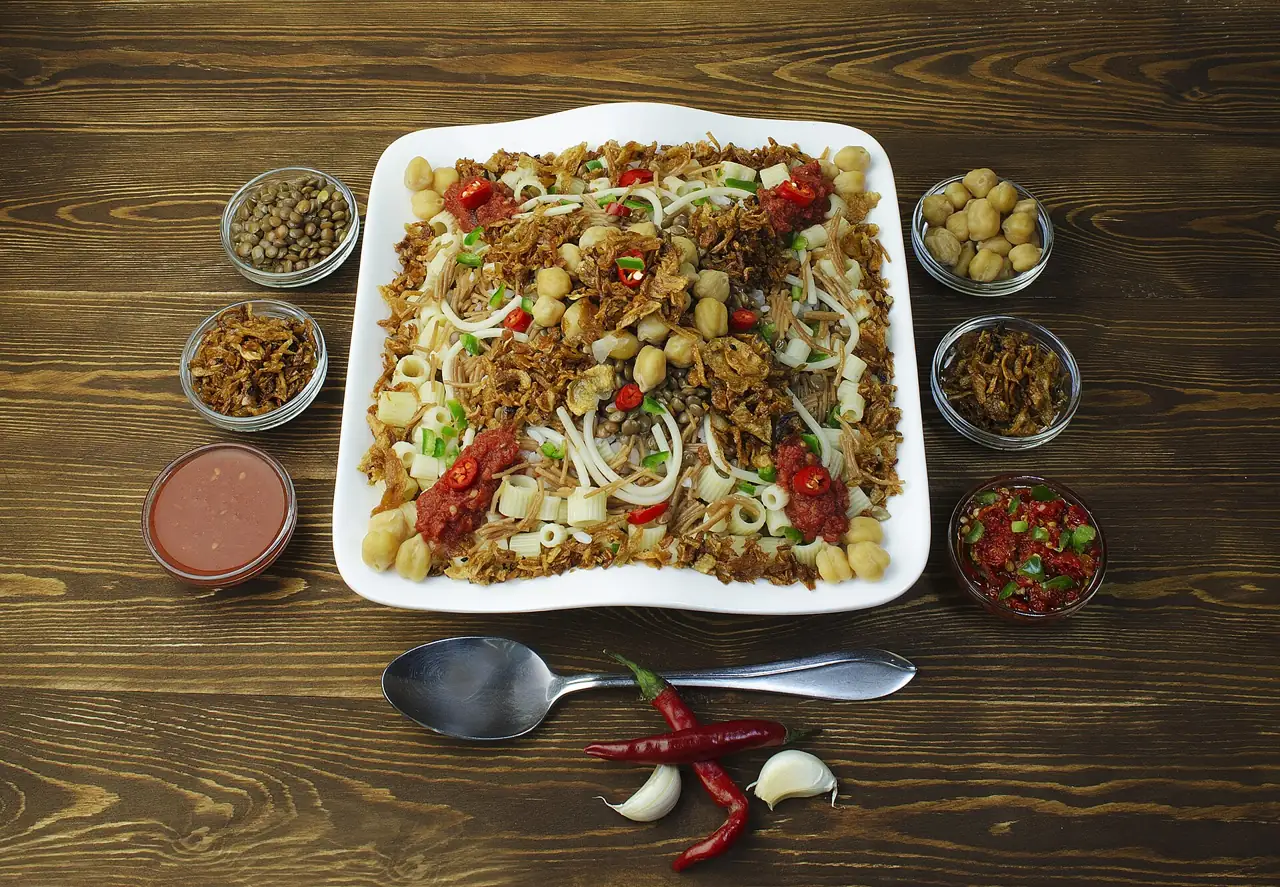
A platter of Egyptian koshari with rice, lentils, macaroni, chickpeas, crispy fried onions and tomato sauce Egypt flag Egypt 1h 15m
Dinner •Cairo Street Food

Egyptian Koshari

This egyptian koshari recipe builds Egypt's national dish at home: brown lentils and short-grain rice cooked with toasted vermicelli, layered with macaroni and chickpeas, then topped with a spiced tomato sauce, garlic vinegar and a heap of crispy fried onions. One serving is about 600 g.

Comfort & Warmth

Layers of lentils, rice and pasta with a spiced tomato sauce and crispy onions.

Pairs Well With
Garlic vinegar (daqqa), hot sauce and pickled vegetables
A white plate of mashed ful medames glistening with olive oil, garnished with fresh mint, with flatbread in a bowl beside it Egypt flag Egypt 1h 45m
Breakfast •Cairo Breakfast

Ful Medames

Ful medames is Egypt's beloved breakfast of fava beans simmered until soft, then lightly mashed and dressed with olive oil, lemon juice, garlic and cumin. It is creamy, tangy and deeply savoury, scooped up with warm flatbread. One serving is about 283 g.

Plant Protein & Energy

Slow-cooked fava beans with olive oil give steady energy and 15.9 g of protein per serving, with no meat at all.

Pairs Well With
Warm baladi bread, pickled vegetables and a boiled egg
High Protein
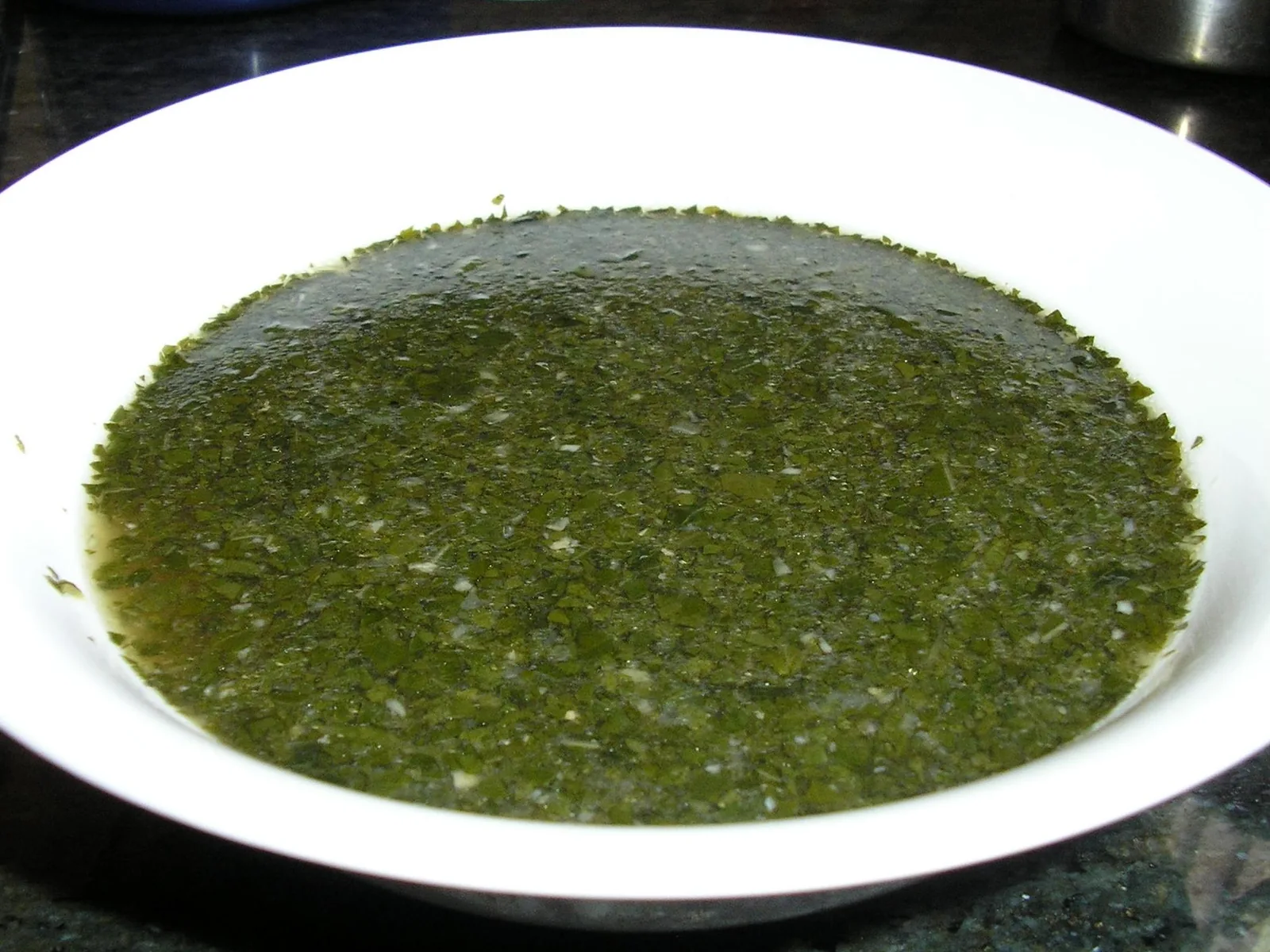
A white bowl of bright green molokhia soup made from finely chopped jute leaves Egypt flag Egypt 1h 15m
Dinner •Egyptian Family Table

Molokhia

This molokhia recipe turns finely chopped jute leaves into Egypt's beloved green soup: simmered briefly in a rich chicken broth, then finished with ta'leya — garlic and ground coriander fried in ghee until it sizzles. Ladled over white rice with a squeeze of lemon, it is slippery, garlicky and deeply comforting. One serving is about 550 g.

Comfort & Warmth

A bright green jute-leaf soup simmered in chicken broth and finished with a sizzling garlic and coriander ta'leya.

Pairs Well With
White rice, lemon wedges and browned chicken pieces
Soups & Broths
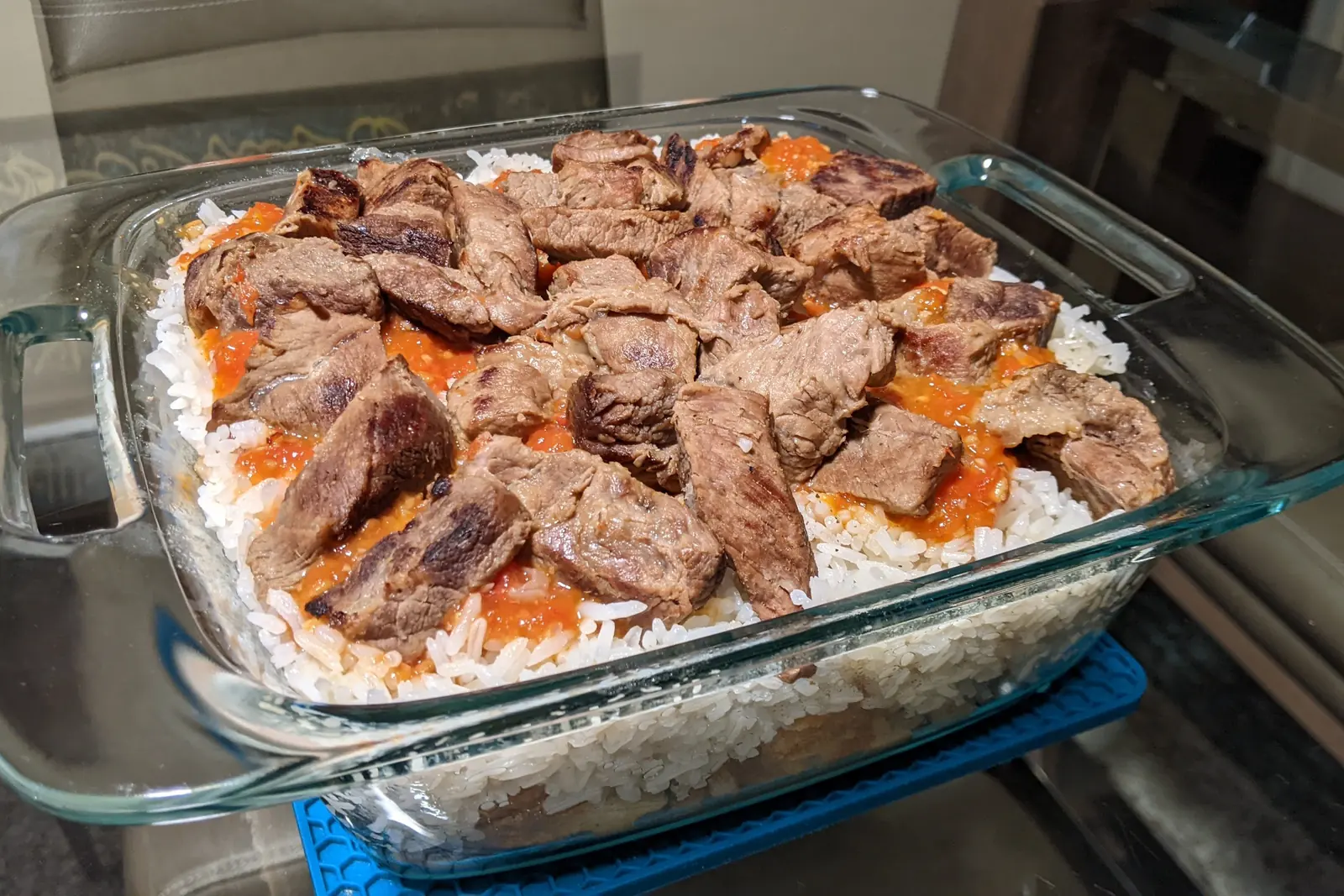
Egyptian fattah in a glass dish: white rice topped with tomato sauce and chunks of beef Egypt flag Egypt 2h 20m
Dinner •Cairo Heritage

Egyptian Fattah

Egyptian fattah is the dish Egypt celebrates with: crisp toasted bread soaked in beef broth, a deep layer of fluffy rice, tender chunks of beef, and a garlicky tomato-vinegar sauce spooned over the top. This egyptian fattah recipe is the Eid al-Adha classic — built in layers in one big dish, and carried to the table for everyone to share. One serving is about 330 g.

Feast & Celebration

Crisp bread, fluffy rice, tender beef and garlicky tomato sauce layered in one generous sharing dish.

Pairs Well With
Green salad, pickles and mint tea.
High Protein

The Dinner Gazette

Never wonder what’s for dinner again

One email a week with easy dinner ideas from around the world — ingredients, steps and nutrition, tested in our kitchen first.

Delivered every Thursday morning. Unsubscribe anytime.