Curated recipes from 193 countries  •  New seasonal Mediterranean issue out now

Overview

Egyptian Beet Salad

Salatet Bangar, Salata Banjar, Egyptian Beetroot Salad

This egyptian beet salad recipe — salatet bangar — tosses sweet boiled beets with garlic, lemon, vinegar, cumin and coriander into a jewel-red mezze salad. One serving is about 185 g and carries 124 calories. Chill it briefly so the dressing soaks in, then serve with warm bread and olives.

Salatet bangar — beet salad — is one of the small salads Egyptians set in the middle of the table for almost every meal, next to ful medames in the morning, grilled fish at the coast, and roast chicken on Fridays. The beets are boiled whole until tender, peeled and diced, then dressed with garlic, lemon, white vinegar, olive oil and the warm spices of the Egyptian pantry, cumin and coriander, with red onion and parsley. It is a vegan classic that also holds a special place in Coptic fasting traditions, when families abstain from animal foods and lean on salads like this one.

Pairs well with: Warm baladi bread, olives and grilled fish or chicken.

Provenance

Egypt flag Egypt

Egyptian Mezze Classic

Middle Eastern

Time Dedication

1h

20m prep • 40m cook

Batch Yield

4 Servings

124 kcal per serving

1 serving ≈ 185 g

Technical Skill

Easy

Easy (Boil & Toss)

Meal Timing & Digestive Fit

Breakfast

Not Advised

Lunch

Prime Metabolic Fit

Dinner

Ideal Hearty Main

Snack & Tea

Inappropriate

Occasions: Mezze spreads, Ramadan iftar, everyday lunches, picnics Cost: Low — about $1–2 per serving at home

Diced red beets piled on a white plate with beet leaves

Egyptian Mezze Classic

Photo: Geoff Peters, CC BY 2.0, via Wikimedia Commons

The Heritage Formulary

Measured Ingredients

Estimated cost: Low — about $1–2 per serving at home (USD)
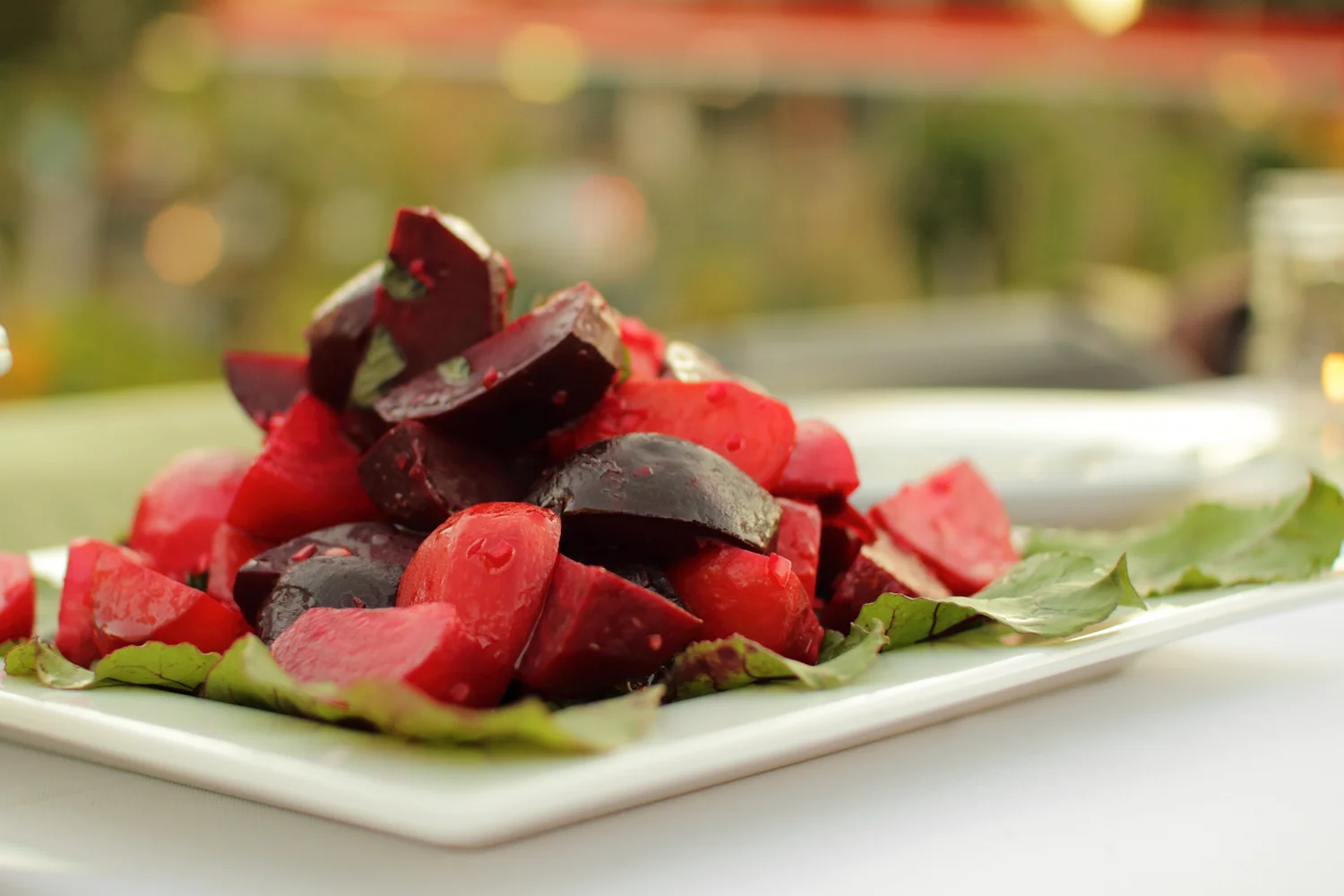
The beets are boiled whole and unpeeled so they stay sweet and do not bleed colour into the water, then peeled and diced while still warm so they drink up the dressing.

Execution Methodology & Culinary Technique

Step-by-Step Cooking Guide

Active 1h
P

Prep Stage: Boil the Beets, Whisk the Dressing

20 Mins • Boil, Peel and Dress

Scrub the beets, trim the tops to 2 cm and boil them whole and unpeeled until tender. While they cook, mince the garlic, chop the parsley, slice the onion, and whisk the lemon juice, vinegar, olive oil, cumin, coriander and salt into a dressing. Cool the beets just enough to handle, slip off the skins, and dice them while still warm.

Maestro Tip: Boil the beets whole with their skins on — cut beets bleed their colour into the water and come out pale and less sweet.

  1. 1

    Boil the beets whole

    40 Mins Boiling water, 100°C (212°F)

    Put the scrubbed beets in a pot, cover with cold water, and bring to a boil. Simmer for 35 to 40 minutes until a knife slides easily into the thickest beet. Drain and leave them for 5 minutes until they are cool enough to handle.

    Start with cold water, not boiling — the beets cook more evenly and their skins do not split.

    Done when: A knife slides into the thickest beet with no resistance.

  2. 2

    Peel and dice while warm

    10 Mins Room temperature, about 20°C (68°F)

    Rub the skins off the warm beets with your hands or a paper towel — they should slip off easily. Trim the tops and tails and cut the beets into even 2 cm dice. Put them in a wide bowl with the sliced red onion.

    Wear gloves or rub a little lemon juice on your hands first: beet juice stains skin for a day.

    Done when: Beets peeled clean and cut into even, jewel-red dice.

  3. 3

    Whisk the dressing

    3 Mins Room temperature, about 20°C (68°F)

    In a small cup, whisk the lemon juice, vinegar, olive oil, cumin, coriander, minced garlic and salt together until the salt dissolves and the dressing looks lightly cloudy.

    Whisk until the salt disappears — gritty salt in a cold salad is the one mistake you can taste in every bite.

    Done when: A lightly cloudy dressing with the salt fully dissolved and the garlic mixed through.

  4. 4

    Toss and let it soak

    5 Mins Room temperature, about 20°C (68°F)

    Pour the dressing over the warm beets and onion and toss gently so every piece is coated without breaking the dice. Rest for 5 minutes, then chill for 30 minutes if you have time — the dressing soaks in and the flavour deepens. The salad is also good served at once, at room temperature.

    Dress the beets while they are still warm: warm beets drink up the dressing, cold ones just wear it.

    Done when: Beets glistening with dressing, the colour deepened to a rich red.

  5. 5

    Add parsley and serve

    2 Mins Room temperature, about 20°C (68°F)

    Taste and add a little more lemon or salt if it needs it. Scatter the chopped parsley over the top and serve in a wide, shallow bowl, chilled or at room temperature.

    Add the parsley at the last moment so it stays bright green against the red beets.

    Done when: Salad jewel-red with bright green parsley on top, ready to serve.

Finishing Touches & Plating

Serve chilled or at room temperature in a wide bowl, with warm baladi bread for scooping up the ruby dressing.

Nutritional Physiology & Benefits

Nutrition

Energy

124

kcal / serving

Protein

3g

Complete AA

Carbs

18g

Complex

Fats

6g

Healthy

Per serving (4 servings · 1 serving ≈ 185 g)
Energy124 kcal
Protein3 g
Carbohydrates18 g
Fat6 g
Fibre3.7 g
Sugar11.3 g
Sodium410 mg
Per 100g
Energy67 kcal
Protein1.7 g
Carbohydrates9.6 g
Fat3 g
Fibre2 g
Sugar6.1 g
Sodium221 mg

Nutrition values are estimated — calculated from USDA FoodData Central values for the listed ingredients.

Vitamins & minerals: Folate and manganese (beets), vitamin C (beets, lemon, parsley), potassium (beets), iron (beets, parsley).

Sweet, Earthy and Light

Beets are naturally sweet, so this salad tastes like a treat at only 124 calories a serving, with no added sugar at all.

Folate and Fibre

Each serving carries about 3.7 g of fibre and a good share of folate, potassium and manganese from the beets.

Wakes Up Rich Food

The sharp lemon and vinegar cut through beans, fried food and roast meat, which is why Egyptians put this salad next to almost everything.

Food Pairings

What to Eat With

To optimize nutrient absorption and elevate the sensory depth, pair with these authentic accompaniments:

Sides

Warm Baladi Bread

Soft, chewy baladi bread scoops up the beets and their ruby dressing — the dressing is too good to leave in the bowl.

Vegetables

Green Olives

Salty olives balance the beets' sweetness and add the briny note the mezze table expects.

Grilled Fish or Chicken

Hot, smoky grilled fish or chicken is the natural main course — the cool, sharp beet salad is the fresh counterpoint it needs.

Drinks

Mint Tea or Lemon-Mint Juice

A cold lemon-mint drink or hot mint tea continues the salad's fresh, sharp notes into the rest of the meal.

Complete menu

Serve the beet salad chilled with warm baladi bread, olives and grilled fish or chicken, as part of an Egyptian mezze lunch with ful medames.

Digestive Guardrails

What NOT to Combine

To prevent digestive distress, sluggishness, or palate clash, avoid pairing the dish with these elements:

Dressing Cold Beets From the Fridge

Cold beets do not absorb the dressing, so the salad tastes flat; dress them while warm, then chill the finished salad. This is general food information, not medical advice.

Leaving It Out in the Heat

A dressed salad should not sit out at room temperature for more than 2 hours, especially in hot weather, because bacteria grow quickly on cut vegetables. This is general food information, not medical advice.

General information only, not medical advice — consult a doctor for personal dietary decisions.

Who Should Eat It

Who Should Eat

  • General adultsA fresh, low-calorie salad that fits every meal — eat a generous bowl alongside the main course.
  • ChildrenSweet, soft and bright red — children usually love it; cut the dice smaller for young children and go easy on the onion.
  • ElderlySoft and easy to chew when the beets are boiled tender, and a good way to add vegetables to the day.
  • Pregnant womenFine when made with freshly washed vegetables and eaten promptly; wash everything well and avoid salad that has sat out.
  • Breastfeeding womenA hydrating, vitamin-rich salad that adds vegetables to the day with almost no calories.
  • AthletesGood for hydration and potassium after training, but pair it with protein and carbohydrate — the salad alone has little energy.
  • Weight gainThe salad itself will not add weight, so use it as a fresh side to energy-rich mains such as beans, bread and grilled meat.
  • Weight lossIdeal — a large, satisfying bowl at 124 calories, high in fibre and water, that fills the plate without filling the calorie budget.

Health Conditions — Adjust or Avoid

Conditions

  • DiabetesAbout 18 g of carbohydrate per serving, mostly the beets' own sugars, with 3.7 g of fibre — a modest effect on blood sugar; ask a clinician about the bread usually eaten with it.
  • High blood pressureSodium is about 410 mg per serving, mostly from the added salt — keep the salt light and let the lemon and vinegar do the seasoning; ask a clinician for personal advice.
  • Kidney diseaseBeets add potassium and oxalate, which some kidney diets limit — ask a clinician about portion size before eating large bowls regularly.
  • GoutNo purine-rich ingredients here, and the vegetables and lemon are a gentle choice — ask a clinician if you have questions about your overall diet.
  • Stomach issuesRaw onion and acidic lemon and vinegar can bother sensitive stomachs; use less onion and vinegar, and skip the raw onion if it causes discomfort — ask a clinician if symptoms persist.
  • Cardiovascular diseaseVegetables with olive oil and lemon is a heart-friendly combination, with fibre and potassium and very little fat — ask a clinician about your overall eating pattern.
  • Fatty liverA low-calorie, high-fibre salad with healthy olive oil fits well into a fatty-liver diet — ask a clinician for personal guidance.
  • Food allergiesFree of the major allergens as written — no gluten, dairy, egg, nuts or fish. Check the bread served with it separately.
  • Special therapeutic dietsNaturally vegan and gluten-free as written; fits most therapeutic diets — ask a clinician or dietitian if you follow a restricted diet. Note: beets can turn urine pink, which is harmless.

If you have a medical condition, consult your doctor before changing your diet.

Storage & Use

Storage & Use

How to store
Store in a sealed container in the fridge; the colour deepens as it sits.
In the fridge
4 days in the fridge at 4°C (39°F) or below; the flavour improves after a few hours as the dressing soaks in.
In the freezer
Not suitable — freezing destroys the texture of the cooked beets.
How to reheat
No reheating — serve chilled or at room temperature.
Freezing recommended
No — this salad is meant to be eaten fresh.
Signs it has spoiled
Slimy texture, sour or off smell, or a faded, greyish colour — discard it.

More recipes to explore

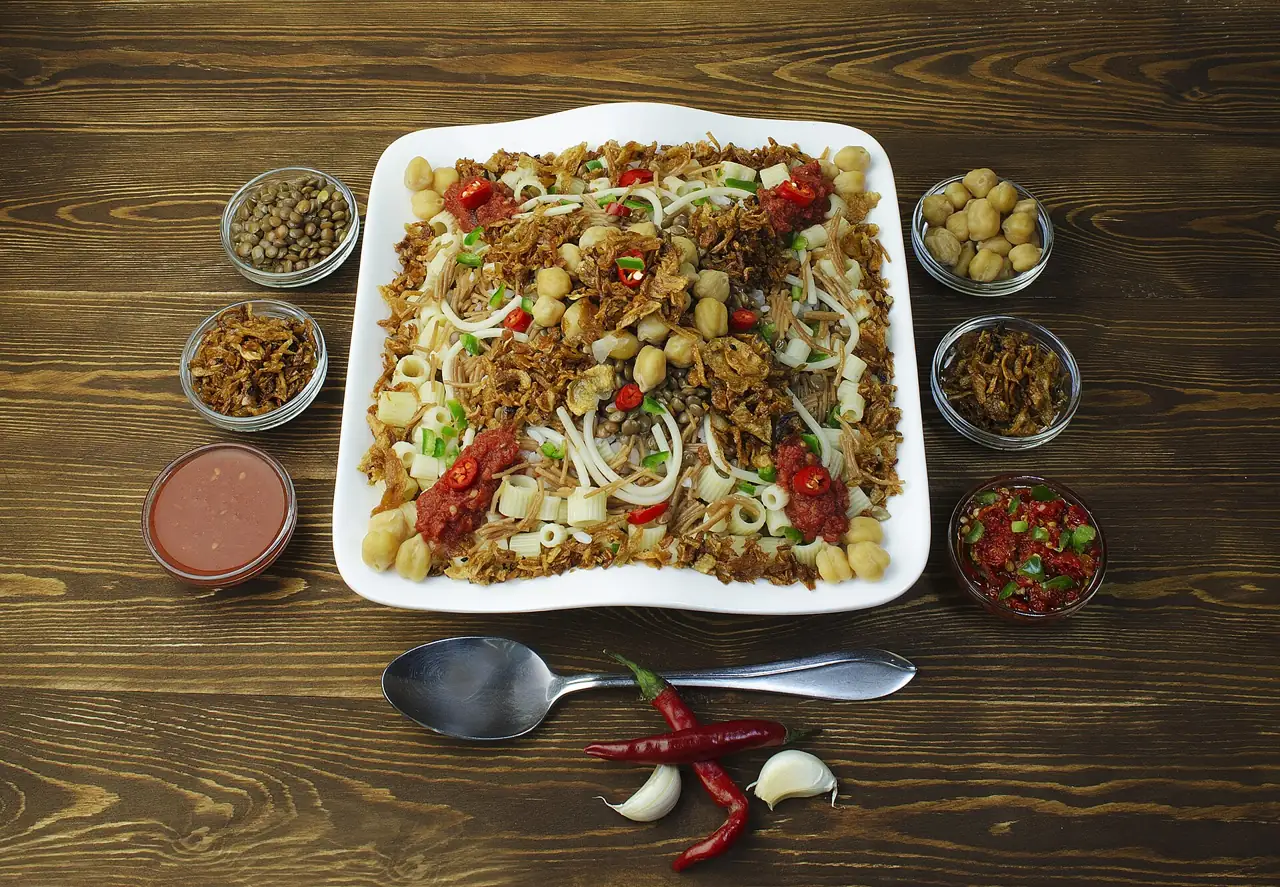
A platter of Egyptian koshari with rice, lentils, macaroni, chickpeas, crispy fried onions and tomato sauce Egypt flag Egypt 1h 15m
Dinner •Cairo Street Food

Egyptian Koshari

This egyptian koshari recipe builds Egypt's national dish at home: brown lentils and short-grain rice cooked with toasted vermicelli, layered with macaroni and chickpeas, then topped with a spiced tomato sauce, garlic vinegar and a heap of crispy fried onions. One serving is about 600 g.

Comfort & Warmth

Layers of lentils, rice and pasta with a spiced tomato sauce and crispy onions.

Pairs Well With
Garlic vinegar (daqqa), hot sauce and pickled vegetables
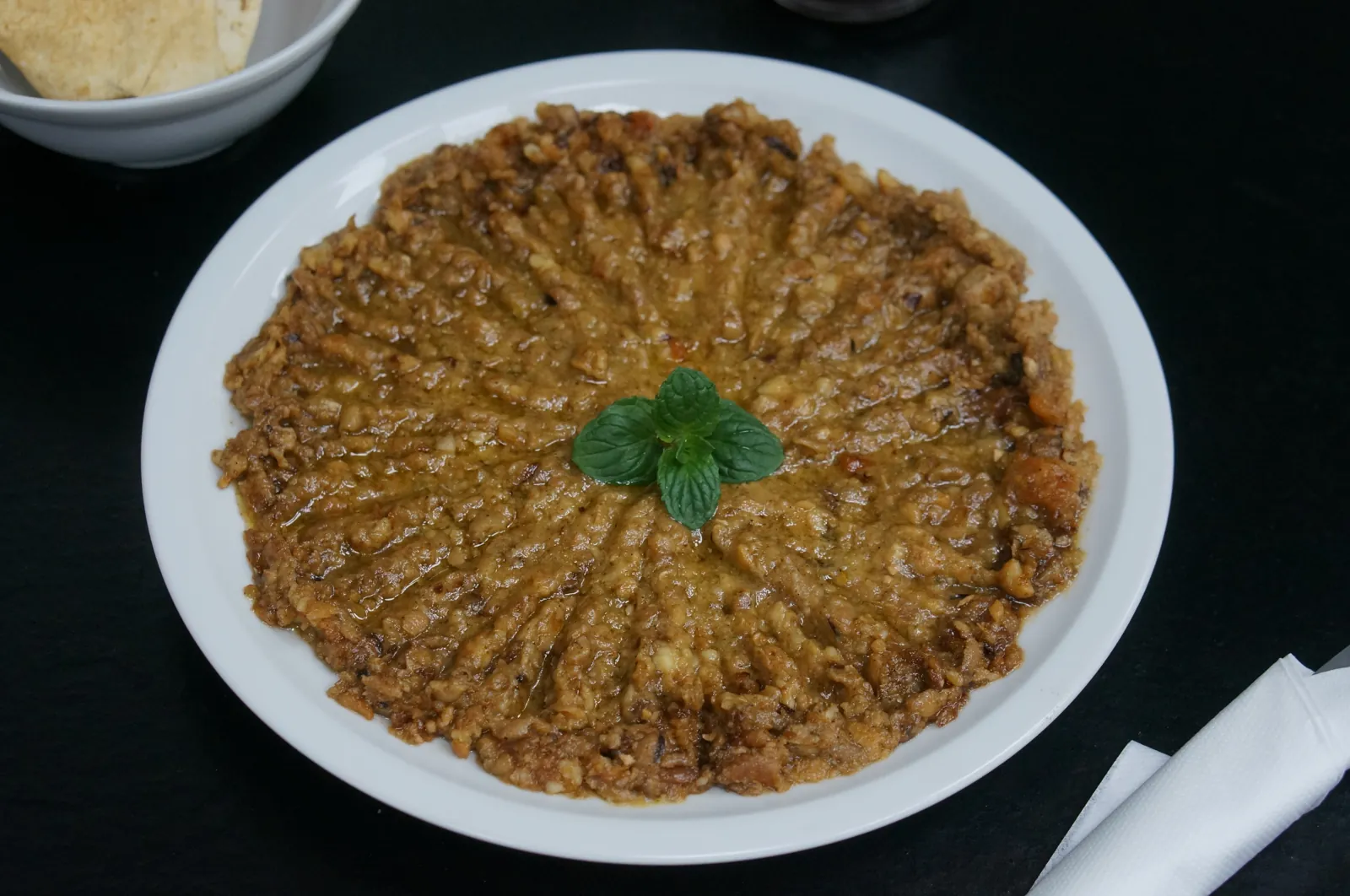
A white plate of mashed ful medames glistening with olive oil, garnished with fresh mint, with flatbread in a bowl beside it Egypt flag Egypt 1h 45m
Breakfast •Cairo Breakfast

Ful Medames

Ful medames is Egypt's beloved breakfast of fava beans simmered until soft, then lightly mashed and dressed with olive oil, lemon juice, garlic and cumin. It is creamy, tangy and deeply savoury, scooped up with warm flatbread. One serving is about 283 g.

Plant Protein & Energy

Slow-cooked fava beans with olive oil give steady energy and 15.9 g of protein per serving, with no meat at all.

Pairs Well With
Warm baladi bread, pickled vegetables and a boiled egg
High Protein
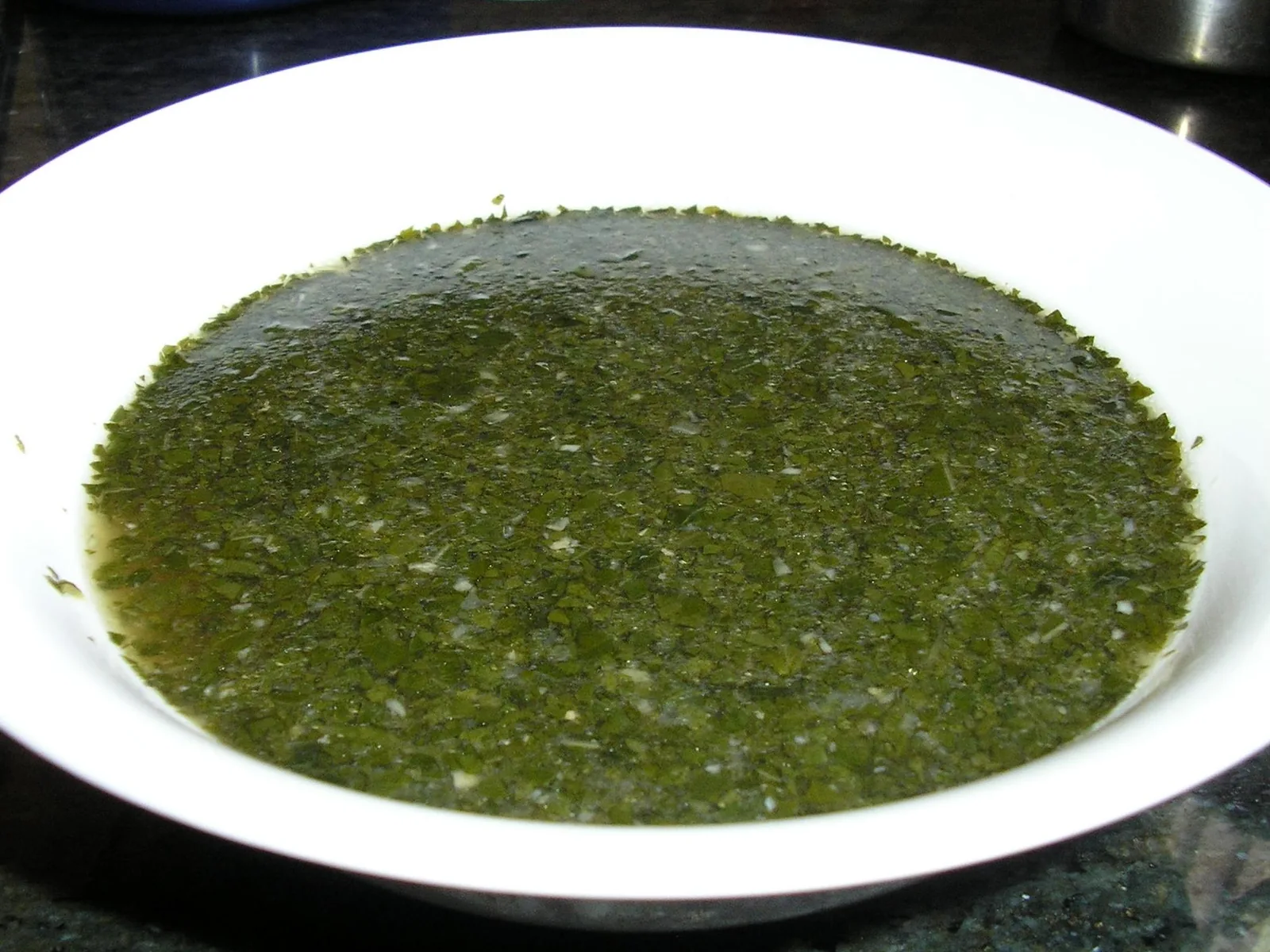
A white bowl of bright green molokhia soup made from finely chopped jute leaves Egypt flag Egypt 1h 15m
Dinner •Egyptian Family Table

Molokhia

This molokhia recipe turns finely chopped jute leaves into Egypt's beloved green soup: simmered briefly in a rich chicken broth, then finished with ta'leya — garlic and ground coriander fried in ghee until it sizzles. Ladled over white rice with a squeeze of lemon, it is slippery, garlicky and deeply comforting. One serving is about 550 g.

Comfort & Warmth

A bright green jute-leaf soup simmered in chicken broth and finished with a sizzling garlic and coriander ta'leya.

Pairs Well With
White rice, lemon wedges and browned chicken pieces
Soups & Broths
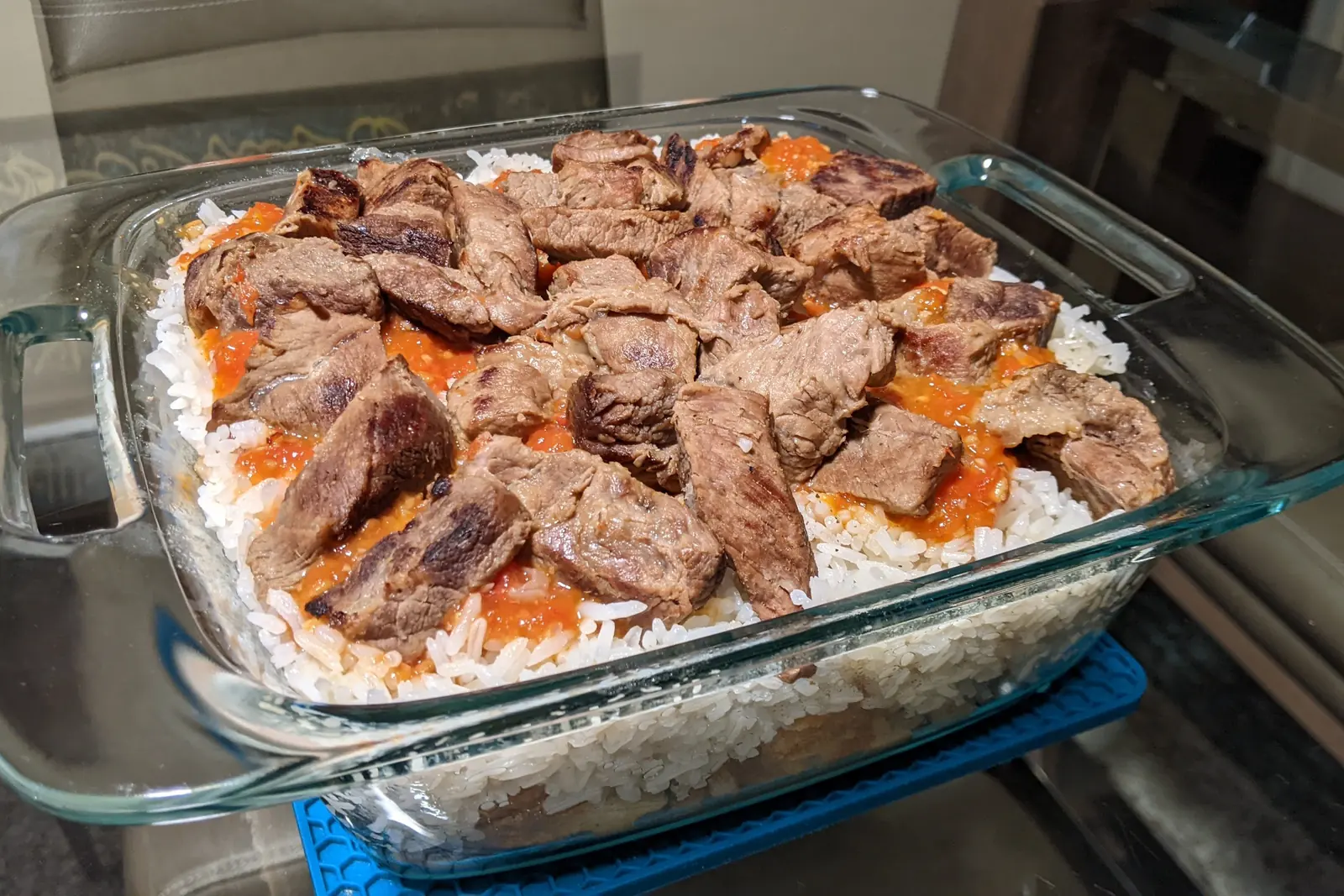
Egyptian fattah in a glass dish: white rice topped with tomato sauce and chunks of beef Egypt flag Egypt 2h 20m
Dinner •Cairo Heritage

Egyptian Fattah

Egyptian fattah is the dish Egypt celebrates with: crisp toasted bread soaked in beef broth, a deep layer of fluffy rice, tender chunks of beef, and a garlicky tomato-vinegar sauce spooned over the top. This egyptian fattah recipe is the Eid al-Adha classic — built in layers in one big dish, and carried to the table for everyone to share. One serving is about 330 g.

Feast & Celebration

Crisp bread, fluffy rice, tender beef and garlicky tomato sauce layered in one generous sharing dish.

Pairs Well With
Green salad, pickles and mint tea.
High Protein

The Dinner Gazette

Never wonder what’s for dinner again

One email a week with easy dinner ideas from around the world — ingredients, steps and nutrition, tested in our kitchen first.

Delivered every Thursday morning. Unsubscribe anytime.