Curated recipes from 193 countries  •  New seasonal Mediterranean issue out now

Overview

Egyptian Feseekh

Fesikh, Fesekh, Salted Fermented Mullet, Sham el-Nessim Fish

This egyptian feseekh recipe serves salted fermented mullet the Sham el-Nessim way: the fish is bought ready-made from a licensed fassakhani, cleaned, soaked and rinsed, then served cold with lemon, red onion and baladi bread. One serving is about 275 g and carries 447 calories. Read the safety note first: badly prepared feseekh can cause botulism, so never ferment it at home and buy only from a licensed, trusted vendor.

Feseekh is one of Egypt's oldest foods: salted mullet was offered in temples as far back as the Fifth Dynasty, and the fish is still eaten at Sham el-Nessim, the spring festival held on the Monday after Coptic Easter. The mullet is salted and left to ferment for weeks until it turns soft and pungent, then eaten with lemon, onion and bread. The tradition carries a real risk that Egypt knows well: badly prepared feseekh has caused botulism outbreaks, including a large one in Cairo in 1993, and the Egyptian Ministry of Health warns against it every year. That is why feseekh is traditionally bought from licensed fassakhani — specialist salters — rather than made at home.

Pairs well with: Baladi bread, green onions and lemon, eaten outdoors with the Sham el-Nessim spread.

Provenance

Egypt flag Egypt

Sham el-Nessim Salted Fish

Middle Eastern

Time Dedication

1h 15m

75m prep • 0m cook

Batch Yield

4 Servings

447 kcal per serving

1 serving ≈ 275 g

Technical Skill

Intermediate

Intermediate (Serve Cold)

Meal Timing & Digestive Fit

Breakfast

Not Advised

Lunch

Prime Metabolic Fit

Dinner

Ideal Hearty Main

Snack & Tea

Inappropriate

Fermented / Gut Health Occasions: Sham el-Nessim, spring picnics, Egyptian festive tables Cost: Moderate — about $4–5 per serving at home
Tags: Fish Sour Savory
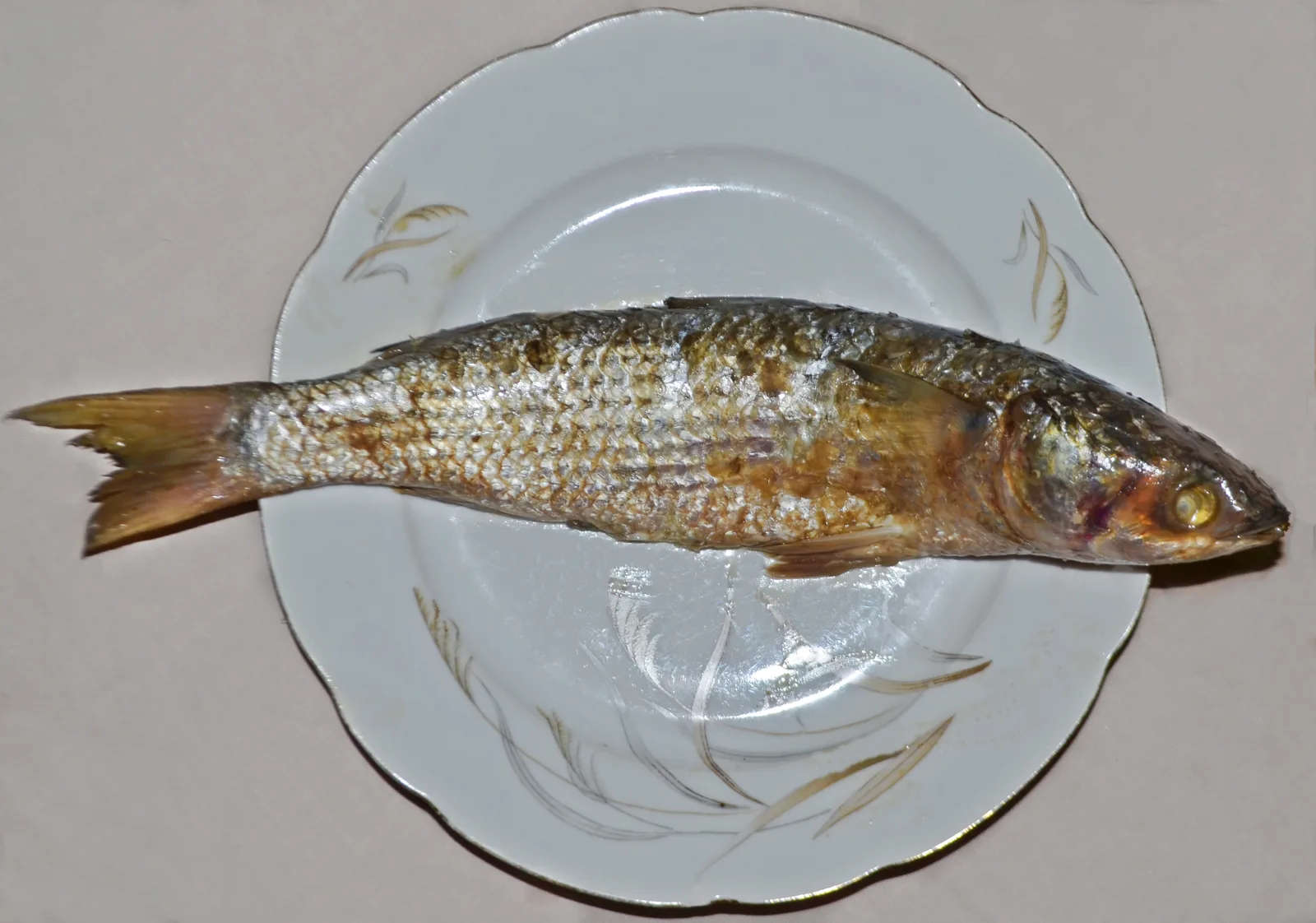
A whole salted feseekh mullet on a white plate, silvery-grey with a golden-brown sheen

Sham el-Nessim Salted Fish

Photo: Faris knight, CC BY-SA 4.0, via Wikimedia Commons

The Heritage Formulary

Measured Ingredients

Estimated cost: Moderate — about $4–5 per serving at home (USD)

This version does not ferment fish at home: it starts from ready-made feseekh bought from a licensed vendor, and the safety guidance in the method is part of the recipe, not an afterthought.

Execution Methodology & Culinary Technique

Step-by-Step Cooking Guide

Active 1h 15m
P

Prep Stage: Buy Safe, Then Clean and Soak

75 Mins • Buy Safe, Then Clean and Soak

Buy the feseekh only from a licensed fassakhani or a trusted, busy fish shop, and keep it refrigerated on the way home. Rinse the fish, peel off the skin, and fillet the flesh away from the bones. Soak the fillets in cold water for 30 minutes, changing the water once, then rinse with lemon juice. Slice the red onion, squeeze the lemons, warm the bread and trim the green onions.

Maestro Tip: SAFETY FIRST: feseekh can carry botulism, a rare but life-threatening poisoning, when it is badly prepared. Never ferment fish at home, never buy from an unknown seller, and keep the fish refrigerated. Pregnant women, children, elderly people and anyone with a weak immune system should not eat feseekh at all.

  1. 1

    Buy from a licensed vendor

    15 Mins Refrigerated, about 4°C (39°F)

    Buy the feseekh from a licensed fassakhani or a long-established fish shop with a high turnover, and ask when the batch was made. The fish should be firm and silvery, smelling strongly salty and pungent, not rotten or ammoniac. Carry it home in a cool bag and refrigerate it at 4°C (39°F) or below until you serve it.

    If the seller cannot show a licence, or the fish smells rotten rather than salty, walk away — no bargain is worth botulism.

    Done when: Firm, silvery fish from a licensed shop, kept cold from the shop to the fridge.

  2. 2

    Clean, skin and fillet

    15 Mins Room temperature, about 20°C (68°F)

    Rinse the fish briefly under cold running water. Peel the skin away from the tail end, then run a sharp knife along the backbone and lift the fillets off the bones. Pick out any small bones with tweezers and check the flesh: it should be firm and pinkish-grey, not slimy or discoloured.

    Work on a clean board with a clean knife, and wash your hands and the board well afterwards — raw salted fish is handled like any raw fish.

    Done when: Clean fillets, free of skin and bones, with firm pinkish-grey flesh.

  3. 3

    Soak and rinse

    30 Mins Cold water, about 4°C (39°F)

    Put the fillets in a bowl of cold water and soak for 30 minutes, changing the water once halfway through, to draw out some of the salt. Drain, then rinse the fillets with half the lemon juice and pat them dry. The soak softens the saltiness; it does not make the fish safe if it was badly made, which is why the vendor matters.

    Do not skip the soak — feseekh is extremely salty, and unsoaked fish is barely edible.

    Done when: Fillets that taste salty but not painfully so, and smell clean and briny.

  4. 4

    Slice and dress

    10 Mins Room temperature, about 20°C (68°F)

    Slice the fillets across into bite-size pieces and lay them on a serving plate. Drizzle with the olive oil and the remaining lemon juice. The fish is served cold — it is never cooked in this preparation.

    Slice across the grain so the pieces hold together on the bread.

    Done when: Neat slices of fish, glistening with oil and lemon.

  5. 5

    Serve with onion, bread and lemon

    5 Mins Room temperature, about 20°C (68°F)

    Set the plate out with the sliced red onion, green onions, lemon wedges and warm baladi bread. Each person takes a small piece of fish with onion and bread. Serve in small portions — this is a strong, very salty fish, and a little is the tradition.

    Keep the fish cold until the moment it goes on the table, and do not leave leftovers sitting out.

    Done when: A cold plate of fish with onion, lemon and bread, ready to eat at once.

Finishing Touches & Plating

Eat it cold, in small portions, with plenty of onion, lemon and bread — and if anyone at the table is pregnant, elderly, a child or immunocompromised, serve them the smoked renga instead.

Nutritional Physiology & Benefits

Nutrition

Energy

447

kcal / serving

Protein

35g

Complete AA

Carbs

38g

Complex

Fats

17g

Healthy

Per serving (4 servings · 1 serving ≈ 275 g)
Energy447 kcal
Protein35 g
Carbohydrates38 g
Fat17 g
Fibre2.1 g
Sugar1.9 g
Sodium5073 mg
Per 100g
Energy163 kcal
Protein12.8 g
Carbohydrates13.9 g
Fat6.3 g
Fibre0.8 g
Sugar0.7 g
Sodium1845 mg

Nutrition values are estimated — calculated from USDA FoodData Central values for the listed ingredients.

Vitamins & minerals: Vitamin D and B12 (mullet), selenium and phosphorus (mullet), vitamin C (lemon, onion), iron (bread).

High in Protein

Each serving carries about 35 g of protein from the mullet, which is why a small portion of feseekh with bread makes a filling festival meal.

Omega-Rich Fish

Mullet is an oily fish, so the fillets bring the fats and vitamin D that come with oily fish, plus selenium and phosphorus.

A Little Goes a Long Way

At about 447 calories per serving with bread, a modest plate of feseekh is a substantial meal — the tradition is small portions, not large ones.

Food Pairings

What to Eat With

To optimize nutrient absorption and elevate the sensory depth, pair with these authentic accompaniments:

Sides

Baladi Bread

Warm bread is essential: it carries the salty fish, softens the salt, and turns a few slices of fish into a meal.

Coloured Hard-Boiled Eggs

Hard-boiled eggs are the other Sham el-Nessim classic on the same table, and their mild richness sits well beside the salty fish.

Vegetables

Green Onions and Lettuce

Crisp green onion and lettuce are the classic fresh counterpoint — their crunch and mildness balance the fish's salt and punch.

Drinks

Mint Tea or Water

The fish is extremely salty, so plain water or mint tea is the right drink — nothing sweet or alcoholic is needed with it.

Complete menu

Serve feseekh cold with baladi bread, green onions, lemon and coloured hard-boiled eggs as part of the Sham el-Nessim spread, with smoked renga for anyone who prefers a safer fish.

Digestive Guardrails

What NOT to Combine

To prevent digestive distress, sluggishness, or palate clash, avoid pairing the dish with these elements:

Eating Feseekh From an Unknown Seller

Badly prepared feseekh can cause botulism, a rare but life-threatening paralytic poisoning; cases occur in Egypt every year, and the Egyptian Ministry of Health warns against home preparation annually. Buy only from a licensed, trusted vendor. This is general food-safety information, not medical advice — if you feel unwell after eating it, seek medical help at once.

Large Portions for Children, Pregnant Women or the Elderly

Children, pregnant women, elderly people and anyone with a weak immune system should not eat feseekh at all, because of the botulism risk and the very high salt — about 5,073 mg of sodium per serving. Serve them smoked renga instead. This is general food-safety information, not medical advice.

Leaving the Fish Out at Room Temperature

Keep feseekh refrigerated at 4°C (39°F) or below and serve it cold at once; fish left out for hours is a food-safety risk, and reheating does not reliably make badly made feseekh safe. This is general food-safety information, not medical advice.

General information only, not medical advice — consult a doctor for personal dietary decisions.

Who Should Eat It

Who Should Eat

  • General adultsOnly from a licensed vendor, in a small portion, and only if you are comfortable with the risk.
  • ChildrenChildren should not eat feseekh — health warnings specifically include children.
  • ElderlyElderly people should not eat feseekh — the botulism risk and the very high salt make it unsuitable.
  • Pregnant womenPregnant women must not eat feseekh — the botulism risk is the reason health authorities warn against it.
  • Breastfeeding womenBreastfeeding women should avoid feseekh — the botulism risk and the very high salt make it unsuitable.
  • AthletesHigh in protein, but the salt load is extreme — a small portion only, and only from a trusted vendor.
  • Weight gainEnergy-dense and easy to eat with bread, but the salt is very high — keep the portion small.
  • Weight lossA small portion with salad and bread can fit, but the sodium is about 5,073 mg per serving — most people watching salt should skip it.

Health Conditions — Adjust or Avoid

Conditions

  • DiabetesAbout 38 g of carbohydrate per serving, mostly from the bread — the bigger concern is salt; ask a clinician about portion size.
  • High blood pressureSodium is about 5,073 mg per serving — far above a day's usual intake. Most people with high blood pressure should avoid feseekh entirely — ask a clinician for personal advice.
  • Kidney diseaseVery high in salt and protein, which kidney diets often limit — most people with kidney disease should avoid it; ask a clinician before eating it.
  • GoutOily fish carries purines, and the salt load is extreme — ask a clinician if you have questions about your overall diet.
  • Stomach issuesVery salty and pungent, so it can upset a sensitive stomach; most people with stomach issues should skip it — ask a clinician if symptoms persist.
  • Cardiovascular diseaseThe sodium load is the main concern for the heart — most people with cardiovascular disease should avoid it; ask a clinician about your overall eating pattern.
  • Fatty liverEnergy-dense and extremely salty; keep it an occasional, small portion at most — ask a clinician for personal guidance.
  • Food allergiesContains fish (mullet) and gluten (wheat bread). Naturally free of milk, egg, nuts and soy.
  • Special therapeutic dietsNot suitable for low-sodium diets or for anyone who must avoid fermented fish; if you follow a restricted diet, ask a clinician or dietitian before eating it.

If you have a medical condition, consult your doctor before changing your diet.

Storage & Use

Storage & Use

How to store
Keep the whole fish refrigerated in a sealed container; fillet and soak only just before serving.
In the fridge
Eat within 1 to 2 days of buying, kept at 4°C (39°F) or below; do not keep leftovers longer.
In the freezer
Freezing is not recommended for ready-made feseekh — it does not reliably remove the botulism risk and it spoils the texture.
How to reheat
Do not reheat — feseekh is served cold, and reheating does not make badly made fish safe.
Freezing recommended
No — buy only as much as you will eat within a day or two.
Signs it has spoiled
Rotten or ammoniac smell, slimy or discoloured flesh, or a swollen package — discard it at once and do not taste it.

More recipes to explore

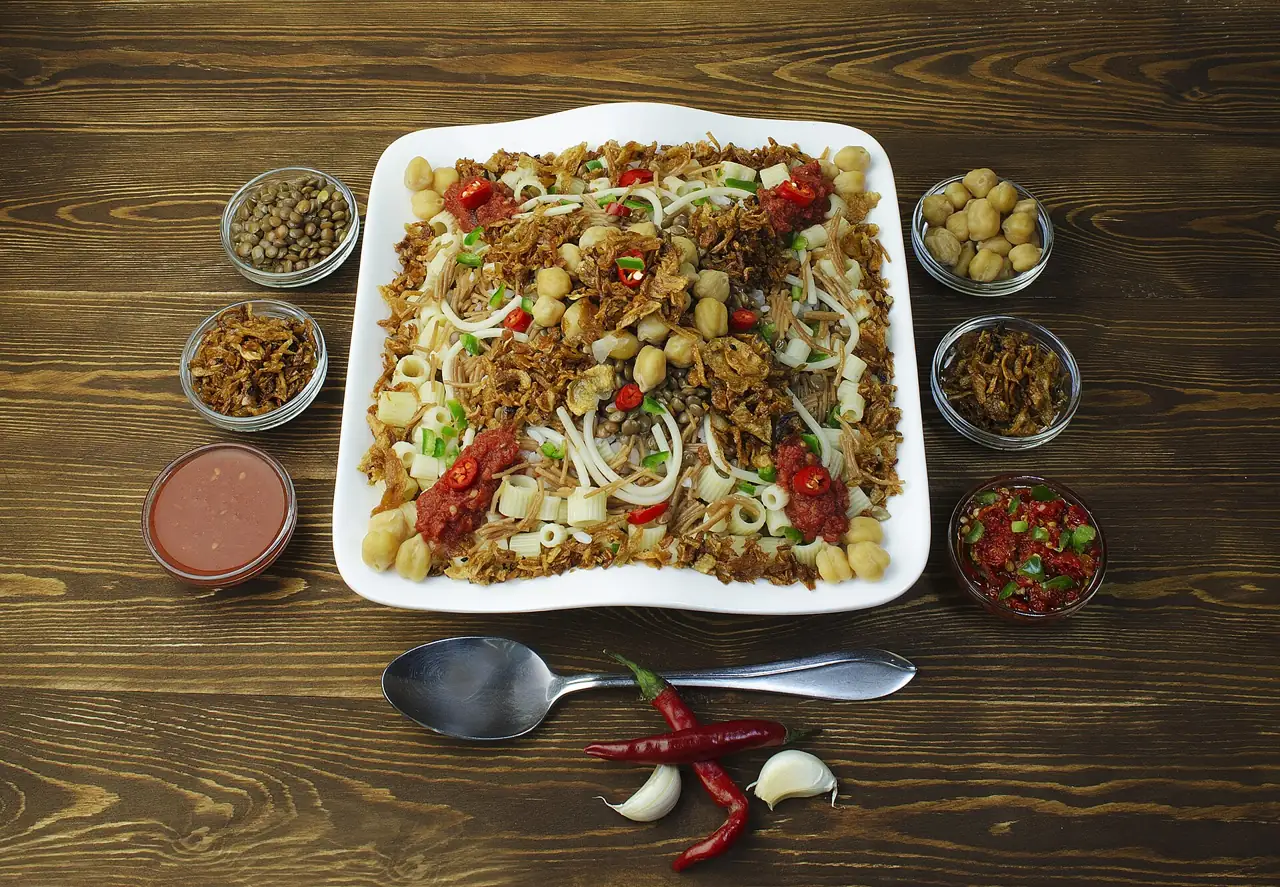
A platter of Egyptian koshari with rice, lentils, macaroni, chickpeas, crispy fried onions and tomato sauce Egypt flag Egypt 1h 15m
Dinner •Cairo Street Food

Egyptian Koshari

This egyptian koshari recipe builds Egypt's national dish at home: brown lentils and short-grain rice cooked with toasted vermicelli, layered with macaroni and chickpeas, then topped with a spiced tomato sauce, garlic vinegar and a heap of crispy fried onions. One serving is about 600 g.

Comfort & Warmth

Layers of lentils, rice and pasta with a spiced tomato sauce and crispy onions.

Pairs Well With
Garlic vinegar (daqqa), hot sauce and pickled vegetables
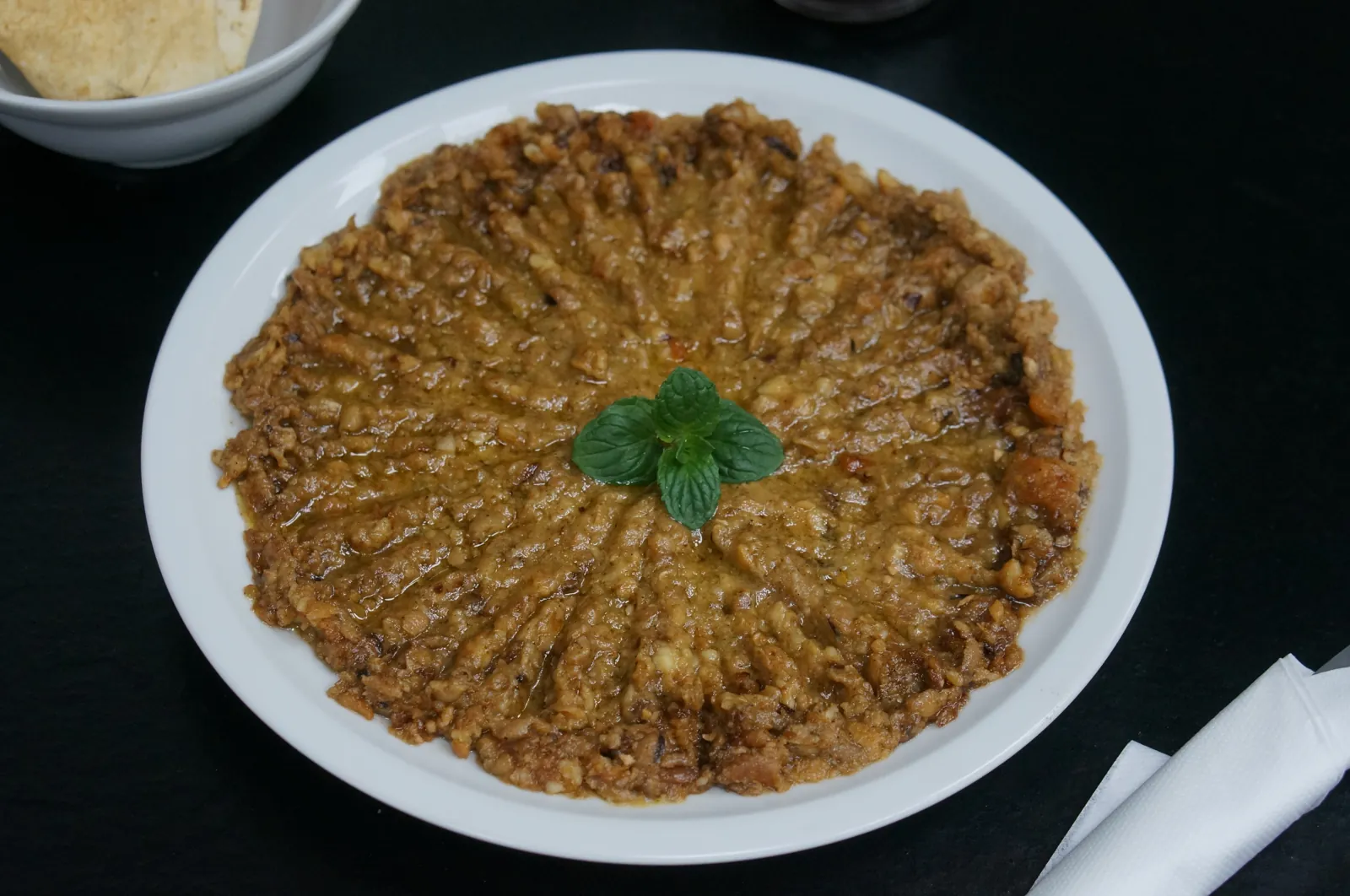
A white plate of mashed ful medames glistening with olive oil, garnished with fresh mint, with flatbread in a bowl beside it Egypt flag Egypt 1h 45m
Breakfast •Cairo Breakfast

Ful Medames

Ful medames is Egypt's beloved breakfast of fava beans simmered until soft, then lightly mashed and dressed with olive oil, lemon juice, garlic and cumin. It is creamy, tangy and deeply savoury, scooped up with warm flatbread. One serving is about 283 g.

Plant Protein & Energy

Slow-cooked fava beans with olive oil give steady energy and 15.9 g of protein per serving, with no meat at all.

Pairs Well With
Warm baladi bread, pickled vegetables and a boiled egg
High Protein
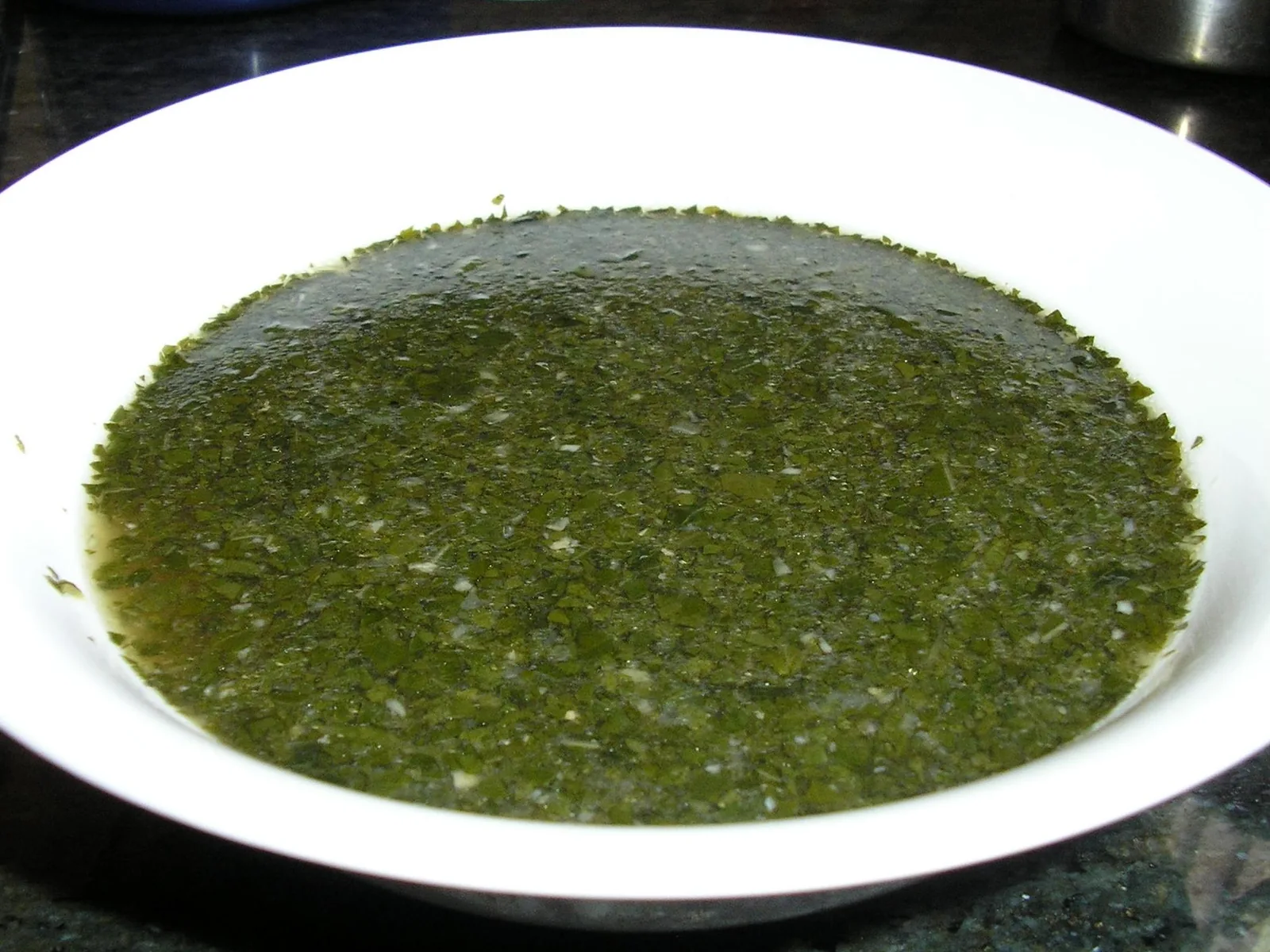
A white bowl of bright green molokhia soup made from finely chopped jute leaves Egypt flag Egypt 1h 15m
Dinner •Egyptian Family Table

Molokhia

This molokhia recipe turns finely chopped jute leaves into Egypt's beloved green soup: simmered briefly in a rich chicken broth, then finished with ta'leya — garlic and ground coriander fried in ghee until it sizzles. Ladled over white rice with a squeeze of lemon, it is slippery, garlicky and deeply comforting. One serving is about 550 g.

Comfort & Warmth

A bright green jute-leaf soup simmered in chicken broth and finished with a sizzling garlic and coriander ta'leya.

Pairs Well With
White rice, lemon wedges and browned chicken pieces
Soups & Broths
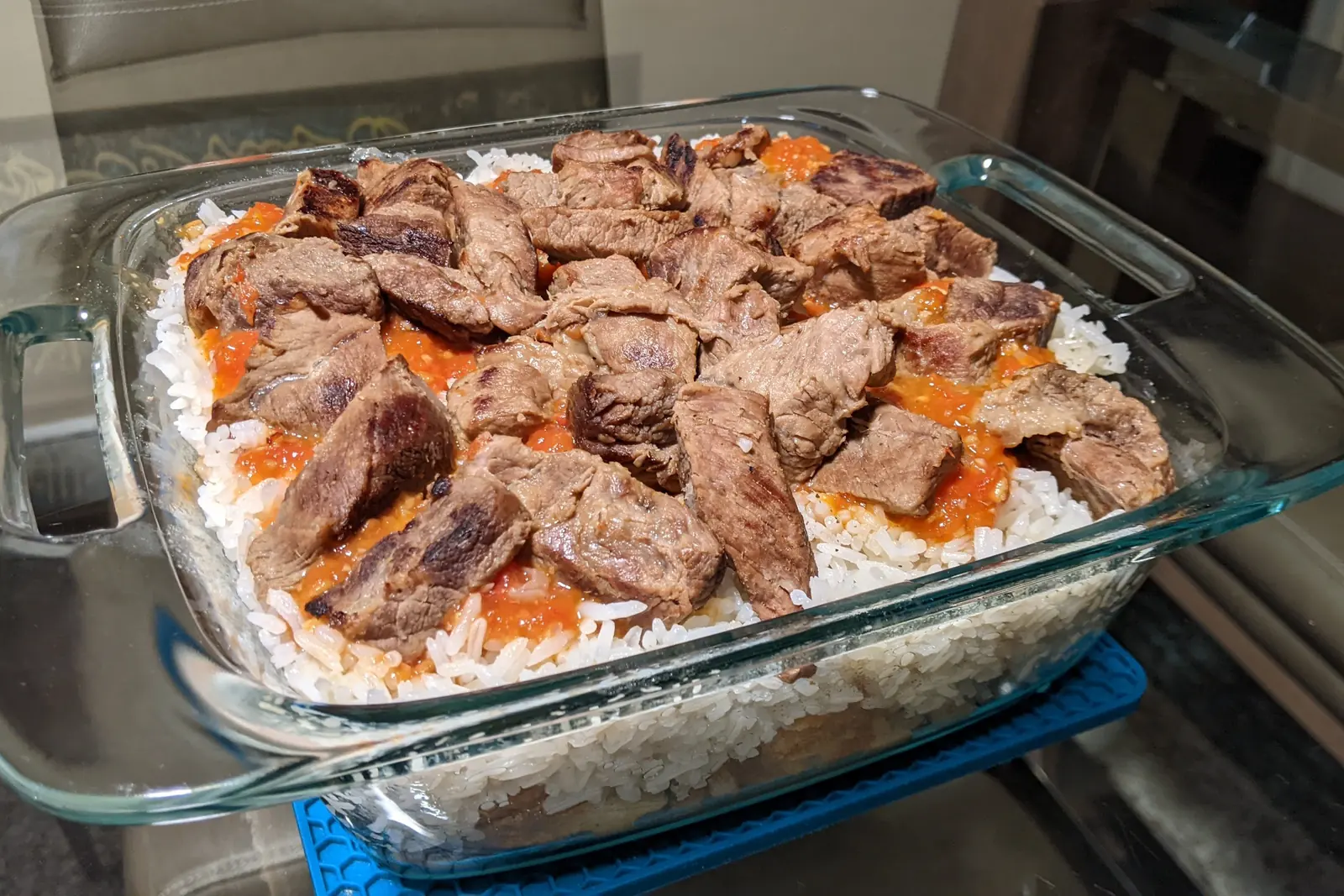
Egyptian fattah in a glass dish: white rice topped with tomato sauce and chunks of beef Egypt flag Egypt 2h 20m
Dinner •Cairo Heritage

Egyptian Fattah

Egyptian fattah is the dish Egypt celebrates with: crisp toasted bread soaked in beef broth, a deep layer of fluffy rice, tender chunks of beef, and a garlicky tomato-vinegar sauce spooned over the top. This egyptian fattah recipe is the Eid al-Adha classic — built in layers in one big dish, and carried to the table for everyone to share. One serving is about 330 g.

Feast & Celebration

Crisp bread, fluffy rice, tender beef and garlicky tomato sauce layered in one generous sharing dish.

Pairs Well With
Green salad, pickles and mint tea.
High Protein

The Dinner Gazette

Never wonder what’s for dinner again

One email a week with easy dinner ideas from around the world — ingredients, steps and nutrition, tested in our kitchen first.

Delivered every Thursday morning. Unsubscribe anytime.