
Curated recipes from 193 countries  •  New seasonal Mediterranean issue out now

Overview

Egyptian Halawa

Halawa Tahinia, Halaweh, Tahini Halva, Halva

Egyptian halawa is a dense sesame sweet made by pouring hot sugar syrup into tahini and letting it set into a firm, crumbly block. It is nutty, sweet and endlessly sliceable, and in Egypt it is most often eaten in sandwiches of baladi bread. One serving is about 46 g.

Sesame halva is eaten from the Balkans through Turkey, the Levant and Egypt to South Asia. A reference to halvah appeared as early as the 7th century, and by the 9th century the name was applied to many kinds of sweets; Persian recipes were recorded in the 13th-century Arabic book Kitab al-Tabikh. In Egypt, halawa is sliced into baladi bread for sandwiches at breakfast or dinner — a cheap, filling staple — and pistachio, chocolate and hazelnut versions are sold alongside the plain block.

Pairs well with: Baladi bread, mint tea and a pot of strong coffee.

Provenance

Egypt flag Egypt

Egyptian Heritage

Middle Eastern

Time Dedication

30m

15m prep • 15m cook

Batch Yield

12 Servings

232 kcal per serving

1 serving ≈ 46 g

Technical Skill

Intermediate

Medium (Sugar Syrup)

Meal Timing & Digestive Fit

Breakfast

Not Advised

Lunch

Inappropriate

Dinner

Inappropriate

Snack & Tea

Ideal Light Bite

Occasions: Breakfast, tea time, Ramadan evenings, school lunchboxes, festive sweets Cost: Low — about $1 per serving at home
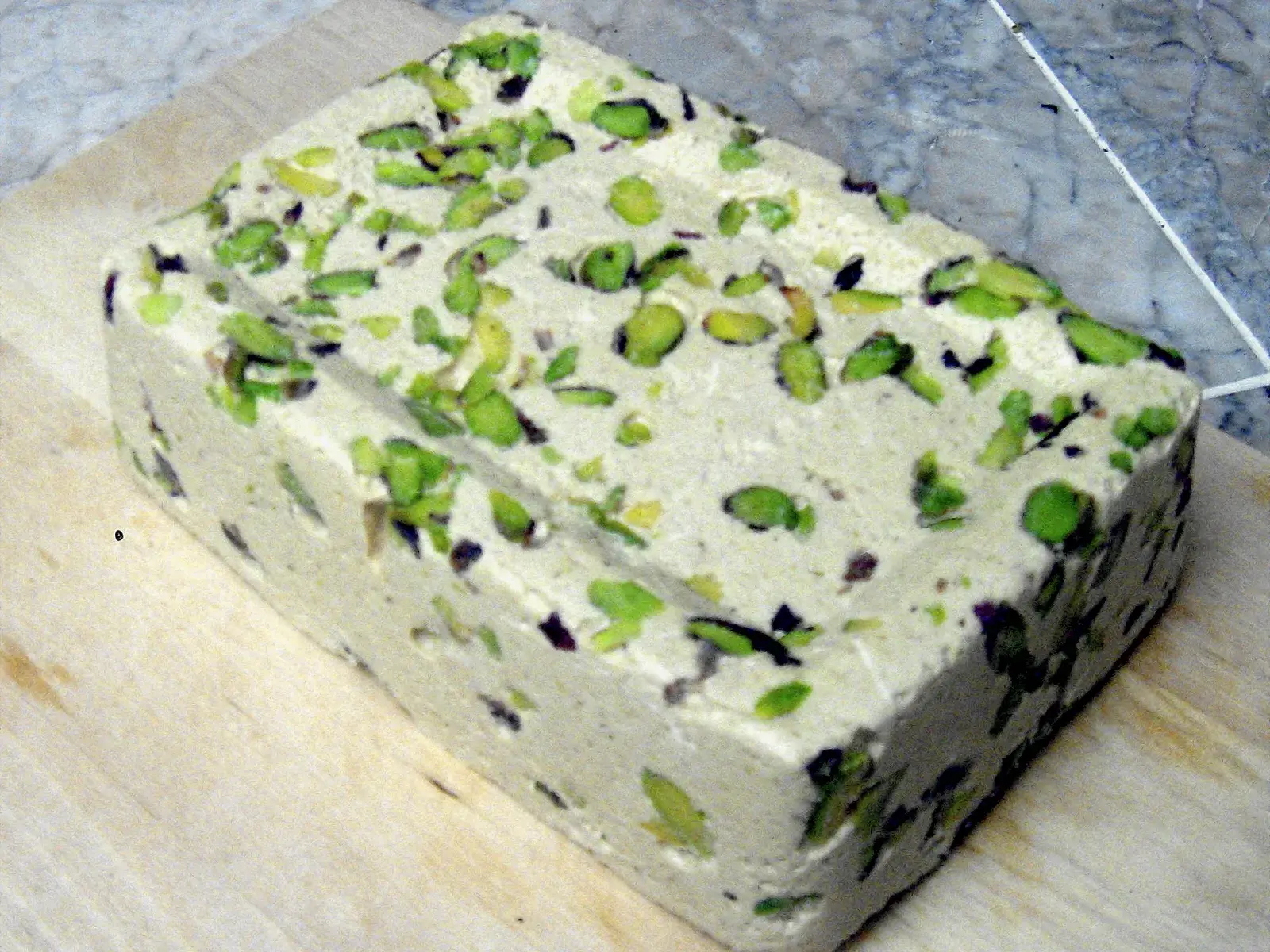
A block of pistachio-studded sesame halva on a wooden board

Egyptian Heritage

Photo: Sjschen, Public domain, via Wikimedia Commons

The Heritage Formulary

Measured Ingredients

Estimated cost: Low — about $1 per serving at home (USD)

Made with tahini and sugar syrup cooked to soft-ball stage, set in a block and topped with pistachio.

Execution Methodology & Culinary Technique

Step-by-Step Cooking Guide

Active 30m
P

Prep Stage: Line, Chop and Warm

15 Mins • Pan & Thermometer Work

Line a small loaf pan with baking paper, leaving paper overhanging the sides so you can lift the block out later. Chop the pistachios. Stir the tahini until it is smooth and pourable, and warm it very gently — cold tahini seizes when hot syrup hits it. Have a sugar thermometer ready, because the syrup stage decides the texture.

Maestro Tip: Have everything ready before the syrup boils — once it reaches temperature, there is no time to hunt for a pan.

  1. 1

    Warm the Tahini

    5 Mins Low heat, ~50°C (120°F)

    Set the tahini in a large bowl over a pan of barely simmering water and stir until it is warm and pourable, about 50°C (120°F). Take it off the heat and keep it warm.

    Warm, not hot — overheated tahini turns bitter.

    Done when: Tahini pours in a smooth ribbon.

  2. 2

    Cook the Sugar Syrup

    10 Mins Medium heat, 115°C (239°F)

    Put the sugar and water in a small saucepan and heat over medium heat, stirring once or twice until the sugar dissolves. Boil without stirring until the syrup reaches 115°C (239°F) on a sugar thermometer — the soft-ball stage, where a drop in cold water forms a soft, pliable ball.

    Do not stir once it boils, or the syrup can crystallise.

    Done when: Syrup reads 115°C (239°F); a drop in cold water forms a soft ball.

  3. 3

    Combine Tahini and Syrup

    5 Mins Off the heat

    Pour the hot syrup into the warm tahini in a thin, steady stream, beating constantly with a wooden spoon. Add the vanilla and salt, and keep beating only until the mixture lightens, thickens and starts to pull away from the sides of the bowl.

    Stop as soon as it comes together — overmixing makes halawa greasy instead of crumbly.

    Done when: Mixture is pale, thick and pulling away from the bowl.

  4. 4

    Press into the Pan

    5 Mins No heat

    Scrape the mixture into the lined loaf pan, press it down firmly with the back of a spoon, scatter the chopped pistachios over the top, and press them in lightly. Smooth the surface.

    Press firmly — air pockets make the block crumble when sliced.

    Done when: Surface is smooth, pistachios are pressed in.

  5. 5

    Set and Slice

    5 Mins Room temperature — setting

    Leave the pan at room temperature for at least 2 hours, until the halawa is firm to the touch. Lift it out by the paper and slice into 12 pieces with a sharp knife.

    Do not rush the setting — warm halawa slices into a smear, not a block.

    Done when: Block is firm, slices hold their shape.

Finishing Touches & Plating

Slice the block only when it is fully set, and wipe the knife clean between cuts for neat edges. Serve at room temperature, when the sesame flavour is at its fullest.

Nutritional Physiology & Benefits

Nutrition

Energy

232

kcal / serving

Protein

5g

Complete AA

Carbs

23g

Complex

Fats

15g

Healthy

Per serving (12 servings · 1 serving ≈ 46 g)
Energy232 kcal
Protein5 g
Carbohydrates23 g
Fat15 g
Fibre1.5 g
Sugar16.9 g
Sodium41 mg
Per 100g
Energy505 kcal
Protein10.9 g
Carbohydrates50 g
Fat32.1 g
Fibre3.3 g
Sugar36.8 g
Sodium90 mg

Nutrition values are estimated — calculated from USDA FoodData Central values for the listed ingredients.

Vitamins & minerals: Sesame tahini provides calcium, iron, magnesium and zinc; pistachios add vitamin B6 and potassium.

Calcium, Iron and Magnesium

Sesame tahini is a real source of calcium, iron and magnesium — minerals that support bones, blood and muscles.

Fibre and Plant Protein

Each serving carries about 5 g of plant protein and 1.5 g of fibre from sesame and pistachio, with no dairy and no gluten.

No Dairy, No Gluten

Made from sesame, sugar and pistachio alone, this sweet suits dairy-free and gluten-free tables without any substitution.

Food Pairings

What to Eat With

To optimize nutrient absorption and elevate the sensory depth, pair with these authentic accompaniments:

Sides

Baladi Bread

The Egyptian way: slice halawa into baladi bread for a sandwich — the soft bread against the crumbly sweet is the classic breakfast.

Drinks

Mint Tea

Sweet mint tea is the everyday partner; its freshness balances the richness of the sesame.

Turkish Coffee

Strong, bitter coffee against sweet halawa is a contrast Egyptians have enjoyed for generations.

More Pairings

Sliced Oranges

Cold orange slices add acidity and juice, and they cleanse the palate after the sweet, oily block.

Complete menu

Egyptian Halawa in baladi bread sandwiches with mint tea and sliced oranges, after a light dinner of ful medames — a full Egyptian menu.

Digestive Guardrails

What NOT to Combine

To prevent digestive distress, sluggishness, or palate clash, avoid pairing the dish with these elements:

Very High in Sugar — Small Pieces, Not Seconds

One serving carries about 17 g of sugar and 232 kcal in just 46 g, so this is a treat to enjoy in a small piece rather than a large slab. This is general information, not medical advice.

Sesame Allergy — A Serious Allergen

Sesame is a major allergen and can cause severe reactions. People with sesame or tree-nut allergy must not eat this, and it should not be served where cross-contact is a risk. This is general information, not medical advice.

Do Not Leave Boiling Syrup Unattended

Sugar syrup at 115°C (239°F) causes severe burns on contact. Keep children away from the stove and never leave the pan alone. This is general information, not medical advice.

General information only, not medical advice — consult a doctor for personal dietary decisions.

Who Should Eat It

Who Should Eat

  • General adultsA sweet, energy-dense snack for most adults — about 232 kcal in a 46 g piece, best as a small treat with tea.
  • ChildrenChildren usually love it, but it is very sweet and a choking risk for toddlers, so serve small, soft pieces to older children only.
  • ElderlySoft, easy to chew and very filling; the sugar is the thing to watch, so one small piece is enough.
  • Pregnant womenSafe as an occasional treat; it contains no egg, milk or alcohol, but it is high in sugar, so keep the piece small.
  • Breastfeeding womenFine as an occasional treat; sesame provides calcium and iron, but the sugar means it is not an everyday food.
  • AthletesA quick energy snack after training, with about 23 g of carbohydrate per serving; one piece is plenty.
  • Weight gainA helpful choice for adding energy — calorie-dense, easy to eat, and a second piece is no hardship.
  • Weight lossA sweet treat at 232 kcal; one thin piece with tea and oranges is the way to enjoy it without overdoing sugar.

Health Conditions — Adjust or Avoid

Conditions

  • DiabetesAbout 23 g of carbohydrate and 17 g of sugar per serving, so it needs to be counted carefully and eaten in a small piece. Ask your clinician about portions.
  • High blood pressureVery low in sodium at about 41 mg per serving, so it fits a low-salt pattern well; the sugar is the concern, not the salt. Ask your clinician about your daily sugar limit.
  • Kidney diseaseLow in sodium and modest in protein, so it is not a problem food for most kidney diets in a small piece. Ask your clinician whether this fits your plan.
  • GoutSesame and nuts are low in purines, so one small piece is a modest amount. Keep it occasional. Ask your clinician about your limits.
  • Stomach issuesA very sweet, oily food can worsen reflux in some people; eat a small piece earlier in the day rather than late at night. Ask your clinician if symptoms persist.
  • Cardiovascular diseaseHigh in sugar and fat, so the piece must stay small; the sesame fats are mostly unsaturated, which helps. Ask your clinician about how often it fits your diet.
  • Fatty liverHigh in sugar and energy-dense, so it is best as a rare treat in a small portion. Ask your clinician for personalised advice.
  • Food allergiesContains sesame and tree nuts (pistachio) — both major allergens. People with sesame or nut allergy must not eat it. Ask your clinician about safe alternatives.
  • Special therapeutic dietsNot suitable for low-sugar therapeutic diets as written, because sugar is a main ingredient. Ask your clinician or dietitian before adapting it.

If you have a medical condition, consult your doctor before changing your diet.

Storage & Use

Storage & Use

How to store
Cool completely, then store in an airtight container at room temperature, with baking paper between layers.
In the fridge
Up to 1 month in the fridge.
In the freezer
Up to 2 weeks at room temperature.
How to reheat
Bring to room temperature before serving; do not heat it, or it softens and turns greasy.
Freezing recommended
Not recommended — freezing ruins the crumbly texture.
Signs it has spoiled
Rancid or paint-like smell from the sesame oil, stickiness, or mould.

More recipes to explore

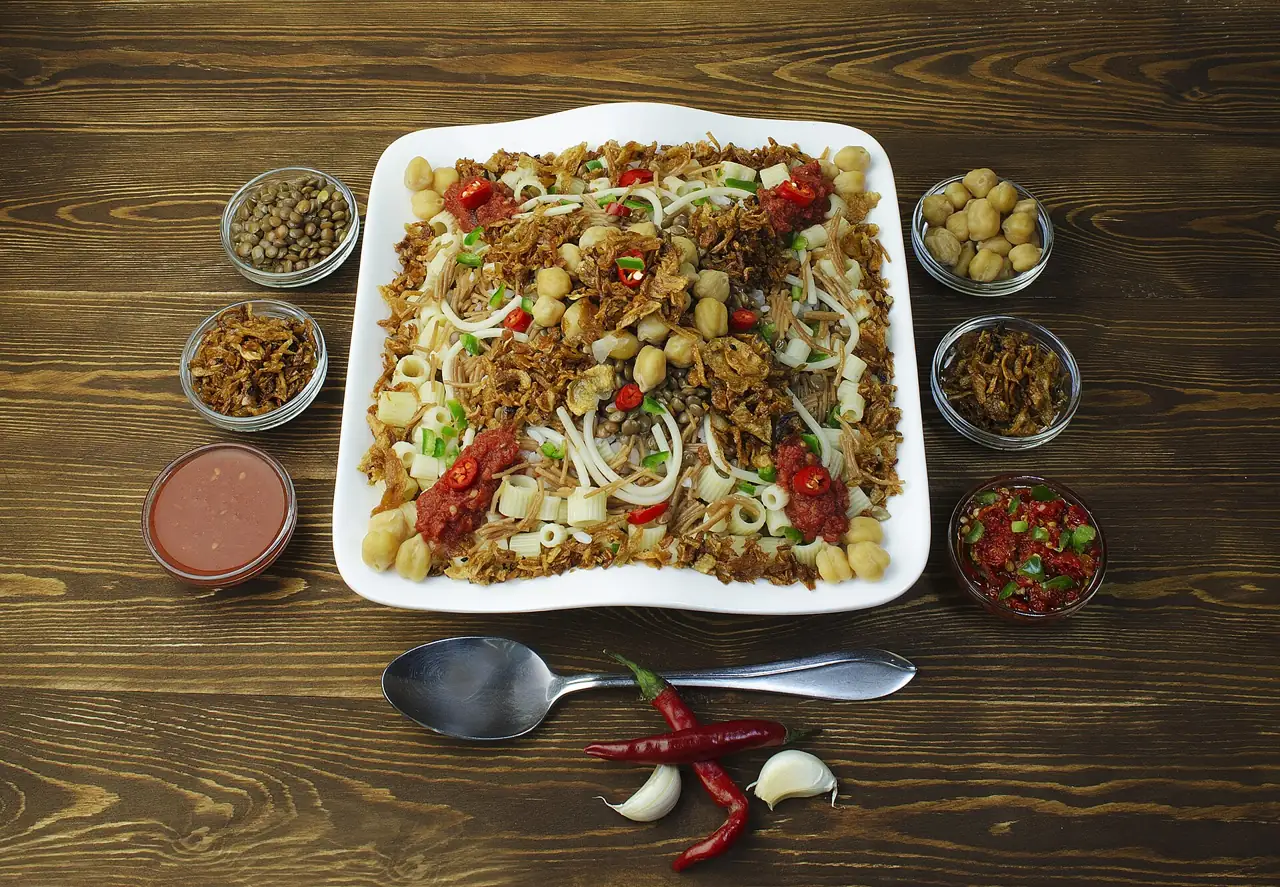
A platter of Egyptian koshari with rice, lentils, macaroni, chickpeas, crispy fried onions and tomato sauce Egypt flag Egypt 1h 15m
Dinner •Cairo Street Food

Egyptian Koshari

This egyptian koshari recipe builds Egypt's national dish at home: brown lentils and short-grain rice cooked with toasted vermicelli, layered with macaroni and chickpeas, then topped with a spiced tomato sauce, garlic vinegar and a heap of crispy fried onions. One serving is about 600 g.

Comfort & Warmth

Layers of lentils, rice and pasta with a spiced tomato sauce and crispy onions.

Pairs Well With
Garlic vinegar (daqqa), hot sauce and pickled vegetables
A white plate of mashed ful medames glistening with olive oil, garnished with fresh mint, with flatbread in a bowl beside it Egypt flag Egypt 1h 45m
Breakfast •Cairo Breakfast

Ful Medames

Ful medames is Egypt's beloved breakfast of fava beans simmered until soft, then lightly mashed and dressed with olive oil, lemon juice, garlic and cumin. It is creamy, tangy and deeply savoury, scooped up with warm flatbread. One serving is about 283 g.

Plant Protein & Energy

Slow-cooked fava beans with olive oil give steady energy and 15.9 g of protein per serving, with no meat at all.

Pairs Well With
Warm baladi bread, pickled vegetables and a boiled egg
High Protein
A white bowl of bright green molokhia soup made from finely chopped jute leaves Egypt flag Egypt 1h 15m
Dinner •Egyptian Family Table

Molokhia

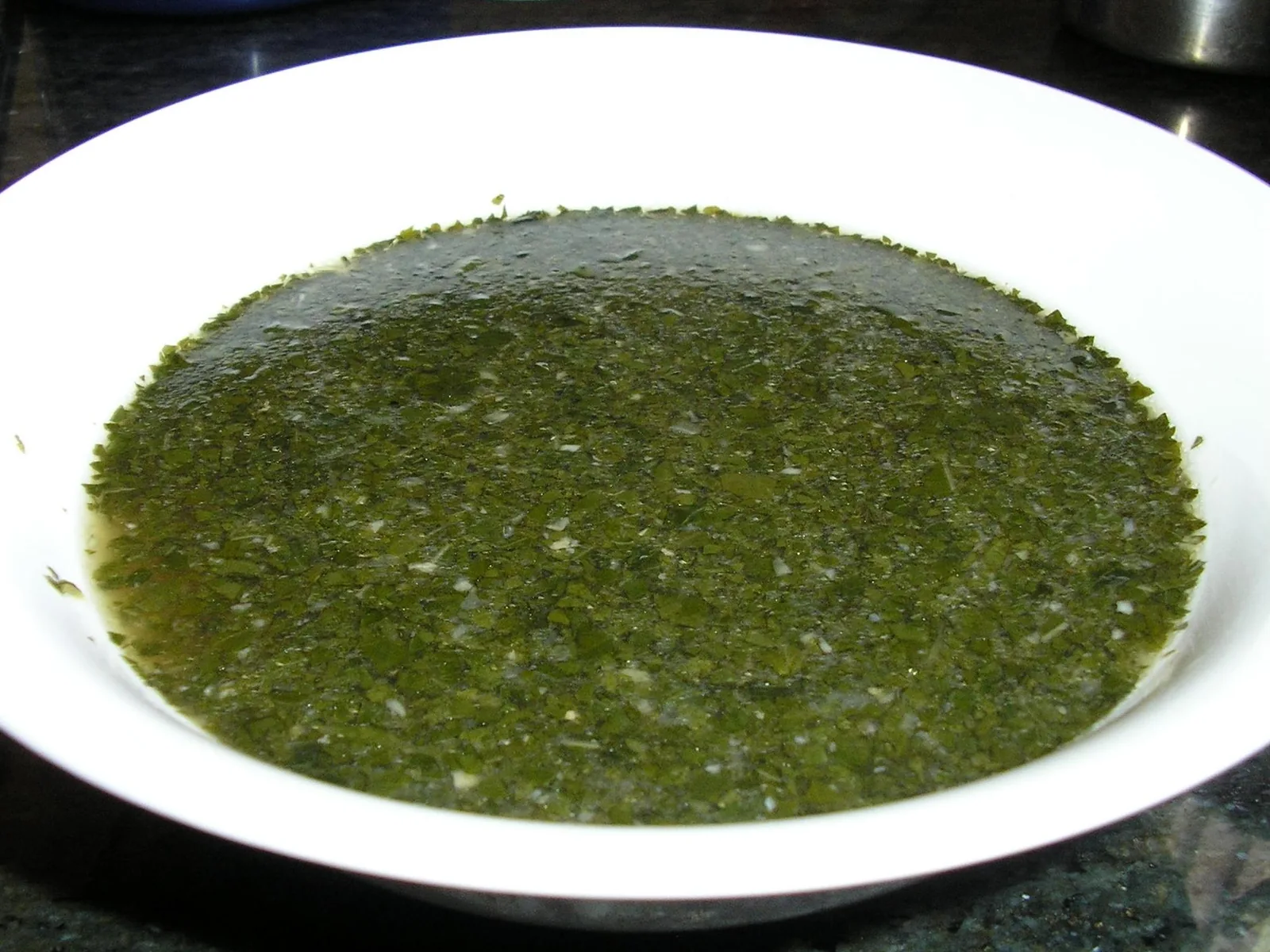
This molokhia recipe turns finely chopped jute leaves into Egypt's beloved green soup: simmered briefly in a rich chicken broth, then finished with ta'leya — garlic and ground coriander fried in ghee until it sizzles. Ladled over white rice with a squeeze of lemon, it is slippery, garlicky and deeply comforting. One serving is about 550 g.

Comfort & Warmth

A bright green jute-leaf soup simmered in chicken broth and finished with a sizzling garlic and coriander ta'leya.

Pairs Well With
White rice, lemon wedges and browned chicken pieces
Soups & Broths
Egyptian fattah in a glass dish: white rice topped with tomato sauce and chunks of beef Egypt flag Egypt 2h 20m
Dinner •Cairo Heritage

Egyptian Fattah

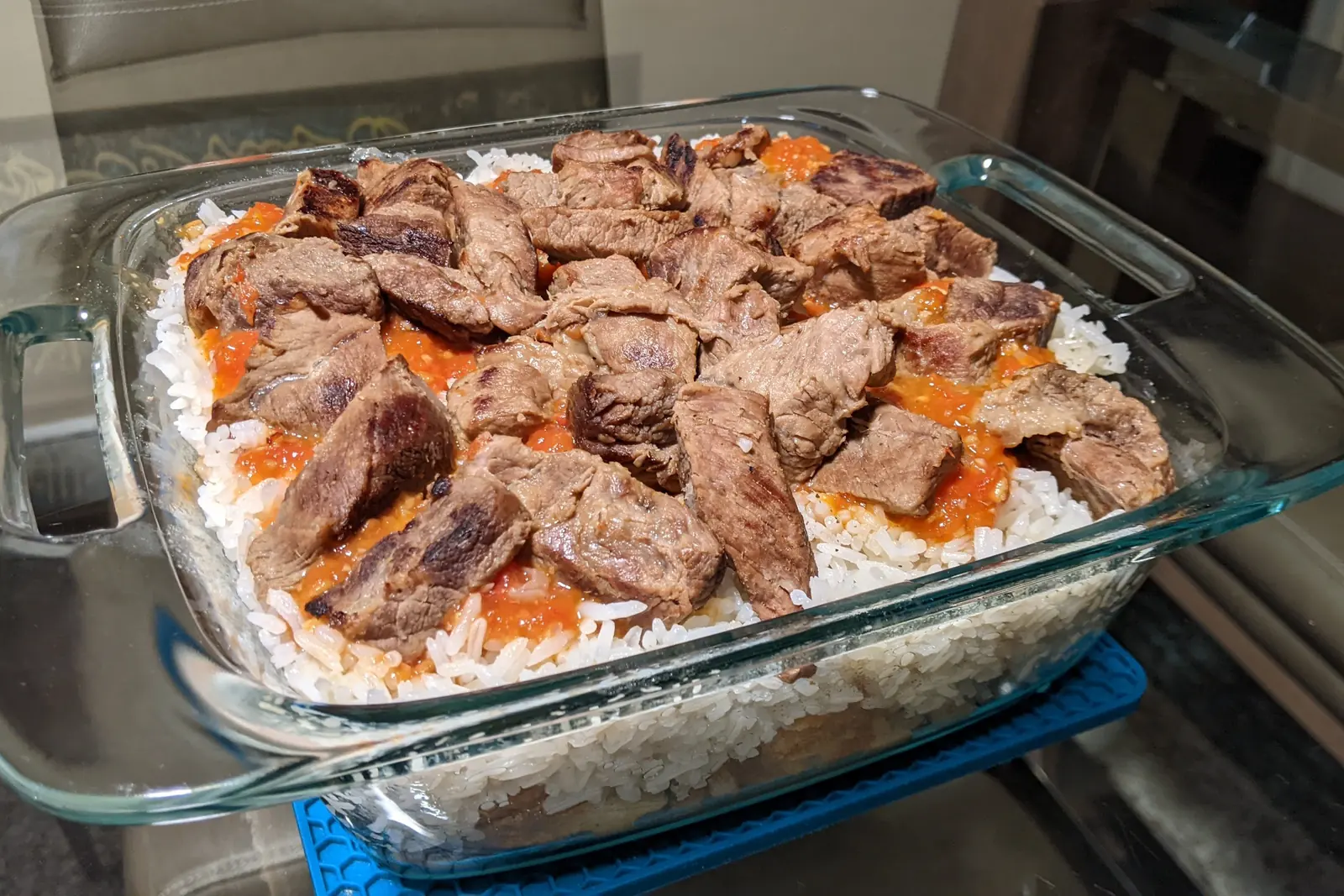
Egyptian fattah is the dish Egypt celebrates with: crisp toasted bread soaked in beef broth, a deep layer of fluffy rice, tender chunks of beef, and a garlicky tomato-vinegar sauce spooned over the top. This egyptian fattah recipe is the Eid al-Adha classic — built in layers in one big dish, and carried to the table for everyone to share. One serving is about 330 g.

Feast & Celebration

Crisp bread, fluffy rice, tender beef and garlicky tomato sauce layered in one generous sharing dish.

Pairs Well With
Green salad, pickles and mint tea.
High Protein

The Dinner Gazette

Never wonder what’s for dinner again

One email a week with easy dinner ideas from around the world — ingredients, steps and nutrition, tested in our kitchen first.

Delivered every Thursday morning. Unsubscribe anytime.