Curated recipes from 193 countries  •  New seasonal Mediterranean issue out now

Overview

Egyptian Mahalabia

Mahalabia, Muhallabia, Mhallabiyyeh, Egyptian Milk Pudding

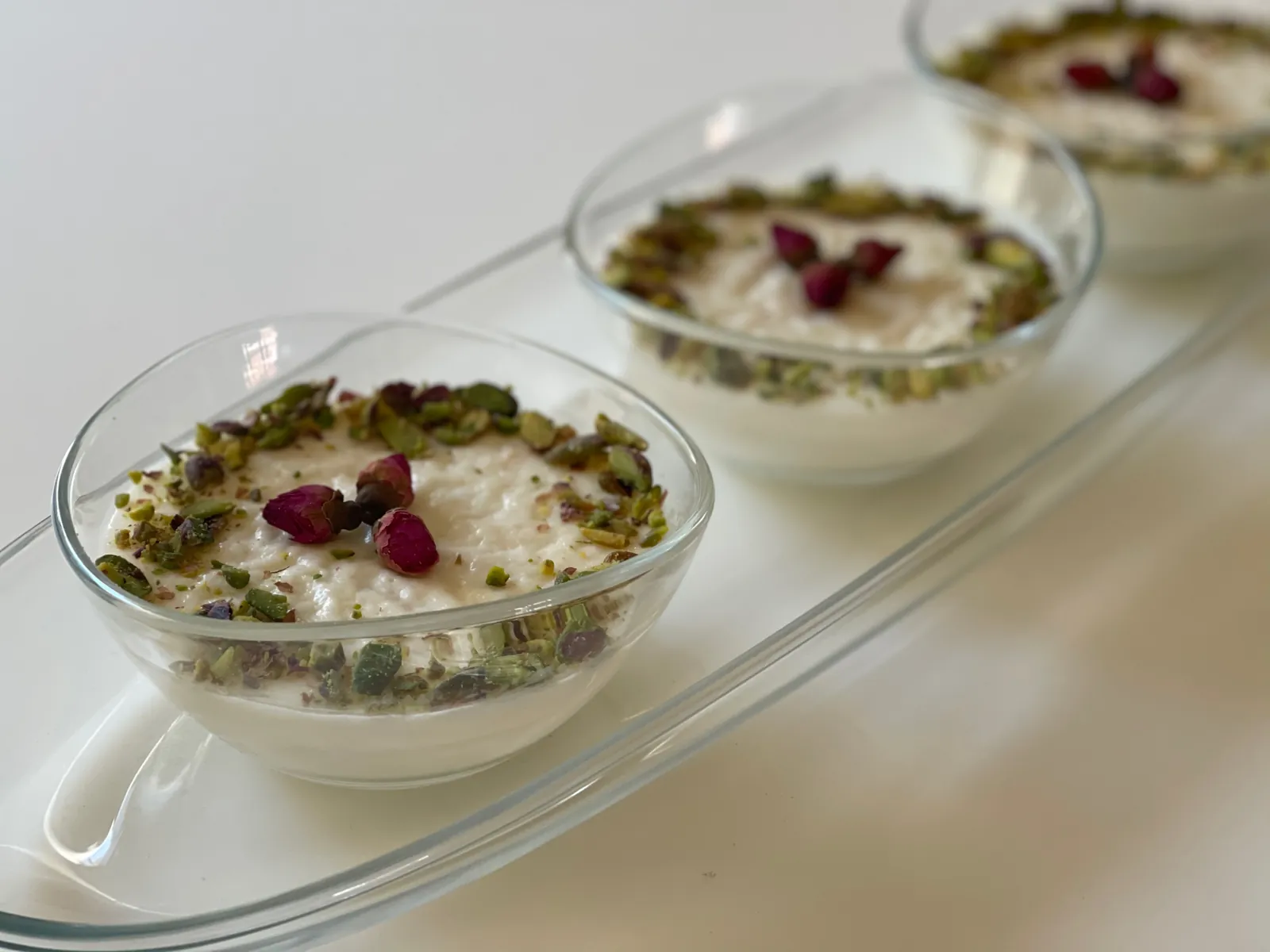
This egyptian mahalabia recipe is Egypt's chilled milk pudding: whole milk gently thickened with cornstarch, scented with orange blossom water, and set in the fridge until silky, then scattered with pistachio and rose petals. One serving is about 198 g.

Mahalabia, also spelled muhallabia, is one of the oldest desserts of the Middle East, a milk pudding thickened with starch that travelled from the Levant across Egypt and the Maghreb centuries ago. In Egypt it became the everyday chilled dessert of home kitchens and sweet shops, set in small glass bowls and topped with pistachio and rose — cool, white and gentle after a hot day. Unlike rice pudding, it contains no rice at all; the silk comes from cornstarch alone.

Pairs well with: Mint tea or Arabic coffee after a meal.

Provenance

Egypt flag Egypt

Egyptian Chilled Dessert Classic

Middle Eastern

Time Dedication

25m

10m prep • 15m cook

Batch Yield

6 Servings

222 kcal per serving

1 serving ≈ 198 g

Technical Skill

Easy

Easy (No Bake)

Meal Timing & Digestive Fit

Breakfast

Not Advised

Lunch

Inappropriate

Dinner

Inappropriate

Snack & Tea

Ideal Light Bite

Occasions: Family dessert, festive gatherings, hot-weather snack Cost: Low — about $1 per serving at home
Glass bowls of white mahalabia milk pudding topped with chopped pistachio and dried rose buds.

Egyptian Chilled Dessert Classic

Photo: Jktab, CC BY-SA 4.0, via Wikimedia Commons

The Heritage Formulary

Measured Ingredients

Estimated cost: Low — about $1 per serving at home (USD)

Good mahalabia is silky and smooth with no lumps, set firmly enough to hold its shape and scented lightly with orange blossom.

Execution Methodology & Culinary Technique

Step-by-Step Cooking Guide

Active 25m
P

Prep Stage: Measure and Mix the Starch

10 Mins • Measuring

Measure the milk, sugar and cornstarch. Whisk the cornstarch into a little of the cold milk until completely smooth, then set the pistachios, rose petals, vanilla and orange blossom water beside the stove, with six small bowls or glasses ready.

Maestro Tip: Mixing the starch into cold milk first is what keeps the pudding lump-free — starch dropped into hot milk clumps instantly.

  1. 1

    Warm the Milk with Sugar

    5 Mins Medium heat, about 80°C (175°F)

    Pour the rest of the milk into a heavy pot, stir in the sugar, and warm over medium heat until it is steaming and the sugar has dissolved. Do not let it boil.

    A heavy pot stops the milk catching on the bottom — thin pans scorch milk fast.

    Done when: The milk is steaming and the sugar has completely disappeared.

  2. 2

    Whisk in the Cornstarch

    2 Mins Medium heat, about 80°C (175°F)

    Give the cornstarch mixture a quick stir, then pour it into the warm milk in a thin stream, whisking all the time.

    Pour slowly and whisk constantly — this is the moment lumps form if you rush.

    Done when: The milk is smooth with no white streaks or lumps.

  3. 3

    Cook Until Thick and Silky

    8 Mins Medium-low heat, gentle simmer ~95°C (203°F)

    Keep cooking, stirring constantly with a wooden spoon, for about 8 minutes until the pudding thickens enough to coat the back of the spoon. Stir in the vanilla and orange blossom water and take it off the heat.

    Stir right into the corners of the pot, where the pudding thickens first and can catch.

    Done when: The pudding coats a spoon in a thick, glossy layer and falls in slow ribbons.

  4. 4

    Pour into Bowls

    3 Mins Off the heat

    Pour the hot pudding into the six bowls or glasses, dividing it evenly. Smooth the tops with the back of a spoon.

    Pouring while hot gives a perfectly smooth surface — it sets as it cools.

    Done when: Six bowls hold equal, glossy puddings with smooth tops.

  5. 5

    Chill Until Set

    240 Mins Fridge, about 4°C (39°F)

    Cover each bowl loosely and chill in the fridge for at least 4 hours, or overnight, until the pudding is cool, firm and silky.

    Do not rush the chill — a warm mahalabia is a sauce, not a pudding.

    Done when: The pudding holds its shape when the bowl is tilted and feels cool all the way through.

  6. 6

    Top and Serve Cold

    5 Mins Fridge temperature

    Scatter the chopped pistachios over the tops and finish with a few dried rose petals. Serve cold, straight from the fridge.

    Top just before serving so the pistachios stay crunchy.

    Done when: The white pudding is set, cold and topped with green pistachio and rose petals.

Finishing Touches & Plating

Serve cold with mint tea, and keep any leftovers chilled — mahalabia is at its best the day it is made.

Nutritional Physiology & Benefits

Nutrition

Energy

222

kcal / serving

Protein

6g

Complete AA

Carbs

32g

Complex

Fats

8g

Healthy

Per serving (6 servings · 1 serving ≈ 198 g)
Energy222 kcal
Protein6 g
Carbohydrates32 g
Fat8 g
Fibre0.6 g
Sugar22.3 g
Sodium72 mg
Per 100g
Energy112 kcal
Protein3.2 g
Carbohydrates16.1 g
Fat3.9 g
Fibre0.3 g
Sugar11.2 g
Sodium37 mg

Nutrition values are estimated — calculated from USDA FoodData Central values for the listed ingredients.

Vitamins & minerals: Provides calcium and vitamin B12 from the milk, plus vitamin B6 and magnesium from the pistachio topping. Nutrition is estimated.

Gentle and Easy to Digest

A simple milk pudding is soft, mild and easy on the stomach, which is why it is served to children and older people across Egypt.

Calcium in Every Bowl

Whole milk gives a good amount of calcium and protein in a light dessert that does not feel heavy after a meal.

Light, Not Rich

Set with cornstarch instead of cream or eggs, mahalabia stays light and silky rather than heavy or greasy.

Food Pairings

What to Eat With

To optimize nutrient absorption and elevate the sensory depth, pair with these authentic accompaniments:

Drinks

Mint Tea

Hot mint tea against the cold, silky pudding is the classic Egyptian contrast — refreshing and cleansing.

Arabic Coffee

A small cup of strong Arabic coffee balances the pudding's gentle sweetness and rounds off the meal.

More Pairings

Fresh Fruit

Sliced mango or orange alongside adds colour and a juicy, fresh note to the creamy pudding.

Full Menus

After Grilled Fish

Mahalabia is the natural light ending to a rich Egyptian meal — cool, mild and soothing after grilled fish or kebab.

Complete menu

After grilled fish or kebab with salad, serve mahalabia cold with mint tea to finish.

Digestive Guardrails

What NOT to Combine

To prevent digestive distress, sluggishness, or palate clash, avoid pairing the dish with these elements:

Very Sweet Drinks

The pudding is already sweet, so a sugary soda alongside adds a lot of sugar at once — tea or water suits it better. This is general guidance, not medical advice.

Leaving It Out of the Fridge

Mahalabia is a fresh milk pudding and spoils quickly at room temperature — keep it chilled and eat it within three days. This is general guidance, not medical advice.

General information only, not medical advice — consult a doctor for personal dietary decisions.

Who Should Eat It

Who Should Eat

  • General adultsA light, cooling dessert — one small bowl after a meal is the classic portion.
  • ChildrenSoft, mild and sweet; a favourite with children, served cold and in a small bowl.
  • ElderlySoft, easy to swallow and gentle on the stomach; serve a small bowl, well chilled.
  • Pregnant womenMild and easy to digest, but it contains milk and sugar — keep the portion small and ask your clinician if sugar is a concern.
  • Breastfeeding womenA gentle source of calcium and protein; keep portions modest because of the sugar.
  • AthletesLight carbs and a little protein, but more of a treat than a training food — enjoy after a meal, not before.
  • Weight gainMild and energy-giving with milk and sugar, so a full bowl with pistachios can help add calories.
  • Weight lossSweet and milky — one small bowl, cold, is enough; skip the extra honey or sugar on top.

Health Conditions — Adjust or Avoid

Conditions

  • DiabetesMilk and sugar both add sugar — keep the bowl small and ask your clinician about portion size.
  • High blood pressureLow in sodium as written, so a small bowl is usually fine — ask your clinician about portion size.
  • Kidney diseaseMilk is potassium- and phosphorus-rich, so ask your clinician whether this pudding fits your plan.
  • GoutLow in purines, so a small bowl is usually fine — ask your clinician if gout is a concern.
  • Stomach issuesA mild, smooth pudding that usually sits well; skip the orange blossom water if it bothers your stomach, and ask your clinician if symptoms persist.
  • Cardiovascular diseaseLow in fat as written, so a small bowl is a reasonable dessert choice — ask your clinician about portion size.
  • Fatty liverLight on fat and made with milk, so a small bowl is a gentle choice — ask your clinician about portion size.
  • Food allergiesContains milk and tree nuts (pistachio topping); the pudding itself is gluten-free and egg-free — ask your clinician if you have allergies.
  • Special therapeutic dietsA soft, easy-to-eat dessert that fits many therapeutic diets in small portions; ask your clinician or dietitian about your specific plan.

If you have a medical condition, consult your doctor before changing your diet.

Storage & Use

Storage & Use

How to store
Cover each bowl loosely with cling film and keep in the fridge.
In the fridge
3 days.
In the freezer
Not recommended — freezing makes the pudding watery and grainy.
How to reheat
Do not reheat; serve cold.
Freezing recommended
No.
Signs it has spoiled
Sour smell, watery layer on top, or mould.

More recipes to explore

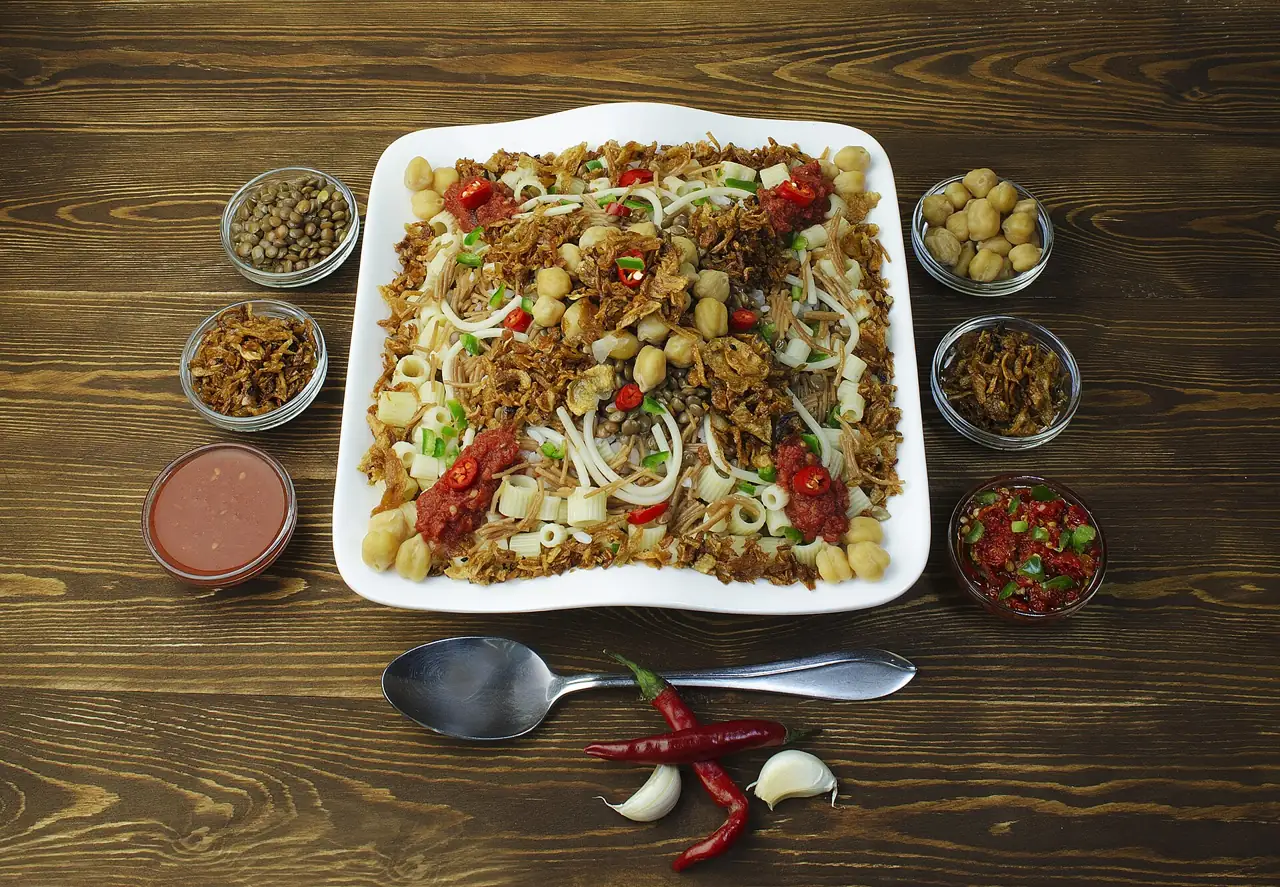
A platter of Egyptian koshari with rice, lentils, macaroni, chickpeas, crispy fried onions and tomato sauce Egypt flag Egypt 1h 15m
Dinner •Cairo Street Food

Egyptian Koshari

This egyptian koshari recipe builds Egypt's national dish at home: brown lentils and short-grain rice cooked with toasted vermicelli, layered with macaroni and chickpeas, then topped with a spiced tomato sauce, garlic vinegar and a heap of crispy fried onions. One serving is about 600 g.

Comfort & Warmth

Layers of lentils, rice and pasta with a spiced tomato sauce and crispy onions.

Pairs Well With
Garlic vinegar (daqqa), hot sauce and pickled vegetables
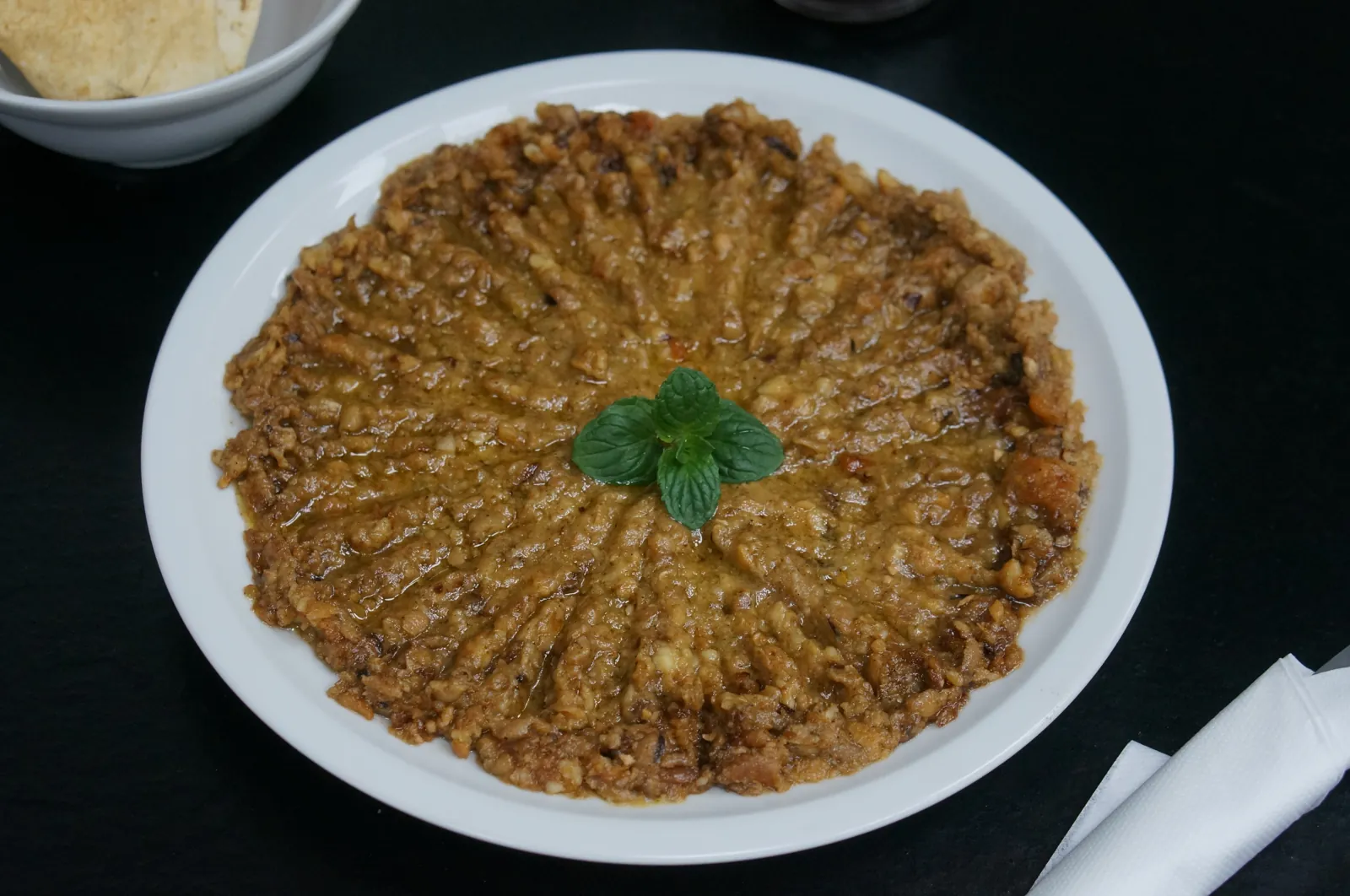
A white plate of mashed ful medames glistening with olive oil, garnished with fresh mint, with flatbread in a bowl beside it Egypt flag Egypt 1h 45m
Breakfast •Cairo Breakfast

Ful Medames

Ful medames is Egypt's beloved breakfast of fava beans simmered until soft, then lightly mashed and dressed with olive oil, lemon juice, garlic and cumin. It is creamy, tangy and deeply savoury, scooped up with warm flatbread. One serving is about 283 g.

Plant Protein & Energy

Slow-cooked fava beans with olive oil give steady energy and 15.9 g of protein per serving, with no meat at all.

Pairs Well With
Warm baladi bread, pickled vegetables and a boiled egg
High Protein
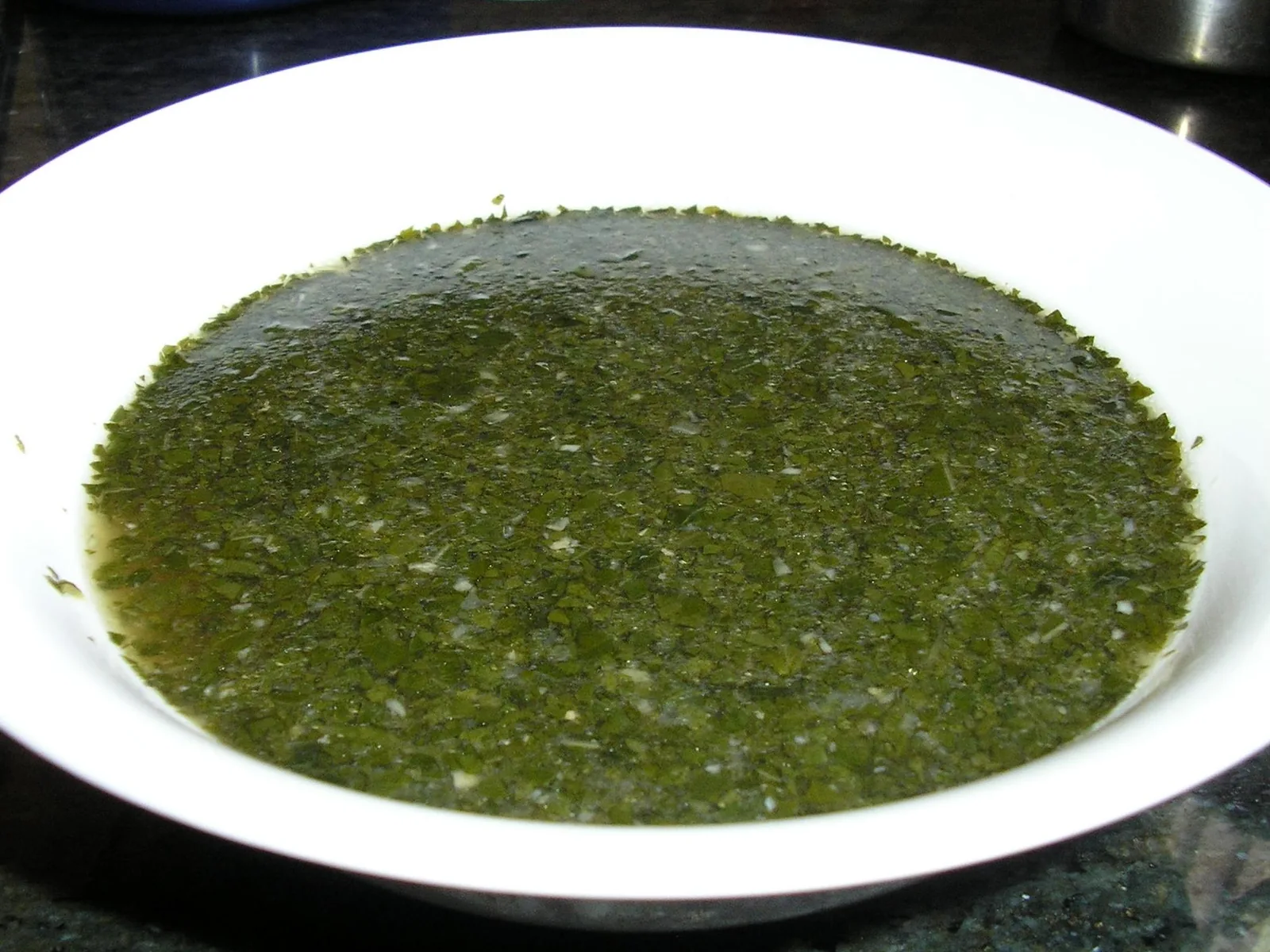
A white bowl of bright green molokhia soup made from finely chopped jute leaves Egypt flag Egypt 1h 15m
Dinner •Egyptian Family Table

Molokhia

This molokhia recipe turns finely chopped jute leaves into Egypt's beloved green soup: simmered briefly in a rich chicken broth, then finished with ta'leya — garlic and ground coriander fried in ghee until it sizzles. Ladled over white rice with a squeeze of lemon, it is slippery, garlicky and deeply comforting. One serving is about 550 g.

Comfort & Warmth

A bright green jute-leaf soup simmered in chicken broth and finished with a sizzling garlic and coriander ta'leya.

Pairs Well With
White rice, lemon wedges and browned chicken pieces
Soups & Broths
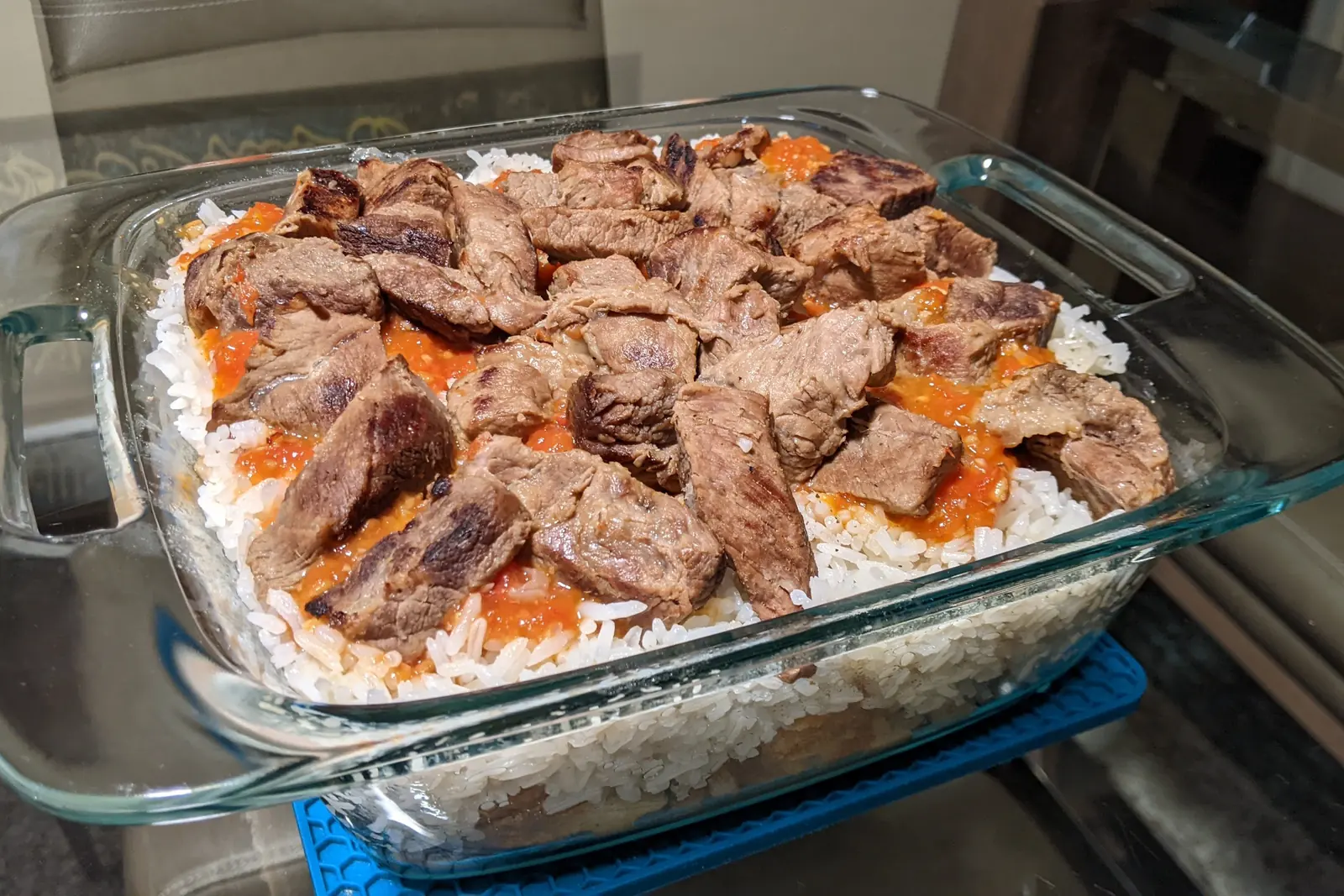
Egyptian fattah in a glass dish: white rice topped with tomato sauce and chunks of beef Egypt flag Egypt 2h 20m
Dinner •Cairo Heritage

Egyptian Fattah

Egyptian fattah is the dish Egypt celebrates with: crisp toasted bread soaked in beef broth, a deep layer of fluffy rice, tender chunks of beef, and a garlicky tomato-vinegar sauce spooned over the top. This egyptian fattah recipe is the Eid al-Adha classic — built in layers in one big dish, and carried to the table for everyone to share. One serving is about 330 g.

Feast & Celebration

Crisp bread, fluffy rice, tender beef and garlicky tomato sauce layered in one generous sharing dish.

Pairs Well With
Green salad, pickles and mint tea.
High Protein

The Dinner Gazette

Never wonder what’s for dinner again

One email a week with easy dinner ideas from around the world — ingredients, steps and nutrition, tested in our kitchen first.

Delivered every Thursday morning. Unsubscribe anytime.