Curated recipes from 193 countries  •  New seasonal Mediterranean issue out now

Overview

Egyptian Meshabek

Meshabek, Mushabak, Mshabek, Egyptian Funnel Cake, Tangled Fritters

This egyptian meshabek recipe makes the Damietta street sweet whose name means tangled: a plain flour and cornstarch batter, piped in looping tangles straight into hot oil, fried until brittle, then plunged while still hot into completely cold sugar syrup scented with lemon and rose water. It is not a dough ball and it is not a neat spiral cake — the loops are random, the crunch is the point, and the syrup soaks in within seconds without turning the fritter soft. One serving is about 135 g, roughly 2 to 3 pieces.

Meshabek — the name means tangled — is a street sweet of the Nile Delta, documented as originating in Tanta and Damietta before spreading across Egypt, and sold from sweet shops and street stalls, especially at the Mouled al-Nabawy festival. Its trick is older than any one country: a plain flour and cornstarch batter piped into tangled loops, fried until brittle, then plunged hot into cold syrup so it drinks the syrup in seconds without going soft. The same piped-fritter family appears across the region — the Aleppo mushabak uses semolina, milk and yoghurt, and the Indian jalebi, a future recipe on this site, uses a fermented maida and yoghurt batter piped into neat concentric spirals with a juicy interior. The Egyptian version is its own thing: no yoghurt, no semolina, random tangled loops, fried to a brittle snap. The hero photo is honestly titled Zlabia, the Maghrebi name for this same piped syrup-fritter form, and shows a deeper golden-orange fritter than the typically paler Egyptian meshabek.

Pairs well with: Mint tea, Arabic coffee & fresh fruit

Provenance

Egypt flag Egypt

Damietta Heritage

Middle Eastern

Time Dedication

2h 35m

130m prep • 25m cook

Batch Yield

6 Servings

402 kcal per serving

1 serving ≈ 135 g

Technical Skill

Intermediate

Medium (Piping & Frying)

Meal Timing & Digestive Fit

Breakfast

Not Advised

Lunch

Inappropriate

Dinner

Inappropriate

Snack & Tea

Ideal Light Bite

Occasions: Mouled al-Nabawy, Ramadan iftar, Eid, Family gathering, Afternoon tea, Street food Cost: Low — about $1–2 per serving at home

A glossy golden piped spiral fritter on a white plate with a red floral pattern

Damietta Heritage

Photo: Opsylac, CC BY-SA 4.0, via Wikimedia Commons

The Heritage Formulary

Measured Ingredients

Estimated cost: Low — about $1–2 per serving at home (USD)
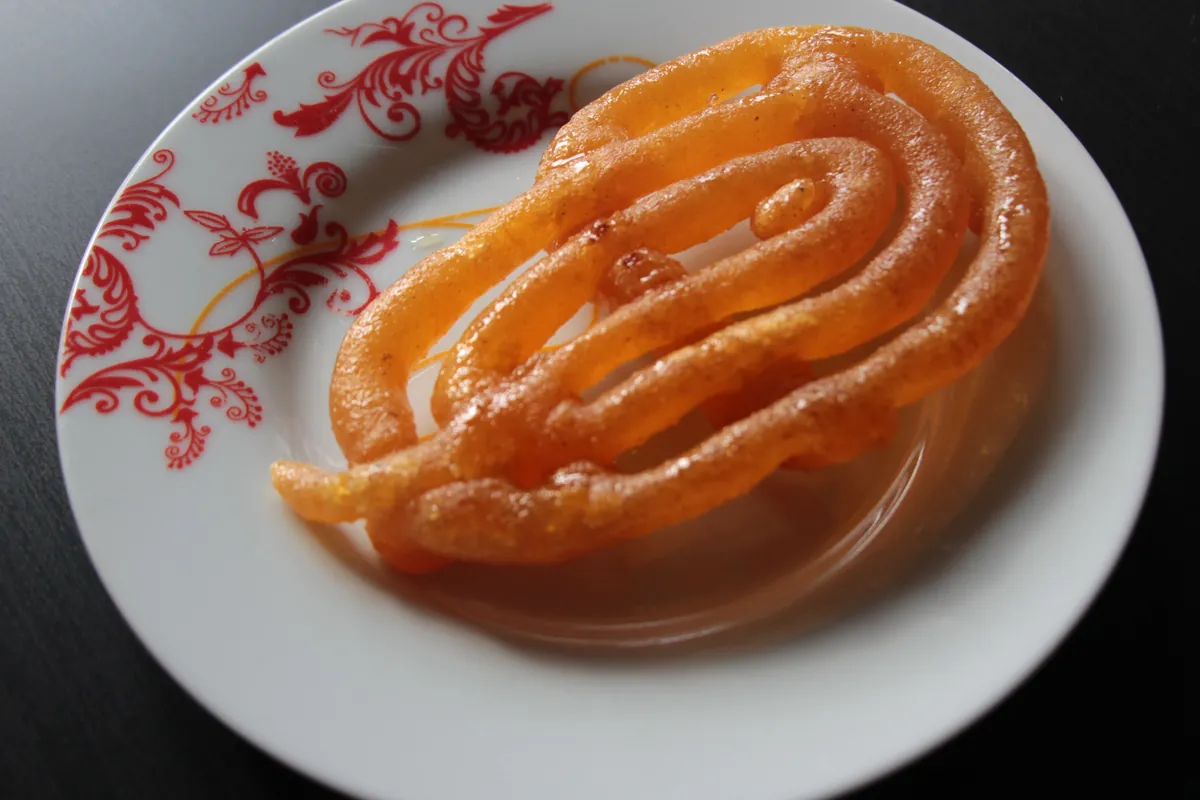
Made with a plain flour and cornstarch batter, rested 2 hours, piped into tangled loops, fried brittle and plunged hot into completely cold rose-water syrup.

Execution Methodology & Culinary Technique

Step-by-Step Cooking Guide

Active 2h 35m
P

Prep Stage: Mix the Batter & Make the Syrup

130 Mins • Mixing, Resting & Syrup

Sift the flour and cornstarch into a large bowl, stir in the sugar, yeast and salt, then pour in the warm water (about 40°C / 104°F) and the tablespoon of oil and whisk into a smooth, creamy, pourable batter. Cover and leave in a warm place for 2 hours until bubbly and slightly risen. While the batter rests, make the syrup: combine the sugar, water and lemon juice in a pan, boil for 2 minutes, then cool completely and stir in the rose water. The syrup must be completely cold before the fritters go in.

Maestro Tip: The batter should pour in a steady thread, like thick cream — too thick and it will not move through a narrow nozzle, too thin and the loops will not hold. The syrup can be made a day ahead and kept in the fridge; cold syrup is not a detail, it is the whole technique.

  1. 1

    Make the Syrup & Cool It Completely

    10 Mins Boil, then cool to room temperature, ~20°C (68°F)

    Put the 400 g sugar, 200 ml water and lemon juice in a saucepan, stir once, and bring to a boil. Boil for 2 minutes without stirring, then take off the heat and leave until completely cold — at least 30 minutes, or chill it in the fridge. Stir in the rose water only once the syrup is cold.

    The lemon juice stops the sugar crystallising as the syrup cools. Warm syrup is the one mistake that ruins meshabek: it soaks in slowly and leaves the fritters limp instead of brittle.

    Done when: The syrup is clear, slightly thick, and completely cold to the touch.

  2. 2

    Mix the Batter & Let It Rest

    120 Mins Warm place, ~30°C (86°F)

    Sift the flour and cornstarch into a large bowl, stir in the sugar, yeast and salt, then pour in the warm water and the tablespoon of oil. Whisk for 3 minutes into a smooth, creamy, lump-free batter that pours in a steady thread. Cover with a damp cloth and leave in a warm place for 2 hours until bubbly and slightly risen.

    Do not rush the rest: the 2 hours of fermentation give the batter its light, airy fry and its faint tang. If the kitchen is cool, put the bowl in the oven with just the light on.

    Done when: The batter is full of small bubbles, has risen slightly, and pours like thick cream.

  3. 3

    Heat the Oil

    5 Mins 175°C (350°F)

    Pour the frying oil into a deep, heavy pan and heat to 175°C (350°F). Test with a drop of batter: it should rise to the surface at once and sizzle hard. Spoon the batter into a piping bag fitted with a plain narrow round tip, or a sturdy plastic bag with a small corner cut off.

    Use a thermometer, not a guess — oil below 170°C (340°F) gives greasy loops, and oil above 185°C (365°F) browns the outside before the inside dries out and turns brittle.

    Done when: The oil shimmers and a test drop of batter sizzles and rises immediately.

  4. 4

    Pipe the Tangled Loops & Fry Until Brittle

    15 Mins 175°C (350°F)

    Pipe the batter straight into the hot oil in overlapping loops and tangles, letting the thread cross over itself at random — the name means tangled, so neat spirals are not the aim. Fry 2 to 3 pieces at a time for 2 to 3 minutes per side, turning once, until deep golden and crisp all the way through. Lift out with a slotted spoon and let the oil drip off for a few seconds.

    Work in small batches so the oil stays hot, and keep the nozzle moving — a slow, steady thread makes the thin loops that fry brittle. If a loop looks pale and soft, it needs longer; meshabek should snap, not bend.

    Done when: The loops are deep golden, crisp and brittle, and snap cleanly when broken.

  5. 5

    Plunge Hot into Cold Syrup & Serve

    5 Mins Serve warm, above 60°C (140°F)

    Drop the hot fritters straight from the oil into the completely cold syrup, turn once so every loop is coated, and lift them out after a few seconds — seconds, not minutes. Lay them in a single layer on a clean dry plate, do not stack them while warm, and serve at once.

    Hot into cold is the whole trick: the brittle loops drink the syrup in seconds without going soft. Leave them in the syrup too long and they soften; stack them warm and they fuse into one mass.

    Done when: Each piece is glossy with syrup but still crisp and brittle to the bite.

Finishing Touches & Plating

Lay the syrup-glazed loops in a single layer on a clean dry plate and serve within the hour, while they are still warm, glossy and brittle, with mint tea or Arabic coffee.

Nutritional Physiology & Benefits

Nutrition

Energy

402

kcal / serving

Protein

5g

Complete AA

Carbs

72g

Complex

Fats

10g

Healthy

Per serving (6 servings · 1 serving ≈ 135 g)
Energy402 kcal
Protein5 g
Carbohydrates72 g
Fat10 g
Fibre1.5 g
Sugar22.2 g
Sodium197 mg
Per 100g
Energy299 kcal
Protein3.4 g
Carbohydrates53.8 g
Fat7.6 g
Fibre1.1 g
Sugar16.5 g
Sodium146 mg

Nutrition values are estimated — calculated from USDA FoodData Central values for the listed ingredients.

Vitamins & minerals: B vitamins (flour and yeast), small amounts of iron (flour), vitamin C in traces (lemon juice). Nutrition values are estimated.

A Simple, Plant-Based Sweet

The batter is just flour, cornstarch, yeast, sugar, water and oil, and the syrup is sugar, lemon and rose water — no egg, no dairy and no honey, so the sweet is fully vegan as made.

Quick Energy for a Celebration

About 72 g of carbohydrate per serving gives fast energy, which is why meshabek is a festive sweet, sold at street stalls and eaten at Mouled al-Nabawy celebrations.

No Additives, No Colouring

The deep golden colour comes from frying alone — there are no artificial colours or flavours in the batter or the syrup.

Food Pairings

What to Eat With

To optimize nutrient absorption and elevate the sensory depth, pair with these authentic accompaniments:

Drinks

Mint Tea

Hot mint tea is the classic street-stall partner: its warmth and fresh mint cut the syrup's sweetness and cleanse the palate between crisp, sticky pieces.

Arabic Coffee (Gahwa)

Lightly spiced Arabic coffee gives a bitter, fragrant contrast to the sweet rose syrup, and its cardamom echoes the floral note of the syrup.

Vegetables

Fresh Fruit

Cool, tart fruit such as orange segments or pomegranate adds acidity and freshness that balances the fried, syrup-soaked richness.

More Pairings

Plain Yoghurt (for non-vegan tables)

A spoonful of cool plain yoghurt on the side gives a tangy, creamy contrast to the hot, crisp loops — a common way to temper very sweet fried desserts.

Complete menu

Serve meshabek after a light Egyptian dinner, with hot mint tea or Arabic coffee, and fresh orange segments or pomegranate to balance the sweetness.

Digestive Guardrails

What NOT to Combine

To prevent digestive distress, sluggishness, or palate clash, avoid pairing the dish with these elements:

Another Very Sweet Dessert or Sugary Drink

Meshabek are already soaked in sugar syrup, so a second very sweet dessert or a sugary soft drink on top adds a large dose of sugar to one sitting. This is general information, not medical advice.

A Whole Plate on an Empty Stomach

Eating a large plate of fried, syrup-soaked fritters on an empty stomach can feel heavy and cause a quick sugar spike; have a few after a meal instead. This is general information, not medical advice.

General information only, not medical advice — consult a doctor for personal dietary decisions.

Who Should Eat It

Who Should Eat

  • General adultsA crisp, festive sweet for sharing — best eaten warm, a few pieces at a time, with mint tea.
  • ChildrenChildren love the crunchy golden loops; serve a few at a time, as the syrup is sticky and very sweet, and supervise young children with the sticky pieces.
  • ElderlyCrisp and easy to bite when fresh, but very sweet, so a small portion with tea is the right amount.
  • Pregnant womenSafe when the batter is fried through and the syrup is fresh; keep the portion small because of the sugar.
  • Breastfeeding womenA small, sweet treat with tea is fine; it is an occasional dessert, not a meal.
  • AthletesQuick carbohydrate after training, but low in protein, so pair with a proper meal rather than relying on it.
  • Weight gainEnergy-dense and easy to eat, so a generous plate helps add calories.
  • Weight lossVery high in sugar and fried, so take just a few pieces and enjoy them slowly; a whole plate is a lot of calories.

Health Conditions — Adjust or Avoid

Conditions

  • DiabetesVery high in sugar at about 22 g per serving, so take only a few pieces and check with your clinician about portions.
  • High blood pressureSodium is moderate at about 197 mg per serving; the main concern is the sugar, not the salt; ask your clinician.
  • Kidney diseaseLow in protein and potassium, but high in sugar, so a small portion is the safest choice; ask your clinician.
  • GoutNo meat or seafood, so purines are not the issue; the sugar load is the main concern, so keep portions small.
  • Stomach issuesFried food can be heavy on a sensitive stomach; eat a few pieces, well chewed, and avoid eating them late at night.
  • Cardiovascular diseaseDeep-fried and high in sugar, so this is an occasional treat rather than a regular one; ask your clinician.
  • Fatty liverHigh in sugar and fried, so keep the portion small and infrequent; ask your clinician.
  • Food allergiesContains gluten (wheat). Free of egg, milk, nuts and sesame as made; check the rose water label for additives.
  • Special therapeutic dietsVegan and halal by ingredients; not suitable for gluten-free, dairy-free (if served with yoghurt), low-sugar or diabetic diets without adjustment, so ask your clinician.

If you have a medical condition, consult your doctor before changing your diet.

Storage & Use

Storage & Use

How to store
Cool completely and store in a single layer in a loosely covered container at room temperature.
In the fridge
Not recommended — the cold makes the syrup weep and the loops go soft.
In the freezer
Not recommended; the syrup makes them soggy on thawing.
How to reheat
Warm in a hot oven at 180°C (350°F) for 2 to 3 minutes to re-crisp; the pieces must reach 74°C (165°F) if reheating leftovers. Do not microwave.
Freezing recommended
No — fry fresh; the batter can be kept in the fridge for up to 24 hours instead.
Signs it has spoiled
Sour smell, mould, or a sticky, slimy surface.

More recipes to explore

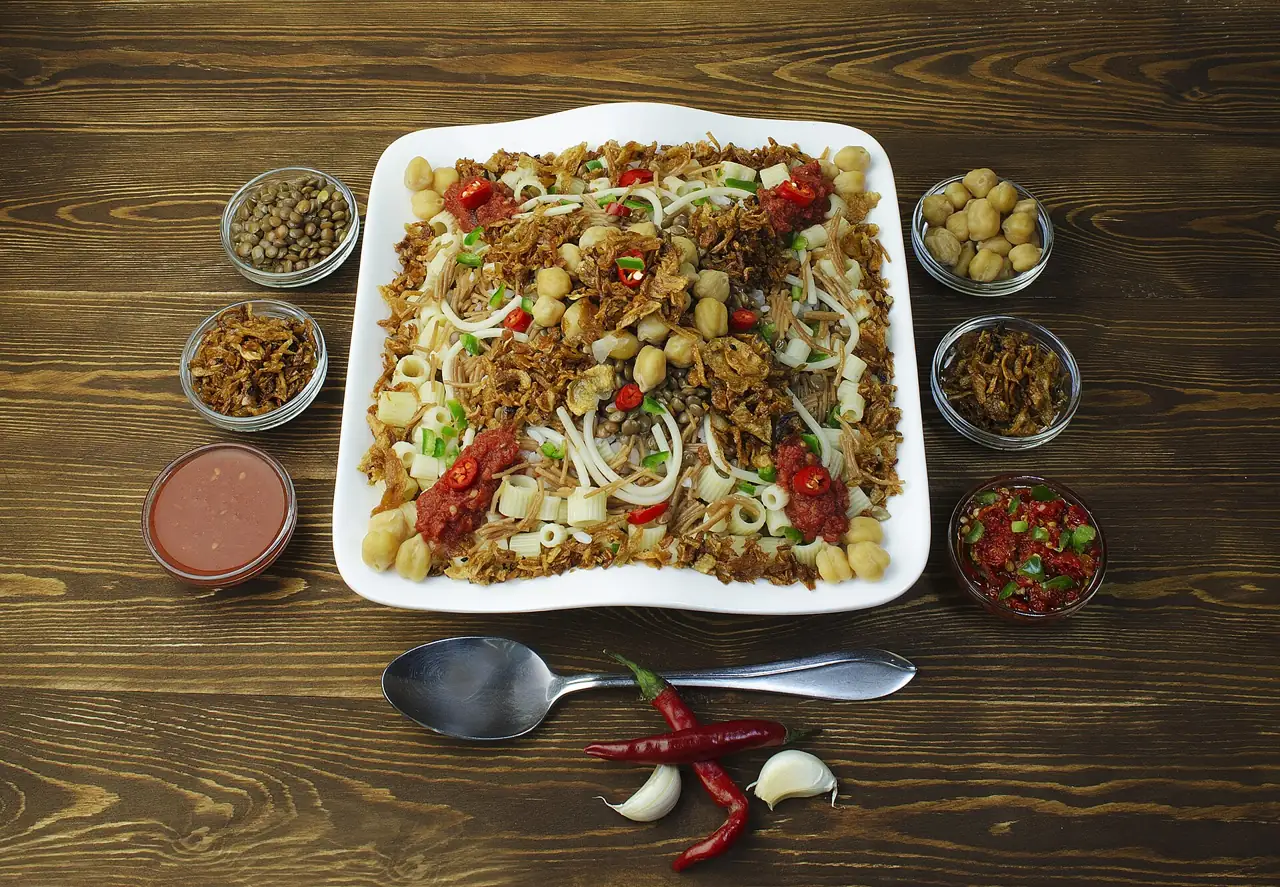
A platter of Egyptian koshari with rice, lentils, macaroni, chickpeas, crispy fried onions and tomato sauce Egypt flag Egypt 1h 15m
Dinner •Cairo Street Food

Egyptian Koshari

This egyptian koshari recipe builds Egypt's national dish at home: brown lentils and short-grain rice cooked with toasted vermicelli, layered with macaroni and chickpeas, then topped with a spiced tomato sauce, garlic vinegar and a heap of crispy fried onions. One serving is about 600 g.

Comfort & Warmth

Layers of lentils, rice and pasta with a spiced tomato sauce and crispy onions.

Pairs Well With
Garlic vinegar (daqqa), hot sauce and pickled vegetables
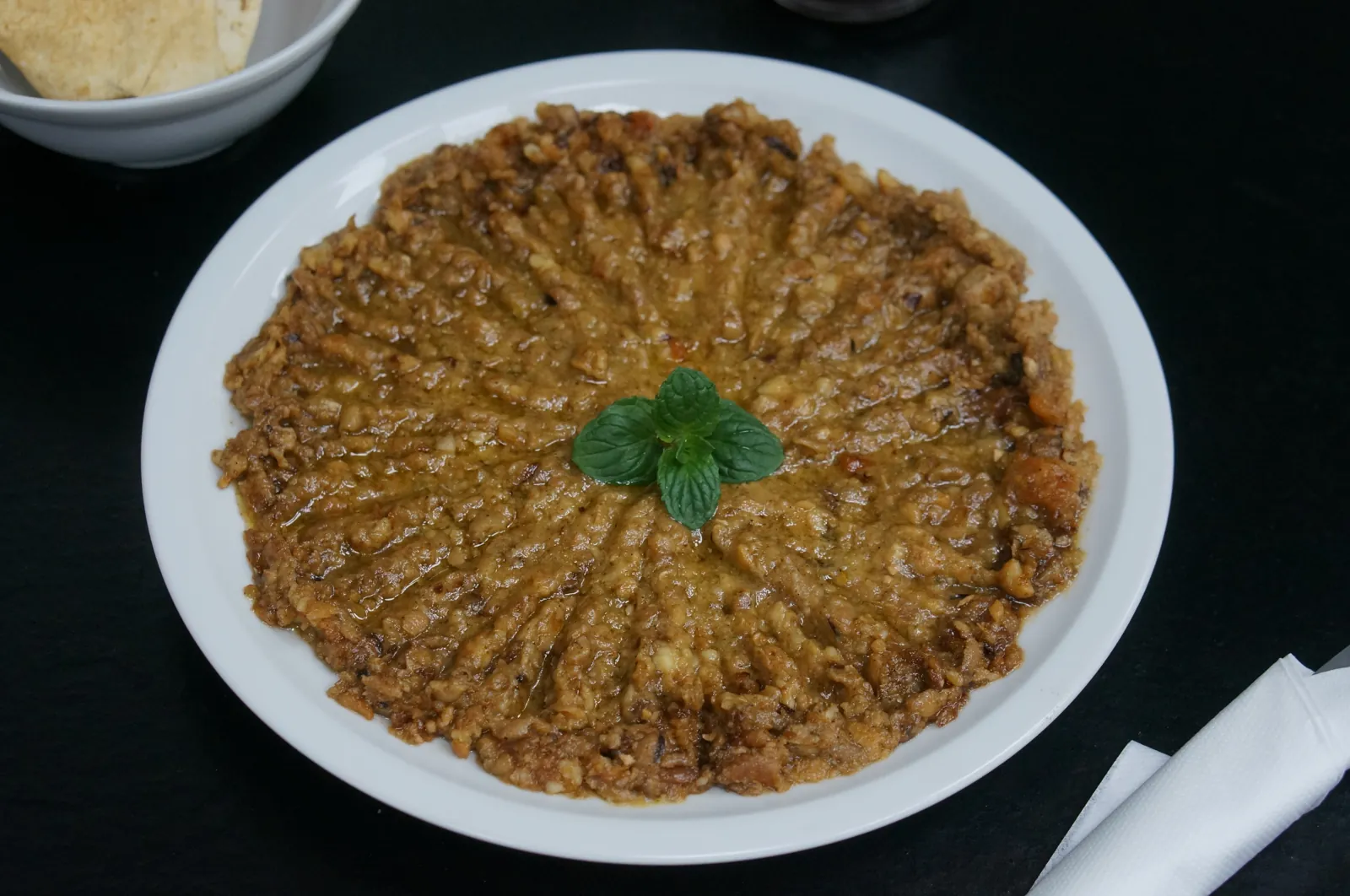
A white plate of mashed ful medames glistening with olive oil, garnished with fresh mint, with flatbread in a bowl beside it Egypt flag Egypt 1h 45m
Breakfast •Cairo Breakfast

Ful Medames

Ful medames is Egypt's beloved breakfast of fava beans simmered until soft, then lightly mashed and dressed with olive oil, lemon juice, garlic and cumin. It is creamy, tangy and deeply savoury, scooped up with warm flatbread. One serving is about 283 g.

Plant Protein & Energy

Slow-cooked fava beans with olive oil give steady energy and 15.9 g of protein per serving, with no meat at all.

Pairs Well With
Warm baladi bread, pickled vegetables and a boiled egg
High Protein
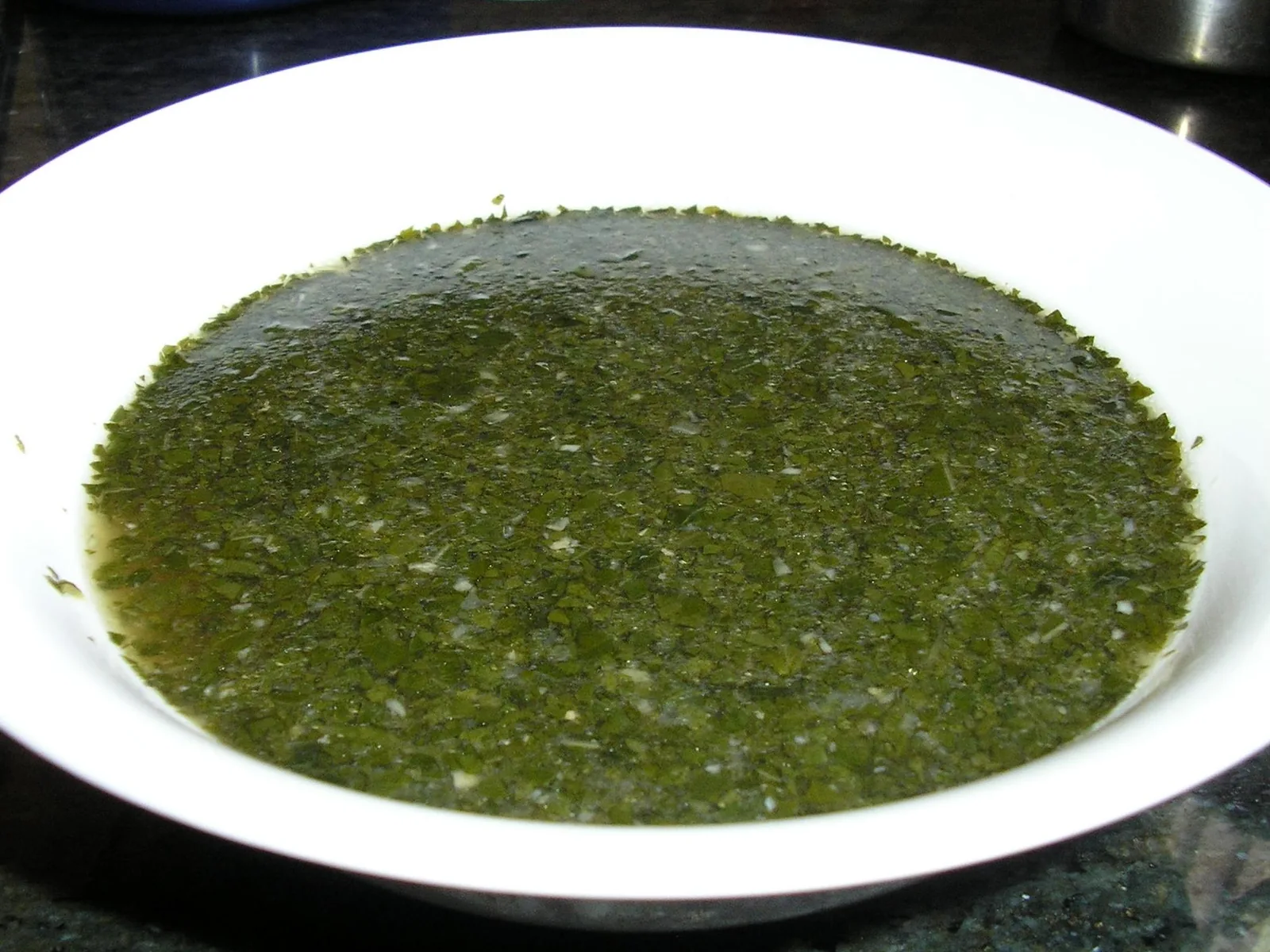
A white bowl of bright green molokhia soup made from finely chopped jute leaves Egypt flag Egypt 1h 15m
Dinner •Egyptian Family Table

Molokhia

This molokhia recipe turns finely chopped jute leaves into Egypt's beloved green soup: simmered briefly in a rich chicken broth, then finished with ta'leya — garlic and ground coriander fried in ghee until it sizzles. Ladled over white rice with a squeeze of lemon, it is slippery, garlicky and deeply comforting. One serving is about 550 g.

Comfort & Warmth

A bright green jute-leaf soup simmered in chicken broth and finished with a sizzling garlic and coriander ta'leya.

Pairs Well With
White rice, lemon wedges and browned chicken pieces
Soups & Broths
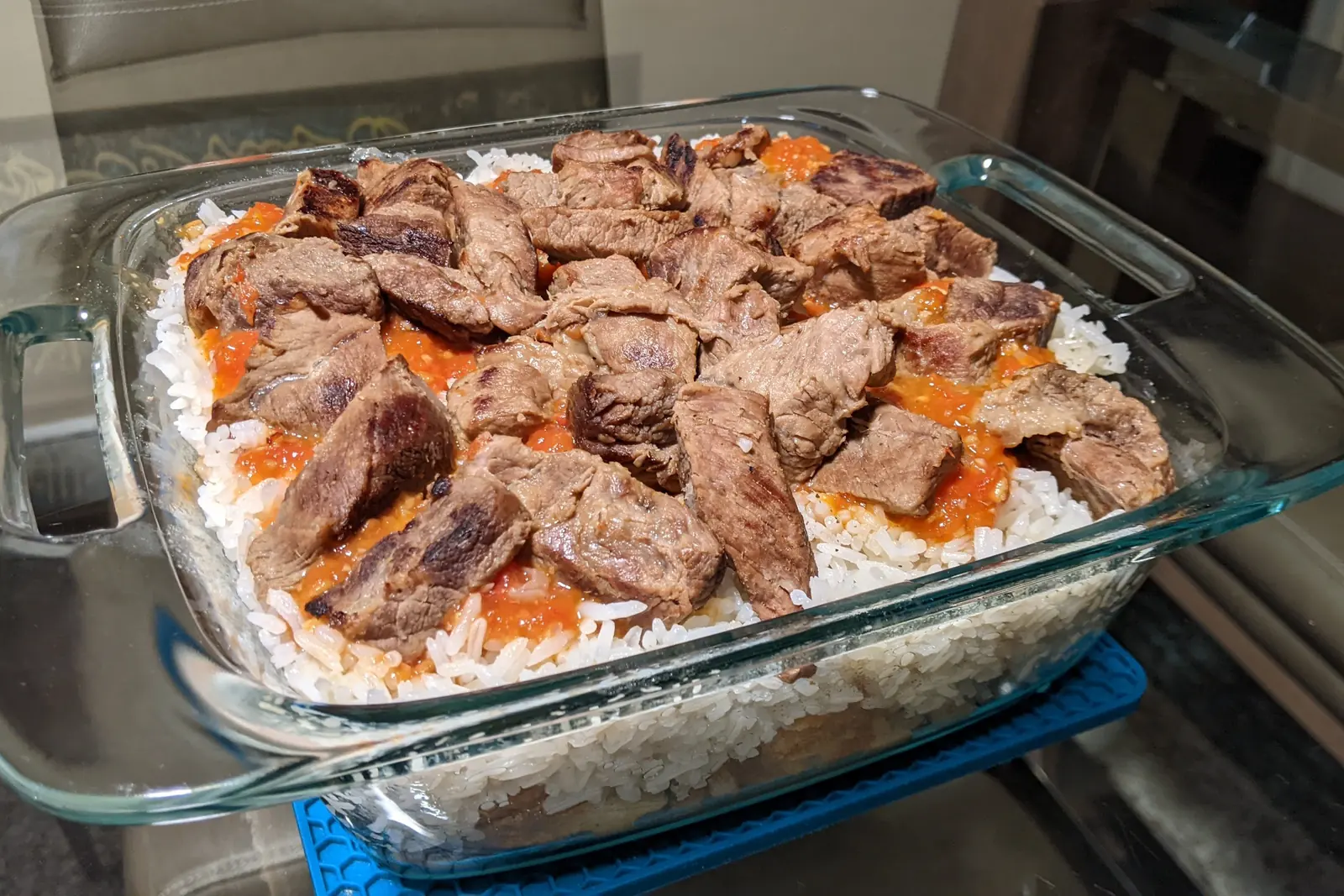
Egyptian fattah in a glass dish: white rice topped with tomato sauce and chunks of beef Egypt flag Egypt 2h 20m
Dinner •Cairo Heritage

Egyptian Fattah

Egyptian fattah is the dish Egypt celebrates with: crisp toasted bread soaked in beef broth, a deep layer of fluffy rice, tender chunks of beef, and a garlicky tomato-vinegar sauce spooned over the top. This egyptian fattah recipe is the Eid al-Adha classic — built in layers in one big dish, and carried to the table for everyone to share. One serving is about 330 g.

Feast & Celebration

Crisp bread, fluffy rice, tender beef and garlicky tomato sauce layered in one generous sharing dish.

Pairs Well With
Green salad, pickles and mint tea.
High Protein

The Dinner Gazette

Never wonder what’s for dinner again

One email a week with easy dinner ideas from around the world — ingredients, steps and nutrition, tested in our kitchen first.

Delivered every Thursday morning. Unsubscribe anytime.