

Curated recipes from 193 countries  •  New seasonal Mediterranean issue out now

Overview

Emirati Khameer

Khamir, Khamyir

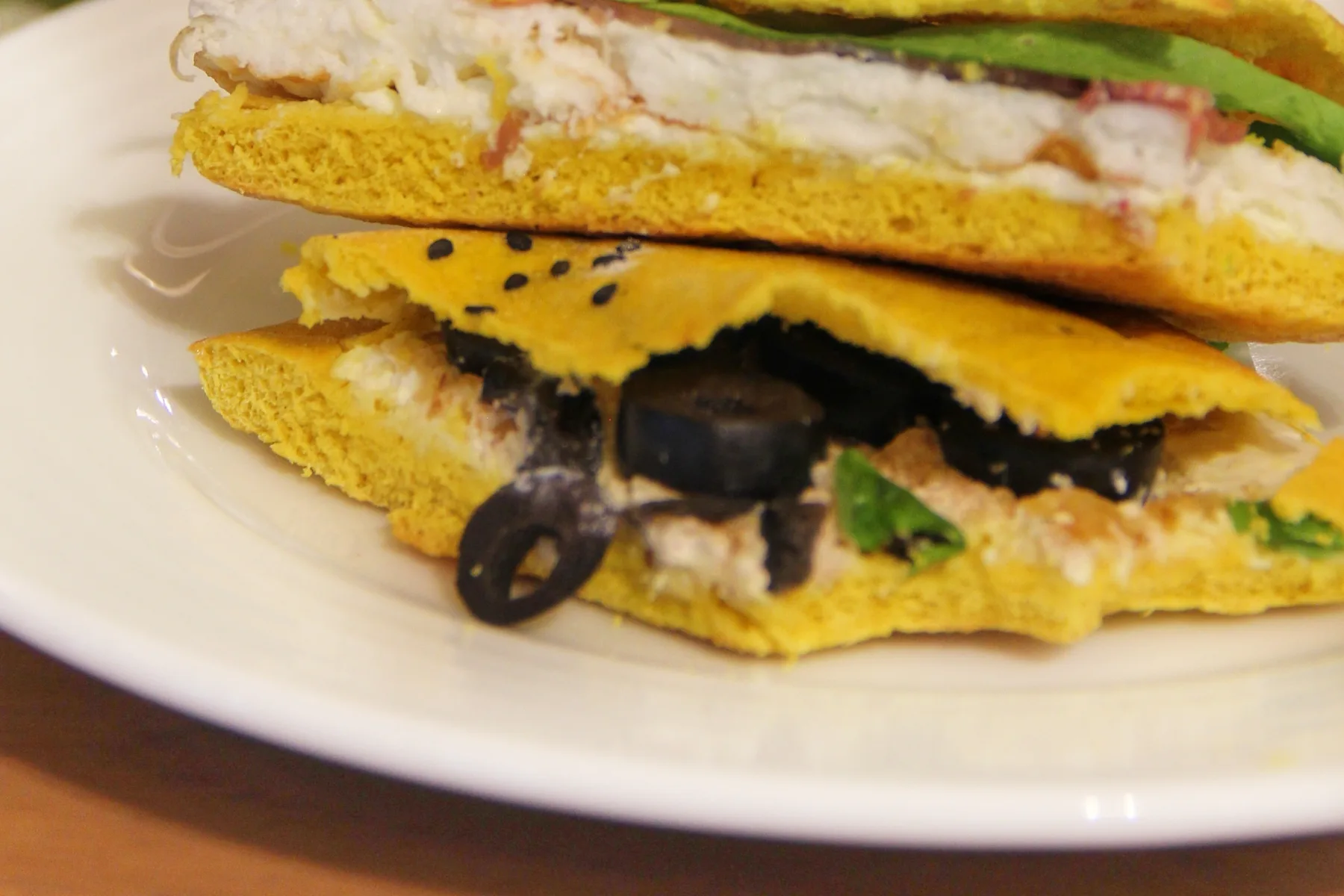
This emirati khameer recipe makes 8 golden, saffron-scented flatbreads, soft and pillowy inside with a gently sweet, spiced crumb from dates, cardamom and a pinch of saffron. The dough is mixed and kneaded by hand, left to rise until doubled, then rolled thin, brushed with milk, scattered with sesame and nigella seeds and baked until puffed and golden. Tear it open while it is still warm and fill it with cream cheese, drizzle it with honey, or scoop up labneh and olives. One serving is about 102 g, one warm flatbread.

Khameer takes its name from the Arabic word khamr, meaning fermented, because yeast is what gives the bread its pillowy rise. It is a traditional Emirati breakfast bread, long baked in hot stone ovens in the Gulf, and it is still served at family breakfasts, at iftar during Ramadan and at national celebrations — usually warm, with cheese and honey on the table.

Pairs well with: Cream cheese and honey, with karak tea

Provenance

United Arab Emirates flag United Arab Emirates

Emirati Heritage

Middle Eastern

Time Dedication

1h 40m

85m prep • 15m cook

Batch Yield

8 Servings

342 kcal per serving

1 serving ≈ 102 g

Technical Skill

Intermediate

Intermediate (Yeasted Dough)

Meal Timing & Digestive Fit

Breakfast

Prime Morning Fit

Lunch

Inappropriate

Dinner

Inappropriate

Snack & Tea

Inappropriate

Occasions: Emirati breakfasts, Ramadan iftar, family weekends, National Day gatherings Cost: Low — about $0.60 per serving at home
Two folded golden saffron khameer flatbreads filled with white cheese, black olives and herbs, sprinkled with nigella seeds, on a white plate

Emirati Heritage

Photo: Jasmine57, CC BY-SA 4.0, via Wikimedia Commons

The Heritage Formulary

Measured Ingredients

Estimated cost: Low — about $0.60 per serving at home (USD)

A good khameer is judged by its crumb: soft, lightly sweet and scented with saffron and cardamom, golden on top and never dry.

Execution Methodology & Culinary Technique

Step-by-Step Cooking Guide

Active 1h 40m
P

Prep Stage: Saffron Milk & Dry Mix

15 Mins • Bowls & Scale

Warm the milk to about 40°C (104°F), crumble in the saffron and stir in the date syrup and rose water so the colour and sweetness are evenly spread. In a large bowl, whisk the flour, milk powder, sugar, salt, cardamom and yeast together, then pour in the saffron milk and melted ghee. This is the whole foundation of the bread — get the milk temperature right and the yeast will do the rest.

Maestro Tip: If the milk feels hot on your wrist, wait: milk above 45°C (113°F) can kill the yeast and the dough will never rise.

  1. 1

    Mix and Knead the Dough

    15 Mins Warm milk, about 40°C (104°F)

    Pour the saffron milk and melted ghee into the dry ingredients and stir with a wooden spoon until a shaggy dough forms. Turn it onto a lightly floured surface and knead for 8 to 10 minutes, pushing and folding, until the dough is smooth, soft and elastic and springs back when poked. It should feel tacky but not sticky; add milk a teaspoon at a time if it is stiff, or flour a teaspoon at a time if it clings to your hands.

    A well-kneaded dough is the difference between a pillowy khameer and a dense one — do not rush the 10 minutes.

    Done when: The dough is smooth, springs back when poked, and no longer tears when stretched.

  2. 2

    Let the Dough Rise

    1 Hour Warm spot, about 25–30°C (77–86°F)

    Shape the dough into a ball, place it in a lightly oiled bowl and turn it once to coat. Cover with a clean cloth or cling film and leave in a warm, draft-free spot for about 1 hour, until doubled in size. On a cold day this can take 15 minutes longer; in a warm kitchen it may be ready sooner.

    The inside of a switched-off oven with the light on is a perfect warm spot for rising dough.

    Done when: The dough has doubled in size and a fingertip pressed in leaves a dent that fills back only slowly.

  3. 3

    Shape and Scatter the Seeds

    10 Mins Oven preheating to 200°C (400°F)

    Punch the risen dough down gently and divide it into 8 equal pieces. Roll each piece into a ball, then flatten it with your hands or a rolling pin into a round about 20 cm (8 in) across and 0.5 cm (0.2 in) thick. Place the rounds on two lined baking trays, brush the tops with milk and scatter over the sesame and nigella seeds, pressing them in lightly so they stay put.

    Keep the rounds even in thickness — thin spots over-brown while thick middles stay doughy.

    Done when: Eight even rounds, each about 20 cm across, with seeds pressed into the milk-brushed tops.

  4. 4

    Bake Until Golden

    12 Mins 200°C (400°F)

    Bake both trays at 200°C (400°F) for 10 to 12 minutes, swapping the trays halfway if your oven has hot spots, until the breads are puffed, golden on top and sound hollow when tapped underneath. Some may puff up like little pillows and settle as they cool — that is normal for khameer.

    Do not open the oven in the first 5 minutes; the early heat is what makes the breads puff.

    Done when: Golden tops, lightly browned edges, and a hollow tap underneath.

  5. 5

    Brush with Ghee and Serve Warm

    3 Mins Breads fresh from the oven

    As soon as the breads leave the oven, brush them generously with melted ghee and stack them under a clean cloth for a few minutes — the steam keeps them soft. Serve warm, folded around cream cheese with a drizzle of honey, or torn into pieces for scooping.

    The cloth rest is not optional: it is what keeps the crust soft instead of crisp.

    Done when: The breads are glossy with ghee, soft to the touch, and warm through.

Finishing Touches & Plating

Serve the khameer warm, folded around cream cheese with honey drizzled over, or torn into pieces beside labneh, olives and karak tea. Eat it the same morning for the softest crumb.

Nutritional Physiology & Benefits

Nutrition

Energy

342

kcal / serving

Protein

9g

Complete AA

Carbs

58g

Complex

Fats

8g

Healthy

Per serving (8 servings · 1 serving ≈ 102 g)
Energy342 kcal
Protein9 g
Carbohydrates58 g
Fat8 g
Fibre2.2 g
Sugar8.9 g
Sodium314 mg
Per 100g
Energy336 kcal
Protein8.5 g
Carbohydrates56.5 g
Fat8.1 g
Fibre2.2 g
Sugar8.7 g
Sodium307 mg

Nutrition values are estimated — calculated from USDA FoodData Central values for the listed ingredients.

Vitamins & minerals: B vitamins and iron (flour and yeast), calcium (milk), vitamin E (sesame seeds), and small amounts of potassium and magnesium (dates). Nutrition is estimated.

Steady Morning Energy

Each bread gives about 58 g of carbohydrate from wheat and dates, with 8.6 g of protein — a filling start that keeps you going through the morning.

A Little Calcium and B Vitamins

Milk, milk powder and yeast bring calcium and B vitamins, and the sesame seeds add small amounts of vitamin E and minerals.

Gentle Fibre from Dates and Seeds

About 2.2 g of fibre per bread from the flour, dates and seeds supports normal digestion as part of a varied diet.

Food Pairings

What to Eat With

To optimize nutrient absorption and elevate the sensory depth, pair with these authentic accompaniments:

Sides

Cream Cheese and Honey

The classic Emirati way to eat khameer: cool, salty-sour cream cheese against the warm, lightly sweet bread, with honey tying the two together.

Drinks

Karak Tea

Strong, milky, cardamom-spiced karak tea is the breakfast drink of the Gulf, and its warmth and spice echo the cardamom already in the bread.

Vegetables

Labneh, Olives and Cucumber

Thick labneh and briny olives turn the bread into a savoury breakfast, and the cool cucumber cuts through the ghee-brushed richness.

Full Menus

Balaleet on Feast Mornings

On celebration mornings khameer is served beside balaleet, sweet saffron vermicelli with egg — the two dishes share saffron and cardamom, so the table tastes of one kitchen.

Complete menu

Start with warm khameer folded around cream cheese and honey, with karak tea to drink; add labneh, olives and cucumber on the side, and fresh dates to finish.

Digestive Guardrails

What NOT to Combine

To prevent digestive distress, sluggishness, or palate clash, avoid pairing the dish with these elements:

Very Sugary Drinks Alongside

The bread already carries sugar from dates and honey is often drizzled on top, so a sweetened soft drink or sugary juice adds a large sugar load in one sitting. Plain water or unsweetened karak tea is the better match. This is general information, not medical advice.

Heavily Salted Foods at the Same Meal

One bread already contains about 314 mg of sodium from the salt in the dough, so piling on very salty cured meats or salty cheese spreads pushes the meal's sodium up fast. Keep salty accompaniments modest. This is general information, not medical advice.

General information only, not medical advice — consult a doctor for personal dietary decisions.

Who Should Eat It

Who Should Eat

  • General adultsA complete, satisfying breakfast — one or two breads with cheese and honey, plus tea.
  • ChildrenSuitable for children; the soft crumb is easy to chew. Serve one bread torn into pieces, with less honey for younger children.
  • ElderlyGood choice — soft, warm and easy to chew; pair with labneh or soft cheese rather than tough fillings.
  • Pregnant womenGenerally suitable; the bread is fully baked and the ingredients are ordinary pantry foods. Keep honey moderate.
  • Breastfeeding womenGenerally suitable; the milk, dates and seeds add energy and calcium. Drink plenty of water alongside.
  • AthletesA useful pre-training breakfast: fast carbohydrate from the bread and dates, eaten 1 to 2 hours before exercise with a little protein.
  • Weight gainA good choice — eat two breads with cheese, honey and a glass of milk for extra energy.
  • Weight lossEat one bread with labneh and cucumber instead of honey and cheese, and skip the second helping.

Health Conditions — Adjust or Avoid

Conditions

  • DiabetesOne bread carries about 58 g of carbohydrate, so keep to one bread, skip the honey, and pair it with protein such as labneh or egg. Ask your clinician about portion size.
  • High blood pressureEach bread has about 314 mg of sodium; keep to one bread and avoid salty accompaniments such as cured meats. Ask your clinician about portion size.
  • Kidney diseaseThe bread contains sodium and potassium from milk and dates; eat a smaller portion and ask your clinician whether it fits your diet.
  • GoutKhameer itself is low in purines, but avoid pairing it with organ meats or very rich meat dishes. Ask your clinician if you are unsure.
  • Stomach issuesThe soft, warm bread is usually gentle, but the spices and ghee can bother a sensitive stomach — eat a small portion and skip extra honey if your stomach is unsettled. Ask your clinician if symptoms persist.
  • Cardiovascular diseaseKeep to one bread, go easy on the ghee brushing and choose low-fat cheese instead of full-fat spreads. Ask your clinician about portion size.
  • Fatty liverKeep the portion to one bread, skip the honey, and favour savoury fillings such as labneh and vegetables. Ask your clinician about portion size.
  • Food allergiesContains wheat (gluten), milk (milk powder, ghee and the milk wash) and sesame seeds; nigella seeds are also present. Do not eat this bread if you have a wheat, milk or sesame allergy — ask your clinician about safe alternatives.
  • Special therapeutic dietsIf you follow a prescribed low-sodium, low-carbohydrate or gluten-free diet, this bread does not fit as written — ask your clinician or dietitian before eating it.

If you have a medical condition, consult your doctor before changing your diet.

Storage & Use

Storage & Use

How to store
Cool completely, then wrap in a clean cloth or store in an airtight container or bag.
In the fridge
Up to 4 days in an airtight container; warm before serving.
In the freezer
Up to 2 months, wrapped tightly in cling film inside a freezer bag.
How to reheat
Warm in a 180°C (350°F) oven for 5 minutes, or in a dry pan over medium heat for 1 to 2 minutes per side; brush with a little ghee after reheating.
Freezing recommended
Yes — khameer freezes very well for up to 2 months; thaw at room temperature for 30 minutes before reheating.
Signs it has spoiled
Mould spots, a sour or stale smell, or a hard, dry texture that does not soften on warming.

More recipes to explore

Emirati luqaimat — golden fried dough balls on a crescent plate with a cup of tea and a coffee pot United Arab Emirates flag United Arab Emirates 2h 5m
Snack & Tea •Dubai Heritage

Emirati Luqaimat

This emirati luqaimat recipe is the UAE's beloved sweet: small balls of yeast dough enriched with milk powder and scented with cardamom, saffron and a pinch of turmeric, fried until crisp and golden, then finished with a drizzle of chilled date syrup and a scatter of sesame seeds. Unlike the Kuwaiti luqaimat on this site, which are soaked in warm date syrup mixed with honey and rosewater, the Emirati version is never soaked — the cold date syrup is drizzled over the hot dumplings so the shell stays crisp, and there is no honey and no rosewater. Luqaimat means little morsels, and that is exactly how they are eaten — one warm mouthful at a time, with karak tea, at Ramadan or any family gathering. One serving is about 120 g, roughly 5 dumplings.

Sweet Treat & Sharing

Crisp milk-powder dumplings fried golden, then drizzled with chilled date syrup, cardamom, saffron and sesame — never soaked, so they stay crisp.

Pairs Well With
Karak tea, Arabic coffee & fresh dates
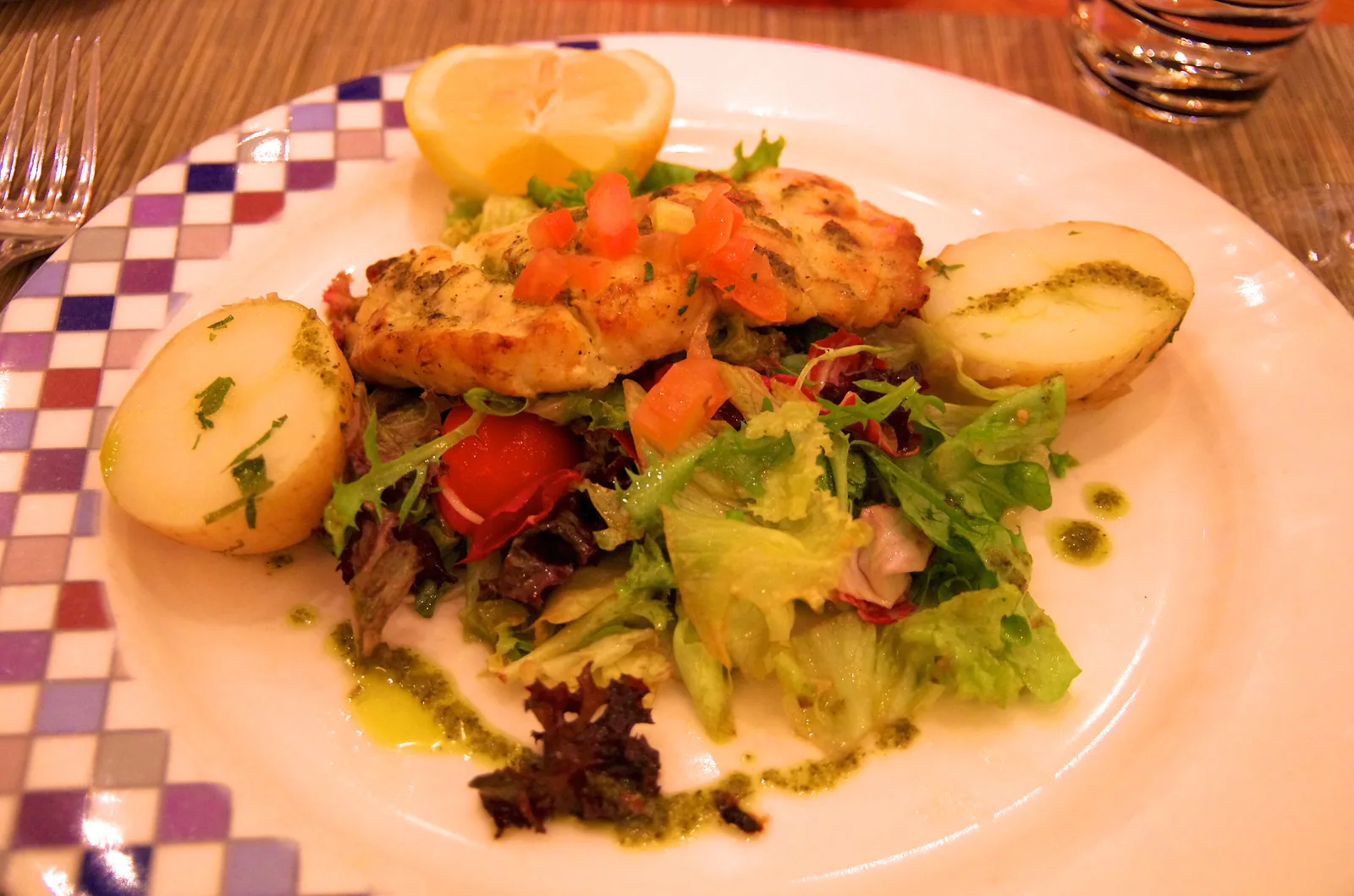
Grilled hammour fillet topped with diced tomato on a plate with a green salad, a lemon half and two herb-dressed boiled potatoes United Arab Emirates flag United Arab Emirates 55m
Dinner •Abu Dhabi Heritage

Emirati Grilled Hammour

This emirati grilled hammour recipe coats thick grouper fillets in an Emirati spice rub — cumin, coriander, turmeric, dried black lime, garlic and lemon — grills them over high heat until the edges char, and serves them with herb potatoes and a tomato and leaf salad, just as the plate in the photo is dressed. One serving is about 475 g. This emirati grilled hammour recipe serves 4, takes 55 minutes, and tastes of the Gulf coast: warm spices, bright lemon and clean, flaky fish.

Light & Smoky

Lean hammour fillets rubbed with cumin, coriander, turmeric and dried black lime, grilled until smoky, with herb potatoes and a crisp salad.

Pairs Well With
Serve with the herb potatoes and tomato-leaf salad from the recipe, lemon wedges for squeezing, and a cold mint or lime drink.
High Protein
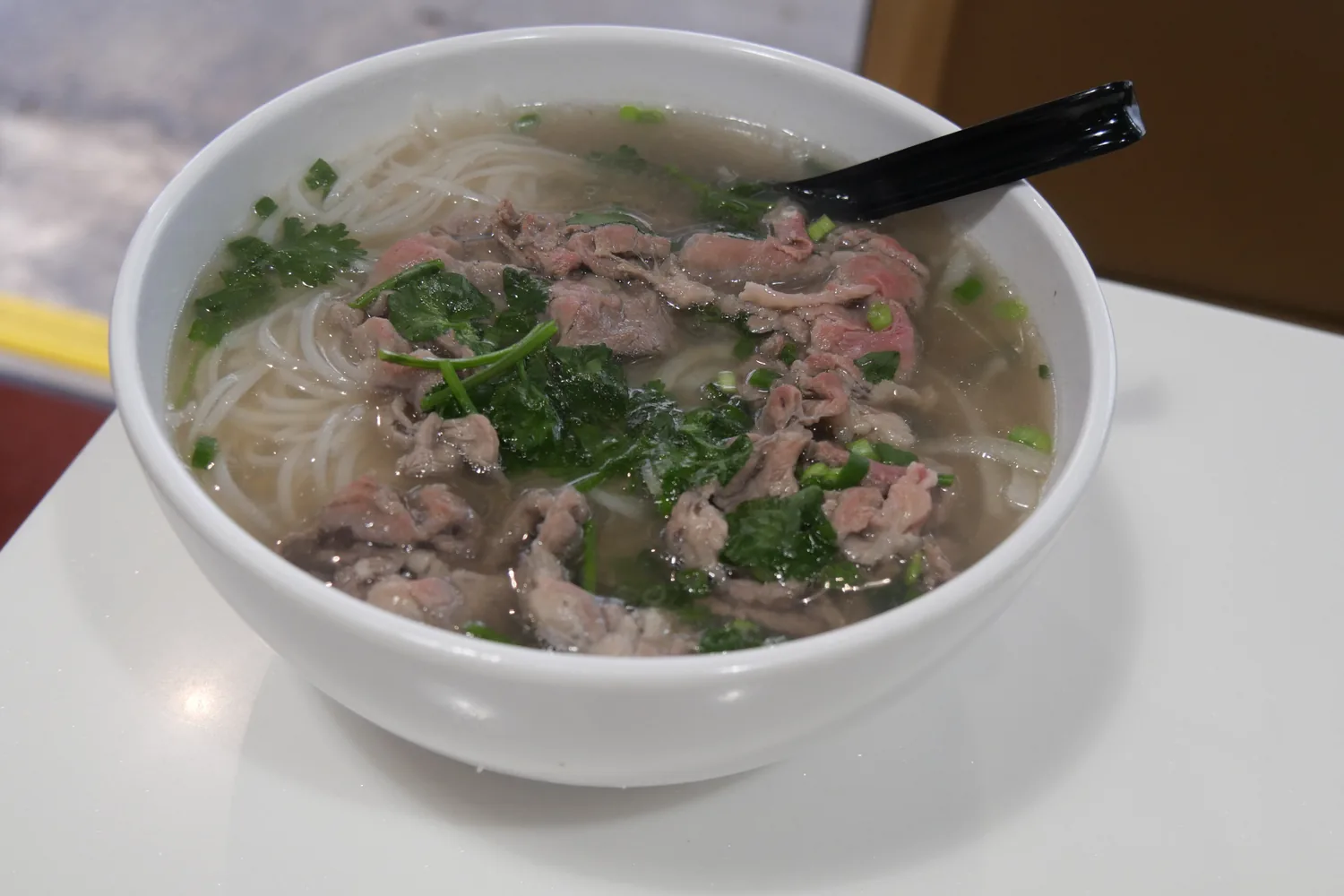
A bowl of Vietnamese phở bò with rare beef, rice noodles and fresh herbs Vietnam flag Vietnam 3h 30m
Breakfast •Hanoi Heritage

Phở Bò Tái Nạm

Slow-simmered star anise and cinnamon bone broth with hand-cut rice noodles, supplying clean restorative warmth and collagen. One serving is about 775 g.

Immunity & Warming

Slow-simmered bone broth with rice noodles, rare beef and fresh herbs.

Pairs Well With
Crispy quẩy, fresh lime & sawtooth coriander
Soups & Broths • High Protein
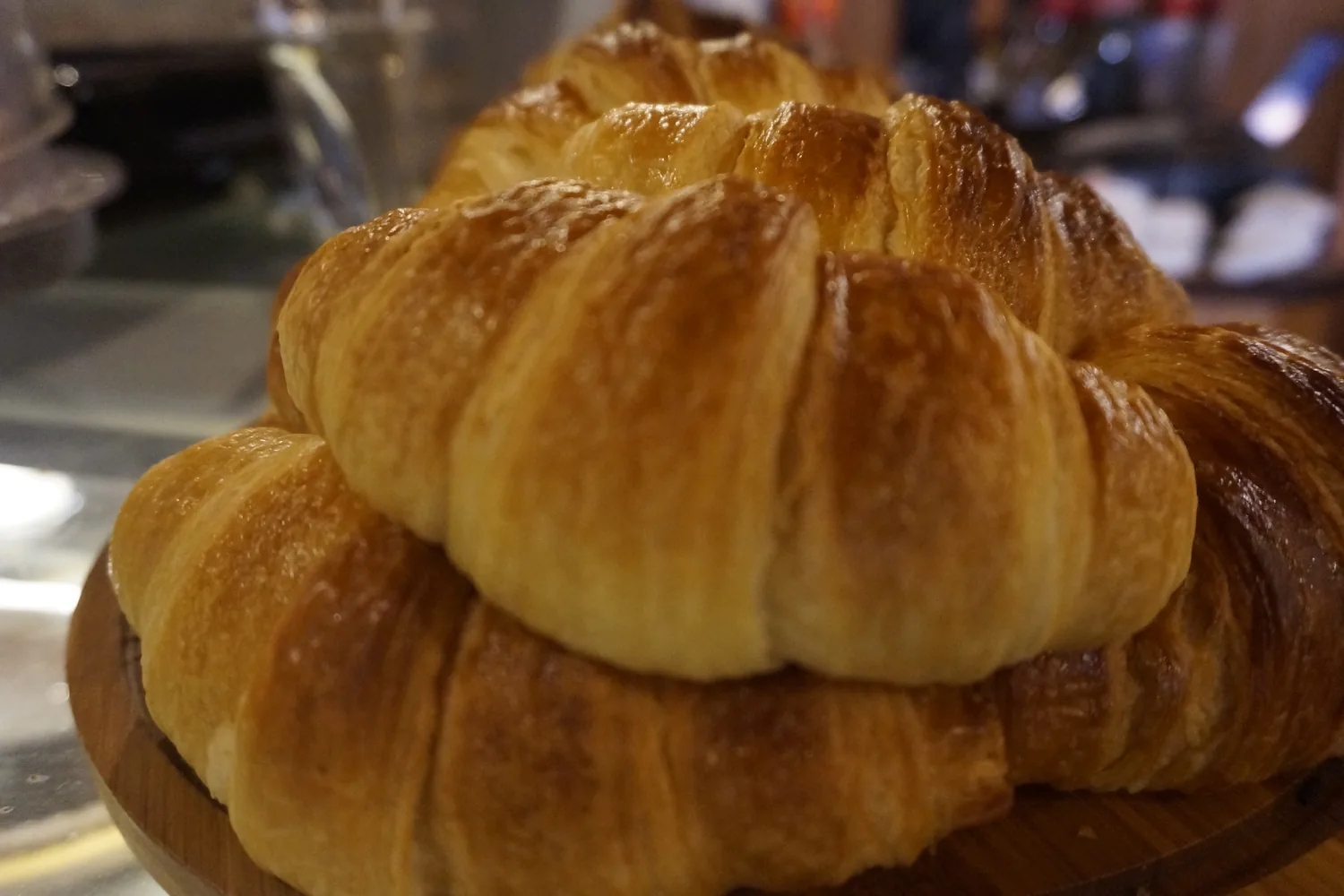
Golden butter croissants on a wooden board France flag France 20m
Breakfast •Parisian Boulangerie

Croissant au Beurre & Café

Laminated cultured butter pastry paired with washed Arabica, for a slow, pleasurable Parisian morning — best with a little protein alongside. One serving is about 390 g.

Sustained Focus

Flaky all-butter croissant with café au lait, Comté and green apple.

Pairs Well With
Comté cheese wedge & Green apple slices
Quick Prep (<30m)

The Dinner Gazette

Never wonder what’s for dinner again

One email a week with easy dinner ideas from around the world — ingredients, steps and nutrition, tested in our kitchen first.

Delivered every Thursday morning. Unsubscribe anytime.