-
1
Simmer the Lamb in Its Own Broth
150 Mins
Gentle simmer, about 90°C (194°F)
Put the lamb chunks, 1.2 L of water, the quartered onion, half the garlic and half the salt in a large heavy pot. Bring to a boil over high heat, skim off the grey foam that rises, then turn the heat down to the gentlest simmer, cover part-way and cook for about 2 1/2 hours, until the lamb is so tender it shreds with a fork. Keep the broth — it is the maraq, and it carries the whole dish. Lift the lamb out and set it aside; strain and reserve the broth.
Do not let the pot boil hard: a rolling boil toughens the meat and clouds the broth. The barest tremble on the surface is the right heat.
Done when: The lamb falls apart when pressed with a fork, and a thermometer in the thickest piece reads at least 74°C (165°F).
-
2
Soak, Drain and Whip the Hilbah
5 Mins
No heat — room temperature
The fenugreek has been soaking for 2 hours while the lamb cooked. Carefully pour off the soaking water and keep only the thick gelled paste at the bottom. Put it in a blender with the remaining garlic, the cilantro, mint, leek, lemon juice and the rest of the salt, and blend until smooth. Then whisk hard — by hand or with an electric whisk — for 2 to 3 minutes until it turns pale, thick and frothy like softly whipped cream.
If the hilbah stays dark and runny, the fenugreek was not drained well enough: pour off any liquid that separates and whisk again. It should hold soft peaks.
Done when: Pale cream-coloured, thick and frothy, holding soft peaks; the sharp bitterness is gone and the flavour is tangy and green.
-
3
Build the Tomato and Chilli Base
10 Mins
Medium heat, about 175°C (350°F)
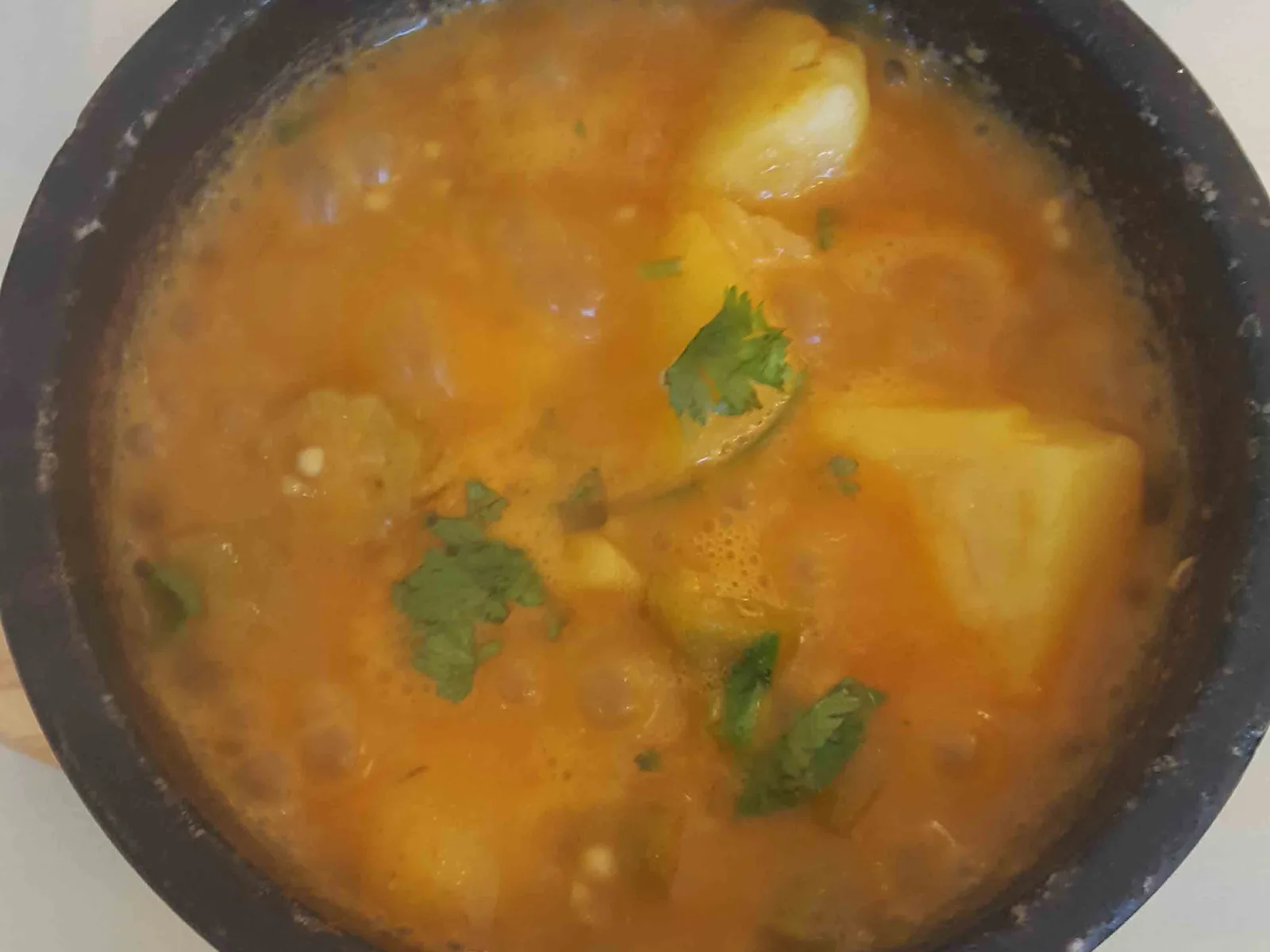
Heat a heavy stone pot (madara) or a Dutch oven over medium heat until hot — a stone pot holds heat like nothing else, so give it a full 5 minutes. Melt the ghee, add the diced tomatoes, sliced green chilli and tomato paste, and cook for 5 to 7 minutes, stirring, until the tomatoes collapse and the mixture turns deep brick red. Stir in the hawaij spice blend and cook for 1 minute more until fragrant.
Frying the tomato paste until it darkens is what gives fahsa its deep colour; pale, raw-tasting paste makes a thin, sour stew.
Done when: The tomatoes have broken down into a thick, dark red sauce and the oil separates slightly at the edges.
-
4
Shred, Combine and Serve Bubbling
5 Mins
High heat, about 200°C (400°F)
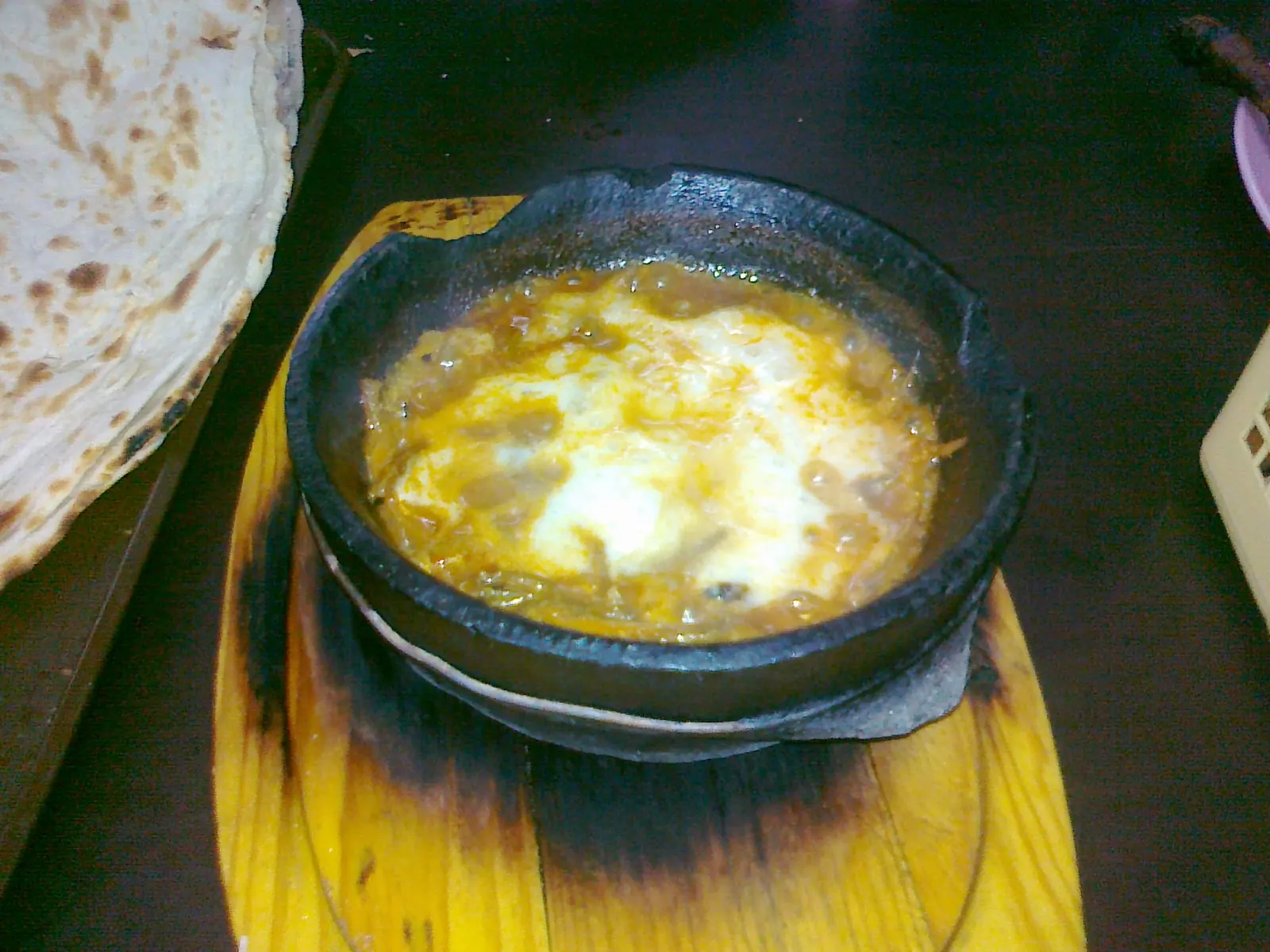
Shred the cooked lamb into bite-size strands with two forks and add it to the hot stone pot, turning it in the tomato base. Pour in about 500 ml (2 cups) of the reserved lamb broth — just enough for a thick, spoonable stew — and simmer for 3 to 4 minutes until it bubbles hard. Take the pot off the heat, spoon in 2 to 3 tablespoons of the whipped hilbah and stir it gently through. Carry the stone pot straight to the table while it is still bubbling, with the rest of the hilbah and the broth in small bowls alongside.
The hilbah goes in last and off the heat: boiling it kills the froth and turns it bitter. Stir it through gently and serve at once.
Done when: The stew is bubbling hard in the pot, the lamb is coated in the red sauce, and pale swirls of hilbah marble the top.
auto_awesome Finishing Touches & Plating
Serve the fahsa in its stone pot at the table, still bubbling, with mulawah flatbread for tearing and scooping, extra hilbah and sahawiq on the side, and a jug of hot broth for anyone who wants their bowl looser.

 Yemen
2h

 France

 Vietnam