Curated recipes from 193 countries  •  New seasonal Mediterranean issue out now

Overview

Saltah

Salta, Seltah

This saltah recipe is Yemen's national dish: lamb and potatoes simmered in a spiced tomato broth, finished with ribbons of egg and crowned with hilbeh, a pale, airy froth of whipped fenugreek. It arrives at the table still bubbling in its stone pot, with warm flatbread for scooping. One serving is about 625 g.

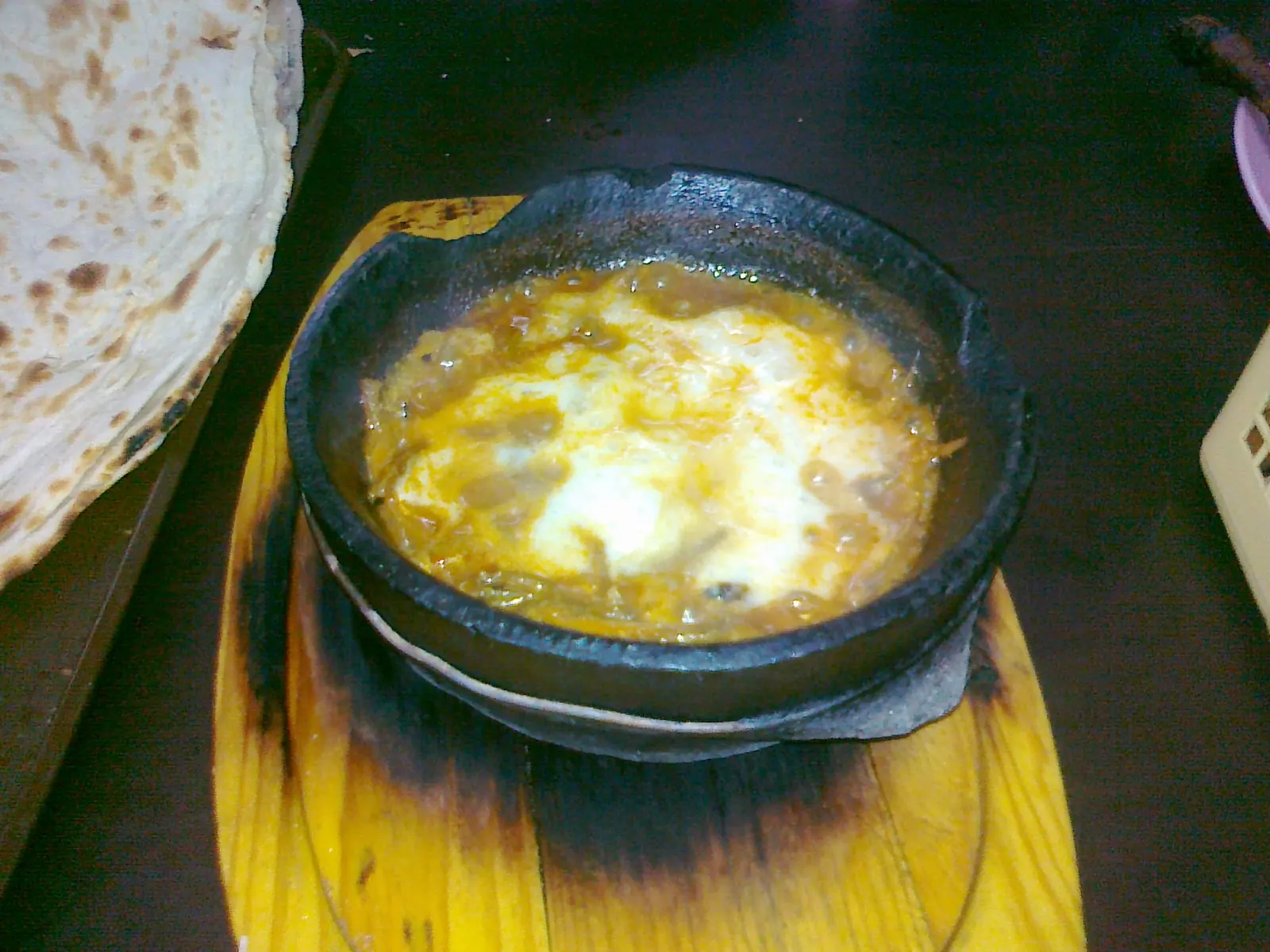
Saltah is widely regarded as Yemen's national dish, and it is most closely tied to Sana'a, the highland capital in the north of the country, where it is traditionally eaten at the main midday meal. Its name is often traced to the Arabic word salatah, meaning a mixture of things, a nod to the way the dish gathers whatever meat, vegetables and broth are at hand into one pot. In Ottoman times it was reportedly served as a charitable food, made from food donated by the wealthy or by mosques. What has never changed is the pairing at its heart: a brown meat broth called maraq, and the whipped fenugreek froth called hilbeh, served bubbling in a heat-retaining stone pot.

Pairs well with: Warm Yemeni flatbread (khubz), sahawiq chilli relish & fresh cilantro

Provenance

Yemen flag Yemen

Sana'a Heritage

Middle Eastern

Time Dedication

2h

30m prep • 90m cook

Batch Yield

4 Servings

595 kcal per serving

1 serving ≈ 625 g

Technical Skill

Intermediate

Medium (Stone Pot Stew)

Meal Timing & Digestive Fit

Breakfast

Not Advised

Lunch

Hearty Midday Main

Dinner

Ideal Hearty Main

Snack & Tea

Inappropriate

High Protein Occasions: Family dinner, Shared table, Ramadan iftar, Weekend gathering Cost: Medium — about $4–5 per serving at home
Saltah — Yemen's lamb and potato stew with fenugreek froth, bubbling in a dark stone pot and scattered with fresh cilantro

Sana'a Heritage

Photo: Rania al-Bahara, CC BY-SA 4.0, via Wikimedia Commons

The Heritage Formulary

Measured Ingredients

Estimated cost: Medium — about $4–5 per serving at home (USD)

A good saltah is judged by three things: lamb that falls apart, a broth rich enough to coat the bread, and hilbeh that arrives pale, airy and still foaming on top.

Execution Methodology & Culinary Technique

Step-by-Step Cooking Guide

Active 2h
P

Prep Stage: Soak the Fenugreek & Cut the Lamb

30 Mins • Chopping & Soaking

Put the ground fenugreek in a small bowl with 120 ml cold water and leave it to soak for 2 hours — this is passive time, so start it before anything else. Meanwhile, cut the lamb into 3 cm chunks, chop the onion, tomatoes and chilli, crush the garlic, peel and chunk the potatoes, beat the eggs, and measure the spices into one small bowl.

Maestro Tip: Do not skip the soak: dry fenugreek whipped straight from the packet stays gritty and harshly bitter, while soaked fenugreek whips into a pale, mild foam.

  1. 1

    Brown the Lamb

    10 minutes Medium-high heat, about 190°C (375°F)

    Heat the oil in a large heavy pot over medium-high heat. Add the lamb chunks in a single layer and brown them for about 10 minutes, turning once, until deep golden on the outside. Work in two batches if the pot is crowded, so the meat sears instead of steaming.

    Do not move the lamb for the first 3–4 minutes; that still contact is what builds the brown crust and the flavour of the broth.

    Done when: Lamb is browned and crusted on the outside; the inside is still pink — it finishes in the simmer.

  2. 2

    Build the Maraq Broth

    50 minutes Gentle simmer, about 95°C (200°F)

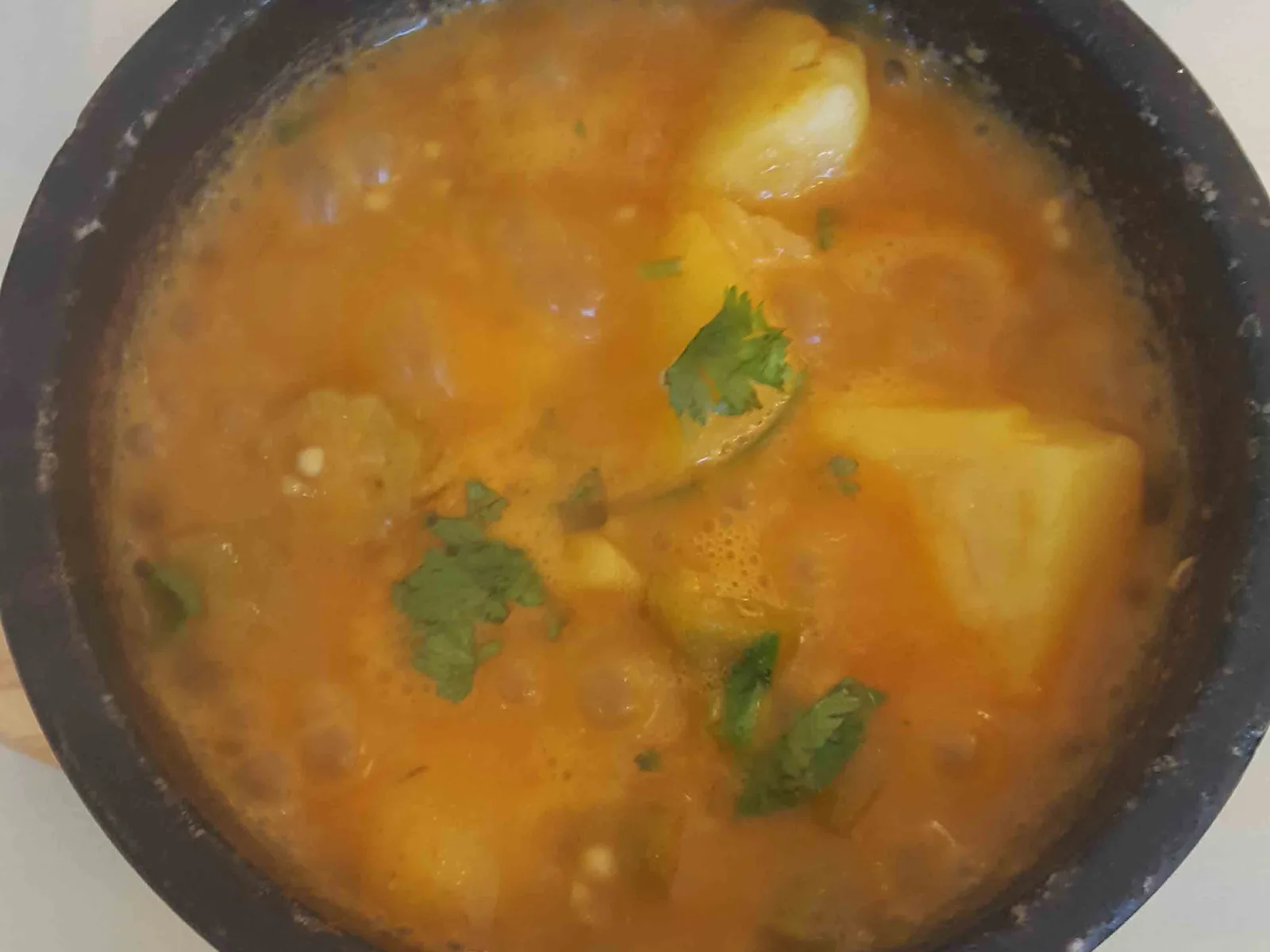
    Lower the heat, add the onion and garlic and cook 3 minutes until soft. Stir in the tomatoes, tomato paste, chilli, cumin, coriander, turmeric, pepper and half the salt, and cook 2 minutes until fragrant. Pour in the 1,000 ml water, scrape up the browned bits, and bring to a boil. Cover, reduce to the gentlest simmer, and cook 50 minutes until the lamb is nearly tender.

    Keep the simmer lazy — a few bubbles breaking the surface. A hard boil toughens the lamb and clouds the broth.

    Done when: Lamb yields easily to a fork; the broth tastes rich and lightly spiced.

  3. 3

    Add the Potatoes

    20 minutes Gentle simmer, about 95°C (200°F)

    Add the potato chunks and push them under the broth. Simmer, covered, for 20 minutes until the potatoes are tender all the way through and the edges are just starting to soften into the broth.

    Cut the potatoes big — small dice dissolve completely and the stew loses its chunks.

    Done when: A knife slides through a potato chunk with no resistance.

  4. 4

    Ribbon in the Eggs

    5 minutes Gentle simmer, about 95°C (200°F)

    Turn the heat to low. While stirring the stew slowly in one direction, pour the beaten eggs in a thin stream. Keep stirring gently for 1 minute so the egg sets in fine ribbons, then cook 4 minutes more. Taste and add the remaining salt.

    Pour slowly and stir the whole time; dumping the eggs in at once makes rubbery lumps.

    Done when: Fine golden ribbons of egg are visible through the broth; the stew is thick enough to coat a spoon.

  5. 5

    Whip the Hilbeh

    10 minutes No heat — room temperature, about 20°C (68°F)

    Drain the soaked fenugreek well, then put it in a small bowl with the lemon juice and 2–3 tablespoons of cold water. Whisk hard by hand, or beat with a hand mixer, for about 10 minutes until it turns from brown to pale cream and stands in soft, mousse-like peaks. Add a splash more cold water if it is too thick to spoon.

    Cold water is the secret: warm water makes the fenugreek gluey instead of foamy, and the colour change tells you the bitterness has lifted.

    Done when: Pale, airy foam that holds soft peaks and tastes mildly bitter with a hint of maple.

  6. 6

    Assemble in the Hot Stone Pot

    5 minutes High heat, about 220°C (425°F) for the pot

    Heat a stone pot (madara or haradha), or a heavy cast-iron pot, over high heat for 5 minutes until very hot. Ladle the bubbling stew in, then spoon the hilbeh over the top in generous dollops — do not stir it in. The stew should keep bubbling around the foam. Scatter with cilantro, check the lamb is steaming hot through to at least 74°C (165°F), and carry the pot straight to the table with flatbread for scooping.

    Heat the pot first and work fast: the drama of saltah is the stew still bubbling when it reaches the table.

    Done when: Stew bubbling at the edges, pale hilbeh floating on top, lamb tender and steaming hot.

Finishing Touches & Plating

Serve the pot in the middle of the table while it is still bubbling, with torn pieces of warm flatbread for scooping and a small bowl of sahawiq on the side. Each person takes lamb, potato and broth, folds in a little hilbeh, and eats with the bread.

Nutritional Physiology & Benefits

Nutrition

Energy

595

kcal / serving

Protein

34g

Complete AA

Carbs

32g

Complex

Fats

38g

Healthy

Per serving (4 servings · 1 serving ≈ 625 g)
Energy595 kcal
Protein34 g
Carbohydrates32 g
Fat38 g
Fibre6.2 g
Sugar5.8 g
Sodium751 mg
Per 100g
Energy95 kcal
Protein5.4 g
Carbohydrates5.1 g
Fat6 g
Fibre1 g
Sugar0.9 g
Sodium120 mg

Nutrition values are estimated — calculated from USDA FoodData Central values for the listed ingredients.

Vitamins & minerals: Iron and zinc (lamb), vitamin C (tomato and green chilli), potassium and vitamin B6 (potato), vitamin B12 and choline (egg), and calcium and magnesium (fenugreek). Nutrition is estimated.

High in Protein

About 33.7 g of protein per serving from lamb and egg supports muscle maintenance and keeps you full for hours.

Fibre & Vegetables

Potato, tomato, onion and chilli give about 6.0 g of fibre per serving, plus potassium and vitamin C from the vegetables.

Iron, Zinc & B12

Lamb is a useful source of iron, zinc and vitamin B12, nutrients that support normal energy levels and immune function.

Food Pairings

What to Eat With

To optimize nutrient absorption and elevate the sensory depth, pair with these authentic accompaniments:

Sides

Warm Yemeni Flatbread (Khubz)

Flatbread is not a side here, it is the utensil: torn pieces scoop up the stew, the hilbeh and the broth, and the bread soaks up every drop.

Sauces

Sahawiq Chilli Relish

The fresh chilli, tomato, garlic and herb relish adds bright heat and acidity that cuts through the rich lamb broth and the bitter hilbeh.

Vegetables

Simple Tomato & Cucumber Salad

Crisp, cool salad gives a fresh, crunchy contrast to the hot, soft stew and lightens each mouthful.

Drinks

Mint Tea

Hot, lightly sweetened mint tea is the usual Yemeni table drink; its freshness cleanses the palate between scoops of the rich stew.

Full Menus

Full Yemeni Table

Start with a small bowl of maraq broth, serve the saltah as the centrepiece with flatbread and sahawiq, and finish with dates and mint tea.

Complete menu

Start with a small cup of maraq broth, serve the saltah bubbling in its stone pot with warm flatbread, sahawiq and a tomato-cucumber salad, and finish with dates and mint tea.

Digestive Guardrails

What NOT to Combine

To prevent digestive distress, sluggishness, or palate clash, avoid pairing the dish with these elements:

Do Not Stir the Hilbeh In Early

Hilbeh is a foam: stirring it into the stew while it cooks collapses it and releases its full bitterness into the broth. Spoon it on top at serving, so each bite gets a little foam. This is general cooking information, not medical advice.

Go Easy on Extra Salt

The broth concentrates as it simmers, and the hilbeh and sahawiq both carry salt, so salting heavily early on can leave the finished pot too salty. Season lightly, then adjust at the end. This is general cooking information, not medical advice.

General information only, not medical advice — consult a doctor for personal dietary decisions.

Who Should Eat It

Who Should Eat

  • General adultsA satisfying, protein-rich dinner; one serving of about 625 g is a full meal with flatbread.
  • ChildrenSuitable from about age 5 if the green chilli is left out and the lamb is cut small; the egg ribbons and soft potato are usually popular.
  • ElderlySoft, easy-to-chew lamb and potato in a warm broth suit smaller appetites; serve a half portion with bread and check the salt.
  • Pregnant womenFine when the lamb is cooked through to at least 74°C (165°F) and the eggs are fully set; keep the chilli mild and ask your clinician about fenugreek if unsure.
  • Breastfeeding womenA nourishing, iron-rich meal; fenugreek is traditionally eaten by breastfeeding mothers in Yemen, but ask your clinician first if you take any medication.
  • AthletesAbout 33.7 g of protein and 31.9 g of carbohydrate per serving make it a solid post-training dinner; add extra flatbread for more carbohydrate.
  • Weight gainEnergy-dense at about 595 kcal per serving; add a second piece of flatbread and a drizzle of ghee to raise the calories further.
  • Weight lossKeep the portion to about half a serving, load up on the potato and tomato, go light on the flatbread, and skip extra oil.

Health Conditions — Adjust or Avoid

Conditions

  • DiabetesThe potato is the main carbohydrate (about 31.9 g per serving), so keep the potato and flatbread portions modest and fill up on the lamb and tomato broth; ask your clinician about portion sizes.
  • High blood pressureAbout 749 mg of sodium per serving comes mostly from the added salt, so use less salt, skip extra sahawiq, and ask your clinician about your daily sodium target.
  • Kidney diseaseThis dish is high in protein and potassium from lamb and potato, which may not suit a restricted diet; ask your clinician before eating it.
  • GoutLamb is moderately high in purines, so a large portion may be a problem for some people with gout; keep the portion small and ask your clinician.
  • Stomach issuesFenugreek and chilli can irritate a sensitive stomach; try a small portion with the chilli left out first, and ask your clinician if symptoms flare.
  • Cardiovascular diseaseAbout 37.5 g of fat per serving, mostly from lamb and oil, so trim the lamb well, use less oil, and ask your clinician about how often this fits your diet.
  • Fatty liverChoose lean lamb, keep the oil to 1 tablespoon, and favour the vegetables and broth over the fatty pieces; ask your clinician for personalised guidance.
  • Food allergiesContains egg. Fenugreek is a legume and can affect people with peanut or legume allergies. The flatbread served alongside contains gluten. Check every ingredient label and ask your clinician if you have a known allergy.
  • Special therapeutic dietsNaturally halal when made with halal lamb and contains no pork or alcohol; for any prescribed therapeutic diet, ask your clinician whether this dish fits.

If you have a medical condition, consult your doctor before changing your diet.

Storage & Use

Storage & Use

How to store
Cool the stew (without the hilbeh) within 2 hours and store in a sealed container.
In the fridge
Up to 3 days in the refrigerator at 4°C (40°F) or below.
In the freezer
Up to 3 months; freeze the stew only, never the hilbeh.
How to reheat
Reheat gently on the stove until bubbling and steaming hot throughout, at least 74°C (165°F); make fresh hilbeh for serving.
Freezing recommended
Yes for the stew only, up to 3 months; whip fresh hilbeh when you serve it.
Signs it has spoiled
Sour or off smell, slimy texture, or any mould — discard the whole pot.

More recipes to explore

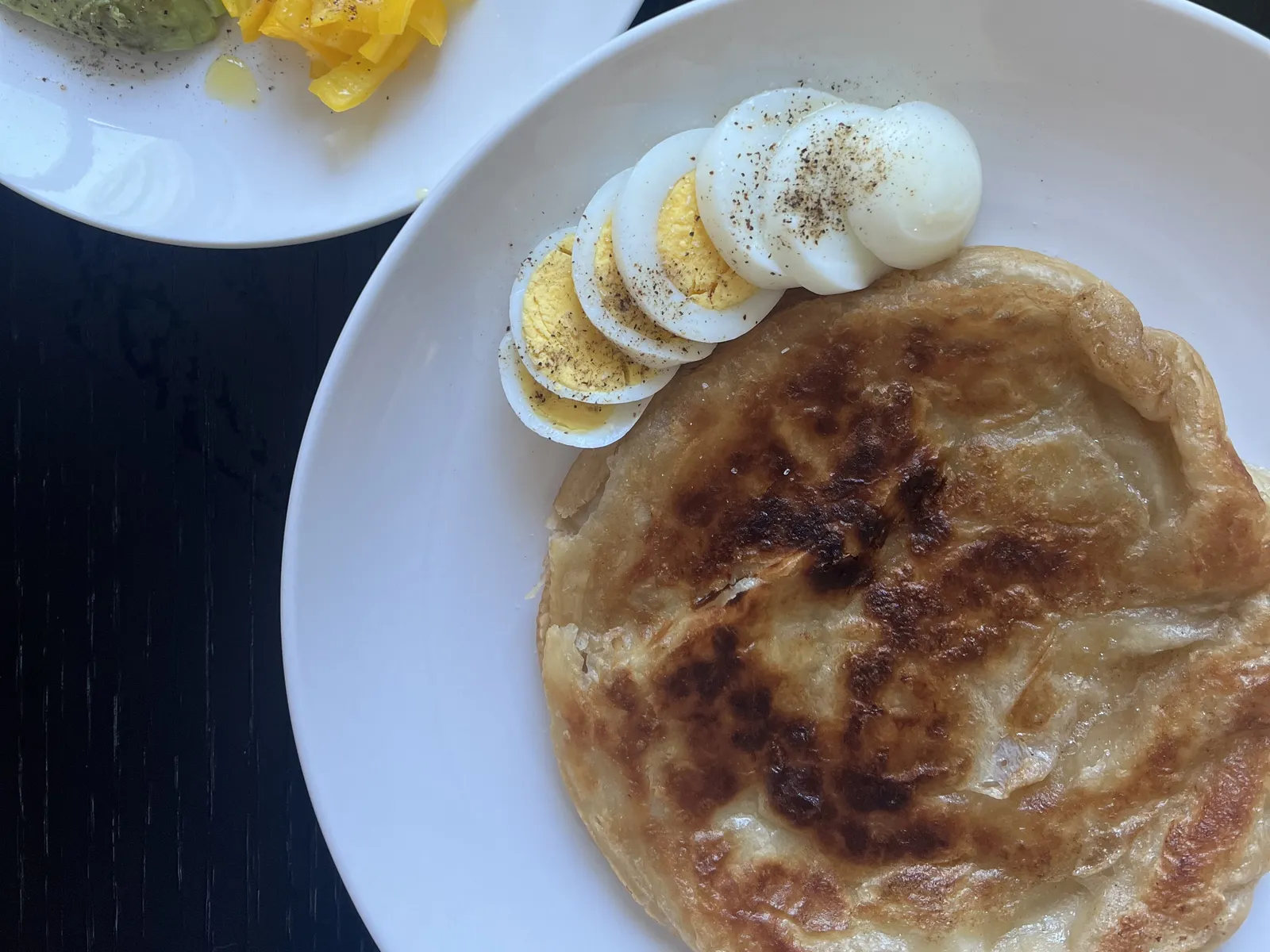
Yemeni malawah — a golden, flaky layered flatbread on a white plate with sliced hard-boiled egg, tomato resek and a fresh salad Yemen flag Yemen 1h 55m
Breakfast •Yemenite Jewish Heritage

Yemeni Malawah

This yemeni malawah recipe turns a simple dough of flour, water and a little sugar into four golden, flaky flatbreads, each one rolled thin, smeared with butter, folded and coiled, then fried until the layers puff and crisp. Torn by hand and eaten with sliced hard-boiled egg and a spoonful of grated tomato resek, it is the unhurried breakfast of the Yemenite Jewish community. One serving is about 318 g.

Flaky Breakfast Flatbread & Shared Plate

A laminated flatbread of flour, water and butter, rolled thin, folded and pan-fried until golden, served torn with hard-boiled egg and tomato resek.

Pairs Well With
Hard-boiled egg, tomato resek, zhug & sweet mint tea
Fahsa in a black stone pot, the bubbling lamb stew topped with pale fenugreek froth, with mulawah flatbread beside it Yemen flag Yemen 3h 15m
Dinner •Yemeni Heritage

Fahsa

This fahsa recipe is Yemen's great stone-pot stew: boneless lamb shoulder simmers for hours in its own broth until it shreds with a fork, then goes back into a heated madara stone pot with tomatoes, green chilli and hawaij spices, and is finished with hilbah, the pale whipped fenugreek froth that gives the dish its tangy lift. It arrives at the table still bubbling, to be scooped up with torn pieces of flatbread. One serving is about 452 g.

Bubbling Stone-Pot Comfort

Shredded lamb simmered in its own rich broth, finished with whipped fenugreek froth and served bubbling hot in a stone pot.

Pairs Well With
Mulawah flatbread, sahawiq & hot mint tea
High Protein
Bœuf bourguignon — French beef braised in red wine France flag France 4h
Dinner •Burgundy Terroir

Bœuf Bourguignon

Beef braised gently in red wine until the connective tissue melts into a velvet, gelatin-rich sauce — the classic Burgundy Sunday dinner.

Cellular Repair

Beef braised in red wine until spoon-tender, with mushrooms and pearl onions.

Pairs Well With
Parsnip Purée & Steamed French Haricots Verts
High Protein
Vietnamese braised pork belly with golden eggs in caramel sauce Vietnam flag Vietnam 1h 45m
Dinner •One Pot

Vietnamese Braised Pork and Eggs

Pork belly slowly braised in coconut water and caramel until meltingly tender, with golden eggs that soak up the sweet-savoury sauce — the Vietnamese family dish that tastes better the next day.

Comfort & Sustained Energy

Slow-braised pork belly and eggs in coconut water and caramel.

Pairs Well With
Steamed rice & pickled mustard greens
High Protein

The Dinner Gazette

Never wonder what’s for dinner again

One email a week with easy dinner ideas from around the world — ingredients, steps and nutrition, tested in our kitchen first.

Delivered every Thursday morning. Unsubscribe anytime.