
Curated recipes from 193 countries  •  New seasonal Mediterranean issue out now

Overview

Farofa

Farofa de Cebola, Toasted Cassava Flour

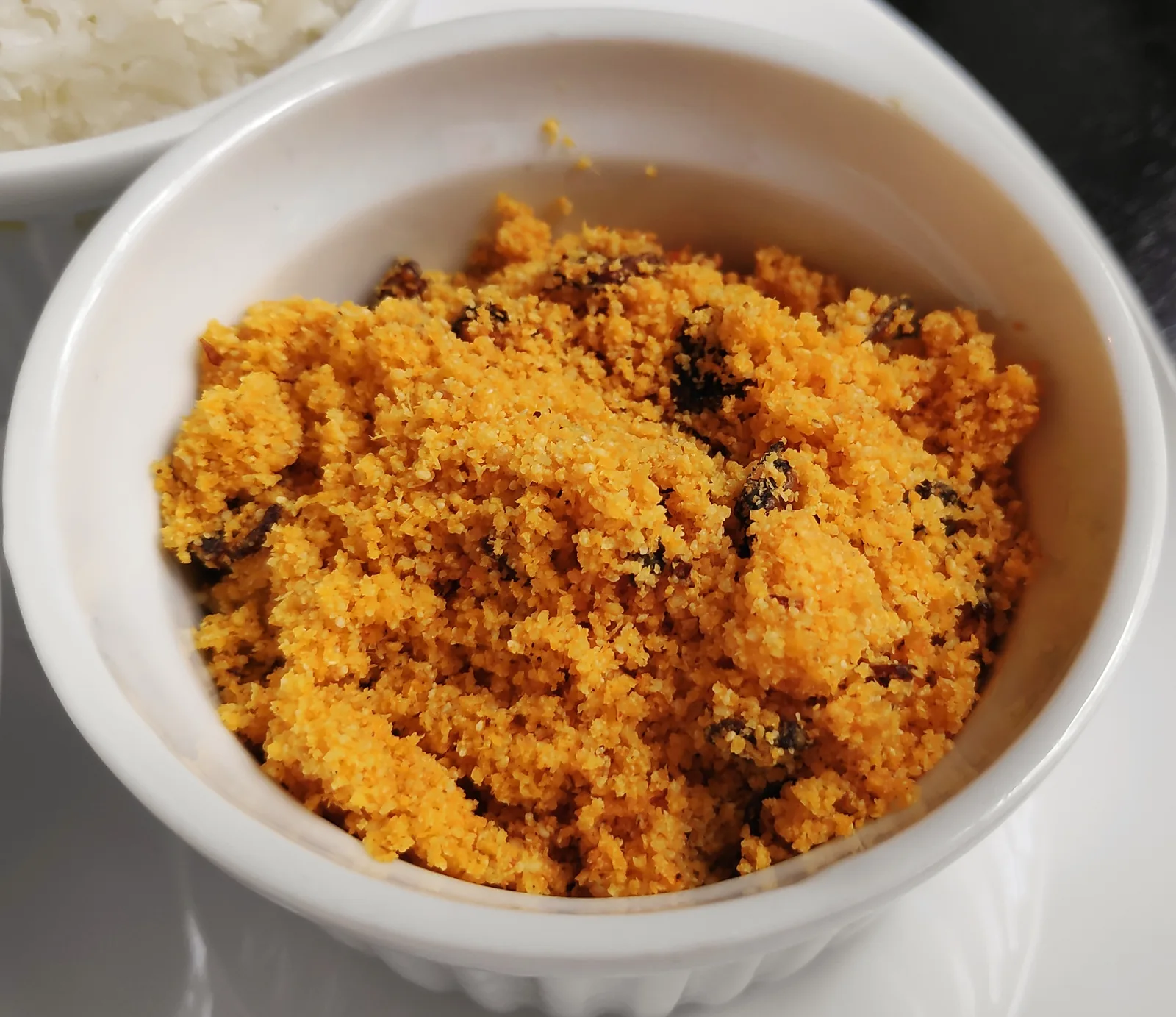
This farofa recipe toasts cassava flour in hot oil with onion and garlic until it turns golden, crisp and nutty — the crunchy side dish that belongs next to feijoada, grilled meats and rice and beans all over Brazil. It takes one pan and about fifteen minutes, and it keeps for days. One serving is about 94 g.

Farofa is one of Brazil's oldest foods: cassava flour toasted and eaten by the Indigenous peoples of the Amazon long before colonisation, then adopted by Portuguese settlers and African cooks until it became the side dish that appears at almost every Brazilian table. It is the essential partner for feijoada, the black bean stew, and for grilled meats and rice and beans — a spoonful of crisp, nutty crumbs that turns a plate into a Brazilian meal.

Pairs well with: Feijoada, rice and beans, and grilled meat

Provenance

Brazil flag Brazil

Brazilian Table Essential

Latin America & Caribbean

Time Dedication

25m

10m prep • 15m cook

Batch Yield

4 Servings

251 kcal per serving

1 serving ≈ 94 g

Technical Skill

Easy

Easy (One Pan)

Meal Timing & Digestive Fit

Breakfast

Not Advised

Lunch

Hearty Midday Main

Dinner

Ideal Hearty Main

Snack & Tea

Inappropriate

Quick Prep (<30m) Occasions: Family dinner, barbecue, everyday lunch or dinner Cost: Low — about $1 per serving at home
Golden toasted farofa de cebola in a white bowl, served with rice

Brazilian Table Essential

Photo: Melsj, CC BY-SA 4.0, via Wikimedia Commons

The Heritage Formulary

Measured Ingredients

Estimated cost: Low — about $1 per serving at home (USD)

Made with cassava flour toasted in oil with onion and garlic, no butter or bacon; nutrition is estimated from USDA values.

Execution Methodology & Culinary Technique

Step-by-Step Cooking Guide

Active 25m
P

Prep Stage: Chop and Measure

10 Mins • Chopping & Measuring

Chop the onion finely and mince the garlic — fine pieces fry evenly and disappear into the flour. Chop the scallions and keep them aside for the end. Measure the cassava flour, oil, salt and paprika so everything is within reach, because once the flour goes in, the pan needs constant stirring.

Maestro Tip: Chop the onion fine — big pieces stay raw while the flour toasts.

  1. 1

    Soften the Onion in Oil

    5 Mins Medium heat, about 160°C (320°F)

    Heat the oil in a wide frying pan over medium heat. Add the chopped onion and cook, stirring, for about 4 minutes until soft and translucent. Add the garlic and cook for 1 minute more until fragrant.

    Do not let the garlic brown — brown garlic turns bitter and the whole farofa tastes burnt.

    Done when: The onion is soft and sweet-smelling, the garlic is fragrant, and nothing has browned.

  2. 2

    Toast the Flour

    10 Mins Medium heat, about 160°C (320°F)

    Pour in all the cassava flour and stir constantly with a wooden spoon, scraping the bottom of the pan, for about 8 to 10 minutes. The flour will turn from pale to golden and smell nutty, and it should feel dry and sandy, never damp.

    Keep stirring without stopping — flour left sitting on the heat scorches in one spot.

    Done when: The flour is evenly golden, dry and sandy, and smells nutty and toasted.

  3. 3

    Season and Finish

    2 Mins Medium heat, about 160°C (320°F)

    Take the pan off the heat and stir in the salt, smoked paprika and chopped scallions. The leftover heat wakes up the paprika without burning it. Taste and add a little more salt if needed.

    Season off the heat — paprika scorches in seconds in a hot pan.

    Done when: The farofa is golden, flecked with green, and tastes nutty, salty and faintly smoky.

  4. 4

    Cool and Serve

    3 Mins Room temperature, about 20°C (68°F)

    Spread the farofa on a plate to cool for a few minutes so it stays crisp, then spoon into a serving bowl. Serve warm or at room temperature next to feijoada, rice and beans or grilled meat.

    Cooling it in the pan steams it soft — spread it out so the steam escapes.

    Done when: The farofa is dry, crisp and golden, ready to spoon over the plate.

Finishing Touches & Plating

Serve the farofa in a small bowl on the table so everyone can spoon as much as they like over their beans, rice and meat.

Nutritional Physiology & Benefits

Nutrition

Energy

251

kcal / serving

Protein

1g

Complete AA

Carbs

46g

Complex

Fats

7g

Healthy

Per serving (4 servings · 1 serving ≈ 94 g)
Energy251 kcal
Protein1 g
Carbohydrates46 g
Fat7 g
Fibre2.4 g
Sugar2.0 g
Sodium296 mg
Per 100g
Energy267 kcal
Protein1.2 g
Carbohydrates49.3 g
Fat7.7 g
Fibre2.5 g
Sugar2.1 g
Sodium316 mg

Nutrition values are estimated — calculated from USDA FoodData Central values for the listed ingredients.

Vitamins & minerals: Provides B vitamins from the cassava flour, vitamin C from the onion, and vitamin K from the scallions. Nutrition is estimated.

Naturally Gluten-Free

Cassava flour has no gluten at all, so this is an easy side dish for anyone avoiding wheat.

Quick Energy with Fibre

Cassava flour gives about 46.3 g of carbohydrate and 2.4 g of fibre per serving for steady, filling energy.

Vegan and Light on Fat

Made with oil only — no butter or bacon — the farofa stays vegan with just 7.2 g of fat per serving.

Food Pairings

What to Eat With

To optimize nutrient absorption and elevate the sensory depth, pair with these authentic accompaniments:

Full Menus

Feijoada

Farofa is the classic partner for feijoada: the crisp crumbs soak up the bean broth and add crunch to every spoonful.

Sides

Rice and Beans

A spoon of farofa over rice and beans adds the nutty crunch that makes the everyday plate feel complete.

Vegetables

Orange and Kale Salad

Fresh orange and kale cut through the rich farofa and grilled meat with bright acidity.

More Pairings

Grilled Chicken

Golden farofa and smoky grilled chicken are a natural pair — the crumbs catch the meat juices on the plate.

Complete menu

Serve the farofa with feijoada, rice and beans, orange and kale salad and grilled chicken for a complete Brazilian dinner.

Digestive Guardrails

What NOT to Combine

To prevent digestive distress, sluggishness, or palate clash, avoid pairing the dish with these elements:

Burning the Flour

Toasted past golden, cassava flour turns bitter and the whole pan is ruined — stir constantly and take it off the heat at pale gold, as it keeps darkening. This is general food information, not medical advice.

Adding Flour to Cold Oil

Flour poured into cold oil soaks it up and turns soggy and greasy instead of crisp. Heat the oil and soften the onion first. This is general food information, not medical advice.

Storing It While Warm

Warm farofa in a closed container steams itself soft and can turn damp. Cool it spread out first, then store airtight. This is general food information, not medical advice.

General information only, not medical advice — consult a doctor for personal dietary decisions.

Who Should Eat It

Who Should Eat

  • General adultsA quick, crunchy side dish that lifts any Brazilian dinner — feijoada, grilled meat or rice and beans.
  • ChildrenMild, crunchy and fun to spoon over rice; children usually love the nutty taste. Skip the paprika for very young children.
  • ElderlySoft enough to chew and easy to digest in a small spoonful; serve warm with beans and rice.
  • Pregnant womenFine as a side dish — it is just toasted flour, onion and oil, with no raw ingredients.
  • Breastfeeding womenA filling, energy-rich side; the portion is small and the ingredients are simple.
  • AthletesGood quick energy — about 46.3 g of carbohydrate per serving with fibre from the cassava flour.
  • Weight gainEasy to enrich: serve a larger spoonful with extra beans and meat.
  • Weight lossAt about 251 kcal a serving it is a light side; one spoonful is usually enough.

Health Conditions — Adjust or Avoid

Conditions

  • DiabetesThe cassava flour is almost all carbohydrate — about 46.3 g per serving. Keep to one spoonful and eat more beans and salad. Ask your clinician about portion size.
  • High blood pressureThe dish carries about 296 mg of sodium per serving. Use less salt and skip salty sides. Ask your clinician about your sodium target.
  • Kidney diseaseThis dish is low in protein, so pair it with beans or meat rather than eating it alone. Ask your clinician before making it a regular meal.
  • GoutCassava flour is low in purines and this dish has no meat. Enjoy as a side dish, and ask your clinician if flare-ups are frequent.
  • Stomach issuesPlain and mild, farofa is usually gentle on a sensitive stomach; keep the portion small. Ask your clinician if symptoms persist.
  • Cardiovascular diseaseMade with a little vegetable oil and no saturated fat, this is a light side dish that fits most eating plans. Ask your clinician about fitting it into your eating plan.
  • Fatty liverA small, low-fat side that adds crunch without much fat; keep the portion modest. Ask your clinician for personal guidance.
  • Food allergiesContains no major allergens. Cassava flour is gluten-free, but check the packet for a gluten-free label if cross-contamination matters.
  • Special therapeutic dietsFits vegetarian, vegan and gluten-free diets. For a low-carb plan, keep to a small spoonful. Ask your clinician or dietitian about your specific plan.

If you have a medical condition, consult your doctor before changing your diet.

Storage & Use

Storage & Use

How to store
Cool completely, spread out on a plate, then store in an airtight container.
In the fridge
5 days.
In the freezer
Up to 3 months in a sealed bag.
How to reheat
Reheat in a dry pan over medium heat, stirring, until hot and crisp again — do not microwave it or it goes soft.
Freezing recommended
Yes — farofa freezes very well and crisps up again in a dry pan.
Signs it has spoiled
Rancid smell, damp clumps, or any mould.

More recipes to explore

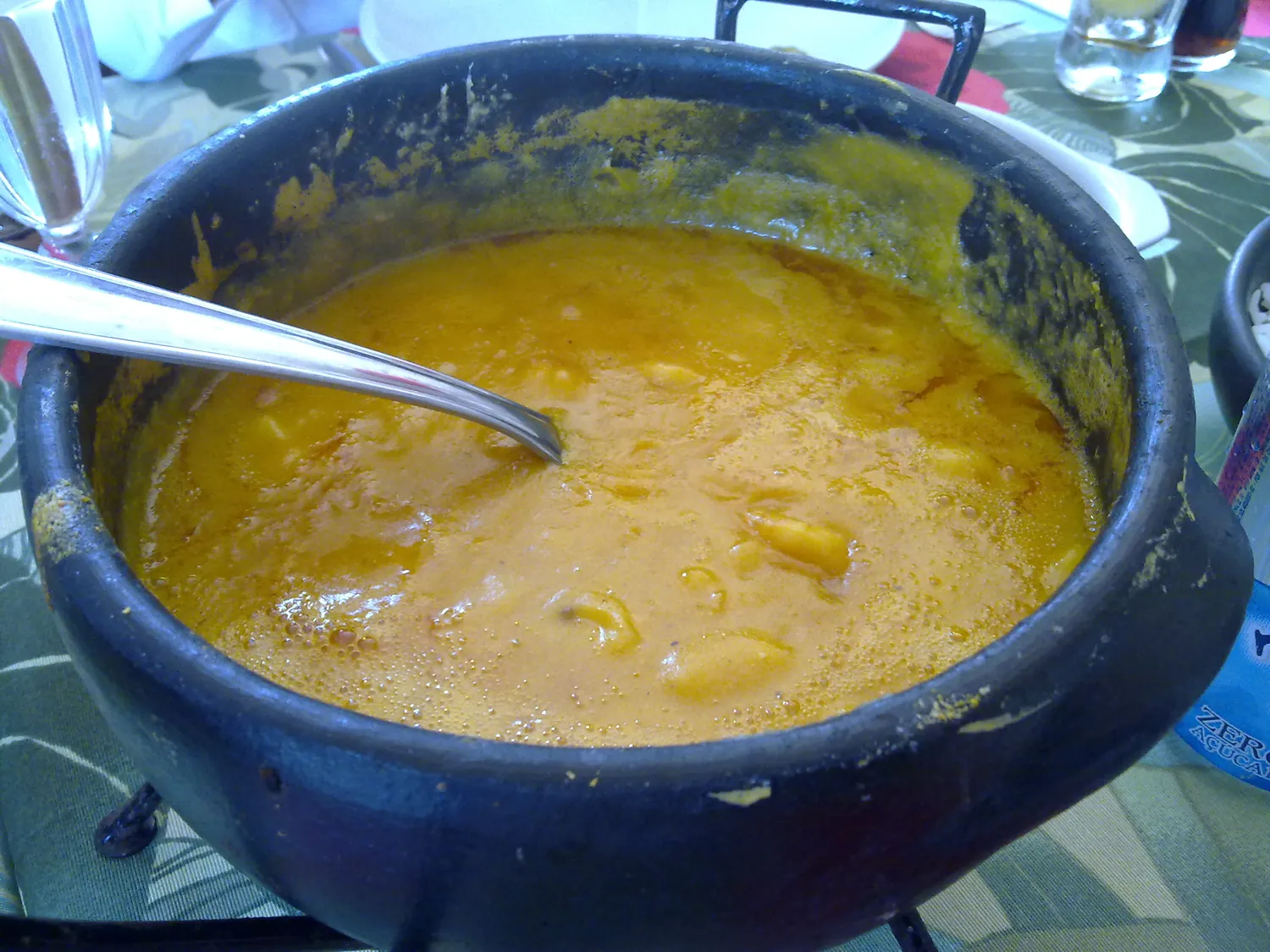
A black clay pot of golden-orange bobó de camarão, a thick cassava cream with shrimp, with a serving spoon Brazil flag Brazil 1h 5m
Dinner •Bahian Cassava Cream

Bobó de Camarão

This bobo de camarao recipe is Bahia's creamy shrimp dish: fresh shrimp folded into a thick purée of boiled cassava blended with coconut milk, coloured golden-orange with dendê oil and finished with lime and cilantro. Unlike a stew, the cassava is blended smooth, so the whole dish eats like a rich, spoonable cream. One serving is about 470 g.

Rich & Comforting

Shrimp folded into a thick, smooth cassava cream made with coconut milk and red palm oil, served hot with rice.

Pairs Well With
Steamed white rice, farofa and a crisp green salad
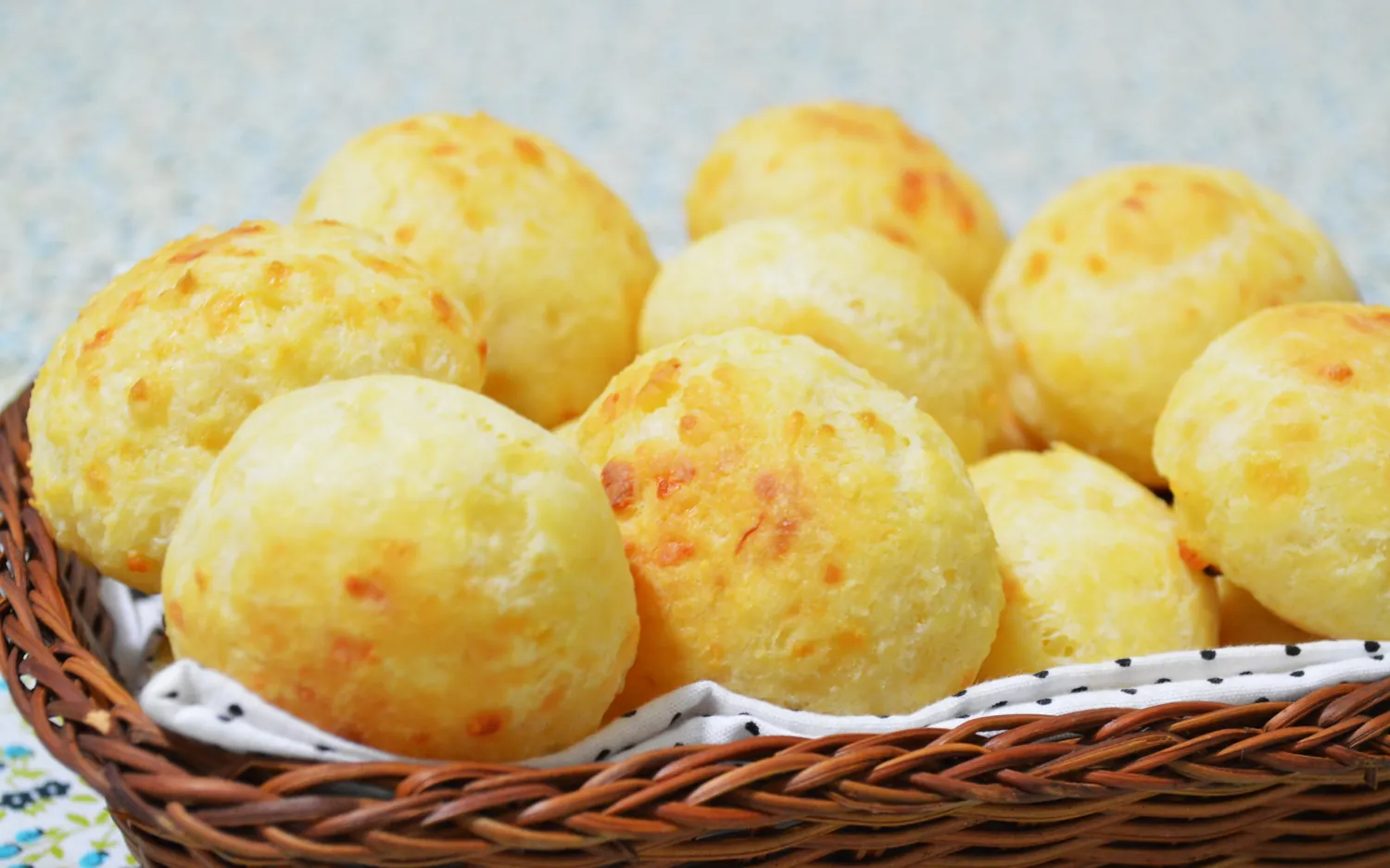
A basket of golden, round pão de queijo, Brazilian cheese bread rolls Brazil flag Brazil 45m
Snack & Tea •Minas Gerais Cheese Bread

Pão de Queijo

This pao de queijo recipe makes Brazil's famous cheese bread: small, golden rolls with a crisp shell and a soft, stretchy, chewy centre, made from tapioca starch, milk, oil, eggs and cheese. There is no wheat flour and no yeast — the rolls puff up on steam in a hot oven. One serving is 4 rolls, about 134 g.

Warm & Chewy Snack

Golden tapioca cheese rolls with a crisp shell and a soft, stretchy centre, baked in under half an hour.

Pairs Well With
Black coffee, fresh fruit, or a light soup
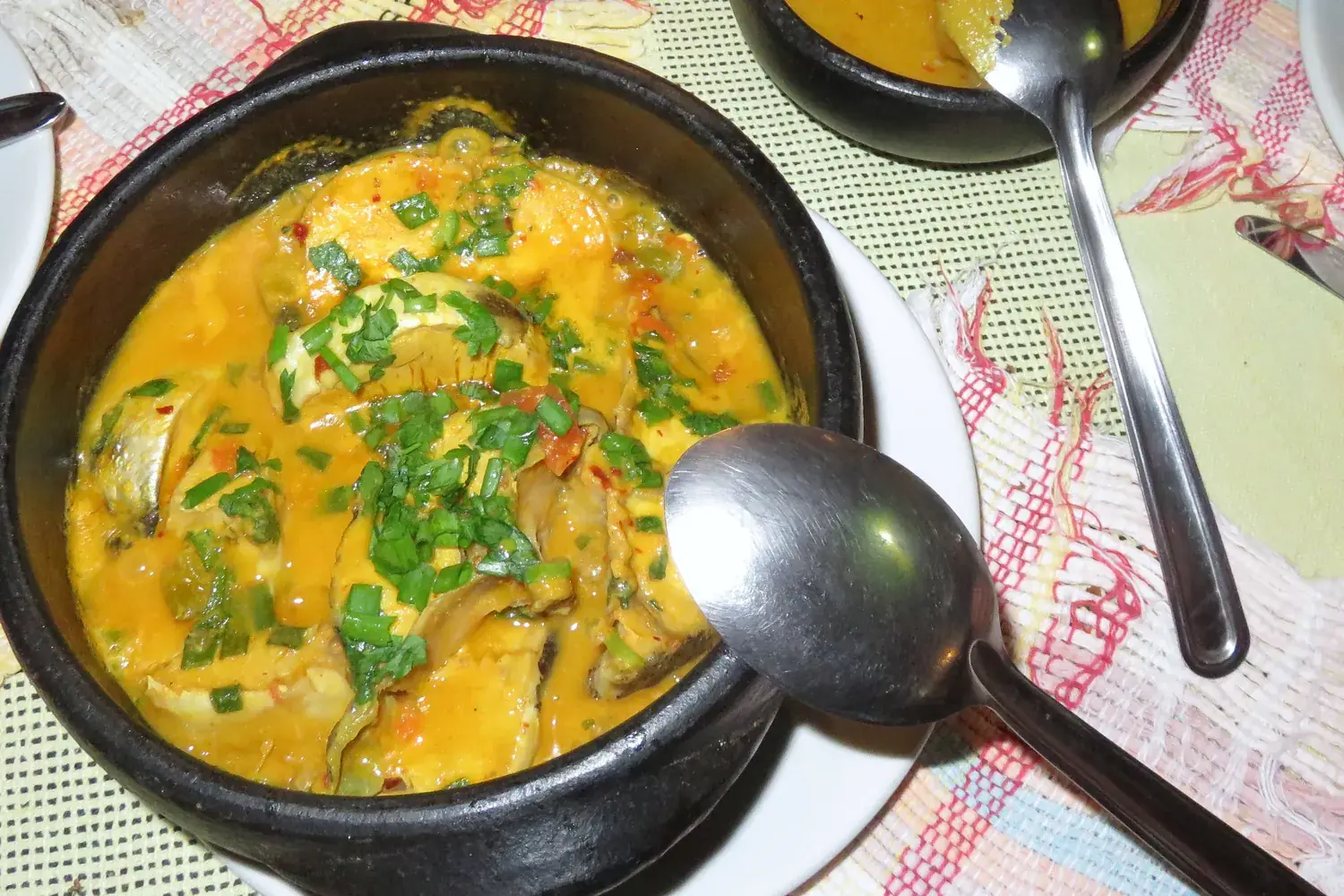
A black clay pot of moqueca baiana, fish chunks in a golden-orange coconut sauce with fresh herbs, beside rice and pirão Brazil flag Brazil 55m
Dinner •Bahian Fish Stew

Moqueca Baiana

This moqueca baiana recipe is Bahia's famous fish stew: thick fillets of white fish layered with onion, peppers and tomato, then simmered gently in coconut milk with dendê oil until the sauce turns golden-orange. The fish stays in whole, flaky pieces in a fragrant broth — a stew, not a purée. One serving is about 450 g.

Coastal & Aromatic

Firm white fish simmered in coconut milk and red palm oil with peppers and tomato, served hot in its clay pot.

Pairs Well With
Steamed white rice, pirão and farofa
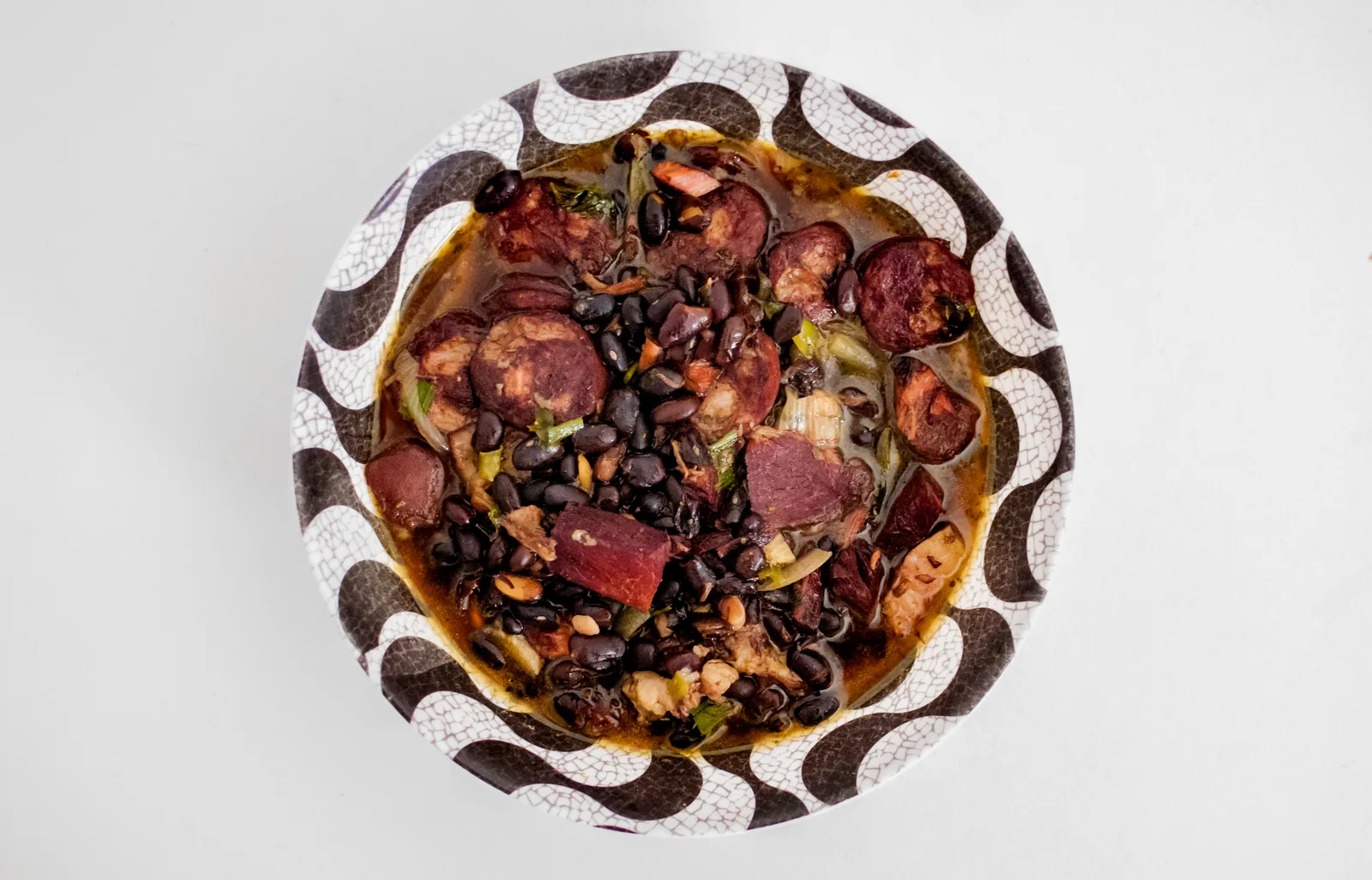
A bowl of Brazilian feijoada — black beans with rounds of sausage and pieces of pork Brazil flag Brazil 3h 30m
Dinner •Brazilian National Dish

Brazilian Feijoada

This Brazilian feijoada recipe is the real Saturday lunch: black beans simmered for hours with pork shoulder, smoky linguiça, bacon and beef until the broth turns thick and dark, then served with white rice, garlicky collard greens, orange slices and farofa. It is a slow, generous pot built for sharing. One serving is about 450 g.

Rich & Hearty

Brazil's national dish — black beans slow-cooked with pork, sausage and beef, served with rice, greens and orange.

Pairs Well With
Serve with white rice, sautéed collard greens, orange slices and farofa.

The Dinner Gazette

Never wonder what’s for dinner again

One email a week with easy dinner ideas from around the world — ingredients, steps and nutrition, tested in our kitchen first.

Delivered every Thursday morning. Unsubscribe anytime.