
Curated recipes from 193 countries  •  New seasonal Mediterranean issue out now

Overview

Focaccia Genovese

Focaccia alla Genovese, Genoese Focaccia

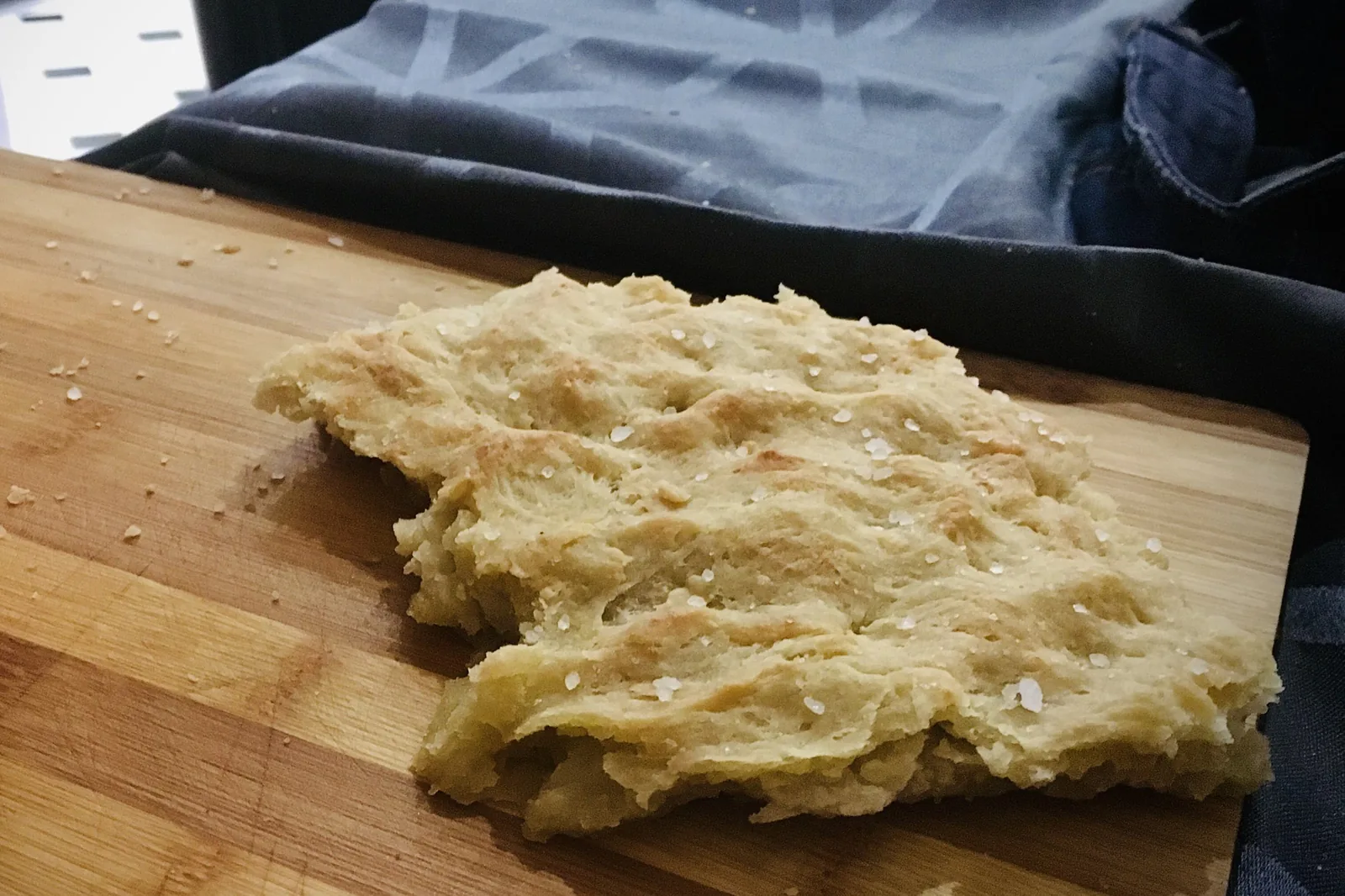
This focaccia recipe makes the real Genoese flatbread: a thin, dimpled slab with a crisp, salty top and a soft, oily crumb, brushed with salamoia — the salt-water and oil emulsion that gives it its shine. In Genoa it is breakfast, dipped into a cappuccino, and it is just as good torn apart at lunch. One serving is about 105 g, one generous slice.

Focaccia is Liguria's flatbread, and the Genoese version is the thinnest and oiliest of the family — a slab of risen dough stretched across a tray, dimpled by hand, and brushed with salamoia, the emulsion of salt water and olive oil that gives it its shine. In Genoa it is breakfast as much as bread: workers have long eaten it dipped into a cappuccino before the working day starts. The name comes from the Latin focus, the hearth, because flatbreads like this were once baked on the hot stones of the family fire.

Pairs well with: A bowl of minestrone or a plate of salumi and cheese, with the bread torn, not sliced.

Provenance

Italy flag Italy

Ligurian Heritage

Mediterranean & Italy

Time Dedication

50m

25m prep • 25m cook

Batch Yield

8 Servings

308 kcal per serving

1 serving ≈ 105 g

Technical Skill

Intermediate

Medium (Yeasted Bread)

Meal Timing & Digestive Fit

Breakfast

Not Advised

Lunch

Inappropriate

Dinner

Inappropriate

Snack & Tea

Ideal Light Bite

Occasions: Breakfast in Genoa, lunch bread, picnics, family weekends Cost: Very low — about $0.50 per serving at home
A slice of focaccia genovese with coarse salt crystals on a wooden board

Ligurian Heritage

Photo: Teatroge, CC0, via Wikimedia Commons

The Heritage Formulary

Measured Ingredients

Estimated cost: Very low — about $0.50 per serving at home (USD)

Made the Genoese way: a soft, well-risen dough, dimpled by hand and brushed with salamoia before baking.

Execution Methodology & Culinary Technique

Step-by-Step Cooking Guide

Active 50m
P

Prep Stage: Mix, Knead & First Rise

25 Mins • Mixing & Kneading (plus about 2 hours of passive rising, not counted in the total)

Stir the yeast into the lukewarm water and leave it for 5 minutes until foamy. Mix the flour and salt in a large bowl, pour in the yeasted water and 50 g of the olive oil, and knead for about 10 minutes until the dough is smooth and elastic. The dough then rests for about 90 minutes — this rising time is passive and is not counted in the 25-minute active preparation. Oil a baking tray and have the brine ingredients ready.

Maestro Tip: The dough should be soft and a little sticky — do not keep adding flour, or the focaccia turns dense.

  1. 1

    Mix & Knead

    15 Mins Room temperature

    Stir the yeast into the lukewarm water and leave for 5 minutes until it foams. Put the flour and salt in a large bowl, pour in the yeasted water and 50 g of the oil, and mix to a shaggy dough. Knead on a lightly oiled surface for about 10 minutes until smooth and elastic.

    Oil your hands instead of flouring the surface — extra flour dries the dough out.

    Done when: A smooth dough that springs back when poked.

  2. 2

    First Rise

    90 Mins (passive) Warm spot, ~25°C (77°F)

    Shape the dough into a ball, put it in an oiled bowl, cover with a damp cloth, and leave it somewhere warm until it has doubled in size, about 90 minutes. This rising time is passive and is not counted in the recipe's 50-minute active total.

    If the kitchen is cold, put the bowl in the oven with just the light on.

    Done when: Dough doubled in size and full of air.

  3. 3

    Shape the Dough

    30 Mins (passive) Warm spot, ~25°C (77°F)

    Oil a large baking tray generously. Tip the dough onto the tray and stretch it gently with oiled fingers until it fills the tray in a thin, even layer about 2 cm thick. Cover and leave for 30 minutes so it puffs up again.

    Do not use a rolling pin — it knocks the air out. Stretch with your fingers.

    Done when: An even layer, puffed and full of air bubbles.

  4. 4

    Dimple & Brush with Salamoia

    5 Mins Oven preheating to 220°C (425°F)

    Heat the oven to 220°C (425°F). Whisk the remaining 20 g of oil with the 40 ml of water and a pinch of the coarse salt to make the salamoia. Press your fingertips firmly into the dough to make deep dimples, then pour the salamoia over the top so it pools in the holes and scatter the rest of the coarse salt over it.

    Press right down to the tray — shallow dimples disappear in the oven.

    Done when: Deep dimples full of cloudy brine, salt scattered over the top.

  5. 5

    Bake & Rest

    25 Mins 220°C (425°F)

    Bake for 20–25 minutes until the top is golden and crisp and the bottom sounds hollow when tapped. Brush with a little more oil, sprinkle with flaky salt, and rest for 10 minutes before tearing into pieces.

    Eat it the same day — focaccia is at its best warm from the oven.

    Done when: Golden, crisp top; hollow sound when the base is tapped.

Finishing Touches & Plating

Brush the hot focaccia with a little more olive oil, sprinkle with flaky salt, and let it rest for 10 minutes before tearing into pieces.

Nutritional Physiology & Benefits

Nutrition

Energy

308

kcal / serving

Protein

7g

Complete AA

Carbs

48g

Complex

Fats

9g

Healthy

Per serving (8 servings · 1 serving ≈ 105 g)
Energy308 kcal
Protein7 g
Carbohydrates48 g
Fat9 g
Fibre1.9 g
Sugar0.2 g
Sodium680 mg
Per 100g
Energy293 kcal
Protein6.5 g
Carbohydrates45.7 g
Fat9 g
Fibre1.8 g
Sugar0.2 g
Sodium648 mg

Nutrition values are estimated — calculated from USDA FoodData Central values for the listed ingredients.

Vitamins & minerals: Olive oil supplies vitamin E, and the bread itself adds B vitamins from the flour and yeast.

Olive Oil, Not Butter

Olive oil is the main fat here, and it is the same oil that dresses the salad on the side.

Slow Energy from Bread

One slice carries about 48 g of carbohydrate, so it is real fuel — the reason Genoese workers have eaten it for breakfast for generations.

Five Simple Ingredients

The recipe is just flour, water, yeast, salt and oil — no additives, no dairy, nothing hidden.

Food Pairings

What to Eat With

To optimize nutrient absorption and elevate the sensory depth, pair with these authentic accompaniments:

Soups

Minestrone

Torn focaccia is the natural way to eat minestrone in Liguria — the oily crumb soaks up the broth.

Sides

Salumi & Cheese

Salty cured meats and cheese are the classic Genoese accompaniment, and the bread's mild flavour lets them lead.

Drinks

Cappuccino

In Genoa, focaccia dipped into a cappuccino is a normal breakfast — the salty bread against milky coffee works.

Vegetables

Tomato & Basil Salad

A simple tomato salad with basil gives the oily bread something fresh and sharp to play against.

Complete menu

Serve focaccia genovese warm with a bowl of minestrone or a plate of cured meats and cheese, and finish with fresh fruit and coffee.

Digestive Guardrails

What NOT to Combine

To prevent digestive distress, sluggishness, or palate clash, avoid pairing the dish with these elements:

Skipping the Brine

Skipping the salt-water brine leaves the crust dry and pale — the salamoia is what makes Genoese focaccia shiny and crisp. This is general food information, not medical advice.

Slicing It Piping Hot

Cutting into the loaf while it is still piping hot crushes the crumb; let it rest for 10 minutes so the inside sets. This is general food information, not medical advice.

General information only, not medical advice — consult a doctor for personal dietary decisions.

Who Should Eat It

Who Should Eat

  • General adultsA generous snack or bread for the table — about 6.8 g protein per slice, best eaten warm from the oven.
  • ChildrenMost children love the salty, oily crust; serve a smaller piece and watch the salt if they eat several slices.
  • ElderlySoft and easy to chew when warm; a modest piece is the comfortable choice because bread adds up fast.
  • Pregnant womenFine as an everyday bread when baked right through; keep the portion modest. Ask your clinician about portions.
  • Breastfeeding womenA filling, energy-rich snack; one or two slices with soup or salad is plenty.
  • AthletesGood quick carbohydrate before or after training — pair a slice with cheese or soup rather than eating the whole tray.
  • Weight gainEnergy-dense and easy to eat in a good amount, so it suits weight gain when served with its usual rich accompaniments.
  • Weight lossAbout 308 kcal a slice, so keep to one piece and pair it with salad or soup instead of eating it on its own.

Health Conditions — Adjust or Avoid

Conditions

  • DiabetesOne slice is a large amount of starchy bread, so eat it slowly and pair it with vegetables or soup rather than a second slice. Ask your clinician about portions.
  • High blood pressureOne slice carries about 680 mg sodium, so keep other salty foods out of the same meal and do not add extra salt at the table. Ask your clinician about portions.
  • Kidney diseasePortions should stay modest, and the salt content matters for some kidney diets. Ask your clinician about portions.
  • GoutBread itself is low in purines, so one slice is generally fine; drink water with the meal. Ask your clinician about portions.
  • Stomach issuesFresh bread can be heavy on a sensitive stomach; eat slowly, take a smaller piece, and avoid eating it very hot. Ask your clinician about portions.
  • Cardiovascular diseaseThe dish is mostly carbohydrate with olive oil, so one slice with a big plate of vegetables is a better balance than a second helping. Ask your clinician about portions.
  • Fatty liverThe dish is energy-dense, so keep portions modest and avoid eating it late at night. Ask your clinician about portions.
  • Food allergiesContains wheat (gluten). People with wheat allergy or coeliac disease should not eat it unless a safe gluten-free flour is used. Ask your clinician about safe alternatives.
  • Special therapeutic dietsNot suitable for a low-carbohydrate therapeutic diet as written; any lighter version changes the dish and should be discussed with a clinician.

If you have a medical condition, consult your doctor before changing your diet.

Storage & Use

Storage & Use

How to store
Cool completely, then store in a sealed bag at room temperature.
In the fridge
Keeps 2 days in a sealed bag at room temperature rather than the fridge, which dries it out.
In the freezer
Up to 1 month, wrapped well; reheat from frozen in a hot oven.
How to reheat
Reheat in a hot oven at 200°C (400°F) for 5 minutes until crisp again; do not microwave it.
Freezing recommended
Yes, wrapped tightly.
Signs it has spoiled
Stale, dry crumb or mould.

More recipes to explore

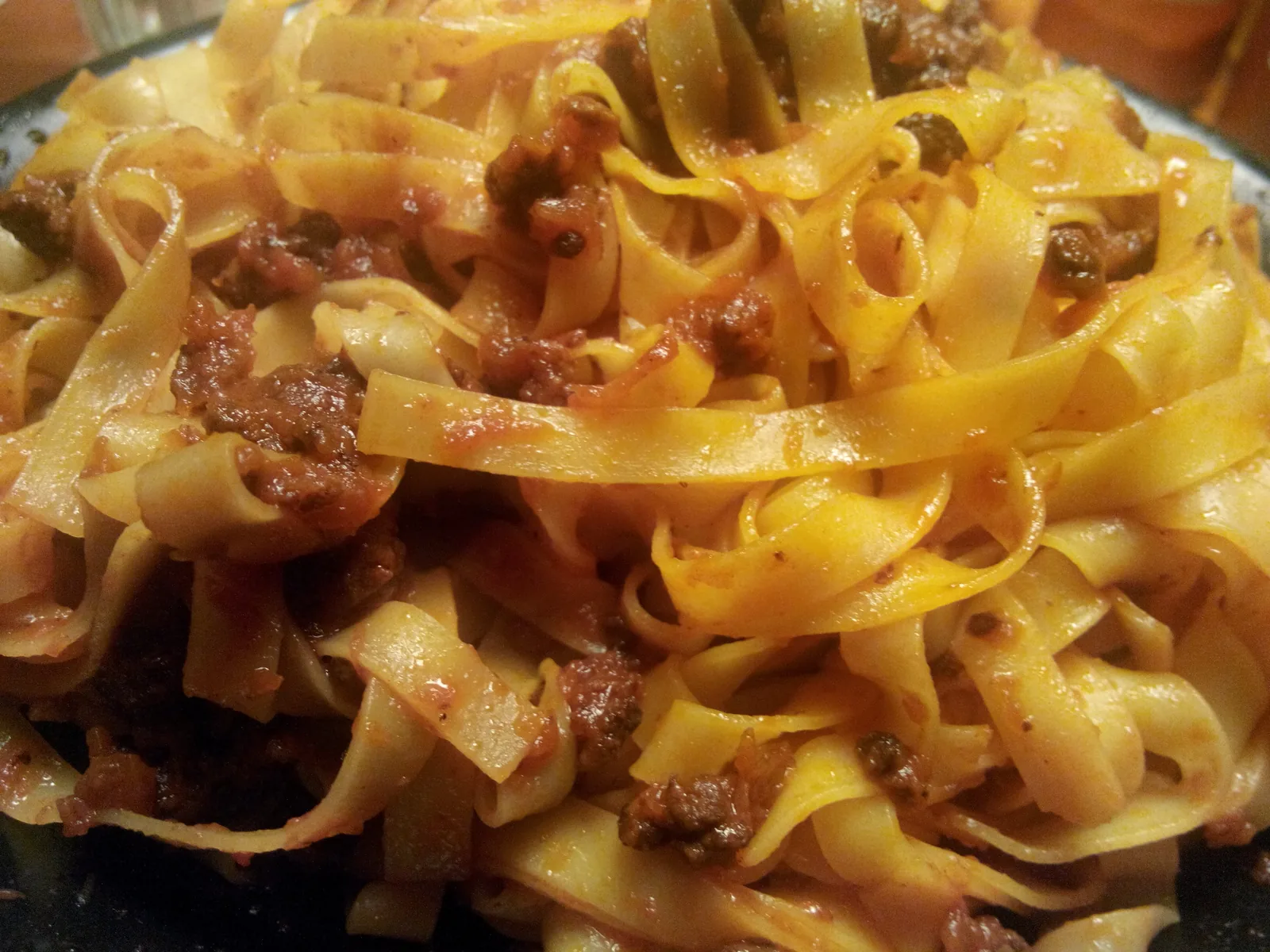
Tagliatelle al ragù Bolognese in a bowl with Parmigiano-Reggiano Italy flag Italy 4h 25m
Lunch •Emilia-Romagna

Tagliatelle al Ragù Bolognese

Slow-braised soffritto and coarse ground heritage meats layered over handmade egg yolk dough for mid-day stamina.

Lean Protein

Slow-simmered beef ragù tossed through fresh egg tagliatelle.

Pairs Well With
Bitter Radicchio & Aged Balsamico di Modena
Pasta & Noodles • High Protein
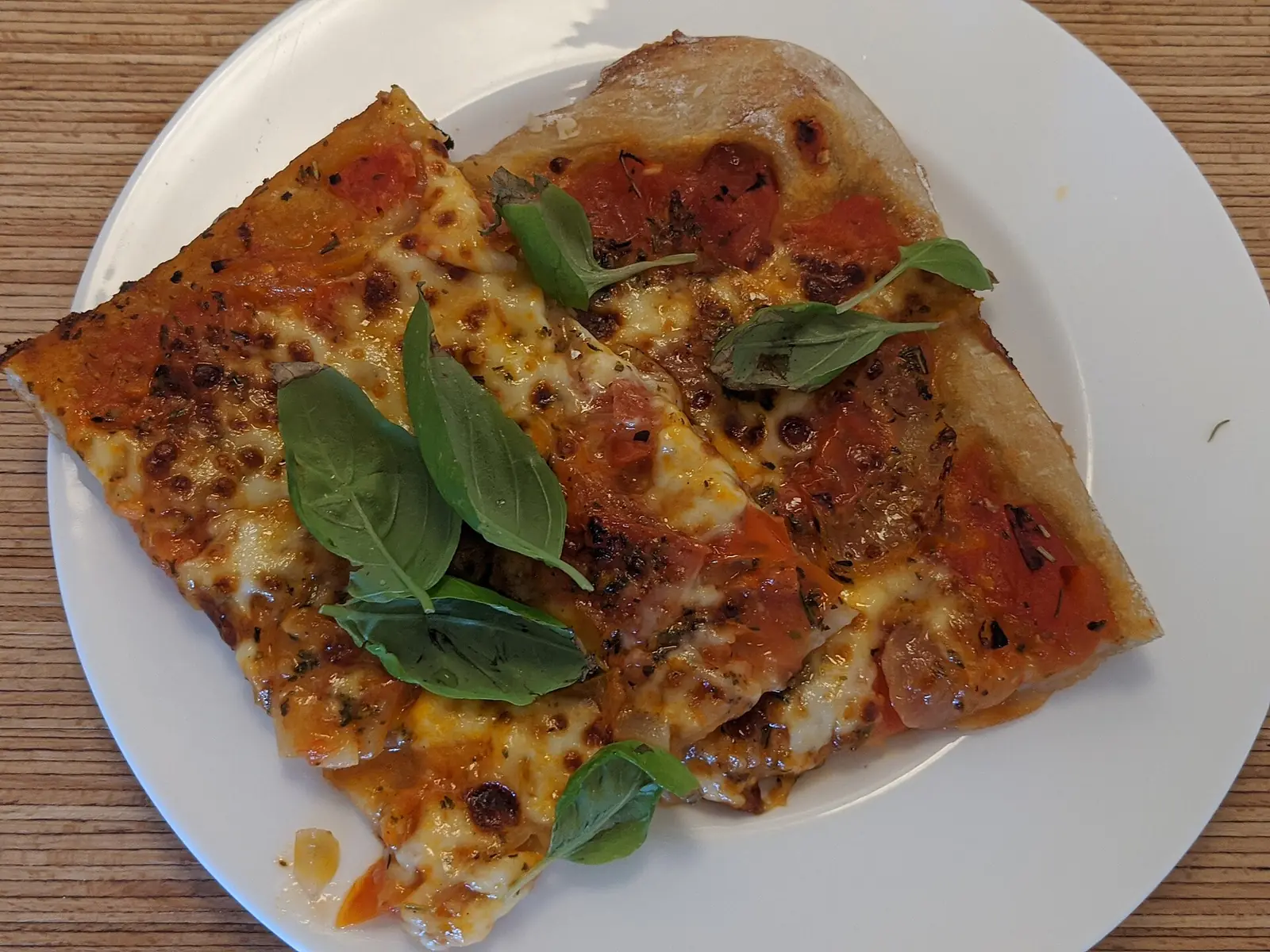
Two slices of pizza margherita with tomato, melted mozzarella and fresh basil on a white plate Italy flag Italy 45m
Dinner •Naples Classic

Pizza Margherita

This pizza margherita recipe makes a proper Neapolitan-style pizza at home: a soft, airy dough, San Marzano tomato sauce, fior di latte mozzarella and fresh basil. One serving is about 325 g — two slices.

Simple & Satisfying

Wood-fired-style pizza with tomato, fior di latte mozzarella and basil — three ingredients, done properly.

Pairs Well With
A simple green salad and a glass of Chianti or sparkling water
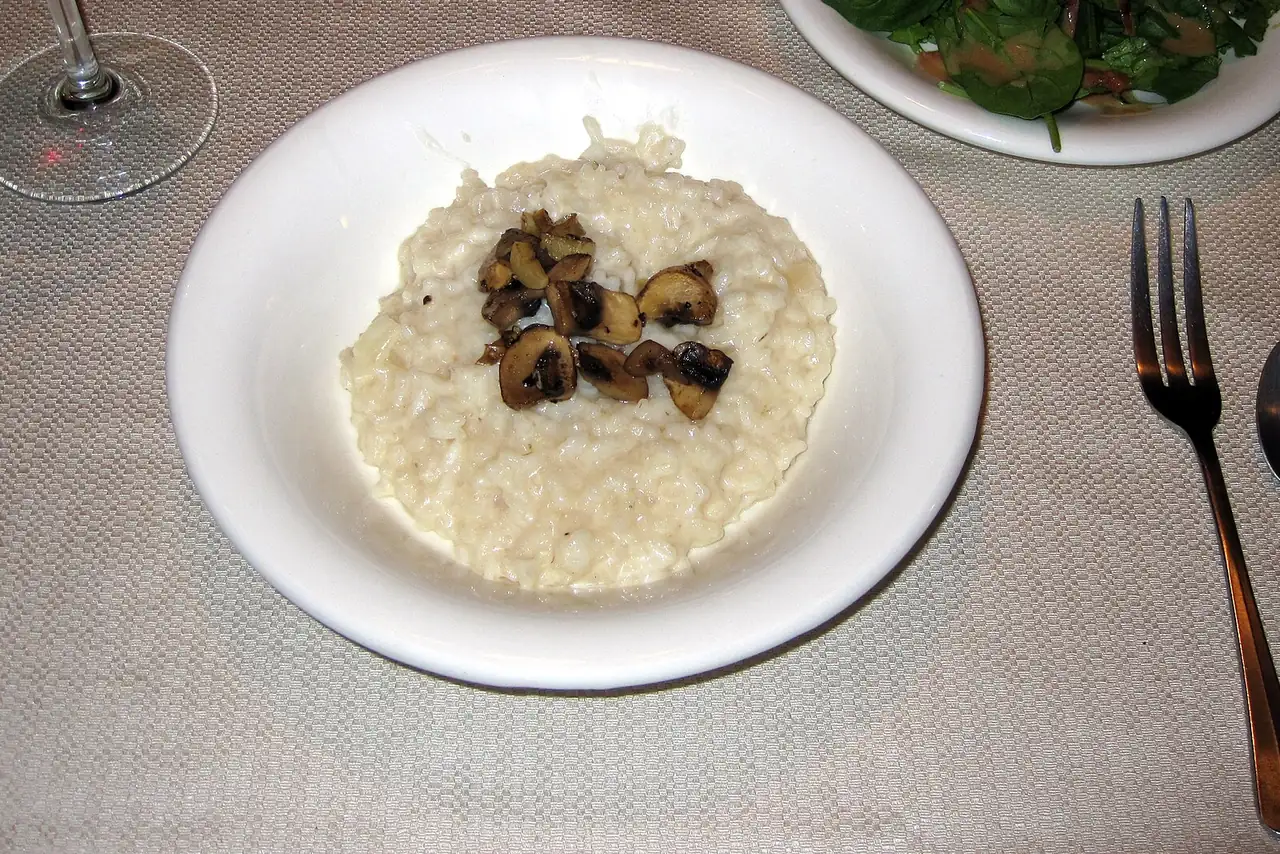
A bowl of creamy mushroom risotto topped with sautéed mushrooms, with a spinach salad beside it Italy flag Italy 50m
Dinner •Milanese Classic

Mushroom Risotto

This mushroom risotto recipe stirs Arborio rice slowly with hot stock, white wine and two kinds of mushrooms, then finishes it the Milanese way with cold butter and Parmesan. One serving is about 500 g.

Comfort & Warmth

Creamy Arborio rice, slowly stirred with mushrooms, white wine and Parmesan.

Pairs Well With
A rocket and Parmesan salad and a glass of dry white wine
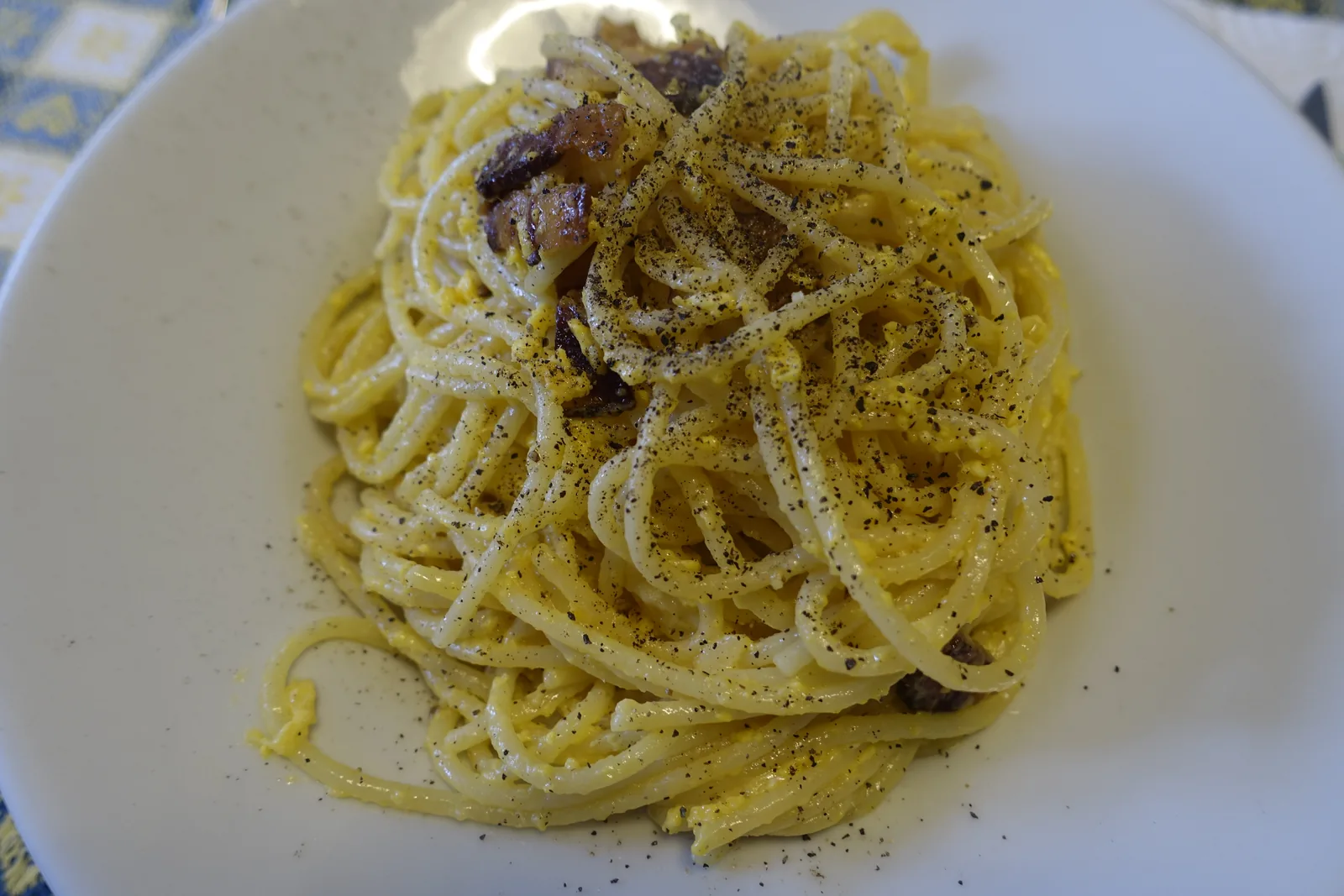
A plate of spaghetti carbonara with golden egg sauce, crisp guanciale and black pepper Italy flag Italy 30m
Dinner •Roman Classic

Spaghetti Carbonara

This spaghetti carbonara recipe is the Roman classic as it should be: spaghetti tossed with crisp guanciale, egg yolks, Pecorino Romano and black pepper — no cream, no bacon, no garlic. One serving is about 275 g. It takes 30 minutes, and the sauce comes together in the time the pasta cooks.

Comfort & Rich

Silky egg-and-cheese sauce over spaghetti with crisp guanciale and black pepper, ready in 30 minutes.

Pairs Well With
Pecorino Romano, black pepper & a crisp white wine
Pasta & Noodles • Quick Prep (<30m)

The Dinner Gazette

Never wonder what’s for dinner again

One email a week with easy dinner ideas from around the world — ingredients, steps and nutrition, tested in our kitchen first.

Delivered every Thursday morning. Unsubscribe anytime.