Curated recipes from 193 countries  •  New seasonal Mediterranean issue out now

Overview

Irish Coffee

Irish Coffee — Hot Coffee, Irish Whiskey and Cream

Irish coffee is Ireland's world-famous drink: hot coffee, a measure of Irish whiskey and brown sugar, topped with a thick layer of cold cream that floats on the surface and is sipped through, never stirred in. It was created to warm cold travellers, and it still does the job in ten minutes. One serving is about 263 g.

Irish coffee was created in 1943 by chef Joe Sheridan at Foynes, the flying-boat port in County Limerick, to warm passengers arriving cold and wet from the Atlantic. In 1952 travel writer Stanton Delaplane carried the recipe to the Buena Vista Cafe in San Francisco, where it became a house speciality and spread around the world. The rule has never changed: hot coffee, Irish whiskey, brown sugar, and cream floated on top, never stirred.

Pairs well with: Shortbread biscuits or a small piece of dark chocolate

Provenance

Ireland flag Ireland

Irish Heritage

Nordic & European

Time Dedication

10m

5m prep • 5m cook

Batch Yield

2 Servings

242 kcal per serving

1 serving ≈ 263 g

Technical Skill

Easy

Easy (One Glass)

Meal Timing & Digestive Fit

Breakfast

Not Advised

Lunch

Inappropriate

Dinner

Inappropriate

Snack & Tea

Ideal Light Bite

Quick Prep (<30m) Occasions: Evening drinks, after-dinner drinks, St. Patrick's Day, cold-weather gatherings Cost: Low — about $2–3 per glass at home

Tags: Sweet Mild Rich
A glass of Irish coffee with a thick layer of cream floating on top, with a bottle of Irish whiskey behind it

Irish Heritage

Photo: Marler, CC BY-SA 3.0, via Wikimedia Commons

The Heritage Formulary

Measured Ingredients

Estimated cost: Low — about $2–3 per glass at home (USD)
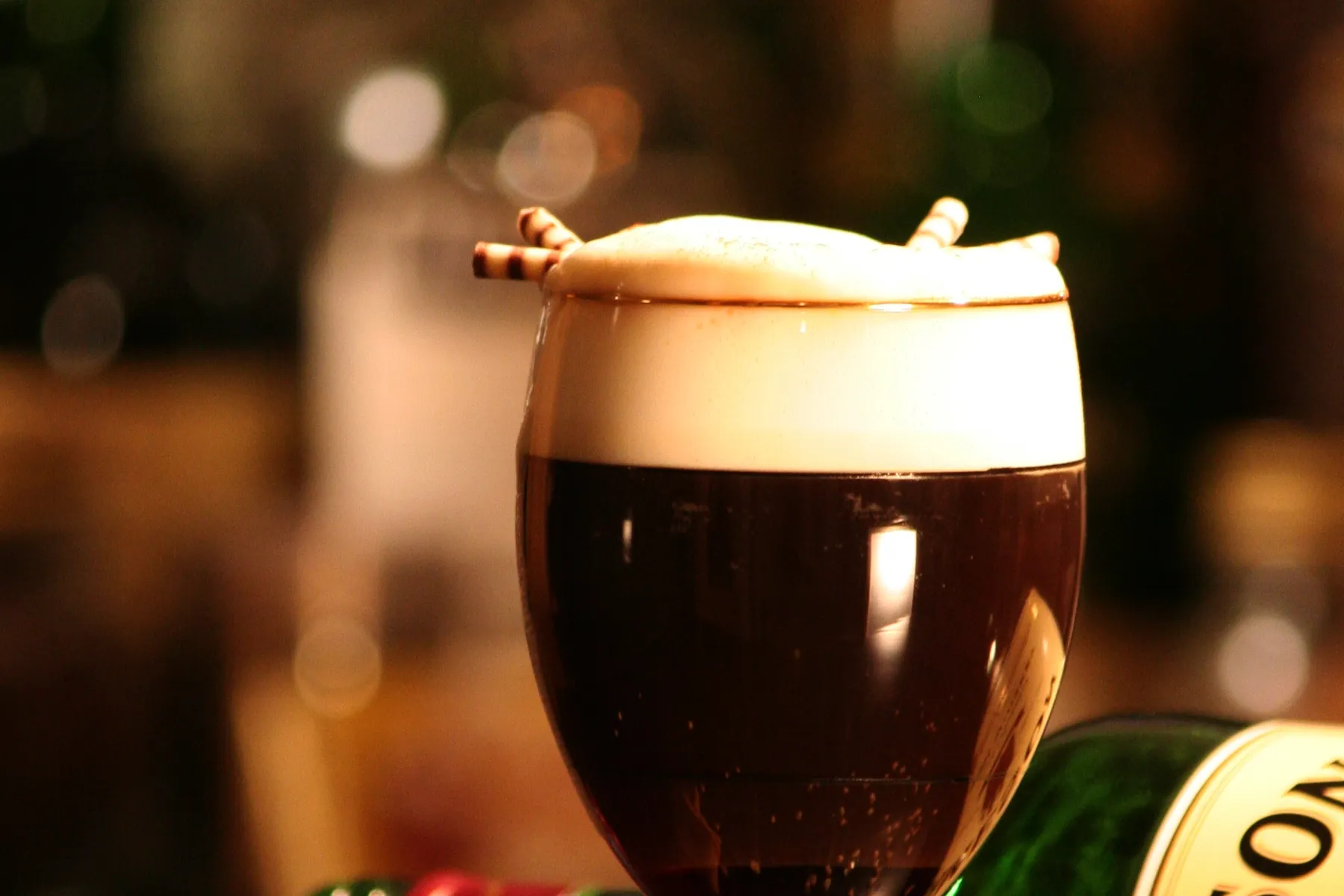
A true Irish coffee is sipped through the cream, never stirred, and the cream must float in a clean layer.

Execution Methodology & Culinary Technique

Step-by-Step Cooking Guide

Active 10m
P

Prep Stage: Warm Glass, Cold Cream

5 Mins • Kettle and Whisk

Brew the coffee strong and keep it hot. Warm the glasses with boiling water and dry them, then lightly whip the cold cream until it just thickens — it should pour in a ribbon, not sit in a dollop. The contrast of hot coffee and cold cream is the whole point of the drink.

Maestro Tip: A warm glass stops the coffee cooling the moment it is poured.

  1. 1

    Warm the Glasses

    2 Mins Boiling water, 100°C (212°F)

    Fill each stemmed glass with boiling water and leave for 1 minute, then pour it away and dry the glass. A warm glass keeps the coffee hot and stops the glass cracking.

    Do not skip this — cold glass steals the heat.

    Done when: Glasses warm to the touch, dry inside.

  2. 2

    Dissolve the Sugar and Add the Whiskey

    2 Mins Coffee above 80°C (175°F)

    Pour the hot coffee into the warm glass, leaving room for the cream. Stir in the brown sugar until it dissolves completely, then pour in the Irish whiskey and stir once.

    The sugar must dissolve before the cream goes on, or it sinks.

    Done when: Sugar fully dissolved, coffee dark and hot.

  3. 3

    Float the Cream

    3 Mins Serve at once, above 60°C (140°F)

    Hold a warm spoon upside down just above the coffee and pour the lightly whipped cream slowly over the back of the spoon so it floats in a thick layer on top. Do not stir — the coffee is sipped through the cream.

    Pour slowly over the spoon; a fast pour sinks the cream.

    Done when: A clean white layer of cream floating on dark coffee.

  4. 4

    Serve at Once

    3 Mins Serve at once, above 60°C (140°F)

    Serve immediately, with the cream unbroken. Drink it through the cream, without a straw and without stirring, so the hot coffee and cold cream arrive together.

    The first sip should be hot coffee through cold cream.

    Done when: Cream still floating, coffee steaming beneath it.

Finishing Touches & Plating

An Irish coffee is a drink, not a dessert — serve it hot, sip it through the cream, and never stir it.

Nutritional Physiology & Benefits

Nutrition

Energy

242

kcal / serving

Protein

1g

Complete AA

Carbs

11g

Complex

Fats

11g

Healthy

Per serving (2 servings · 1 serving ≈ 263 g)
Energy242 kcal
Protein1 g
Carbohydrates11 g
Fat11 g
Fibre0.0 g
Sugar10.7 g
Sodium16 mg
Per 100g
Energy92 kcal
Protein0.5 g
Carbohydrates4.1 g
Fat4.1 g
Fibre0 g
Sugar4.1 g
Sodium6 mg

Nutrition values are estimated — calculated from USDA FoodData Central values for the listed ingredients.

Vitamins & minerals: Vitamin A and calcium (cream), small amounts of B vitamins and potassium (coffee).

Gentle Warmth

Hot coffee and a measure of whiskey warm you from the inside, which is exactly what the drink was invented for.

Coffee, Not a Milkshake

The cream is a thin floating layer, not a filling — the drink stays light, with about 242 kcal per glass.

A Small Lift

Coffee brings caffeine and the whiskey brings warmth, so one glass is a sociable evening lift rather than a heavy drink.

Food Pairings

What to Eat With

To optimize nutrient absorption and elevate the sensory depth, pair with these authentic accompaniments:

Sides

Shortbread Biscuits

Buttery shortbread is the classic partner — it gives you something to nibble while the coffee cools to drinking temperature.

Dark Chocolate

A small square of dark chocolate echoes the coffee's bitterness and balances the sweet cream.

Drinks

A Glass of Water

A small glass of water alongside keeps the drink in its place as a slow, sociable sipper.

Complete menu

Serve Irish coffee with shortbread biscuits and a small square of dark chocolate, and finish with a glass of water alongside.

Digestive Guardrails

What NOT to Combine

To prevent digestive distress, sluggishness, or palate clash, avoid pairing the dish with these elements:

Stirring the Cream In

Stirring mixes the cream into the coffee and destroys the layered effect — the cream is meant to be sipped through. This is general food guidance, not medical advice.

Drinking It Like a Soft Drink

Irish coffee contains alcohol, so it is an adults-only drink to be sipped slowly, not drunk quickly. This is general food guidance, not medical advice.

General information only, not medical advice — consult a doctor for personal dietary decisions.

Who Should Eat It

Who Should Eat

  • General adultsSuitable for adults as an occasional drink — sip it slowly and keep it to one glass.
  • ChildrenNot suitable for children — this drink contains alcohol.
  • ElderlyAn occasional drink only, and in a small measure, because of the alcohol and sugar.
  • Pregnant womenNot suitable during pregnancy — this drink contains alcohol, so please ask your clinician.
  • Breastfeeding womenNot suitable while breastfeeding — this drink contains alcohol, so please ask your clinician.
  • AthletesAn occasional post-training treat at most; it is not a recovery drink.
  • Weight gainA small number of extra calories, but the sugar and alcohol make it a poor way to add energy.
  • Weight lossBest avoided — the sugar and alcohol add calories without nutrition.

Health Conditions — Adjust or Avoid

Conditions

  • DiabetesBrown sugar adds fast carbs — keep it to one glass and check with your clinician.
  • High blood pressureLow in sodium, but alcohol can affect blood pressure — keep it to one glass.
  • Kidney diseaseAlcohol is processed by the kidneys and liver — keep it occasional and ask your clinician.
  • GoutAlcohol can raise uric acid — keep it occasional and in a small measure.
  • Stomach issuesCoffee and alcohol can both irritate the stomach — a small glass after food is gentlest.
  • Cardiovascular diseaseAlcohol and sugar both matter here — keep it to one glass, occasionally.
  • Fatty liverAlcohol is hard on the liver — keep it occasional and ask your clinician.
  • Food allergiesContains milk (cream). Check every label if you have an allergy.
  • Special therapeutic dietsIf you follow a prescribed alcohol-free or low-sugar diet, this drink does not fit it — please ask your clinician.

If you have a medical condition, consult your doctor before changing your diet.

Storage & Use

Storage & Use

How to store
Irish coffee is made to order and does not keep — make it fresh each time and serve at once.
In the fridge
Do not store a finished Irish coffee; the cream sinks and the coffee goes cold within minutes.
In the freezer
Not suitable for freezing.
How to reheat
Do not reheat — make a fresh glass instead.
Freezing recommended
No — make it fresh.
Signs it has spoiled
Cream that smells sour or coffee that has gone cold and flat.

More recipes to explore

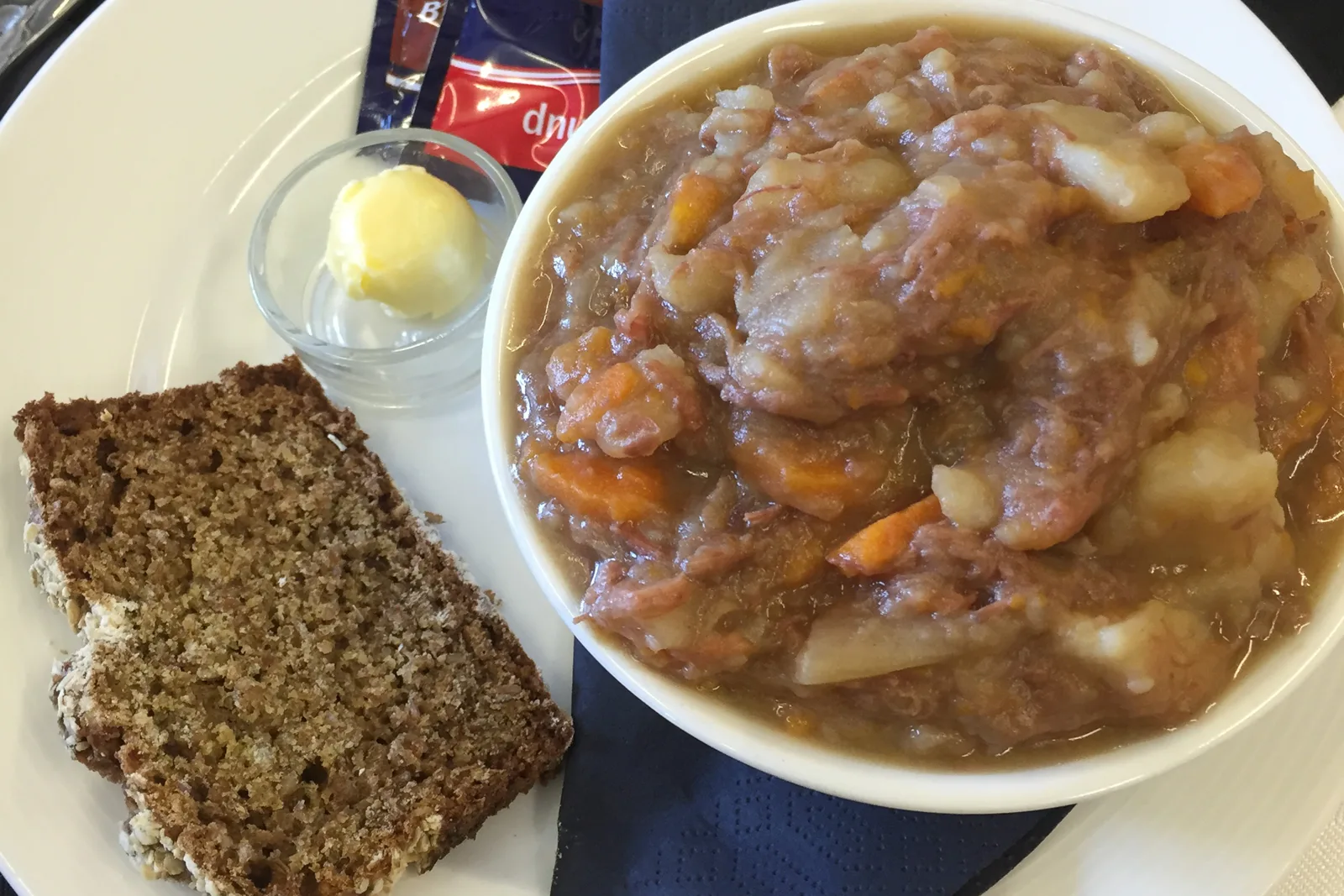
A bowl of Irish stew with lamb, carrots and potatoes in a thick gravy, served with a slice of brown soda bread and butter Ireland flag Ireland 2h 25m
Dinner •Irish Heritage

Irish Stew

This irish stew recipe braises lamb shoulder with potatoes, carrots, onions and leeks in a covered pot until the meat is meltingly tender and the potatoes thicken the juices into a rich gravy. One serving is about 433 g, served with soda bread.

Comfort & Warmth

Lamb, potato, carrot and onion braised slowly in their own juices until the meat falls apart — a stew, not a soup, thick with potato and barely any liquid.

Pairs Well With
Soda bread, butter & parsley
Soups & Broths • High Protein
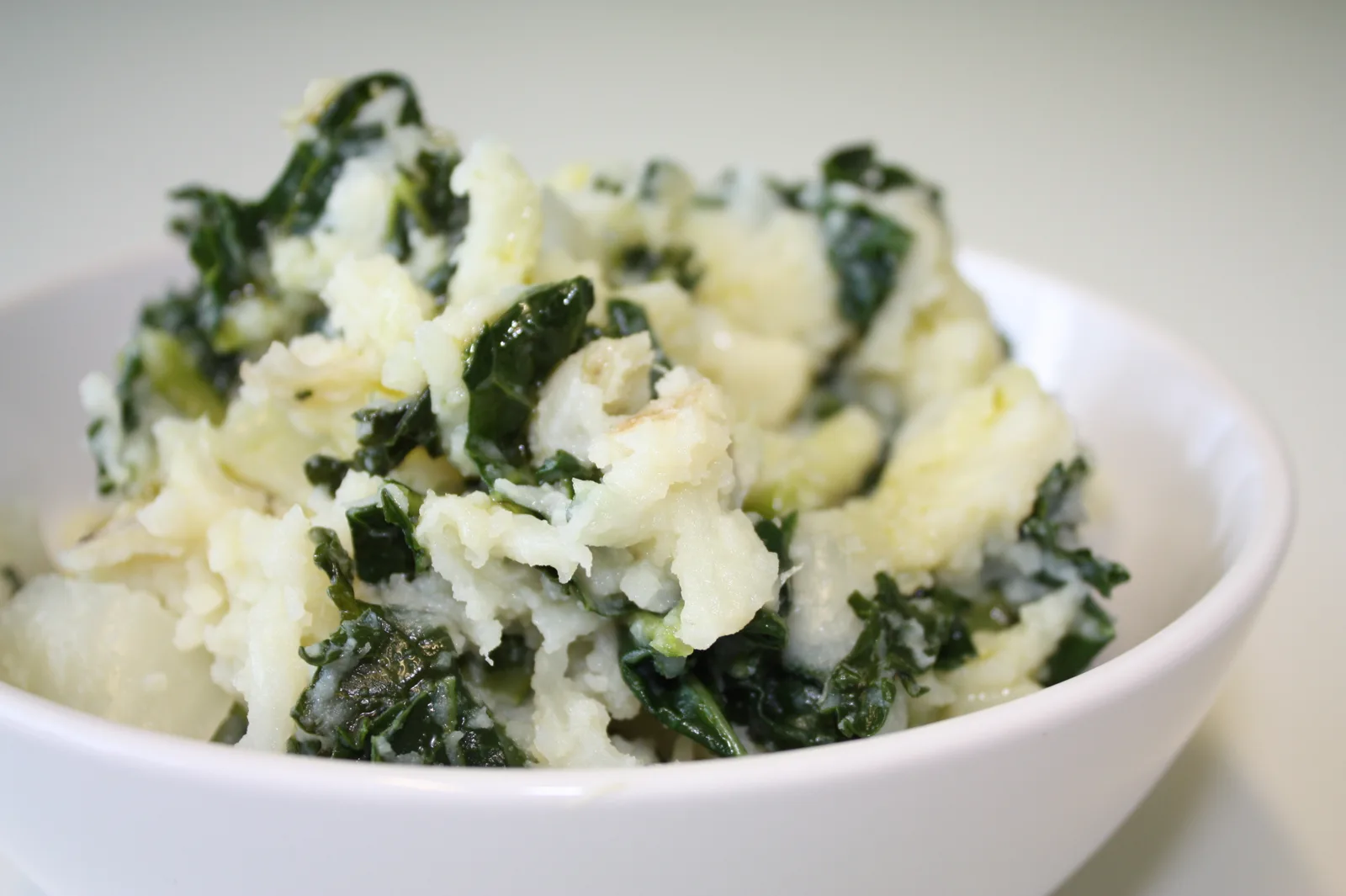
A white bowl of colcannon, creamy mashed potato marbled with dark green kale Ireland flag Ireland 40m
Dinner •Irish Heritage

Colcannon

This colcannon recipe mashes floury potatoes with butter and milk, then folds in wilted kale and scallions until the greens marble through the mash. One serving is about 325 g, served hot with a well of melted butter on top.

Comfort & Warmth

Fluffy mashed potato folded with buttery kale and scallions, served with a melting well of butter in the middle — Ireland’s simplest, warmest side dish.

Pairs Well With
Melted butter, ham & boiled bacon
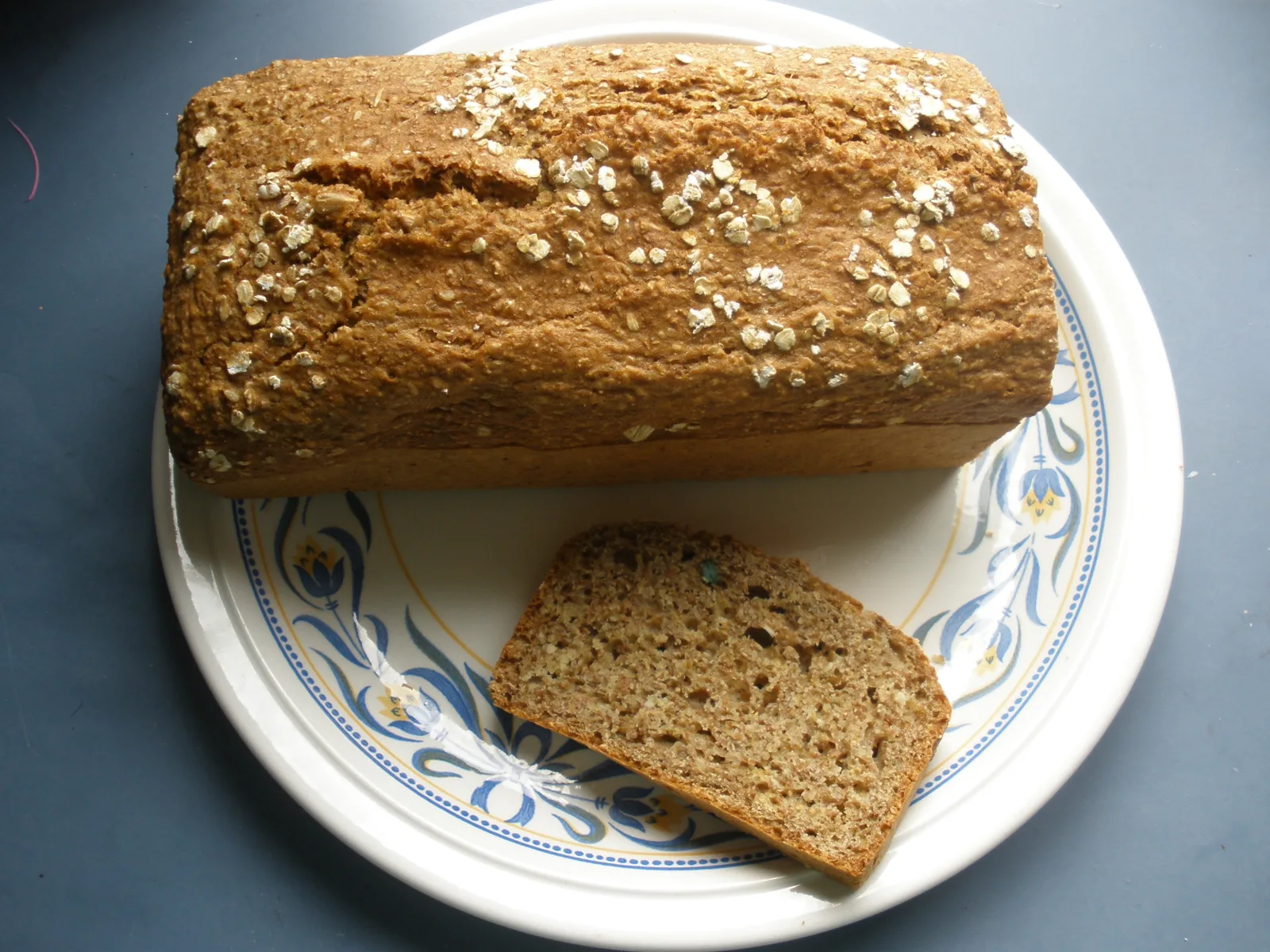
A brown Irish soda bread loaf with rolled oats on top, with a slice cut, on a patterned plate Ireland flag Ireland 55m
Breakfast •Irish Heritage

Irish Soda Bread

This irish soda bread recipe mixes wholemeal and white flour with buttermilk, baking soda and a little honey into a soft dough, shaped by hand and baked until the crust is deep brown and the crumb is tender. One serving is about 79 g, one thick slice.

Comfort & Warmth

A rustic wholemeal loaf raised by baking soda, not yeast — mixed in minutes, baked in under an hour, and best eaten warm with butter.

Pairs Well With
Butter, jam & smoked salmon
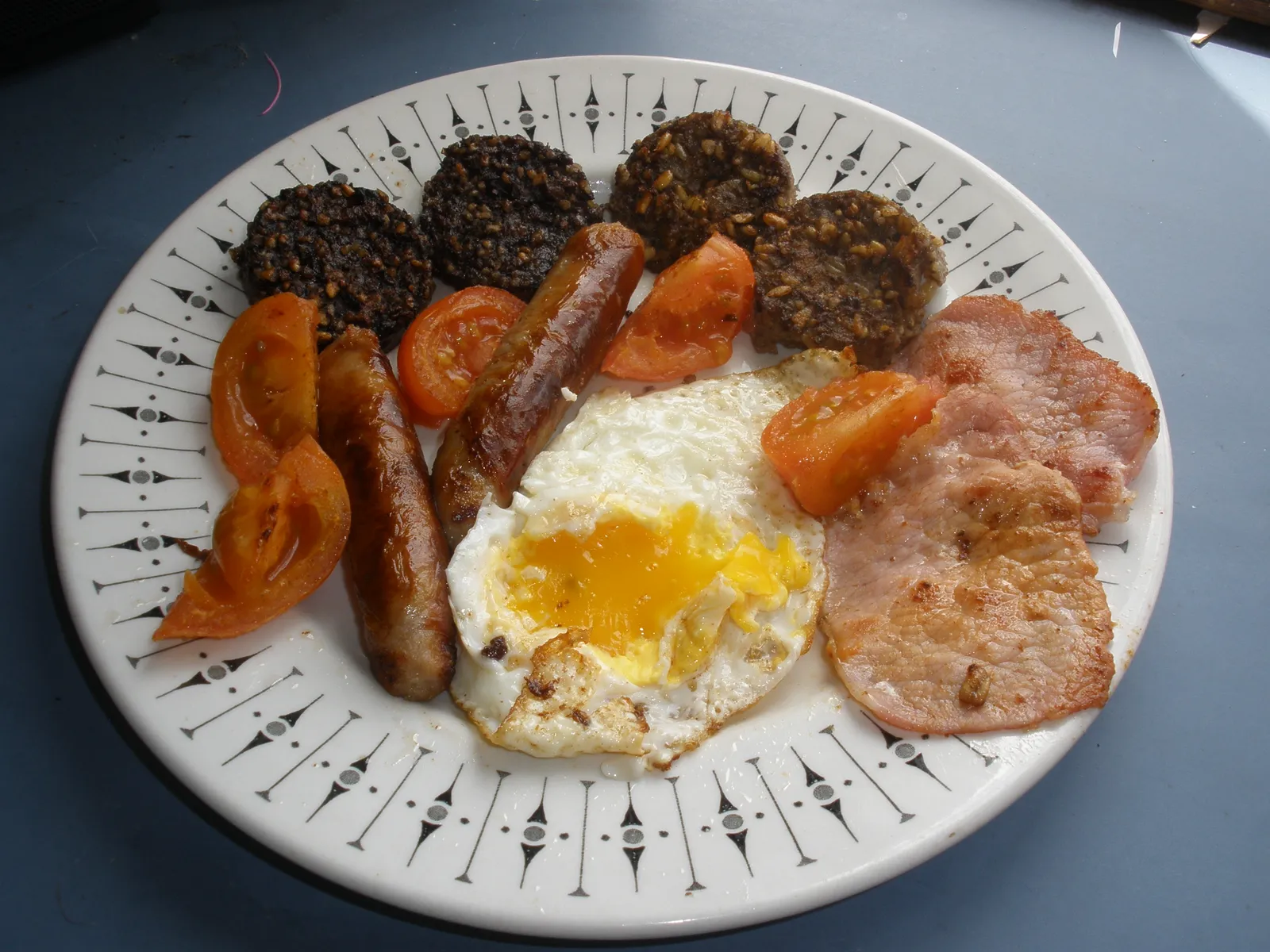
A full Irish breakfast plate with fried egg, rashers, sausages, black and white pudding slices and grilled tomato Ireland flag Ireland 40m
Breakfast •Irish Breakfast Classic

Full Irish Breakfast

A full Irish breakfast is Ireland's great fry-up: pork sausages, back bacon rashers, fried eggs, slices of black and white pudding, grilled tomatoes and mushrooms, with buttered soda bread and potato farls on the side. What sets it apart from the English fry-up is the pair of puddings — dark, crumbly black pudding and pale, oaty white pudding — plus soda bread and potato farls instead of toast and beans. One serving is about 425 g.

Hearty & Filling

Pork sausages, rashers, eggs, black and white pudding, tomato, mushrooms, soda bread and potato farls on one plate.

Pairs Well With
Buttered soda bread, potato farls and a strong cup of tea
High Protein

The Dinner Gazette

Never wonder what’s for dinner again

One email a week with easy dinner ideas from around the world — ingredients, steps and nutrition, tested in our kitchen first.

Delivered every Thursday morning. Unsubscribe anytime.