
Curated recipes from 193 countries  •  New seasonal Mediterranean issue out now

Overview

German Braised Red Cabbage

Rotkohl, Blaukraut, German Sweet-Sour Red Cabbage

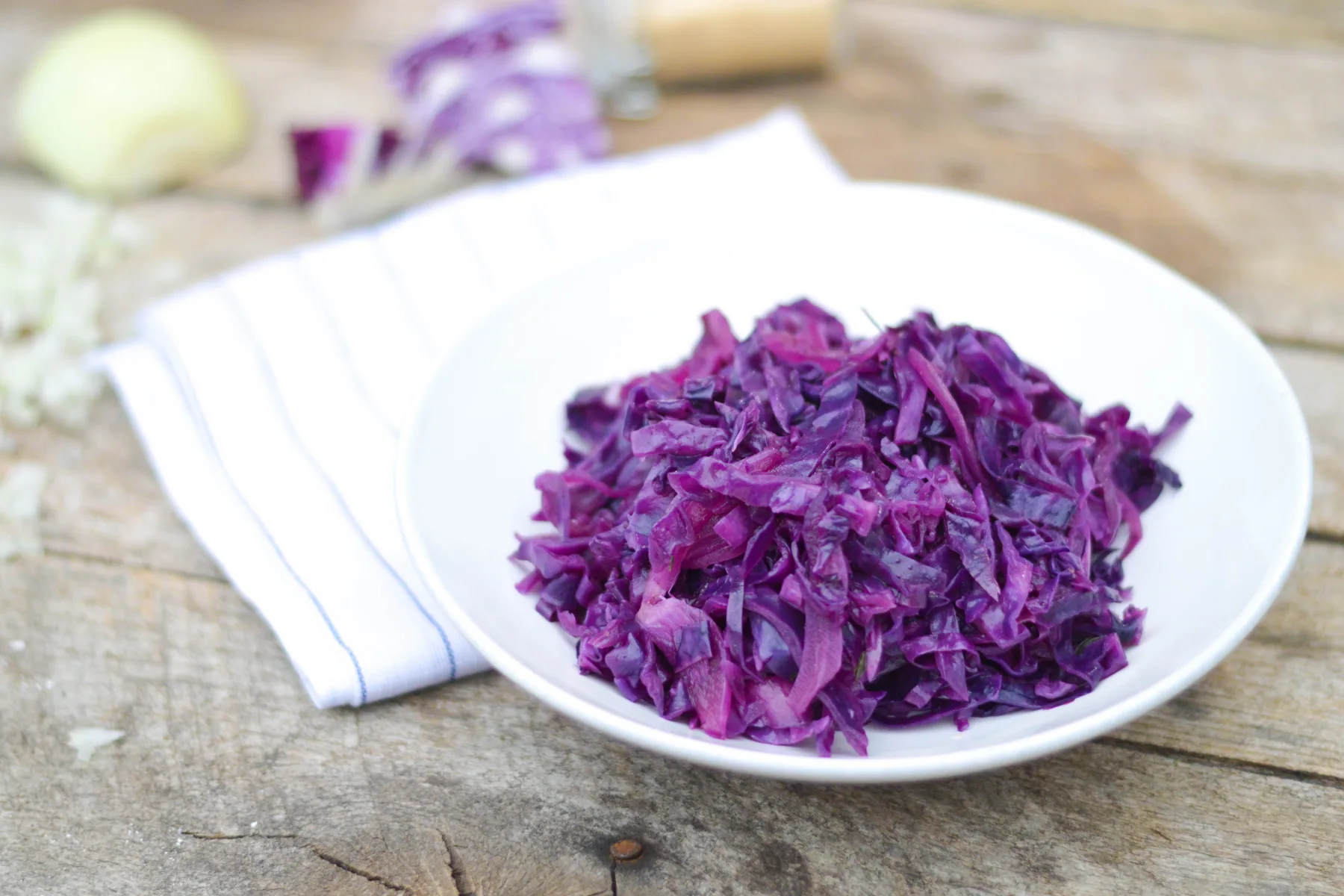
German braised red cabbage, or Rotkohl, is the glossy purple side dish that belongs next to a Sunday roast: shredded cabbage cooked down with apple, onion, vinegar and a splash of red wine until it turns tender, sweet and sour all at once. The vinegar is not just for flavour — it keeps the cabbage its deep ruby colour. One serving is about 295 g.

Red cabbage braised with apple and vinegar has been a German table staple for generations, served with roast goose at Christmas and with pork and game through the winter. In the north it is called Rotkohl and in the south, especially Bavaria, Blaukraut — the same dish under two names, a reminder that the cabbage turns blue-purple without acid and red with it. The vinegar in the pot is doing real work: it keeps the colour ruby-red while it softens the leaves.

Pairs well with: Serve hot beside roast pork, roast goose or sausages with mashed potatoes and a spoonful of the cooking juices.

Provenance

Germany flag Germany

German Heritage

Nordic & European

Time Dedication

1h 10m

15m prep • 55m cook

Batch Yield

4 Servings

236 kcal per serving

1 serving ≈ 295 g

Technical Skill

Easy

Easy (One Pot)

Meal Timing & Digestive Fit

Breakfast

Not Advised

Lunch

Hearty Midday Main

Dinner

Ideal Hearty Main

Snack & Tea

Inappropriate

Occasions: Sunday roasts, Christmas dinner, festive family meals, autumn and winter suppers Cost: Low — about $1–2 per serving at home (cabbage, onion and apple are the main costs)
A white bowl of glossy braised red cabbage with a deep purple colour, served on a wooden table with a striped napkin

German Heritage

Photo: DC Central Kitchen, CC BY 2.0, via Wikimedia Commons

The Heritage Formulary

Measured Ingredients

Estimated cost: Low — about $1–2 per serving at home (cabbage, onion and apple are the main costs) (USD)

A traditional German side dish, braised until tender with the classic sweet-sour balance of apple, vinegar and sugar.

Execution Methodology & Culinary Technique

Step-by-Step Cooking Guide

Active 1h 10m
P

Prep Stage: Shred, Slice & Dice

15 Mins • Knife Work

Quarter and core the red cabbage, then shred it into thin ribbons. Slice the onion, peel and dice the apple, and count out the cloves and bay leaf. Measure the vinegar, sugar, wine and water into small bowls so everything is ready to go — once the pot is hot, the cabbage goes in fast.

Maestro Tip: Shred the cabbage thinly and evenly; thick pieces stay crunchy while thin ones turn to mush.

  1. 1

    Soften the Onion

    5 Mins Medium heat, ~175°C (350°F)

    Warm the sunflower oil in a large heavy pot over medium heat. Add the sliced onion with a pinch of salt and cook for 5 minutes, stirring often, until soft and translucent but not browned.

    Keep the heat at medium — browned onion would muddy the colour of the finished cabbage.

    Done when: Onion is soft, pale and sweet-smelling.

  2. 2

    Add the Cabbage and Apple

    5 Mins Medium heat, ~175°C (350°F)

    Add the shredded cabbage and diced apple to the pot. Stir for 5 minutes until the cabbage wilts down and turns a vivid purple-red as it meets the heat.

    Use the largest pot you own — 900 g of raw cabbage looks like a mountain before it wilts.

    Done when: Cabbage has wilted to about half its volume and turned bright purple-red.

  3. 3

    Season Sweet-Sour

    2 Mins Medium heat, ~175°C (350°F)

    Pour in the apple cider vinegar, red wine and water, then add the brown sugar, cloves, bay leaf, salt and pepper. Stir well so the sugar dissolves and the cabbage is evenly coated.

    Add the vinegar before the lid goes on — the acid locks in the red colour from the start.

    Done when: Liquid is bubbling gently and the cabbage is evenly glossy.

  4. 4

    Braise Low and Slow

    40 Mins Low heat, ~95°C (200°F)

    Cover the pot, turn the heat to low, and braise for 40 minutes, stirring every 10 minutes so the bottom does not catch. The cabbage should turn silky and tender while the liquid reduces to a glossy coating.

    If the pot looks dry before the cabbage is tender, add water 2 tablespoons at a time — never flood it.

    Done when: Cabbage is completely tender when pressed with a spoon, with just a spoonful or two of glossy liquid left.

  5. 5

    Rest and Balance

    8 Mins No heat — rest off the stove, about 20°C (68°F)

    Take the pot off the heat and fish out the cloves and bay leaf. Taste and adjust: a little more vinegar if it needs brightness, a pinch more sugar if it is too sharp. Rest for 5 minutes before serving so the flavours settle.

    Rotkohl always tastes better the next day — make it ahead whenever you can.

    Done when: Flavour is balanced sweet-sour, with no single note shouting.

Finishing Touches & Plating

Spoon the braised red cabbage into a warm serving bowl and pour over any glossy juices left in the pot. It should shine — dull, dry cabbage means it needs another splash of its own liquid.

Nutritional Physiology & Benefits

Nutrition

Energy

236

kcal / serving

Protein

4g

Complete AA

Carbs

36g

Complex

Fats

8g

Healthy

Per serving (4 servings · 1 serving ≈ 295 g)
Energy236 kcal
Protein4 g
Carbohydrates36 g
Fat8 g
Fibre6.7 g
Sugar22.8 g
Sodium552 mg
Per 100g
Energy80 kcal
Protein1.3 g
Carbohydrates12.1 g
Fat2.8 g
Fibre2.3 g
Sugar7.7 g
Sodium187 mg

Nutrition values are estimated — calculated from USDA FoodData Central values for the listed ingredients.

Vitamins & minerals: A serving provides vitamin C and vitamin K from the red cabbage, plus potassium and folate; the apple adds a little more vitamin C.

Rich in Fibre

Each serving carries about 6.7 g of fibre from the cabbage and apple, which supports normal digestion and helps the dish feel satisfying.

Vitamin C and K

Red cabbage is a good source of vitamin C and vitamin K, and the gentle braise keeps much of the vitamin C in the pot rather than boiling it away.

Light but Filling

At about 236 kcal a serving, this is a generous, filling side that leaves plenty of room for the roast it accompanies.

Food Pairings

What to Eat With

To optimize nutrient absorption and elevate the sensory depth, pair with these authentic accompaniments:

Sides

Roast Pork or Goose

The classic pairing: the sweet-sour cabbage cuts through rich, fatty roast meat and refreshes the palate between bites.

Mashed Potatoes

Buttery mash soaks up the purple cooking juices and gives the plate a soft, mild counterpoint to the sharp cabbage.

Drinks

German Lager

A cold, clean lager matches the vinegar brightness of the cabbage and cleanses the palate after rich roast meat.

Full Menus

Christmas Dinner Plate

Rotkohl belongs on the festive plate next to roast goose, dumplings and gravy — it is the bright, sharp note the rich meal needs.

Complete menu

Serve hot beside roast pork, roast goose or sausages with mashed potatoes and a spoonful of the cooking juices.

Digestive Guardrails

What NOT to Combine

To prevent digestive distress, sluggishness, or palate clash, avoid pairing the dish with these elements:

Sugary Sides on Top

The cabbage already carries about 22.8 g of sugar per serving from the apple, brown sugar and wine, so skip extra-sweet sides such as glazed carrots or cranberry sauce with the same meal if you watch sugar. This is general information, not medical advice.

Alcohol-Free Diners

Most of the wine's alcohol cooks off during the 40-minute braise, but a trace can remain. Anyone avoiding alcohol entirely should use the red grape juice swap. This is general information, not medical advice.

Very Salty Mains

At about 552 mg of sodium per serving, the cabbage is moderately salty; pairing it with cured meats or salty gravy can push the meal's salt load high. This is general information, not medical advice.

General information only, not medical advice — consult a doctor for personal dietary decisions.

Who Should Eat It

Who Should Eat

  • General adultsA generous, light side — about 236 kcal and 6.7 g of fibre per serving. The vinegar tang is the only thing to watch if you dislike sour flavours.
  • ChildrenChildren usually enjoy the sweet apple note; the cabbage is soft and easy to chew. Serve a small portion first — the vinegar tang can surprise younger children.
  • ElderlySoft, easy to chew and light on the stomach. The fibre is helpful, but anyone on a low-fibre plan should keep the portion small.
  • Pregnant womenThe cabbage itself is fine, but the dish contains red wine — use the red grape juice swap so no alcohol is involved. Ask your clinician about portion size.
  • Breastfeeding womenA light, vegetable-rich side that fits well into a varied diet. Use the grape juice swap if you prefer to avoid alcohol entirely.
  • AthletesA low-calorie, high-fibre side that adds bulk to a plate without adding much energy — useful alongside a protein-rich main.
  • Weight gainAt 236 kcal a serving it is not an energy-dense food, so pair it with a hearty main and starchy sides if the goal is to gain weight.
  • Weight lossA filling, low-calorie side: the fibre and volume help you feel full. Watch the sugar (about 22.8 g per serving) and keep portions moderate.

Health Conditions — Adjust or Avoid

Conditions

  • DiabetesAbout 35.7 g of carbohydrate and 22.8 g of sugar per serving, mostly from the apple and brown sugar. Keep the portion moderate and skip extra-sweet sides. Ask your clinician about portions.
  • High blood pressureAbout 552 mg of sodium per serving. Reduce the added salt and skip salty mains with it if you limit sodium. Ask your clinician about portions.
  • Kidney diseaseLow in potassium per serving and easy on protein, but the sodium matters for kidney diets — use less added salt. Ask your clinician about portions.
  • GoutCabbage and onion are not typical gout triggers; the dish is low in purines. The red wine is a minor concern, so use the grape juice swap. Ask your clinician about portions.
  • Stomach issuesCooked cabbage is gentler than raw, but the vinegar and onion can bother sensitive stomachs. Eat a small portion and avoid it on an empty stomach if it triggers discomfort. Ask your clinician about portions.
  • Cardiovascular diseaseA vegetable-based, low-fat side with fibre — a good fit for a heart-friendly plate. The sugar and salt are the parts to watch. Ask your clinician about portions.
  • Fatty liverLow in fat and rich in fibre, which suits a liver-friendly plate. Keep the sugar in mind and serve a moderate portion. Ask your clinician about portions.
  • Food allergiesAllergens: none of the major allergens. The dish is vegan and gluten-free; check that the wine or juice you use is one you tolerate.
  • Special therapeutic dietsFits vegan, vegetarian and gluten-free plans as written. For alcohol-free therapeutic diets, use the red grape juice swap. Ask your clinician about portions.

If you have a medical condition, consult your doctor before changing your diet.

Storage & Use

Storage & Use

How to store
Cool completely, then store in an airtight container with its cooking liquid.
In the fridge
Up to 5 days — the flavour improves after a day or two.
In the freezer
Up to 3 months in a freezer-safe container.
How to reheat
Reheat gently in a covered pan over low heat for 8–10 minutes until steaming hot throughout, to 74°C (165°F). Add a splash of water if it looks dry.
Freezing recommended
Yes — it freezes very well and the flavour deepens.
Signs it has spoiled
Sour or yeasty smell beyond the normal vinegar tang, slimy texture, or mould.

More recipes to explore

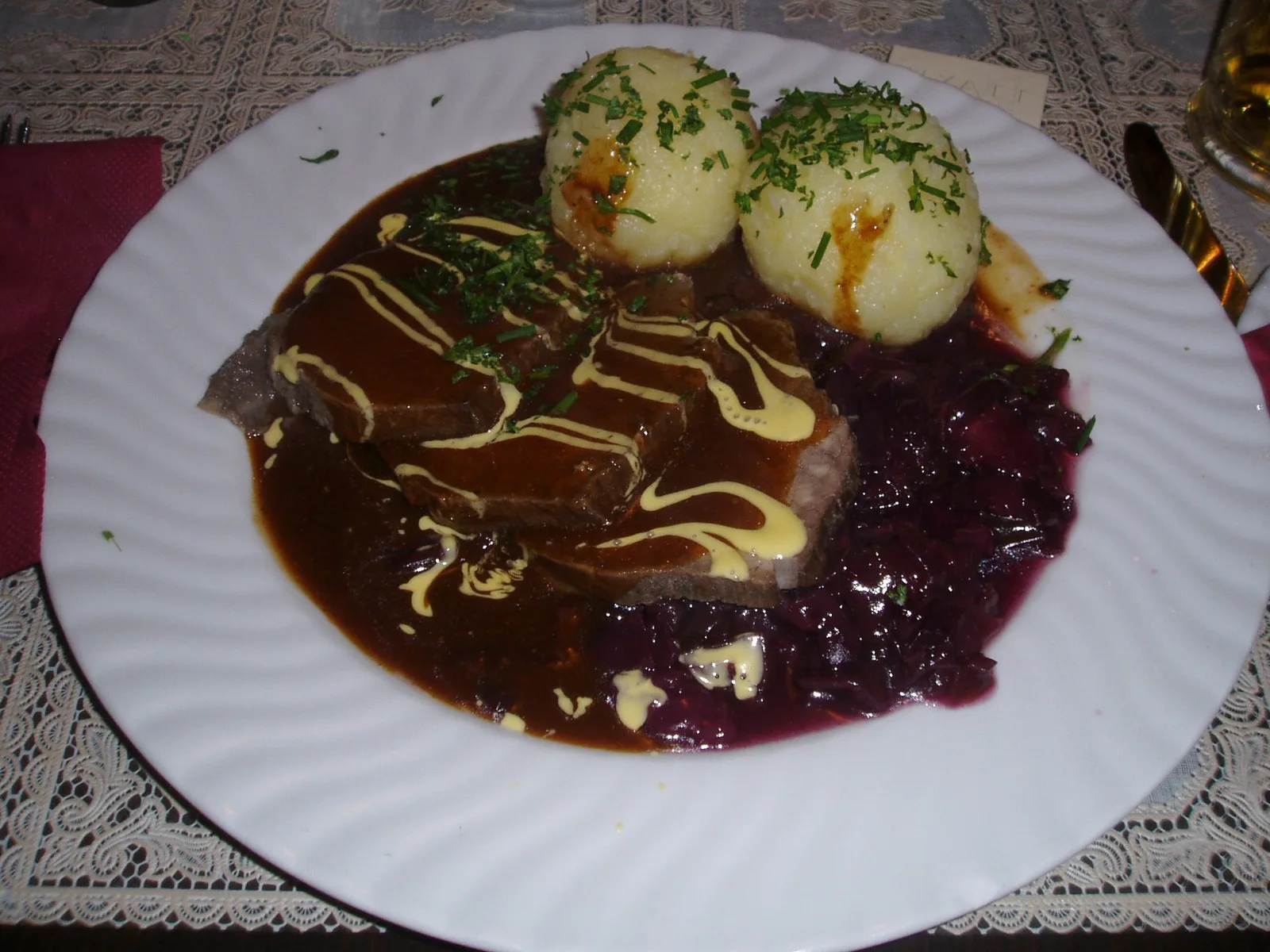
Sliced sauerbraten in dark sweet-sour gravy with potato dumplings and braised red cabbage on a white plate Germany flag Germany 3h 30m
Dinner •Rhineland Heritage

Sauerbraten

This sauerbraten recipe starts with a beef chuck roast steeped for three days in red wine vinegar, red wine and warm spices, then braised slowly until it slices like butter. The marinade becomes a dark, sweet-sour gravy thickened with crushed gingersnaps and studded with raisins, the Rhineland way. One serving is about 300 g, with gravy.

Comfort & Warmth

A slow-braised German pot roast in a sweet-sour vinegar gravy, sliced thick and served hot with potato dumplings and red cabbage.

Pairs Well With
Potato dumplings, braised red cabbage & a glass of Spätburgunder
High Protein
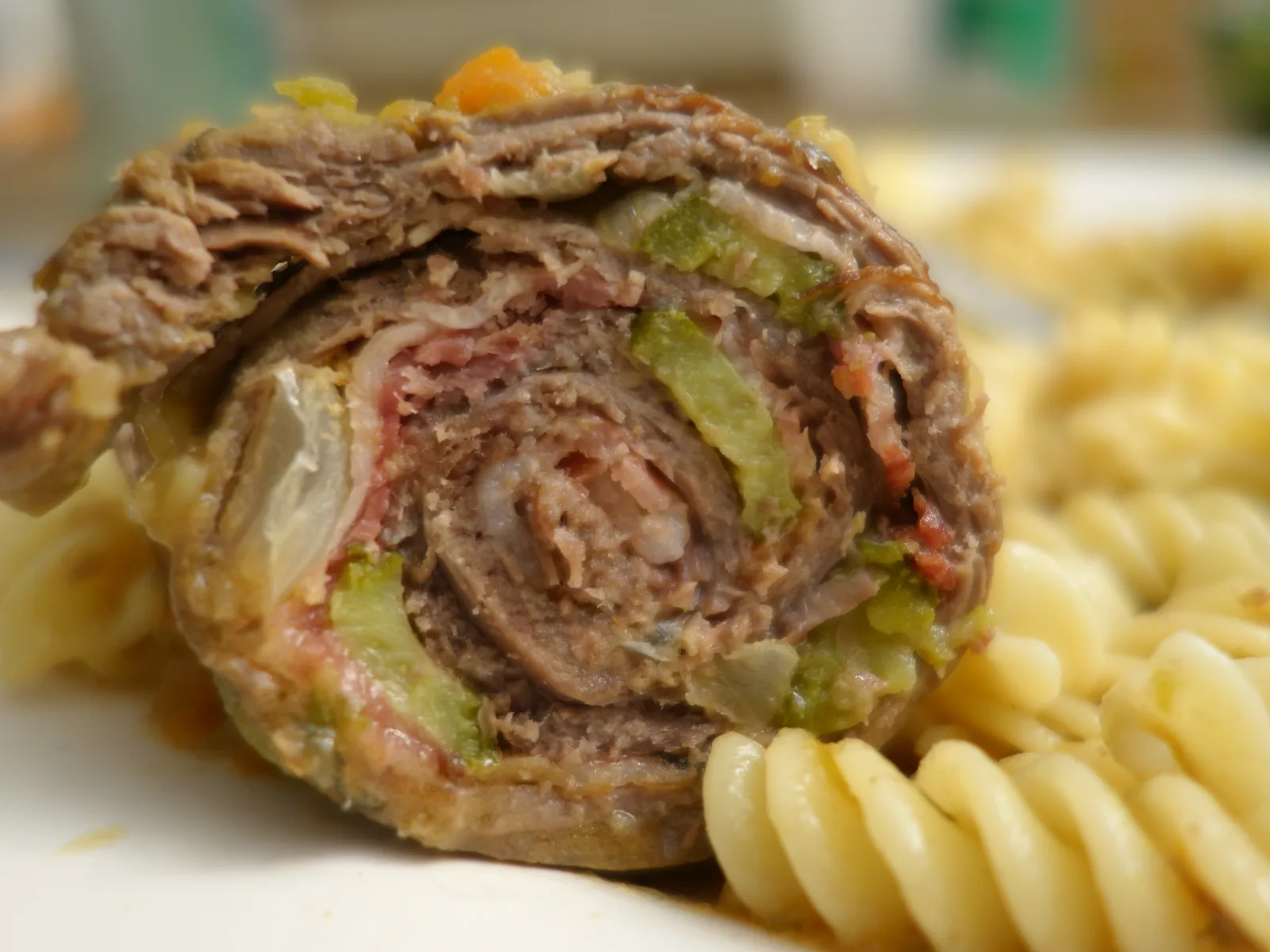
A sliced German beef roulade showing the spiral of beef, bacon and dill pickle, served with pasta Germany flag Germany 2h 10m
Dinner •German Sunday Heritage

Rouladen

This rouladen recipe spreads thin slices of top round with mustard, then rolls them around smoky bacon, dill pickles and onion into neat parcels. The rolls are browned, then braised slowly in red wine and beef stock until tender, and the braising liquid becomes a rich gravy. One serving is about 375 g — two rolls with gravy.

Comfort & Warmth

Thin beef rolls stuffed with bacon, dill pickle and onion, braised in red wine gravy and served hot with dumplings.

Pairs Well With
Potato dumplings, braised red cabbage & a German lager
High Protein
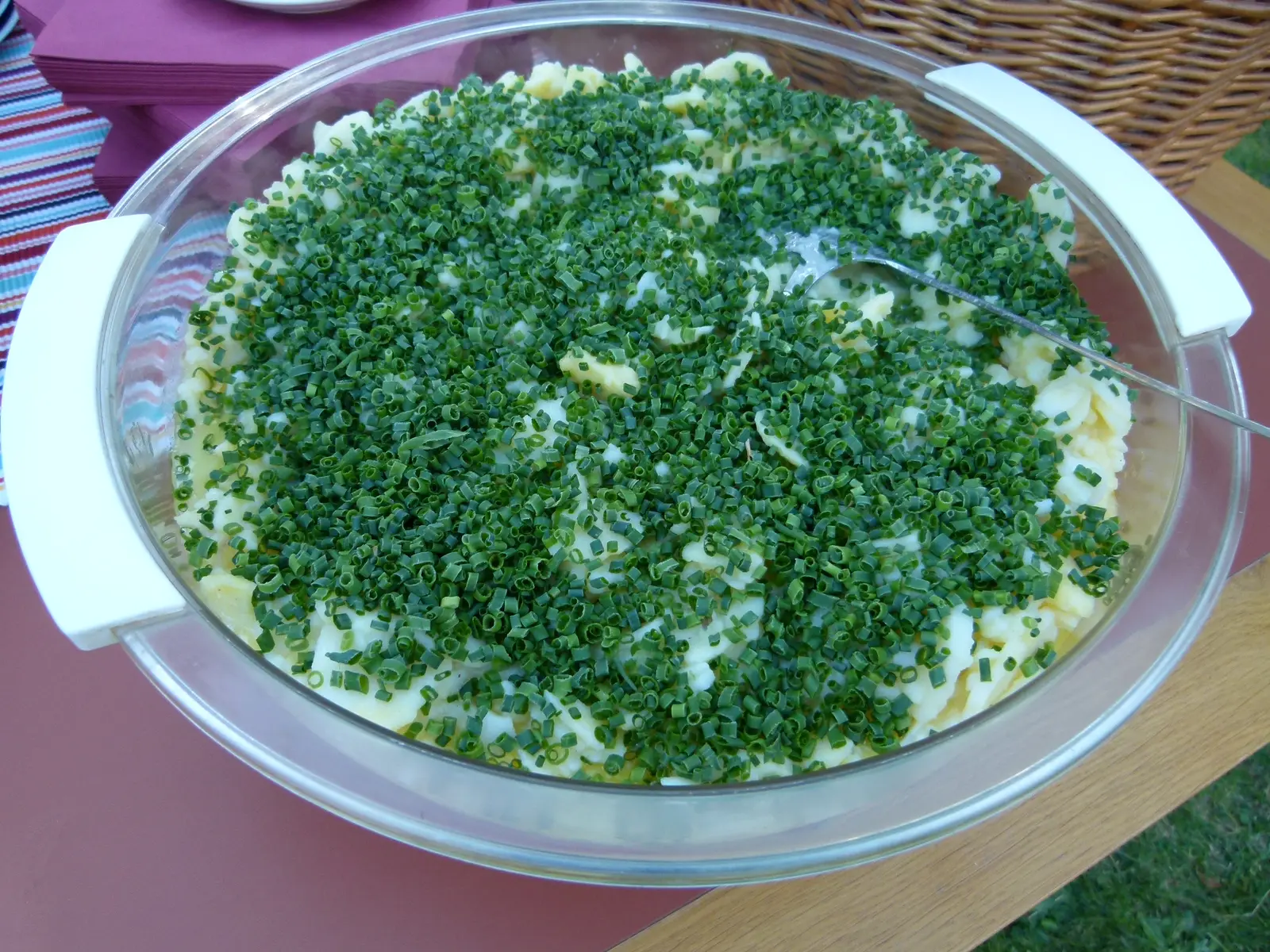
A glass bowl of warm Swabian potato salad topped with chopped chives Germany flag Germany 45m
Lunch •Swabian Heritage

German Potato Salad

This german potato salad recipe is the warm Swabian kind: waxy potatoes sliced while still hot, tossed with crisp bacon, soft onion and sliced egg, then dressed with hot beef stock, vinegar and mustard so every slice drinks up the tangy dressing. No mayonnaise anywhere — the potatoes stay light, glossy and warm. One serving is about 292 g.

Comfort & Warmth

Warm waxy potatoes in a bacon, mustard and vinegar dressing, served straight from the bowl while still steaming.

Pairs Well With
Grilled sausages, schnitzel & a cold German lager
Quick Prep (<30m)
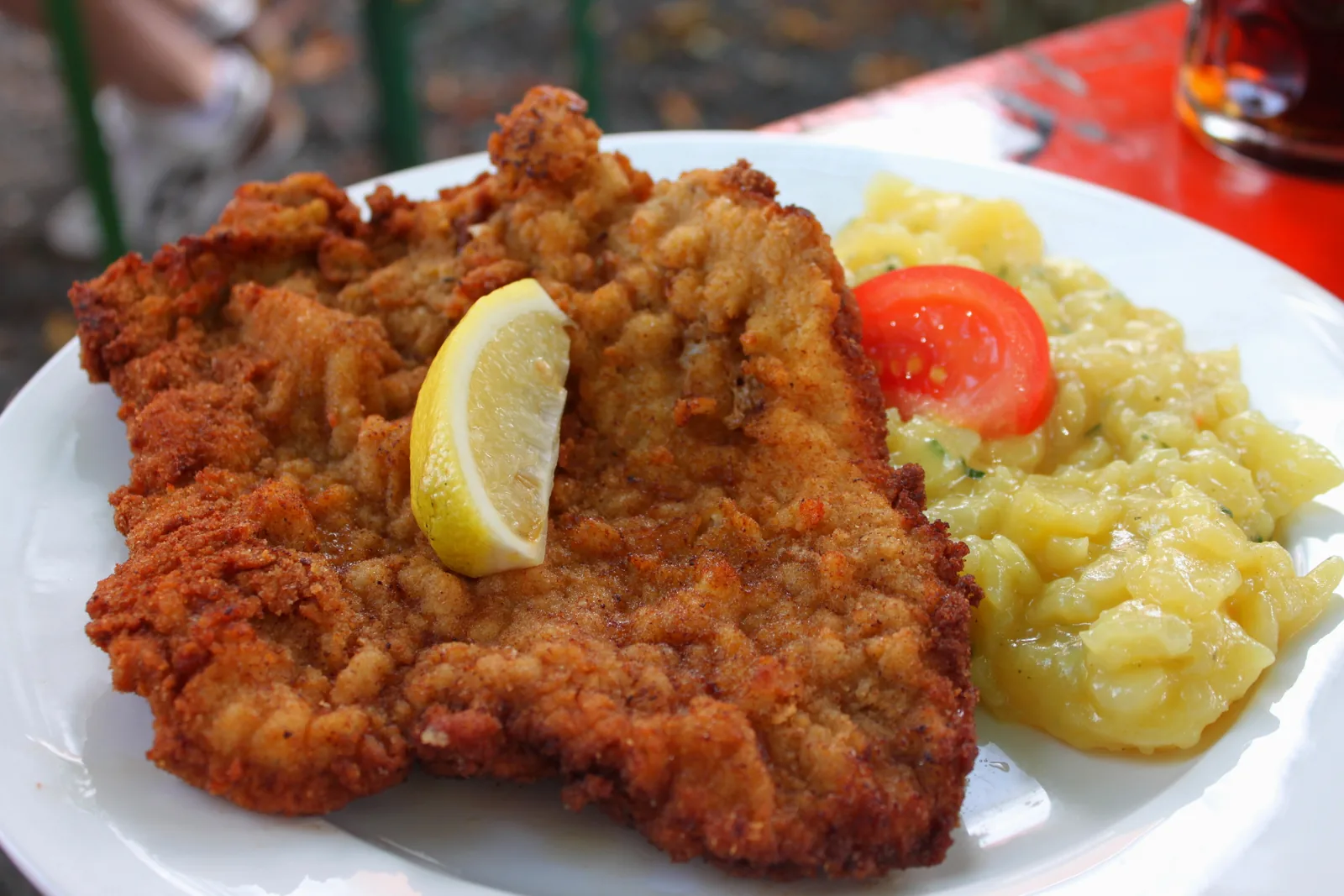
Golden breaded pork schnitzel with a lemon wedge and potato salad on a white plate Germany flag Germany 40m
Dinner •German Heritage

German Pork Schnitzel

German pork schnitzel is the everyday hero of German cooking: a pork cutlet pounded thin, coated in flour, egg and breadcrumbs, and fried in butter until it turns deep golden and crisp. This german schnitzel recipe follows the German way — real pork, a loose crumb, and a wedge of lemon on the side, with potato salad to mop up. One serving is about 200 g.

Classic Comfort

A golden, crisp pork cutlet with lemon and potato salad — a satisfying, protein-rich German dinner.

Pairs Well With
Warm potato salad, cucumber salad and a cold lager.
High Protein

The Dinner Gazette

Never wonder what’s for dinner again

One email a week with easy dinner ideas from around the world — ingredients, steps and nutrition, tested in our kitchen first.

Delivered every Thursday morning. Unsubscribe anytime.