Curated recipes from 193 countries  •  New seasonal Mediterranean issue out now

Overview

Ghana Chicken Light Soup

Chicken Light Soup, Ghanaian Light Soup

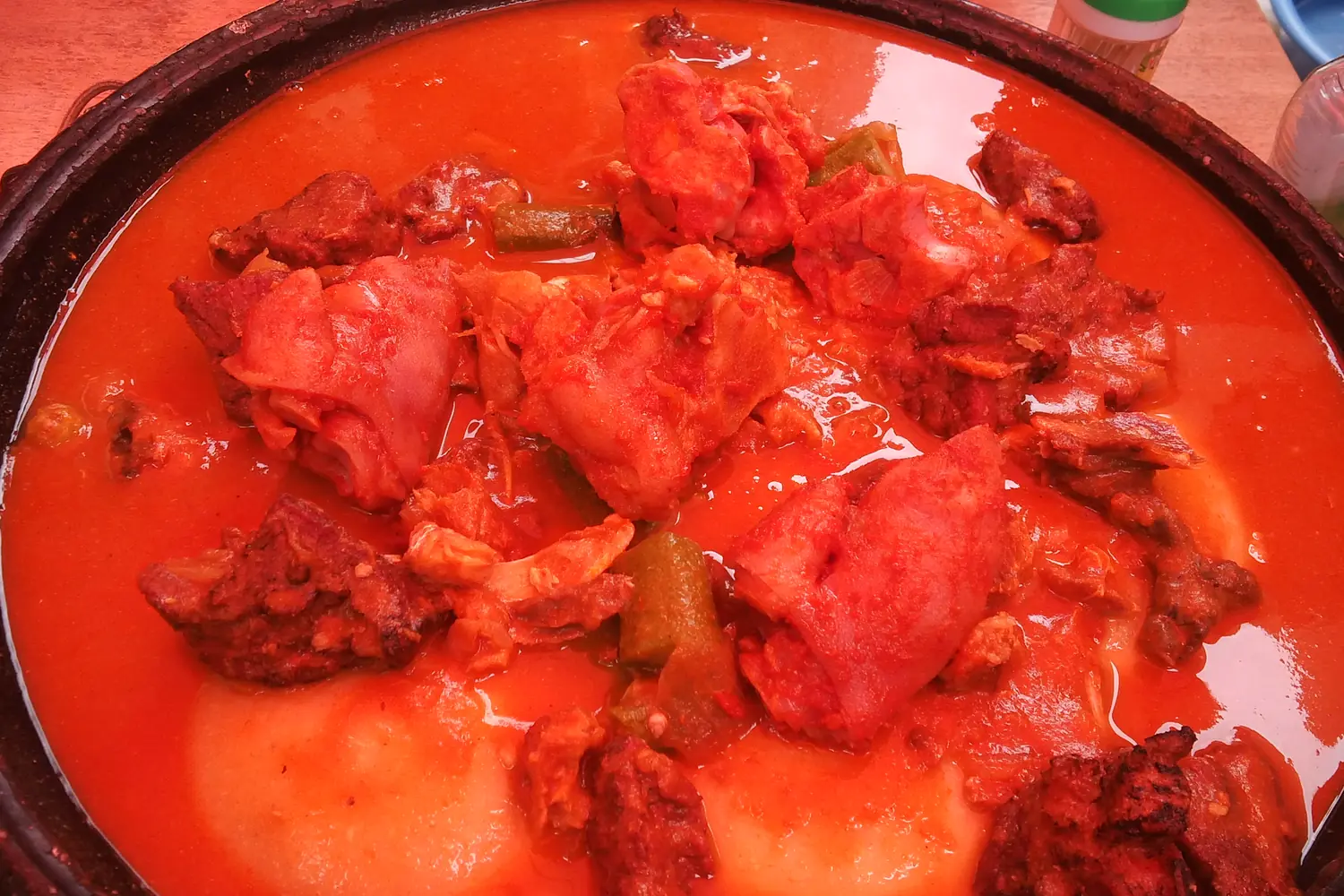
This ghana chicken light soup recipe makes the thin, spicy tomato broth Ghana is famous for: bone-in chicken simmered in a blended base of tomato, onion, ginger and Scotch bonnet, with no palm oil, no groundnut paste and nothing to thicken it. The broth stays clear and light, and the chicken cooks in it rather than beside it, so every spoonful tastes of tomato, ginger and gentle heat. One serving is about 600 g of soup, ladled hot into a bowl with fufu on the side.

Light soup comes from the Akan kitchens of southern Ghana, where it is one of the three classic soups alongside palm-nut soup and groundnut stew. Its name is literal: the broth is thin and clear because it carries no palm oil, no groundnut paste and no thickener, just tomato, onion, ginger and pepper simmered with the meat. It is the classic Sunday meal in Ghana, ladled over fufu and eaten by hand, and the pairing of fufu and light soup is the combination most often named when Ghanaians are asked about their national dish.

Pairs well with: Hot fufu, torn by hand and dipped into the thin tomato broth.

Provenance

Ghana flag Ghana

Akan Home Cooking

African Heritage

Time Dedication

1h 10m

20m prep • 50m cook

Batch Yield

5 Servings

220 kcal per serving

1 serving ≈ 600 g

Technical Skill

Easy

Easy (One Pot)

Meal Timing & Digestive Fit

Breakfast

Not Advised

Lunch

Hearty Midday Main

Dinner

Ideal Hearty Main

Snack & Tea

Inappropriate

Soups & BrothsHigh Protein Occasions: Sunday lunch, family dinner, rainy evenings, when you want something warming Cost: Low — about $3–4 per serving at home
Ghanaian light soup, a thin red tomato broth with pieces of meat and fufu, served in a dark earthenware bowl

Akan Home Cooking

Photo: Bright.adomako, CC BY-SA 4.0, via Wikimedia Commons

The Heritage Formulary

Measured Ingredients

Estimated cost: Low — about $3–4 per serving at home (USD)

Good light soup is thin and clear enough to drink from the bowl, bright red from tomato and hot with Scotch bonnet — never thick like a stew.

Execution Methodology & Culinary Technique

Step-by-Step Cooking Guide

Active 1h 10m
P

Prep Stage: Chicken, Tomatoes & Peppers

20 Mins • Washing and Blending

Rinse and cut the chicken, blend the tomatoes with half the onion, the Scotch bonnet, ginger and garlic into a smooth red base, slice the remaining onion, and quarter the garden eggs, so everything is ready before the pot goes on the heat.

Maestro Tip: Blend the base really smooth and strain it if you want the clearest broth — a cloudy soup is the most common mistake with light soup.

  1. 1

    Season and Steam the Chicken

    15 Mins Medium heat, simmering at about 100°C (212°F)

    Put the chicken pieces in a large pot with the crumbled stock cube, half the salt and the sliced onion. Cover and cook over medium heat for 15 minutes, letting the chicken steam in its own juices. Do not add water yet — this first steaming builds the stock the whole soup depends on.

    Stir once halfway through so the pieces on top get their turn at the bottom of the pot.

    Done when: Chicken releasing its own juices, pot steaming, onion softened.

  2. 2

    Blend the Tomato Base

    5 Mins No heat — blender

    While the chicken steams, blend the tomatoes, the chopped onion, Scotch bonnet, ginger and garlic with a splash of water until completely smooth. This blended base is the whole soup: there is no palm oil, no groundnut paste and no thickener, so the blend has to be silky.

    If your blender struggles, add water a spoonful at a time rather than all at once.

    Done when: A smooth, bright red liquid with no visible chunks.

  3. 3

    Pour In the Base and Thin the Soup

    5 Mins Medium heat, about 100°C (212°F)

    Pour the blended base over the steamed chicken, stir in the tomato paste and add the 1.2 litres of water. Stir well and bring back to a gentle boil. The soup should look thin and brothy, like a clear red broth — if it coats the spoon like a stew, add another cup of water.

    This is the moment to fix the texture: light soup is judged by how thin it is, so be generous with the water.

    Done when: Thin red broth at a gentle boil, chicken pieces visible through it.

  4. 4

    Simmer Gently Until Tender

    30 Mins Low heat, gentle simmer at about 95°C (203°F)

    Turn the heat down, leave the lid slightly ajar and simmer for 30 minutes, until the chicken is tender enough to pull from the bone and the raw tomato taste has cooked away. Skim off any foam or oil that rises. The broth should stay thin and clear, never thick.

    Do not boil hard: a rolling boil clouds the broth and toughens the chicken.

    Done when: Chicken tender to the fork, broth thin, clear and bright red.

  5. 5

    Add Garden Eggs, Taste and Finish

    5 Mins Low heat, simmering at about 95°C (203°F)

    Add the quartered garden eggs and simmer for 5 minutes until just soft. Taste the broth and add the rest of the salt a pinch at a time. Check the thickest piece of chicken reaches 74°C (165°F) inside, then take the pot off the heat.

    Garden eggs go soft fast, so do not leave them in longer than 5 minutes or they fall apart.

    Done when: Garden eggs soft but holding their shape, broth well seasoned, chicken at 74°C (165°F).

Finishing Touches & Plating

Ladle the thin broth generously over the chicken pieces into deep bowls, making sure each bowl gets plenty of the clear red soup, and serve steaming hot with a ball of fufu on the side for dipping.

Nutritional Physiology & Benefits

Nutrition

Energy

220

kcal / serving

Protein

31g

Complete AA

Carbs

15g

Complex

Fats

5g

Healthy

Per serving (5 servings · 1 serving ≈ 600 g)
Energy220 kcal
Protein31 g
Carbohydrates15 g
Fat5 g
Fibre3.6 g
Sugar7.3 g
Sodium629 mg
Per 100g
Energy37 kcal
Protein5.1 g
Carbohydrates2.4 g
Fat0.8 g
Fibre0.6 g
Sugar1.2 g
Sodium105 mg

Nutrition values are estimated — calculated from USDA FoodData Central values for the listed ingredients.

Vitamins & minerals: Tomatoes and Scotch bonnet supply vitamin C, chicken supplies B vitamins and iron, and ginger adds small amounts of magnesium and potassium.

High in Protein

About 30.5 g of protein per bowl comes from the chicken, which helps keep you full long after a light, brothy meal.

Light Yet Satisfying

At about 220 kcal a bowl, the soup is thin and brothy with no palm oil or thickener, so it feels warming without feeling heavy.

Warming Ginger and Pepper

Fresh ginger and Scotch bonnet give the broth its gentle heat and bright flavour, the classic warming combination of Ghanaian home cooking.

Food Pairings

What to Eat With

To optimize nutrient absorption and elevate the sensory depth, pair with these authentic accompaniments:

Sides

Fufu

The classic partner: the smooth, stretchy dough soaks up the thin tomato broth, and tearing it by hand is how light soup is traditionally eaten in Ghana.

Banku

Banku works the same way as fufu, its gentle sour tang cutting through the rich tomato broth when fufu is not on hand.

Drinks

Sobolo (Hibiscus Drink)

A cold, tart hibiscus drink cools the palate after the Scotch bonnet heat and balances the salty, savoury broth.

Sauces

Shito (Black Chilli Sauce)

A spoonful of shito on the side lets each person add extra heat and smoky depth to their own bowl without changing the soup itself.

Complete menu

Start with a bowl of this thin tomato light soup with chicken, a ball of hot fufu for dipping, and finish with a cold glass of sobolo.

Digestive Guardrails

What NOT to Combine

To prevent digestive distress, sluggishness, or palate clash, avoid pairing the dish with these elements:

A Second Heavy Starch

Fufu already makes the meal filling, so serving rice or yam in the same meal doubles the starch and leaves most people uncomfortably full. Pick one starch and let the thin broth do the rest. This is general guidance, not medical advice.

Very Sugary Drinks

A large sugary drink with a salty, spicy broth adds a fast rush of sugar on top of an already rich meal. Water or an unsweetened drink suits the soup better. This is general guidance, not medical advice.

General information only, not medical advice — consult a doctor for personal dietary decisions.

Who Should Eat It

Who Should Eat

  • General adultsA satisfying dinner — one bowl of soup with fufu is a full meal for most adults.
  • ChildrenSuitable from age 3+; use only 1 Scotch bonnet and fish out the peppers before serving so the broth is mild.
  • ElderlyVery suitable — the chicken is cooked until tender and the warm broth is easy to eat; serve the chicken off the bone if chewing is difficult.
  • Pregnant womenGenerally suitable; make sure the chicken is cooked right through to 74°C (165°F) and go easy on the chilli.
  • Breastfeeding womenGenerally suitable; the protein-rich broth and the fufu help meet the extra energy needs of breastfeeding.
  • AthletesA good post-training dinner: about 30.5 g of protein per bowl, best with a full ball of fufu to replace energy.
  • Weight gainA good choice — take a second bowl and a generous ball of fufu.
  • Weight lossEnjoy a full bowl of the soup itself at about 220 kcal, with only a small ball of fufu and plenty of broth.

Health Conditions — Adjust or Avoid

Conditions

  • DiabetesThe soup itself is low in carbohydrate at about 14.5 g per bowl, but fufu is starchy, so keep the fufu ball small and fill up on broth and chicken. Ask your clinician about portion size.
  • High blood pressureThe soup is fairly salty at about 629 mg of sodium per bowl, so use a low-salt stock cube and skip the extra salt. Ask your clinician about sodium limits.
  • Kidney diseaseThe soup is high in protein and sodium, so portions and salt need care. Ask your clinician whether this soup fits your plan.
  • GoutChicken is moderately high in purines, so a small bowl is safer than a large one during a flare. Ask your clinician about portion size.
  • Stomach issuesScotch bonnet and ginger can irritate a sensitive stomach, so use one mild pepper, remove the seeds, and eat the soup warm rather than piping hot. Ask your clinician if symptoms persist.
  • Cardiovascular diseaseThe soup is low in fat at about 4.5 g per bowl and the chicken is simmered, not fried, but watch the salt. Ask your clinician about sodium and portion size.
  • Fatty liverA light, low-fat broth with lean chicken fits well, especially with a modest ball of fufu rather than a large one. Ask your clinician about your overall eating pattern.
  • Food allergiesContains chicken. The stock cube may contain celery, soy or gluten depending on the brand — check the label. Fufu served alongside is made from cassava and plantain.
  • Special therapeutic dietsThe soup is naturally gluten-free and dairy-free as written, but stock cubes vary, so check the label and ask your clinician or dietitian before serving it as part of a therapeutic diet.

If you have a medical condition, consult your doctor before changing your diet.

Storage & Use

Storage & Use

How to store
Cool completely, then pack into airtight containers, chicken and broth together.
In the fridge
Light soup keeps 3 days, in the fridge.
In the freezer
Light soup keeps 2 months, in portions.
How to reheat
Reheat gently in a covered pan until boiling and steaming hot all the way through to 74°C (165°F) inside.
Freezing recommended
Yes — up to 2 months; thaw overnight in the fridge.
Signs it has spoiled
Sour smell, cloudy broth, or slimy chicken.

More recipes to explore

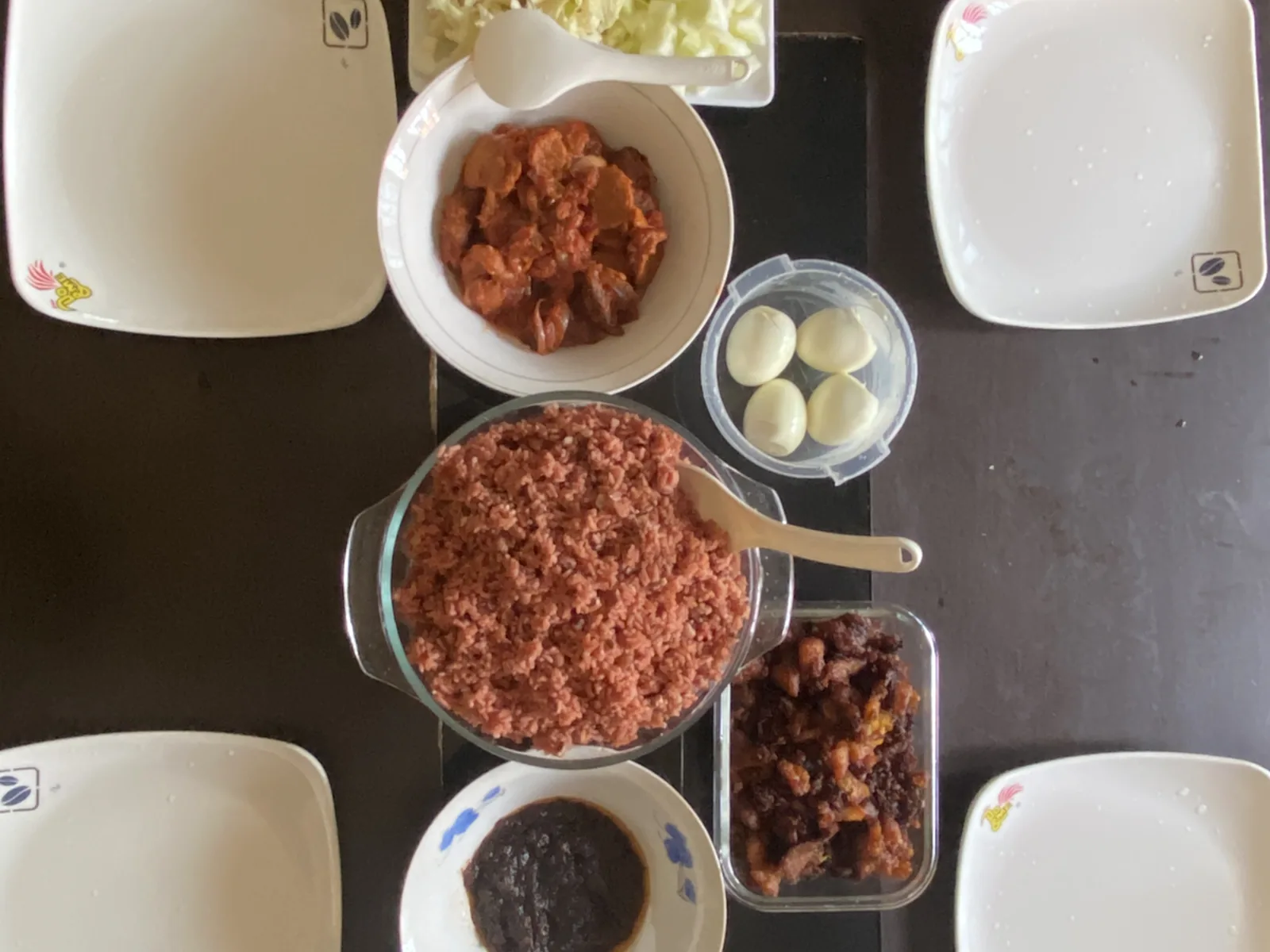
A table of waakye with salad, spaghetti, shito, stew, boiled eggs and fried plantain in Ghana Ghana flag Ghana 1h 40m
Lunch •Accra Street-Food Classic

Waakye

This waakye recipe simmers black-eyed peas and rice together with dried sorghum leaves until the whole pot turns a deep reddish-brown, then serves it with a boiled egg, fried plantain, spaghetti and a spoonful of shito. It is Ghana's beloved street-food plate, sold from morning stalls across Accra. One serving is about 510 g.

Comfort & Warmth

Reddish-brown rice and beans with egg, plantain, spaghetti and shito.

Pairs Well With
Boiled egg, fried plantain, spaghetti & shito
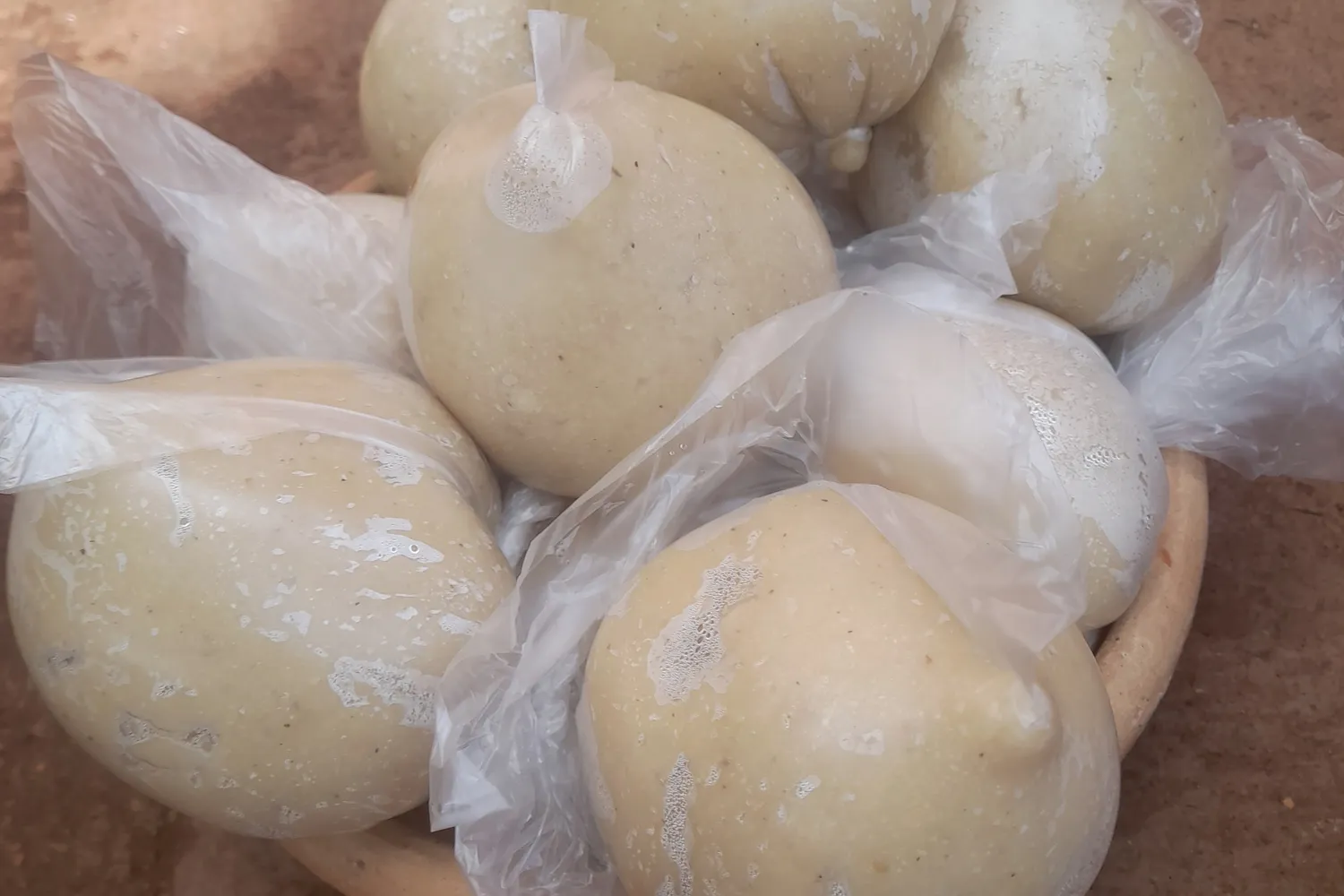
Smooth balls of Ghana banku, pale fermented maize dough wrapped in plastic, in a bowl Ghana flag Ghana 55m
Lunch •Ghanaian Home Table

Ghana Banku

This ghana banku recipe turns fermented maize and cassava dough into smooth, tangy balls with a soft, stretchy bite. The dough is mixed, left to ferment for two to three days, then kneaded in the pot until it pulls away from the sides — that is when you know it is ready. One serving is about 275 g.

Comfort & Warmth

Soft, tangy fermented maize dough balls, shaped by hand and served hot with soup or stew.

Pairs Well With
Light soup or kontomire stew & grilled fish
Fermented / Gut Health
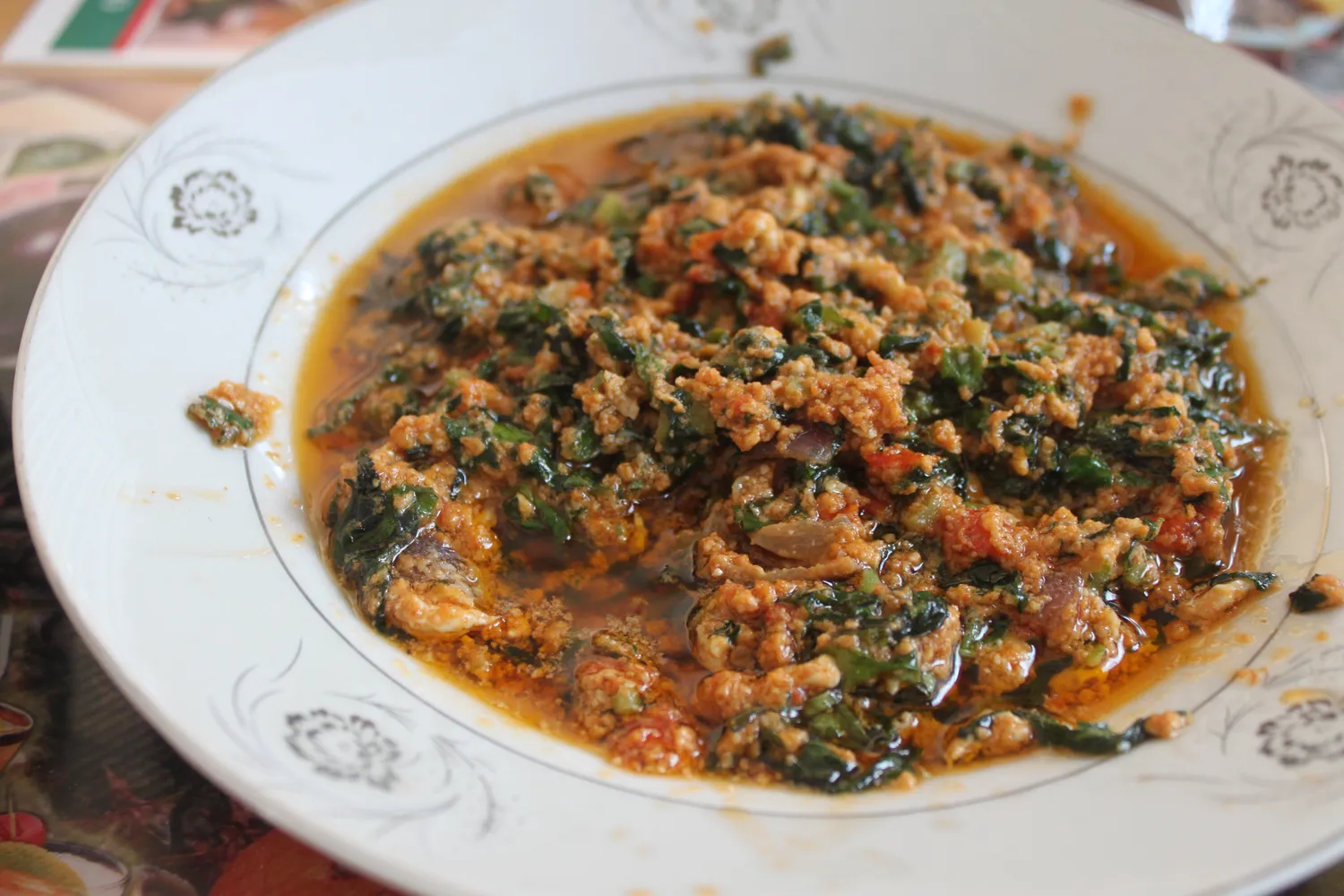
A plate of Ghana kontomire stew, dark green cocoyam leaves in a rich orange egusi and tomato sauce Ghana flag Ghana 1h 5m
Dinner •Akan Home Table

Ghana Kontomire Stew

This ghana kontomire stew recipe simmers cocoyam leaves with egusi, tomato and chilli into a rich palava sauce, the Akan classic also called palaver sauce. The leaves are boiled first until tender, the egusi is left to set in the tomato base, and everything comes together dark green and nutty. One serving is about 260 g.

Comfort & Warmth

Cocoyam-leaf stew with egusi, tomato and chilli — Ghana's palava sauce, made vegetarian.

Pairs Well With
Steamed white rice & boiled plantain
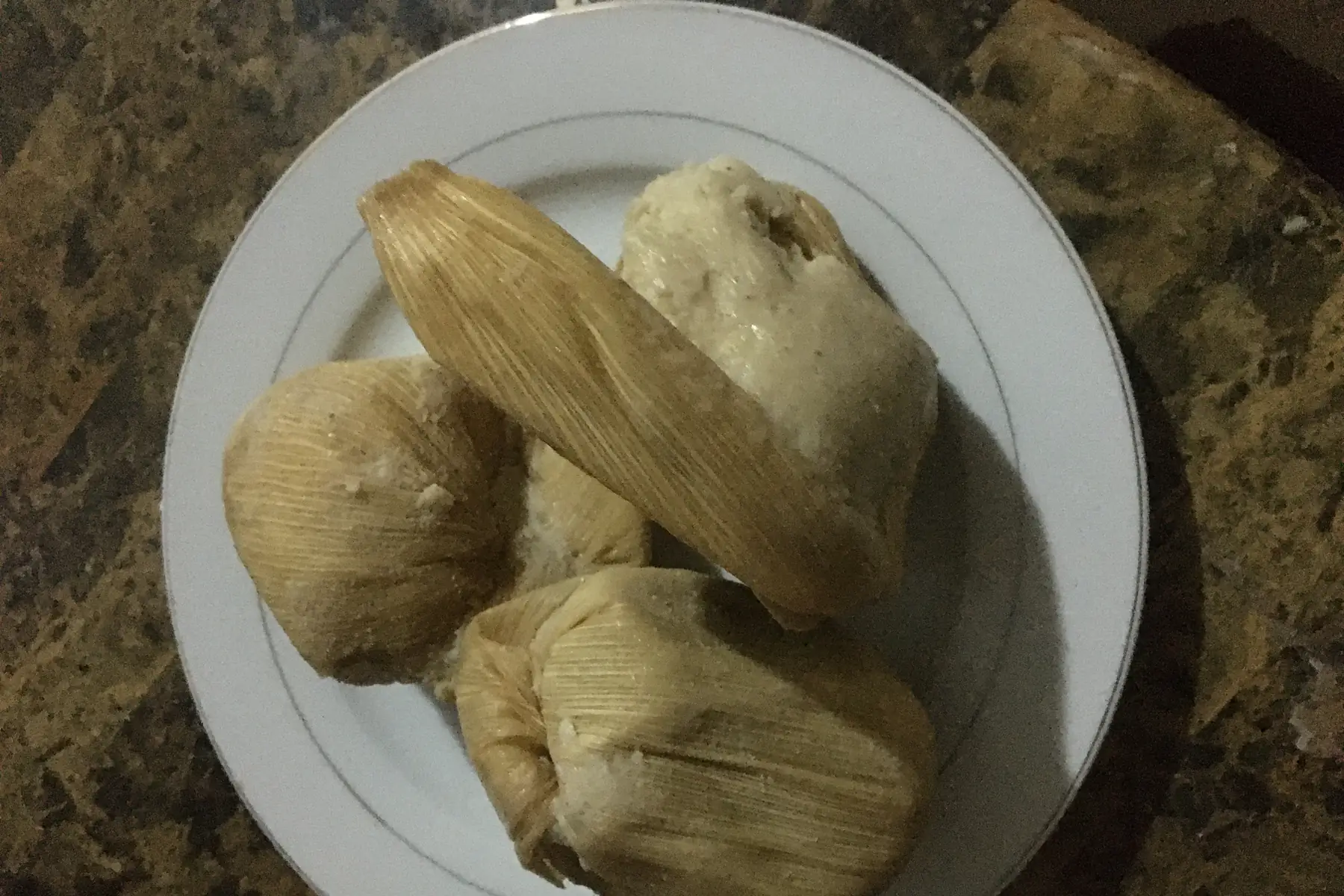
Ga kenkey balls wrapped in dried corn husks on a white plate, one unwrapped showing the pale fermented corn dough Ghana flag Ghana 3h 20m
Lunch •Ga Home Table

Ga Kenkey

This ga kenkey recipe ferments white corn dough for two to three days, partially cooks it, then wraps it in dried corn husks and steams it for two hours — never kneaded in a pot like banku. The result is firm, sour and sliceable, peeled open at the table and eaten with fried tilapia and shito. One serving is about 390 g.

Comfort & Warmth

Firm, sour fermented corn dough steamed in husks, served hot with fried fish and shito.

Pairs Well With
Fried tilapia & shito
Fermented / Gut Health

The Dinner Gazette

Never wonder what’s for dinner again

One email a week with easy dinner ideas from around the world — ingredients, steps and nutrition, tested in our kitchen first.

Delivered every Thursday morning. Unsubscribe anytime.