
Curated recipes from 193 countries  •  New seasonal Mediterranean issue out now

Overview

Gravlax

Swedish Cured Salmon with Dill

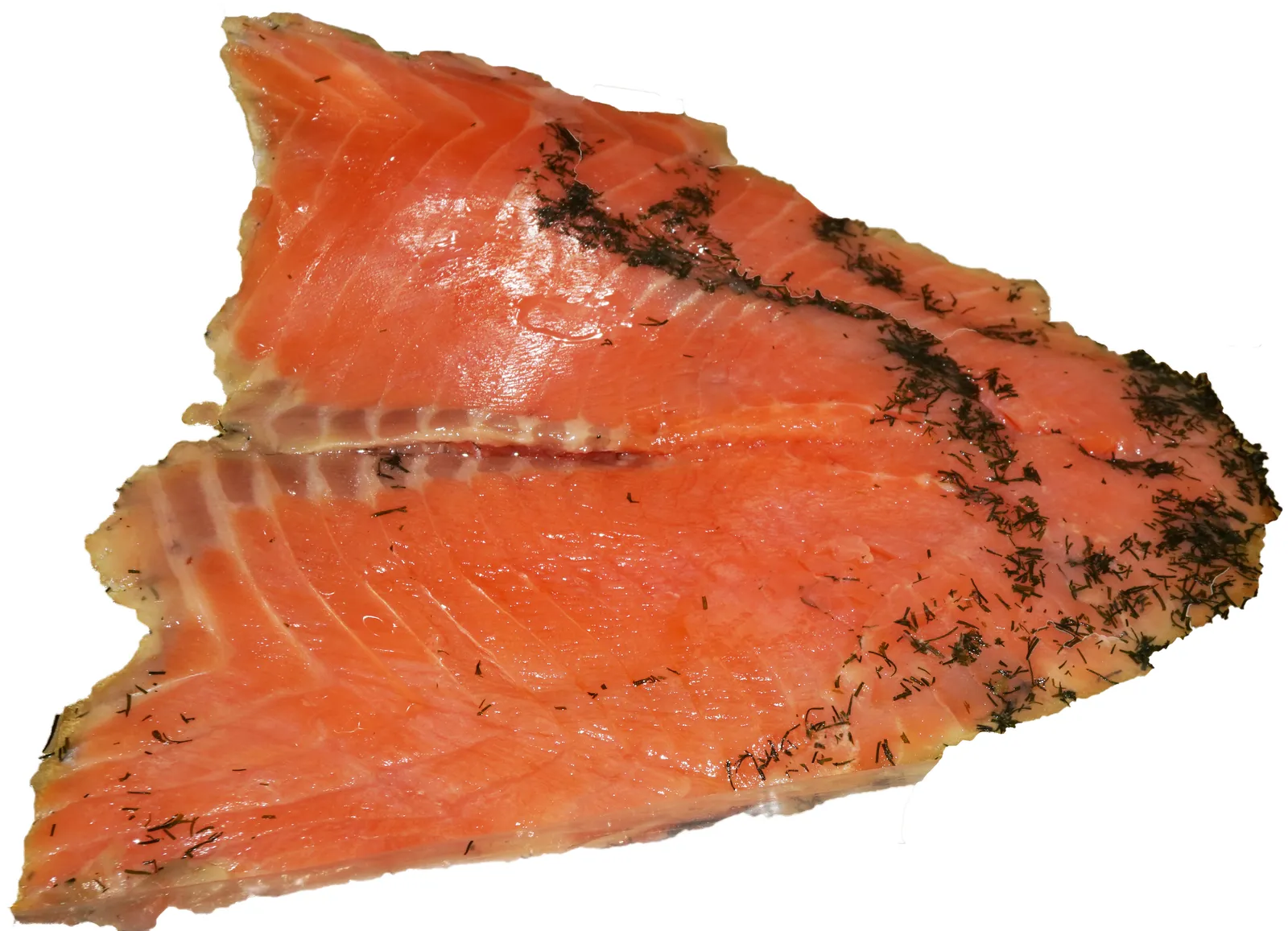
Gravlax is salmon cured — never cooked — in salt, sugar and dill until it turns silky and translucent, then sliced thin and served with a sweet mustard-dill sauce and crispbread. One serving is about 85 g.

Gravlax comes from the medieval Scandinavian practice of burying salted salmon in the ground — 'grav' means grave in Swedish — to ferment it lightly. By the 19th century the method had become a salt-sugar cure with dill, and it is now a fixture of the Swedish smorgasbord and Christmas table, always sliced thin and served with mustard-dill sauce.

Pairs well with: Mustard-dill sauce, rye crispbread and a wedge of lemon

Provenance

Sweden flag Sweden

Swedish Christmas Table

Nordic & European

Time Dedication

30m

30m prep • 0m cook

Batch Yield

8 Servings

214 kcal per serving

1 serving ≈ 85 g

Technical Skill

Intermediate

Intermediate (Curing)

Meal Timing & Digestive Fit

Breakfast

Not Advised

Lunch

Prime Metabolic Fit

Dinner

Ideal Hearty Main

Snack & Tea

Inappropriate

High Protein Occasions: Smorgasbord, Christmas table, festive lunches, starters Cost: Medium — about $4–5 per serving at home
A whole gravlax salmon fillet cured with dill on a white background

Swedish Christmas Table

Photo: Tiia Monto, CC BY-SA 4.0, via Wikimedia Commons

The Heritage Formulary

Measured Ingredients

Estimated cost: Medium — about $4–5 per serving at home (USD)

Good gravlax is firm, translucent and silky, with the dill flavour running through the fish rather than sitting on top.

Execution Methodology & Culinary Technique

Step-by-Step Cooking Guide

Active 30m
P

Prep Stage: Cure the Salmon

30 Mins • Hands-On, Then 24–48 Hours Curing

Rub the salt, sugar and pepper over the salmon, pack it thickly with dill, wrap it tightly and weight it in the fridge for 24 to 48 hours. The salt draws out moisture and firms the flesh while the dill perfumes it.

Maestro Tip: Use the freshest salmon you can find — gravlax is never cooked, so quality is everything.

  1. 1

    Rub on the Cure

    15 Mins No heat — work chilled, 4°C (40°F)

    Mix the salt, sugar and crushed pepper. Rub the mixture over all sides of the salmon fillet, then press half the dill over the flesh side.

    Rub the cure into the thickest part of the fillet first.

    Done when: The fillet is evenly coated, with no bare patches.

  2. 2

    Wrap and Weight

    5 Mins Fridge, 4°C (40°F)

    Wrap the fillet tightly in cling film, place it skin-side down in a dish, cover with the remaining dill, and set a small plate with a weight on top. Refrigerate for 24 to 48 hours, turning once halfway.

    The weight presses out moisture and gives a firm, even texture.

    Done when: Liquid gathers in the dish — that is the cure working.

  3. 3

    Rinse and Slice

    10 Mins No heat — keep chilled, 4°C (40°F)

    Unwrap the salmon, scrape off the dill and cure, and rinse briefly under cold water. Pat very dry. Slice thinly on a sharp diagonal, cutting away from the skin.

    A long, sharp knife and a steady angle give paper-thin slices.

    Done when: Slices are translucent, silky and orange-pink.

  4. 4

    Make the Mustard-Dill Sauce

    10 Mins No heat — room temperature, 20°C (68°F)

    Whisk the Dijon mustard with the honey and a spoonful of chopped dill, then whisk in the rapeseed oil in a thin stream until the sauce thickens slightly. Season with a little white pepper.

    Add the oil slowly or the sauce will split.

    Done when: The sauce is glossy, pourable and balanced between sweet and sharp.

  5. 5

    Serve

    5 Mins Serve chilled, 4°C (40°F)

    Arrange the gravlax slices on a cold plate with the sauce spooned alongside, crispbread and lemon wedges. Serve at once.

    Chill the plate first so the fish stays firm.

    Done when: Thin pink slices fanned out, ready to eat with crispbread.

Finishing Touches & Plating

Slice gravlax only as thin as your knife allows — thick slices lose the silky texture that curing creates. Serve it cold, with the mustard sauce on the side.

Nutritional Physiology & Benefits

Nutrition

Energy

214

kcal / serving

Protein

14g

Complete AA

Carbs

10g

Complex

Fats

12g

Healthy

Per serving (8 servings · 1 serving ≈ 85 g)
Energy214 kcal
Protein14 g
Carbohydrates10 g
Fat12 g
Fibre1.9 g
Sugar2.1 g
Sodium336 mg
Per 100g
Energy252 kcal
Protein16.8 g
Carbohydrates12 g
Fat14.4 g
Fibre2.3 g
Sugar2.5 g
Sodium395 mg

Nutrition values are estimated — calculated from USDA FoodData Central values for the listed ingredients.

Vitamins & minerals: Vitamin D and B12 (salmon), omega-3 EPA and DHA, selenium, vitamin K (dill).

Omega-3 Fats

Salmon is rich in EPA and DHA omega-3 fats, which support normal heart and brain function.

Vitamin D and B12

Oily fish is one of the few foods naturally rich in vitamin D, and it supplies vitamin B12 for normal red blood cell formation.

High Protein, No Cooking

Curing keeps the fish tender and preserves its nutrients — about 14 g of protein per serving with no added cooking fat.

Food Pairings

What to Eat With

To optimize nutrient absorption and elevate the sensory depth, pair with these authentic accompaniments:

Sides

Rye Crispbread

The dry crunch of crispbread contrasts with the silky fish and carries the sauce well.

Vegetables

Lemon and Fresh Dill

Lemon acidity brightens the rich salmon and balances the salt of the cure.

Drinks

Aquavit or Sparkling Water

A cold aquavit is the traditional partner; sparkling water with lemon works just as well for a lighter meal.

Complete menu

Serve the gravlax thinly sliced with rye crispbread, lemon and fresh dill, and finish with aquavit or sparkling water.

Digestive Guardrails

What NOT to Combine

To prevent digestive distress, sluggishness, or palate clash, avoid pairing the dish with these elements:

Storing Sliced Gravlax for Days

Once sliced, gravlax dries out and oxidises quickly — slice only what you will eat that day. This is general food guidance, not medical advice.

Eating It Warm

Gravlax is a cured, raw fish: warming it changes the texture and defeats the cure. Serve it cold from the fridge. This is general food guidance, not medical advice.

General information only, not medical advice — consult a doctor for personal dietary decisions.

Who Should Eat It

Who Should Eat

  • General adultsA protein-rich, omega-3 lunch — a small portion goes a long way.
  • ChildrenOnly for children who eat raw cured fish; many families wait until children are older — check with your clinician.
  • ElderlyTake care: cured fish is raw, so people with weaker immunity should check with their clinician first.
  • Pregnant womenCured salmon is raw fish, so it is usually avoided in pregnancy — check with your clinician.
  • Breastfeeding womenGenerally fine in moderation if the fish is very fresh, but check with your clinician if unsure.
  • AthletesAn excellent protein and omega-3 choice — add extra crispbread and a boiled egg for a fuller meal.
  • Weight gainAdd more salmon per serving and a second helping of sauce and bread.
  • Weight lossA good choice — high in protein and satisfying, with crispbread rather than buttered bread.

Health Conditions — Adjust or Avoid

Conditions

  • DiabetesVery low in carbs — the small amount of honey in the sauce is the only sugar; use a sugar-free mustard sauce if preferred and check with your clinician.
  • High blood pressureThe cure leaves the fish salty — keep the portion small and skip extra salted accompaniments.
  • Kidney diseaseHigh in protein and sodium; keep portions small and ask your clinician.
  • GoutOily fish is moderately high in purines — eat occasionally and in a small portion.
  • Stomach issuesThe raw fish and mustard sauce can be hard on a sensitive stomach; eat a small portion first.
  • Cardiovascular diseaseOmega-3 fats are helpful, but watch the salt — a small portion with salad is the best way to enjoy it.
  • Fatty liverA reasonable choice in a small portion — the fat is mostly unsaturated, unlike fried fish.
  • Food allergiesContains fish (salmon) and mustard; the crispbread contains gluten. Check every label if you have an allergy.
  • Special therapeutic dietsIf you follow a prescribed low-sodium diet or are advised to avoid raw fish, skip this dish and check with your clinician.

If you have a medical condition, consult your doctor before changing your diet.

Storage & Use

Storage & Use

How to store
Keep the cured, unsliced fillet wrapped tightly in cling film in the fridge; slice only what you need.
In the fridge
Unsliced gravlax keeps 4–5 days in the fridge at 4°C (40°F) or below; sliced gravlax keeps 1–2 days.
In the freezer
Cured salmon freezes for up to 1 month, wrapped airtight; thaw overnight in the fridge.
How to reheat
Do not reheat — gravlax is served cold. If frozen, thaw in the fridge to 4°C (40°F) or below before serving.
Freezing recommended
Yes for the unsliced fillet, up to 1 month.
Signs it has spoiled
Slimy surface, sour or strong fishy smell, or dull grey colour instead of bright orange-pink.

More recipes to explore

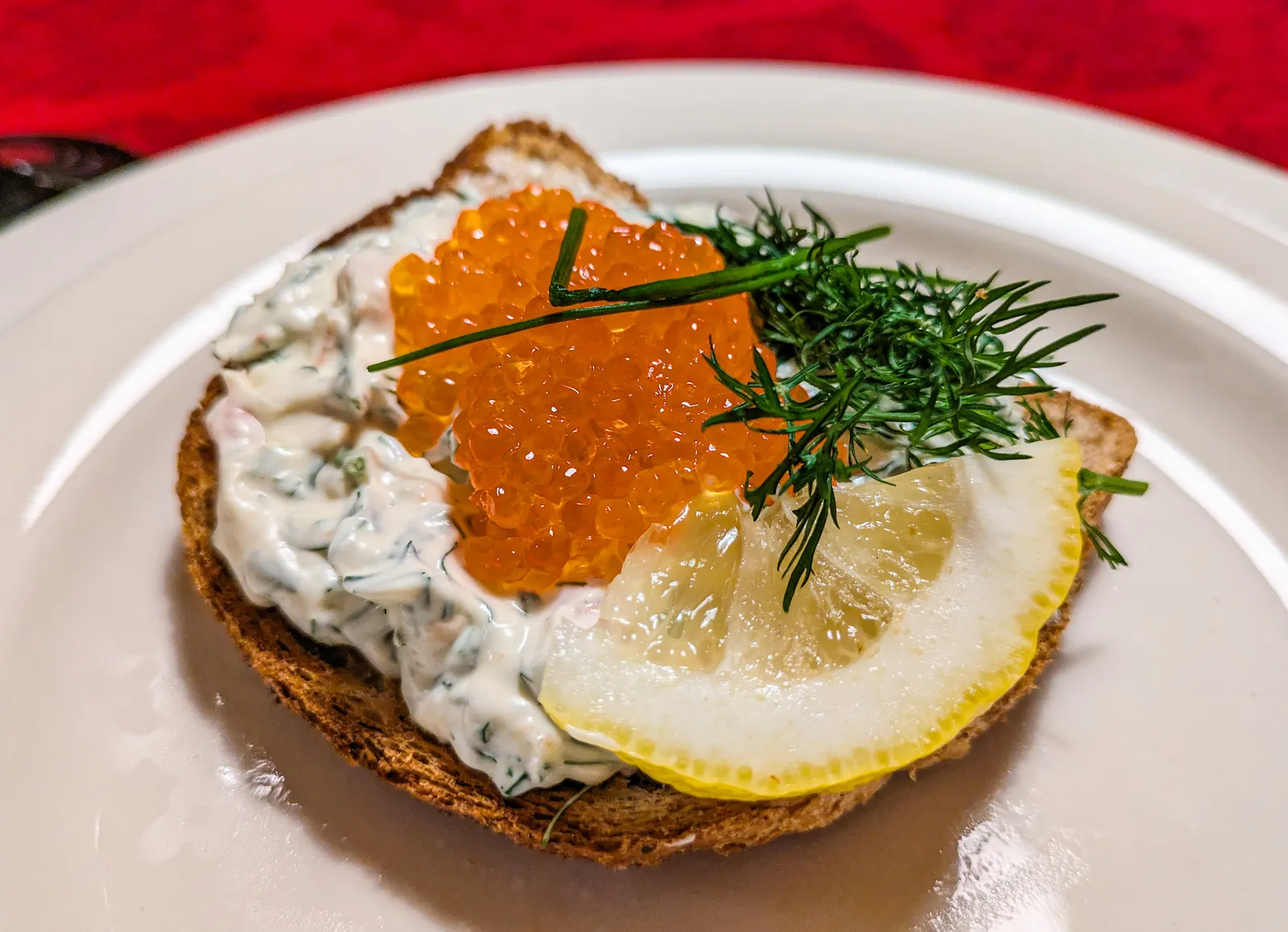
Toast Skagen topped with shrimp, dill and orange roe on a white plate Sweden flag Sweden 30m
Lunch •West Coast Classic

Toast Skagen

Toast Skagen is Sweden's beloved open shrimp sandwich: cold cooked shrimp folded through mayonnaise and dill, piled high on crisp butter-fried bread and crowned with roe and lemon. One serving is about 190 g.

Light & Fresh

Cold shrimp on butter-fried toast with dill, lemon and a spoonful of roe.

Pairs Well With
A crisp green salad and a glass of cold lager or sparkling water with lemon
Janssons frestelse golden potato bake in a white baking dish Sweden flag Sweden 1h 20m
Dinner •Swedish Christmas Table

Janssons Frestelse

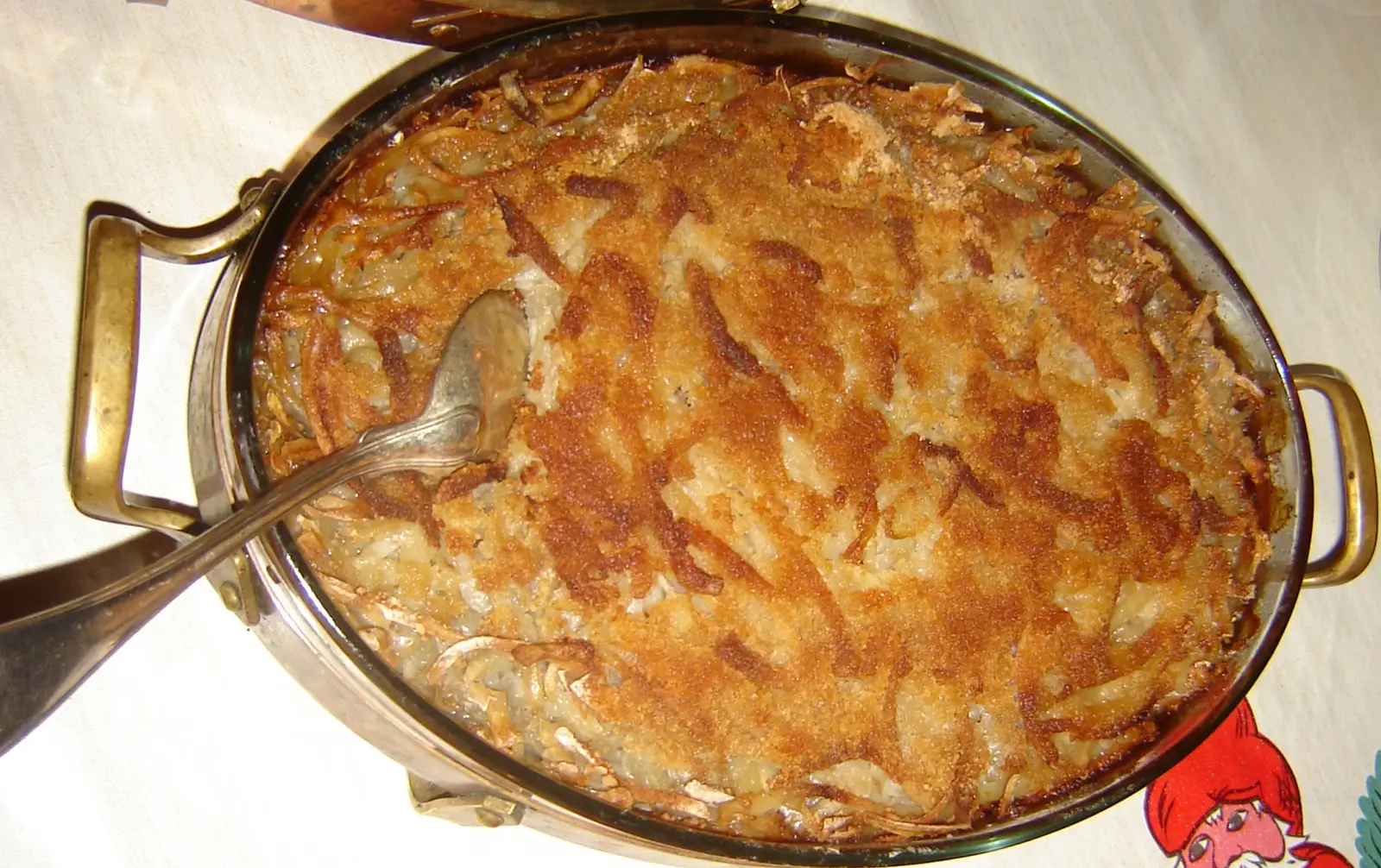
Janssons Frestelse is Sweden's creamy potato bake: thin matchsticks of potato layered with sweet onion and salty anchovies, drowned in cream and baked until the top turns crisp and golden. One serving is about 260 g.

Comfort & Warmth

Layers of potato, onion and anchovy baked in cream until golden.

Pairs Well With
A crisp green salad and pickled cucumber to cut the richness
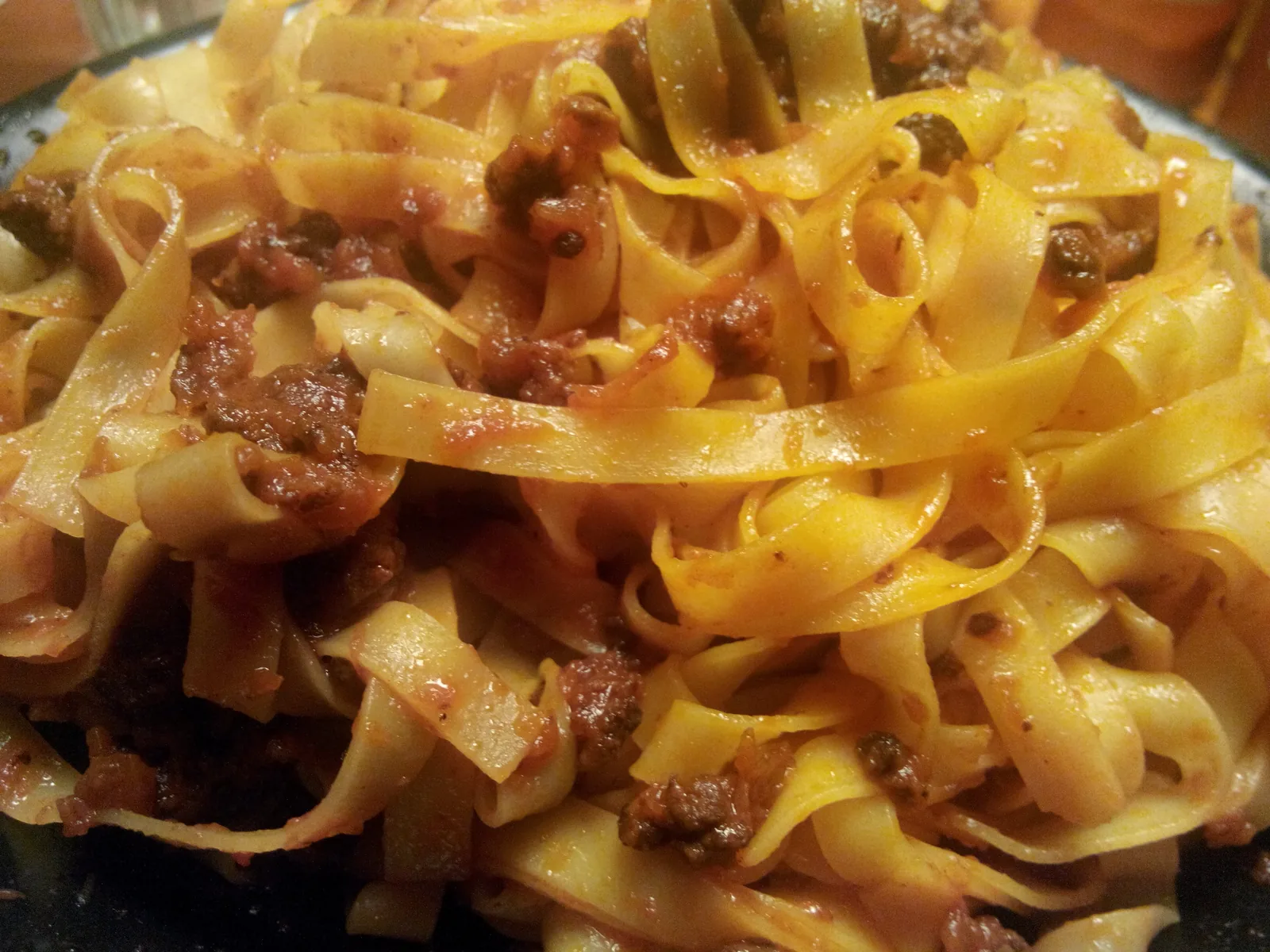
Tagliatelle al ragù Bolognese in a bowl with Parmigiano-Reggiano Italy flag Italy 4h 25m
Lunch •Emilia-Romagna

Tagliatelle al Ragù Bolognese

Slow-braised soffritto and coarse ground heritage meats layered over handmade egg yolk dough for mid-day stamina.

Lean Protein

Slow-simmered beef ragù tossed through fresh egg tagliatelle.

Pairs Well With
Bitter Radicchio & Aged Balsamico di Modena
Pasta & Noodles • High Protein
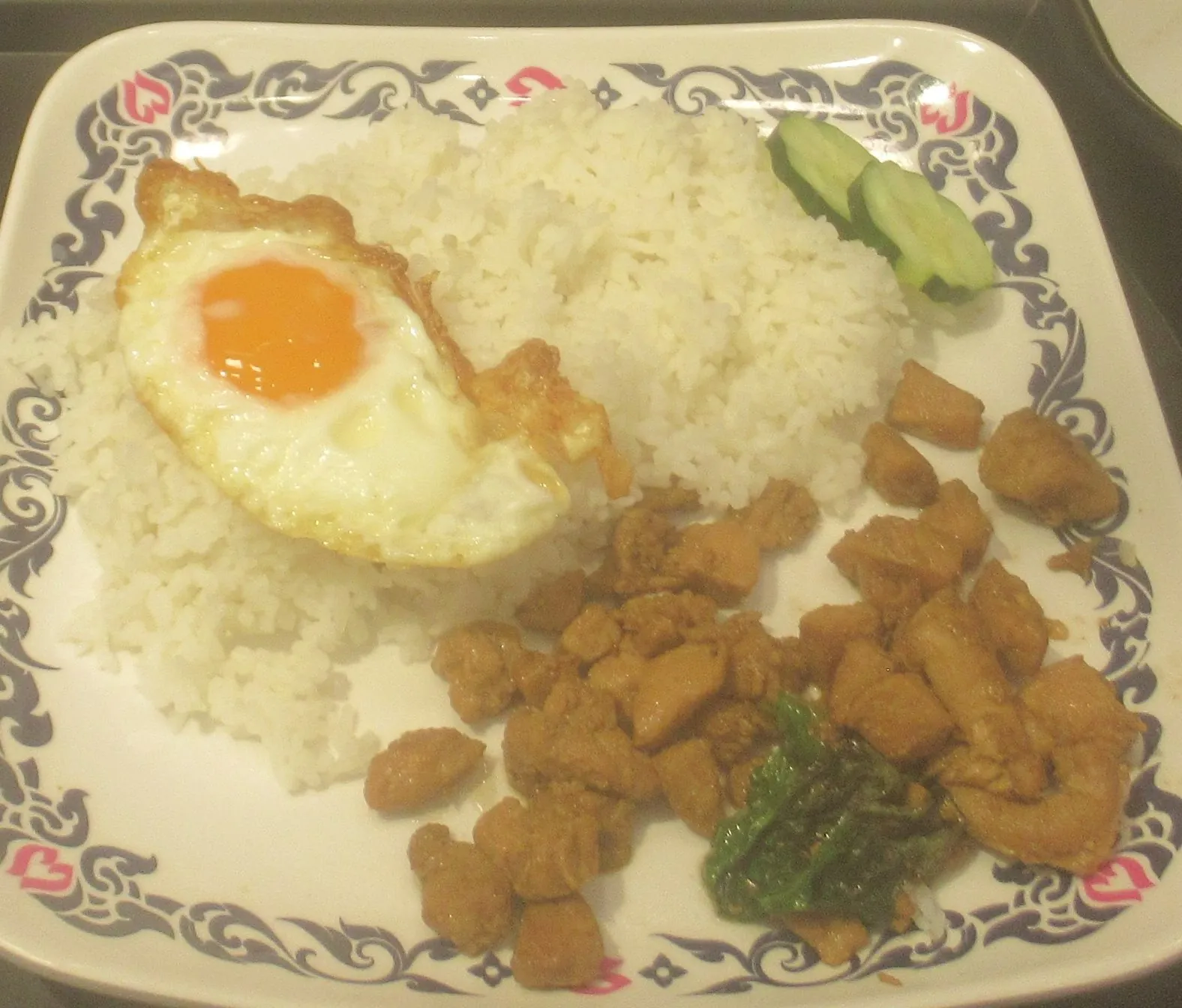
Pad kra pao gai — Thai holy basil chicken with fried egg and rice Thailand flag Thailand 30m
Lunch •Bangkok Street Flame

Pad Kra Pao Gai

High-heat wok flash of holy basil and crushed chillies over minced chicken, served over jasmine rice with a crispy-edged fried egg.

High Energy

Capsaicin brings the heat; holy basil adds a peppery, clove-like aroma.

Pairs Well With
Chilled Cucumber Salad & Fish Sauce Lime Dip
High Protein • Quick Prep (<30m)

The Dinner Gazette

Never wonder what’s for dinner again

One email a week with easy dinner ideas from around the world — ingredients, steps and nutrition, tested in our kitchen first.

Delivered every Thursday morning. Unsubscribe anytime.