
Curated recipes from 193 countries  •  New seasonal Mediterranean issue out now

Overview

Greek Lemon Potatoes

Patates Lemonates, Greek Roast Potatoes, Lemon Oregano Potatoes

This greek lemon potatoes recipe is the classic Greek side dish: waxy potato wedges roasted in a lemon, olive oil and oregano bath, with a little vegetable stock so they steam soft inside while the edges turn crisp and golden. No chicken stock, no butter — just olive oil and vegetables, so the dish is vegan and gluten-free as written. One serving is about 260 g.

Patates lemonates — lemon potatoes — are one of the oldest and most loved dishes of the Greek home kitchen, cooked in the same pan as the Sunday roast and flavoured with the three ingredients that define Greek cooking: lemon, olive oil and oregano. The method is older than the modern oven: potatoes were roasted in the embers or in the wood-fired oven alongside the meat, and the pan juices did the work. The lemon is not a garnish — it goes into the roasting tray with stock, so the potatoes cook in it and turn soft inside and crisp at the edges. It is the side dish that appears at almost every Greek family table, from a weekday dinner to a name-day feast.

Pairs well with: Roast chicken, grilled fish & Greek salad

Provenance

Greece flag Greece

Greek Home-Cooking Classic

Mediterranean & Italy

Time Dedication

1h 10m

15m prep • 55m cook

Batch Yield

4 Servings

341 kcal per serving

1 serving ≈ 260 g

Technical Skill

Easy

Easy (One Tray)

Meal Timing & Digestive Fit

Breakfast

Not Advised

Lunch

Hearty Midday Main

Dinner

Ideal Hearty Main

Snack & Tea

Inappropriate

Occasions: Sunday roasts, family dinners, Easter tables, summer barbecues, holiday feasts Cost: Low — about $1–2 per serving at home
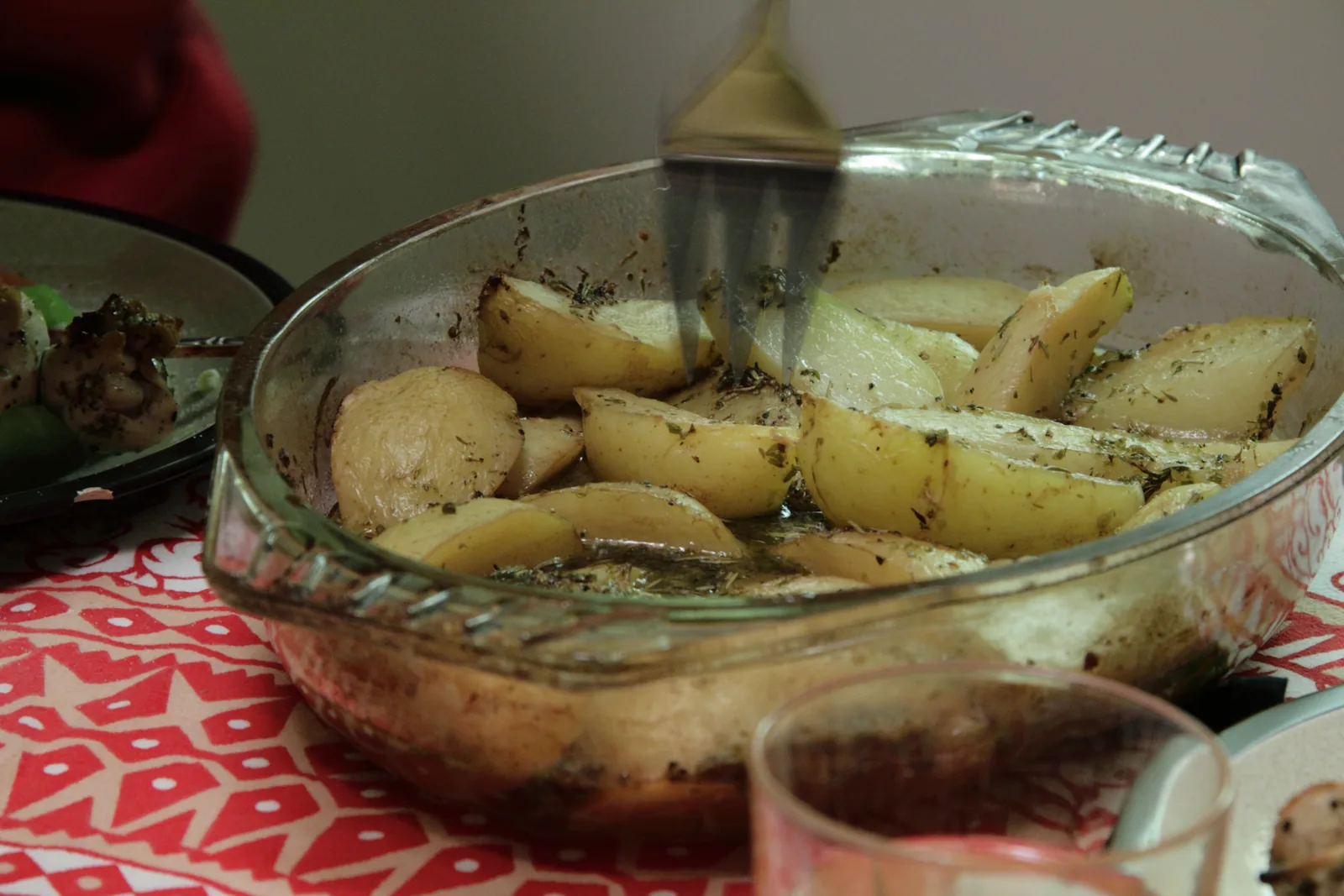
Roasted Greek lemon potatoes with oregano in a glass baking dish, golden wedges in lemon and olive oil

Greek Home-Cooking Classic

Photo: Geoff Peters, CC BY 2.0, via Wikimedia Commons

The Heritage Formulary

Measured Ingredients

Estimated cost: Low — about $1–2 per serving at home (USD)

Good Greek lemon potatoes are judged by their contrast: crisp golden edges outside, soft and lemony inside, with the pan juices reduced to a glaze.

Execution Methodology & Culinary Technique

Step-by-Step Cooking Guide

Active 1h 10m
P

Prep Stage: Cut the Wedges, Squeeze the Lemons

15 Mins • Knife Work

Peel the potatoes and cut them into thick, even wedges — about 3 cm at the widest point. Even size matters more than shape: thin wedges burn while thick ones stay raw. Squeeze the lemons, slice the garlic, and whisk the lemon juice, olive oil, stock, oregano, salt and pepper together in a jug. Heat the oven while you work.

Maestro Tip: Soak the cut wedges in cold water for 10 minutes and dry them well — it washes off surface starch and helps the edges crisp.

  1. 1

    Toss the Potatoes in the Lemon Mixture

    5 Mins Room temperature, about 22°C (72°F)

    Drain and dry the wedges thoroughly, then tip them into a large roasting tray in a single layer. Pour over the lemon, olive oil and stock mixture, scatter the sliced garlic over the top, and turn the wedges with your hands until every piece is coated. The tray should not be crowded — use two trays rather than piling the wedges up.

    A single layer is the whole secret: piled wedges steam and stay pale.

    Done when: Every wedge is coated and sitting in a shallow pool of liquid.

  2. 2

    Roast Covered Until Tender

    35 Mins 200°C (400°F)

    Cover the tray tightly with foil and roast at 200°C (400°F) for 30 to 35 minutes. The stock and lemon juice steam the wedges from inside, so they turn soft and fluffy while the oregano and garlic flavour them through. Check at 30 minutes: a knife should slide into the thickest wedge with no resistance.

    Do not uncover early — the steam is doing the cooking in this stage.

    Done when: A knife slides easily into the thickest wedge.

  3. 3

    Uncover and Crisp the Edges

    20 Mins 200°C (400°F)

    Take the foil off, turn the wedges over, and return the tray to the oven for 15 to 20 minutes. The liquid reduces to a thick, lemony glaze and the edges of the wedges crisp and turn golden brown. If the tray dries out before the potatoes colour, add a splash of hot water — not more oil.

    Turn each wedge once, gently, so the cut sides face the heat and crisp evenly.

    Done when: Edges are golden and crisp; the pan juices are thick and glossy, not watery.

  4. 4

    Rest and Serve

    5 Mins Room temperature, about 22°C (72°F)

    Rest the potatoes in the tray for 5 minutes so they absorb the last of the pan juices, then spoon them onto a serving dish with the glaze poured over. Scatter the chopped parsley on top and serve hot, with the lemon wedges from the tray if you like.

    Resting matters: the potatoes drink up the glaze instead of leaving it in the tray.

    Done when: Potatoes are hot, glossy and coated in glaze.

Finishing Touches & Plating

Serve the potatoes straight from the tray, glossy with the lemon glaze and scattered with parsley — they are at their best in the first 15 minutes out of the oven.

Nutritional Physiology & Benefits

Nutrition

Energy

341

kcal / serving

Protein

6g

Complete AA

Carbs

47g

Complex

Fats

15g

Healthy

Per serving (4 servings · 1 serving ≈ 260 g)
Energy341 kcal
Protein6 g
Carbohydrates47 g
Fat15 g
Fibre6.0 g
Sugar2.5 g
Sodium525 mg
Per 100g
Energy131 kcal
Protein2.1 g
Carbohydrates18.2 g
Fat5.9 g
Fibre2.3 g
Sugar1 g
Sodium202 mg

Nutrition values are estimated — calculated from USDA FoodData Central values for the listed ingredients.

Vitamins & minerals: Vitamin C and potassium from the potatoes and lemon, vitamin K from the parsley, iron and calcium in small amounts; olive oil supplies vitamin E. Nutrition is estimated.

Vegan by Design

This greek lemon potatoes recipe uses olive oil and vegetable stock — no butter, no chicken stock — so it is vegan and gluten-free as written, with 6.0 g of fibre a serving from the potatoes themselves.

Potassium and Vitamin C

At 341 kcal a serving, the potatoes bring potassium and vitamin C to the plate, and the lemon juice helps the meal feel bright and fresh rather than heavy.

One Tray, No Frying

The potatoes roast in the oven in their own lemon and olive oil juices — no deep-frying, no extra pans, and the only fat is olive oil.

Food Pairings

What to Eat With

To optimize nutrient absorption and elevate the sensory depth, pair with these authentic accompaniments:

Sides

Roast Chicken or Grilled Fish

The lemon and oregano in the potatoes echo the flavours of Greek roast chicken and grilled fish, and the potatoes soak up the meat juices on the plate.

Vegetables

Greek Salad

Cool tomato, cucumber and onion salad balances the hot, lemony potatoes and adds crunch to the meal.

Drinks

White Wine or Lemon Water

A crisp white wine or a glass of cold lemon water matches the citrus in the dish without competing with it.

Sauces

Tzatziki

A spoonful of cool tzatziki on the side gives a creamy, garlicky contrast to the crisp, lemony wedges.

Complete menu

Serve the lemon potatoes with roast chicken or grilled fish, a Greek salad and tzatziki; a glass of white wine to drink, and fruit for dessert.

Digestive Guardrails

What NOT to Combine

To prevent digestive distress, sluggishness, or palate clash, avoid pairing the dish with these elements:

Green or Sprouted Potatoes

Green patches and sprouts on potatoes contain solanine, which can upset the stomach — cut green parts away generously or discard the potato. This is general food-safety information, not medical advice.

Leaving Roast Potatoes at Room Temperature

Cooked potatoes left out for hours can grow bacteria, so cool leftovers quickly and refrigerate them within two hours. This is general information, not medical advice — ask your clinician if you are unsure.

General information only, not medical advice — consult a doctor for personal dietary decisions.

Who Should Eat It

Who Should Eat

  • General adultsA generous side dish for any dinner — one serving with roast chicken or fish makes a full plate.
  • ChildrenChildren usually love them — soft inside, crisp outside, and not spicy at all.
  • ElderlySoft inside and easy to chew; cut into smaller pieces and serve warm, not piping hot.
  • Pregnant womenGenerally suitable; the potatoes are a starchy side, so watch the portion and ask your clinician if you are unsure.
  • Breastfeeding womenGenerally suitable; the vitamin C and potassium are a bonus — keep the portion moderate.
  • AthletesA good carbohydrate-rich side after training, with olive oil for energy; add a protein main.
  • Weight gainA good choice — the potatoes are filling and the olive oil is energy-dense.
  • Weight lossAt 341 kcal a serving, this fits a weight-loss plan as a side — keep the portion to one serving and load the plate with salad.

Health Conditions — Adjust or Avoid

Conditions

  • DiabetesAbout 47.2 g of carbohydrate a serving — measure the portion and pair with salad and a protein main; ask your clinician.
  • High blood pressureAt about 525 mg of sodium a serving, this is moderate — most of it is the added salt, so use less if you are on a sodium limit; ask your clinician.
  • Kidney diseasePotatoes are high in potassium, so check your portion with your clinician if you are on a potassium limit.
  • GoutPotatoes are moderate in purines and the dish has no meat — a reasonable choice; ask your clinician.
  • Stomach issuesLemon juice is acidic and can bother a sensitive stomach — the cooking softens it, but eat a small portion first; ask your clinician if you are unsure.
  • Cardiovascular diseaseOlive oil and vegetables make this a heart-friendly side; ask your clinician.
  • Fatty liverModerate in fat from olive oil and rich in carbohydrate — a reasonable side in a measured portion; ask your clinician.
  • Food allergiesContains no common allergens as written — check the stock label for celery or sulphites; ask your clinician if you are unsure.
  • Special therapeutic dietsThe recipe is naturally vegan and gluten-free as written — check the stock label and ask your clinician or dietitian.

If you have a medical condition, consult your doctor before changing your diet.

Storage & Use

Storage & Use

How to store
Cool within two hours and store in an airtight container in the fridge; keep the pan juices with the potatoes.
In the fridge
3 days.
In the freezer
1 month; the texture softens on thawing.
How to reheat
Reheat in a hot oven at 200°C (400°F) for 10 minutes until hot through, about 74°C (165°F), with a splash of water to stop them drying out.
Freezing recommended
Yes, though the texture is best fresh.
Signs it has spoiled
Sour smell, slimy surface, or mould.

More recipes to explore

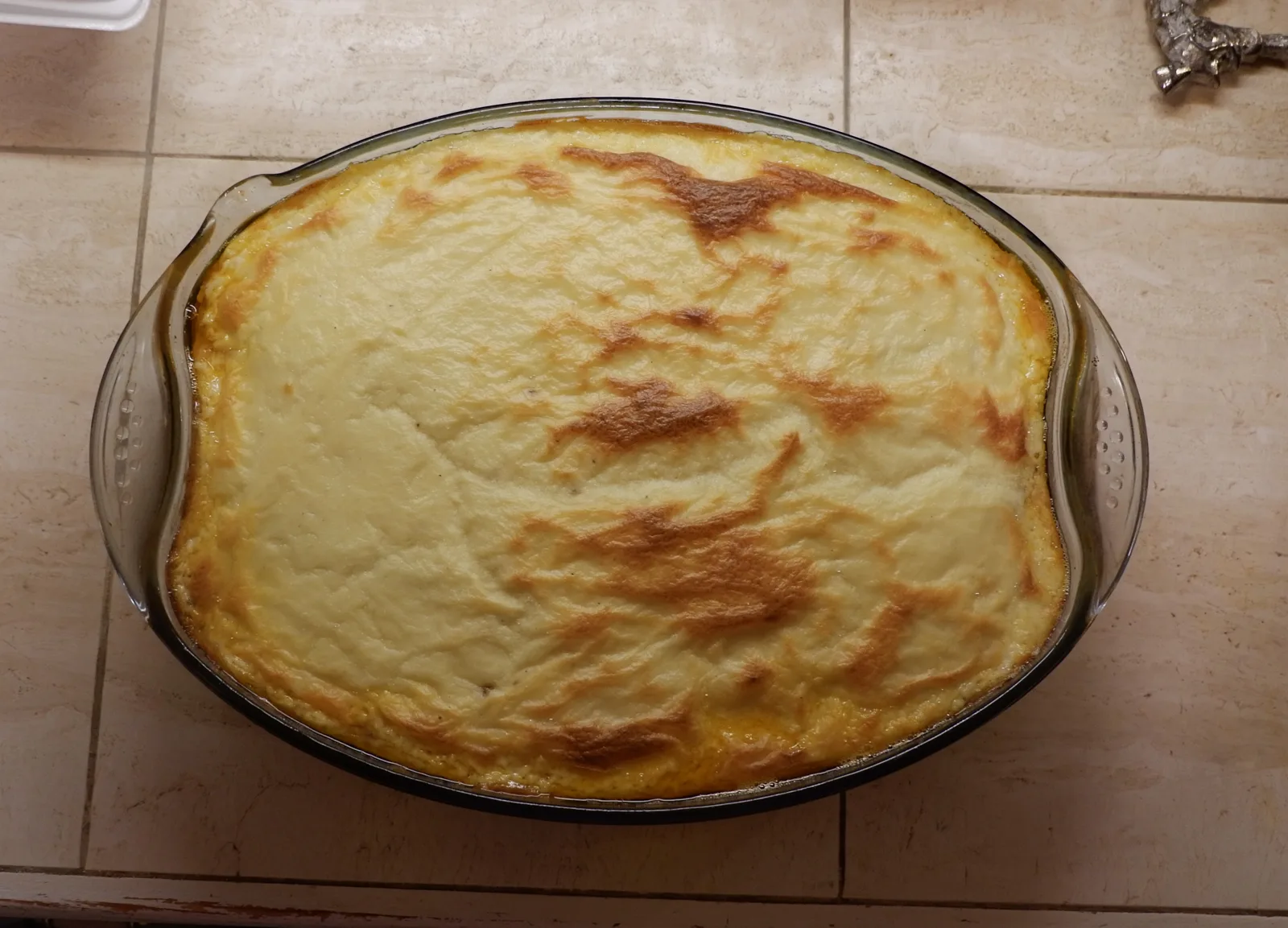
A whole Greek moussaka in a glass baking dish, its bechamel top baked golden brown with darker patches Greece flag Greece 2h
Dinner •Greek Classic

Greek Moussaka

Greek moussaka is a layered bake of fried aubergine and potato, a cinnamon-spiced beef sauce, and a thick bechamel that turns deep gold in the oven. It is the dish most Greek tavernas are judged by, and it is made for sharing at a slow family dinner. One serving is about 412 g.

Comfort & Warmth

A hearty layered bake built around aubergine, potatoes and a spiced meat sauce under a creamy bechamel topping.

Pairs Well With
Serve with a crisp Greek salad, warm bread and a glass of red wine.
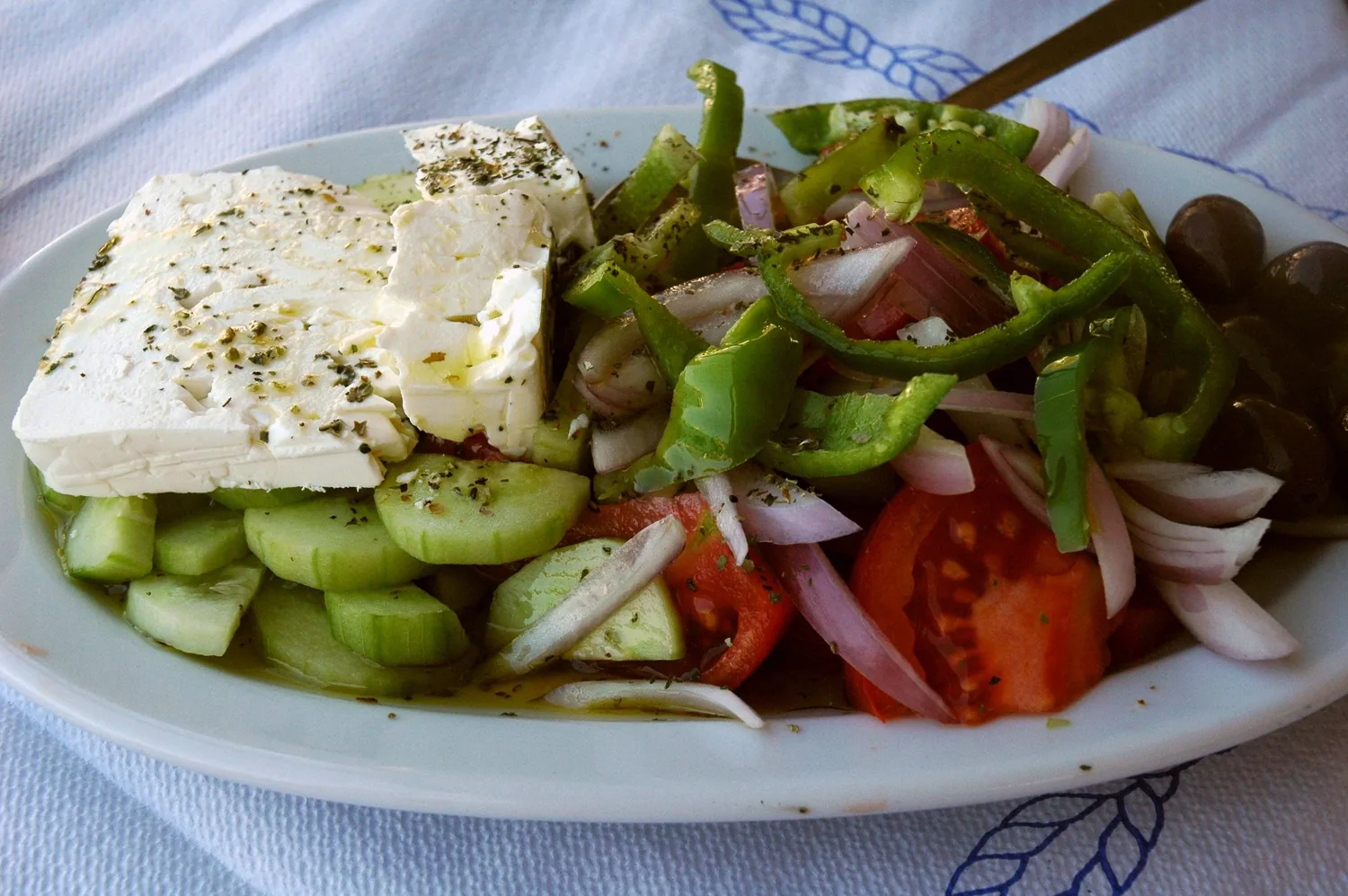
Greek salad (horiatiki) with a slab of feta sprinkled with oregano, Kalamata olives, tomato wedges, cucumber and red onion on a white plate Greece flag Greece 20m
Lunch •Aegean Table Classic

Greek Salad

This Greek salad recipe is the real horiatiki: chunky ripe tomatoes, peeled cucumber, red onion and green pepper, with Kalamata olives and a whole slab of feta on top, dressed with extra-virgin olive oil and dried Greek oregano. There is no lettuce and no heavy dressing — just summer vegetables at their best, ready in twenty minutes. One serving is about 411 g.

Fresh Summer Lunch

Crisp garden vegetables, salty feta and Kalamata olives under good olive oil — a bright, satisfying lunch with no cooking at all.

Pairs Well With
Crusty bread & grilled fish
Quick Prep (<30m)
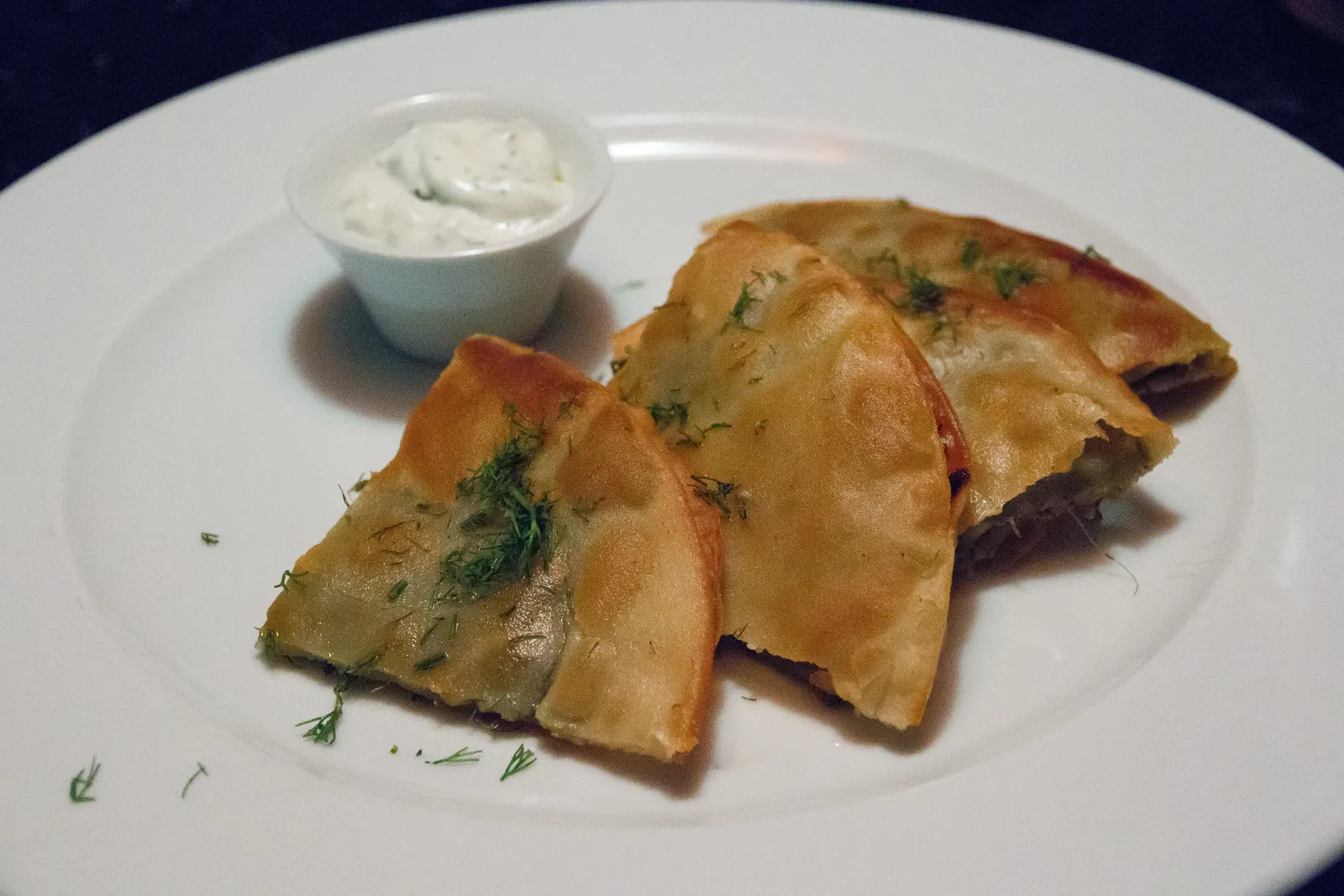
Golden spanakopita triangles sprinkled with fresh dill, served on a white plate with a small bowl of tzatziki Greece flag Greece 1h 20m
Lunch •Greek Bakery Classic

Spanakopita

This spanakopita recipe is the Greek spinach pie found in every bakery in Greece: paper-thin filo brushed with olive oil, layered over a filling of wilted spinach, salty feta, ricotta, leeks and a generous handful of fresh dill, then baked until the top shatters and the inside stays soft and savoury. It is the pie Greeks eat for lunch, take on picnics and set out on a mezze table. One serving is about 220 g.

Crisp Filo, Spinach & Feta

Layers of olive-oil-brushed filo wrapped around a spinach, feta, dill and leek filling, baked until golden and crisp.

Pairs Well With
Greek salad, tzatziki & lemon wedges
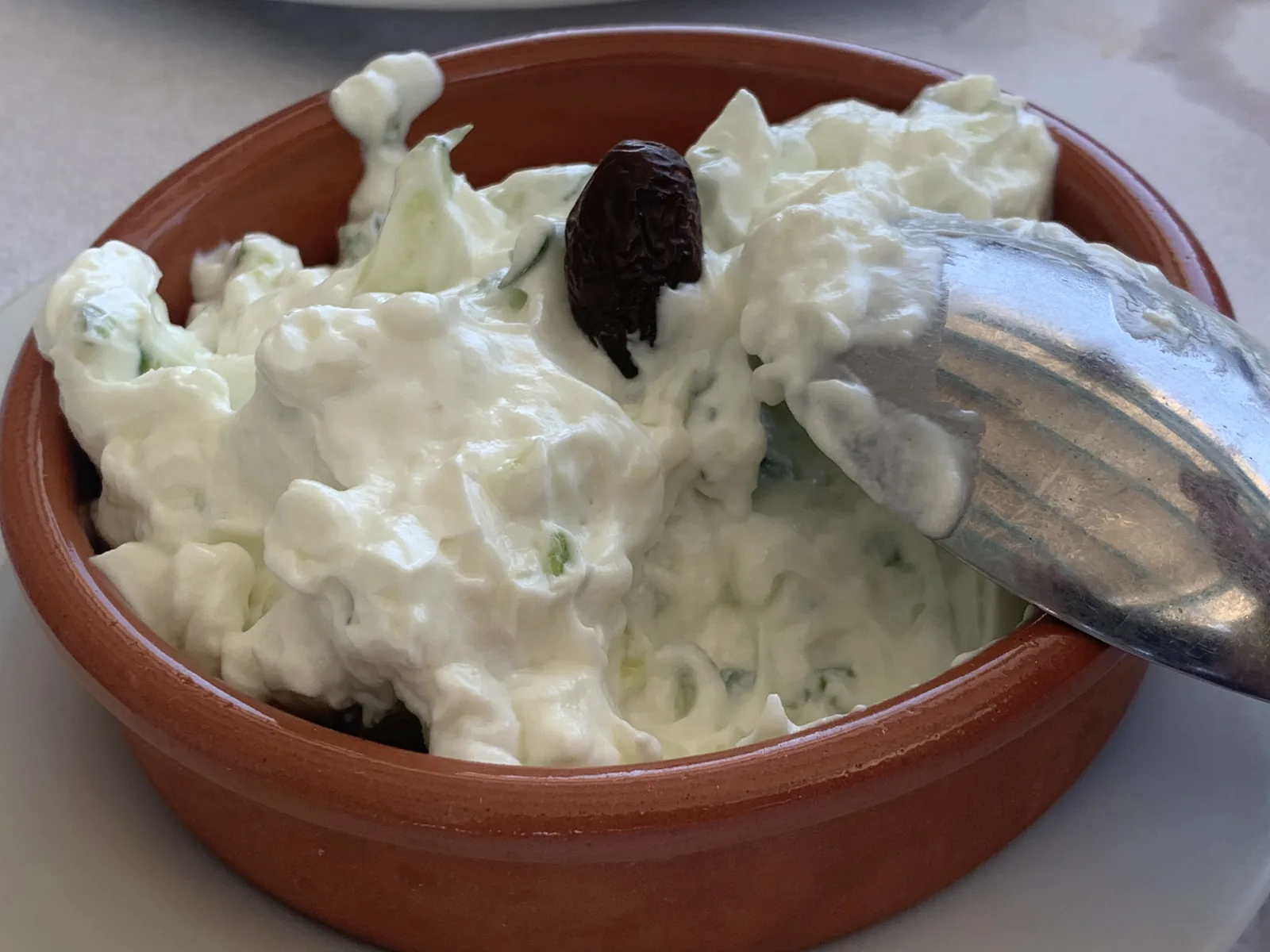
A terracotta bowl of thick white tzatziki with cucumber and a black olive, with a spoon Greece flag Greece 25m
Snack & Tea •Greek Meze Classic

Tzatziki

This tzatziki recipe is the real Greek version: thick strained yogurt, cucumber grated and squeezed bone dry, raw garlic, a thread of olive oil and a handful of dill. No cooking at all — just grating, squeezing and stirring — and the result is cool, creamy and sharp enough to cut through grilled meat. One serving is about 120 g.

Cool & Creamy

Thick Greek yogurt folded with grated cucumber, garlic and dill — the cool white dip at the heart of every Greek meze.

Pairs Well With
Spoon over grilled meat, or serve as a dip with warm pitta and raw vegetables.

The Dinner Gazette

Never wonder what’s for dinner again

One email a week with easy dinner ideas from around the world — ingredients, steps and nutrition, tested in our kitchen first.

Delivered every Thursday morning. Unsubscribe anytime.