Curated recipes from 193 countries  •  New seasonal Mediterranean issue out now

Overview

Guiso de Arroz

Guiso de Arroz Paraguayo, Paraguayan Rice Stew, Arroz con Carne Paraguaya

This guiso de arroz recipe browns diced beef, softens onion, garlic and sweet pepper into a tomato sofrito, then simmers everything with rice in one pot until the grains are tender and soaked with beefy tomato flavour. It is the kind of plain, filling dinner Paraguayan families cook on ordinary weeknights, finished with parsley and oregano. One serving is about 400 g.

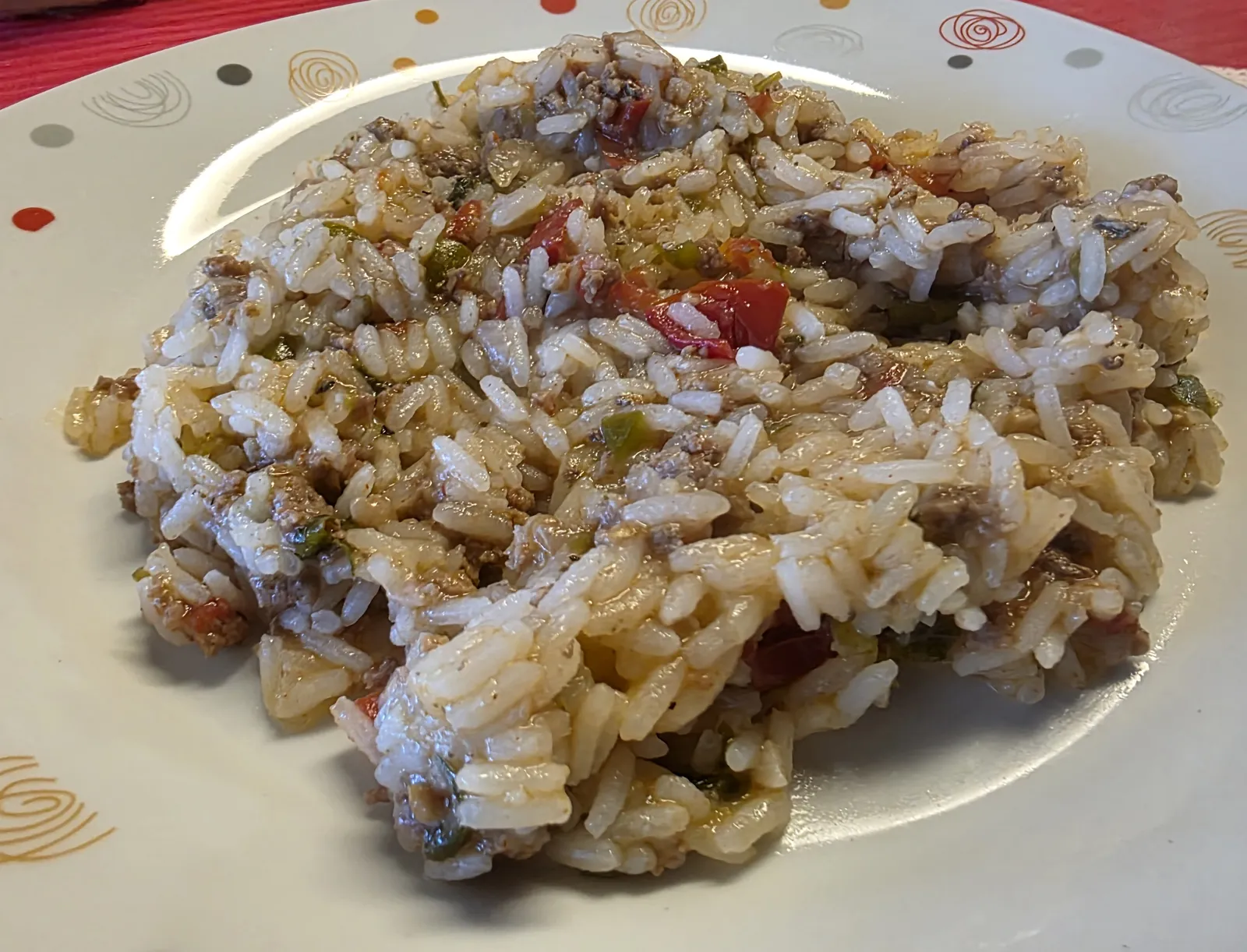
Guiso de arroz is a very common dish on Paraguayan tables — an everyday one-pot stew of rice simmered in a tomato, onion and sweet-pepper sofrito with beef, the kind of plain home cooking that needs no occasion. The same guiso form runs through the cooking of the Río de la Plata: swap the rice for noodles and the dish becomes guiso de fideo, the Paraguayan noodle stew, a different dish built on the same sofrito. The hero photo for this recipe was taken in Uruguay, where the same rice-and-meat stew is a home classic, by photographer Horacio Cambeiro — the preparation, the ingredients and the look of the dish are the same as the Paraguayan version.

Pairs well with: Boiled mandioca, green salad & tereré

Provenance

Paraguay flag Paraguay

Paraguayan Home Classic

Latin America & Caribbean

Time Dedication

1h 30m

15m prep • 75m cook

Batch Yield

6 Servings

424 kcal per serving

1 serving ≈ 400 g

Technical Skill

Easy

Easy (One Pot)

Meal Timing & Digestive Fit

Breakfast

Not Advised

Lunch

Hearty Midday Main

Dinner

Ideal Hearty Main

Snack & Tea

Inappropriate

High Protein Occasions: Family dinners, weeknight meals, winter meals, potlucks, lunchboxes Cost: Low — about $3–4 per serving at home
A plate of beef and rice stew with tomato, peppers and herbs

Paraguayan Home Classic

Photo: Horacio Cambeiro, CC BY 3.0, via Wikimedia Commons

The Heritage Formulary

Measured Ingredients

Estimated cost: Low — about $3–4 per serving at home (USD)

A Paraguayan home stew of beef, rice and tomato sofrito, simmered in one pot and finished with parsley and oregano.

Execution Methodology & Culinary Technique

Step-by-Step Cooking Guide

Active 1h 30m
P

Dice the beef and chop the sofrito vegetables

15 minutes

Trim the beef chuck of large pieces of fat and cut it into even 2 cm cubes so it cooks evenly. Rinse the rice in cold water until it runs clear and drain it. Dice the onion and green pepper, chop the tomatoes with their juices, mince the garlic and chop the parsley, so everything is ready before the pot gets hot.

Maestro Tip: Cut the beef cubes the same size — uneven pieces cook unevenly, and the small ones dry out while the big ones stay tough.

  1. 1

    Brown the beef

    10 minutes Medium-high heat (200°C / 400°F)

    Heat the oil in a large, heavy pot over medium-high heat. Add the beef cubes in a single layer, leaving space between them, and brown for about 10 minutes, turning once or twice, until every side has colour. Work in two batches if the pot is crowded.

    Do not crowd the pot — crowded beef steams instead of browning, and you lose the flavour that browning builds.

    Done when: Beef is browned on all sides with no pink showing on the surface.

  2. 2

    Cook the tomato sofrito

    8 minutes Medium heat (175°C / 350°F)

    Lower the heat to medium and add the onion and green pepper to the same pot, scraping up the browned bits from the bottom. Cook for 3 minutes, then add the garlic and cook for 1 minute more. Add the chopped tomatoes with their juices and the oregano, and cook for 4 minutes, stirring, until the tomatoes soften and the mixture smells sweet and savoury.

    Scrape the bottom as the onion cooks — the browned beef bits dissolve into the sofrito and flavour the whole pot.

    Done when: Tomatoes have softened into a thick sauce and the oil at the edges is orange-red.

  3. 3

    Simmer the beef in the sauce

    20 minutes Low simmer (95°C / 200°F)

    Pour in 500 ml of the water, add the salt and black pepper, and stir well. Bring to a gentle simmer, cover with the lid slightly ajar, and cook for 20 minutes so the beef turns tender and the sauce thickens.

    Keep the simmer gentle — a hard boil toughens stewing beef instead of tenderising it.

    Done when: Beef is cooked through to at least 71°C (160°F) inside and yields easily when pressed with a spoon; the sauce has thickened.

  4. 4

    Add the rice and water

    5 minutes Medium-high heat (200°C / 400°F)

    Stir in the rinsed rice and the remaining 400 ml of water. Raise the heat and bring the pot back to a boil, stirring once so the rice is evenly spread through the sauce.

    Stir only this once — stirring rice while it cooks breaks the grains and makes the stew gummy.

    Done when: Pot is boiling, rice is evenly mixed through the beef and sauce.

  5. 5

    Simmer until the rice is tender

    20 minutes Low heat (95°C / 200°F)

    Cover with a tight lid, lower the heat to the barest simmer and cook for 20 minutes without lifting the lid. The rice should absorb the liquid and turn tender while the stew stays moist and spoonable.

    If the lid does not seal well, lay a clean tea towel under it to trap the steam.

    Done when: Rice is tender, the liquid is absorbed, and the stew is moist but not soupy; grains are separate, not mushy.

  6. 6

    Rest, fluff and serve

    10 minutes No heat

    Take the pot off the heat and rest, lid on, for 10 minutes. Fluff gently with a fork, taste and adjust the salt, then spoon into wide bowls and scatter with the chopped parsley.

    Fluff with a fork, never a spoon, to keep the grains separate.

    Done when: Bowls are steaming, the rice is fluffy and flecked with tomato, pepper and beef.

Finishing Touches & Plating

Spoon the stew into wide bowls, scatter with chopped parsley and a pinch of oregano, and serve hot with boiled mandioca on the side.

Nutritional Physiology & Benefits

Nutrition

Energy

424

kcal / serving

Protein

28g

Complete AA

Carbs

54g

Complex

Fats

10g

Healthy

Per serving (6 servings · 1 serving ≈ 400 g)
Energy424 kcal
Protein28 g
Carbohydrates54 g
Fat10 g
Fibre2.7 g
Sugar3.8 g
Sodium339 mg
Per 100g
Energy106 kcal
Protein6.9 g
Carbohydrates13.5 g
Fat2.5 g
Fibre0.7 g
Sugar0.9 g
Sodium85 mg

Nutrition values are estimated — calculated from USDA FoodData Central values for the listed ingredients.

Vitamins & minerals: The tomato and green pepper supply vitamin C and vitamin A, the parsley adds vitamin K and folate, and the beef adds iron, zinc and vitamin B12. All nutrition values are estimated.

A filling, protein-rich meal

With about 28 g of protein per serving from the beef, one bowl works as a complete main meal that keeps you full for hours.

Iron, zinc and B12 from the beef

Beef is a source of iron, zinc and vitamin B12, and the tomato and green pepper in the sofrito add vitamin C, which helps the body absorb iron from food.

One pot, real ingredients

Everything cooks in a single pot with no sauces or shortcuts — beef, rice, tomato, onion, pepper and herbs, the way Paraguayan home cooks make it.

Food Pairings

What to Eat With

To optimize nutrient absorption and elevate the sensory depth, pair with these authentic accompaniments:

Sides

Boiled mandioca

Mandioca (cassava) is the everyday starch of Paraguay, and its soft, mild flesh soaks up the tomato-beef sauce without competing with the rice.

Vegetables

Green salad with lime

A crisp salad of lettuce, cucumber and lime juice adds acidity and crunch that cut through the rich, savoury stew.

Drinks

Tereré (cold mate)

Paraguay's cold mate is the traditional drink with a hot stew — its bitter, grassy coolness balances the warmth and richness of the guiso.

Sauces

Salsa criolla

A spoonful of finely chopped tomato, onion and pepper in vinegar adds a sharp, fresh lift to each bite of the soft, savoury rice.

Complete menu

Serve the guiso de arroz as the main plate with boiled mandioca and a green salad with lime on the side, and tereré to drink.

Digestive Guardrails

What NOT to Combine

To prevent digestive distress, sluggishness, or palate clash, avoid pairing the dish with these elements:

A second heavy starchy course

The stew already carries about 54 g of carbohydrates per serving from the rice. Piling on bread or a large portion of mandioca as well makes the meal very energy-dense, so keep the side modest. This is general information, not medical advice — ask a clinician about your own diet.

Cooked rice left out at room temperature

Cooked rice left standing at room temperature for hours can grow Bacillus cereus, a bacterium whose spores survive cooking and can cause food poisoning. Cool leftovers quickly, refrigerate within 2 hours, and reheat until steaming hot throughout, to 74°C (165°F). This is general food-safety information, not medical advice.

General information only, not medical advice — consult a doctor for personal dietary decisions.

Who Should Eat It

Who Should Eat

  • General adultsA complete, satisfying one-pot meal. Enjoy a normal portion and balance the rest of the day with lighter foods.
  • ChildrenSoft rice and tender beef are easy for children to eat. Serve a smaller portion with salad, and check the beef is fully tender.
  • ElderlySoft rice and slow-simmered beef are easy to chew. Serve a modest portion with a salad on the side.
  • Pregnant womenFine when the beef is fully cooked through and the dish is served hot. Keep portions moderate; ask your clinician if unsure.
  • Breastfeeding womenA protein-rich, filling dinner that fits well between feeds. Drink water alongside it.
  • AthletesAbout 28 g of protein and 54 g of carbohydrates per serving make it a strong recovery dinner after training.
  • Weight gainAt about 424 calories a serving, it is an easy way to add energy — a second helping of rice adds more.
  • Weight lossEnjoy a modest serving with a big salad on the side; the rice is filling, so a smaller bowl still satisfies.

Health Conditions — Adjust or Avoid

Conditions

  • DiabetesAbout 54 g of carbohydrates per serving come from the rice, so portion size matters and blood sugar should be monitored. A smaller portion with more beef and vegetables helps; ask your clinician or dietitian for a portion that fits your plan.
  • High blood pressureSodium is about 339 mg per serving, which is modest for a stew, but do not add salt at the table and keep salty sides small. Ask your clinician about your own sodium limits.
  • Kidney diseaseThe dish is fairly high in protein, so portions should be modest and it should not be eaten every day. Ask your clinician or dietitian whether it fits your plan.
  • GoutBeef is a source of purines, so people with gout should keep portions small and not eat this dish often. Ask your clinician for personal advice.
  • Stomach issuesThe dish is mild, but the onion, pepper and tomato can bother a sensitive stomach. Eat a small portion and chew well; ask your clinician if symptoms persist.
  • Cardiovascular diseaseThe stew is low in fat at about 9.8 g per serving, but it is still a red-meat dish, so treat it as a regular dinner rather than an everyday staple and balance the plate with salad. Ask your clinician about your diet.
  • Fatty liverThe rice adds energy, so a modest portion with plenty of salad is wiser than a large one. Ask your clinician or dietitian for guidance.
  • Food allergiesThe dish contains no wheat, milk, egg, nuts or seafood as written, and it is gluten-free. Check the stock cube or stock you use, if any, as some contain wheat or celery. Ask a clinician if you are unsure.
  • Special therapeutic dietsNot suitable for vegetarian or vegan diets as written. It fits a gluten-free diet. Ask your clinician or dietitian before adapting it.

If you have a medical condition, consult your doctor before changing your diet.

Storage & Use

Storage & Use

How to store
Cool quickly and store in an airtight container.
In the fridge
3–4 days in the refrigerator.
In the freezer
Up to 3 months in airtight containers; the rice softens slightly after freezing.
How to reheat
Reheat gently in a covered pan or microwave with a splash of water until steaming hot throughout, to 74°C (165°F).
Freezing recommended
Yes, up to 3 months; freeze in single portions for easy reheating.
Signs it has spoiled
Sour or off smell, slimy texture on the beef or rice, or mould on the surface.

More recipes to explore

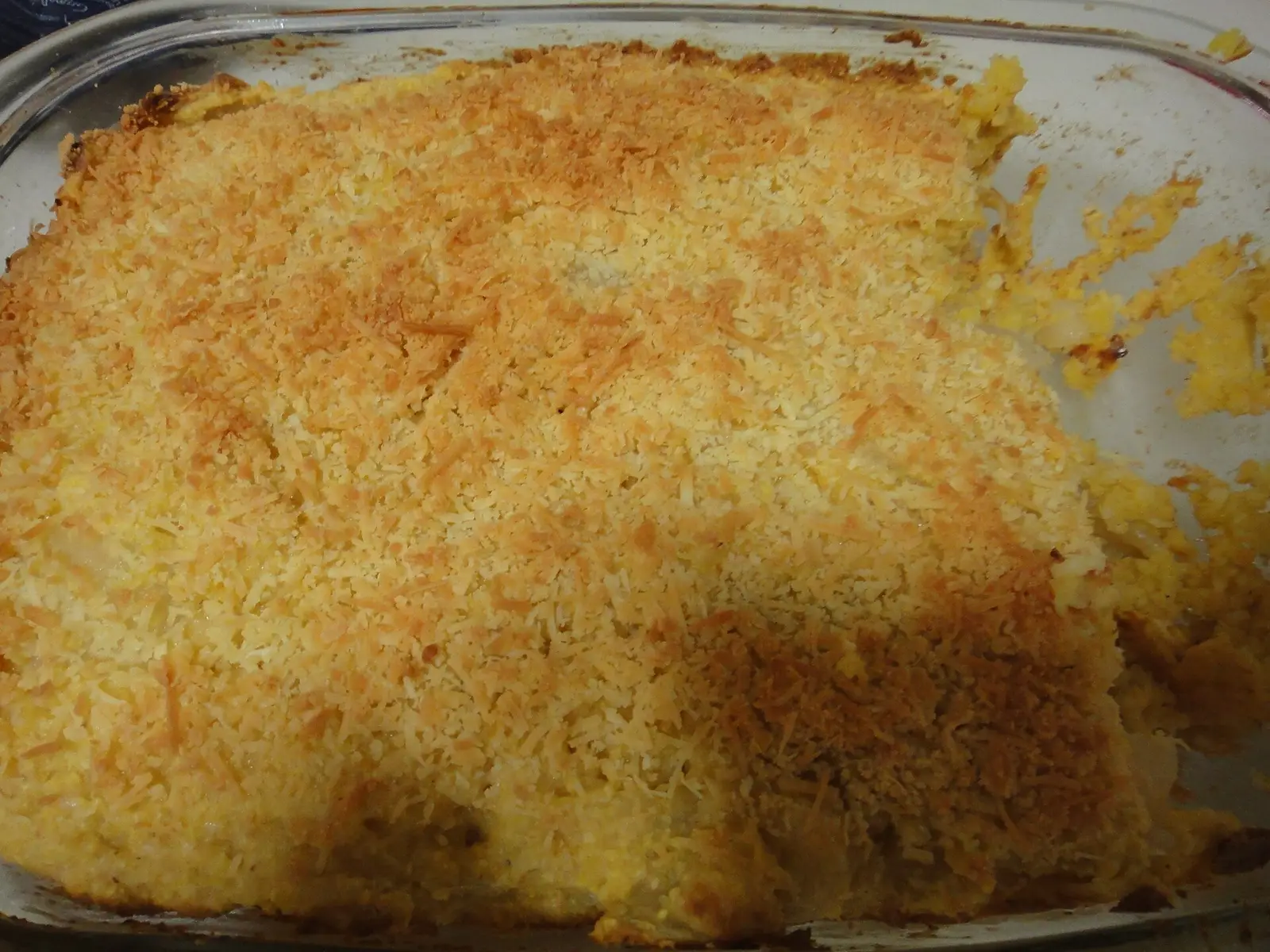
A golden baked sopa paraguaya cornmeal and cheese cake in a glass baking dish with one square cut out Paraguay flag Paraguay 1h 5m
Lunch •Asunción Heritage

Sopa Paraguaya

This sopa paraguaya recipe turns cornmeal, salty Paraguay cheese, onion, milk and eggs into a golden, spongy cake that slices like bread. Despite the name — sopa means soup — there is no broth here: the dish is solid, rich and meant to be cut into squares. One serving is about 180 g.

Comfort & Warmth

A golden, spongy cornmeal and cheese cake — Paraguay’s national dish, baked until the top is crisp and the inside stays soft.

Pairs Well With
Warm squares with grilled meat or a bowl of soup
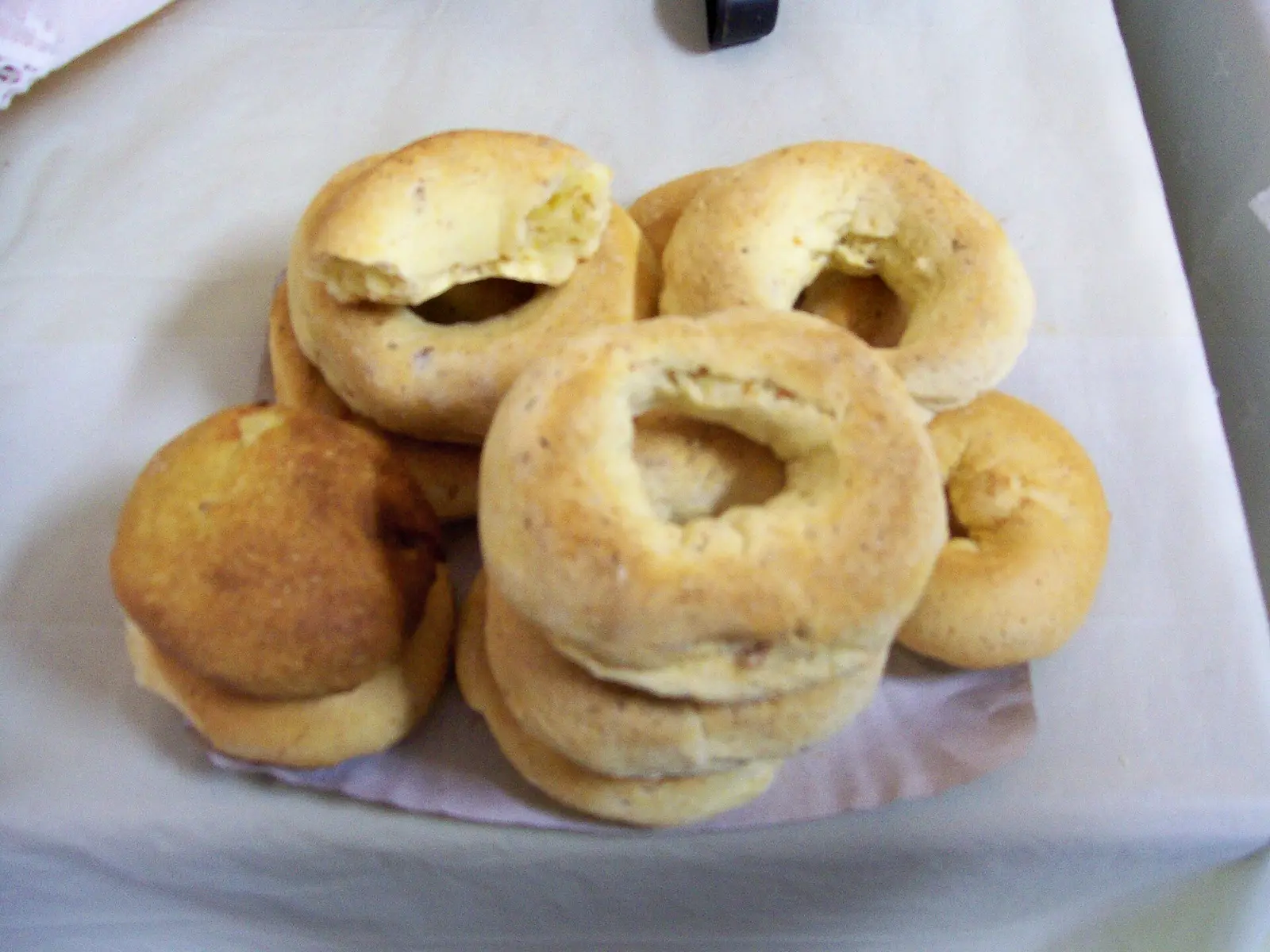
A pile of golden baked chipa cheese bread rings, one broken open to show the soft crumb Paraguay flag Paraguay 50m
Snack & Tea •Paraguayan Heritage

Chipa

This chipa recipe makes 12 golden Paraguayan cheese bread rings from cassava starch, salty cheese, eggs and a pinch of anise. The dough is rolled into ropes, closed into rings and baked until puffed and lightly cracked — crisp on the outside, soft and chewy inside. One serving is about 185 g (two rings).

Snack & Sharing

Small baked cheese bread rings made from cassava starch — crisp outside, chewy inside, best eaten warm.

Pairs Well With
Warm rings with a cup of cocido (mate cocido)
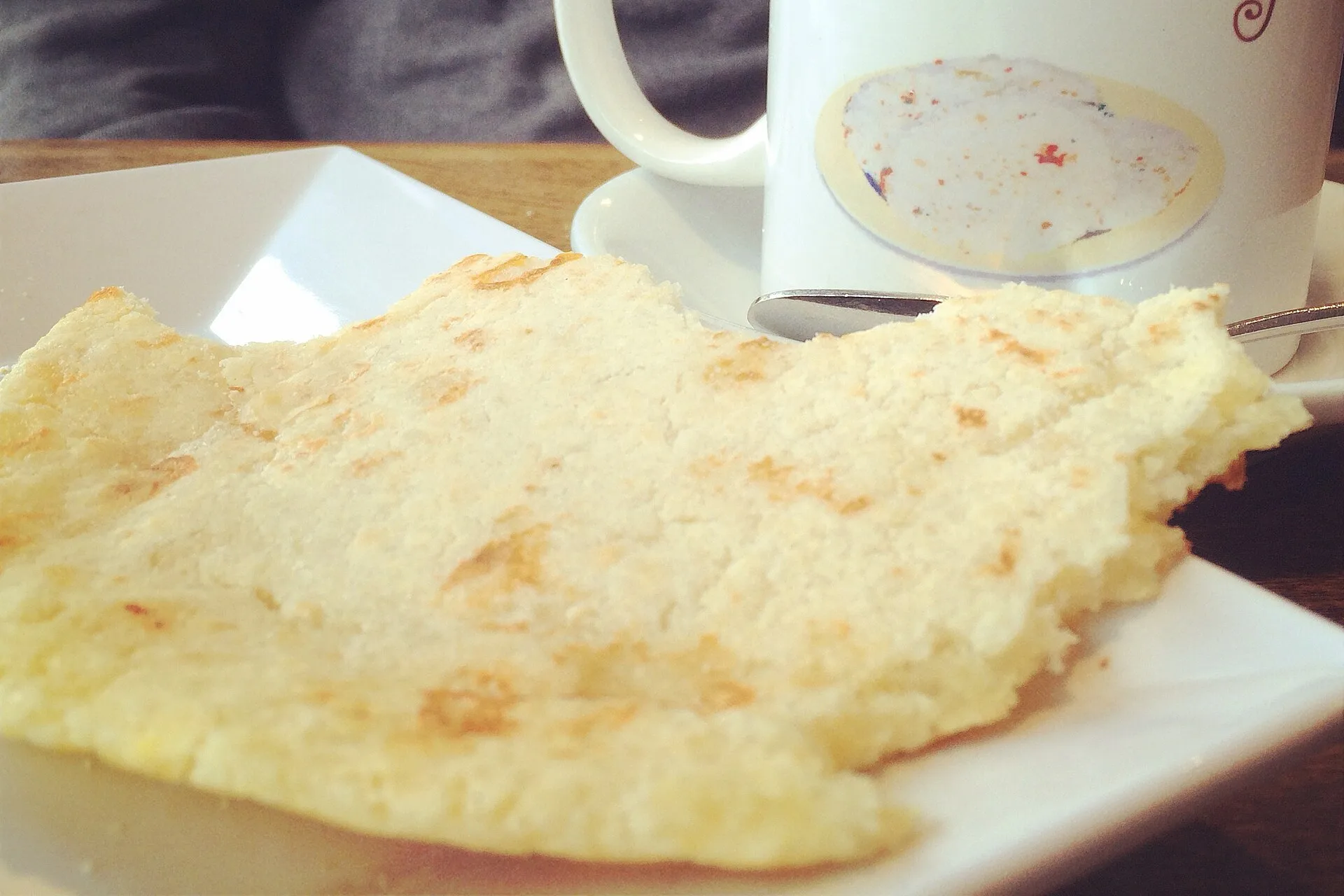
A golden mbejú cassava cheese pancake on a white plate beside a mug of cocido Paraguay flag Paraguay 30m
Snack & Tea •Guaraní Heritage

Mbejú

This mbeju recipe presses cassava starch and cheese into a golden griddled pancake — Paraguay’s classic snack, cooked in a dry pan and flipped once. It shares its two main ingredients with chipa, but the form is entirely different: chipa is kneaded and baked into bread rings, while mbejú stays a crumbly, sandy mixture that is pressed flat in the pan and never sees an oven. One serving is about 215 g (one pancake).

Snack & Sharing

A flat, griddled cassava-starch and cheese pancake — crisp at the edges, soft inside, cooked in a pan, never baked.

Pairs Well With
A warm pancake with a cup of mate cocido
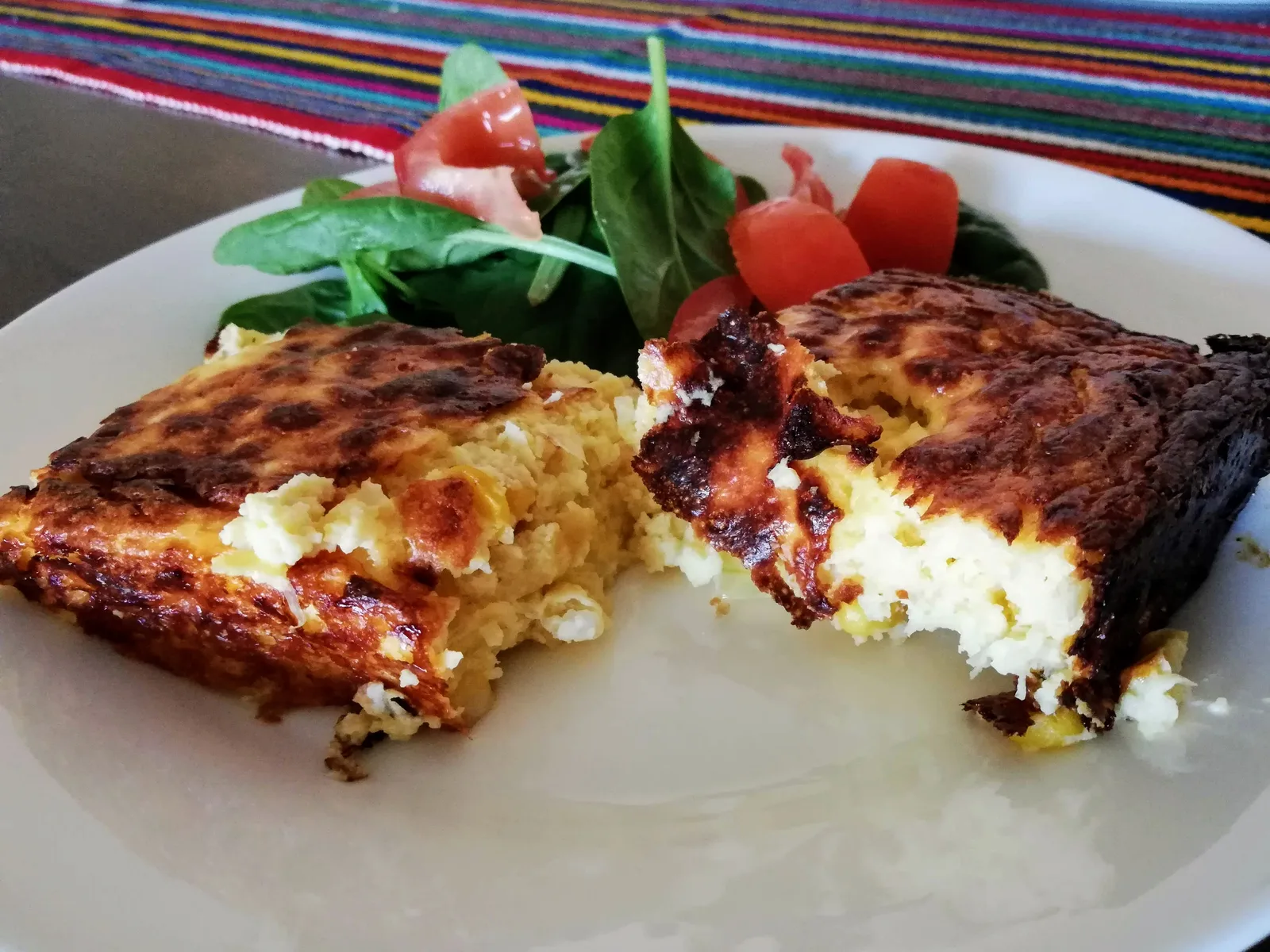
Two golden squares of chipa guasu with a fresh corn and cheese crumb, served with tomato and spinach salad Paraguay flag Paraguay 1h 5m
Lunch •Guaraní Heritage

Chipa Guasu

This chipa guasu recipe blends fresh corn kernels with eggs, milk, onion and salty Paraguay cheese, then bakes the mixture into a golden, moist cake that is cut into squares. It is not sopa paraguaya: chipa guasu is made with whole fresh corn kernels, while sopa paraguaya is made with cornmeal — the two dishes look alike but taste quite different. One serving is about 222 g.

Comfort & Warmth

A golden, moist bake of fresh corn kernels, Paraguay cheese, eggs and milk — the national side dish, served warm in squares.

Pairs Well With
Warm squares of chipa guasu with grilled meat and salad

The Dinner Gazette

Never wonder what’s for dinner again

One email a week with easy dinner ideas from around the world — ingredients, steps and nutrition, tested in our kitchen first.

Delivered every Thursday morning. Unsubscribe anytime.