Curated recipes from 193 countries  •  New seasonal Mediterranean issue out now

Overview

Haitian Griot

Griyo, Grillot, Haitian Fried Pork

This Haitian griot recipe starts with pork shoulder rubbed in sour citrus and epis, Haiti's green seasoning paste of scallions, garlic, parsley and Scotch bonnet, then braised in its own marinade until tender and fried in hot oil until the edges turn dark and crisp. It is served with pikliz, a sharp pickled cabbage slaw that cuts through the richness. One serving is about 215 g of crisp fried pork with pikliz.

Griot is Haiti's most celebrated dish, the centrepiece of Sunday gatherings, weddings and Independence Day tables. Its roots run through French colonial cooking — the name is often traced to the French word grillot, small pieces of grilled or fried meat — blended with African seasoning traditions and Caribbean citrus. The sour-orange and epis marinade, the slow braise and the final crisp fry are the three steps that define it, and no Haitian celebration table is complete without a bowl of pikliz beside it.

Pairs well with: Fried plantains (bannann peze) and rice and beans, with pikliz on the side.

Provenance

Haiti flag Haiti

Haiti Heritage

Latin America & Caribbean

Time Dedication

2h 10m

40m prep • 90m cook

Batch Yield

6 Servings

501 kcal per serving

1 serving ≈ 215 g

Technical Skill

Intermediate

Medium (Marinate & Fry)

Meal Timing & Digestive Fit

Breakfast

Not Advised

Lunch

Hearty Midday Main

Dinner

Ideal Hearty Main

Snack & Tea

Inappropriate

Occasions: Sunday family gatherings, celebrations, Independence Day, parties, weekend dinners with friends Cost: Moderate — about $3–4 per serving at home
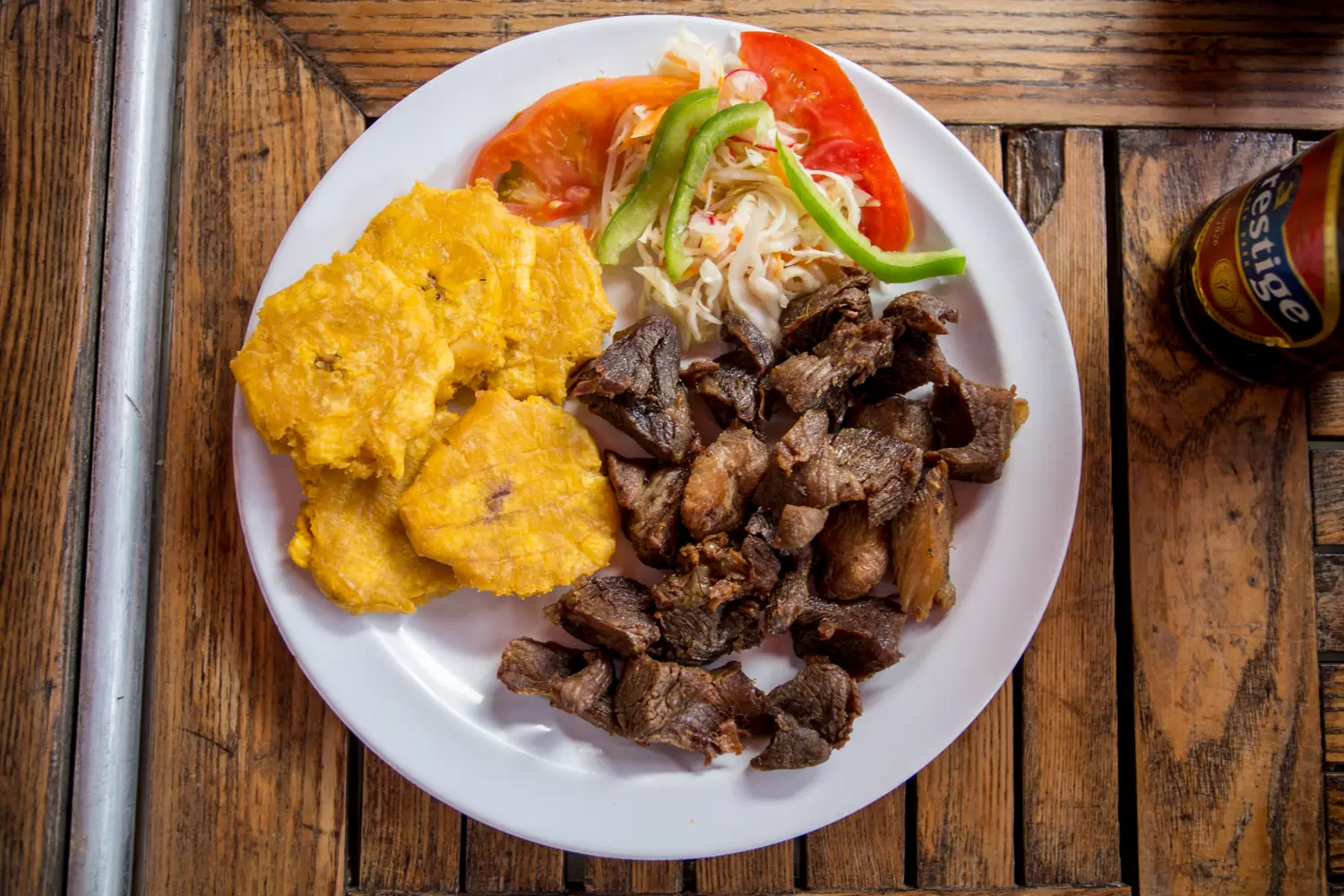
A plate of Haitian griot: dark crisp fried pork cubes with fried plantains and pikliz slaw with tomato and green pepper

Haiti Heritage

Photo: Lëa-Kim Châteauneuf, CC BY-SA 4.0, via Wikimedia Commons

The Heritage Formulary

Measured Ingredients

Estimated cost: Moderate — about $3–4 per serving at home (USD)

This recipe follows the traditional Haitian method: an overnight citrus and epis marinade, braising until tender, then frying crisp, with homemade pikliz.

Execution Methodology & Culinary Technique

Step-by-Step Cooking Guide

Active 2h 10m
P

Marinate Overnight

Overnight, 8-12 hours

Rub the pork chunks with lime juice, then coat them in the epis paste and leave them covered in the fridge overnight. The citrus and salt start to tenderise the meat while the garlic, herbs and Scotch bonnet soak deep into it — this long marinade is what makes griot taste like griot, and it cannot be rushed to 30 minutes without losing flavour.

Maestro Tip: If you are short on time, marinate at least 4 hours; overnight is the traditional way and tastes noticeably better.

  1. 1

    Make the Epis & Marinate the Pork

    20 Mins Fridge, 4°C (40°F) or below

    Blend the scallions, garlic, parsley, green bell pepper, 100 g of the onion, 1 deseeded Scotch bonnet, thyme, cloves and black pepper with the lime and orange juice into a coarse green paste — this is epis, Haiti's everyday seasoning base. Put the pork chunks in a large bowl, pour over 9 g (1 1/2 tsp) of the salt, then rub in the epis so every piece is coated. Cover and refrigerate overnight, 8-12 hours.

    Rub the pork with a little lime juice first and let it sit 5 minutes before adding the epis — the acid wash is the traditional Haitian way to clean and freshen the meat.

    Done when: Every pork chunk evenly coated in green epis paste, bowl covered and chilled.

  2. 2

    Make the Pikliz

    15 Mins No heat; chill at 4°C (40°F) or below

    Toss the shredded cabbage, grated carrot, 50 g sliced onion and the remaining Scotch bonnet (sliced, seeds in) in a clean jar with the white vinegar and 3 g (1/2 tsp) salt. Press the vegetables down so the vinegar covers them, seal, and leave at least 1 hour — overnight is better — so the slaw turns sharp, crunchy and hot.

    Make the pikliz the same evening you marinate the pork, so both are ready together the next day.

    Done when: Vegetables submerged in vinegar, bright and crunchy, with a sharp pickled smell.

  3. 3

    Braise the Pork Until Tender

    60 Mins Gentle simmer, about 95°C (200°F), to 74°C (165°F)

    Tip the pork and all its marinade into a heavy pot, add the 500 ml water, and bring to a gentle simmer. Cover and cook for 50-60 minutes, turning the pieces once or twice, until the pork is fully tender and a skewer slides in easily. Lift the pork out with a slotted spoon and pat the pieces dry with paper towels — dry meat fries crisp, wet meat steams.

    Keep the braising liquid: a spoonful brushed over the fried pork adds a last hit of epis flavour, and the rest can season rice.

    Done when: Pork tender enough to pierce easily, internal temperature at least 74°C (165°F).

  4. 4

    Fry Until Dark & Crisp

    20 Mins Oil at 190°C (375°F); pork to 74°C (165°F)

    Heat the vegetable oil in a deep, heavy pan to 190°C (375°F). Fry the pork in small batches for 3-4 minutes per batch, turning once, until the edges are deep brown and crisp. Do not crowd the pan or the temperature drops and the pork turns greasy instead of crisp. Drain on a wire rack, not paper towels, so the crust stays crunchy.

    Work in batches of about 8-10 pieces. If you have a thermometer, check the oil between batches and let it climb back to 190°C (375°F) before adding more.

    Done when: Deep golden-brown to dark brown crust, crisp edges, juicy inside; internal temperature at least 74°C (165°F).

  5. 5

    Rest & Serve

    10 Mins Serve hot, above 60°C (140°F)

    Rest the fried pork on the wire rack for 5 minutes so the crust sets and the juices settle. Pile onto a platter with a generous spoonful of pikliz on the side and serve hot, with fried plantains and rice and beans if you like.

    Put the pikliz beside the pork, not on top of it — the vinegar would soften the crisp crust.

    Done when: Crust still audibly crisp, pork hot through, pikliz cold and sharp alongside.

Finishing Touches & Plating

Serve the griot the moment it comes off the rack, while the crust is still crackling, with cold pikliz alongside so each bite can be balanced hot and crisp against sharp and cool.
Nutritional Physiology & Benefits

Nutrition

Energy

501

kcal / serving

Protein

43g

Complete AA

Carbs

11g

Complex

Fats

32g

Healthy

Per serving (6 servings · 1 serving ≈ 215 g)
Energy501 kcal
Protein43 g
Carbohydrates11 g
Fat32 g
Fibre2.2 g
Sugar4.2 g
Sodium957 mg
Per 100g
Energy233 kcal
Protein20 g
Carbohydrates5.2 g
Fat14.7 g
Fibre1 g
Sugar2 g
Sodium445 mg

Nutrition values are estimated — calculated from USDA FoodData Central values for the listed ingredients.

Vitamins & minerals: Pork shoulder supplies thiamin (vitamin B1), niacin, vitamin B6, vitamin B12, zinc and selenium, while the cabbage and carrot in the pikliz add vitamin C, vitamin K and vitamin A. Nutrition values are estimated.

High in Protein

One serving gives about 43 g of protein from the pork shoulder, which makes this a filling dinner that keeps you satisfied for hours.

B Vitamins & Minerals

Pork is a good source of thiamin (vitamin B1), niacin, vitamin B6, vitamin B12, zinc and selenium, nutrients involved in energy metabolism and immune function.

Fresh Vegetables in the Pikliz

The cabbage and carrot slaw adds vitamin C, vitamin K and fibre, and its vinegar sharpness helps balance a rich fried dish.

Food Pairings

What to Eat With

To optimize nutrient absorption and elevate the sensory depth, pair with these authentic accompaniments:

Sides

Bannann Peze (Fried Plantains)

Twice-fried green plantain rounds are the classic partner: their mild sweetness and soft centres balance the salty, crisp pork.

Diri Kole (Rice & Beans)

Haitian rice and red beans soak up the pork juices and the pikliz brine, turning the plate into a complete, satisfying meal.

Sauces

Sauce Ti-Malice

This thin, hot sauce of vinegar, shallots and Scotch bonnet is the traditional table sauce for griot, adding extra heat and acidity for those who want it.

Drinks

Prestige Beer or Limeade

A cold Haitian Prestige lager or a glass of fresh limeade cuts through the fried richness and cools the chilli heat.

Complete menu

Serve the griot with bannann peze (fried plantains) and diri kole (rice and beans), pikliz on the side, and finish with fresh limeade and a slice of Haitian pain patate if you have it.

Digestive Guardrails

What NOT to Combine

To prevent digestive distress, sluggishness, or palate clash, avoid pairing the dish with these elements:

Very Spicy Food on Top of Pikliz

Pikliz already carries a lot of Scotch bonnet heat. Piling on extra chilli sauces can irritate the stomach lining and worsen heartburn for people prone to it, so taste the pikliz first and add heat gradually. This is general information, not medical advice.

Large Amounts of Alcohol with Fried Pork

Alcohol with a very fatty fried meal can slow digestion and make reflux and nausea more likely, so keep drinks modest and eat slowly. This is general information, not medical advice.

General information only, not medical advice — consult a doctor for personal dietary decisions.

Who Should Eat It

Who Should Eat

  • General adultsA hearty, satisfying dinner; enjoy in a normal portion with pikliz and plantains.
  • ChildrenSuitable from about age 5 if the Scotch bonnet in the epis and pikliz is reduced or left out, and the pork is cut into small, manageable pieces.
  • ElderlyThe braised-then-fried pork is tender inside, but the crisp edges can be hard to chew; serve smaller, softer pieces and a modest portion of pikliz.
  • Pregnant womenSafe when the pork is cooked through to 74°C (165°F); keep the chilli heat modest, as spicy food can worsen pregnancy heartburn.
  • Breastfeeding womenFine in normal portions; very spicy pikliz can occasionally unsettle a sensitive baby, so watch for any reaction.
  • AthletesAbout 43 g of protein per serving supports recovery after training; pair with rice and plantains for the carbohydrates a hard session needs.
  • Weight gainEnergy-dense at about 501 kcal per serving with generous protein, so it fits well as a main meal when gaining weight.
  • Weight lossRich and high in fat, so keep the portion small, load the plate with extra pikliz and salad, and skip the fried plantains.

Health Conditions — Adjust or Avoid

Conditions

  • DiabetesThe pork and pikliz themselves are low in carbohydrate (about 11 g per serving), but fried plantains and rice add a lot of starch — count those sides carefully and ask your clinician or dietitian about portions.
  • High blood pressureOne serving carries about 957 mg of sodium from the salted marinade and pikliz. Reduce the salt in the marinade and rinse the pikliz briefly before serving, and ask your clinician about suitable portion sizes.
  • Kidney diseaseHigh in protein and sodium, which many kidney diets limit. Eat a smaller portion and discuss it with your clinician or dietitian first.
  • GoutPork is moderately high in purines, and fried fatty meat can trigger flares in some people. Keep portions modest and infrequent, and ask your clinician for advice.
  • Stomach issuesFried food and Scotch bonnet heat can aggravate reflux, gastritis and ulcers. If you are sensitive, use less chilli, eat a small portion, and ask your clinician if symptoms persist.
  • Cardiovascular diseaseHigh in saturated fat and sodium from frying. Treat it as an occasional celebration dish, trim visible fat, and ask your clinician about how often it fits your diet.
  • Fatty liverFried pork is high in fat and energy, so it is best eaten rarely and in a small portion, with plenty of pikliz and vegetables on the plate. Ask your clinician for personalised guidance.
  • Food allergiesThis recipe contains pork and chilli, and no gluten, egg, milk, peanut, tree nut, fish or shellfish. The Scotch bonnet can irritate sensitive skin — wear gloves when handling it, and ask your clinician if you have any food allergy concerns.
  • Special therapeutic dietsNaturally gluten-free and dairy-free, but high in fat, protein and sodium, so it does not fit low-fat, low-protein or low-sodium therapeutic diets without changes. Ask your clinician or dietitian before adapting it.

If you have a medical condition, consult your doctor before changing your diet.

Storage & Use

Storage & Use

How to store
Cool the fried pork quickly and store it in a sealed container, with the pikliz in a separate sealed jar.
In the fridge
Fried pork keeps 3 days in the fridge at 4°C (40°F) or below; pikliz keeps up to 2 weeks refrigerated and actually improves for the first few days.
In the freezer
The fried pork freezes up to 2 months, though the crust softens; freeze the braised (unfried) pork instead for the best result, and make pikliz fresh.
How to reheat
Reheat fried pork in a hot oven or air fryer at 200°C (400°F) for 8-10 minutes until crisp and steaming hot, to 74°C (165°F); do not microwave it or the crust turns soggy.
Freezing recommended
Yes — braised pork before frying, up to 2 months; fried pork also freezes but loses crispness.
Signs it has spoiled
Sour or off smell, slimy surface, or mould on the pork; cloudy or foul-smelling pikliz.

More recipes to explore

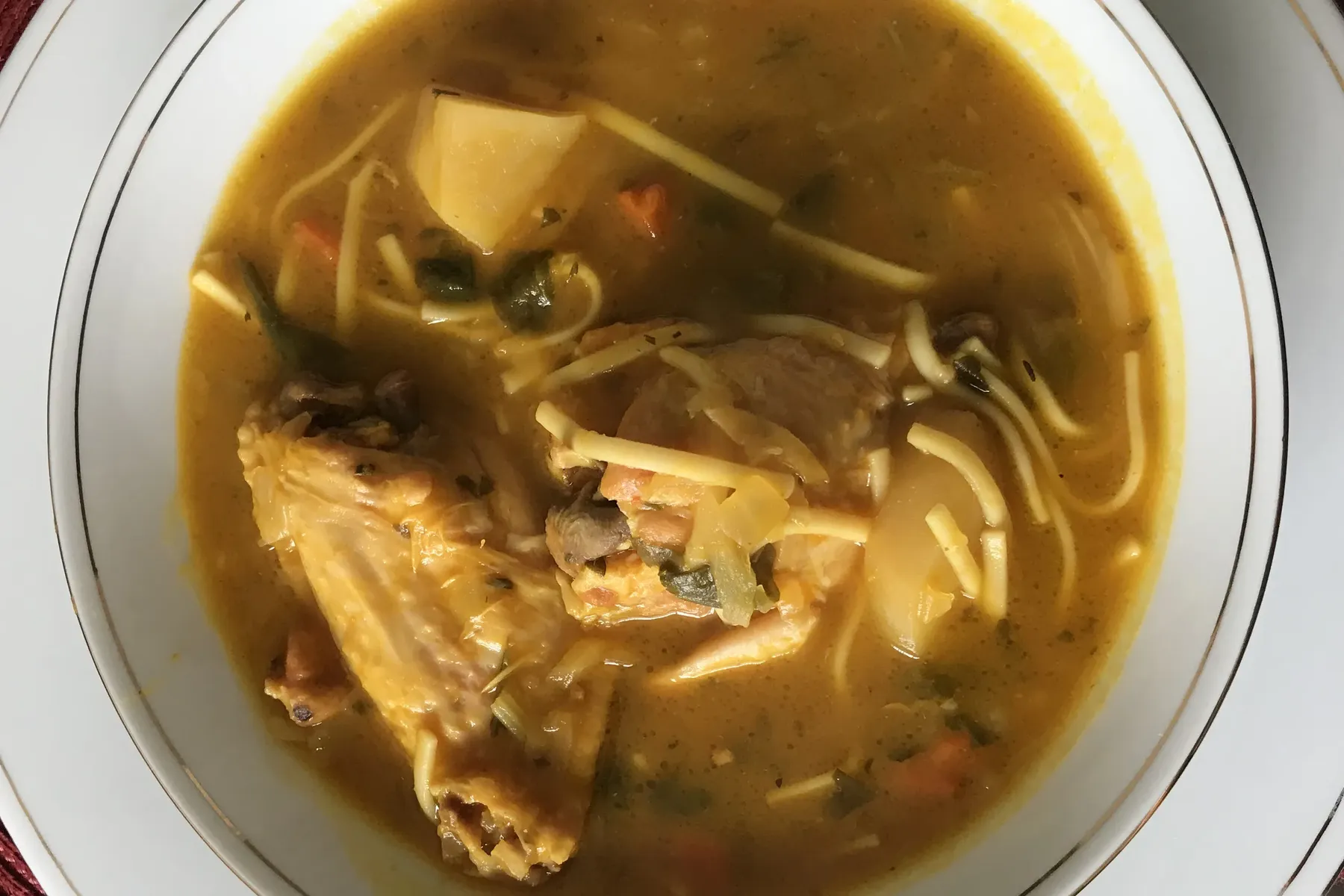
A bowl of Soup Joumou with beef, spaghetti, potato and golden pumpkin broth Haiti flag Haiti 2h 40m
Lunch •Haiti's Independence Soup

Soup Joumou

Soup joumou is Haiti's golden pumpkin soup: tender beef simmered in a thick purée of giraumon squash, with root vegetables, cabbage and spaghetti in a rich, spiced broth. This soup joumou recipe follows the home-cooked method Haitian families use every 1 January, when the soup marks Independence Day. One serving is about 480 g.

Comfort & Warmth

A hot, hearty bowl of pumpkin, beef and vegetables that warms up a family lunch on a cold day or a festive table.

Pairs Well With
Serve hot with crusty French bread for dipping and a spoonful of pikliz on the side.
Soups & Broths
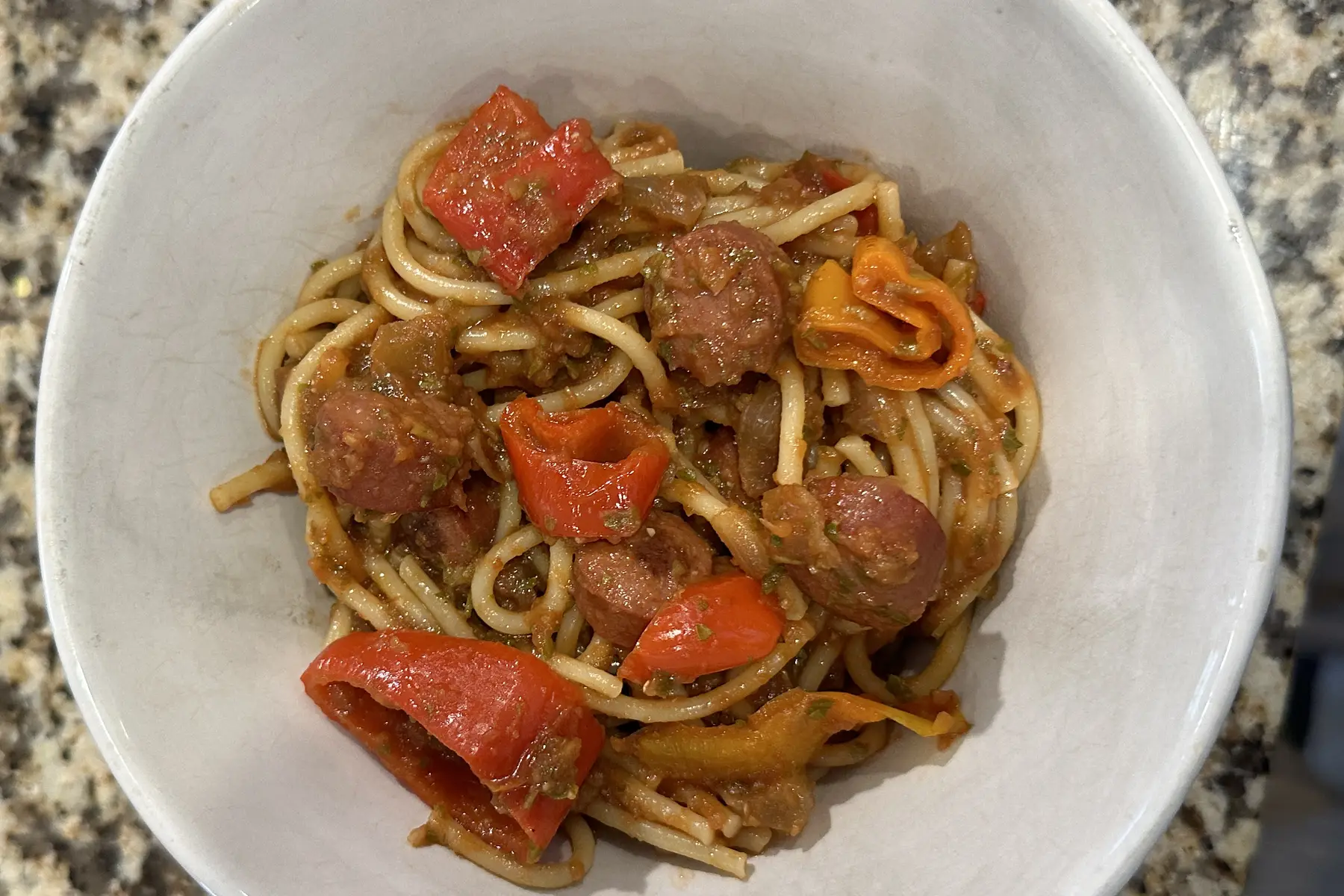
Haitian spaghetti in a white bowl — spaghetti in a rust-red epis and tomato sauce with sliced hot dogs and red peppers Haiti flag Haiti 40m
Breakfast •Haitian Breakfast Espageti

Haitian Spaghetti

This haitian spaghetti recipe is Haiti's beloved breakfast pasta: dried spaghetti cooked in one pot with epis, the green Haitian seasoning base, tomato paste, sweet peppers, onion and sliced hot dogs, until every strand is stained rust-red and full of flavour. It is pantry cooking at its best — cheap, fast and boldly seasoned — and it lands on the table in about 40 minutes. One serving is about 380 g.

Hearty & Comforting

One-pot spaghetti coated in a savoury epis and tomato sauce with sliced hot dogs, peppers and onion — a filling Haitian breakfast.

Pairs Well With
Boiled egg, avocado & pikliz
Pasta & Noodles • Quick Prep (<30m)
Bœuf bourguignon — French beef braised in red wine France flag France 4h
Dinner •Burgundy Terroir

Bœuf Bourguignon

Beef braised gently in red wine until the connective tissue melts into a velvet, gelatin-rich sauce — the classic Burgundy Sunday dinner.

Cellular Repair

Beef braised in red wine until spoon-tender, with mushrooms and pearl onions.

Pairs Well With
Parsnip Purée & Steamed French Haricots Verts
High Protein
Vietnamese braised pork belly with golden eggs in caramel sauce Vietnam flag Vietnam 1h 45m
Dinner •One Pot

Vietnamese Braised Pork and Eggs

Pork belly slowly braised in coconut water and caramel until meltingly tender, with golden eggs that soak up the sweet-savoury sauce — the Vietnamese family dish that tastes better the next day.

Comfort & Sustained Energy

Slow-braised pork belly and eggs in coconut water and caramel.

Pairs Well With
Steamed rice & pickled mustard greens
High Protein

The Dinner Gazette

Never wonder what’s for dinner again

One email a week with easy dinner ideas from around the world — ingredients, steps and nutrition, tested in our kitchen first.

Delivered every Thursday morning. Unsubscribe anytime.