Curated recipes from 193 countries  •  New seasonal Mediterranean issue out now

Overview

Soup Joumou

Soupe au giraumon, Haitian pumpkin soup, freedom soup

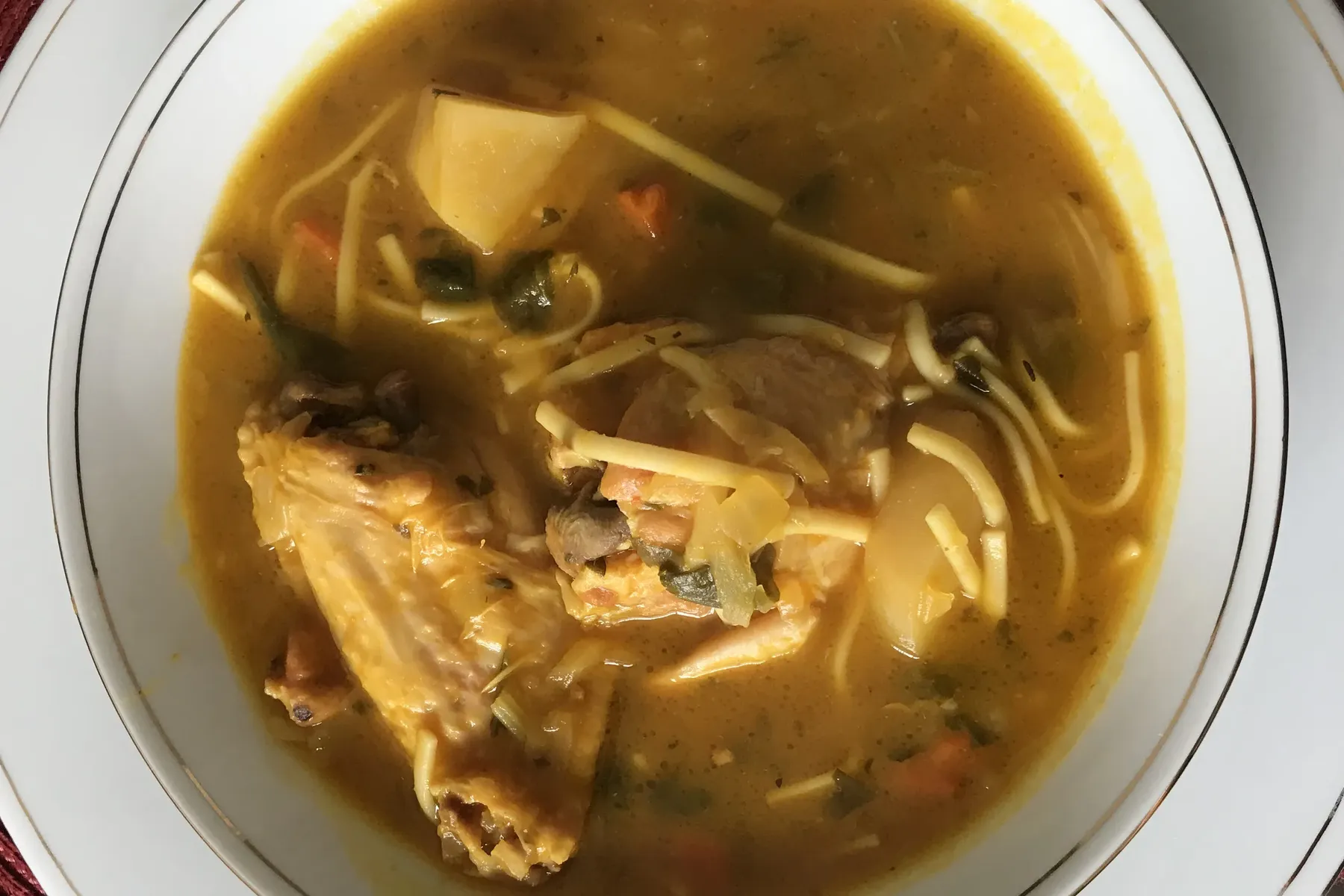
Soup joumou is Haiti's golden pumpkin soup: tender beef simmered in a thick purée of giraumon squash, with root vegetables, cabbage and spaghetti in a rich, spiced broth. This soup joumou recipe follows the home-cooked method Haitian families use every 1 January, when the soup marks Independence Day. One serving is about 480 g.

Haitian families cook soup joumou every 1 January to mark Independence Day, the day Haiti became independent in 1804. The story families tell is that enslaved cooks were forbidden to eat this rich squash soup under French rule, and that after independence they claimed it as their own — a history that is still debated by historians, but the soup's place at the New Year table is not. In December 2021 UNESCO inscribed joumou soup on the Representative List of the Intangible Cultural Heritage of Humanity, Haiti's first element on the list.

Pairs well with: Serve hot with crusty French bread for dipping and a spoonful of pikliz on the side.

Provenance

Haiti flag Haiti

Haiti's Independence Soup

Latin America & Caribbean

Time Dedication

2h 40m

40m prep • 120m cook

Batch Yield

8 Servings

414 kcal per serving

1 serving ≈ 480 g

Technical Skill

Intermediate

Medium (Slow Simmer)

Meal Timing & Digestive Fit

Breakfast

Not Advised

Lunch

Prime Metabolic Fit

Dinner

Ideal Hearty Main

Snack & Tea

Inappropriate

Soups & Broths Occasions: New Year's Day and Haitian Independence Day, family gatherings, cold-weather lunches, weekend cooking projects Cost: Moderate — about $4–5 per serving at home
A bowl of Soup Joumou with beef, spaghetti, potato and golden pumpkin broth

Haiti's Independence Soup

Photo: Aliceba, CC BY-SA 4.0, via Wikimedia Commons

The Heritage Formulary

Measured Ingredients

Estimated cost: Moderate — about $4–5 per serving at home (USD)

This is a home-style version of the soup as cooked in Haitian families, built around giraumon squash, beef, root vegetables and pasta; there is no single codified official recipe.

Execution Methodology & Culinary Technique

Step-by-Step Cooking Guide

Active 2h 40m
P

Prep Stage: Epis, Beef & Pumpkin

40 Mins • Blending Epis, Marinating Beef, Peeling Pumpkin

Blend the celery, onion, garlic, scallions, parsley, bell pepper, half the lime juice and the olive oil into a coarse green paste — this is epis, the seasoning base of Haitian cooking. Rub the beef with the lime halves, then toss it with half the epis, the salt, black pepper and thyme and leave it to marinate. Meanwhile peel and chunk the pumpkin, potatoes, carrots, turnip and malanga, and slice the cabbage.

Maestro Tip: Make the epis first: it seasons the beef, the broth and the vegetables, so one batch does three jobs. Marinate the beef for the full 30 minutes — it is the main flavour in the pot.

  1. 1

    Marinate the Beef in Epis

    30 Mins Room temperature, about 20°C (68°F)

    Put the beef cubes in a large bowl and rub them all over with the cut lime halves, then squeeze in the remaining lime juice. Add half of the epis, 5 g (1 tsp) of the salt, the black pepper and the thyme, and toss until every piece is coated. Cover and leave to marinate for 30 minutes while you prepare the vegetables.

    The lime rub is not a garnish: it freshens the meat and helps the epis cling to it. Do not skip the 30 minutes — the seasoning needs time to sink in.

    Done when: Beef evenly coated in green epis, smelling of lime, garlic and herbs.

  2. 2

    Simmer the Beef & Cook the Pumpkin

    60 Mins Gentle simmer, about 95°C (200°F); beef to 74°C (165°F)

    Put the marinated beef in a large pot with 1.5 L (6.5 cups) of the water and bring to a boil. Skim off any foam, then lower to a gentle simmer, cover partway and cook for about 45 minutes until the beef is nearly tender. In a second pot, boil the pumpkin chunks in the remaining 500 ml (2 cups) of water for about 25 minutes until very soft, then drain and purée it smooth with a blender or food mill while still hot.

    Keep the simmer gentle, not a rolling boil — hard boiling toughens stew beef. Purée the pumpkin while it is hot: it blends far smoother than when it cools.

    Done when: Beef yields to a fork but is not falling apart; pumpkin purées into a smooth, thick orange paste.

  3. 3

    Build the Golden Broth

    15 Mins Gentle simmer, about 95°C (200°F)

    Stir the pumpkin purée into the beef pot along with the remaining epis and the tomato paste. Add the whole scotch bonnet pepper, pricked once with a fork, and the remaining 5 g (1 tsp) of salt. Simmer for 15 minutes, stirring now and then, until the broth turns a deep golden colour and thickens enough to coat a spoon.

    Leave the scotch bonnet whole: it perfumes the soup with gentle heat, and anyone who wants more can crush it in their own bowl. Taste now and add salt only if the broth needs it.

    Done when: Broth thick, golden and glossy; beef tender at 74°C (165°F) or above in the thickest piece.

  4. 4

    Add the Root Vegetables

    20 Mins Gentle simmer, about 95°C (200°F)

    Add the potatoes, carrots, turnip and malanga to the pot and stir them into the broth. Simmer for about 20 minutes until the vegetables are just tender when pierced with a knife. Add a splash of hot water if the soup gets thicker than you like.

    Cut the root vegetables in similar-sized chunks so they all finish at the same time. The malanga softens first — check it at 15 minutes so it does not dissolve completely.

    Done when: Vegetables tender all the way through but still holding their shape.

  5. 5

    Add Cabbage & Spaghetti

    12 Mins Gentle simmer, about 95°C (200°F)

    Stir in the cabbage ribbons and the broken spaghetti. Simmer for about 12 minutes, stirring occasionally so the pasta does not stick to the bottom, until the spaghetti is tender and the cabbage is wilted but still has a little bite.

    The pasta goes in last on purpose: it cooks in the broth and drinks up flavour, but left too long it turns mushy and swells the soup. Set a timer for the 12 minutes.

    Done when: Spaghetti tender with no hard white core; cabbage softened but not limp.

  6. 6

    Season, Rest & Serve

    10 Mins Serve hot, above 60°C (140°F)

    Fish out the scotch bonnet pepper and discard it, or leave it in the serving bowl for those who like heat. Stir in the remaining lime juice, taste and adjust the salt, then take the pot off the heat and rest for 10 minutes so the flavours settle. Ladle into deep bowls, making sure each serving gets beef, vegetables and pasta, and serve immediately.

    The 10-minute rest matters: the broth thickens slightly and the salt and lime even out. Serve the soup hot — it is meant to steam when it reaches the table.

    Done when: Soup thick and golden, beef tender, pasta and vegetables cooked through, seasoned and steaming hot.

Finishing Touches & Plating

Ladle the soup into deep bowls so every serving has beef, root vegetables, cabbage and pasta, and set out crusty bread and pikliz at the table. Eat it hot, on 1 January if you want the full tradition — or any cold day that calls for a long, slow pot of soup.
Nutritional Physiology & Benefits

Nutrition

Energy

414

kcal / serving

Protein

25g

Complete AA

Carbs

48g

Complex

Fats

15g

Healthy

Per serving (8 servings · 1 serving ≈ 480 g)
Energy414 kcal
Protein25 g
Carbohydrates48 g
Fat15 g
Fibre6.7 g
Sugar10.2 g
Sodium620 mg
Per 100g
Energy86 kcal
Protein5.1 g
Carbohydrates10.1 g
Fat3.1 g
Fibre1.4 g
Sugar2.1 g
Sodium129 mg

Nutrition values are estimated — calculated from USDA FoodData Central values for the listed ingredients.

Vitamins & minerals: Estimated nutrition: a good source of vitamin A from the pumpkin and carrots, vitamin C from the peppers, cabbage and lime, potassium from the potatoes and pumpkin, and iron and zinc from the beef.

A Full, Balanced Bowl

One bowl carries beef for protein, pumpkin and root vegetables for fibre and vitamins, and pasta for slow-release energy — a complete lunch in a single dish.

Vegetables Do the Heavy Lifting

Pumpkin, carrots, cabbage, potatoes and turnip make up most of the pot, so the soup is filling and rich in vitamin A, vitamin C and potassium without being heavy.

Steady Energy for the Day

With about 414 kcal and 24.7 g of protein per serving, the soup keeps you full for hours — useful fuel for a long family lunch or an active afternoon.

Food Pairings

What to Eat With

To optimize nutrient absorption and elevate the sensory depth, pair with these authentic accompaniments:

Sides

Crusty French Bread

The traditional partner: thick slices of bread are dipped into the golden broth to soak up every last drop, and the crisp crust contrasts with the soft vegetables.

Sauces

Pikliz

This spicy pickled cabbage and carrot relish cuts through the richness of the beef and pumpkin with vinegar heat — a spoonful on top wakes the whole bowl up.

Vegetables

Fresh Lime & Herb Salad

A simple salad of lettuce, tomato and onion with lime juice adds a cool, crisp counterpoint to the hot, thick soup.

Drinks

Iced Hibiscus Tea

A cold, lightly sweet hibiscus drink balances the warmth and gentle heat of the soup and is a common Haitian table drink.

Full Menus

Fried Plantains

Sweet, caramelised fried plantains alongside the soup add a different sweetness that pairs naturally with the pumpkin and rounds out the meal.

Complete menu

Start with a small green salad, serve the soup joumou as the main course with crusty French bread and pikliz, and finish with fried plantains or fresh tropical fruit.

Digestive Guardrails

What NOT to Combine

To prevent digestive distress, sluggishness, or palate clash, avoid pairing the dish with these elements:

Canned Pumpkin Purée

Canned purée is much thicker and less watery than fresh cooked giraumon, so it makes the soup pasty and dulls the fresh squash flavour; cook a real squash instead. This is general food information, not medical advice.

Overcooking the Pasta

Spaghetti left in the hot soup keeps absorbing liquid and turns soft and swollen, thickening the pot into a porridge; add it in the last 12 minutes and serve promptly. This is general food information, not medical advice.

Very Salty Stock Cubes

The soup already carries about 620 mg of sodium per serving from the salt and the beef; salty stock cubes can push the sodium far higher and mask the pumpkin flavour, so use plain water or unsalted stock. This is general food information, not medical advice.

General information only, not medical advice — consult a doctor for personal dietary decisions.

Who Should Eat It

Who Should Eat

  • General adultsA hearty, balanced lunch; one 480 g serving is a full meal on its own.
  • ChildrenSuitable from about 2 years old; remove the scotch bonnet pepper and serve the beef and vegetables cut small, and skip the pikliz for young children.
  • ElderlySoft, easy to chew and easy to digest; serve the beef and root vegetables well cooked and cut into small pieces.
  • Pregnant womenFine when the beef is cooked through to 74°C (165°F) and the soup is served hot; keep portions moderate and ask your clinician about any personal dietary limits.
  • Breastfeeding womenA nourishing, iron- and protein-rich meal; the mild spice is usually well tolerated, but watch your baby's response if you eat the pikliz.
  • AthletesGood recovery food after training: about 24.7 g of protein and 48.3 g of carbohydrate per serving, with plenty of fluid and potassium.
  • Weight gainEasy to eat in larger portions — a second ladle with bread adds energy without much extra effort.
  • Weight lossFilling for about 414 kcal a serving; load your bowl with more vegetables and less pasta, and skip the bread, to keep the meal lighter.

Health Conditions — Adjust or Avoid

Conditions

  • DiabetesThe soup has about 48.3 g of carbohydrate per serving from the pasta, potatoes and pumpkin, so measure your portion and count it in your meal plan; ask your clinician for personal advice.
  • High blood pressureAbout 620 mg of sodium per serving is moderate; use less salt and unsalted water or stock if you need to limit sodium, and ask your clinician for personal advice.
  • Kidney diseaseThe soup is rich in potassium from the potatoes, pumpkin and tomato paste, and has about 24.7 g of protein per serving; portion control matters, so ask your clinician before making it a regular meal.
  • GoutBeef is a source of purines, so people with gout should keep portions modest and not eat the soup daily; ask your clinician for personal advice.
  • Stomach issuesThe soup is gentle and well cooked, but the scotch bonnet pepper and pikliz can irritate a sensitive stomach — leave the pepper out and skip the relish if needed; ask your clinician for personal advice.
  • Cardiovascular diseaseThe soup is based on vegetables and lean beef with a little olive oil; skim any fat from the surface and use lean chuck to keep saturated fat low, and ask your clinician for personal advice.
  • Fatty liverA vegetable-rich, moderate-fat soup that fits a balanced diet; keep the pasta portion moderate and avoid adding extra butter, and ask your clinician for personal advice.
  • Food allergiesContains wheat (spaghetti) — the main allergen in this dish. For a gluten-free version, leave the pasta out entirely rather than swapping in gluten-free pasta, which changes the texture. Celery is also present.
  • Special therapeutic dietsNot suitable for a strict gluten-free or low-potassium diet as written; adapt the pasta and the potato and pumpkin amounts to your plan and ask your clinician or dietitian for personal advice.

If you have a medical condition, consult your doctor before changing your diet.

Storage & Use

Storage & Use

How to store
Cool the soup quickly in a shallow container, then refrigerate in a sealed container. Store the pikliz separately.
In the fridge
Keeps 3–4 days in the fridge at 4°C (40°F) or below.
In the freezer
Up to 3 months; the pasta softens on thawing, so freeze before adding the spaghetti if you plan to freeze it.
How to reheat
Reheat gently on the hob, stirring, until steaming hot throughout to 74°C (165°F); add a splash of water if it has thickened.
Freezing recommended
Yes — best frozen without the pasta, which is cooked fresh when serving.
Signs it has spoiled
Sour smell, slimy surface, mould, or a sharp off taste — discard if any of these appear.

More recipes to explore

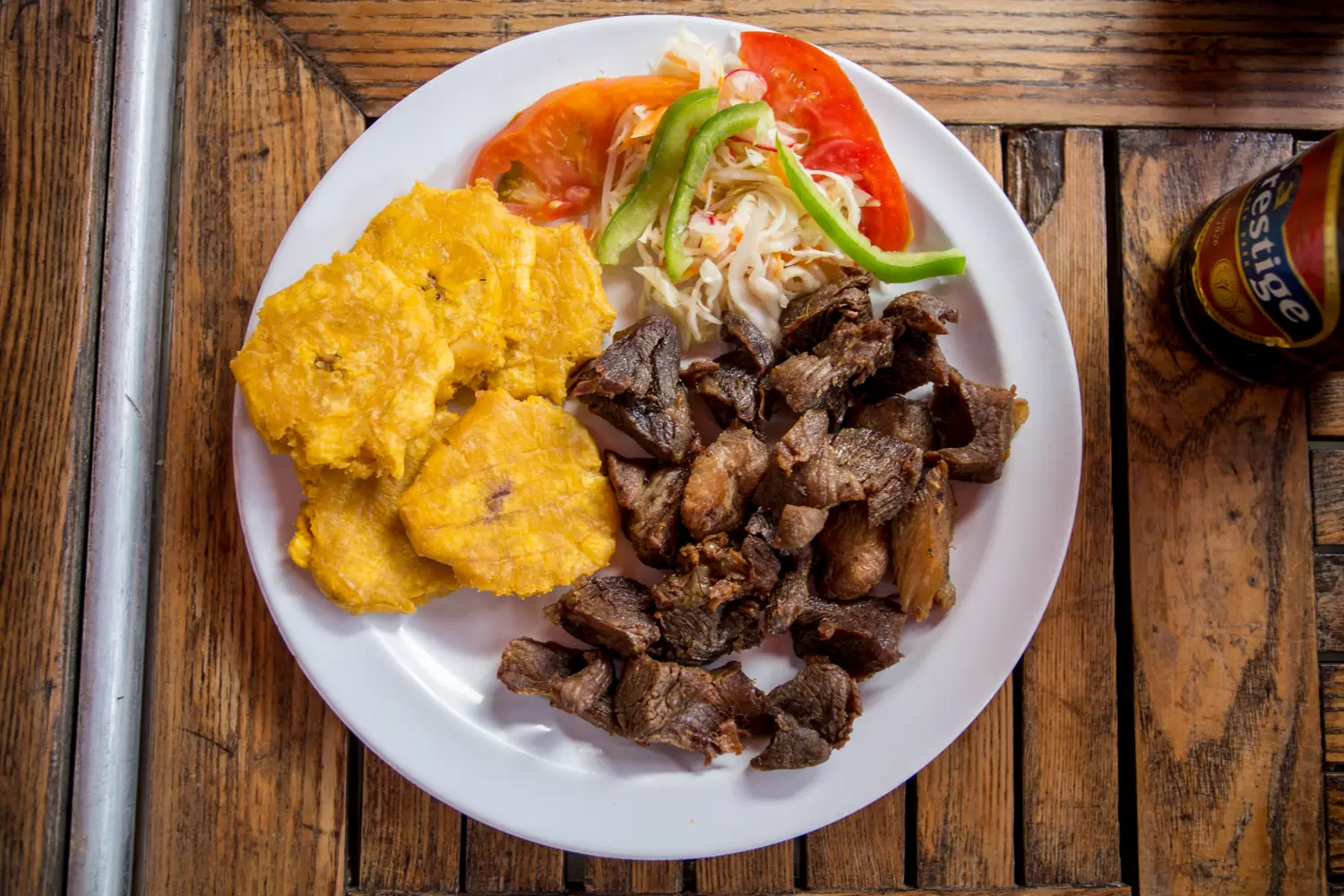
A plate of Haitian griot: dark crisp fried pork cubes with fried plantains and pikliz slaw with tomato and green pepper Haiti flag Haiti 2h 10m
Dinner •Haiti Heritage

Haitian Griot

This Haitian griot recipe starts with pork shoulder rubbed in sour citrus and epis, Haiti's green seasoning paste of scallions, garlic, parsley and Scotch bonnet, then braised in its own marinade until tender and fried in hot oil until the edges turn dark and crisp. It is served with pikliz, a sharp pickled cabbage slaw that cuts through the richness. One serving is about 215 g of crisp fried pork with pikliz.

Hearty & Celebratory

Haiti's most loved party dish: citrus-marinated pork, braised tender, then fried until crisp and served with fiery pickled pikliz.

Pairs Well With
Fried plantains (bannann peze) and rice and beans, with pikliz on the side.
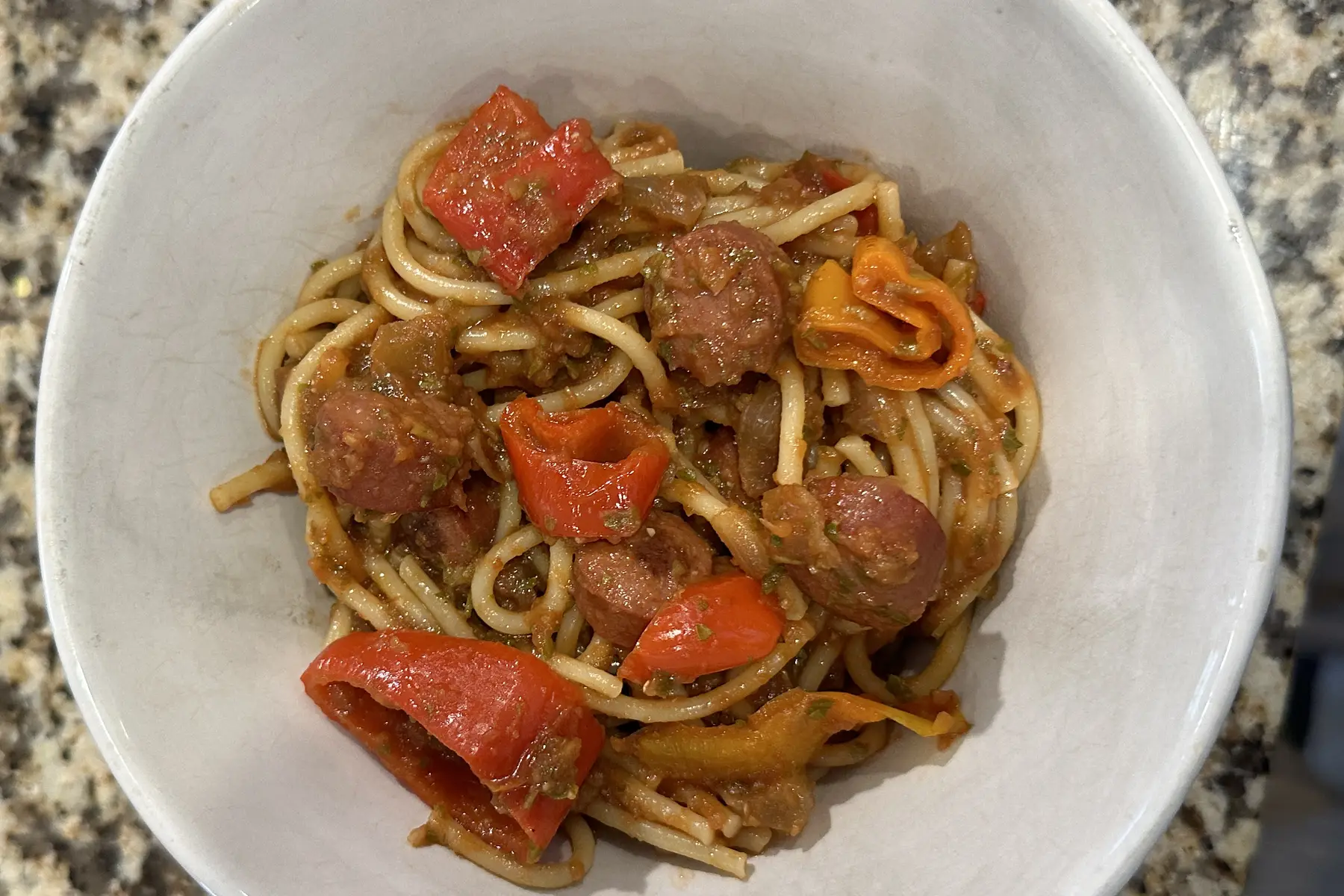
Haitian spaghetti in a white bowl — spaghetti in a rust-red epis and tomato sauce with sliced hot dogs and red peppers Haiti flag Haiti 40m
Breakfast •Haitian Breakfast Espageti

Haitian Spaghetti

This haitian spaghetti recipe is Haiti's beloved breakfast pasta: dried spaghetti cooked in one pot with epis, the green Haitian seasoning base, tomato paste, sweet peppers, onion and sliced hot dogs, until every strand is stained rust-red and full of flavour. It is pantry cooking at its best — cheap, fast and boldly seasoned — and it lands on the table in about 40 minutes. One serving is about 380 g.

Hearty & Comforting

One-pot spaghetti coated in a savoury epis and tomato sauce with sliced hot dogs, peppers and onion — a filling Haitian breakfast.

Pairs Well With
Boiled egg, avocado & pikliz
Pasta & Noodles • Quick Prep (<30m)
Tagliatelle al ragù Bolognese in a bowl with Parmigiano-Reggiano Italy flag Italy 4h 25m
Lunch •Emilia-Romagna

Tagliatelle al Ragù Bolognese

Slow-braised soffritto and coarse ground heritage meats layered over handmade egg yolk dough for mid-day stamina.

Lean Protein

Slow-simmered beef ragù tossed through fresh egg tagliatelle.

Pairs Well With
Bitter Radicchio & Aged Balsamico di Modena
Pasta & Noodles • High Protein
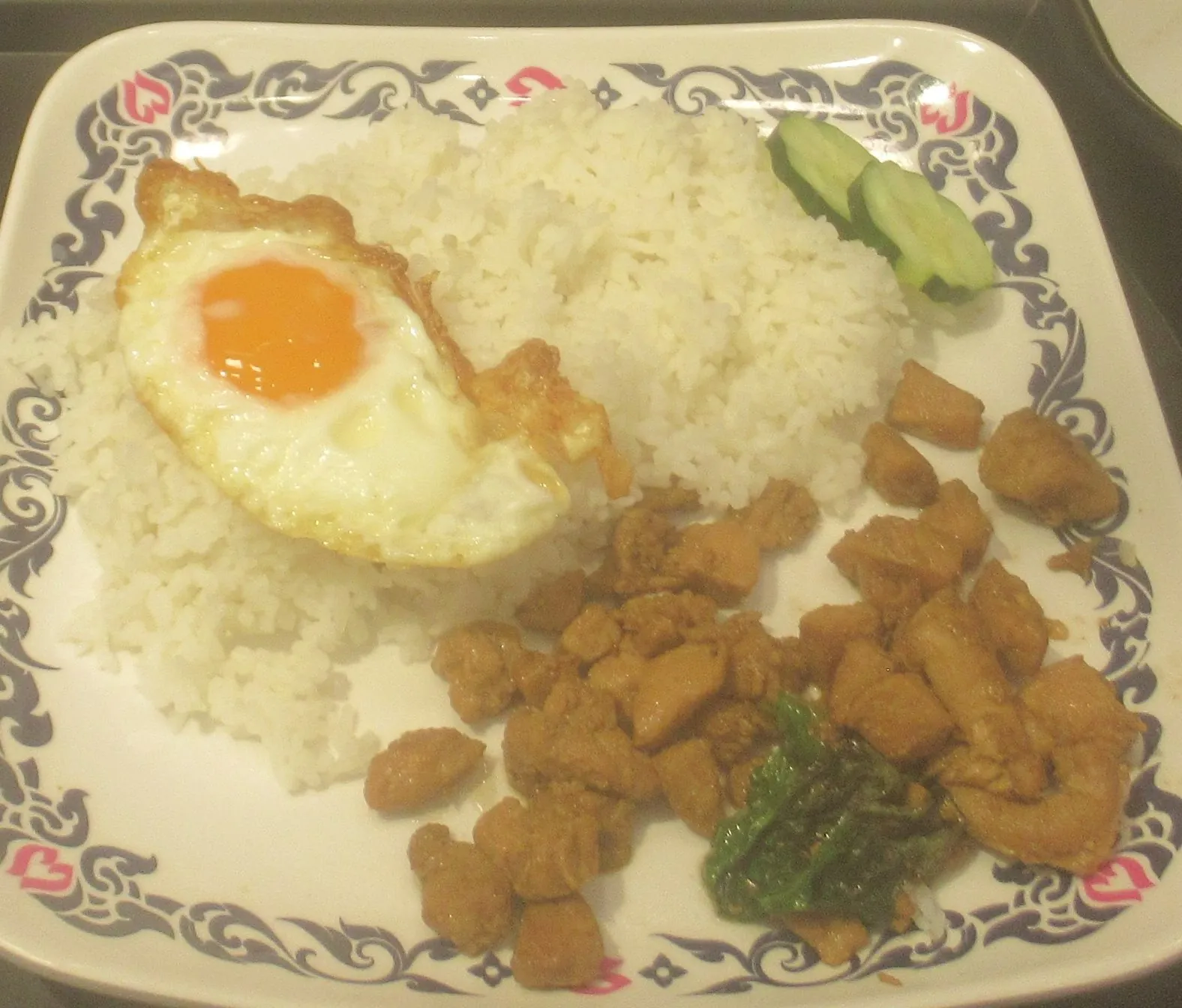
Pad kra pao gai — Thai holy basil chicken with fried egg and rice Thailand flag Thailand 30m
Lunch •Bangkok Street Flame

Pad Kra Pao Gai

High-heat wok flash of holy basil and crushed chillies over minced chicken, served over jasmine rice with a crispy-edged fried egg.

High Energy

Capsaicin brings the heat; holy basil adds a peppery, clove-like aroma.

Pairs Well With
Chilled Cucumber Salad & Fish Sauce Lime Dip
High Protein • Quick Prep (<30m)

The Dinner Gazette

Never wonder what’s for dinner again

One email a week with easy dinner ideas from around the world — ingredients, steps and nutrition, tested in our kitchen first.

Delivered every Thursday morning. Unsubscribe anytime.