Curated recipes from 193 countries  •  New seasonal Mediterranean issue out now

Overview

Haleem

Hyderabadi Haleem, Pakistani Haleem

This haleem recipe is Pakistan's great slow-cooked porridge: whole wheat, barley and three lentils simmered for hours with spiced lamb, then pounded and stirred until the grains disintegrate into a thick, smooth, sticky porridge — never a chunky stew. It is finished with a sizzling ghee tarka and served with fried onions, ginger, green chillies, coriander and lemon. One serving is about 450 g.

Haleem descends from harisa, the wheat-and-meat porridge carried across the Middle East and Central Asia by Arab and Persian travellers, and it reached the Deccan with the armies and courts of the Nizams of Hyderabad, where it became a Ramadan staple. From Hyderabad it travelled to Sindh and Punjab, and today Pakistani haleem — wheat, barley and lentils pounded with lamb into a smooth porridge — is the dish families queue for at iftar, sold from huge simmering deghs outside mosques. Hyderabadi haleem was granted Geographical Indication (GI) status in India in 2010, the first non-vegetarian dish to receive it.

Pairs well with: Warm naan, garnish plate & sweet lassi

Provenance

Pakistan flag Pakistan

Hyderabad Heritage

East & South Asia

Time Dedication

5h 45m

45m prep • 300m cook

Batch Yield

6 Servings

881 kcal per serving

1 serving ≈ 450 g

Technical Skill

Advanced

Hard (Slow-Cooked & Pounded)

Meal Timing & Digestive Fit

Breakfast

Not Advised

Lunch

Prime Metabolic Fit

Dinner

Ideal Hearty Main

Snack & Tea

Inappropriate

High Protein Occasions: Ramadan iftar, family lunches, Eid gatherings, winter weekends Cost: Low — about $3–4 per serving at home
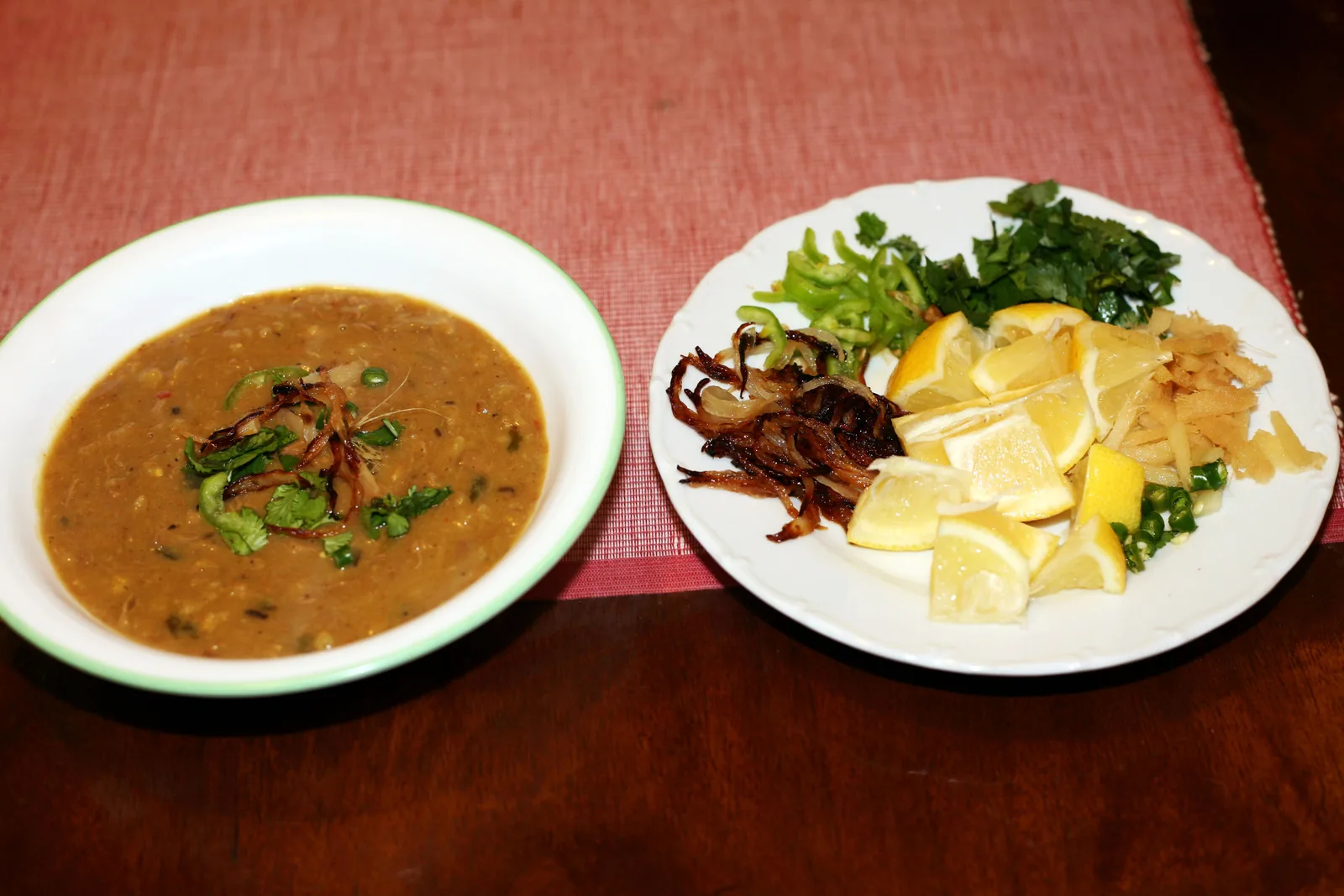
A bowl of thick, smooth Pakistani haleem porridge topped with fried onions, coriander and green chilli, with a plate of lemon wedges, ginger, fried onions and chillies beside it

Hyderabad Heritage

Photo: Halt123halt, CC BY-SA 3.0, via Wikimedia Commons

The Heritage Formulary

Measured Ingredients

Estimated cost: Low — about $3–4 per serving at home (USD)

A true haleem is a smooth, thick porridge that holds its shape on the spoon — if you can still see whole grains or meat chunks, it needs more pounding.

Execution Methodology & Culinary Technique

Step-by-Step Cooking Guide

Active 5h 45m
P

Prep Stage: Soak Overnight, Then Set Up

45 Mins + 8 Hours Soaking

The night before, rinse the wheat berries, pearl barley, chana dal, masoor dal and moong dal and soak them together in plenty of cold water for at least 8 hours. On the day, drain and rinse them, trim and chunk the lamb, slice the onions (200 g for the pot, 150 g into rings for frying), grate the ginger and garlic, and lay out the garnish plate — ginger matchsticks, chilli rings, chopped coriander and lemon wedges.

Maestro Tip: Do not skip the overnight soak: it is what lets the wheat berries break down into a smooth porridge instead of staying hard and gritty.

  1. 1

    Soak the Wheat, Barley and Lentils

    8 Hours (overnight) Room temperature

    Put the wheat berries, pearl barley, chana dal, masoor dal and moong dal in a large bowl, cover with plenty of cold water and leave to soak overnight, for at least 8 hours. The grains will swell to nearly double their size. Drain and rinse them well before cooking.

    Soak in a big bowl — the grains absorb a surprising amount of water. If the kitchen is very warm, soak in the fridge.

    Done when: The wheat berries are swollen and soft enough to dent with a fingernail; the lentils have plumped up.

  2. 2

    Slow-Cook the Lamb

    180 Mins Simmer, 95°C (200°F)

    Put the lamb chunks in a large heavy pot with 1.5 litres of the water, the 200 g of sliced onion for the pot, the grated ginger, crushed garlic, turmeric, cumin, red chilli powder and garam masala. Bring to a boil, skim off any foam, then turn the heat down to the gentlest simmer, cover and cook for about 3 hours, until the lamb is so tender it falls apart when pressed with a spoon. Top up with hot water if the level drops below the meat.

    Keep the simmer lazy — just a bubble or two breaking the surface. A hard boil toughens the meat and clouds the broth.

    Done when: The lamb shreds easily with a spoon and has cooked well past 74°C (165°F) throughout; the cooking liquid is rich and lightly spiced.

  3. 3

    Cook the Grains and Lentils

    150 Mins Simmer, 95°C (200°F)

    While the lamb cooks, put the drained soaked grains and lentils in a second large pot with the remaining 1 litre of water. Bring to a boil, then simmer gently for about 2.5 hours, stirring now and then and topping up with hot water, until the wheat berries have burst and the grains are completely soft and starting to fall apart.

    Stir from the bottom of the pot — the grains settle and catch easily as they thicken. Add hot water a ladle at a time if it gets too thick.

    Done when: The wheat berries have split open and the mixture is soft enough to crush easily between your fingers.

  4. 4

    Combine and Pound into a Smooth Porridge

    75 Mins Low heat, 90°C (195°F)

    Lift the lamb out of its pot, shred it finely with two forks and return it to the pot with its cooking liquid. Add the cooked grains and lentils to the lamb pot. Now comes the step that makes haleem: pound and stir the mixture with a wooden masher or a heavy ladle, pressing the meat and grains against the side of the pot, for 45–60 minutes over low heat. Keep stirring in one direction — the grains must disintegrate and the meat fibres must separate until the whole pot turns into one thick, smooth, sticky porridge with no visible grains or meat chunks. Season with the salt only at the end, once the porridge is smooth.

    This is the defining step — do not rush it. If your arm tires, use a hand blender in short pulses, but stop while it is still thick and textured, never runny or soupy.

    Done when: The porridge is thick, smooth and glossy, holds its shape on the spoon and stretches slightly when lifted — no whole grains or meat chunks remain.

  5. 5

    Tarka, Garnish and Serve

    15 Mins Ghee 180°C (350°F); serve hot, above 60°C (140°F)

    Heat the ghee in a small pan until hot and shimmering, about 180°C (350°F), and pour it sizzling over the porridge. Meanwhile, fry the 150 g of onion rings in the vegetable oil until deep golden and crisp, then drain on paper. Ladle the haleem into deep bowls, scatter fried onions over the top and set out the garnish plate — ginger matchsticks, green chilli rings, chopped coriander and lemon wedges — so everyone seasons their own bowl. Warm the naan and serve at once.

    Fry the onions last so they are still crisp when they hit the bowl — soggy onions are the one thing that can spoil a good haleem.

    Done when: The ghee sizzles on contact, the porridge is steaming hot, and the fried onions are crisp and golden.

Finishing Touches & Plating

Ladle the smooth, glossy porridge into deep bowls, spoon the hot ghee tarka over the top and set out the garnish plate — fried onions, ginger, green chillies, coriander and lemon wedges — so everyone seasons their own bowl. Serve at once with warm naan.

Nutritional Physiology & Benefits

Nutrition

Energy

881

kcal / serving

Protein

39g

Complete AA

Carbs

108g

Complex

Fats

34g

Healthy

Per serving (6 servings · 1 serving ≈ 450 g)
Energy881 kcal
Protein39 g
Carbohydrates108 g
Fat34 g
Fibre18.4 g
Sugar8.2 g
Sodium482 mg
Per 100g
Energy196 kcal
Protein8.8 g
Carbohydrates23.9 g
Fat7.6 g
Fibre4.1 g
Sugar1.8 g
Sodium107 mg

Nutrition values are estimated — calculated from USDA FoodData Central values for the listed ingredients.

Vitamins & minerals: Iron and zinc (lamb, lentils), vitamin B12 (lamb), vitamin B6 (lentils, chickpeas), folate (lentils, chickpeas), vitamin C (lemon, green chilli). Nutrition values are estimated.

High in Protein

Lamb, lentils and chickpeas give about 39 g of protein per serving, so one bowl is a substantial, filling lunch.

Whole Grains and Lentils

Whole wheat, barley and three lentils give about 18 g of fibre per serving — the slow, steady carbohydrate that keeps you full for hours.

Iron, Zinc and Vitamin C

The lamb and lentils supply iron and zinc, and the lemon juice served alongside adds vitamin C, which helps the body absorb iron from the meal.

Food Pairings

What to Eat With

To optimize nutrient absorption and elevate the sensory depth, pair with these authentic accompaniments:

Sides

Warm Naan

Soft naan is the classic partner: tear off pieces to scoop up the thick porridge, and it soaks up every last bit from the bowl.

Vegetables

Garnish Plate

Crisp fried onions, raw ginger, green chilli, coriander and lemon are not decoration — their crunch, heat and acidity cut through the rich porridge and let each person season their own bowl.

Sauces

Mint Raita

Cool mint raita gives a fresh, tangy contrast to the warm, spiced porridge and calms the chilli heat.

Drinks

Chilled Sweet Lassi

A cold sweet yoghurt drink is the traditional Pakistani accompaniment to haleem, especially at iftar — it cools the palate and pairs naturally with the rich, salty porridge.

Complete menu

Serve one deep bowl of haleem per person with warm naan, the garnish plate of fried onions, ginger, green chillies, coriander and lemon, and a glass of chilled sweet lassi — the classic Pakistani Ramadan table.

Digestive Guardrails

What NOT to Combine

To prevent digestive distress, sluggishness, or palate clash, avoid pairing the dish with these elements:

Undercooked Lamb

The lamb must be cooked right through — it simmers for about 3 hours here, which takes it well past 74°C (165°F) throughout. Never serve haleem with meat that is still pink in the middle. This is general information, not medical advice.

Skipping the Overnight Soak

Unsoaked wheat berries and barley stay hard even after hours of simmering, and undercooked grains can be hard to digest. Soak the wheat, barley and lentils overnight — the soak is what lets them break down into a smooth porridge. This is general cooking advice, not medical advice.

Wheat Allergy at the Table

Haleem contains wheat and barley, so it is not gluten-free, and the garnish plate often sits beside nut-topped desserts at Ramadan tables — keep serving spoons separate if anyone at the table has a wheat allergy. This is general information, not medical advice.

General information only, not medical advice — consult a doctor for personal dietary decisions.

Who Should Eat It

Who Should Eat

  • General adultsA rich, filling lunch — one bowl with naan is a full meal, and the fresh lemon, ginger and chilli garnish keeps it bright rather than heavy.
  • ChildrenChildren like the smooth, mild porridge; serve their bowl with less green chilli and chilli powder, and let them pick their own garnishes.
  • ElderlyThe pounded porridge is soft and easy to eat, with plenty of protein; serve a smaller bowl, as it is rich and very filling.
  • Pregnant womenThe lamb is cooked for hours until well past safe temperatures, which is reassuring; keep portions moderate and ask your clinician about rich, salty foods if unsure.
  • Breastfeeding womenA nourishing, protein- and iron-rich meal that suits breastfeeding; the lentils, wheat and lamb together make it very sustaining.
  • AthletesHigh in protein and slow-release carbohydrate from the wheat and lentils, so it refuels well after training — eat a full bowl with naan.
  • Weight gainEnergy-dense at about 881 kcal a serving, with naan, so it suits people who need extra calories.
  • Weight lossVery filling from the fibre and protein, but energy-dense at about 881 kcal a serving — take a half bowl, skip the naan and load up on the salad garnish.

Health Conditions — Adjust or Avoid

Conditions

  • DiabetesHigh in slow-release carbohydrate from wheat, barley and lentils — a full bowl is a large carbohydrate load, so keep the portion modest and skip the naan; ask your clinician about portions.
  • High blood pressureContains sodium from added salt and naan; use less salt if you need to limit sodium, and ask your clinician.
  • Kidney diseaseHigh in protein from the lamb and lentils; people with kidney disease should watch portion size and ask their clinician.
  • GoutLamb and lentils are high in purines; a large bowl may not suit people prone to gout — ask your clinician.
  • Stomach issuesRich and heavily spiced, and the green chilli, raw ginger and fried onions can irritate a sensitive stomach; eat a small bowl and skip the raw chilli if your stomach is sensitive.
  • Cardiovascular diseaseContains saturated fat from the lamb and ghee, so people with cardiovascular disease should eat a smaller bowl with plenty of salad garnish; ask your clinician.
  • Fatty liverRich and energy-dense, so keep portions modest and balance the bowl with lemon, ginger and green salad; ask your clinician.
  • Food allergiesContains wheat and barley (gluten) and milk in the ghee. If you have any food allergy, check every ingredient and ask your clinician.
  • Special therapeutic dietsNot suitable as a low-carbohydrate, low-fat, low-sodium or gluten-free therapeutic diet without changes (leaner meat, less salt, no naan); discuss adaptations with your clinician or dietitian.

If you have a medical condition, consult your doctor before changing your diet.

Storage & Use

Storage & Use

How to store
Cool quickly and store in airtight containers in the fridge; keep the garnish plate separate.
In the fridge
3–4 days in an airtight container; garnishes stored separately, 1–2 days.
In the freezer
Up to 3 months.
How to reheat
Reheat gently on the stove with a splash of hot water, stirring often, until steaming hot throughout, to 74°C (165°F); do not microwave in one go or it heats unevenly.
Freezing recommended
Yes, up to 3 months; freeze the plain porridge without garnishes, in portions.
Signs it has spoiled
Sour smell, mould, or a slimy surface.

More recipes to explore

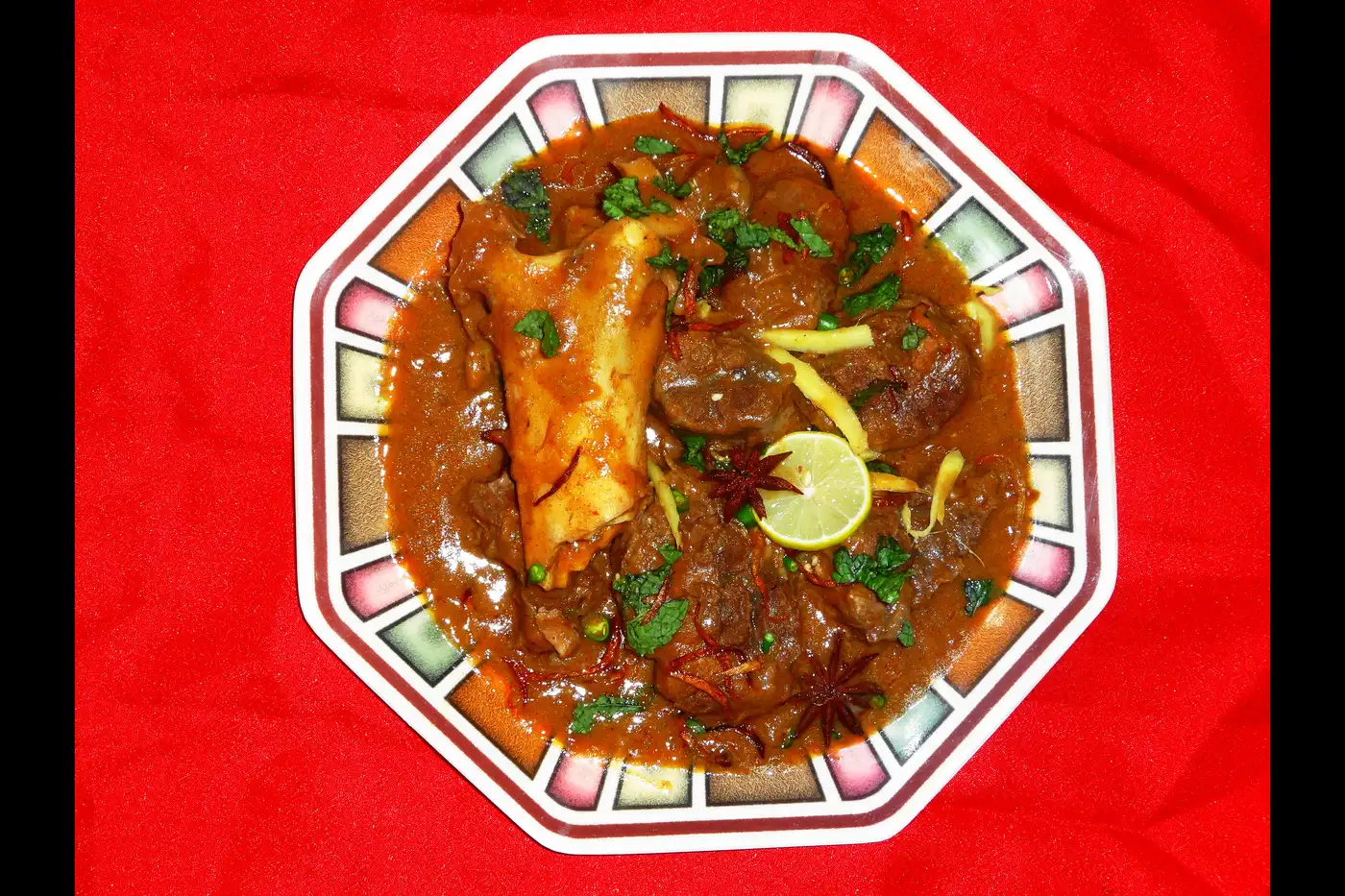
Beef nihari — tender beef shank in a thick glossy reddish-brown gravy, garnished with ginger, lemon and coriander Pakistan flag Pakistan 5h 30m
Dinner •Lahore Heritage

Nihari

This nihari recipe is Pakistan's great slow-cooked beef stew: beef shank on the bone, simmered for hours in ghee and spices until the meat falls apart and the marrow melts into a thick, glossy gravy. A spoonful of toasted wheat flour gives the sauce its silk, and the classic garnish — ginger matchsticks, green chillies, coriander and lemon — lifts the whole bowl. It is traditionally a breakfast dish in Lahore and Karachi, and it is just as good for dinner. One serving is about 380 g.

Slow Food, Worth the Wait

Beef shank simmered for hours with ginger, fennel and warm spices until it falls off the bone, the gravy thickened with a wheat-flour slurry and finished with ginger, lemon and green chillies — Pakistan's slow-cooked nihari.

Pairs Well With
Hot naan & ginger-lemon garnish
High Protein
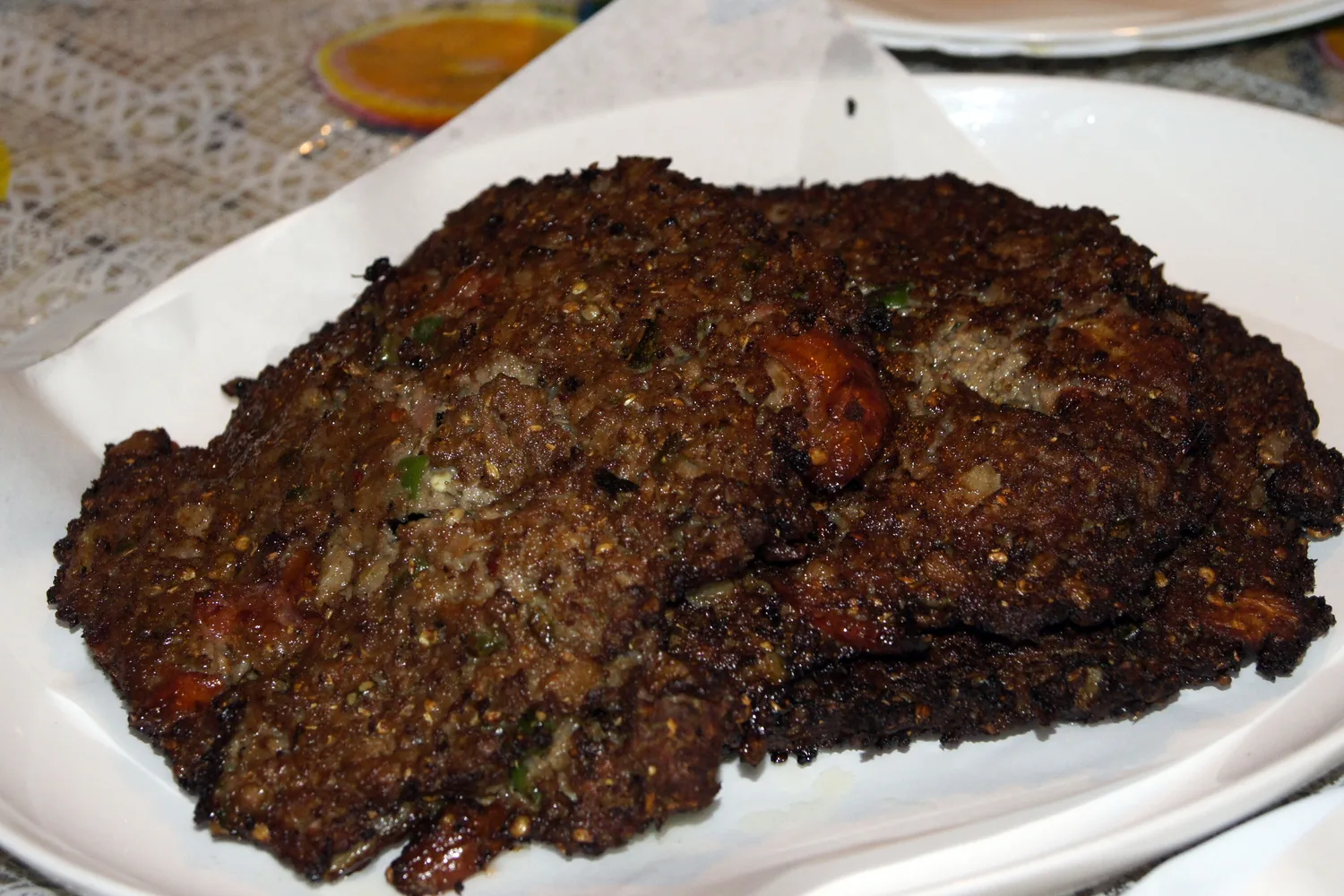
Chapli kebab — wide flat spiced beef patties, dark and crisp at the edges, with tomato and green chilli Pakistan flag Pakistan 45m
Dinner •Peshawar Heritage

Chapli Kebab

This chapli kebab recipe is Peshawar's famous street food: ground beef mixed with crushed coriander seed, dried pomegranate, tomato, onion and green chilli, pressed into wide, flat patties — the shape of a chapli sandal, which is where the name comes from — and shallow-fried in a hot pan until the edges turn crisp and dark. The outside crackles, the inside stays juicy, and every bite carries the sour pop of pomegranate and the warmth of whole spices. One serving is about 280 g.

Peshawar's Street-Food Icon

Coarsely ground beef mixed with crushed coriander seed, pomegranate, tomato and green chilli, pressed flat as a sandal and shallow-fried until crisp at the edges — Peshawar's chapli kebab.

Pairs Well With
Naan, raita & kachumber salad
High Protein
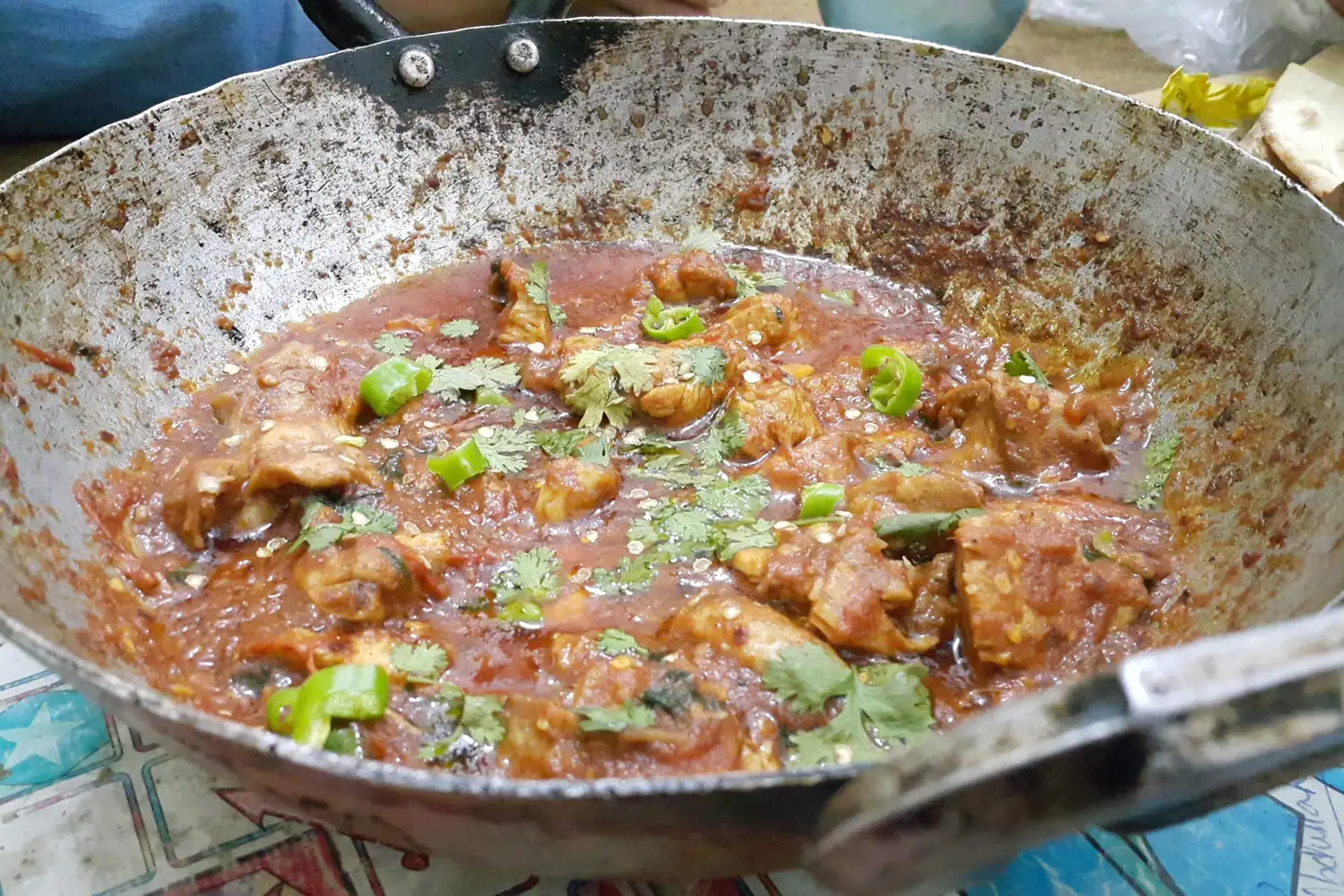
Pakistani chicken karahi — bone-in chicken in a thick red tomato sauce in a karahi wok, garnished with green chillies and coriander Pakistan flag Pakistan 55m
Dinner •Lahore Heritage

Pakistani Chicken Karahi

This Pakistani chicken karahi recipe is the Lahore street-stall classic: bone-in chicken seared hard in a karahi wok with ghee, then cooked down in a sauce made of tomatoes alone — no onion, no yoghurt, no stock — until the tomatoes melt into a thick, rust-red masala that clings to the meat. It finishes with a shower of raw julienned ginger, green chillies and fresh coriander, and it is served still sizzling in the wok. One serving is about 360 g.

High-Heat Wok Cooking

Bone-in chicken seared in a karahi wok with ghee, then simmered in a tomato-only sauce — no onion, no yoghurt — and finished with raw julienned ginger, green chillies and coriander.

Pairs Well With
Hot naan & ginger-chilli garnish
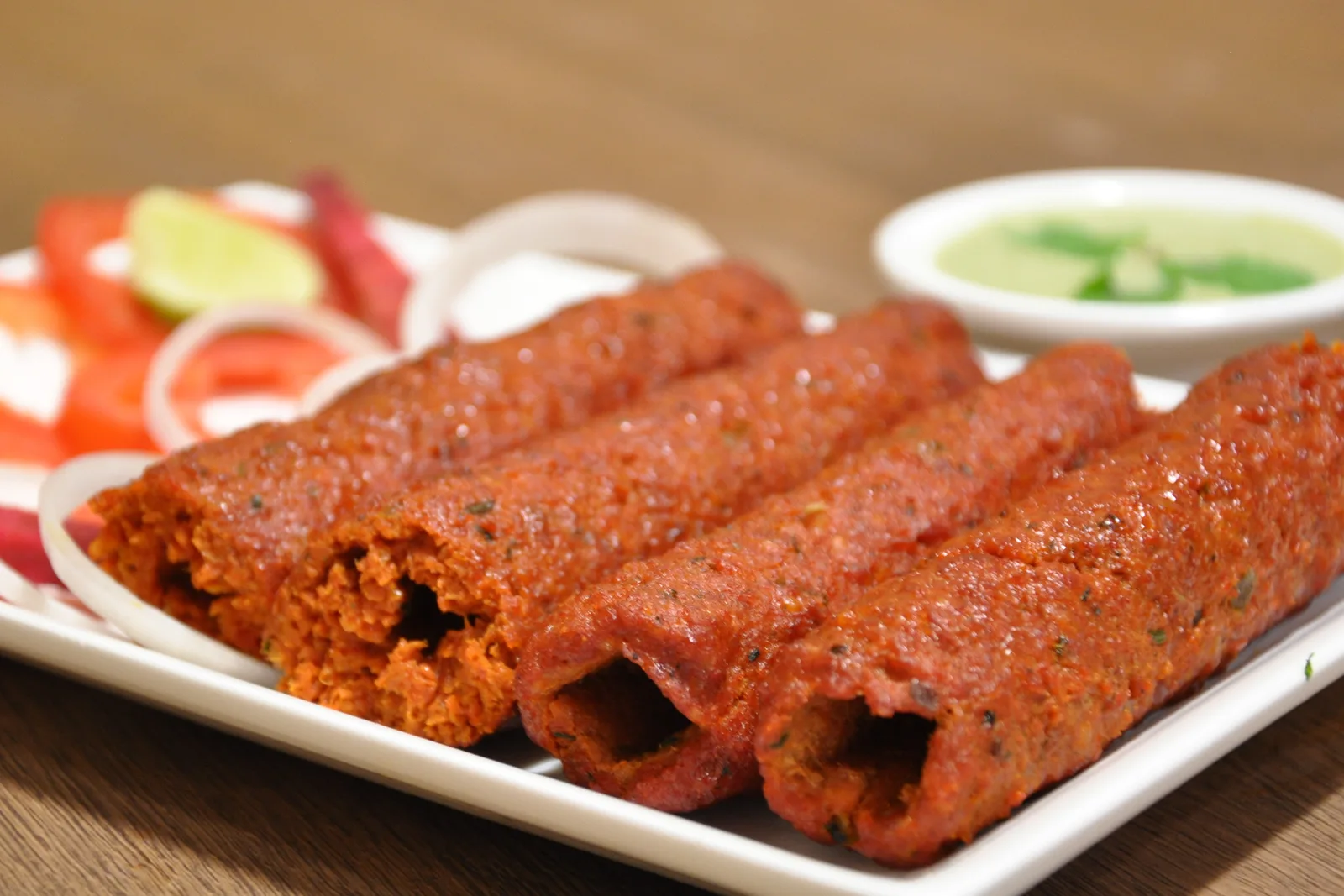
Four grilled mutton seekh kebabs on a white plate with onion rings, tomato, lime and a small bowl of green chutney Pakistan flag Pakistan 50m
Dinner •Lahore Heritage

Seekh Kebab

This seekh kebab recipe is Pakistan's favourite barbecue: spiced lamb and beef mince, kneaded with onion, green chilli, fresh coriander and garam masala, then moulded by hand into long cylinders on flat metal skewers and grilled over charcoal until the edges char. It is served hot with warm naan, cool mint raita and a crunchy onion and tomato salad. One serving is about 402 g.

Pakistan's Charcoal-Grilled Classic

Spiced lamb and beef mince moulded onto skewers and grilled over charcoal until charred at the edges — the kebab every Pakistani barbecue is built around.

Pairs Well With
Warm naan, mint raita & kachumber salad
High Protein

The Dinner Gazette

Never wonder what’s for dinner again

One email a week with easy dinner ideas from around the world — ingredients, steps and nutrition, tested in our kitchen first.

Delivered every Thursday morning. Unsubscribe anytime.