
Curated recipes from 193 countries  •  New seasonal Mediterranean issue out now

Overview

Haydari

Turkish Yogurt Dip, Haydari Meze

This haydari recipe is Turkey's cool, thick yogurt meze: strained Greek yogurt whipped with fresh dill and mint, a little garlic and lemon, and a thread of olive oil — no cucumber anywhere, which is exactly what sets it apart from Greek tzatziki. It is creamy, herby and quietly tangy, and it belongs on every meze table next to warm bread. One serving is about 144 g.

Haydari is one of the oldest mezes on the Anatolian table, built on Turkey's long tradition of strained yogurt — the thick, cloth-hung yogurt that has been made in Turkish kitchens for centuries. Its name is said to come from Haydar, a word linked in Turkish folk tradition to a legendary figure, though the dish itself is simply a farmer's way of turning yogurt into something worth serving to guests: herbs from the garden, garlic, a little oil. Unlike tzatziki across the Aegean, haydari never has cucumber — the herbs are the point, and the dip is a staple of meze spreads from Istanbul to the Black Sea coast.

Pairs well with: Warm flatbread, grilled meats, raw vegetables and Turkish tea

Provenance

Turkey flag Turkey

Anatolian Meze Classic

Middle Eastern

Time Dedication

15m

15m prep • 0m cook

Batch Yield

4 Servings

187 kcal per serving

1 serving ≈ 144 g

Technical Skill

Easy

Easy (No Cooking)

Meal Timing & Digestive Fit

Breakfast

Not Advised

Lunch

Inappropriate

Dinner

Inappropriate

Snack & Tea

Ideal Light Bite

Occasions: Meze spreads, summer lunches, barbecues, picnics and light evening snacks Cost: Low — about $2–3 per serving at home
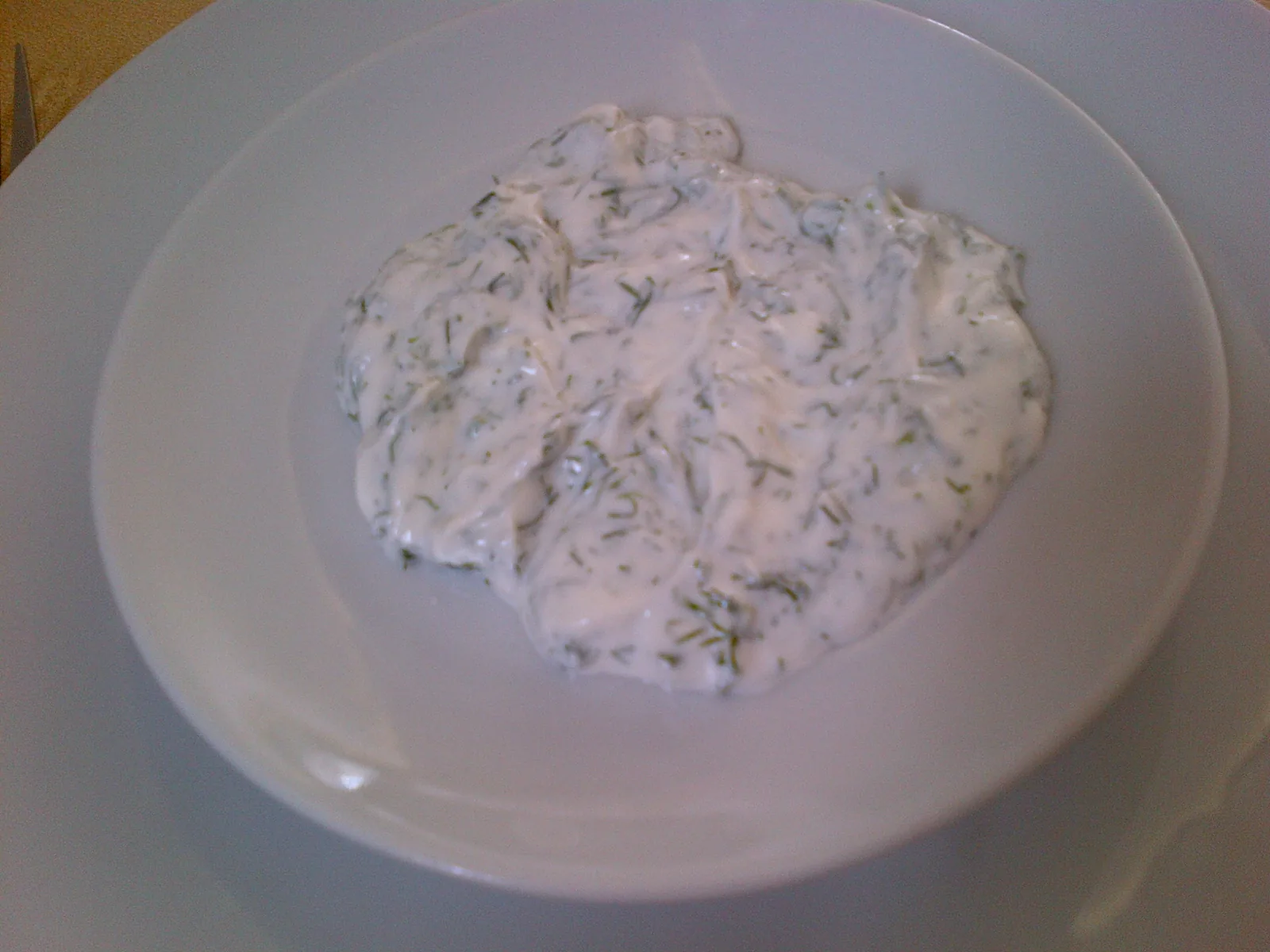
Haydari — a thick white yogurt dip flecked with fresh dill, served on a white plate

Anatolian Meze Classic

Photo: E4024, CC BY-SA 4.0, via Wikimedia Commons

The Heritage Formulary

Measured Ingredients

Estimated cost: Low — about $2–3 per serving at home (USD)

Good haydari is thick enough to hold its shape, pale green with chopped herbs, and tangy from the yogurt — never runny, never plain white.

Execution Methodology & Culinary Technique

Step-by-Step Cooking Guide

Active 15m
P

Prep Stage: Strain the Yogurt and Chop the Herbs

15 Mins • Hands-On, No Cooking

If your yogurt is not already thick, strain it first: line a sieve with a clean cloth, tip the yogurt in, and leave it over a bowl in the fridge for an hour — you want it to hold its shape on a spoon. Chop the dill and mint fine and grate the garlic to a paste. Squeeze the lemon and measure out the olive oil and salt, so everything is ready before you mix.

Maestro Tip: Dry the herbs well after washing — wet herbs thin the yogurt and make the dip runny. A quick spin in a salad spinner or a pat with a clean towel does it.

  1. 1

    Whisk the Yogurt Smooth

    2 Mins • Hands-On No heat

    Spoon the Greek yogurt into a cold bowl and whisk it briefly until smooth and glossy — about 30 seconds. If the yogurt was strained, it will feel firm at first and loosen as you whisk; stop as soon as it is smooth, because over-whisking makes it runny.

    Whisk gently and briefly. The goal is a thick, spoonable dip, not a sauce.

    Done when: Smooth, thick yogurt that holds a soft peak on the whisk.

  2. 2

    Fold in the Herbs, Garlic and Lemon

    3 Mins • Hands-On No heat

    Add the chopped dill, chopped mint, grated garlic, lemon juice and salt to the yogurt. Fold everything in with a spoon until the herbs are evenly spread through the dip — you should see green flecks in every spoonful, not clumps in one corner.

    Taste now and adjust the salt and lemon before the oil goes in — the oil coats the tongue and dulls the seasoning after it is added.

    Done when: Herbs evenly flecked through the whole bowl.

  3. 3

    Add the Oil and Chill

    10 Mins • Includes 10 Min Chilling No heat; chill in the fridge

    Drizzle in the olive oil while stirring slowly, so it blends into the yogurt instead of pooling on top. Stir just until the dip looks creamy and pale — a few seconds is enough. Cover and chill in the fridge for at least 10 minutes so the garlic and herbs settle into the yogurt.

    The short chill matters: the garlic mellows and the dill and mint perfume the yogurt. Haydari eaten straight after mixing tastes sharp and unfinished.

    Done when: Creamy, pale dip with a light sheen of oil and herbs throughout.

  4. 4

    Plate and Serve Cold

    2 Mins • Hands-On No heat; serve cold

    Spoon the haydari into a shallow bowl and smooth the top with the back of the spoon. Make a small well in the centre, drizzle in a little extra olive oil, and scatter a few mint leaves over the top. Serve cold, with warm flatbread and raw vegetables alongside.

    Serve it in a wide, shallow bowl rather than a deep one — everyone can reach it, and the oil and herbs stay visible on the surface.

    Done when: A smooth, swirled bowl of thick white dip with green flecks, a glisten of oil and mint on top.

Finishing Touches & Plating

Serve haydari chilled, in a shallow bowl, with a swirl of olive oil on top and a few mint leaves scattered over it. Set it out with warm bread and let everyone spoon it onto their own plate — it tastes best cold, straight from the fridge.

Nutritional Physiology & Benefits

Nutrition

Energy

187

kcal / serving

Protein

12g

Complete AA

Carbs

6g

Complex

Fats

13g

Healthy

Per serving (4 servings · 1 serving ≈ 144 g)
Energy187 kcal
Protein12 g
Carbohydrates6 g
Fat13 g
Fibre0.3 g
Sugar4.6 g
Sodium338 mg
Per 100g
Energy130 kcal
Protein8 g
Carbohydrates4 g
Fat9.1 g
Fibre0.2 g
Sugar3.2 g
Sodium235 mg

Nutrition values are estimated — calculated from USDA FoodData Central values for the listed ingredients.

Vitamins & minerals: Calcium and vitamin B12 (yogurt), vitamin K and vitamin A (dill and mint), vitamin C (lemon juice). Nutrition values are estimated.

Protein, Calcium & Live Cultures

Greek yogurt is rich in protein and calcium, and its live cultures support a healthy gut — the backbone of this dip is genuinely good food.

Fresh Herbs, Real Nutrients

Fresh dill and mint are not just flavour: they bring vitamin K, vitamin A and a little iron, plus the bright, cooling flavour that makes the dip feel light.

Filling Without Being Heavy

With about 11.6 g of protein per serving and only modest fat, haydari keeps you full without weighing you down — a meze that works as hard as it tastes.

Food Pairings

What to Eat With

To optimize nutrient absorption and elevate the sensory depth, pair with these authentic accompaniments:

Sides

Warm Flatbread or Pide

Warm, soft bread is the classic vehicle — it scoops up the thick dip cleanly and its mild flavour lets the dill and mint shine.

Grilled Lamb or Chicken Kebabs

The cool, tangy yogurt calms the smoke and spice of grilled lamb or chicken, and the herbs echo the flavours of the grill.

Vegetables

Raw Vegetable Sticks

Cucumber sticks, carrots and radishes add crunch and coolness, and they keep the meal light where bread would make it heavy.

Drinks

Turkish Tea

A glass of hot Turkish tea after the meze is the traditional finish — its bitterness resets the palate after the creamy dip.

Complete menu

Start with haydari and warm bread, then grilled lamb or chicken kebabs with rice, and finish with Turkish tea — a classic Anatolian meze meal.

Digestive Guardrails

What NOT to Combine

To prevent digestive distress, sluggishness, or palate clash, avoid pairing the dish with these elements:

Leaving Haydari Out at Room Temperature

Yogurt-based dips spoil quickly once they warm up, and a dip that has sat out for hours can grow harmful bacteria. Keep haydari in the fridge and return it to the fridge within an hour of serving. This is general food-safety information, not medical advice.

Eating Large Portions with Lots of Bread

Full-fat yogurt and olive oil are satisfying, but they are also energy-dense. If you eat haydari in large spoonfuls with bread, the calories add up quietly — measure your portion and load the plate with vegetables.

General information only, not medical advice — consult a doctor for personal dietary decisions.

Who Should Eat It

Who Should Eat

  • General adultsA gentle, protein-rich meze that suits almost everyone — cool, creamy and easy to digest, and light enough to eat alongside richer dishes.
  • ChildrenSuitable from age 2+, as long as the garlic is mild. Children usually like it spread on bread; keep the olive oil drizzle light for little ones.
  • ElderlyVery suitable — soft, cool and easy to eat, with protein and calcium, and no chewing problems.
  • Pregnant womenGenerally safe when made with pasteurised yogurt and kept refrigerated — but use fresh yogurt, keep it cold, and do not eat dip that has sat out at a buffet for hours.
  • Breastfeeding womenA good choice: protein, calcium and B12 from the yogurt, with no ingredients to worry about. Keep portions moderate if garlic makes the baby fussy.
  • AthletesA useful recovery snack — about 11.6 g of protein per serving with calcium, and it pairs well with bread for the carbohydrates training needs.
  • Weight gainA good choice as part of a meze spread — pair it with bread, olives and cheese for a filling, energy-rich meal.
  • Weight lossA good choice: high in protein and low in energy for a dip, especially with cucumber sticks or raw vegetables instead of bread.

Health Conditions — Adjust or Avoid

Conditions

  • DiabetesVery low in carbohydrate and high in protein, so it has little effect on blood sugar — but watch the bread you eat with it, and ask your clinician.
  • High blood pressureKeep the salt light and skip extra salt at the table; the yogurt and herbs do most of the flavour work. Ask your clinician.
  • Kidney diseaseYogurt is high in potassium and phosphorus; keep portions modest and ask your clinician.
  • GoutYogurt is low in purines and generally fine in a modest portion — ask your clinician.
  • Stomach issuesUsually gentle on the stomach, but raw garlic can irritate a sensitive stomach — use half the garlic or leave it out entirely.
  • Cardiovascular diseaseUse full-fat yogurt in a modest portion, or switch to low-fat Greek yogurt and keep the olive oil light. Ask your clinician.
  • Fatty liverA reasonable choice in a modest portion; choose low-fat yogurt and keep the oil to one drizzle. Ask your clinician.
  • Food allergiesContains milk (yogurt). People with a milk allergy must avoid it entirely; people with lactose intolerance may tolerate the strained yogurt, but should check with their clinician.
  • Special therapeutic dietsIf you follow a prescribed low-sodium or low-phosphorus diet, use less salt and a smaller portion, and check with your clinician.

If you have a medical condition, consult your doctor before changing your diet.

Storage & Use

Storage & Use

How to store
Store in an airtight container in the fridge. Stir gently before serving again and add a fresh drizzle of oil.
In the fridge
Up to 3 days in a sealed container.
In the freezer
Do not freeze haydari — the yogurt separates and turns grainy when thawed.
How to reheat
Do not reheat — haydari is served cold. If it has been out of the fridge, return it to the fridge within an hour.
Freezing recommended
No.
Signs it has spoiled
Sour or sharp smell beyond the usual yogurt tang, watery separation that will not stir back in, or any mould.

More recipes to explore

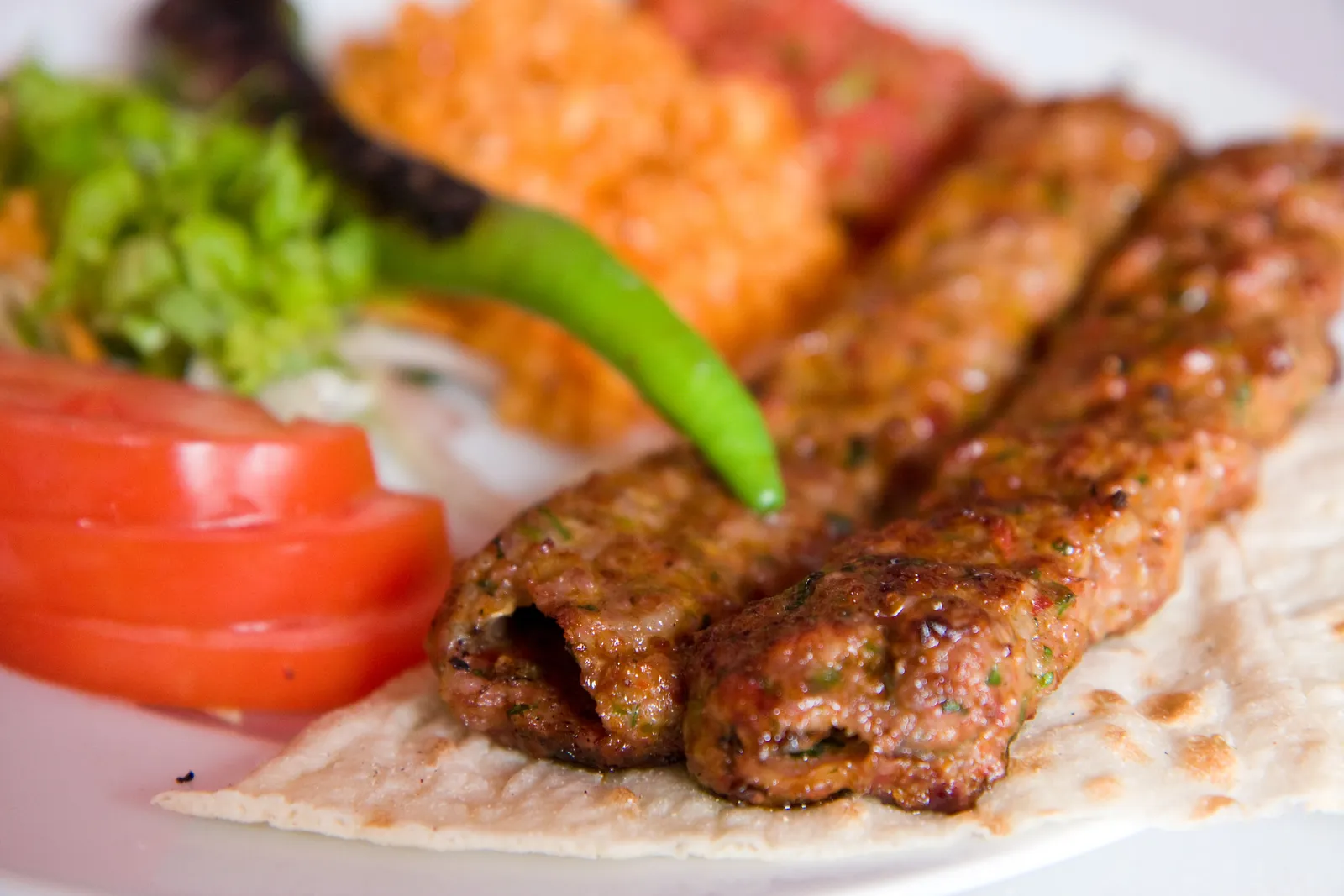
Adana kebab — long grilled minced-meat skewers on lavash with tomato, green chilli and salad Turkey flag Turkey 50m
Dinner •Adana Heritage

Adana Kebab

This adana kebab recipe is Adana's famous charcoal-grilled skewer: hand-minced lamb and beef mixed with lamb tail fat, sweet red pepper and pul biber, pressed onto wide flat skewers and grilled over glowing charcoal until the edges char and the juices run. It is served on warm lavash with grilled tomato, green chillies and a sharp sumac onion salad. One serving is about 439 g.

Adana's Charcoal-Grilled Icon

Hand-minced lamb and beef with tail fat and pul biber, pressed onto wide flat skewers and grilled over charcoal until charred at the edges — Adana's famous kebab.

Pairs Well With
Lavash, grilled tomato & sumac onion salad
High Protein
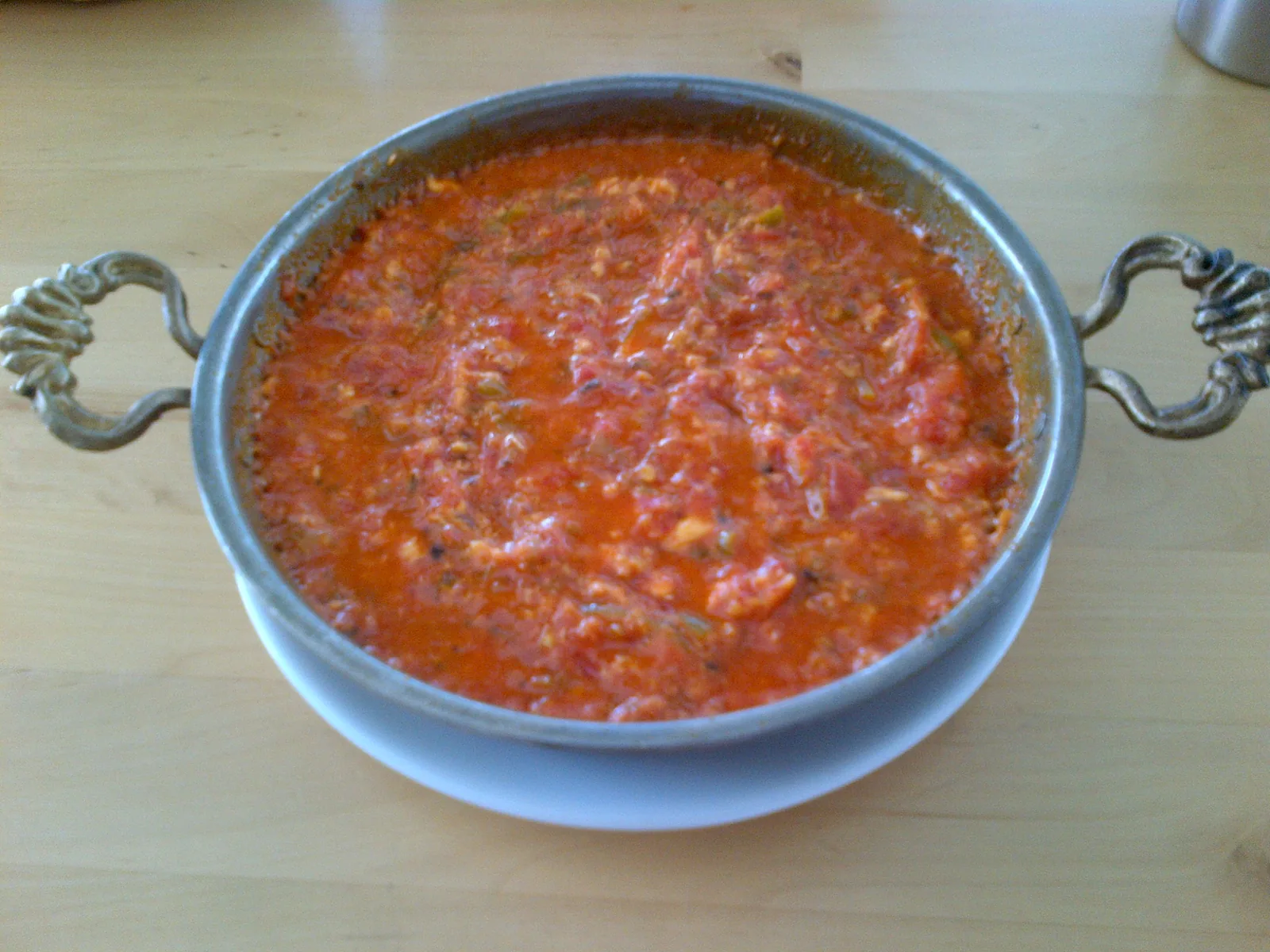
Menemen in a copper sahan pan — soft scrambled eggs stirred through a red tomato and green pepper sauce Turkey flag Turkey 30m
Breakfast •Izmir Breakfast Table

Menemen

This menemen recipe stirs beaten eggs into a soft tomato and green pepper sauce until they set into creamy curds — never poached whole, the way shakshuka does it. Cooked in one pan and served straight from it with bread, it is the classic Turkish breakfast. One serving is about 300 g.

Comfort & Warmth

Beaten eggs stirred into a soft tomato and green pepper sauce, scooped up with warm bread.

Pairs Well With
Crusty white bread, Turkish tea and sliced cucumber and tomato
Quick Prep (<30m)
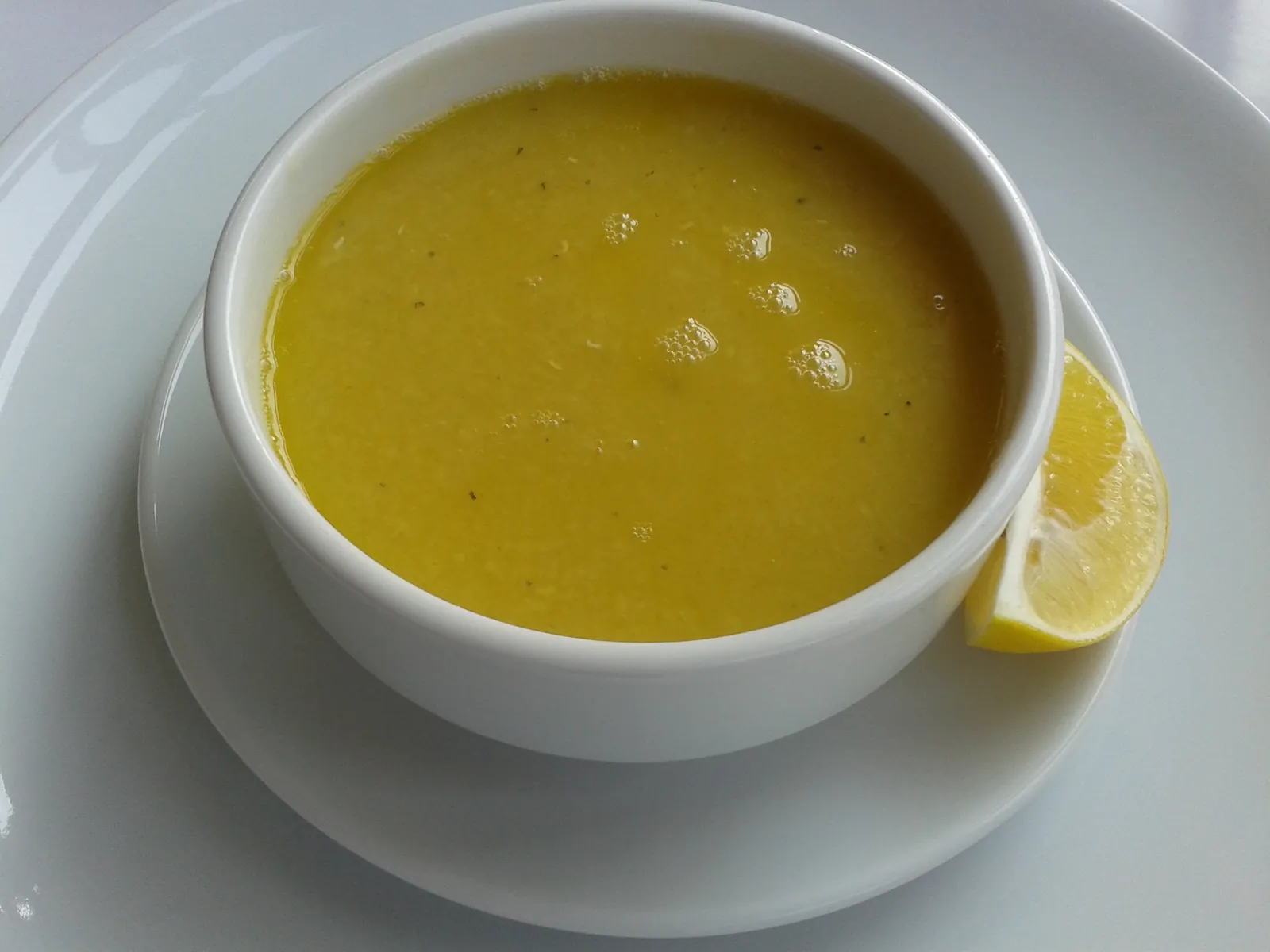
A white bowl of smooth golden Turkish lentil soup with a lemon wedge on the side Turkey flag Turkey 45m
Lunch •Ankara Lokanta Classic

Turkish Lentil Soup

This turkish lentil soup recipe turns red lentils, onion, carrot and potato into a smooth, golden soup, finished with lemon and a drizzle of paprika butter. One serving is about 325 g.

Comfort & Warmth

A silky red lentil soup, light enough for lunch and warm enough for a cold day.

Pairs Well With
Warm pide bread, lemon wedges and ayran
Soups & Broths
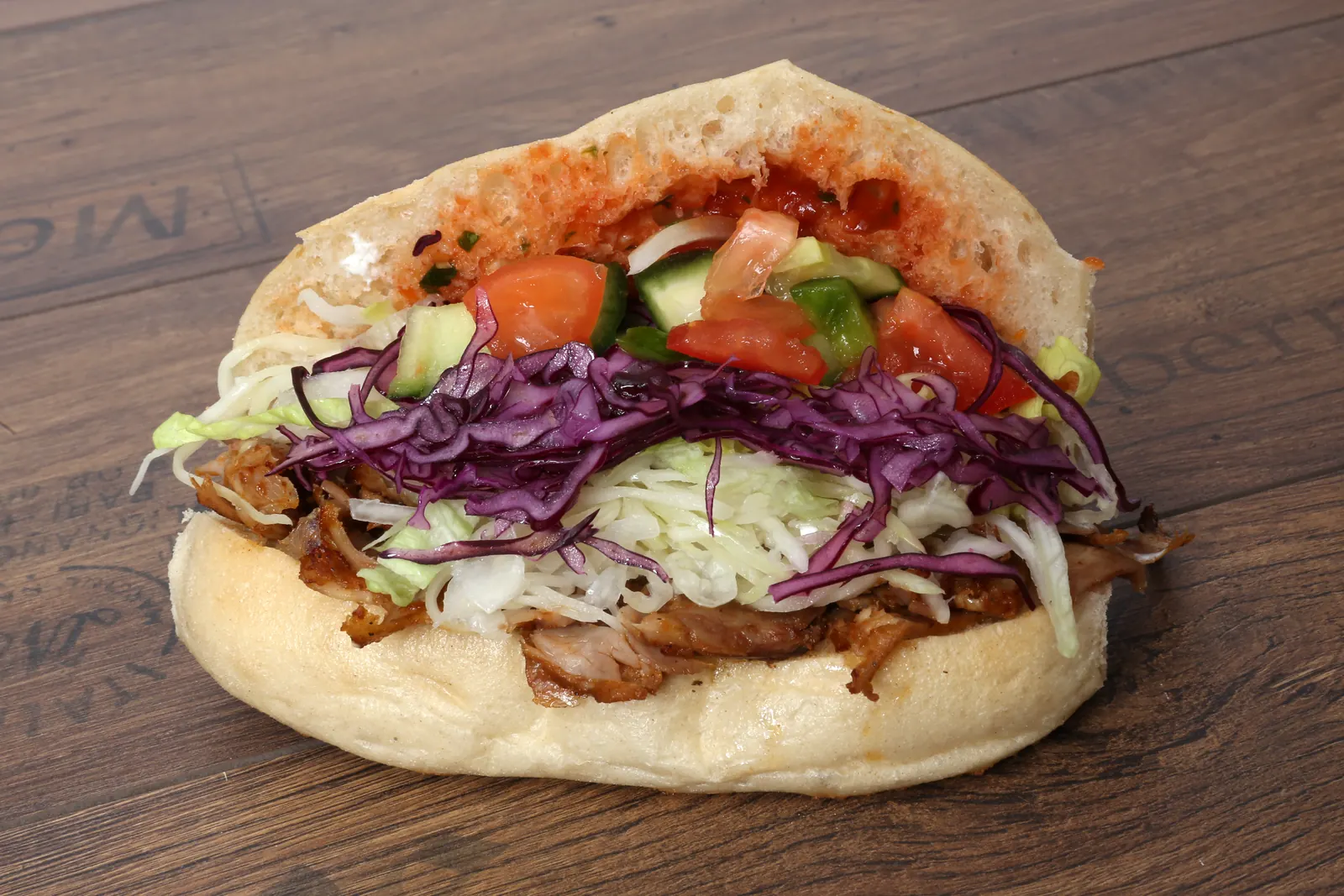
A doner kebab in flatbread filled with sliced lamb, red and white cabbage, tomato and cucumber Turkey flag Turkey 2h 55m
Dinner •Bursa Spit-Roast Heritage

Doner Kebab

This doner kebab recipe brings the Turkish spit-roast home: lamb leg marinated in yogurt, onion and spices, seared until charred at the edges, then sliced thin and tucked into warm pitta bread with crisp salad and a cool garlic yogurt sauce. No vertical spit needed — a ripping-hot pan does the job. One serving is about 415 g.

Charcoal-Grilled & Juicy

Home-style doner kebab — yogurt-marinated lamb, sliced thin and piled into warm pitta with salad and garlic sauce.

Pairs Well With
Serve in warm pitta with salad, garlic sauce and a little chilli sauce.
High Protein

The Dinner Gazette

Never wonder what’s for dinner again

One email a week with easy dinner ideas from around the world — ingredients, steps and nutrition, tested in our kitchen first.

Delivered every Thursday morning. Unsubscribe anytime.