
Curated recipes from 193 countries  •  New seasonal Mediterranean issue out now

Overview

Hojuelas Colombianas

Hojaldras Colombianas, Colombian Christmas Fritters, Hojuelas Antioqueñas

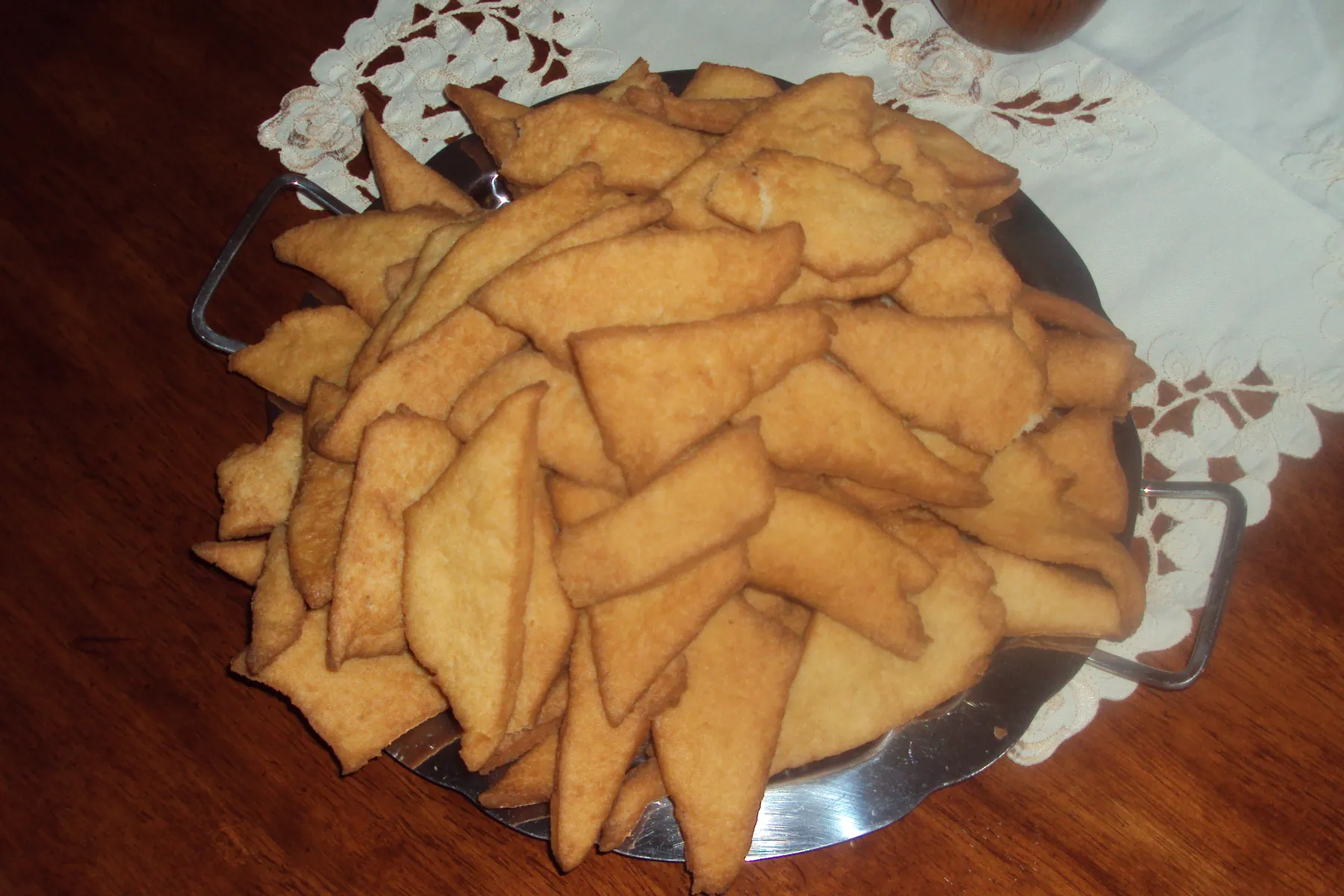
Hojuelas colombianas, also called hojaldras, are the crisp fried fritters of the Colombian Christmas table: a simple dough of wheat flour, butter, egg and orange juice, rolled paper-thin, cut into diamonds and fried for seconds until golden and bubbled. They are dusted with cinnamon sugar and eaten with natilla and buñuelos during the December novenas. One serving is about 90 g.

Hojuelas — also called hojaldras — are one of the three sweets of the Colombian Christmas novenas, the nine nights of prayer and song from 16 to 24 December, when they are eaten with natilla and buñuelos. In Antioquia and the Coffee Region they are known as hojuelas and carry a touch of orange in the dough. The dough is rolled almost transparent, fried for seconds until it bubbles and turns gold, and dusted with sugar while still warm.

Pairs well with: Hot chocolate, aguapanela or black coffee, with natilla and buñuelos on the Christmas table.

Provenance

Colombia flag Colombia

Antioquia Heritage

Latin America & Caribbean

Time Dedication

1h

45m prep • 15m cook

Batch Yield

8 Servings

362 kcal per serving

1 serving ≈ 90 g

Technical Skill

Intermediate

Moderate (Thin Dough)

Meal Timing & Digestive Fit

Breakfast

Not Advised

Lunch

Inappropriate

Dinner

Inappropriate

Snack & Tea

Ideal Light Bite

Occasions: Christmas, December Novenas, Family snack Cost: Low — about $1–2 per serving at home
A tray piled high with golden fried hojuelas, crisp triangular pastries dusted with sugar

Antioquia Heritage

Photo: Malejotm, Public domain, via Wikimedia Commons

The Heritage Formulary

Measured Ingredients

Estimated cost: Low — about $1–2 per serving at home (USD)

A traditional festive sweet with no official codification; the recipe follows the Antioquian home style with orange in the dough.

Execution Methodology & Culinary Technique

Step-by-Step Cooking Guide

Active 1h
P

Mix and Rest the Dough

45 Mins

Rub the butter into the flour, sugar and salt, work in the eggs, orange juice and zest, and knead briefly until smooth. Rest the dough for 30 minutes so it relaxes and rolls thin without springing back.

Maestro Tip: Do not over-knead — a short knead and a good rest give a tender, bubbly fritter instead of a tough one.

  1. 1

    Make the Dough

    15 Mins Room temperature

    Mix the flour, sugar and salt in a bowl. Rub in the softened butter with your fingertips until the mixture looks like fine crumbs. Make a well in the centre, add the eggs, orange juice and zest, and mix with a fork until a dough forms. Turn it onto a lightly floured surface and knead for 3–4 minutes, until smooth and soft and no longer sticky.

    If the dough sticks to your hands, dust with a little more flour — a spoonful at a time, so the dough does not dry out.

    Done when: A smooth, soft dough that does not stick to your hands.

  2. 2

    Rest the Dough

    30 Mins Room temperature

    Cover the dough with a clean cloth or cling film and leave it to rest for 30 minutes. This relaxes the gluten, so the dough rolls out paper-thin instead of springing back.

    Do not skip the rest — un-rested dough fights the rolling pin and comes out thick and tough.

    Done when: Relaxed dough that rolls out without springing back.

  3. 3

    Roll Thin and Cut

    10 Mins Room temperature

    Divide the dough in half. On a lightly floured surface, roll one half out with a rolling pin until it is about 1–2 mm thick — almost transparent. Cut it into diamonds or strips about 6–8 cm long. Repeat with the second half. You should have about 24 pieces.

    Roll from the centre outwards and turn the sheet often, so it stays even and does not stick.

    Done when: Paper-thin diamonds, about 1–2 mm thick, about 24 pieces.

  4. 4

    Fry Until Golden

    10 Mins Oil at 180°C (350°F)

    Heat the oil in a deep pan until it reaches 180°C (350°F). Fry the hojuelas a few at a time for 30–45 seconds per side, until deep golden and bubbled all over. Lift out with a slotted spoon and drain on paper towels. Let the oil come back up to temperature between batches.

    Keep the oil at 180°C (350°F) — too cool and the fritters soak up oil and turn greasy; too hot and they burn before they crisp.

    Done when: Deep golden, crisp and bubbled all over.

  5. 5

    Dust and Serve

    5 Mins Room temperature

    While the hojuelas are still warm, toss them gently in the cinnamon sugar until evenly dusted. Pile onto a tray and serve at once, while they are still crisp.

    Dust while warm — the sugar will not stick once the fritters have cooled.

    Done when: Crisp fritters, evenly dusted, ready to eat.

Finishing Touches & Plating

Eat the hojuelas the same day, while they are still crisp — they soften by the next day, and a few minutes in a warm oven brings some of the crunch back.

Nutritional Physiology & Benefits

Nutrition

Energy

362

kcal / serving

Protein

7g

Complete AA

Carbs

49g

Complex

Fats

15g

Healthy

Per serving (8 servings · 1 serving ≈ 90 g)
Energy362 kcal
Protein7 g
Carbohydrates49 g
Fat15 g
Fibre1.6 g
Sugar10.2 g
Sodium212 mg
Per 100g
Energy402 kcal
Protein7.7 g
Carbohydrates54.4 g
Fat17 g
Fibre1.8 g
Sugar11.4 g
Sodium236 mg

Nutrition values are estimated — calculated from USDA FoodData Central values for the listed ingredients.

Vitamins & minerals: Eggs and orange juice add a little protein and vitamin C; the fritter itself is mainly carbohydrate and fat, so it is a festive treat rather than a health food.

Quick Energy

Each serving gives about 49.0 g of carbohydrate, fast energy for a busy afternoon.

A Little Protein

The eggs in the dough add about 6.9 g of protein a serving.

Simple Pantry Ingredients

Flour, butter, eggs, sugar and orange — no special shopping, and nothing artificial.

Food Pairings

What to Eat With

To optimize nutrient absorption and elevate the sensory depth, pair with these authentic accompaniments:

Drinks

Hot Chocolate

Thick Colombian hot chocolate is the classic partner — the bitter chocolate balances the sweet, crisp fritter, and dunking is half the pleasure.

Aguapanela

Hot panela water with a squeeze of lime is the everyday drink alongside hojuelas — its gentle sweetness matches the fritter without doubling the sugar hit.

Black Coffee

A small cup of strong black coffee cuts through the frying oil and sugar, and keeps the afternoon snack from feeling heavy.

Full Menus

Natilla and Buñuelos

Hojuelas belong on the Christmas table with natilla and buñuelos — the three sweets of the December novenas, crisp, creamy and soft side by side.

Complete menu

Serve hojuelas colombianas with hot chocolate, natilla and buñuelos — the full Colombian Christmas table.

Digestive Guardrails

What NOT to Combine

To prevent digestive distress, sluggishness, or palate clash, avoid pairing the dish with these elements:

Frying in Oil That Is Too Cool

Oil below about 170°C (340°F) soaks into the dough instead of crisping it, leaving greasy, soggy fritters that are hard to digest. Keep the oil at 180°C (350°F) and let it recover between batches. This is general information, not medical advice.

Too Much Sugar at Once

A serving carries about 10.2 g of sugar, so eating a whole tray in one sitting can spike blood sugar and upset the stomach. Keep it to one serving, especially if you watch your sugar. This is general information, not medical advice.

General information only, not medical advice — consult a doctor for personal dietary decisions.

Who Should Eat It

Who Should Eat

  • General adultsThree crisp fritters with coffee is a classic afternoon snack — sweet, but a modest portion.
  • ChildrenChildren love them, but they are fried and sugary, so keep it to a few pieces and not every day.
  • ElderlyCrisp and easy to chew; the sugar means a small portion is the wiser choice for most older people.
  • Pregnant womenFine as an occasional treat when freshly fried; ask your clinician if you have any concerns about sugar.
  • Breastfeeding womenAn occasional sweet snack is fine; pair it with a protein-rich meal rather than eating it alone.
  • AthletesQuick carbohydrate energy, handy after a long session, but low in protein on its own.
  • Weight gainAt about 362 kcal a serving they add energy easily — an easy way to top up calories.
  • Weight lossFried and sugary, so keep it to one serving and not every day.

Health Conditions — Adjust or Avoid

Conditions

  • DiabetesA serving carries about 10.2 g of sugar and fast carbohydrate, so keep it to one serving and ask your clinician.
  • High blood pressureThe salt and dough is low in sodium, but the sweet topping adds sugar, not salt; ask your clinician about portion size.
  • Kidney diseaseLow in protein and phosphorus per serving, but high in sugar; ask your clinician whether it fits your diet.
  • GoutSugar-sweetened foods can raise uric acid, so keep portions small during a flare and ask your clinician.
  • Stomach issuesFried dough can feel heavy and greasy on a sensitive stomach — eat a small portion and ask your clinician if symptoms persist.
  • Cardiovascular diseaseFried and sugary, so an occasional small serving is a better choice than a large one; ask your clinician about how often it fits your diet.
  • Fatty liverA fried, sugary snack, so one serving now and then is a better choice than a daily habit; ask your clinician about portion size.
  • Food allergiesContains wheat (gluten), egg and milk (butter). It is nut-free as written; if you have a wheat, egg or milk allergy, do not eat it, and ask your clinician if unsure.
  • Special therapeutic dietsVegetarian, but high in sugar and fried, so it suits few therapeutic diets as written; for a low-sugar therapeutic diet, ask your clinician.

If you have a medical condition, consult your doctor before changing your diet.

Storage & Use

Storage & Use

How to store
Cool completely, then keep in an airtight container.
In the fridge
3 days, in an airtight container, though they soften.
In the freezer
1 month, in a sealed bag; re-crisp in the oven after thawing.
How to reheat
Warm in the oven at 180°C (350°F) for 3–4 minutes until crisp again.
Freezing recommended
Yes, up to 1 month, then re-crisped in the oven.
Signs it has spoiled
A stale, soft texture, a rancid oil smell, or any mould.

More recipes to explore

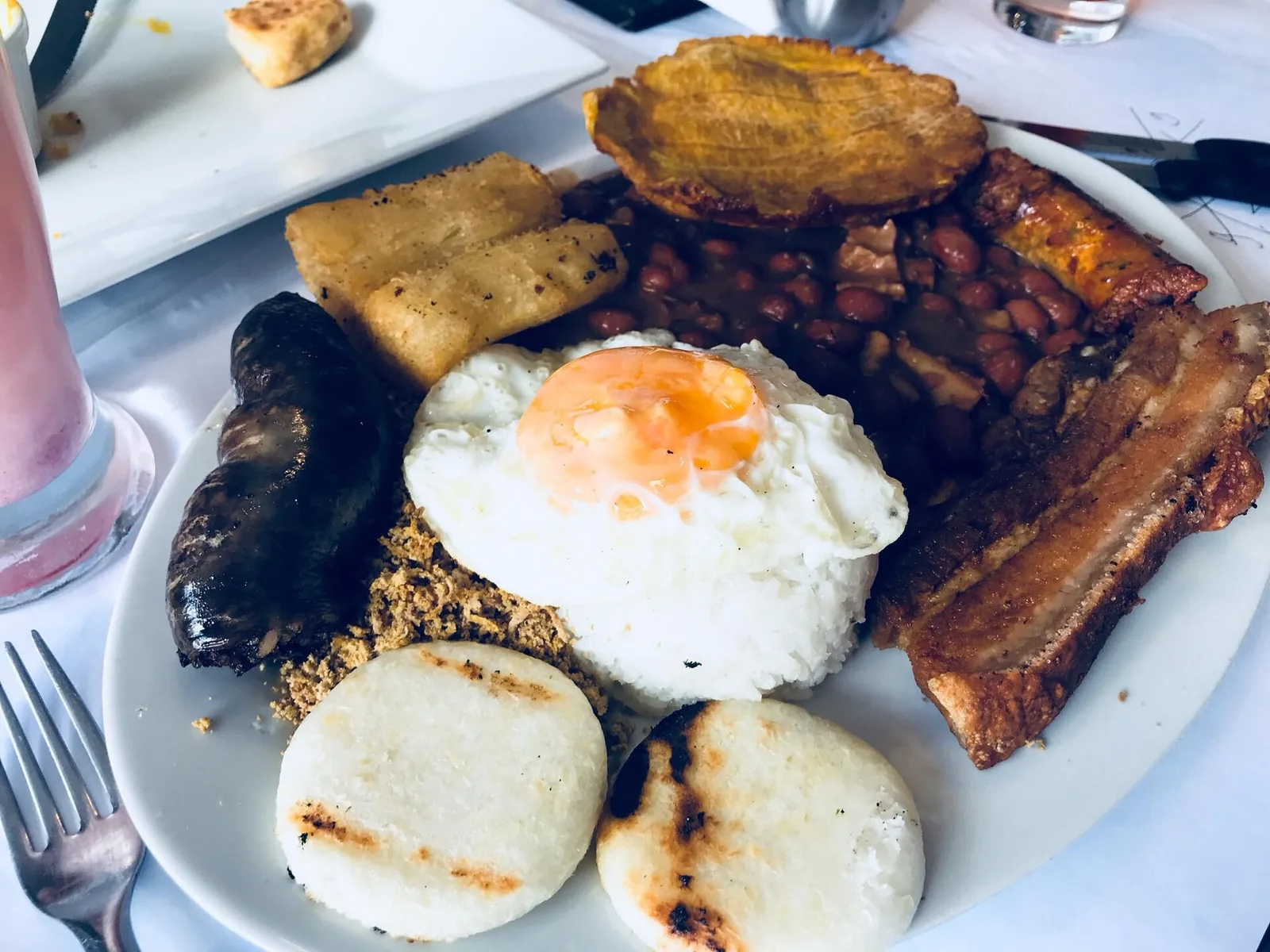
Bandeja paisa on a white plate with red beans, white rice, a fried egg, chicharrón, morcilla, chorizo, fried plantain and two small arepas Colombia flag Colombia 2h
Lunch •Antioquia Heritage

Bandeja Paisa

This bandeja paisa recipe builds the famous platter from Antioquia: red beans simmered with pork, white rice, crisp chicharrón, seasoned ground beef, chorizo and morcilla, a fried egg, sweet fried plantain, avocado, hogao sauce and a small grilled arepa. Every part is cooked separately, then piled onto one wide plate so each bite can mix a little of everything. One serving is about 894 g.

Hearty & Filling

A generous Antioquia platter of beans, rice, meats, egg, plantain and avocado, built to fuel a long working day.

Pairs Well With
A cold glass of panela lemonade or a light lager, with a small green salad on the side.
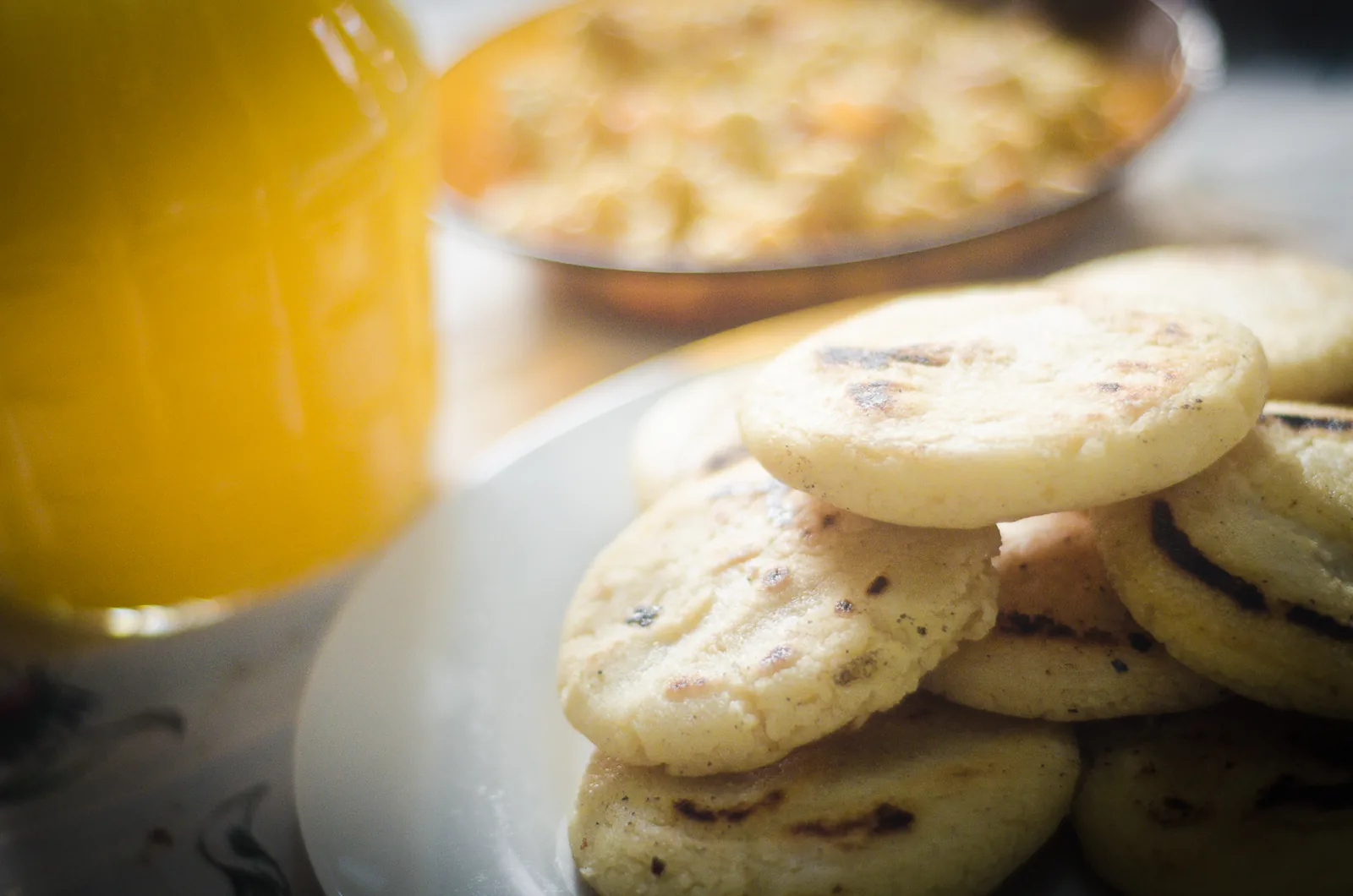
A stack of golden grilled Colombian arepas on a white plate, with a glass of orange juice beside them Colombia flag Colombia 35m
Breakfast •Andean Heritage

Colombian Arepas

This Colombian arepas recipe turns pre-cooked white cornmeal, warm water, butter and cheese into round corn cakes that are grilled until crisp outside and soft inside. The cheese is kneaded right into the dough, so every bite is savoury and gently melty. Colombian arepas are thinner and plainer than the stuffed Venezuelan kind: they are a breakfast bread, split open and filled at the table. One serving is about 220 g, two arepas.

Comfort & Warmth

Golden grilled corn cakes made from white masarepa, with melting cheese kneaded into the dough.

Pairs Well With
Hot chocolate or coffee, with butter and a slice of fresh cheese on the side.
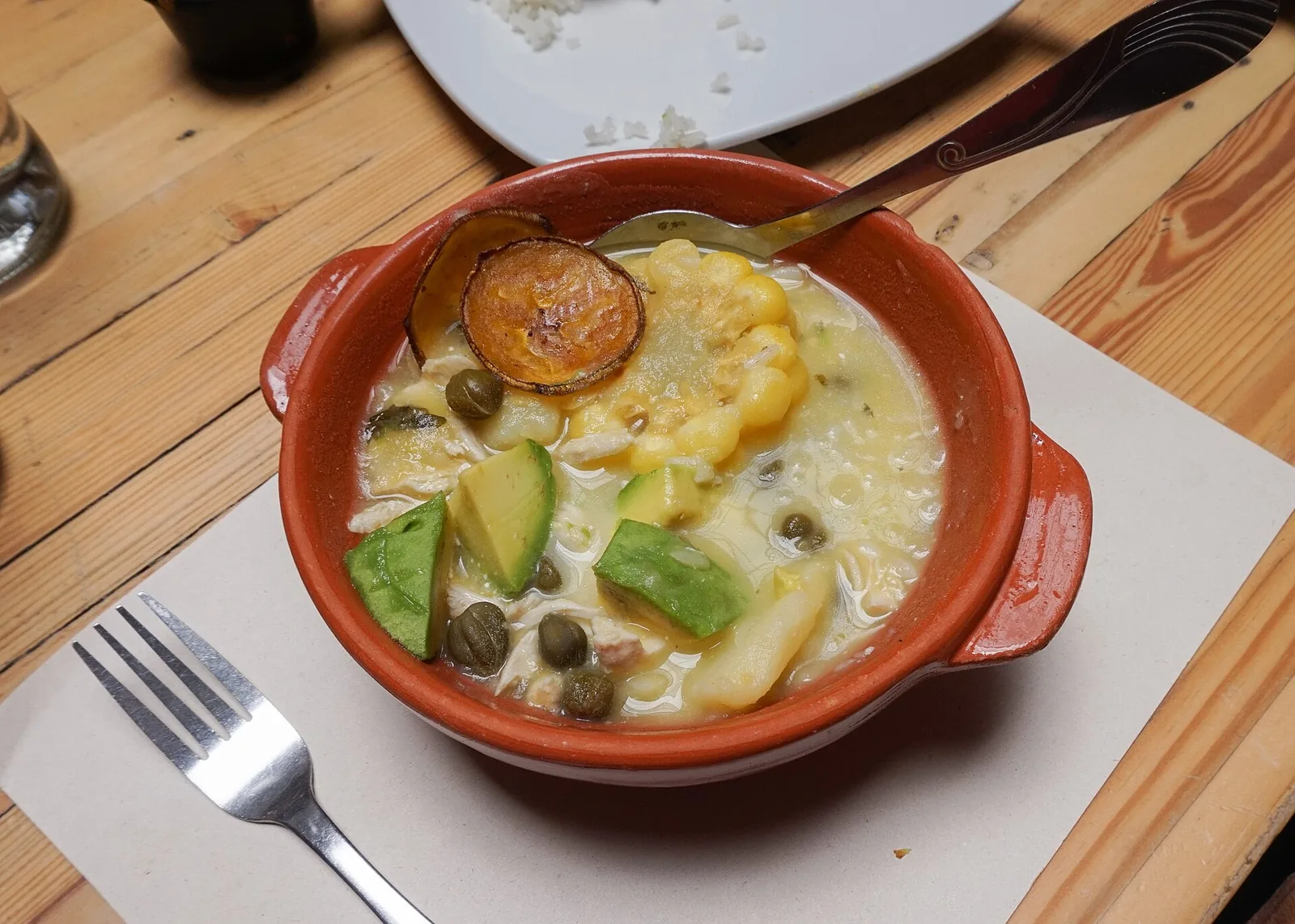
A bowl of ajiaco in a clay bowl, thick golden soup with corn, avocado, capers and shredded chicken Colombia flag Colombia 1h 30m
Lunch •Bogotá Heritage

Ajiaco

This ajiaco recipe is Bogotá's signature soup: chicken simmered with corn on the cob and three kinds of potato — pastusa, sabanera and criolla — until the criolla melts and thickens the broth golden. The herb guascas gives it its unmistakable earthy flavour, and every bowl is finished at the table with heavy cream, briny capers and sliced avocado. One serving is about 750 g, soup and toppings together.

Comfort & Warmth

Bogotá's thick chicken and potato soup, flavoured with guascas and served with cream, capers and avocado.

Pairs Well With
White rice and a small side salad, with the cream, capers and avocado passed around the table.
Soups & Broths
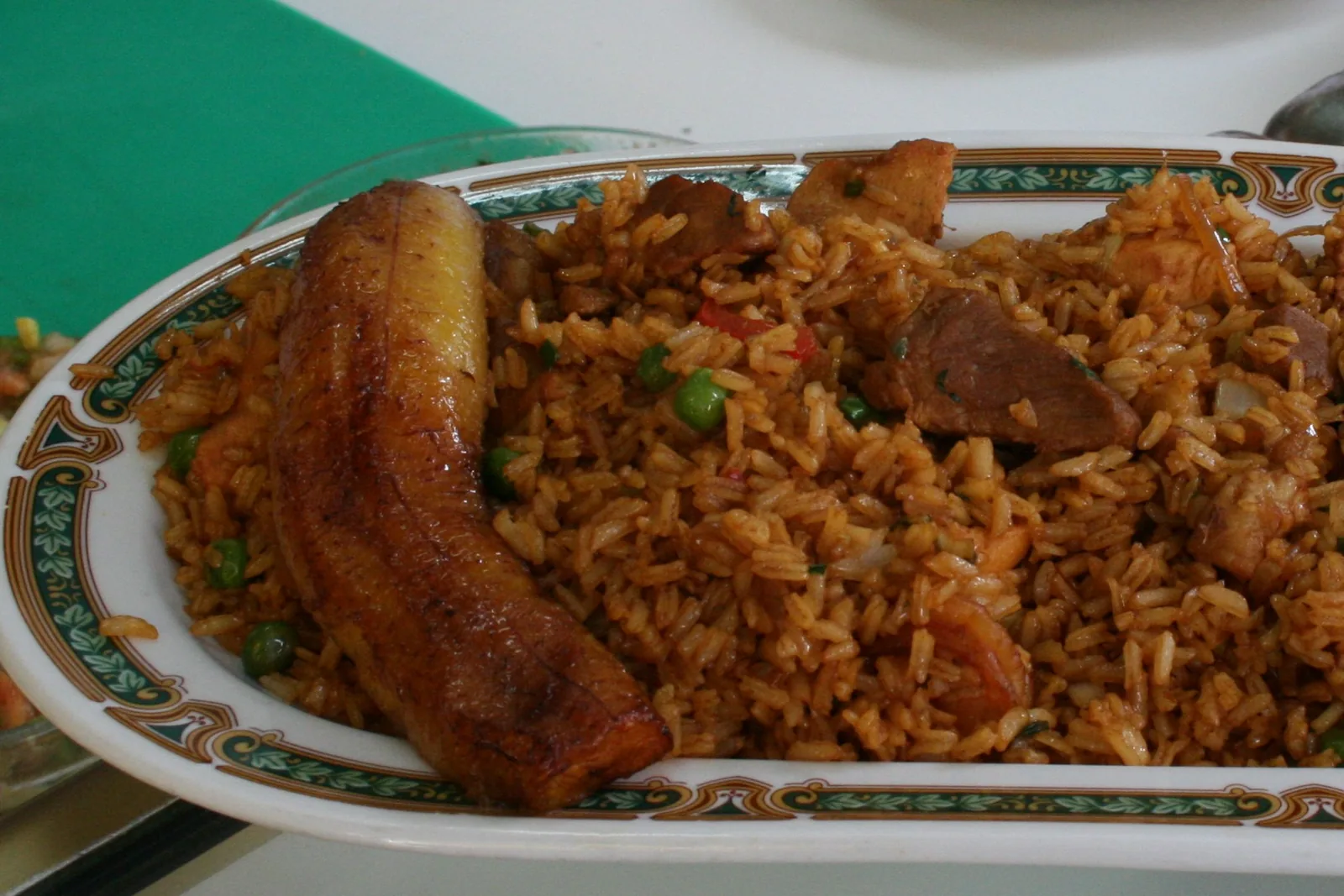
A platter of lechona with golden rice, roast pork pieces, green peas and a fried plantain Colombia flag Colombia 6h
Dinner •Tolima Heritage

Lechona

Lechona is Tolima's great festive roast: a deboned pig — here a pork shoulder with its skin — stuffed with rice and peas, sewn shut and roasted for hours until the meat is spoon-tender and the skin crackles. It is served chopped, a spoon of golden rice with every piece of pork, with arepas and fried plantain on the side. One serving is about 444 g.

Festive & Filling

Pork shoulder stuffed with rice and peas, roasted for hours until the meat is tender and the skin crackles.

Pairs Well With
White arepas, fried plantain and a cold beer
High Protein

The Dinner Gazette

Never wonder what’s for dinner again

One email a week with easy dinner ideas from around the world — ingredients, steps and nutrition, tested in our kitchen first.

Delivered every Thursday morning. Unsubscribe anytime.