
Curated recipes from 193 countries  •  New seasonal Mediterranean issue out now

Overview

Kaab el Ghazal

Cornes de Gazelle, Gazelle Horns, Gazelle Ankles, Kab el Ghazal

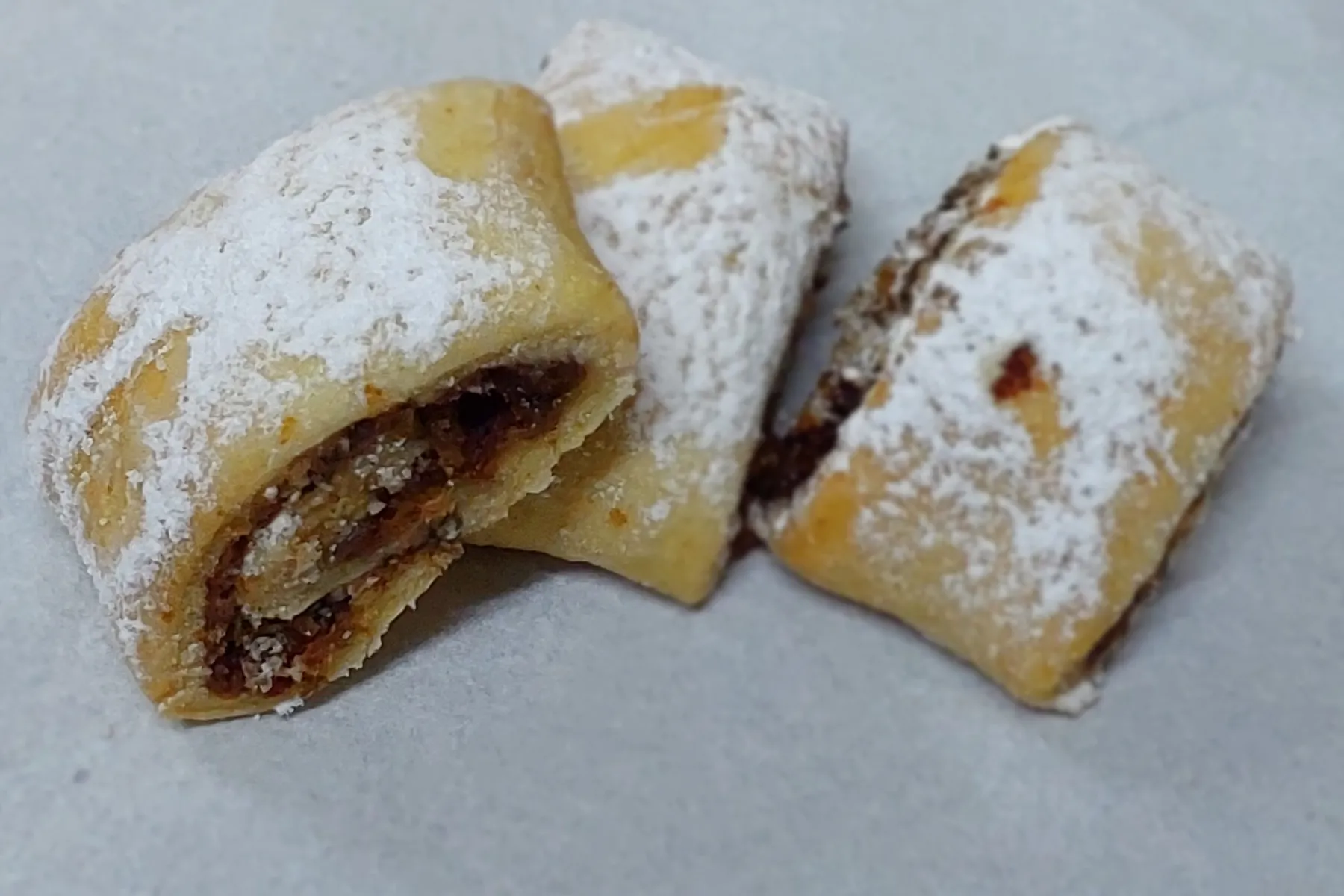
This kaab el ghazal recipe is the Moroccan gazelle horn: a fragrant almond paste, scented with orange blossom water and cinnamon, wrapped in paper-thin pastry and curved into a crescent. The pastries bake pale ivory, never brown, and are dusted with icing sugar. One serving is about 114 g, three pastries.

Kaab el ghazal, meaning gazelle's ankle or gazelle's horn, is one of Morocco's most elegant pastries, served at weddings, Eid celebrations and royal receptions. The crescent shape copies the curve of a gazelle's horn, and the filling is a fragrant almond paste scented with orange blossom water and cinnamon, wrapped in pastry rolled paper-thin. The pastries must rest before baking so the skin dries and holds its shape, and they are baked pale ivory, never brown — colour is considered a flaw. The recipe is also known across the Maghreb and southern Europe as cornes de gazelle.

Pairs well with: Mint tea, coffee & orange blossom

Provenance

Morocco flag Morocco

Moroccan Wedding Pastry

Middle Eastern

Time Dedication

1h 18m

60m prep • 18m cook

Batch Yield

8 Servings

537 kcal per serving

1 serving ≈ 114 g

Technical Skill

Intermediate

Medium (Shaped Crescents)

Meal Timing & Digestive Fit

Breakfast

Not Advised

Lunch

Inappropriate

Dinner

Inappropriate

Snack & Tea

Ideal Light Bite

Occasions: Eid, weddings, Ramadan evenings, mint tea gatherings Cost: Medium — about $1–2 per serving at home
Three golden kaab el ghazal crescent pastries dusted with powdered sugar, one cut open to show its dark spiced filling

Moroccan Wedding Pastry

Photo: 2kbfloppadisk, CC0, via Wikimedia Commons

The Heritage Formulary

Measured Ingredients

Estimated cost: Medium — about $1–2 per serving at home (USD)

A kaab el ghazal with a fragrant almond paste, orange blossom water and cinnamon, wrapped in paper-thin pastry and baked pale.

Execution Methodology & Culinary Technique

Step-by-Step Cooking Guide

Active 1h 18m
P

Prep Stage: Almond Paste and Paper-Thin Dough

60 Mins • Mixing & Resting

Make the almond paste first and chill it while you knead the dough — cold paste shapes cleanly and will not ooze. Knead the dough until it is smooth and silky, then rest it for 30 minutes so it rolls paper-thin without springing back.

Maestro Tip: Roll the dough as thin as you can — about 1 mm, thin enough to faintly see your hand through it. Thick dough makes a heavy, bready horn.

  1. 1

    Make the Almond Paste

    15 Mins Room temperature, about 20°C (68°F)

    Pulse the ground almonds with the caster sugar and cinnamon in a food processor until evenly mixed. Add the melted butter, 30 ml of the orange blossom water and the lightly beaten egg white, and process until the mixture comes together into a smooth, pliable paste that holds its shape when pinched. Wrap in cling film and chill for 30 minutes.

    The paste should be firm, not sticky — if it sticks to your fingers, add a spoonful more ground almonds.

    Done when: A smooth, fragrant paste that holds a pinched shape without sticking.

  2. 2

    Knead the Dough and Rest It

    15 Mins + 30 Mins Rest Room temperature, about 20°C (68°F)

    Rub the melted butter into the sifted flour, icing sugar and salt until the mixture looks like damp sand. Add the egg yolk and 45 ml of the orange blossom water, then add the warm water a little at a time, kneading for 8–10 minutes until the dough is smooth, elastic and silky. Wrap tightly and rest for 30 minutes.

    Knead the full 10 minutes — a well-kneaded dough rolls thin without tearing.

    Done when: A smooth, elastic ball that springs back slowly when poked.

  3. 3

    Roll and Fill the Crescents

    25 Mins Room temperature, about 20°C (68°F)

    Divide the chilled almond paste into 24 small logs, each about 8 cm long and 1 cm thick. Roll the dough out paper-thin, about 1 mm, and cut it into strips. Lay one almond log along the edge of a strip, roll the dough over it, press firmly to seal and to push out any air, then curve the filled strip into a crescent and pinch the tapered ends. Trim the edge with a pastry wheel or knife.

    Press out every air bubble as you roll — trapped air makes the pastry burst in the oven.

    Done when: 24 neat crescents with sealed edges and no air pockets.

  4. 4

    Rest, Then Bake Pale

    18 Mins Oven at 175°C (350°F)

    Set the crescents on parchment-lined trays and rest them uncovered for 30 minutes so the skin firms up. Bake at 175°C (350°F) for 15–18 minutes, until the pastry is set and just barely pale golden — the horns should stay ivory, never brown.

    Watch the colour closely in the last minutes — a browned gazelle horn has lost its delicate texture.

    Done when: Set, pale ivory pastry with a firm base and no browning.

  5. 5

    Cool and Dust with Sugar

    10 Mins Cooling, about 25°C (77°F)

    Cool the pastries on the tray for 10 minutes, then move them to a rack to cool completely. Dust generously with the sifted icing sugar just before serving.

    Dust only when fully cool, or the sugar melts into the pastry and disappears.

    Done when: Cool crescents with an even white dusting of sugar.

Finishing Touches & Plating

Serve the kaab el ghazal cool, dusted with icing sugar, with mint tea or coffee. Some Moroccan families fill the same crescents with date paste instead of almond paste — the shape and the sugar dusting stay the same.

Nutritional Physiology & Benefits

Nutrition

Energy

537

kcal / serving

Protein

11g

Complete AA

Carbs

62g

Complex

Fats

29g

Healthy

Per serving (8 servings · 1 serving ≈ 114 g)
Energy537 kcal
Protein11 g
Carbohydrates62 g
Fat29 g
Fibre5.1 g
Sugar27.7 g
Sodium202 mg
Per 100g
Energy471 kcal
Protein10 g
Carbohydrates54.4 g
Fat25.2 g
Fibre4.5 g
Sugar24.3 g
Sodium178 mg

Nutrition values are estimated — calculated from USDA FoodData Central values for the listed ingredients.

Vitamins & minerals: Vitamin E and magnesium (almonds), riboflavin (egg), calcium (almonds).

Almonds Bring Vitamin E

About 11.4 g of protein and a good share of vitamin E and magnesium per serving come from the 250 g of almonds.

Lasting Energy

Almonds, butter and sugar make three pastries an energy-rich snack that keeps well for days.

Orange Blossom Scent

Orange blossom water gives the pastries their signature floral scent with no added colour or flavouring.

Food Pairings

What to Eat With

To optimize nutrient absorption and elevate the sensory depth, pair with these authentic accompaniments:

Drinks

Mint Tea

Moroccan mint tea is the classic partner — its fresh, sweet mint cuts the richness of the almond paste.

Black Coffee

Strong black coffee balances the sweetness and the buttery pastry.

Sides

Fresh Orange Slices

Orange slices with a little cinnamon echo the orange blossom in the pastry and freshen the palate.

Full Menus

Moroccan Pastry Tray

Serve the horns with other Moroccan pastries — chebakia, briouates and sellou — for a celebration tray.

Complete menu

Kaab el ghazal with Moroccan mint tea, fresh orange slices and a tray of other Moroccan pastries.

Digestive Guardrails

What NOT to Combine

To prevent digestive distress, sluggishness, or palate clash, avoid pairing the dish with these elements:

Browning the Pastries

These pastries must stay pale ivory — browning means the delicate pastry has dried out and the almond paste has lost its moisture. Bake at 175°C (350°F) and watch them closely. This is general food information, not medical advice.

Skipping the Rest

Shaped crescents that go straight into the oven can burst or lose their shape — the 30-minute rest firms the skin so the horns hold their curve. This is general food information, not medical advice.

General information only, not medical advice — consult a doctor for personal dietary decisions.

Who Should Eat It

Who Should Eat

  • General adultsAn elegant, sweet snack — three pastries with mint tea is the classic serving.
  • ChildrenChildren love the sweet almond filling and the sugar dusting; one or two pastries is plenty.
  • ElderlySoft and easy to eat; serve with tea and keep the portion to two or three.
  • Pregnant womenFine in moderation; the pastries are fully baked and the egg is cooked through.
  • Breastfeeding womenAn energy-rich snack; the almonds and butter give lasting energy between meals.
  • AthletesEnergy-dense with protein from the almonds — a useful snack after training.
  • Weight gainSweet and energy-dense, which suits a higher-energy day.
  • Weight lossSweet and rich at about 537 kcal for three pastries; one pastry with black coffee is the lighter choice.

Health Conditions — Adjust or Avoid

Conditions

  • DiabetesAbout 62.0 g of carbohydrate and 27.7 g of sugar per serving of three pastries; one pastry is the lighter choice, and ask your clinician about portion size.
  • High blood pressureAbout 202 mg of sodium per serving, which is low for a pastry; ask your clinician if you are on a low-sodium plan.
  • Kidney diseaseModerate in protein and potassium from almonds; ask your clinician whether this portion suits your plan.
  • GoutLow in purines; almonds are not a major concern for most people with gout — ask your clinician.
  • Stomach issuesA rich, buttery pastry that can feel heavy; one pastry with mint tea is gentler, and ask your clinician if your stomach keeps bothering you.
  • Cardiovascular diseaseHigh in saturated fat and sugar from the butter and sugar; enjoy one pastry occasionally, and ask your clinician about the right portion for you.
  • Fatty liverA sweet, energy-dense pastry; one pastry with black coffee is the lighter way to enjoy it — ask your clinician about the right portion for you.
  • Food allergiesContains tree nuts (almonds), wheat (flour), egg and milk (butter) — the main allergens in this recipe; if you have a food allergy, ask your clinician whether it is safe for you.
  • Special therapeutic dietsFollow your clinician's guidance on sugar and carbohydrate portions; this is general information, not medical advice.

If you have a medical condition, consult your doctor before changing your diet.

Storage & Use

Storage & Use

How to store
Cool completely, then store in an airtight tin at room temperature, layered with baking paper.
In the fridge
Not needed — keep at room temperature for up to 5 days.
In the freezer
Up to 2 months, un-dusted and well wrapped; dust with icing sugar after thawing.
How to reheat
Not reheated — serve at room temperature; warm briefly at 150°C (300°F) for 3 minutes if you like them warm.
Freezing recommended
Yes, un-dusted — the sugar dusting goes damp after freezing.
Signs it has spoiled
Stale, soft pastry, rancid nut smell, or mould spots.

More recipes to explore

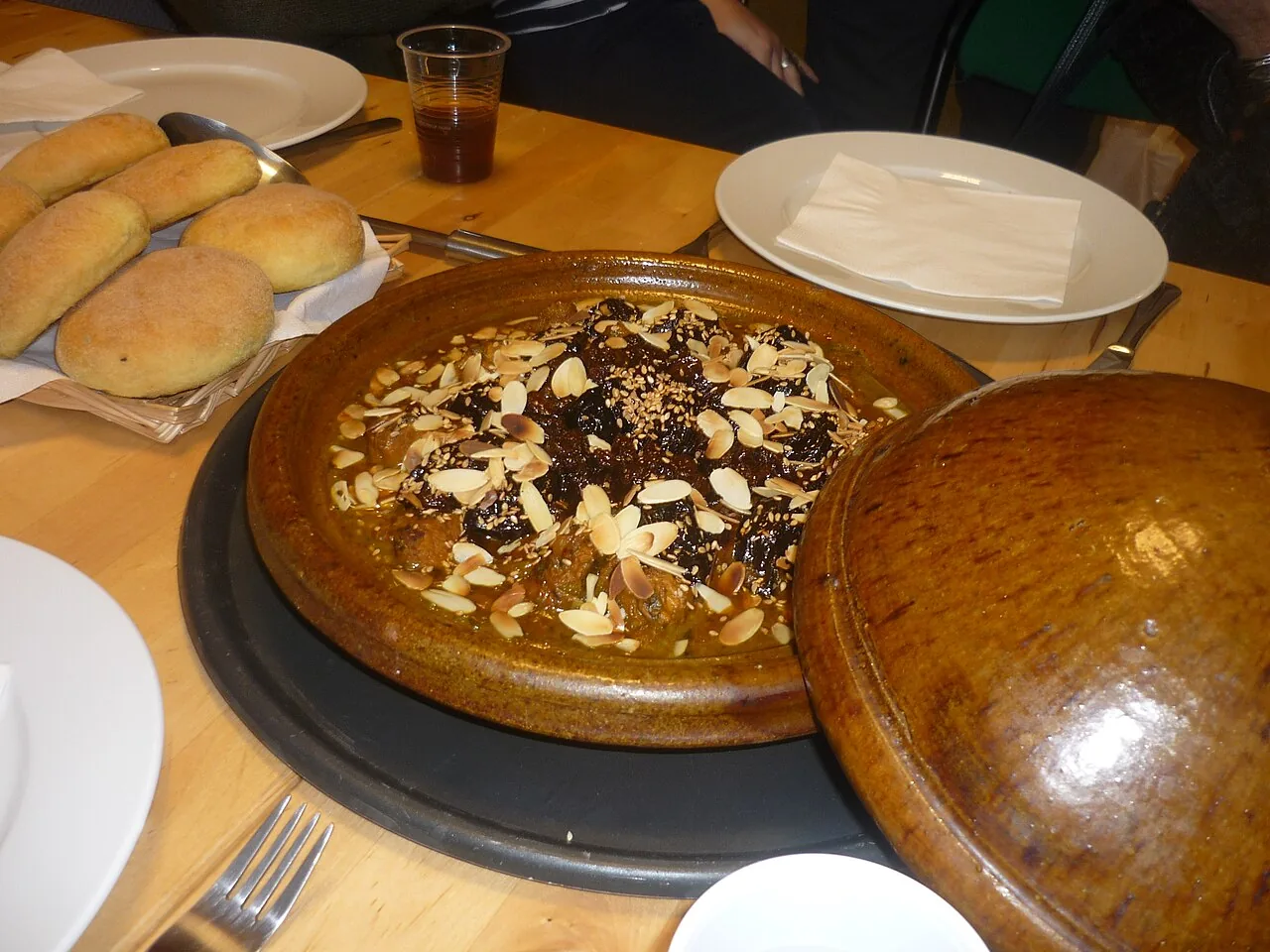
Moroccan lamb and prune tagine with almonds and sesame Morocco flag Morocco 2h 35m
Lunch •Atlas Mountains

Lamb & Prune Tagine

Clay vessel braised lamb shoulder infused with Ras el Hanout, saffron stamens, and natural sun-dried fruit pectins.

Immunity & Warming

Slow-braised lamb with prunes, almonds and couscous.

Pairs Well With
Spiced Couscous & Preserved Lemon Salad
High Protein
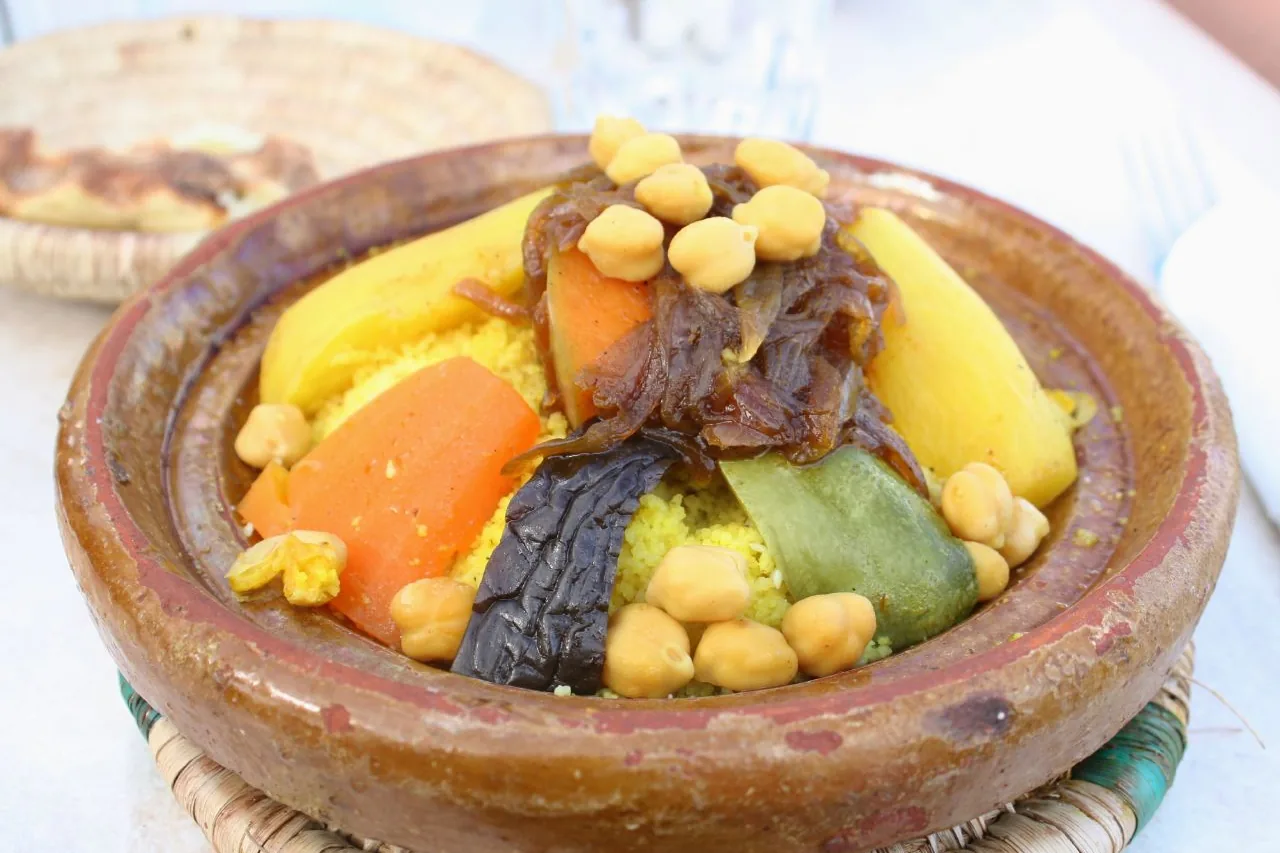
A clay bowl of Moroccan couscous with vegetables, chickpeas, carrot and pumpkin Morocco flag Morocco 1h 15m
Dinner •Maghreb Friday Table

Moroccan Couscous with Vegetables

This moroccan couscous recipe steams fine semolina until fluffy, then ladles over a slow-cooked stew of seven vegetables, chickpeas and warm spices. One serving is about 475 g.

Comfort & Warmth

Fluffy steamed semolina with a slow vegetable stew and chickpeas.

Pairs Well With
Harissa, mint tea and crusty bread
Quick Prep (<30m)
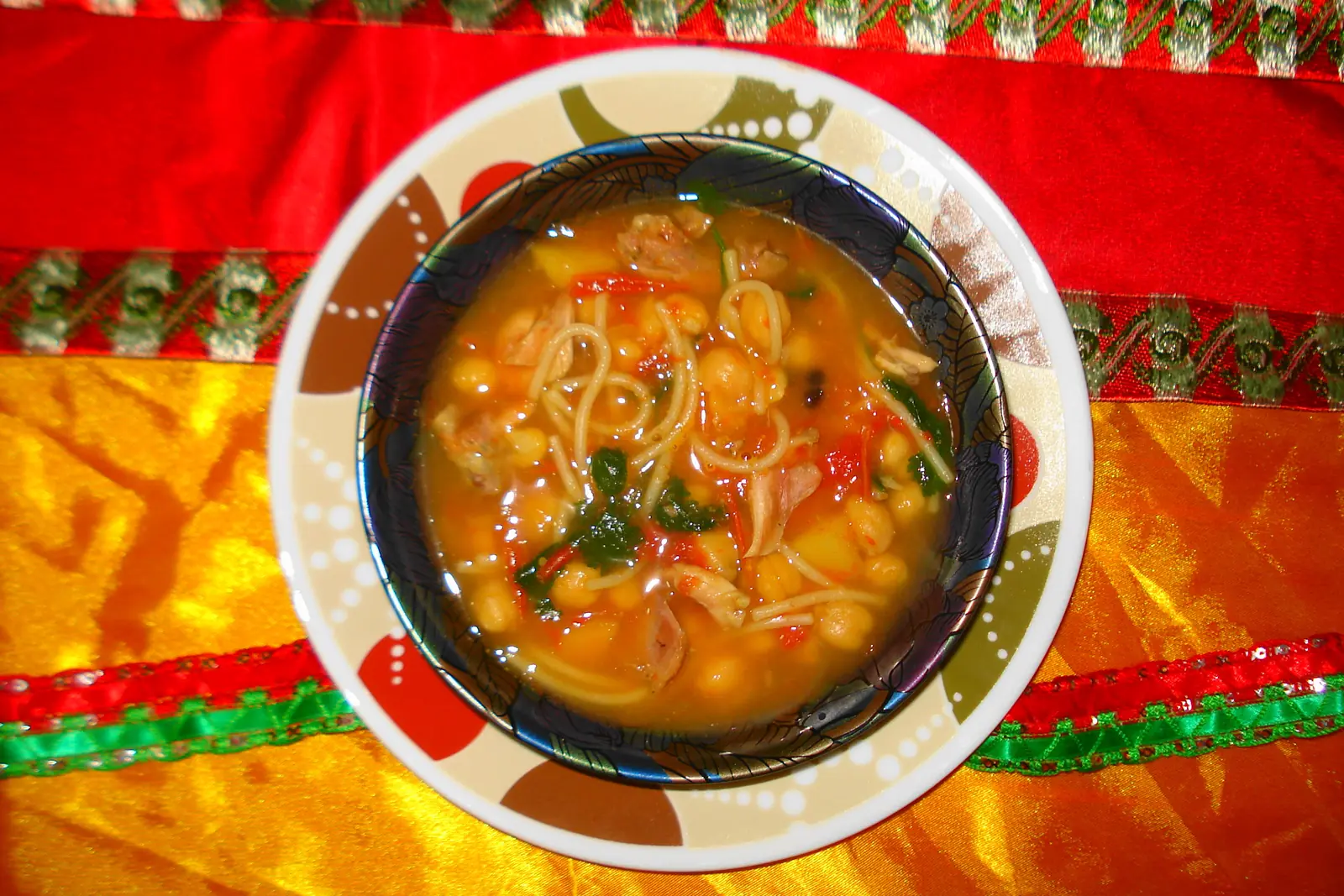
A bowl of Moroccan harira soup with chickpeas, noodles and fresh herbs Morocco flag Morocco 1h 15m
Lunch •Ramadan Iftar Table

Harira Soup

This harira soup recipe simmers lentils, chickpeas, tomatoes and lamb with ginger, cinnamon and fresh herbs, then thickens it the traditional way with a flour slurry. One serving is about 450 g.

Comfort & Warmth

A thick, warming tomato and lentil soup, the soup Moroccans break their fast with.

Pairs Well With
Dates, chebakia and mint tea
Soups & Broths • High Protein
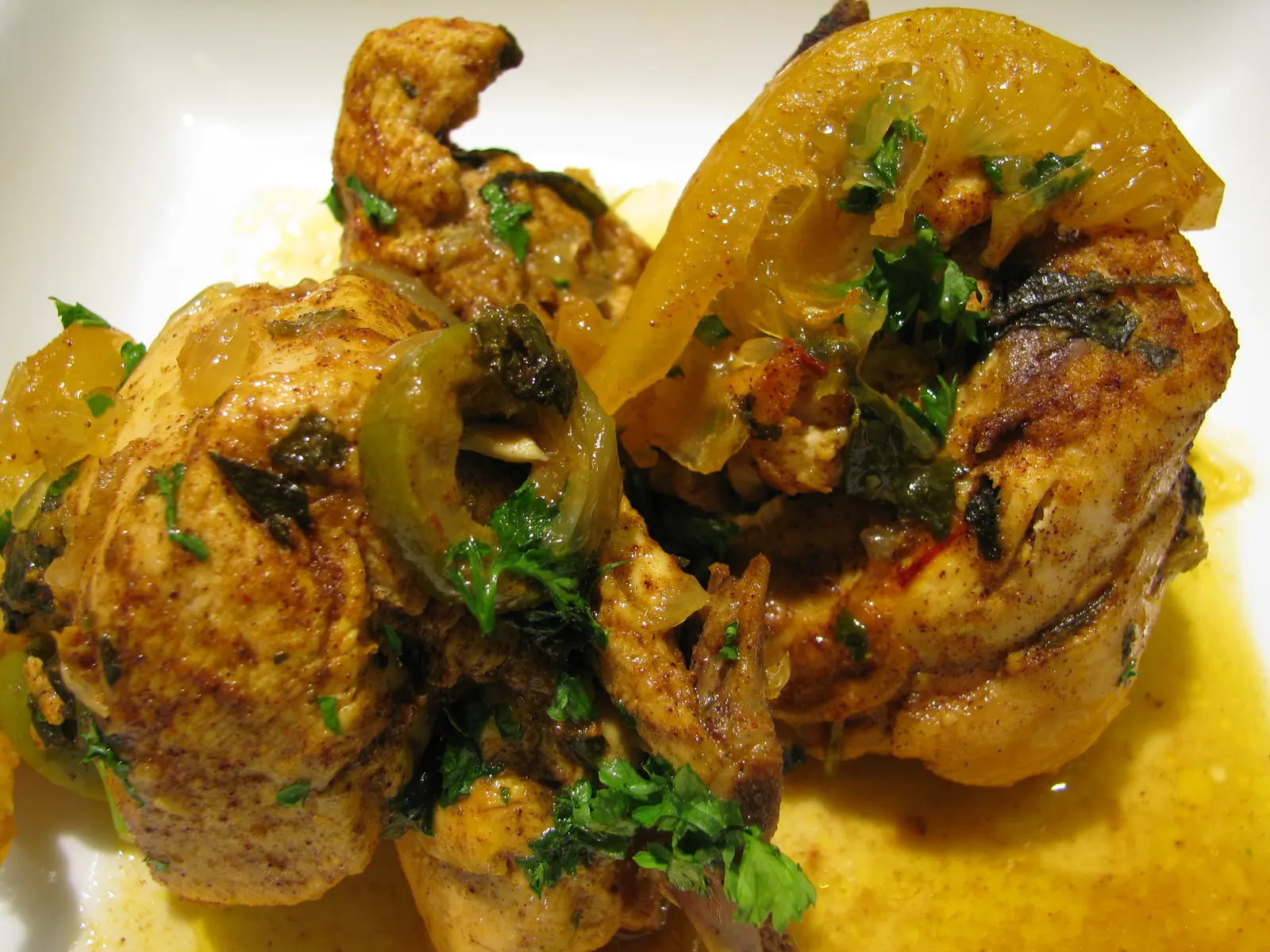
Moroccan chicken tagine with preserved lemon slices, green olives and fresh parsley Morocco flag Morocco 1h 15m
Dinner •Moroccan Heritage

Moroccan Chicken Tagine

Moroccan chicken tagine is the dish Morocco is best known for: chicken braised slowly with onions, ginger and saffron, then finished with salty preserved lemon and green olives. This moroccan chicken tagine recipe uses a heavy pot instead of a clay tagine, so anyone can make it — the conical lid's job is done by a tight-fitting lid and a gentle flame. One serving is about 315 g.

Slow-Cooked Comfort

Chicken braised slowly with ginger, saffron, preserved lemon and green olives until the meat falls from the bone.

Pairs Well With
Couscous, khobz bread and mint tea.
High Protein

The Dinner Gazette

Never wonder what’s for dinner again

One email a week with easy dinner ideas from around the world — ingredients, steps and nutrition, tested in our kitchen first.

Delivered every Thursday morning. Unsubscribe anytime.