
Curated recipes from 193 countries  •  New seasonal Mediterranean issue out now

Overview

Kaiserschmarrn

Kaiserschmarren, Emperor's Mess, Emperor's Pancake

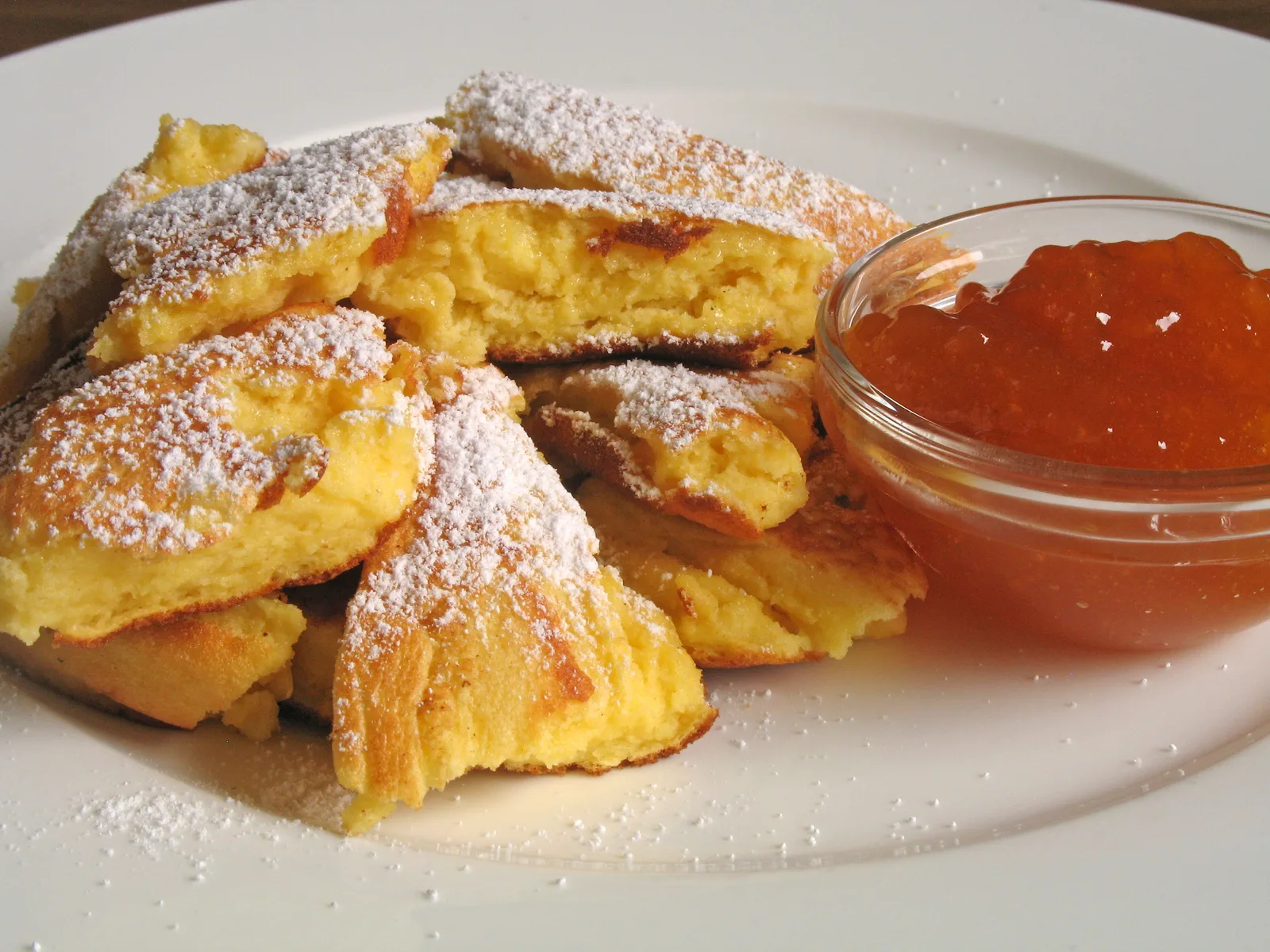
Kaiserschmarrn is Austria's most charming dessert: a thick, fluffy pancake fried in butter, torn into golden shreds in the pan, dusted with icing sugar and served with warm plum compote. This kaiserschmarrn recipe keeps the classic raisins, the whipped egg whites that make it so light, and the plum compote that every Viennese coffee house serves beside it. One serving is about 290 g.

Kaiserschmarrn means 'Emperor's Mess', and it takes its name from the Austrian Emperor Franz Joseph I, who ruled from 1848 to 1916 and was famously fond of this fluffy shredded pancake. The story told in Vienna is that a failed, torn pancake was served to the emperor, who loved it — and the 'mess' became a classic. It is made from a sweet batter of flour, eggs, sugar, salt and milk, fried in butter, and is still served in mountain huts and coffee houses across Austria.

Pairs well with: Serve with warm plum compote and a pot of coffee or a glass of milk; a dollop of whipped cream is the traditional coffee-house extra.

Provenance

Austria flag Austria

Vienna Heritage

Europe

Time Dedication

35m

15m prep • 20m cook

Batch Yield

4 Servings

555 kcal per serving

1 serving ≈ 290 g

Technical Skill

Easy

Easy (One Pan)

Meal Timing & Digestive Fit

Breakfast

Not Advised

Lunch

Inappropriate

Dinner

Inappropriate

Snack & Tea

Ideal Light Bite

Occasions: Afternoon snack, dessert after a light lunch, ski trips, festive gatherings Cost: Low — about $2–3 per serving at home
Golden shredded Kaiserschmarrn pieces dusted with icing sugar on a white plate, with a small bowl of plum compote

Vienna Heritage

Photo: Kobako, CC BY-SA 3.0, via Wikimedia Commons

The Heritage Formulary

Measured Ingredients

Estimated cost: Low — about $2–3 per serving at home (USD)

This recipe keeps the classic whipped egg whites, raisins and plum compote that define Kaiserschmarrn, with the rum optional for children.

Execution Methodology & Culinary Technique

Step-by-Step Cooking Guide

Active 35m
P

Prep Stage: Soak, Separate & Whisk

15 Mins • Soaking & Whisking

Soak the raisins in the rum or apple juice for at least 20 minutes, then drain. Separate the eggs. Sift the flour into a large bowl, whisk in the milk a little at a time until smooth, then whisk in the yolks, sugar, vanilla and salt. Stir in the drained raisins. In a separate clean bowl, whip the egg whites until they hold soft peaks — the bowl must be spotless, or the whites will not whip.

Maestro Tip: Room-temperature eggs whip higher and faster. If the whites refuse to stiffen, a single drop of yolk has got in — start that bowl again.

  1. 1

    Make the Plum Compote

    10 Mins Low heat, ~90°C (195°F)

    Put the quartered plums and the 40 g of sugar in a small pan with 2 tablespoons of water. Simmer gently over low heat for about 10 minutes until the plums soften and collapse into a thick compote. Set aside and keep warm.

    Do not overcook the compote — the plums should hold a little shape, not dissolve into jam.

    Done when: Plums are soft and the compote coats a spoon.

  2. 2

    Fold in the Egg Whites

    3 Mins No heat — room temperature

    Fold the whipped egg whites into the batter in two batches, using a large spoon and a slow lifting motion. Stop as soon as the streaks disappear — overmixing knocks the air out and the pancake will be flat.

    Fold, don't stir. Cut the spoon down the middle, lift the batter over the top, and turn the bowl a quarter turn after each fold.

    Done when: Batter is light, airy and evenly mixed with no white streaks.

  3. 3

    Pour and Fry the Pancake

    4 Mins Medium heat, ~170°C (340°F)

    Melt half the butter in a wide frying pan over medium heat until it foams. Pour in all the batter and spread it evenly to about 2 cm thick. Cook for 3–4 minutes until the underside is golden and the top is just starting to set.

    A wide pan matters — if the batter is too thick it will not cook through before the bottom burns.

    Done when: Underside is golden; the top is set at the edges but still soft in the centre.

  4. 4

    Flip, Tear and Caramelise

    5 Mins Medium heat, ~170°C (340°F)

    Slide a spatula under the pancake and flip it in one confident movement — or cut it into quarters in the pan and turn each piece. Cook the second side for 2–3 minutes until golden, then tear the whole pancake into bite-sized shreds with two forks or the spatula. Add the rest of the butter and toss the shreds in it for a minute so the edges caramelise slightly. The centre must be fully cooked through, with no wet batter.

    Tearing it in the pan is the traditional way — 'Schmarrn' means a mess, and neat pieces would miss the point.

    Done when: Shreds are golden on the outside and fully cooked and fluffy inside, with no wet batter.

  5. 5

    Dust and Serve

    2 Mins Serving — hot

    Tip the hot shreds onto a warm serving plate, dust generously with the icing sugar, and serve at once with the warm plum compote spooned over the top or in a bowl beside it.

    Serve immediately — the pancake deflates and cools fast, and the icing sugar melts into it within minutes.

    Done when: Shreds are hot, golden and dusted white with icing sugar.

Finishing Touches & Plating

Dust generously with icing sugar while the shreds are still hot, so it melts slightly into the edges, and spoon the warm plum compote over the top at the table.

Nutritional Physiology & Benefits

Nutrition

Energy

555

kcal / serving

Protein

15g

Complete AA

Carbs

88g

Complex

Fats

16g

Healthy

Per serving (4 servings · 1 serving ≈ 290 g)
Energy555 kcal
Protein15 g
Carbohydrates88 g
Fat16 g
Fibre3.2 g
Sugar46.5 g
Sodium204 mg
Per 100g
Energy191 kcal
Protein5.2 g
Carbohydrates30.5 g
Fat5.6 g
Fibre1.1 g
Sugar16 g
Sodium70 mg

Nutrition values are estimated — calculated from USDA FoodData Central values for the listed ingredients.

Vitamins & minerals: Eggs and milk provide vitamin B12, riboflavin and calcium, while the plums add vitamin C and potassium.

Quick Energy

About 88 g of carbohydrate per serving makes this a genuine quick-energy food — the reason Austrian ski huts serve it to hungry skiers at lunchtime.

Simple Pantry Ingredients

Flour, eggs, milk, butter, raisins and fruit — a short list of plain ingredients, with no flavourings or additives you cannot pronounce.

Comfort in a Pan

The torn, fluffy pieces dusted with icing sugar and spooned with warm plum compote are pure comfort food — the kind of dessert that makes a grey afternoon feel like a holiday.

Food Pairings

What to Eat With

To optimize nutrient absorption and elevate the sensory depth, pair with these authentic accompaniments:

Sauces

Plum Compote

Warm plum compote is the classic partner: its tartness cuts the sweetness of the pancake, and the warm fruit against the hot shreds is the whole point of the dish.

Drinks

Black Coffee

Black coffee is the Viennese coffee-house pairing — its bitterness balances the sugar and butter, and it turns a sweet snack into a proper afternoon pause.

Cold Milk

A glass of cold milk is the children's pairing: it is mild and cooling next to the hot, buttery pancake, and it adds a little protein to a sweet snack.

Sides

Fresh Berries

A few fresh berries or a spoonful of lingonberry jam add sharpness and colour; the acidity keeps the rich pancake from feeling heavy.

More Pairings

Vanilla Ice Cream

A small scoop of vanilla ice cream melts into the hot shreds and adds a cool, creamy contrast — the traditional way to serve it in Austrian mountain huts.

Complete menu

Kaiserschmarrn with plum compote after Wiener Schnitzel, or as a stand-alone afternoon snack with a pot of coffee — the Viennese coffee-house way.

Digestive Guardrails

What NOT to Combine

To prevent digestive distress, sluggishness, or palate clash, avoid pairing the dish with these elements:

Avoid Piling More Sugar on Top

Kaiserschmarrn already carries about 47 g of sugar per serving from the batter and compote. Adding a sugary drink, ice cream or chocolate sauce on top pushes the sugar load much higher and leaves most people feeling sluggish rather than satisfied. This is general information, not medical advice.

Do Not Serve It Undercooked in the Middle

Undercooked batter in the centre means undercooked egg, which carries a food-safety risk — the pancake must be fully set and golden through before you tear it apart. If the middle is still wet, keep cooking. This is general information, not medical advice.

Avoid a Large Portion Late at Night

A very rich, buttery, sugary dessert eaten late in the evening can trigger reflux and disturb sleep in people prone to it. Enjoy it as an afternoon snack or an early dessert instead. This is general information, not medical advice.

General information only, not medical advice — consult a doctor for personal dietary decisions.

Who Should Eat It

Who Should Eat

  • General adultsA joyful, rich dessert — about 555 kcal per serving, best enjoyed as a treat after a light main course.
  • ChildrenUsually a favourite from age 4+ because it is sweet, soft and fun to tear apart; soak the raisins in apple juice instead of rum if children are eating it.
  • ElderlySoft, easy to chew and easy to digest in a small portion; the plum compote adds fruit, but the sugar load is high, so a modest serving suits best.
  • Pregnant womenSafe when the pancake is cooked through and the eggs are fully set — avoid any version with raw or runny batter in the middle.
  • Breastfeeding womenFine as an occasional treat; it is energy-dense, so one serving is plenty as part of a balanced day.
  • AthletesA useful quick-energy snack after training — about 88 g of carbohydrate per serving — though it is low in protein, so pair it with something savoury.
  • Weight gainA helpful choice — energy-dense, sweet and easy to eat in a full portion, with fruit compote on the side.
  • Weight lossBest kept as a small, occasional portion: share a serving, go easy on the icing sugar, and take more compote and less pancake.

Health Conditions — Adjust or Avoid

Conditions

  • DiabetesAbout 47 g of sugar per serving is a large load; take a small portion, skip the icing sugar, and choose a compote made without added sugar. Ask your clinician about portions.
  • High blood pressureSodium is low at about 204 mg per serving, which is good — the concern here is sugar and energy, not salt. Ask your clinician about your overall sugar intake.
  • Kidney diseaseModerate in protein and low in sodium, but the sugar load is high; a small portion is the safest approach. Ask your clinician whether this fits your plan.
  • GoutNot especially high in purines, but the added sugar can raise uric acid; keep portions small and infrequent. Ask your clinician about your limits.
  • Stomach issuesRich, buttery and sweet foods can worsen reflux; eat a small portion earlier in the day rather than late at night. Ask your clinician if symptoms persist.
  • Cardiovascular diseaseThe butter and egg yolks add saturated fat and dietary cholesterol, so this is an occasional treat rather than a regular snack. Ask your clinician about how often sweet, buttery desserts fit your diet.
  • Fatty liverHigh in added sugar, which the liver converts to fat; keep portions small and infrequent. Ask your clinician for personalised advice.
  • Food allergiesContains wheat (gluten), egg and milk (butter). The raisins may be soaked in rum — a concern for children and for anyone avoiding alcohol. Ask your clinician about safe alternatives.
  • Special therapeutic dietsNot suitable for gluten-free, dairy-free, egg-free or low-sugar therapeutic diets as written. Ask your clinician or dietitian before adapting it.

If you have a medical condition, consult your doctor before changing your diet.

Storage & Use

Storage & Use

How to store
Cool quickly and store in an airtight container, with the compote in a separate container.
In the fridge
Up to 2 days, in an airtight container; keep the compote separate.
In the freezer
Up to 1 month (freeze the cooked shreds without the compote; thaw in the fridge overnight).
How to reheat
Reheat in a buttered pan over medium heat, about 160°C (320°F), for 3–4 minutes until steaming hot throughout, to 74°C (165°F); dust with fresh icing sugar.
Freezing recommended
No — best eaten fresh; freezing makes it dry.
Signs it has spoiled
Sour or off smell, slimy texture, or mould on the compote.

More recipes to explore

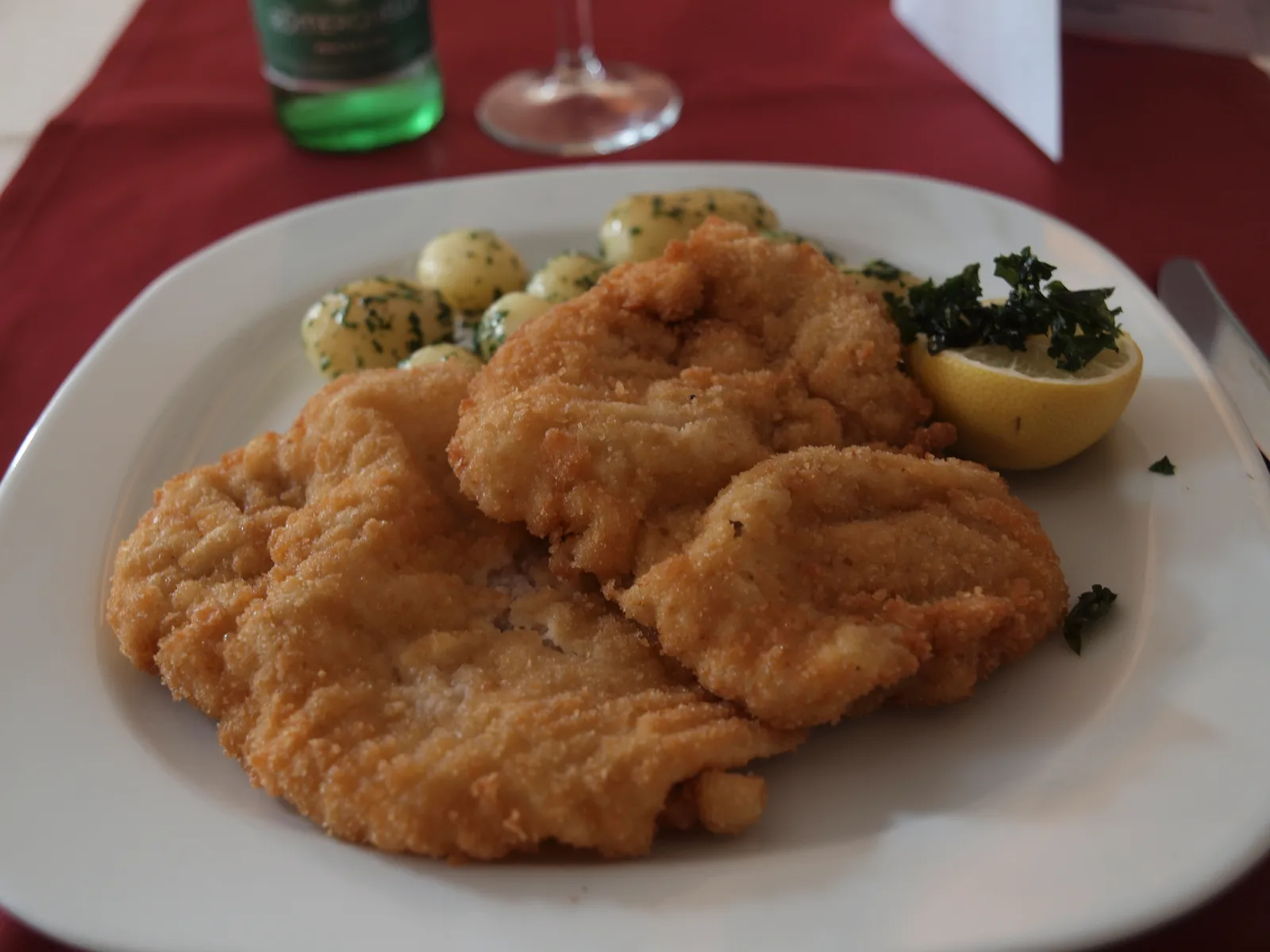
Two golden breaded Wiener schnitzel cutlets on a white plate with parsley potatoes, a lemon half and fresh parsley Austria flag Austria 35m
Dinner •Vienna Heritage

Wiener Schnitzel

Wiener schnitzel is Austria's most famous plate: a veal cutlet pounded paper-thin, coated in flour, egg and breadcrumbs, and fried in butter until it puffs up golden and crisp. This wiener schnitzel recipe follows the Viennese rules — real veal, a loose crumb that billows away from the meat, and a wedge of lemon on the side. One serving is about 175 g.

Classic Comfort

A golden, crisp veal cutlet with lemon and parsley potatoes — a satisfying, protein-rich Viennese dinner.

Pairs Well With
Serve with parsley potatoes or Viennese potato salad and a crisp green salad; a squeeze of lemon over the top just before eating.
High Protein
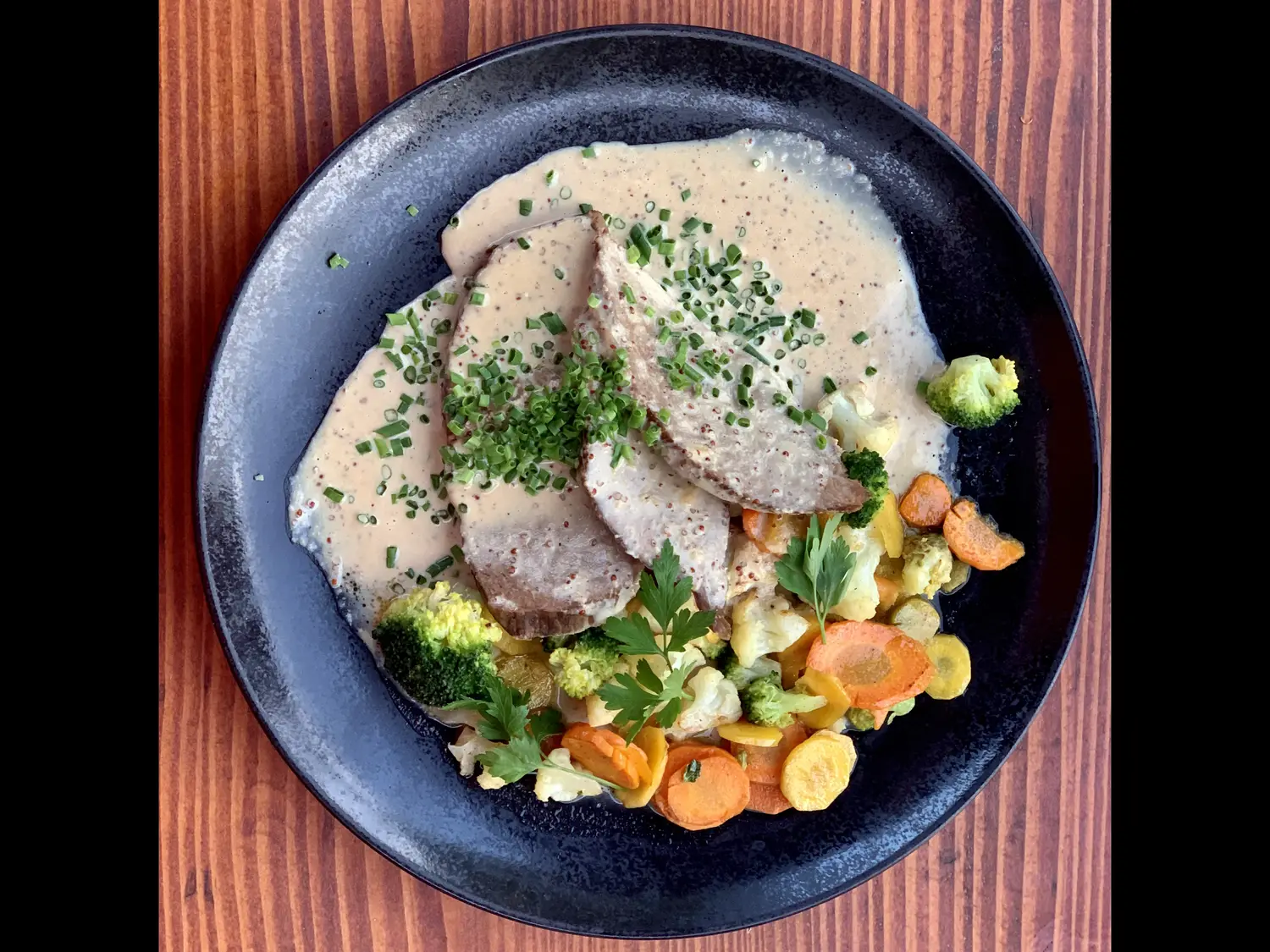
Slices of boiled beef in horseradish sauce with chives, served with carrots, cauliflower and broccoli on a dark plate Austria flag Austria 3h
Dinner •Vienna Heritage

Tafelspitz

Tafelspitz is Vienna's quiet masterpiece: a whole piece of beef simmered gently in broth with root vegetables until it is tender enough to slice with a spoon, then served with apple-horseradish sauce and chive sauce. This tafelspitz recipe is not a stew — the beef is boiled, sliced, and served with its sauces, the way Vienna has done it for generations. One serving is about 370 g.

Comfort & Warmth

Tender simmered beef with root vegetables, apple-horseradish and chive sauce — a gentle, warming Viennese dinner.

Pairs Well With
Serve with roasted potato slices, the simmered root vegetables, and both sauces — apple-horseradish and chive sour cream — with a cup of the clear broth to start.
High Protein
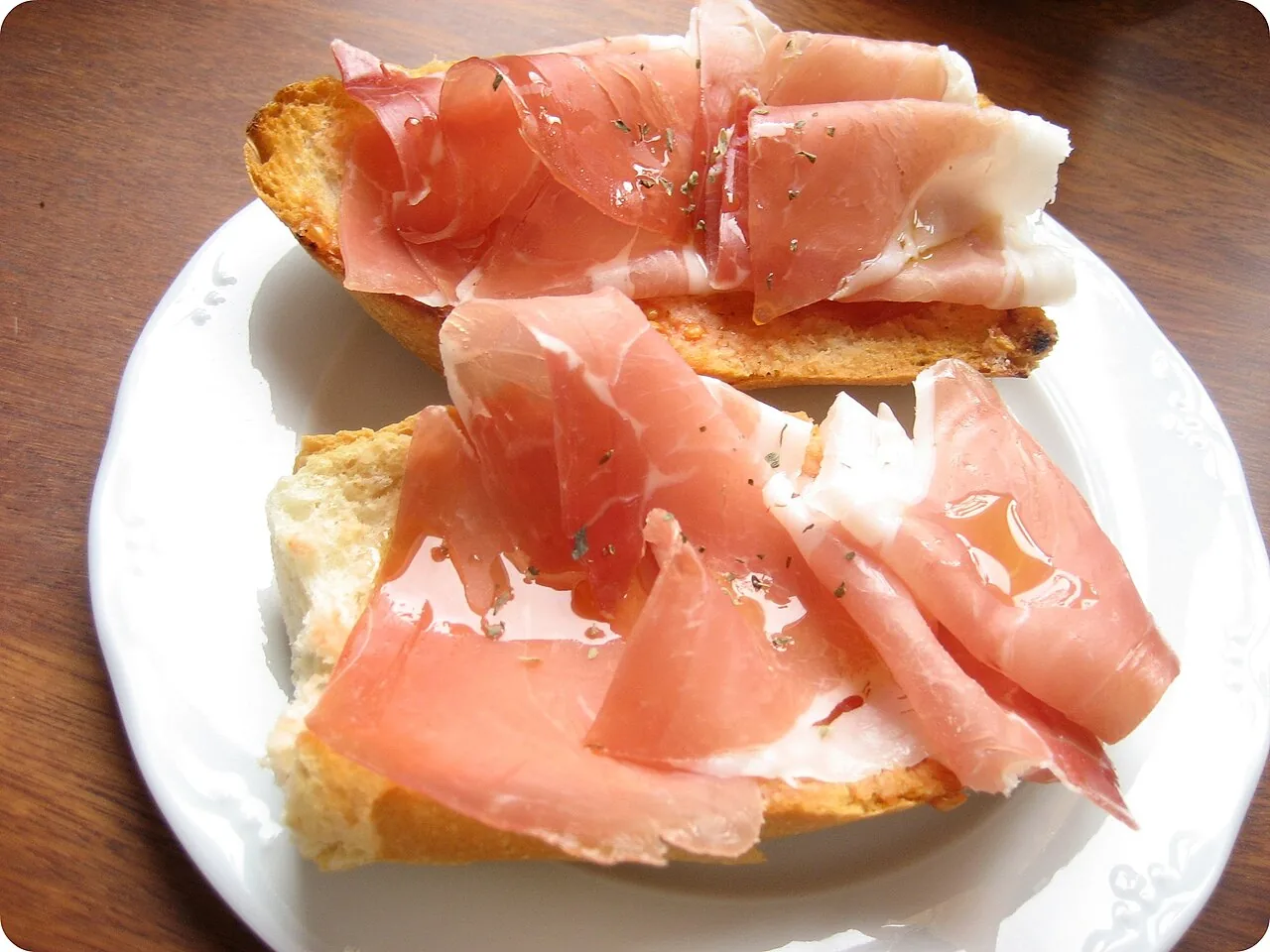
Pan con tomate with jamón ibérico on toasted bread Spain flag Spain 15m
Snack & Tea •Catalan Aperitivo

Pan con Tomate & Jamón Ibérico

Country bread rubbed with ripe Ramallet tomato, drizzled with cold-pressed Arbequina olive oil and topped with jamón ibérico.

Vascular Health

Toasted tomato bread with jamón ibérico, olive oil and olives.

Pairs Well With
Castelvetrano Olives & Sparkling Mineral Water
Quick Prep (<30m)
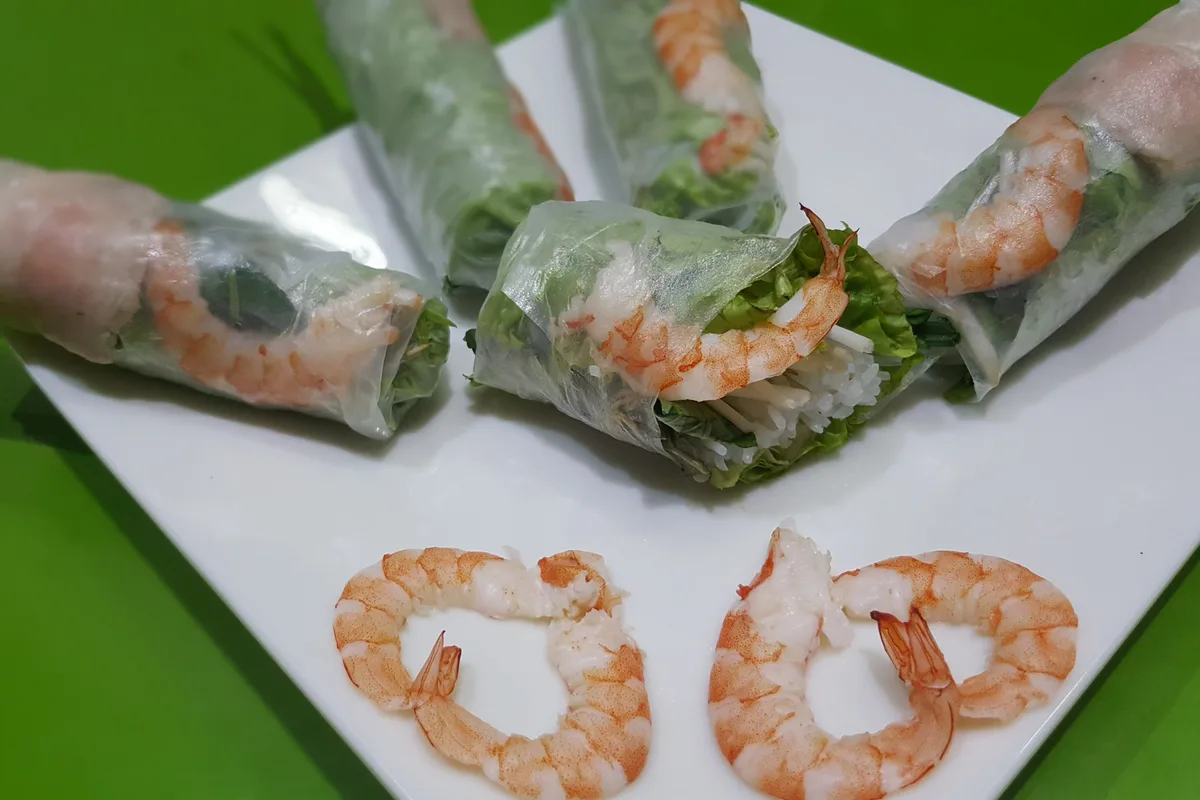
Gỏi cuốn — Vietnamese fresh spring rolls with prawn and pork Vietnam flag Vietnam 1h 5m
Snack & Tea •Saigon Refresh

Gỏi Cuốn Tôm Thịt

Fresh rice paper rolls filled with poached prawns, tender pork, rice vermicelli, lettuce, herbs and carrot, served with a peanut dipping sauce.

Light Digestion

Nothing is fried, so the rolls stay light and fresh — a cool, herb-filled snack for hot days.

Pairs Well With
Artisanal Peanut Dip & Fresh Lotus Root Water
High Protein

The Dinner Gazette

Never wonder what’s for dinner again

One email a week with easy dinner ideas from around the world — ingredients, steps and nutrition, tested in our kitchen first.

Delivered every Thursday morning. Unsubscribe anytime.